A tropical greenhouse, waterfall ponds, formal English gardens, and friendly animals are all part of a five-acre attraction in Franklin, New Hampshire. Tarbin Gardens brings together several very different landscapes, including one inspired by the gardens of Hampton Court Palace in England.
Located at 321 Salisbury Road, the property began as a backyard gardening project created by Richard Tarbin while he was still a teenager. Over the years, it grew into a public garden with woodland trails, wildflower meadows, carefully arranged flower beds, and spaces for weddings and special events.
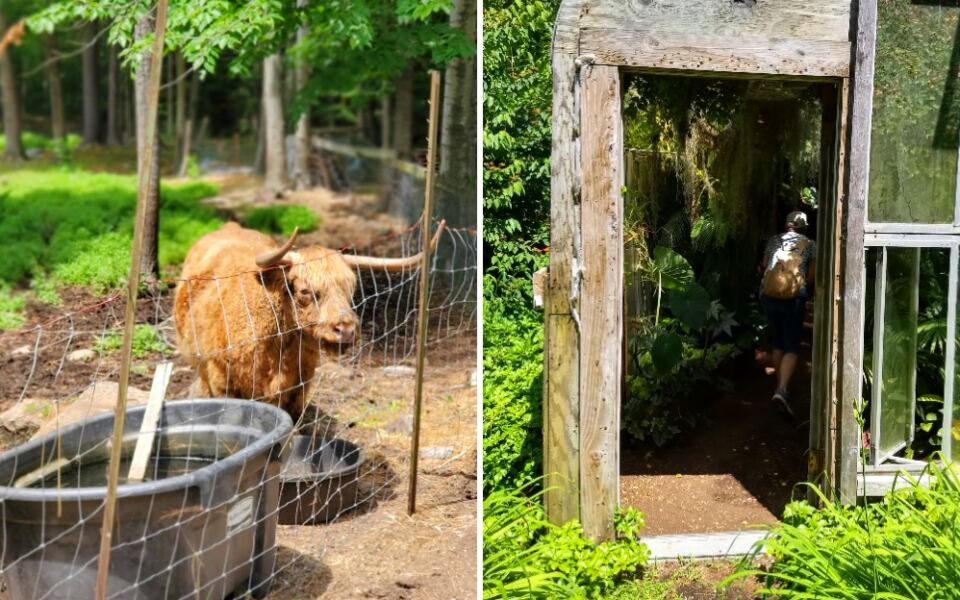
One of its most unusual features is a tropical greenhouse containing a massive monstera plant. Visitors may also encounter resident cats, goats, chickens, and a cockatoo during the summer season.
The gardens typically welcome visitors from June through September, making this a seasonal destination worth planning ahead for. Beyond the plants and ponds, the story of how one family’s backyard became a five-acre attraction is just as interesting as the grounds themselves.
A Secret Garden Hiding on Salisbury Road
Tucked away on the quiet west side of town, this spot was once known around Franklin as a secret garden. Locals whispered about it long before the gates officially opened.
The place is Tarbin Gardens, found at 321 Salisbury Road, Franklin, NH 03235, in the Lakes Region of New Hampshire, USA.
Five acres of planted ground spread out behind a simple entrance building. That building is where I picked up a map, which turned out to be a smart move.
Each section of the property is named and marked with signs. Without the map, I might have wandered in happy circles for hours.
Restrooms and bottled water sit near the entrance too, so I stocked up before heading out. A little planning here saves a long walk back later.
The drive itself is easy, and the parking lot has been expanded four times to keep up with demand. That number alone told me something special waited past the gate.
So how did a family backyard turn into a destination with its own parking problem? The answer starts with a boy and a trip overseas.
The Teenager Who Planted a Dream
Richard Tarbin started gardening at the age of two in England. Most of us were busy eating dirt at that age, but he was apparently planting it.
His family moved from southeastern England to West Franklin in 1968, when he was eight years old. New Hampshire winters must have been quite a shock.
At fourteen, he took a trip back to England, and something clicked. He fell hard for landscaping and wanted to bring a slice of his homeland to New England.
By seventeen, while still in high school, he began building what is now the Formal Garden. His goal was simple, just to make the family backyard look nicer.
I love that the origin story is so humble. Nobody planned a famous attraction here.
Richard later became a professional landscaper, working for clients across New England. Meanwhile, his own plant collection kept growing at home, season after season.
Of course, five acres do not clear themselves. The helpers he used for that job were far from ordinary, and they had horns.
Shaggy Cattle and a Bicentennial Surprise
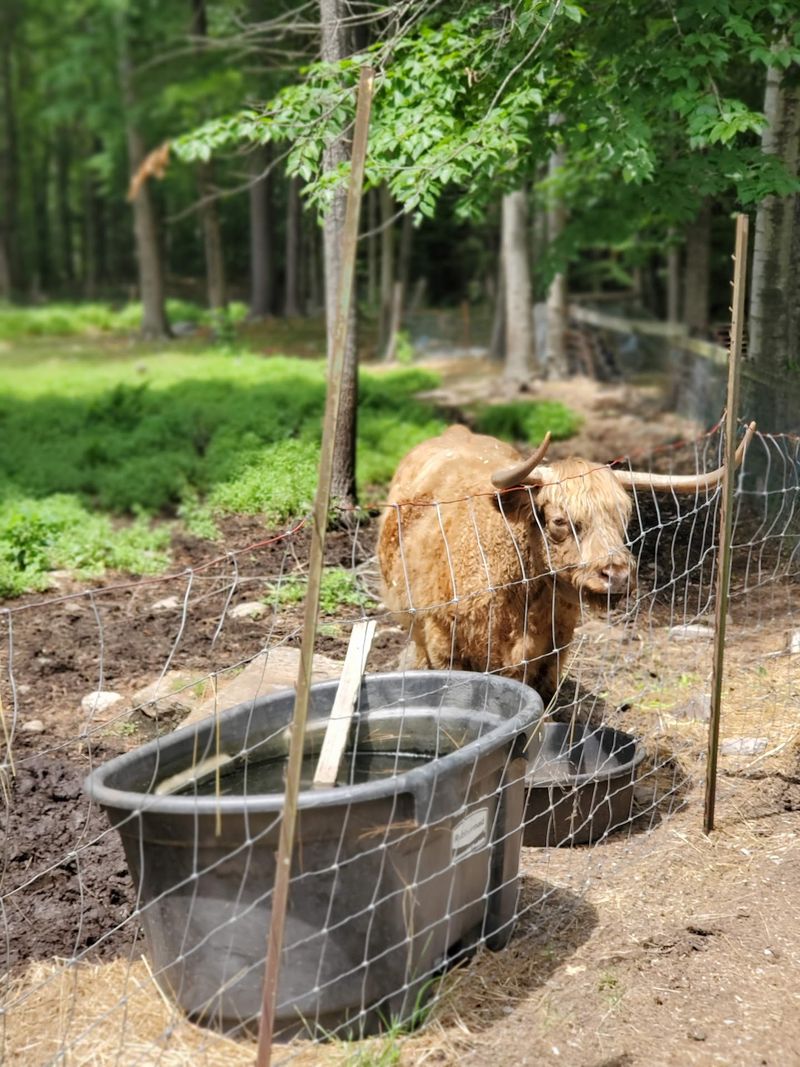
Scottish Highland Cattle helped clear this land. I did not expect furry, long-horned landscapers to be part of a garden story, but here we are.
Richard combined hard manual work, a tractor, and those shaggy cows to open up the property bit by bit. As new ground appeared, he planned and placed each garden.
Word of the hidden backyard slowly spread around Franklin. Local groups began asking if they could come and look around.
The big turning point arrived during the city’s bicentennial celebration. That was when the gardens first welcomed the public, and the response was huge.
Richard and his mother, Jacky Tarbin, realized the space was meant to be shared. They turned the hobby into a business with real paths, named areas, and signs.
Jacky also added an English Cream Tea service for many years. That tradition has since ended, so plan to bring your own snacks instead.
Fun fact, the oldest part of the property is still the most famous one. Its design came straight from a palace.
A Royal Blueprint From Across the Ocean
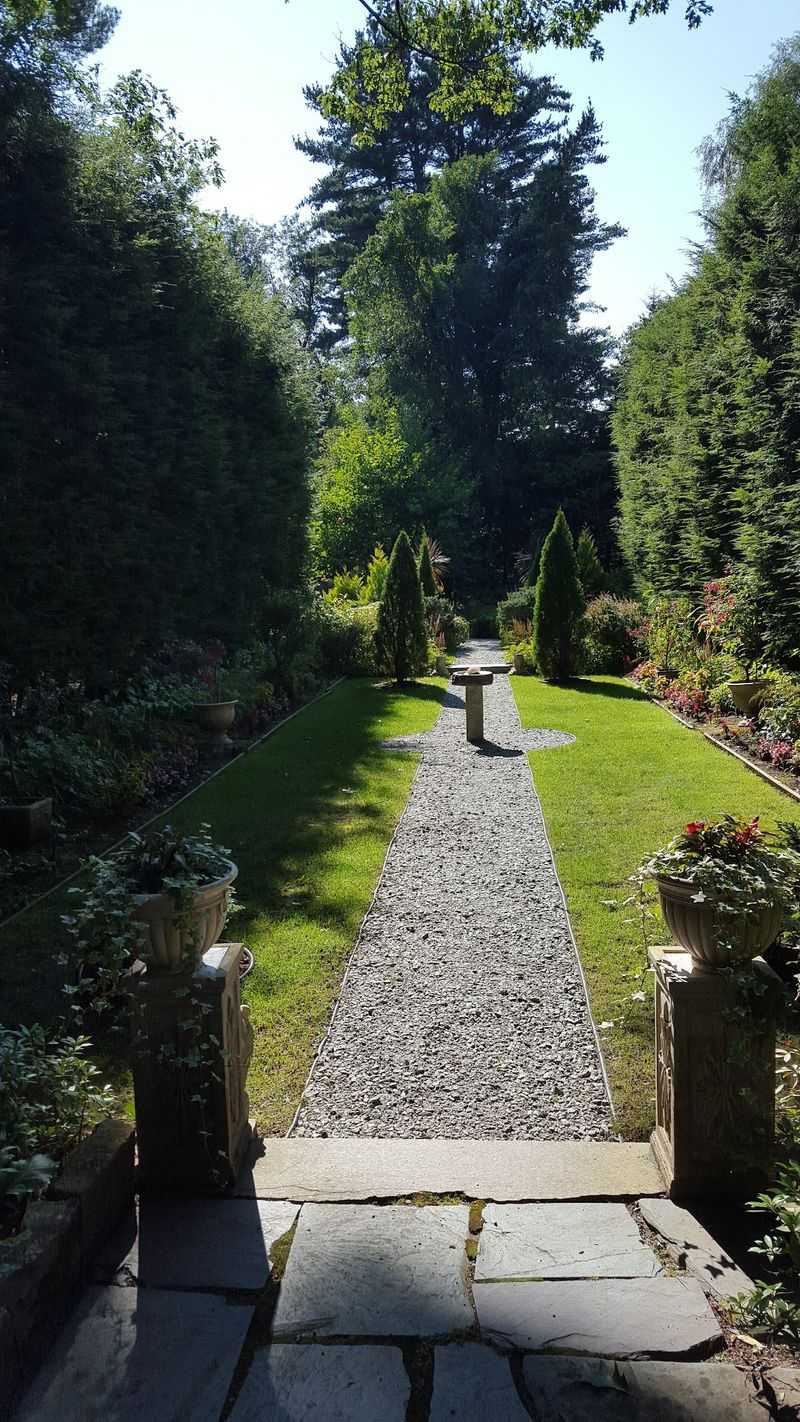
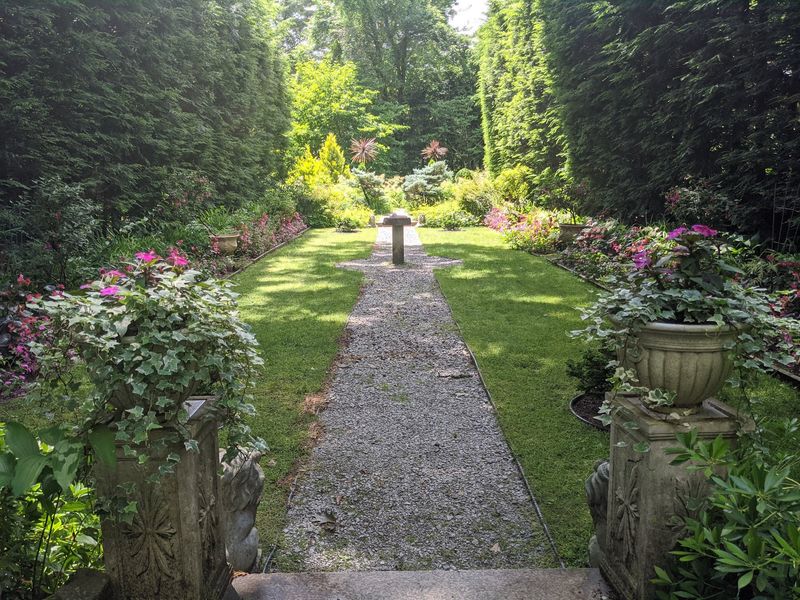
Here is the reveal I promised earlier. The Formal Garden was inspired by the Queen’s Garden at Hampton Court in England.
Many visitors call this place exotic, and some even guess it has Asian roots. The truth is that its heart is English, with some French touches mixed in.
Mirror symmetry rules this area. One side reflects the other, with neat hedges framing bright flower beds.
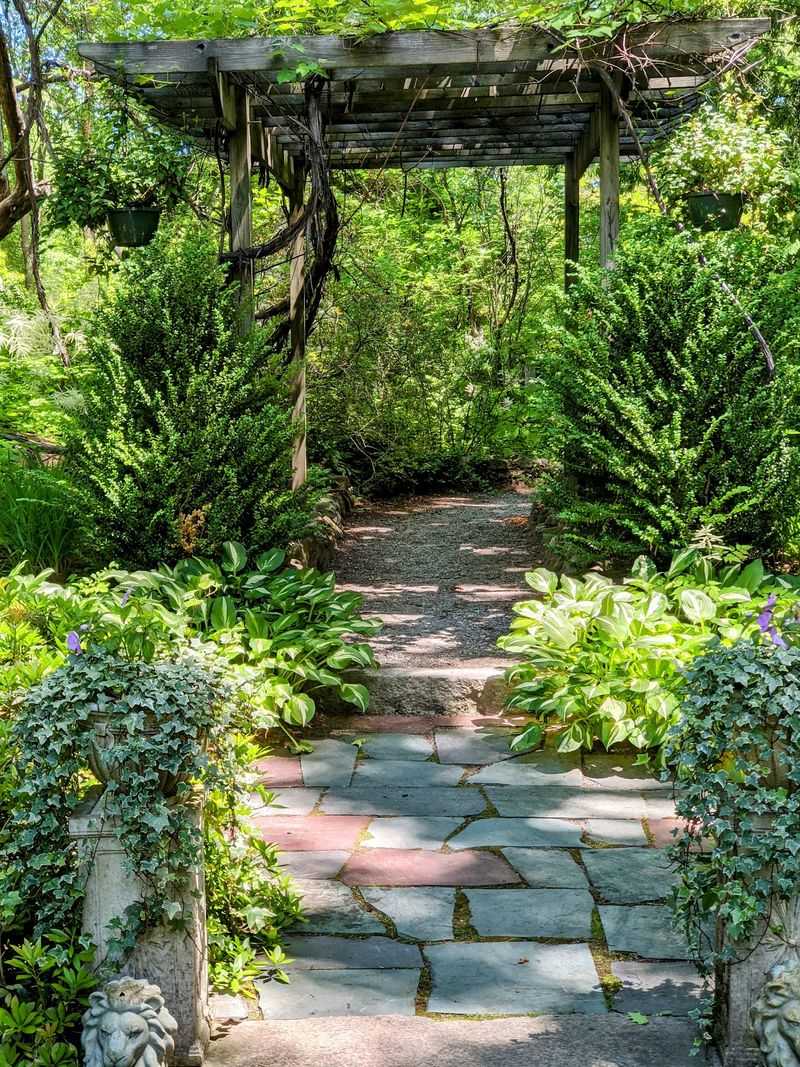
My favorite detail was the graceful arbor draped in old grapevines. It gives shade and a storybook feel at the same time.
The space can hold up to 90 guests for events, and couples often say their vows here. I could see why, since every angle looks ready for a photo.
Tip for photographers, stand at one end and shoot straight down the center. The symmetry looks amazing that way.
Take your time here, because it is the garden that started everything. Yet the next stop felt like a different country entirely, and it had leaves bigger than my car door.
Jungle Vibes in the Granite State
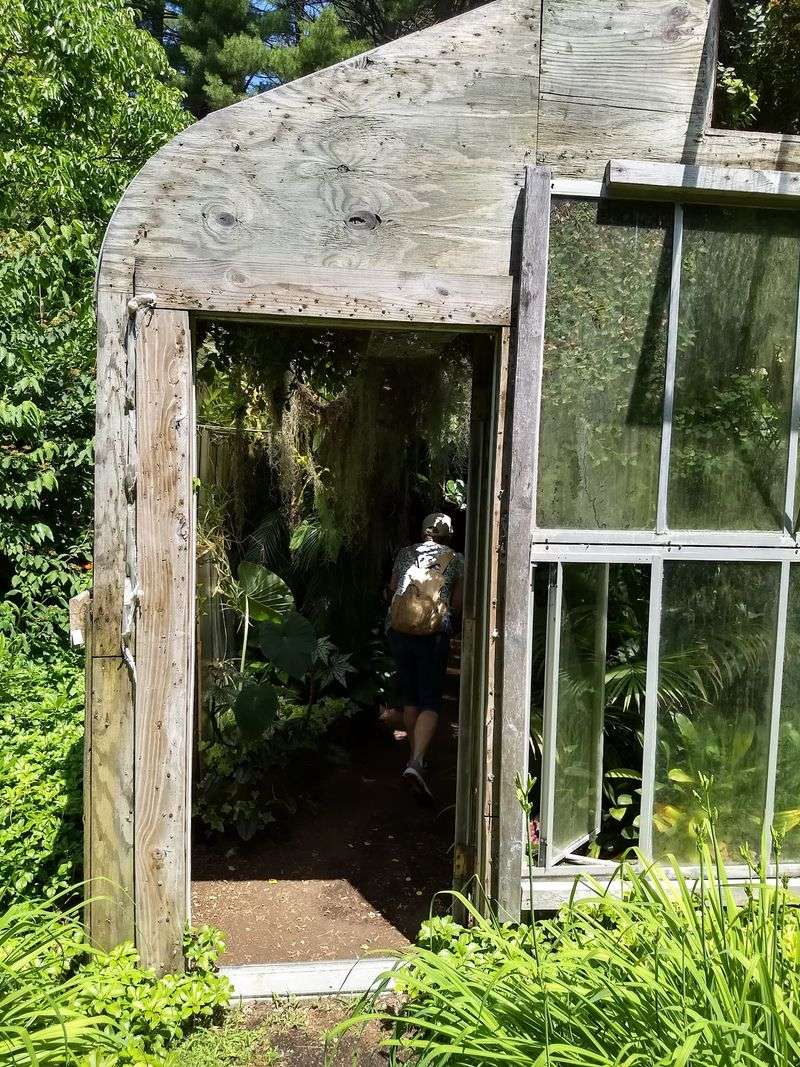
Honestly, the Tropical House made me forget I was in New Hampshire. One step inside, and the air turned warm and leafy.
The star of the show is a monstera plant that stands about ten feet tall. Its leaves stretch around fifteen feet in either direction, which is wild for a houseplant cousin.
Plants from many parts of the world crowd together in this glass room. Some look soft and feathery, while others have bold, shiny leaves.
I also wandered into a room full of succulents. Their chunky shapes and odd textures were fun to study up close.
These greenhouses show how much variety one gardener can grow far from the tropics. It is a lifetime collection, gathered plant by plant.
Bring a lens cloth for your camera or phone. Warm, humid air can fog things up when you first enter.
After the jungle, I needed some fresh air and open sky. Luckily, the next area offered both, plus a willow tree with serious style.
Willows, Water, and a Big White Arbor
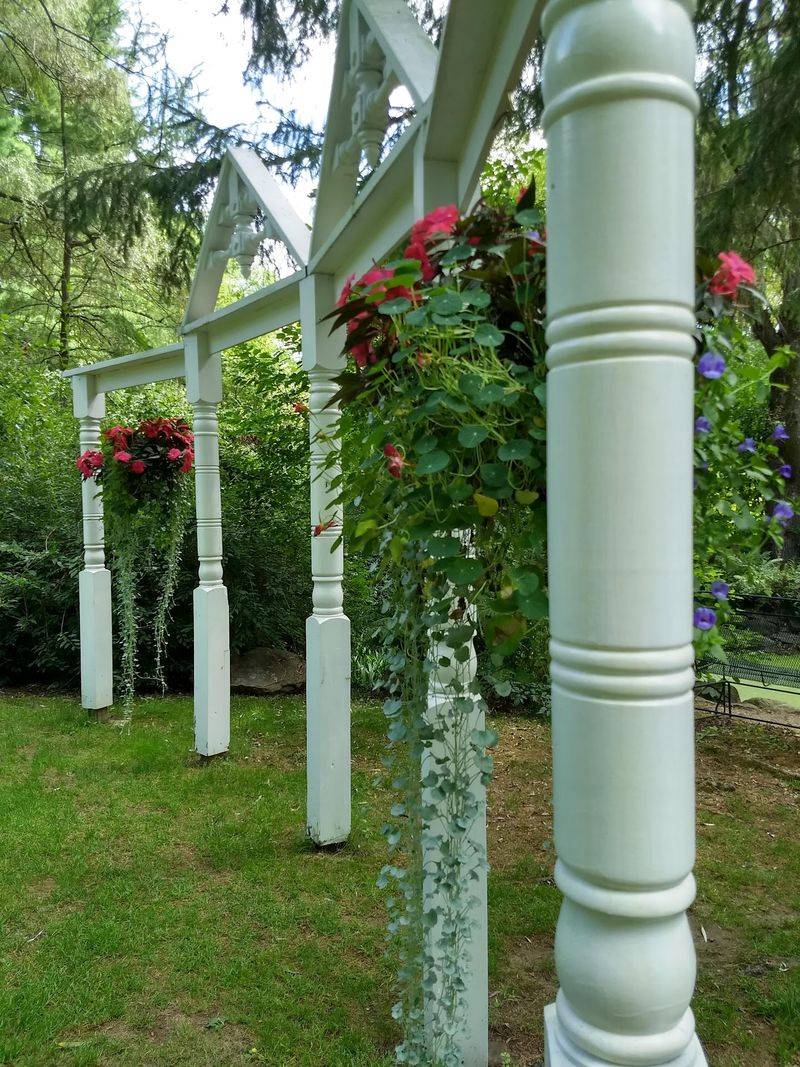
Sitting right in the heart of the property, the Willow Pond Lawn feels like a deep breath. Wide grass, still water, and drooping willow branches set the mood.
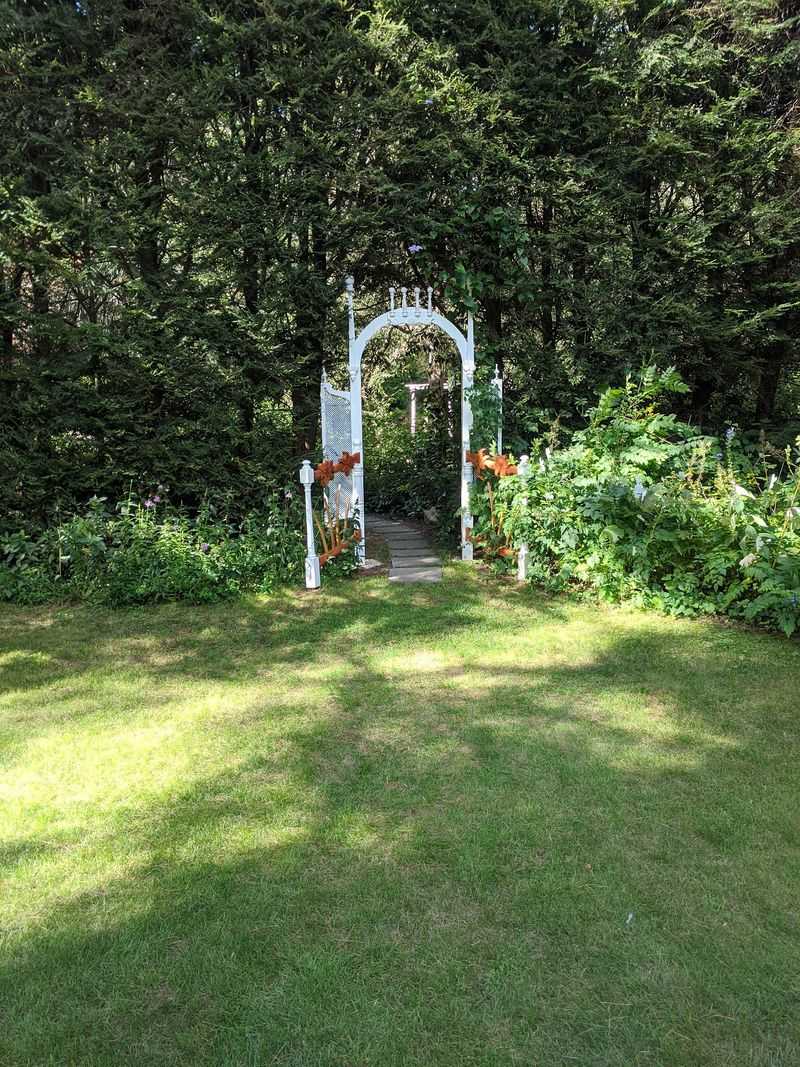
A grand white arbor stands on the lawn. It frames the pond nicely, which explains why so many weddings take place here.
This space can hold up to 125 people. On my visit, though, it was quiet enough to hear birds over the water.
Not far away is the Waterfall Pond. The sound of splashing water adds a calm background track to the walk.
Benches are placed around the grounds for resting. I grabbed one near the water and stayed far longer than planned.
Families with little ones should keep a close eye near the ponds. Adult supervision is required for kids at all times anyway.
Bring a picnic blanket if you want to linger. The lawns are perfect for lunch with a view.
Yet the wildest part of the property was still ahead, past the trees and down a winding trail.
Trails That Trade Hedges for Wildflowers
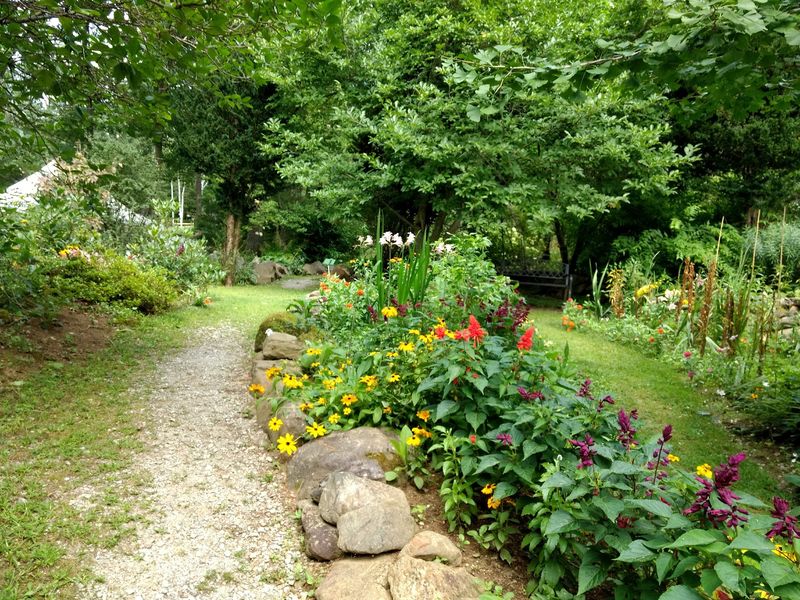
Shady woodland paths curl through parts of the property, and they feel very different from the neat Formal Garden. Here, nature gets to be a little messy.
The trails eventually open into bright wildflower meadows. Going from cool shade into sunshine felt like turning the page in a picture book.
I liked how the gardens flow from one area into the next. Each garden room has its own personality, so the walk never gets boring.
Some spots are sunny and open, while others stay shaded and cool. That mix makes it easy to find a comfortable place on a hot day.
Fair warning, shady spots can mean bugs. A little repellent goes a long way, especially in June.
Most paths are easy to walk. One set of stone stairs is tricky, but there are other routes around it.
Keep your eyes and ears open on these trails. Something furry might be watching you, and it probably expects a pat on the head.
Meet the Cat on Patrol and Friends
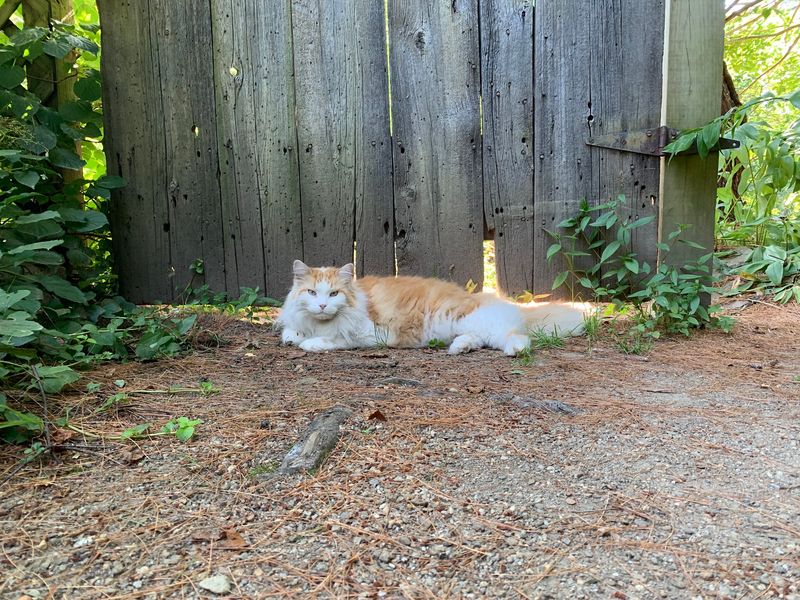
Rudy the cat takes his job seriously. He is known as the guard cat, and he patrols the paths like he owns them.
Several resident cats roam the grounds. Some greet guests with a friendly rub, while others prefer to watch from a sunny spot.
From July through August, a cockatoo lives in an aviary on site. This bird loves company and will chat and play with visitors, which made my whole afternoon.
There is also a barnyard area with goats, rabbits, and chickens. Kids especially love this stop, though adults like me were not complaining either.
Wild visitors show up too. Butterflies drift between blossoms, bees stay busy, and hummingbirds zip past the flowers.
Bird and butterfly fans should bring patience and a zoom lens. The best shots come when you stand still and let nature come to you.
All these animals make the place feel lively and welcoming. No wonder so many couples choose it for the biggest day of their lives.
Saying I Do Under a Wisteria Chandelier
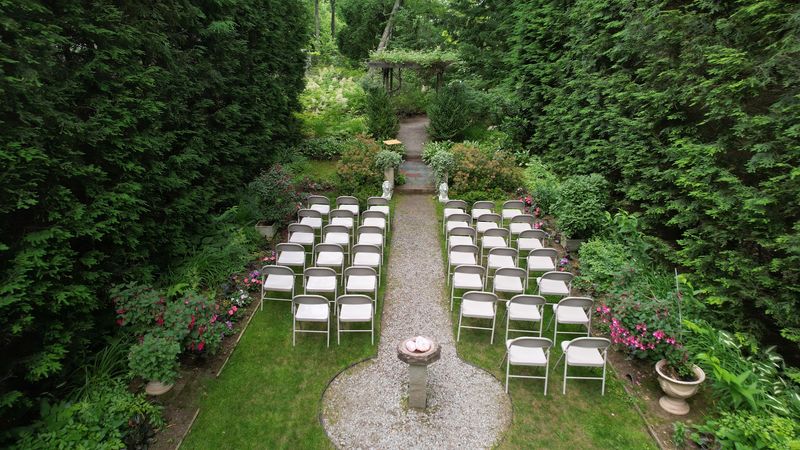
Weddings are a huge part of life here. It has become one of the most loved wedding venues in New Hampshire.
Couples usually exchange vows in the Formal Garden or on the Willow Pond Lawn. Both settings look lovely in photos without much decorating.
Cocktail hour often happens at the Gingerbread Terrace. It has a small tent, patio tables, chairs, and umbrellas, all surrounded by flowers.
Bigger receptions move to the Events Terrace. A two-tiered tent covers the space, and a wisteria chandelier hangs inside.
Colonnades and Victorian railings add charm. There is plenty of lighting, plus room for dancing, music, lawn games, and seated meals.
The venue supplies tents, chairs, tables, electricity, and restrooms. That makes planning simpler, especially for smaller weddings with big style.
Families also come back for photo shoots after the big day. It is a place that keeps collecting memories.
Want to learn the secrets behind all this beauty? The person who planted it is happy to show you around.
Hours, Prices, and Smart Packing
Timing matters, because the gardens keep a short season. They usually open June through September, Wednesday through Friday and on Sundays.
Hours run from 10 am to 5 pm, with the last admission sold at 4:15 pm. I suggest arriving early for softer light and fewer people.
Admission is $10 for adults. Seniors 62 and up, plus kids and students ages 4 to 24, pay $8.
Groups of ten or more can get the $8 rate if they schedule ahead and pay in one transaction. Cash and checks avoid the 3 percent card fee.
Plan for at least an hour, though a few hours feels even better. Picnics are welcome on the lawns and patio tables.
Pack bug spray in June and a hat for sunny July days. A camera is a must.
Most areas work for outdoor wheelchairs, even if a few paths do not. Phones should stay silent, and outside speakers are not allowed.
One more piece of advice involves the calendar itself.
A Garden That Never Looks the Same Twice
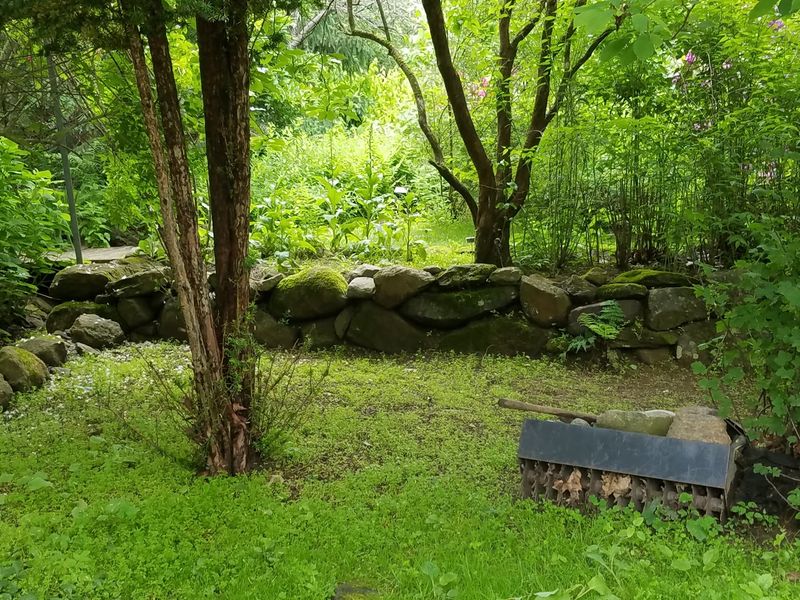
Every month changes the view here. Early summer brings fresh growth and bright color everywhere.
By midsummer, the foliage is thick and many perennials hit their peak. September shifts the palette toward warm tones as late bloomers take over.
Visit late in the season, and some flowers may be finished. Still, plenty of green and color remain to enjoy.
New plants and upgrades, such as arbors and lighting, are added every year. That is why many fans return annually to see what changed.
Please respect the space while you explore. Stay out of flower beds, skip picking flowers or fruit, leave fungi alone, and pack out your trash.
Remember that a family cares for this place, not a big museum staff. That personal touch is part of its charm.
I left feeling calmer than when I arrived, with dirt on my shoes and a camera full of flowers. A boy’s backyard dream became a peaceful world anyone can visit, and I already have next summer circled.
Share this story