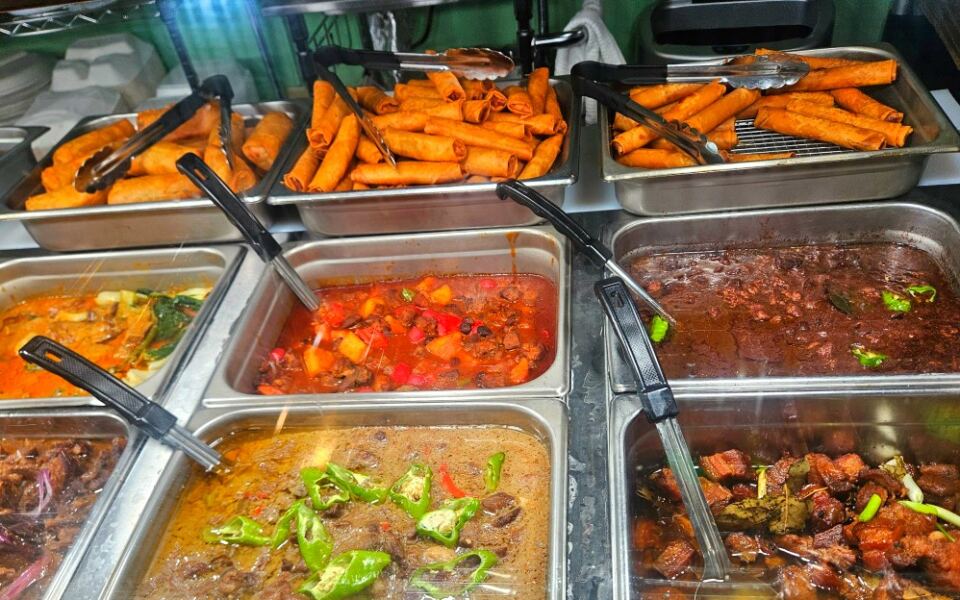
In Harrisburg, one small restaurant brings the flavors of the Philippines to Pennsylvania with crispy pork belly, chicken adobo, lumpia, pancit noodles, and colorful desserts. Opened in August 2025, the kitchen features three chefs representing the Filipino island regions of Luzon, Visayas, and Mindanao.
All-day Filipino breakfasts, purple ube bread, and coconut-filled pastries add to the appeal. Weekend Pork Belly Lechon is a particular highlight, drawing customers eager to try the crispy specialty before it sells out.
An Island Kitchen Hiding on North 6th Street
Finding my lunch felt a little like a treasure hunt, and I mean that in the best way.
Kusina De Isla sits at 1535 N 6th St, Harrisburg, PA 17102, in the uptown part of Pennsylvania’s capital city. The name means “Island Kitchen,” and it is the only Filipino restaurant in Harrisburg.
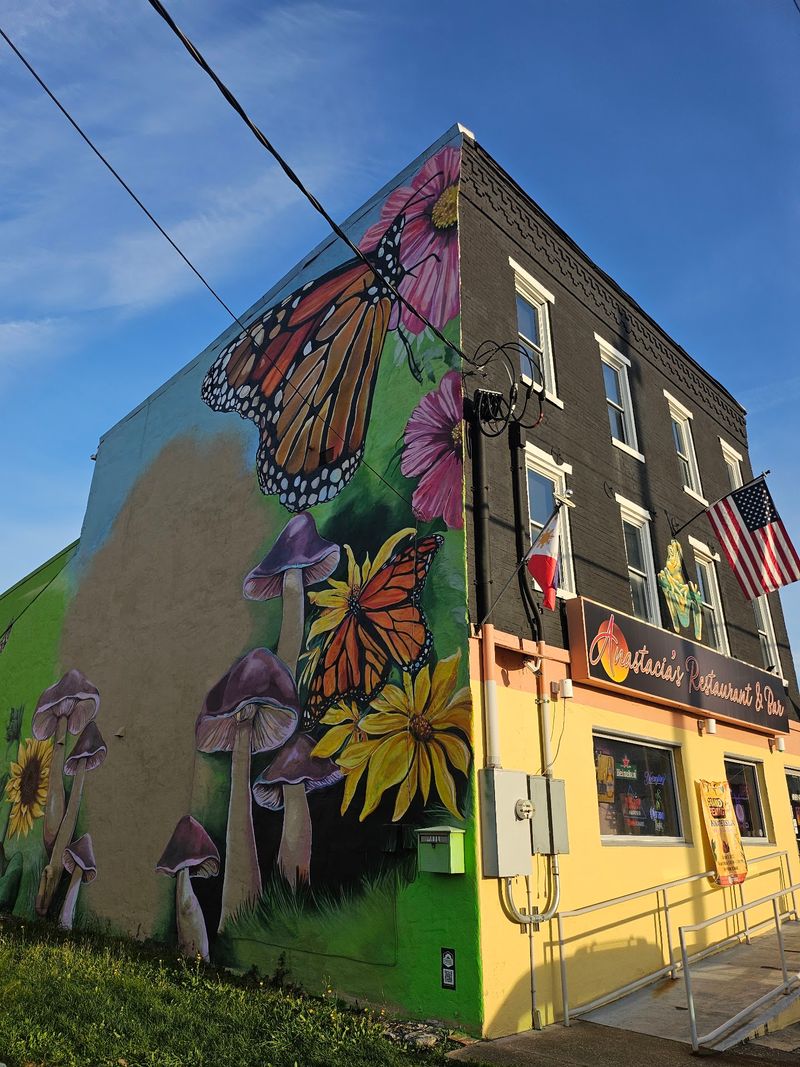
Here is the tricky part. The restaurant shares its building with a Puerto Rican spot called Anastacia, so the sign out front may not match what you expect.
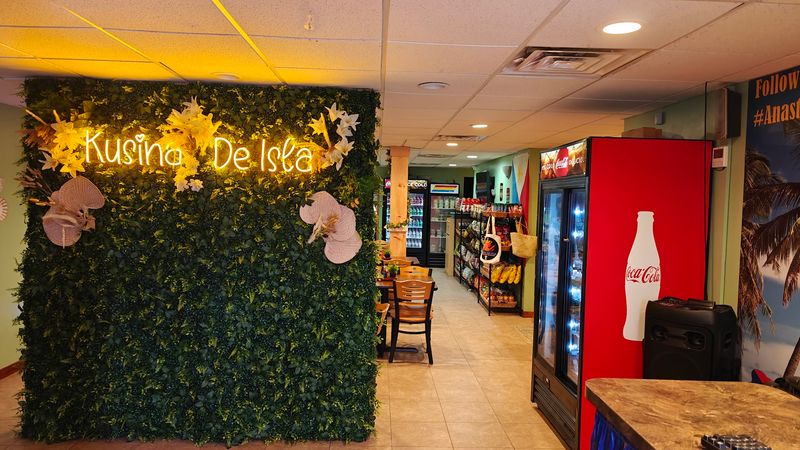
I walked through the main entrance first. A few steps later, the Kusina De Isla sign appeared and my stomach cheered.
Don’t worry about parking, because a big free lot sits right next to the building. A bright, cheerful mural covers the side wall, and it makes a fun backdrop for a quick photo before you eat.
The restaurant opened its doors on August 17, 2025, so it is still fresh on the scene. Even so, it already holds a 4.8 star rating from well over a hundred diners.
Who exactly is cooking back there? The answer surprised me.
Three Chefs, Three Islands, One Counter
Most kitchens have one head chef calling the shots. This one has three, and each of them speaks for a different corner of the Philippines.
The Philippines has three major island groups. Chef Eunice Magtibay represents Luzon in the north, Chef Mike Retuerto represents the Visayas in the middle, and Chef Luville Soulliard represents Mindanao in the south.
That teamwork matters more than it sounds. Filipino food changes a lot from island to island, and a dish in Manila may taste quite different from the same dish in Cebu.
Thanks to this setup, my plate felt like a tiny map of the country. I could taste the sweet, saucy side of the north next to the bolder, salty flavors of the south.
Fun fact for your next trivia night: the Philippines is made up of more than 7,000 islands. Three chefs cannot cover them all, but they make a very tasty attempt.
Behind all that cooking sits a personal story, and it starts with a lonely kitchen far from home.
A Cure for Homesickness That Grew Into a Restaurant
Some restaurants start with a business plan. This one started with a heart that missed home.
Chef Luville Soulliard moved to the United States in 2017. Far from her family, she felt lonely, so she began cooking the Filipino dishes she grew up eating.
Those home-cooked meals became her comfort. Over time, that small habit turned into a big dream of sharing the flavors and stories of her islands with her new neighbors.
What amazed me most is that she still works a full-time job. Her business partners run things during the week, and together they keep the dream moving.
You can feel that history in the food. Nothing tastes rushed or fancy for the sake of showing off.
Instead, the cooking feels like something a grandmother would pass down with a wink and a wooden spoon. Several Filipino diners have called it a real taste of home, and that says a lot.
That homey spirit carries straight to the counter, where first-time guests get a very sweet surprise.
Try Before You Buy at the Friendliest Counter in Town
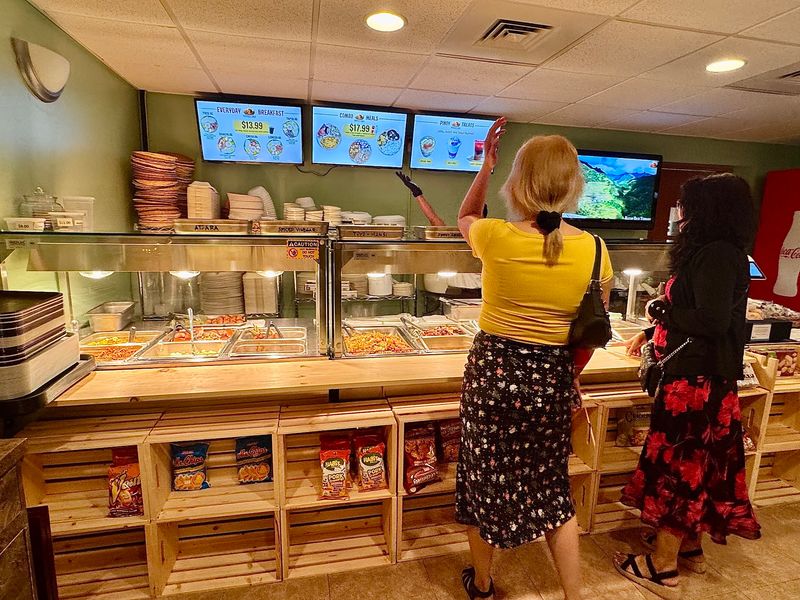
Nobody wants to spend money on a dish they cannot pronounce and then discover they do not like it. The staff here solves that problem with a spoon.
On my first visit, the woman at the counter asked if I was new. When I nodded, she offered me little samples of several dishes so I could choose with confidence.
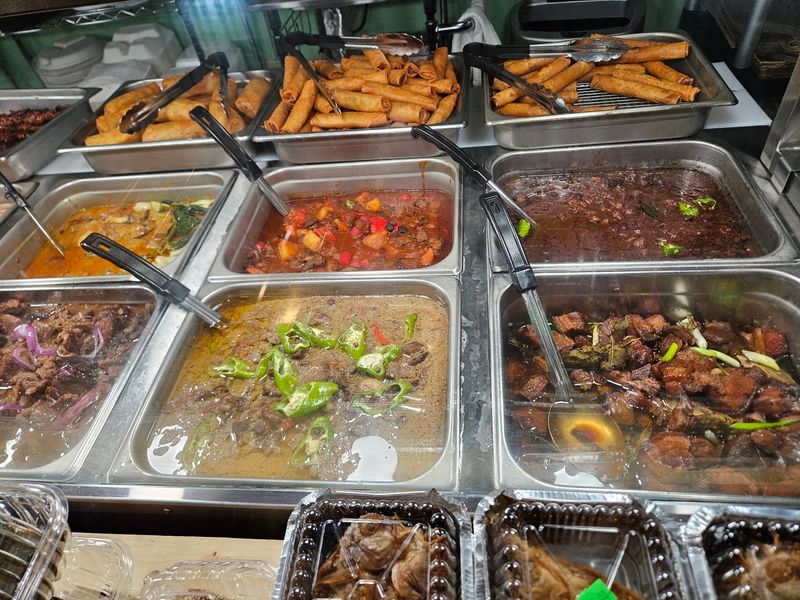
The food sits behind the counter in a buffet-style setup, and the staff serves it to you. They took time to explain each meat option, which helped a lot since I was learning as I went.
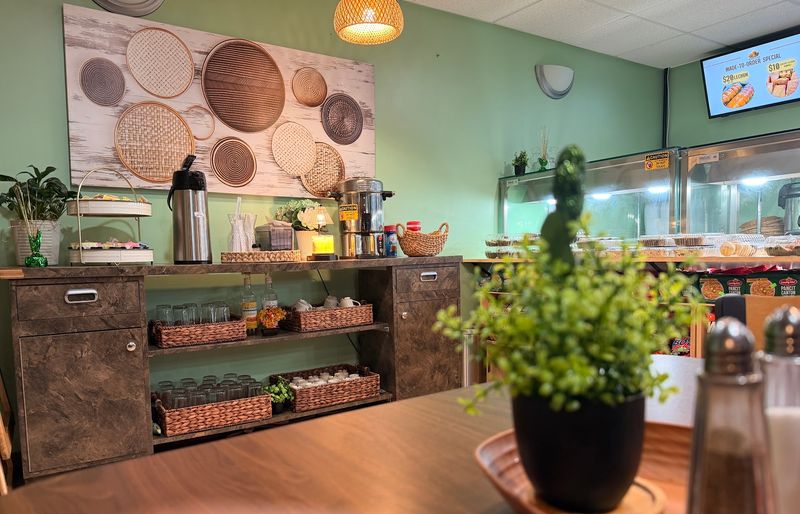
My favorite small detail was the free coffee and tea. It is not fancy coffee, but free is a flavor I always enjoy.
Desserts sometimes show up without warning too. Staff members walk around and hand out slices of cake or crispy banana eggrolls, just because.
The service feels less like a transaction and more like visiting relatives. My only regret was not bringing a bigger appetite.
Speaking of appetite, the breakfast here never goes to bed.
Breakfast That Refuses to Clock Out
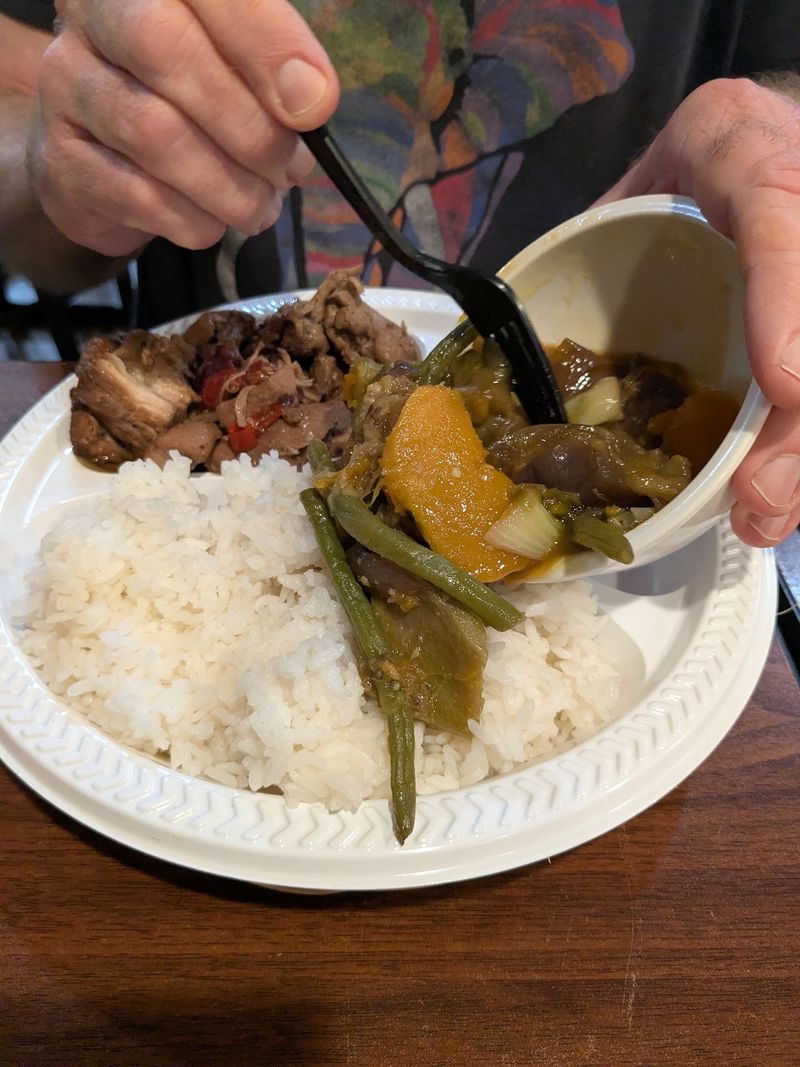
Garlic rice at three in the afternoon is not a crime. In fact, it is the law of the land here.
The restaurant serves silog meals all day long. The word comes from “sinangag” and “itlog,” which mean garlic fried rice and egg, the two stars of every plate.
Each meal arrives on a banana leaf with fresh tomato, cucumber, and atsara, a tangy pickled papaya. That bright side dish cuts through the rich flavors nicely.
You pick the protein, and the name changes to match. Tapsilog comes with cured beef, Tocilog brings sweet pork, and Longsilog features Filipino sausage.
Fish fans can grab Bangsilog, made with fried milkfish. Chosilog uses chorizo from Cebu, which tastes a little sweeter than the Spanish kind you may know.
I went with the Tocilog, and the sweet, sticky pork paired perfectly with the egg yolk. Plenty of sauces sit nearby, including banana ketchup.
Yes, ketchup made from bananas. Trust me and give it a squeeze.
Breakfast was great, but the weekend holds an even bigger prize.
The Weekend Pork Belly Everyone Races For
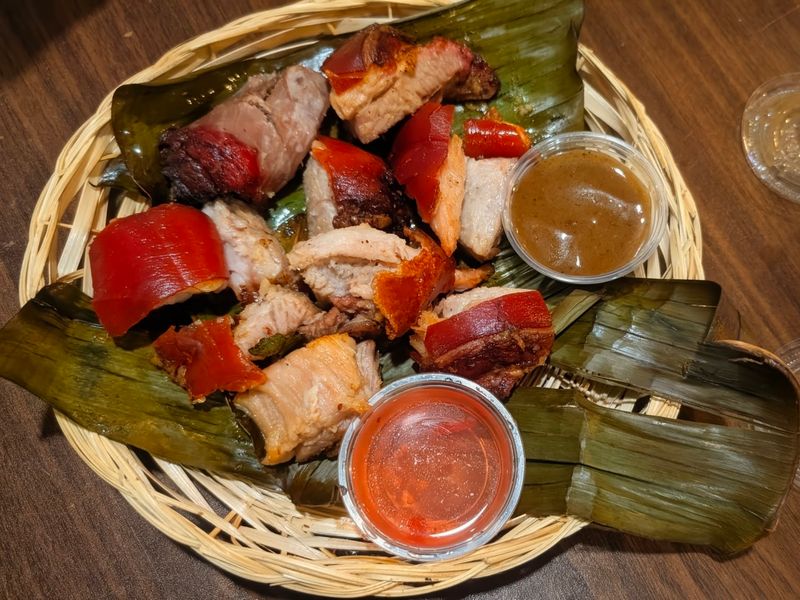
Timing is everything when it comes to the most wanted item on the menu.
Pork Belly Lechon shows up only on Saturdays and Sundays. The skin crackles like a crunchy potato chip, while the meat underneath stays juicy and tender.
Here is the catch. It sells out fast, and plenty of hungry folks have arrived at lunchtime only to hear the bad news.
My advice is simple. Get there before 1:30 in the afternoon, and earlier is even better.
Missed it anyway? Do not panic, because Lechon Kawali makes a delicious backup.
It is crispy fried pork belly that is available more often, and it carries plenty of crunch on its own.
Lechon is a party dish in the Philippines. Families often serve it at birthdays, holidays, and big celebrations, so eating it on a regular Saturday feels like a small festival.
I scored a plate on my second try, and the crunch was worth the early alarm.
Of course, pork belly is only one piece of a very generous puzzle.
Platters Built for Sharing, or Not Sharing
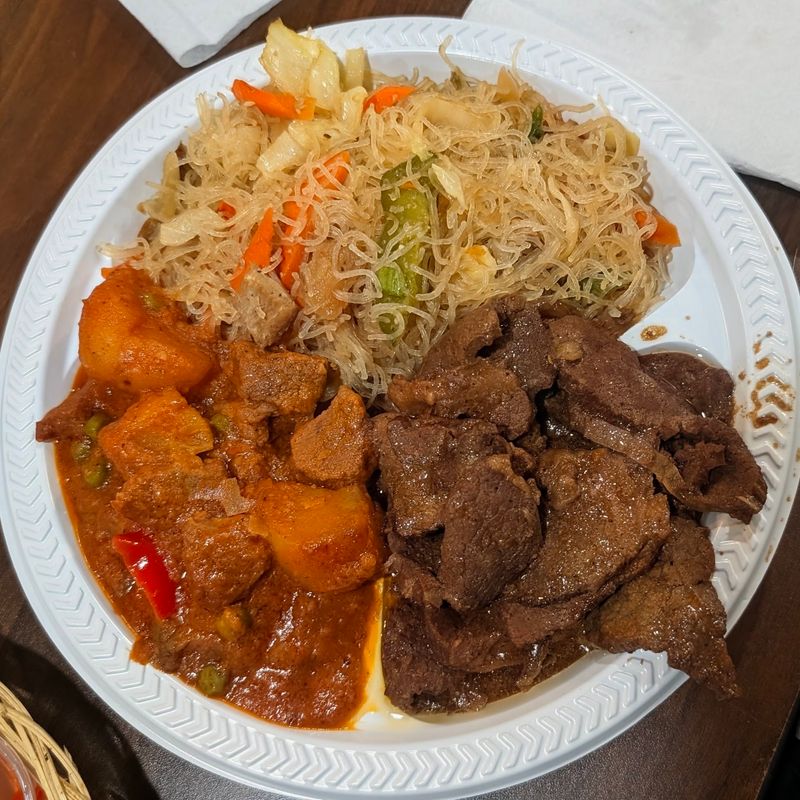
Indecisive eaters, this one is for you. The combo plates let me try several dishes at once without picking just one favorite.
You can order dishes on their own, but most people grab a platter with a few meats and sides. Daily specials rotate, so the lineup changes depending on when you visit.
Lumpia, the crispy Filipino spring rolls, disappeared from my plate first. Pancit noodles came next, soft and savory with bits of vegetable mixed in.
Chicken Adobo is a classic stewed in vinegar, soy sauce, and garlic. Beef Kare-kare is a thick oxtail stew with a peanut sauce that feels like a warm hug.
Other options include Pork Sisig, Embutido, a Filipino meatloaf, and grilled pork barbecue skewers. The chicken soup is silky enough that some guests take a pint home for the freezer.
Portions run large for a fair price. I left full and carried leftovers to the car.
Feeling brave? A few dishes on the menu go way beyond the usual comfort food.
Seaweed, Shrimp Paste, and Other Bold Bites
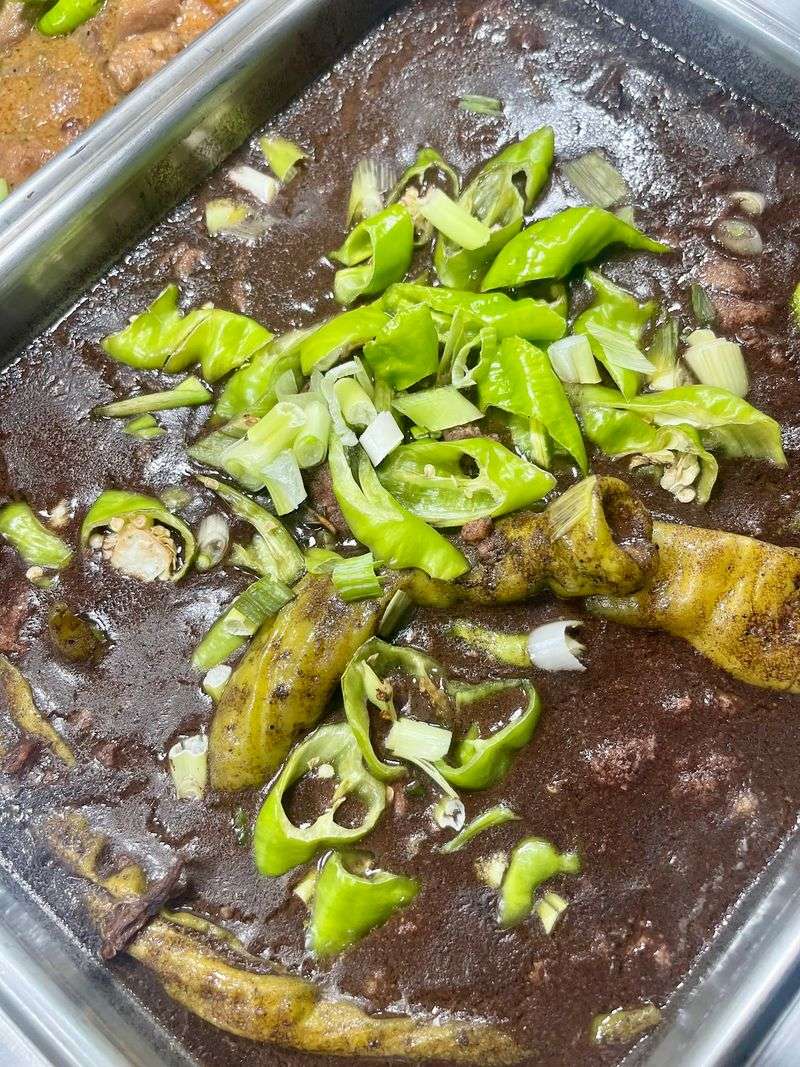
Ready to eat something your friends back home have never heard of? The adventurous side of the menu is where the island flavors really shine.
Guso is a crunchy green seaweed popular in the Visayas and Mindanao. Here it also comes as Kinilaw na Guso, a seaweed salad dressed in vinegar, much like a ceviche.
Bulad is dried fish, salty and crispy. Many Filipino families eat it with rice and a dipping sauce for a simple, satisfying meal.
Then there are the pastes. Ginamos is a fermented fish paste, and Uyap is a small shrimp paste, and both pack a big, salty punch.
A tip from my own table: use these like a seasoning, not a main dish. A tiny bit goes a long way.
Most of these bold bites lean toward the southern islands, which ties back to the chef from Mindanao. They are hard to find anywhere in Central Pennsylvania.
After all that salt, my taste buds begged for something sweet and colorful.
Halo-Halo and a Rainbow of Rice Cakes
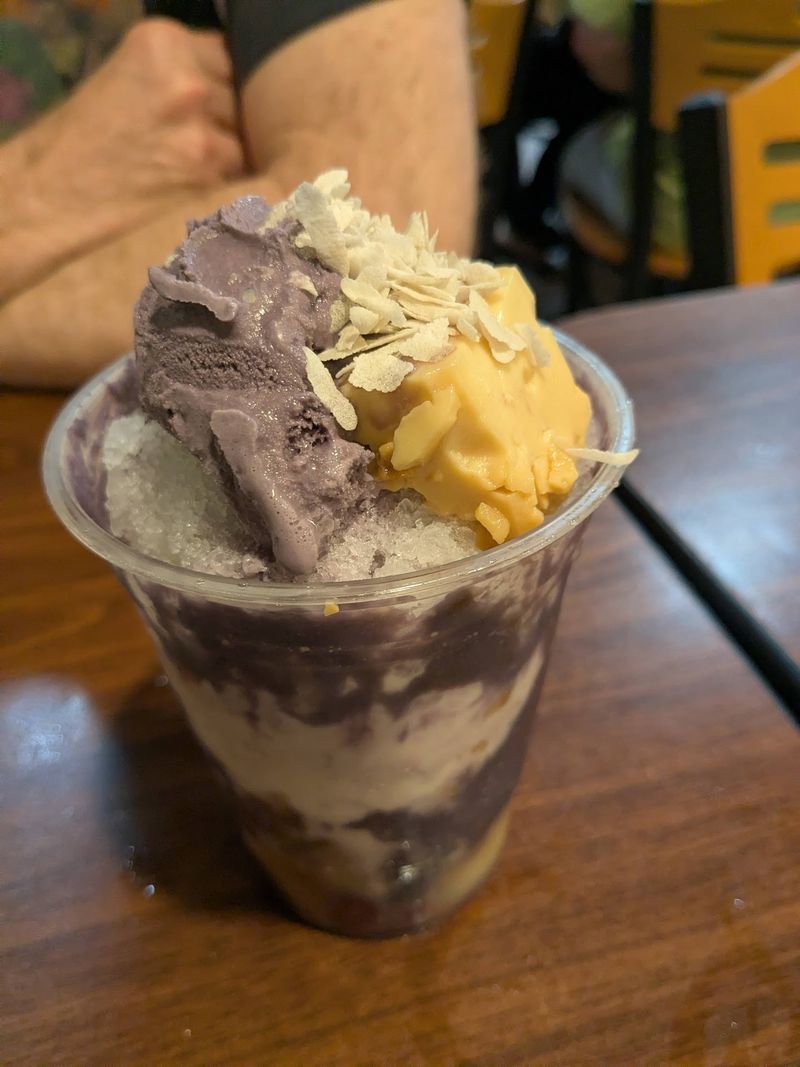
Halo-halo means “mix-mix” in Filipino, and that is exactly what you do with it.
The dessert starts with shaved ice and milk. Then it gets loaded with sweet beans, jellies, fruit, and other toppings that you stir together before each spoonful.
It is the most talked about dessert in the house, and I see why. Every bite tastes a little different, which keeps things fun until the bottom of the cup.
Save room for kakanin too. These are traditional Filipino sweets usually made with rice or root crops.
Kutsinta is a chewy, brown steamed cake. Pitchi-pitchi is made from cassava and rolled in coconut, while Suman Malagkit wraps sticky rice in a leaf.
Look out for Bibingka Bisaya, Suman Kamoteng Kahoy, and colorful sapin-sapin as well. The coconut buns are soft, bouncy, and only lightly sweet.
I tried four treats and still wanted more. That is either good self-awareness or poor self-control.
Still, the real sweet surprise was waiting in the bread case.
Purple Bread Worth Buying by the Bag
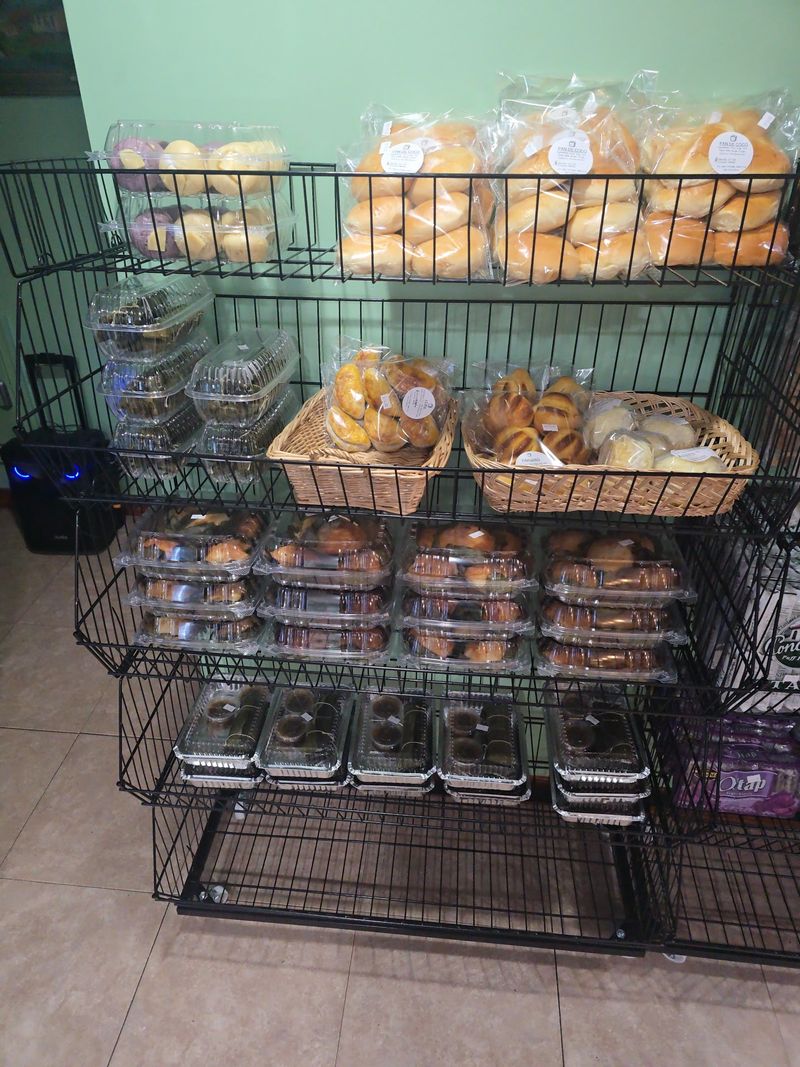
Purple bread may look like a magic trick, but the color comes from ube, a purple yam beloved across the Philippines.
Ube Pandesal and Ube Ensaymada are two favorites here. Many come filled with ube halaya, a sweet purple yam jam, plus a bit of cheese for a sweet and salty mix.
Spanish bread is another winner. Despite the name, it is a Filipino roll filled with a buttery, sugary spread.
The pan de coco won me over completely. This coconut-filled bun was soft, sweet, and gone way too fast.
Demand for Filipino bread was so high after opening that the restaurant teamed up with a family bakery in the Philippines. That partnership helps keep authentic Pinoy bread on hand.
Some baked goods are made the night before you buy them, so freshness is not a problem. I suggest grabbing an extra bag for tomorrow’s breakfast.
With my bread secured, I finally sat down and noticed the music and the room around me.
Songs, Silk Dresses, and a Karaoke Machine
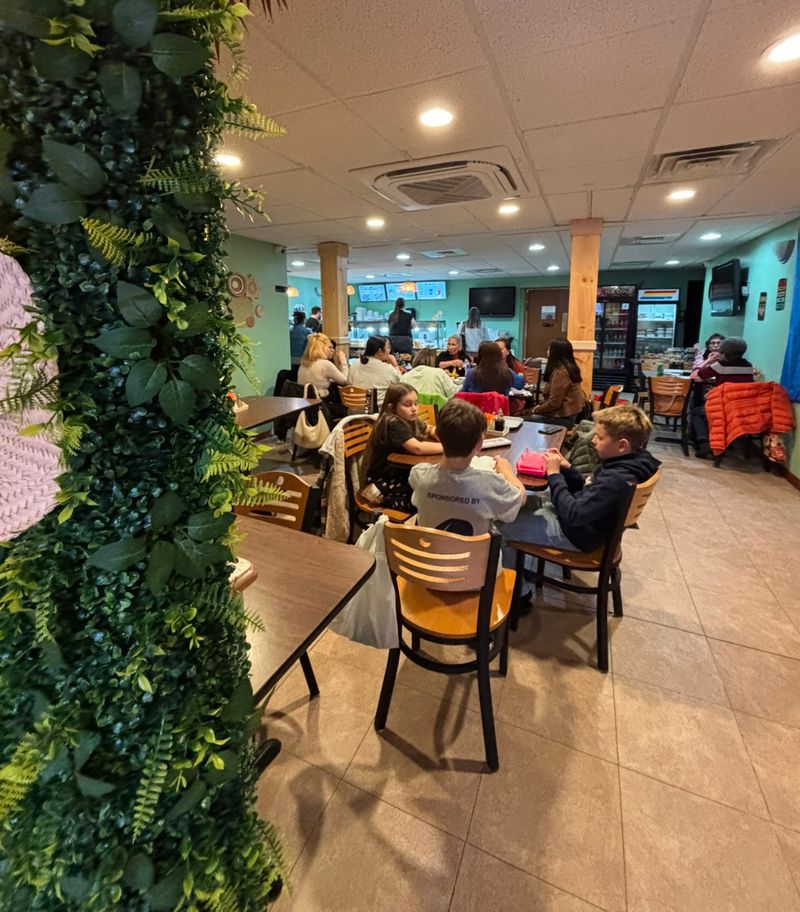
My lunch came with a soundtrack. Filipino songs played in the background, and at one point, the staff started singing along.
The dining room is simple and homey, with nothing flashy on the walls. That plain style makes it feel like a family kitchen rather than a showroom.
One detail made me smile. A woman, likely one of the owners, served food while wearing a beautiful traditional Filipino dress.
There is also a karaoke machine for guests. Karaoke is a serious hobby in the Philippines, so its presence here feels like an inside joke everyone gets to join.
Since the building also houses a Puerto Rican restaurant, two cultures share the same roof. Now and then, Puerto Rican food may even appear on the menu.
Seating works on a sit-yourself basis. The space is roomy most of the day, though it can feel snug at peak times.
That small squeeze leads me to the practical part, because a little planning makes this visit much smoother.
Smart Moves Before You Head Uptown
A few simple tips turned my second visit from good to great.
Hours have shifted since opening, so check the website or call 223-289-5129 before you drive over. Recent listings show Friday and Saturday from 11 AM to 7 PM and Sunday from 11 AM to 5 PM, while earlier schedules included weekdays too.
Lunch gets busy, especially on weekends. Arriving a bit after the rush can cut your wait to under ten minutes, but lechon lovers should still come early.
Families with food allergies can relax. The staff works with special needs if you let them know ahead of time.
Online ordering may be available through the Joe Coffee app, which can help you skip the line. The team also plans to ship baked goodies to fans who live too far away.
I left with a full belly, a bag of ube bread, and a new love for banana ketchup. An island kitchen in uptown Harrisburg proved that home can travel thousands of miles and still taste exactly right.
Share this story