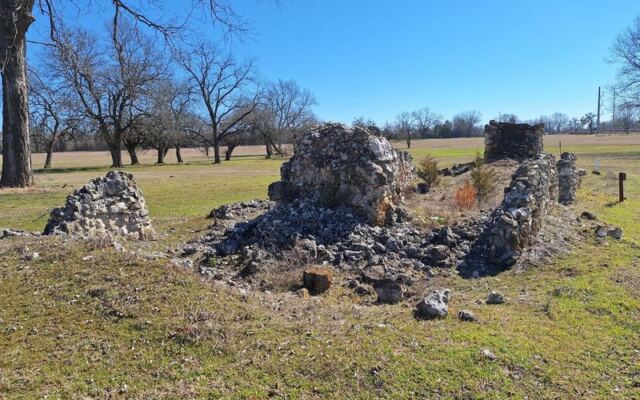
I almost drove right past it, a quiet patch of southeastern Oklahoma that looked like nothing more than trees and grass. Then I spotted old stone walls peeking out of the woods, and my curiosity took the wheel.
What I found was a frontier fort with real ruins, a sunken steamboat story, and a little museum that kept me asking questions long after I left. If you love history you can actually walk through, this is one stop you will want to know about.
A Frontier Outpost Near the Red River
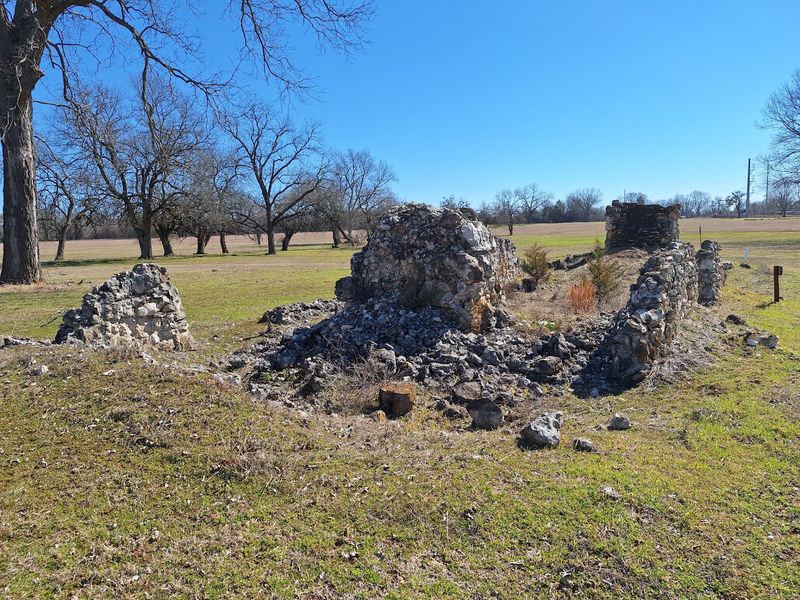
Tucked into the far southeastern corner of Oklahoma, Fort Towson Historic Site sits at 896 N 4375 Rd, just outside the small town that shares its name. It is a historical place and museum run under the Oklahoma Historical Society, and it protects what remains of a once busy frontier fort.
Visitors often describe it as a place they stumbled onto while heading somewhere else. One traveler stopped on the drive from Broken Bow to Lake Texoma and called it a very cool historic site worth a look.
Another pointed out that it sits about a mile off US 70, so the detour is tiny.
And here is a fun tip before you even arrive. A guest helpfully noted that the first syllable of Towson rhymes with cow, so you can say it like a local when you pull in.
The site mixes indoor and outdoor history. Inside, a small visitor center holds artifacts and displays.
Outside, a walking trail winds past ruins from the old fort and a reconstructed sutler’s store.
It is not a giant attraction, and that is part of its charm. Think of it as a quiet open-air history lesson waiting along a southern Oklahoma highway.
Roots Stretching Back to the Early 1800s
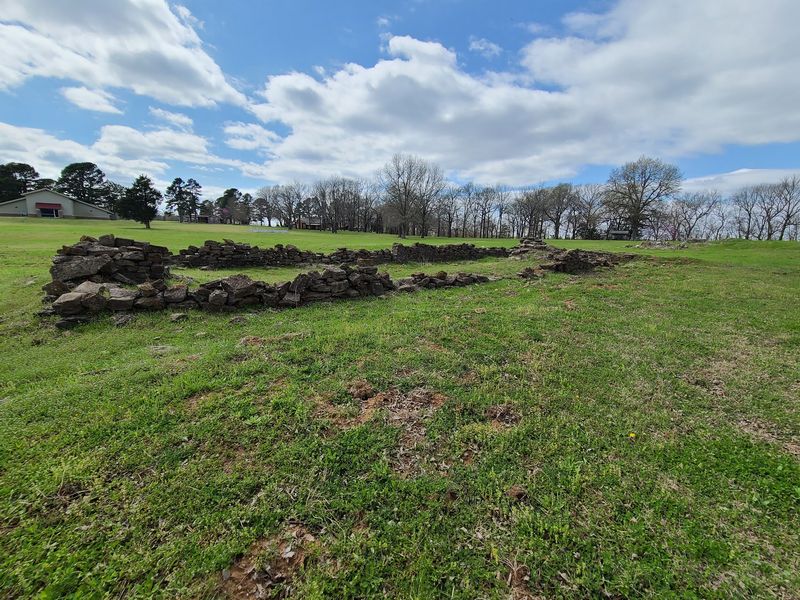
Long before Oklahoma was a state, soldiers and settlers moved through these grounds. According to one visitor, the grounds of old Fort Towson date from the early 1800s, which makes this one of the older frontier spots you can explore in the region.
Back then, a fort like this was a lifeline. It connected supply routes, trade, and the communities around it.
Guests describe it as a once thriving fort in Oklahoma history, and the museum helps fill in the details of how it worked and who lived nearby.
The story does not stop with soldiers either. Visitors mention learning about the history of the Indian nations in the area, giving the site a wider view of the people who shaped this land.
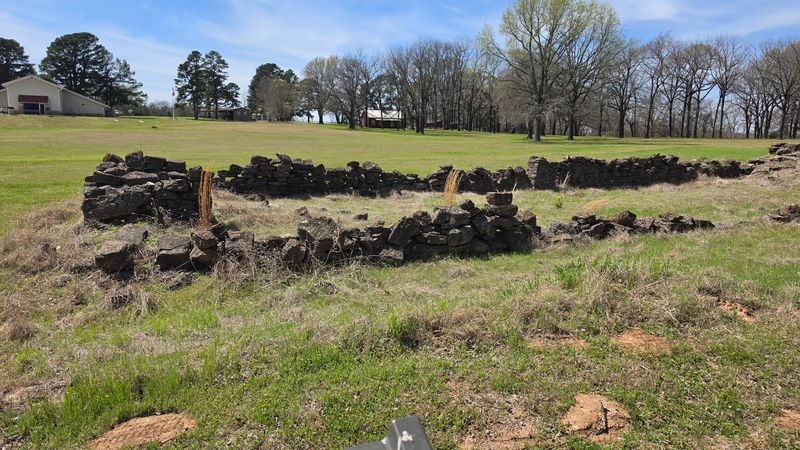
What makes it feel so real is that the past has not been polished away. Walls and foundations still sit in the grass, slowly weathering under the Oklahoma sky.
Standing among them, you get a sense of how remote this place must have felt two centuries ago. No highways, no phones, just river, woods, and a long way between neighbors.
That feeling of distance is a big part of what makes a visit here stick with you.
Stone Ruins Hiding in the Grass
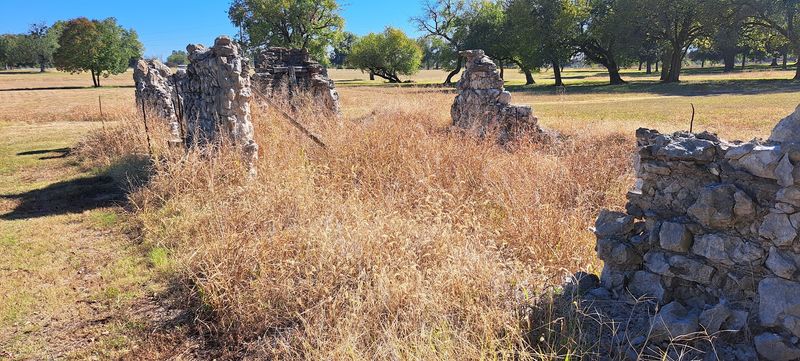
Picture walking along a quiet path and spotting rough stone walls rising from the ground. That moment is what many guests remember most.
Ruins came up again and again when people talked about their visit.
One visitor summed it up simply, saying it was neat to see actual ruins from this time period. There is something special about touching history with your own eyes instead of only reading about it in a book.
Just know what to expect. A guest pointed out that apart from a couple of small buildings, there are no big reconstructions here.
You walk the grounds and see the remains of the fort as they are, which is different from larger sites like Fort Supply or Fort El Reno.
For some people, that rawness is the whole appeal. The stones are not dressed up or rebuilt.
They simply sit there, telling their story in silence.
Bring a little imagination along. Try picturing where doors once stood, where people cooked, and where soldiers gathered at the end of a long day.
The ruins give you the outline, and your mind gets to fill in the rest, which makes the experience feel personal.
The Sinking of the Steamboat Heroine
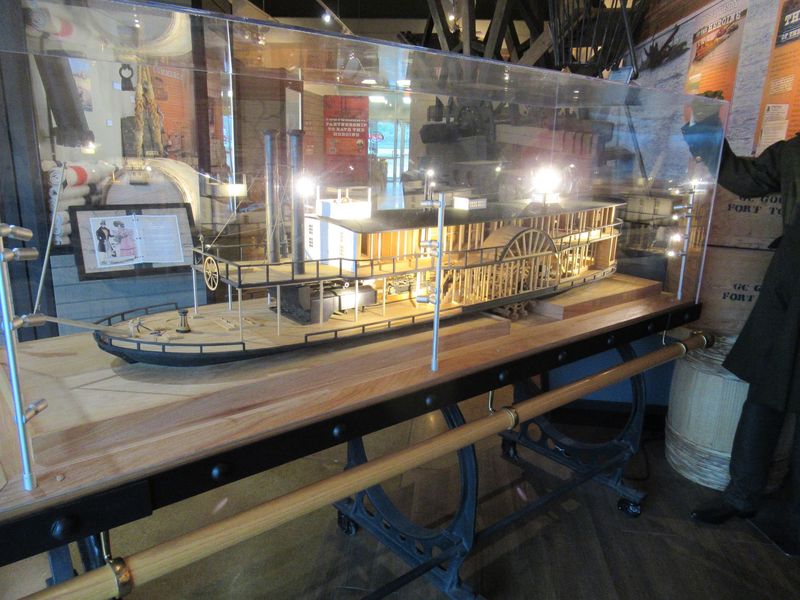
Here is a twist most people never see coming. One of the biggest stories at this inland fort is about a boat.
The steamboat Heroine wrecked nearby on the Red River while bringing supplies to the fort. Several visitors mentioned this part of the museum as a highlight, and it is easy to see why.
A paddle wheel boat lost in the river sounds like something out of an adventure novel.
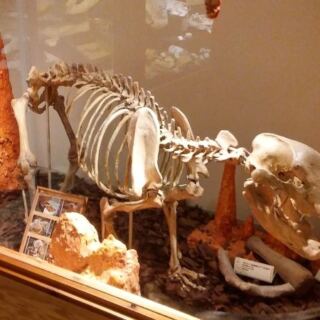
The museum tells about the excavation of the old paddle wheel boat, so you learn not only how it sank but how it was found again. Guests also mention exhibits about riverboat travel on the Red River in general, showing how important the water was for getting goods to this remote outpost.
Think about it for a second. Flour, tools, and other supplies all had to float upriver to reach soldiers out here.
When a boat went down, it was a real setback.
Kids and adults alike tend to find this section fascinating. It turns a dusty supply route into a story with mystery, teamwork, and discovery.
If you only have a few minutes inside, this is the part of the museum many visitors would point you toward first.
A Small Museum With Big Stories
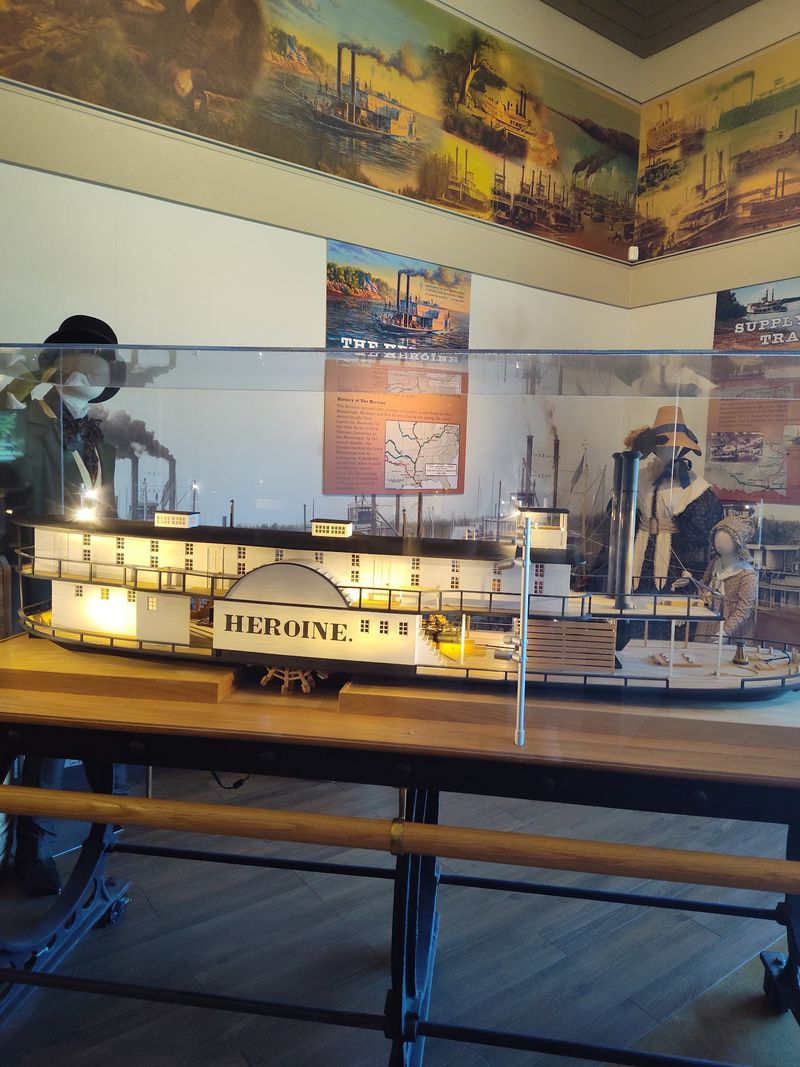
Small does not mean boring. That is the message visitors keep sending about the museum inside the visitor center.
Guests describe it as small but full of great artifacts and displays. Others call it very well done and say it does a nice job telling the story of the fort and the surrounding area.
An older note from a visitor mentioned a new building for the museum, so the space feels clean and modern.
Inside, you will find artifacts from the old fort along with the steamboat exhibits. The displays help connect what you see outside on the trail with the people who once lived and worked here.
A couple of visitors did say they wished it were bigger. That is fair, and it helps to go in knowing you will not need hours to see everything.
Still, a compact museum has its perks. You can actually read the signs without feeling rushed or overwhelmed.
Kids stay interested because nothing drags on too long.
One family skipped the museum due to time and still enjoyed the grounds, but most people suggest stepping inside if you can. It gives the ruins outside a lot more meaning once you know the backstory.
Walking Trail Through the Fort Grounds
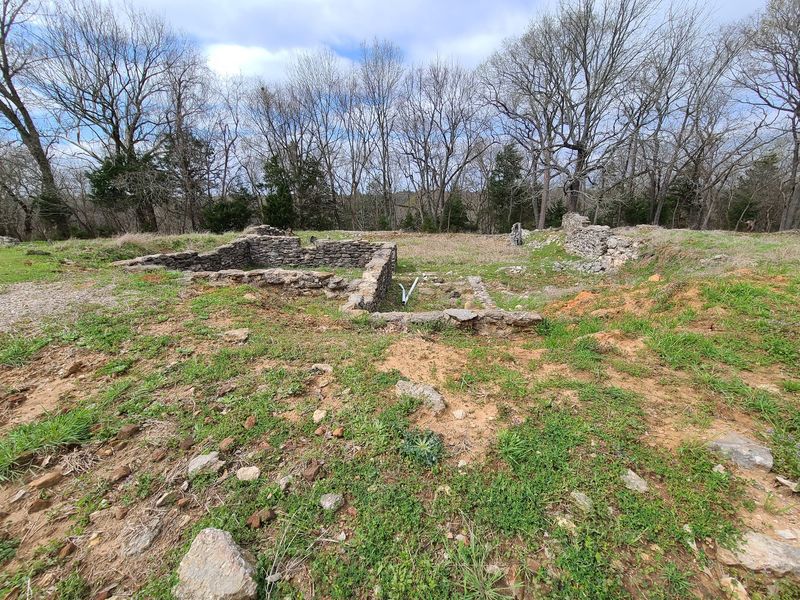
Lace up your shoes, because the best way to experience the fort is on foot. A trail outside leads visitors to the various ruins and to the reconstructed sutler’s store.
People who walked it describe it as a nice, maintained trail with lots of information to read along the way. Signs help explain what you are looking at, so you are never just staring at a pile of rocks wondering what it was.
One helpful tip came from a guest who mentioned entering up the stairs at the back of the cemetery. Keep that in mind if you are trying to find your way onto the path.
The site team has also shared that projects are in the works to improve trails and signage at both Fort Towson and nearby Doaksville. So the experience may keep getting better over time.
The walk is relaxed rather than rugged. Most families can handle it, and it makes a nice way to stretch your legs during a long road trip.
Go slow, read the signs, and look around. The trees, the quiet, and the stone remains together make this short walk feel like stepping into another century.
The Reconstructed Sutler’s Store
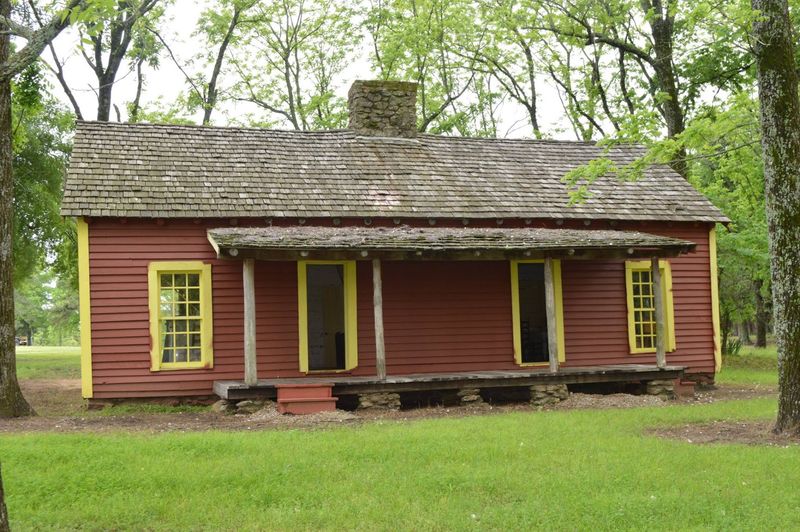
Ever wonder where frontier soldiers went shopping? The answer was the sutler’s store, and a reconstructed version stands along the trail at Fort Towson.
A sutler was a merchant who sold goods to soldiers at a fort. Think of it as the general store of military life, the place for small comforts and everyday needs far from home.
Visitors mention the reconstructed sutler’s store as one of the stops on the trail, and it stands out because most of the grounds show ruins instead of rebuilt structures. One guest noted that aside from a couple of small buildings, the site does not have big reconstructions, which makes this one feel like a special treat.
Seeing a complete building helps you picture the rest of the fort. Once you have stood near the store, the scattered foundations elsewhere start to make more sense.
It is also a great spot for kids to ask questions. What would you buy if you lived here?
What would you miss most from home?
Those simple questions can spark real conversations about how different life was on the frontier, and that is exactly the kind of learning that sticks.
Friendly Faces at the Front Desk
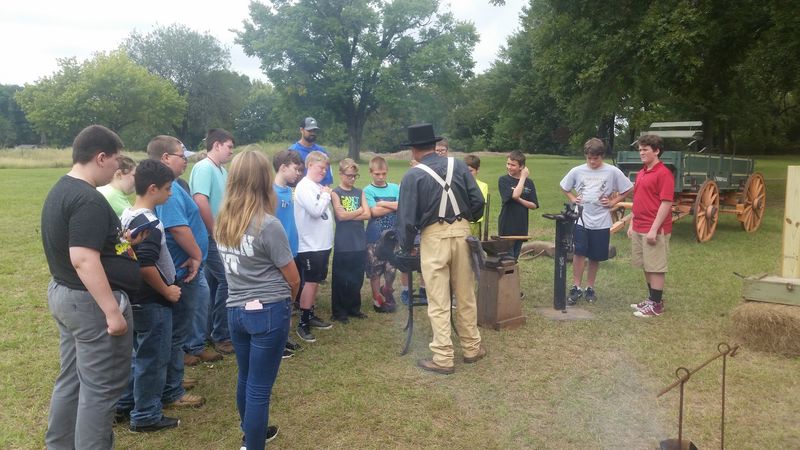
Sometimes the best exhibit is a person. At Fort Towson, the staff gets almost as much praise as the ruins.
Friendly staff was one of the most common things visitors talked about. Guests describe the team as very knowledgeable and helpful, and one person said the employee at the front desk told a great story that made the visit come alive.
Group travelers also had good things to say. One visitor shared that the staff was very accommodating for their group, which matters if you are bringing a class, a club, or a big family.
Another guest kept it short and sweet, calling them great staff and fun people. That warmth makes a small site feel welcoming instead of stuffy.
So do not be shy. Ask about the steamboat, the ruins, or the area’s history.
The people working here clearly enjoy sharing what they know.
A quick chat at the start can shape your whole visit. You might learn which spots to look for on the trail or hear a detail that is not on any sign.
Those little moments often turn into the stories you tell friends later.
Furry Tour Guides With Outlaw Names
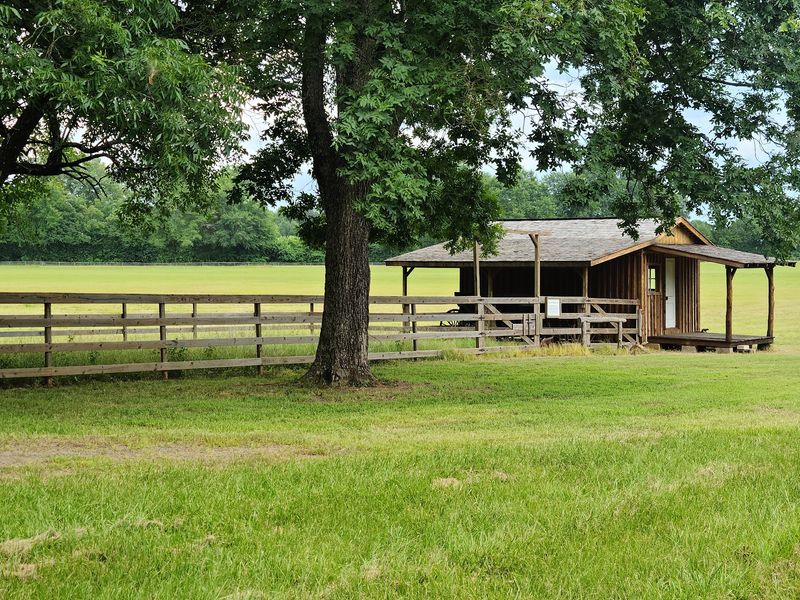
Not every tour guide walks on two legs. One delighted visitor shared that they enjoyed the feline tour guides, Fran and Jessie James, and added that they were not kidding.
Yes, a cat named after a famous outlaw. It is the kind of quirky detail that makes a small Oklahoma stop unforgettable.
Of course, cats keep their own schedules, and that visit was a few years back. There is no promise you will meet these furry hosts.
Still, the story says a lot about the relaxed, homey feel of the place.
Little surprises like this are part of why road trippers love offbeat stops. You show up for history and leave talking about cats.
If you do spot a whiskered friend lounging nearby, take it as a bonus. Kids especially tend to light up at the idea of an animal guide leading the way through old ruins.
It also shows that the site is not a cold, formal museum. It feels lived in and loved.
That easygoing spirit is something many visitors pick up on, whether a cat greets them at the door or not.
Living History Days and Booming Cannons
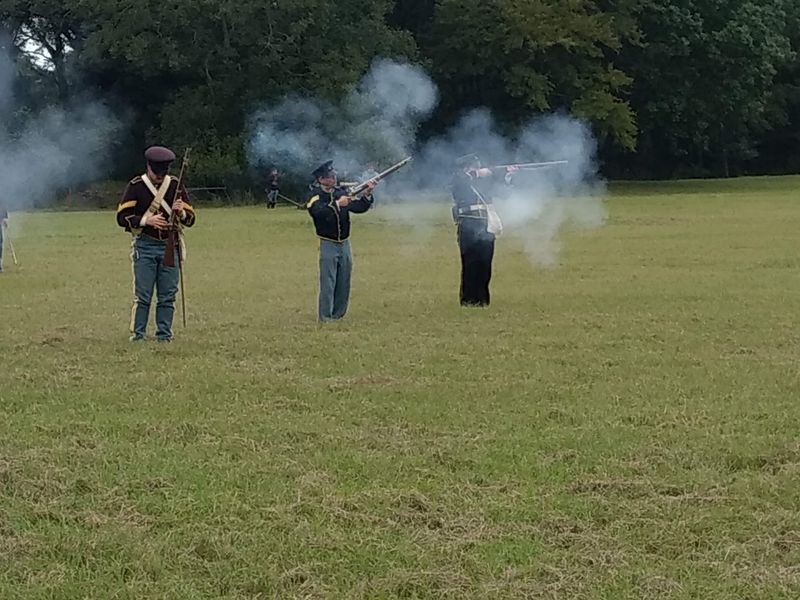
Boom! For many students, that sound is the highlight of the year.
Teachers say kids loved seeing the cannon fire during history day programs here.
Fort Towson hosts special events that bring the past to life. One group attended Education Day, where people in period outfits shared information about foods, trading, and frontier medicine with students.
Another teacher praised the reenactors as spot on.
There is also a living history experience called the Long Walk In The Sun, focused on the Mexican-American War. A teacher who brought 7th and 8th graders said every student agreed it was the best field trip ever.
These programs turn textbook pages into real sights, sounds, and smells. Kids remember much more when they can watch, ask questions, and feel part of the action.
Event schedules change, so calling ahead at 580-873-2634 or checking the Oklahoma Historical Society website is a smart move before planning around one.
If your visit lines up with a living history day, you are in for something special. Even on regular days, though, the grounds carry that same spirit of discovery for curious minds of every age.
Hands-On Crafts for Young Explorers
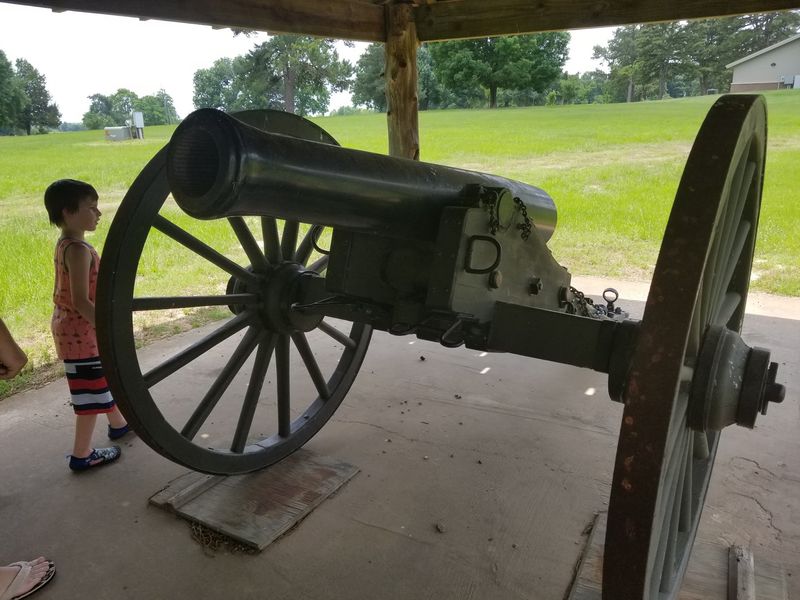
Marbles and a little cloth bag might not sound thrilling at first. Then you watch a kid make them by hand and realize how fun old-fashioned play can be.
One family shared that the site hosted a kids’ craft class where they made marbles and a marble bag. They called it a wonderful adventure and said the staff was very friendly and informative.
Activities like this give children a taste of simple frontier pastimes. Back then, toys were often handmade, and something as small as a marble could bring hours of fun.
Visitors also describe the site as having great history activities for all ages and good programs overall. Learning came up more than any other topic when guests talked about their visits.
Crafts are not offered every day, so check ahead if this is something your family wants to try. Even without a class, kids tend to enjoy exploring the trail and spotting ruins.
The beauty of these hands-on moments is that kids walk away with more than a souvenir. They carry home a small piece of history they made themselves, plus a story to share at the dinner table.
Quiet Setting and Who Will Love It
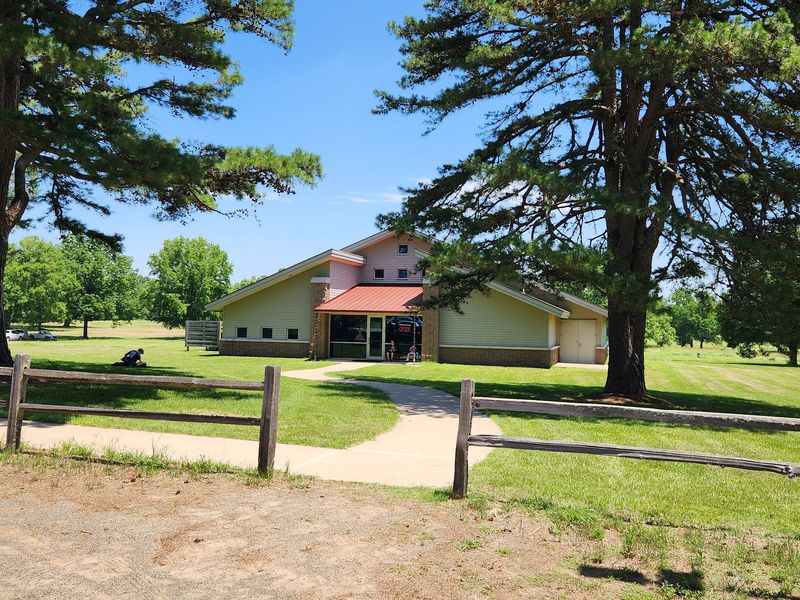
Calm, green, and unhurried. That is the mood most visitors find when they step onto the grounds.
Guests describe it as a beautiful setting, and several noted how well kept the grounds are. One visitor said even though the museum was small, the grounds were interesting and nicely maintained.
So who is this place for? History lovers will enjoy the ruins and steamboat story.
Teachers and homeschool families get rich, hands-on lessons. Road trippers heading to Broken Bow or Lake Texoma get an easy, meaningful break from the car.
It is honest to say it is not for everyone. One guest admitted they would not drive far out of their way only for this stop, though they still called it a nice experience.
Another visitor noticed the gift shop items were not locally made and wished for more local artisan goods.
Those small notes help set expectations. This is a peaceful, modest site rather than a big theme park style attraction.
If you like quiet walks, reading signs, and imagining life long ago, you will probably feel right at home here among the trees and stones.
Hours, Directions, and Planning Tips
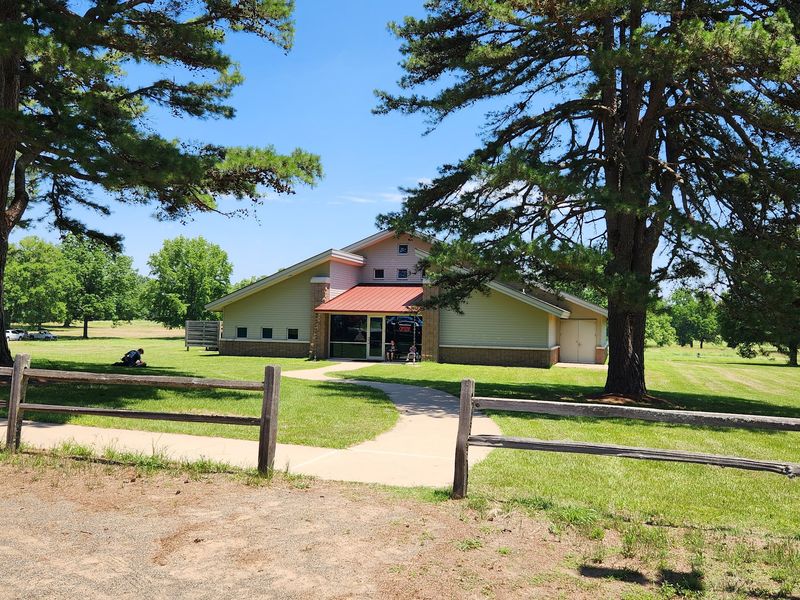
Timing matters here, so plan before you go. Fort Towson Historic Site is open Tuesday through Saturday from 9 AM to 4:30 PM.
It is closed on Sundays and Mondays.
You will find it at 896 N 4375 Rd, Fort Towson, OK 74735. Visitors mention easy access, about a mile off US 70, which makes it simple to fit into a drive through southeastern Oklahoma.
For questions about events or group visits, call 580-873-2634. The Oklahoma Historical Society website at okhistory.org also has details on the site.
How long should you stay? One guest said the whole experience took about 45 minutes, including the museum and trail.
That makes it a perfect bite-sized stop.
A practical tip from a trail walker is worth repeating. Bring bug spray, because gnats and flies can be pesky outdoors, especially in warmer months.
Comfortable shoes, water, and a little patience for reading signs will round out your kit. Arrive with enough time before closing to enjoy both the museum and the grounds without rushing.
A relaxed pace lets the history really sink in.
Worth the Short Detour
Some places shout for attention. Fort Towson simply waits, quietly, for curious travelers to find it.
After walking the trail, reading about the steamboat Heroine, and peeking into the sutler’s store, many visitors leave surprised by how much they learned. Guests call it a great place to stop on a weekend road trip and highly recommend visiting if you are in the area.
It is small, and it does not pretend otherwise. You will not find grand rebuilt forts or huge exhibit halls.
What you will find are real stone ruins, a well done museum, and people who care deeply about sharing this history.
For families, the living history days and craft classes add extra magic. For solo explorers and couples, the peaceful grounds offer a relaxing break from the highway.
One returning fan said simply that they love this site. Another said they had a great time and plan to come back.
If your route takes you through southeastern Oklahoma, give yourself an hour. Stretch your legs among the old stones, picture the river traffic of long ago, and let this quiet frontier corner surprise you.
Share this story