South Dakota has an official state dessert, and it is a German pastry called kuchen. Lawmakers made it official in 2000.
That one fact tells you a lot about how deep German cooking runs in American life.
The story gets stranger and tastier. In Kansas, families still bake bierocks, which are bread pockets stuffed with beef and cabbage.
Their recipes came from Germans who lived in Russia for generations before moving to the Great Plains.
I love that kind of food history. German settlers did not just copy old recipes.
They swapped ingredients, adjusted to new farms, and built dishes that now feel completely American, like Cincinnati goetta or Pennsylvania shoofly pie.
So where can you still taste these traditions today? The answer stretches from Texas to North Dakota, and some of the best stops are small towns with very old family kitchens.
1. Wisconsin
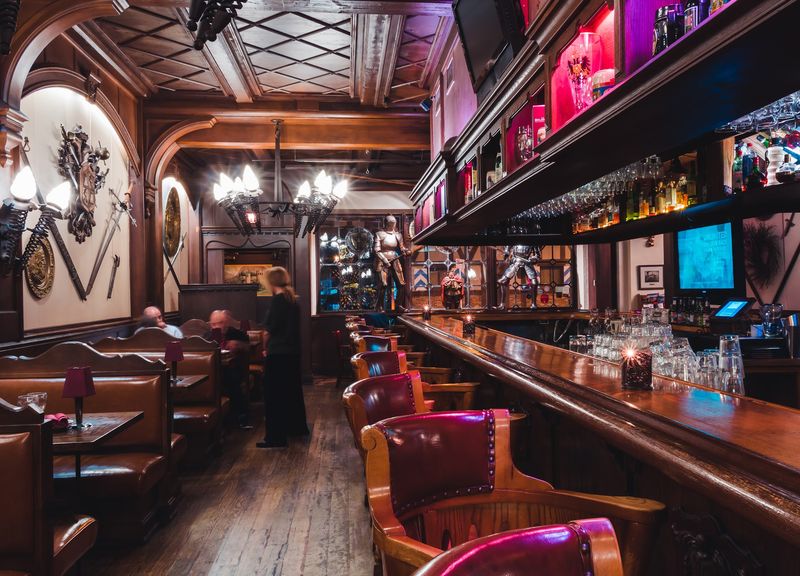
Mader’s Restaurant opened in Milwaukee back in 1902, and it still serves German classics more than a century later. You can order schnitzel, sauerbraten, and pork shank in a dining room packed with old-world decor.
Wisconsin takes bratwurst seriously. German immigrants built a strong sausage-making culture here, and you can still see it in butcher shops, taverns, and backyard grills across the state.
Sheboygan even calls itself the Bratwurst Capital of the World. Locals there often serve brats on a hard roll, sometimes doubled up, with onions and mustard.
Festivals help keep the traditions alive too. Communities host Oktoberfest events and brat fests that celebrate German roots with music, dancing, and plenty of sausage.
Milwaukee is the easiest place to start your German food tour. Pair a meal at Mader’s with a walk downtown, and you’ll see how much the city’s history still shapes its menus.
2. Texas
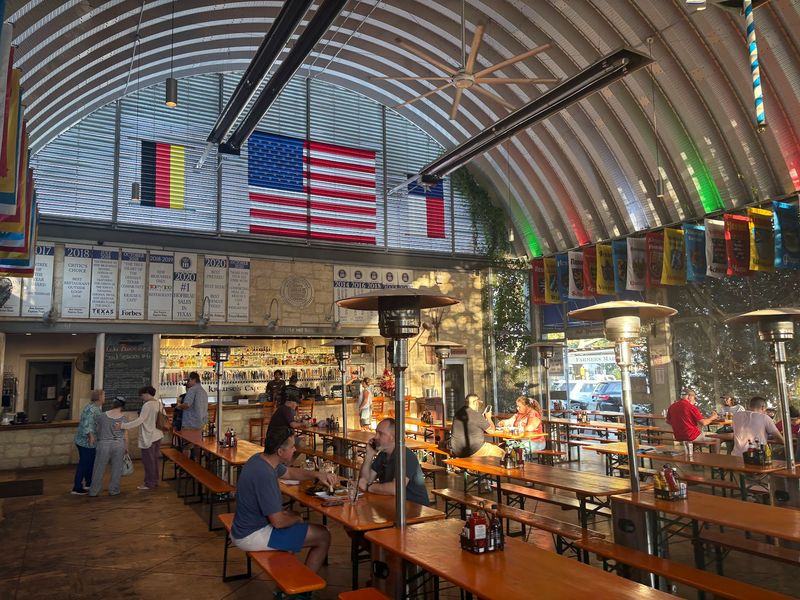
Cowboy boots and schnitzel sound like an odd pair. In Texas Hill Country, though, that mix has been normal since German settlers arrived in the 1840s.
New Braunfels was founded by German immigrants in 1845. Fredericksburg followed a year later, and both towns still show off their roots through bakeries, sausage shops, and festivals.
Krause’s Cafe in New Braunfels dates to 1938. Today it serves German dishes like schnitzel and sausage next to Texas comfort food, so your table might hold both.
Fredericksburg is a great second stop. Main Street has German bakeries and restaurants, and the town hosts a lively Oktoberfest each fall.
What makes Texas fun is the blend. German sausage-making traditions helped shape Central Texas barbecue, which is why smoked links show up on so many plates around the region.
Next time you eat Texas sausage, thank a German butcher from long ago.
3. Pennsylvania
Here’s a fun fact that confuses many people. Pennsylvania Dutch cooking has nothing to do with the Netherlands, because Dutch came from Deutsch, the German word for German.
These settlers brought farm cooking that still shows up across Lancaster County. Shoofly pie, a sticky molasses dessert, is a classic, and so are apple butter, chicken pot pie, and soft pretzels.
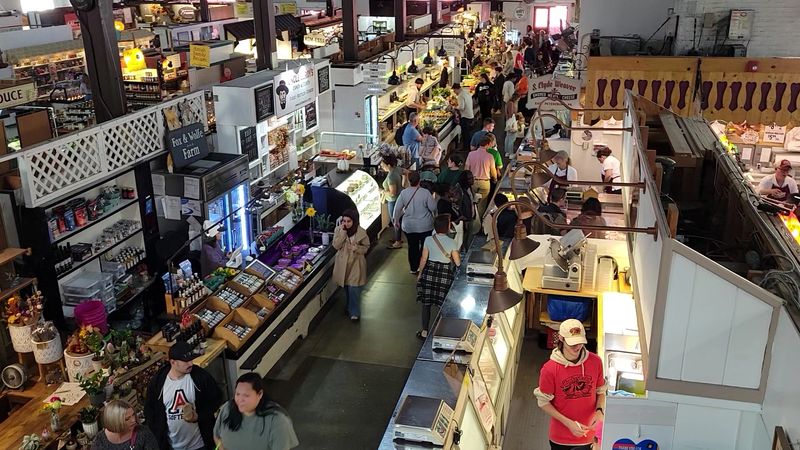
Lancaster Central Market is a perfect place to taste it all. It claims to be the oldest continuously operating farmers market in the country, with roots going back to the 1730s.
Inside, you can browse vendors selling baked goods, meats, and local produce. Bring a bag, because whoopie pies and fresh bread are hard to resist.
Pennsylvania’s German food feels special because it never became a museum piece. People eat these dishes at home on regular weeknights, which keeps the recipes alive and well.
4. Ohio
Ever had oats in your sausage? In Cincinnati, that’s breakfast, and it’s called goetta, a mix of pork, beef, pinhead oats, and spices fried until crisp.
German immigrants created goetta to stretch meat further. Today it shows up on diner menus around the city and even has its own summer festival.
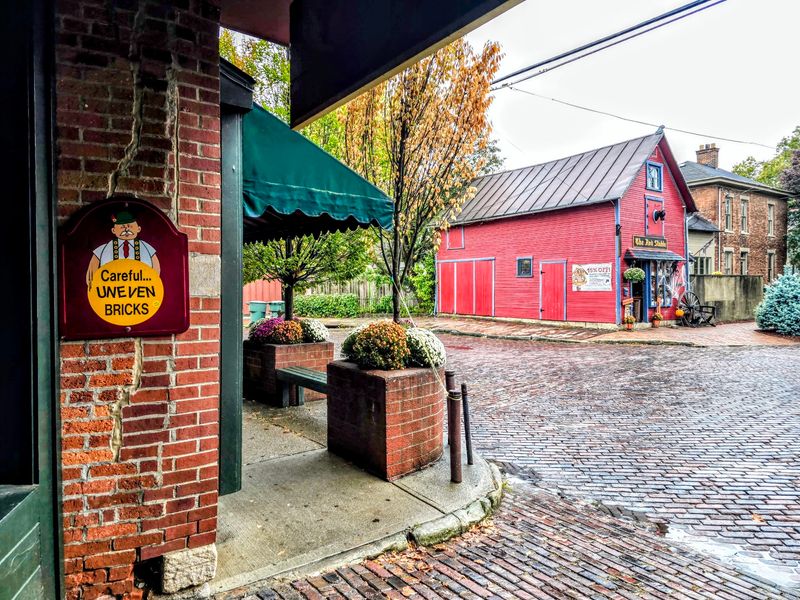
Columbus offers another tasty chapter. The historic German Village neighborhood keeps its brick streets and old homes, and it’s home to Schmidt’s Sausage Haus.
The Schmidt family business started in 1886. Their restaurant serves the Bahama Mama sausage, a house favorite, along with buffet-style German dishes.
Save room for dessert, though. Schmidt’s is known for its jumbo cream puffs, which come in flavors like vanilla and chocolate.
Ohio shows both sides of German-American food. Some recipes stayed close to the old country, while others, like goetta, grew into something new on American soil.
5. Iowa
For about 80 years, people in Iowa’s Amana Colonies did not cook at home. They ate together in communal kitchens, with meals served several times a day.
German-speaking settlers founded these seven villages in the 1850s. They shared farms, work, and food until 1932, when the communal system ended.
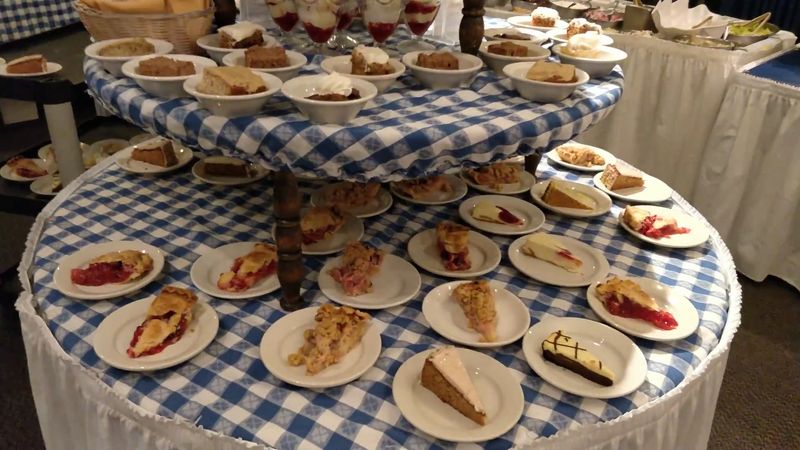
The cooking tradition did not disappear, though. The Ox Yoke Inn, which opened in 1940, serves family-style meals with platters passed around the table.
Expect hearty dishes like schnitzel, sauerkraut, and German-style sides. Bowls of food arrive for the whole table, much like the old communal kitchens once worked.
After lunch, wander the villages. Bakeries, meat shops, and craft stores sit inside historic buildings, and many sell German-style breads and smoked meats.
The Amana Colonies are a National Historic Landmark. Visiting feels like walking into a living history book, except this one comes with dessert.
6. Minnesota
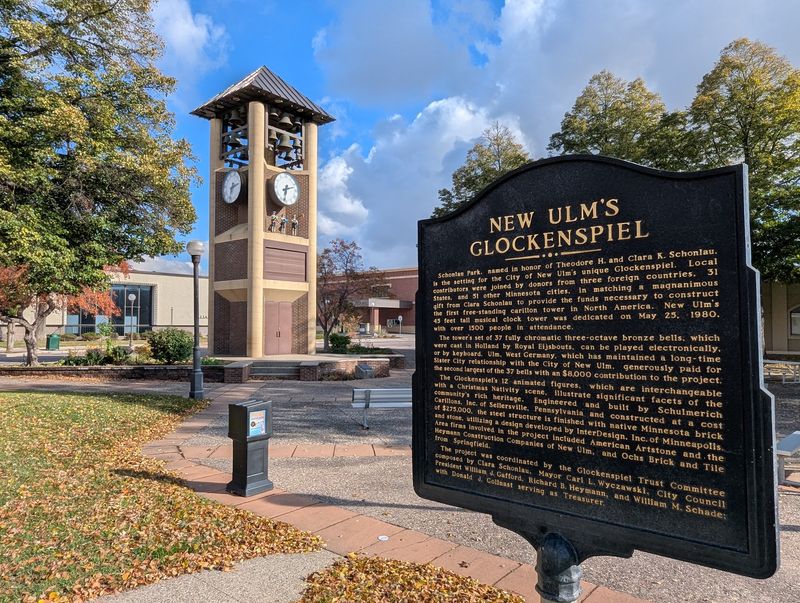
A 45-foot glockenspiel stands in downtown New Ulm, and its figures move several times a day. That clock tower is a big hint about the town’s German heritage.
German immigrants founded New Ulm in the 1850s. The August Schell company, started in 1860, still operates its historic grounds and gardens, which are open to visitors.
Food lovers have plenty to try in this southern Minnesota town. Local meat markets make German-style sausages, and bakeries sell pastries with roots in old family recipes.
Fall brings the biggest party. New Ulm’s Oktoberfest fills the town with polka music, costumes, and German food each October.
Summer adds Bavarian Blast, another festival celebrating the town’s roots. Even on a quiet weekday, you can spot German names on shops and streets throughout downtown.
Don’t skip Hermann Heights Monument either. A tall copper statue of Hermann the German watches over the town from a hilltop park.
7. Indiana
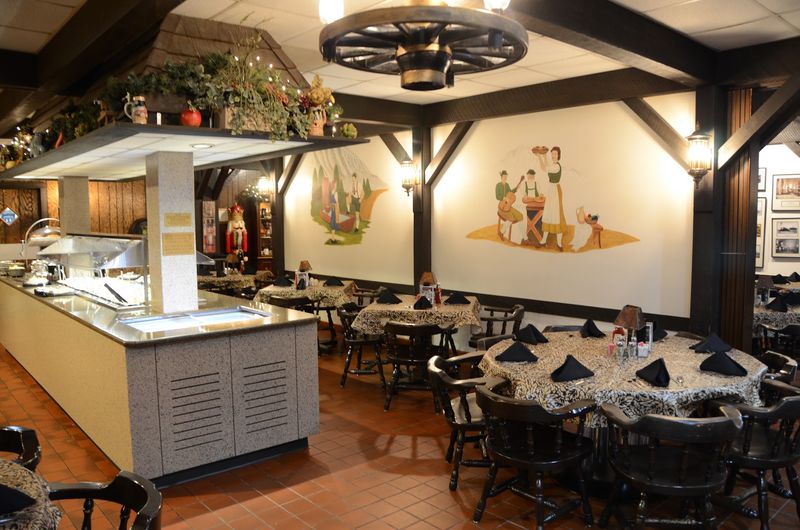
Jasper, Indiana, has a restaurant named after a German sing-along song. Schnitzelbank opened in 1961, and its name comes from a classic tune taught with a picture chart.
Southern Indiana drew many German settlers in the 1800s. Jasper still celebrates that past with church festivals and Strassenfest, a summer street fair.
At Schnitzelbank, the menu leans proudly German-American. You’ll see schnitzel, sauerbraten, German sausages, and sides like German fries and red cabbage.
The building fits the theme. A Bavarian-style setting and costumed details make the meal feel like a quick trip overseas without a passport.
Indiana’s German influence also lives in a famous sandwich. Many food historians link the breaded pork tenderloin to German schnitzel, flattened and fried, then served on a bun.
So when you grab one at a small-town diner, you’re eating German history in Hoosier form. That’s a pretty tasty way to learn.
8. Missouri
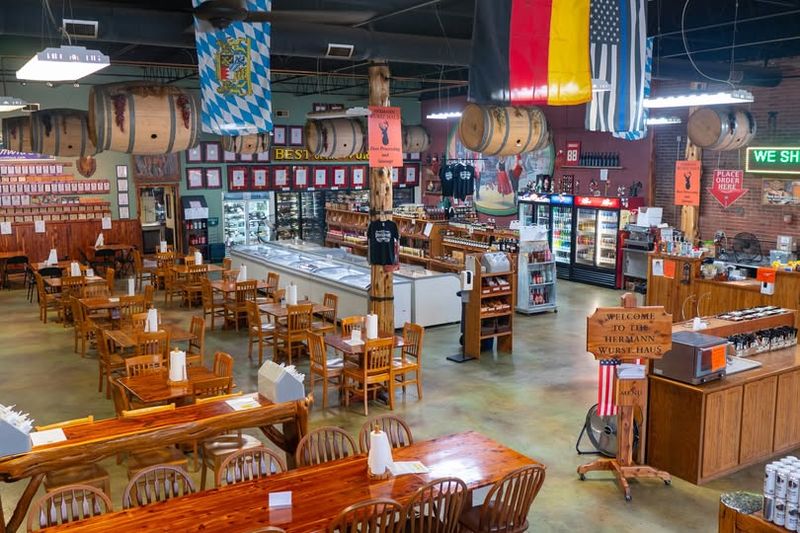
German settlers from Philadelphia founded Hermann in 1837. They hoped to build a town where their language and customs could thrive, and in many ways they succeeded.
Hermann sits along the Missouri River, with brick buildings that still look old-world. Its whole identity is tied to its German past.
Hermann Wurst Haus is a fun stop for meat fans. The shop makes dozens of sausage varieties and has won many awards for its wursts.
You can pick up smoked meats, brats, and snack sticks to take home. Some flavors are traditional, while others get creative with ingredients you might not expect.
The town also throws festivals through the year. Maifest in spring and Oktoberfest in fall both feature German music, crafts, and food.
Missouri’s German story runs deeper than one town, though. St. Louis also grew with German immigrants, but Hermann keeps that heritage closest to the surface.
9. North Dakota
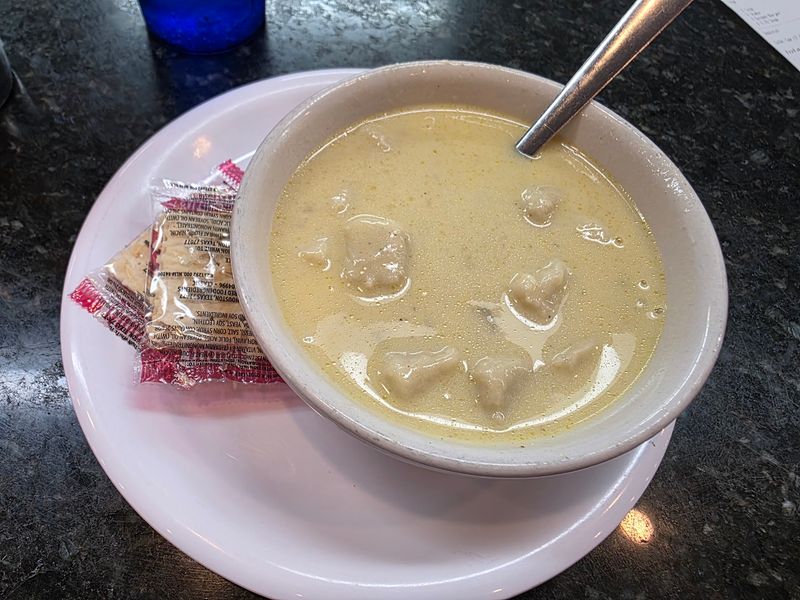
Knoephla soup might be North Dakota’s best-kept secret. It’s a creamy chicken soup loaded with small dumplings and chunks of potato.
The dish came from Germans who had lived in Russia for generations. When they moved to the Dakotas in the late 1800s, they carried their recipes across the ocean.
Other favorites came too. Fleischkuechle is a deep-fried meat pie, and kuchen is a fruit-filled pastry often topped with custard.
Kroll’s Diner is an easy place to try these foods. The retro chain has a Fargo location that serves knoephla soup and fleischkuechle next to burgers and shakes.
These dishes are not fancy, and that’s the point. They were farm meals made to fill hungry people on cold prairie days.
Many North Dakota families still make knoephla at home in winter. Grab a bowl, and you’re tasting a recipe that traveled from Germany to Russia to the Plains.
10. South Dakota
Kuchen means cake in German, but in South Dakota, it means a sweet pastry crust filled with fruit and custard. The state named it the official state dessert in 2000.
German-Russian families brought kuchen to the region. Peaches, apples, rhubarb, and prunes are all common fillings, and church bake sales often sell them by the dozen.
The state also loves chislic. These small cubes of seasoned meat, often lamb or beef, are tied to German-Russian immigrants in southeastern South Dakota.
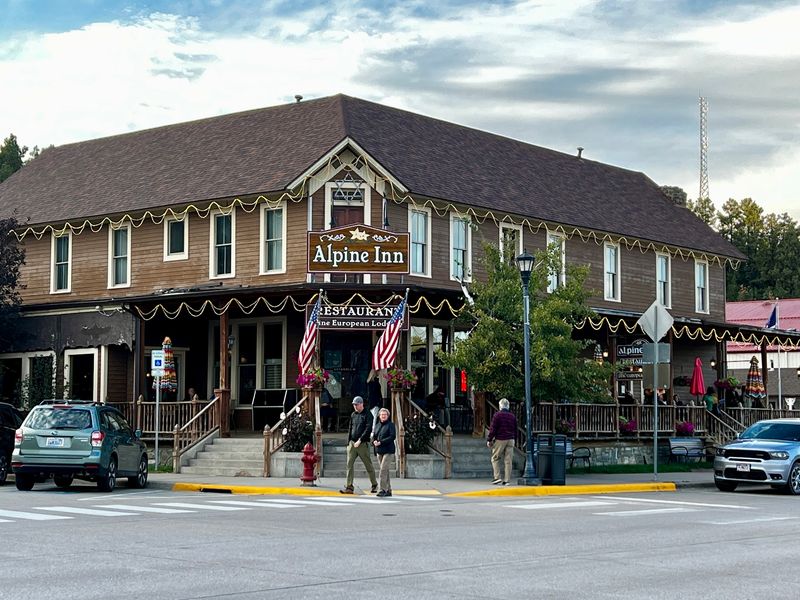
Head west to the Black Hills for a different taste. The Alpine Inn in Hill City sits in a historic 1880s building and serves German-style dishes at lunch.
Its dessert menu is famous for being huge. Dozens of choices may make picking just one the hardest decision of your trip.
From kuchen to chislic, South Dakota proves German food changed shape as it traveled. Each version tells a slightly different family story.
11. Nebraska
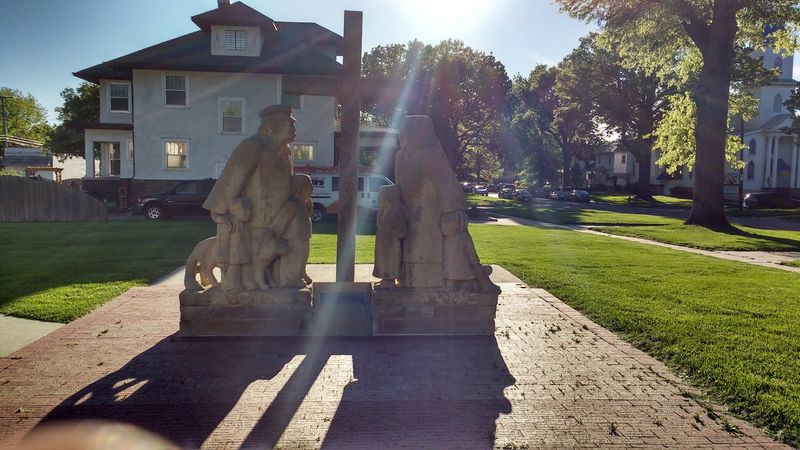
Nebraska has a fast food chain built around a German-Russian recipe. Runza restaurants sell bread pockets stuffed with beef, cabbage, and onions, a dish families made for generations.
The first Runza opened in Lincoln in 1949. Today the chain has dozens of locations, mostly across Nebraska, and the sandwich is a statewide favorite.
German-Russian settlers also brought homemade noodles, sausage, and cabbage dishes. Many of these recipes still show up at church dinners and family gatherings.
In Omaha, the German-American Society keeps traditions going. Its events include German food, music, and dancing, along with seasonal celebrations like Oktoberfest.
Lincoln adds another layer. The American Historical Society of Germans from Russia is headquartered there, with a museum and archives about these immigrant families.
Nebraska’s German food story is mostly homegrown. It lives in kitchens, community halls, and that famous drive-thru sandwich more than in fancy restaurants.
12. Kansas
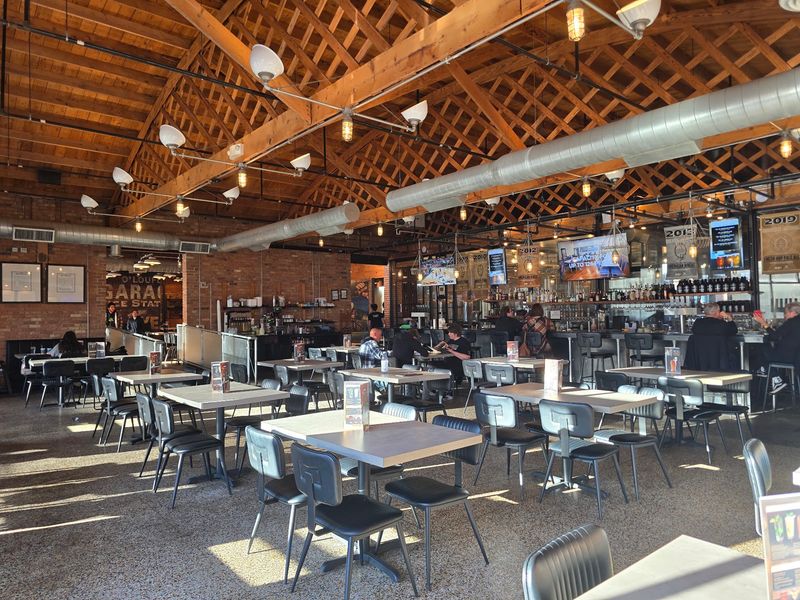
A bierock looks like a simple dinner roll until you bite into it. Inside, you’ll find seasoned ground beef, cabbage, and onions baked into soft bread.
Volga German immigrants brought bierocks to Kansas in the 1870s. Their families had lived along Russia’s Volga River for about a century before heading to the Great Plains.
Hays and Ellis County became centers of Volga German life. Towns nearby still have huge stone churches built by these settlers, including the famous Cathedral of the Plains in Victoria.
Gella’s Diner in Hays is a good spot to explore local flavors. Its menu nods to regional German roots with dishes inspired by family recipes.
Bierocks are also easy to find at bakeries and church fundraisers around the area. Some families freeze big batches to enjoy all winter.
Kansas shows how a humble lunch can carry a whole migration story. Each bierock is a little edible history lesson.
13. Michigan
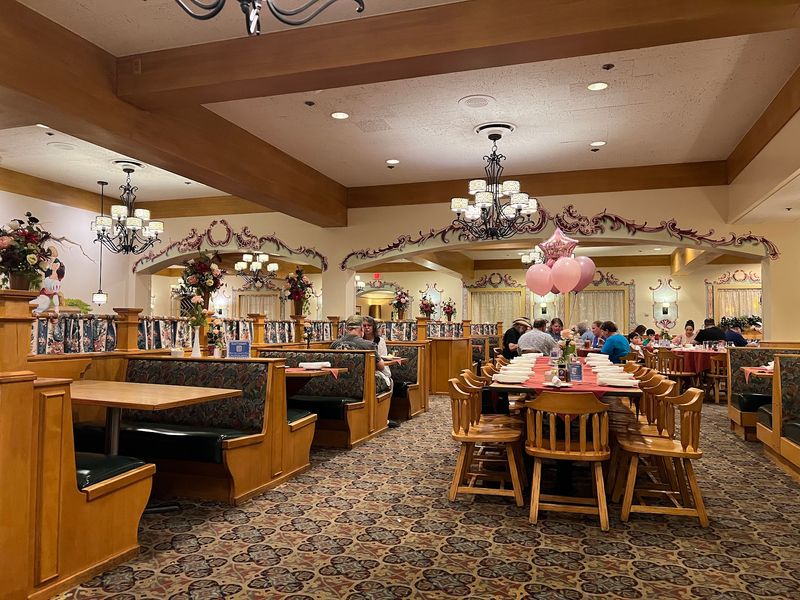
Fried chicken might be the last thing you expect at a Bavarian restaurant. Yet in Frankenmuth, Michigan, family-style chicken dinners have been a tradition for well over a century.
German Lutherans from Franconia founded Frankenmuth in 1845. Today the town leans fully into its roots with Bavarian-style buildings and a covered wooden bridge.
The Bavarian Inn Restaurant is one of the town’s biggest draws. Along with all-you-can-eat chicken, the menu offers schnitzel, sauerbraten, and German sausages.
The building also features a glockenspiel tower. Figures act out the story of the Pied Piper of Hamelin several times a day.
Save time for the rest of town. Bakeries, a cheese shop, and Bronner’s, a giant year-round Christmas store, line the area.
Frankenmuth hosts festivals too, including an Oktoberfest that draws crowds each September. Michigan proves German food can be both heritage and a fun reason for a road trip.
Share this story