A quick lunch stop gets more interesting when the place also holds a family’s shopping traditions. In New Jersey, one small Polish market brings together a deli counter, groceries, and the kind of helpful guidance that makes unfamiliar labels less of a puzzle.
Come hungry and curious, because the real draw is not just finding something for lunch, but discovering how an everyday store keeps a connection to heritage within reach.
A Polish Market on Maple Avenue
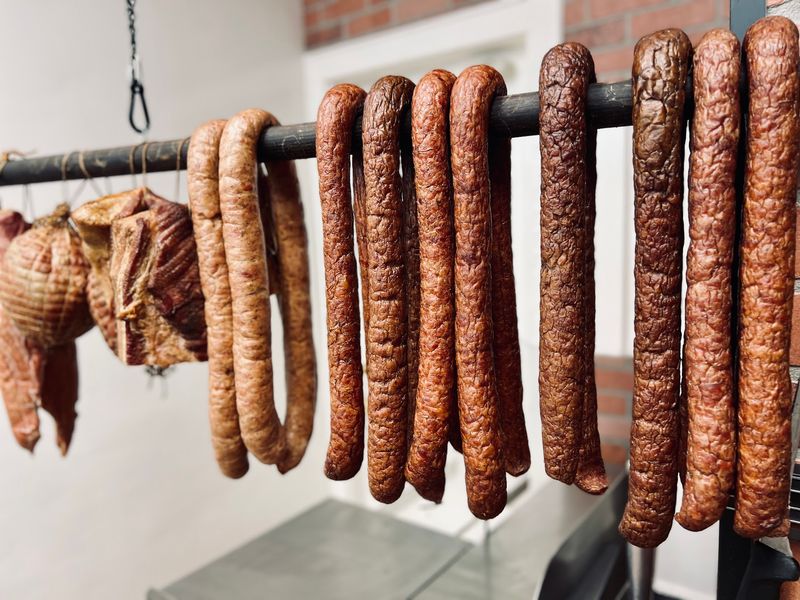
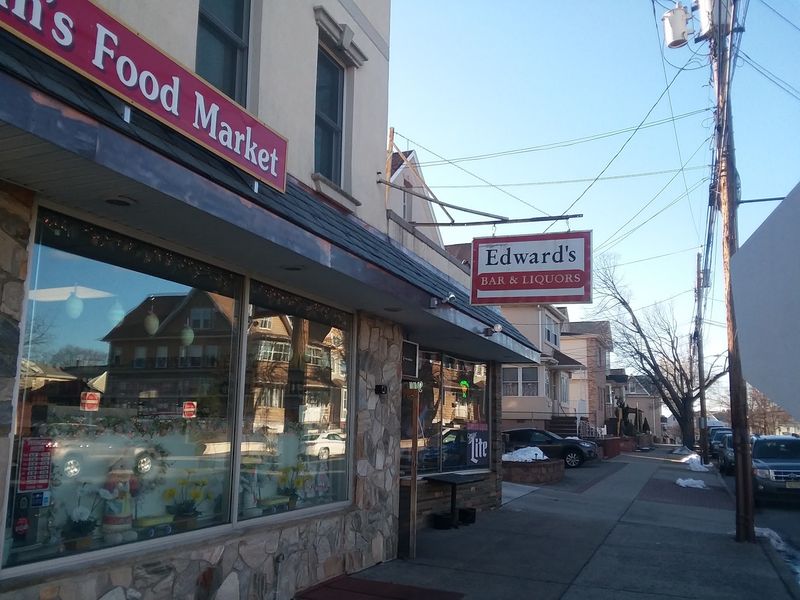
Lunch is only part of the reason to stop at Adam’s Food Market, a Polish butcher shop, deli, and grocery store at 168 Maple Ave, Wallington, NJ 07057, United States. Its combination of counter service and grocery shopping gives the trip more than one purpose.
The business offers prepared sandwiches alongside meat products and Polish provisions. That means a meal for today and groceries for another day can belong to the same stop.
Rather than treating Polish heritage as a special attraction, the market makes it part of ordinary shopping. Customers choose familiar provisions, ask about products, and return for items their families have bought for years.
For nearby readers planning a short outing, that everyday role is the main point of interest. The destination is a working neighborhood market, not a staged cultural experience, and the rest of its appeal grows naturally from that distinction.
Family Traditions Across Generations
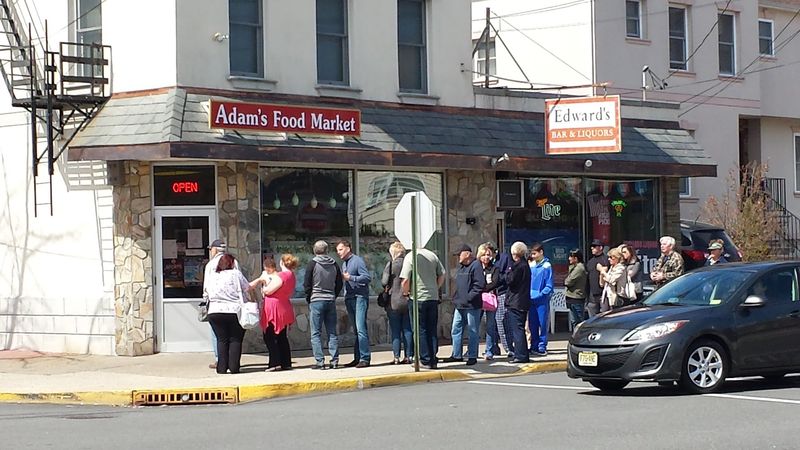
Some shopping habits begin long before anyone makes their own grocery list. Families have returned to this market for decades, and childhood trips with Polish parents remain part of its connection to the community.
That continuity gives the business a story without requiring an invented founding date or a grand claim about its past. The available accounts describe parents introducing children to the shop and grown children coming back for familiar purchases.
Holiday shopping adds another layer to those routines. For some families, a stop here belongs to celebrations that repeat each year, rather than to a one-time outing.
A newcomer does not need the same background to appreciate the place. The useful distinction is that this market serves both everyday needs and long-running family habits, allowing a simple lunch errand to share space with something people have kept returning to over many years.
Polish Heritage in Everyday Use
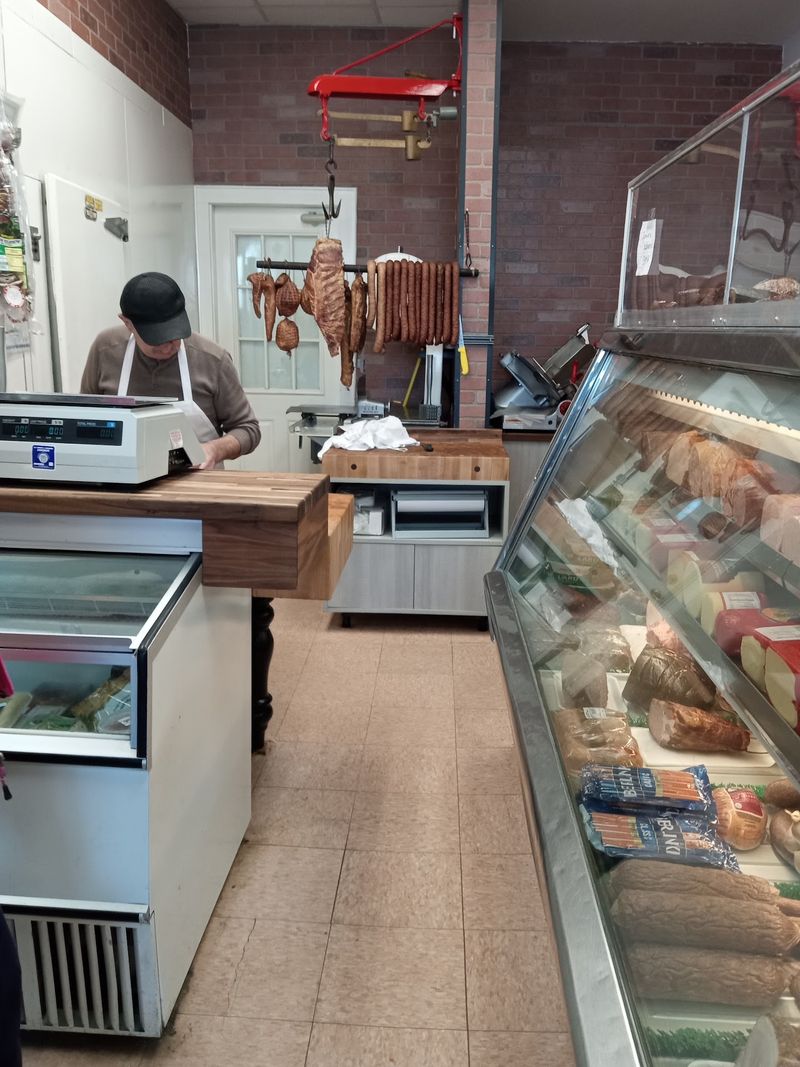
Language provides one of the clearest links between the market and the heritage it serves. Polish conversation and Polish-language product labels are part of the shopping experience described here.
For customers who already know the products, that setting supports a familiar routine. Others may need help understanding a package or choosing among unfamiliar options, which makes the staff’s guidance especially useful.
The cultural connection rests in these practical details rather than in a scheduled program. A grocery label, a conversation at the counter, and a family purchase all give Polish traditions a place in daily life.
English-speaking customers have also found a welcome, so the setting need not become a language test. Curiosity is a better starting point than expertise, and asking a straightforward question can help turn an unfamiliar shopping stop into an approachable one without pretending every product needs a lengthy explanation.
The Butcher Counter at the Center
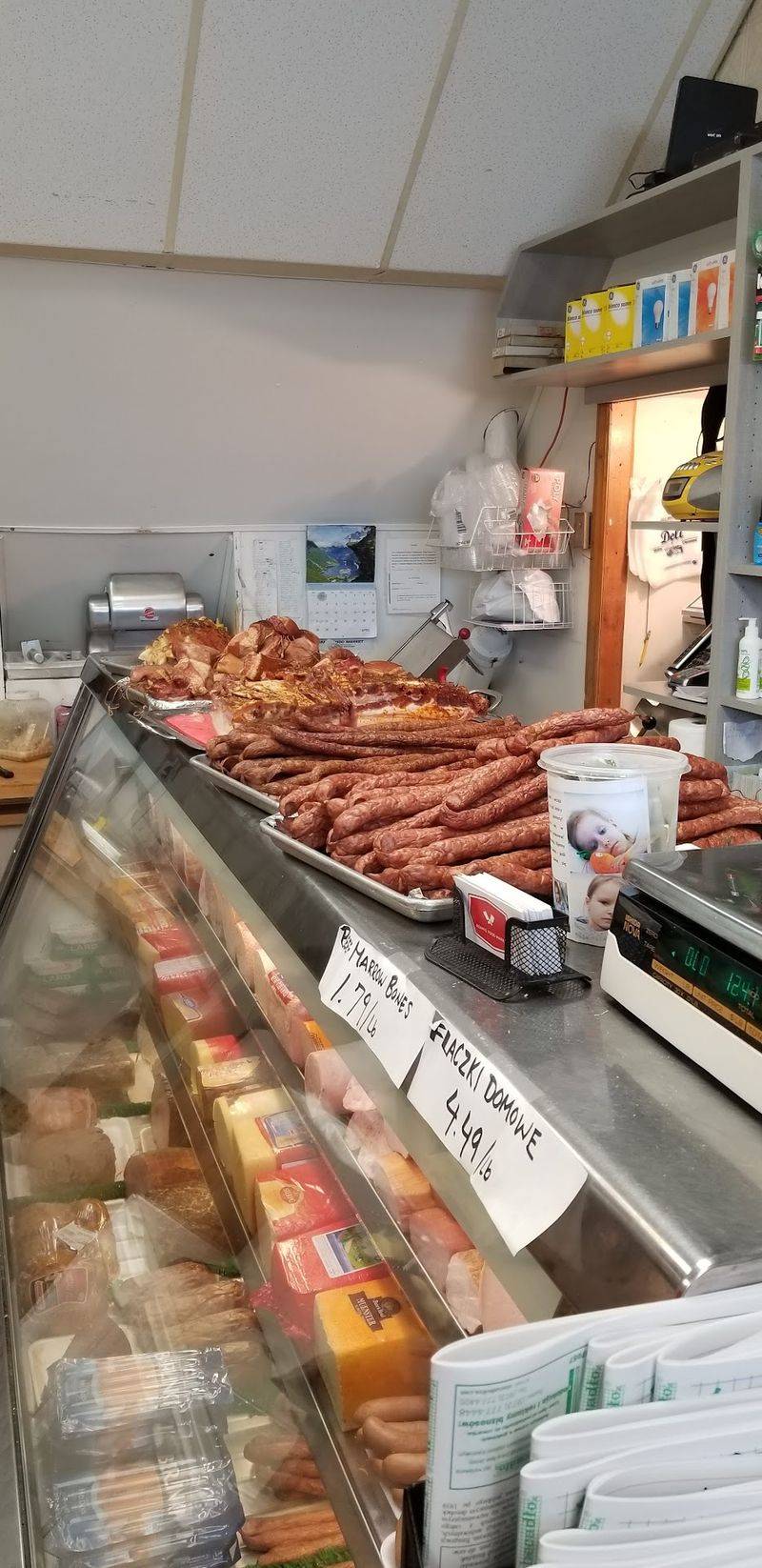
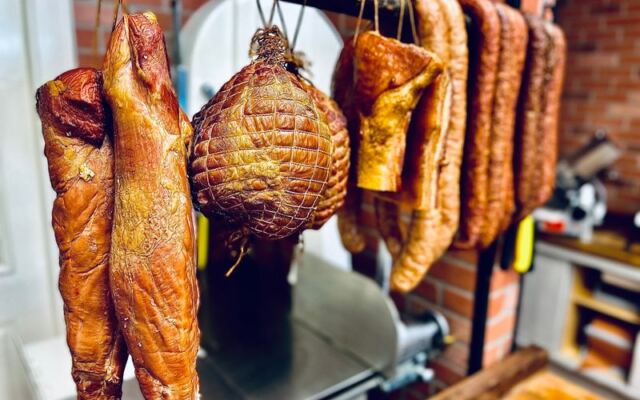
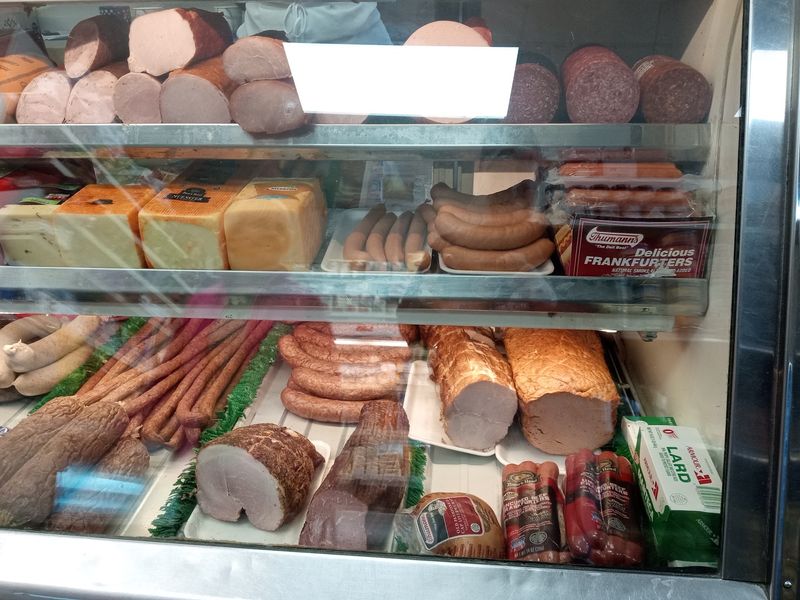
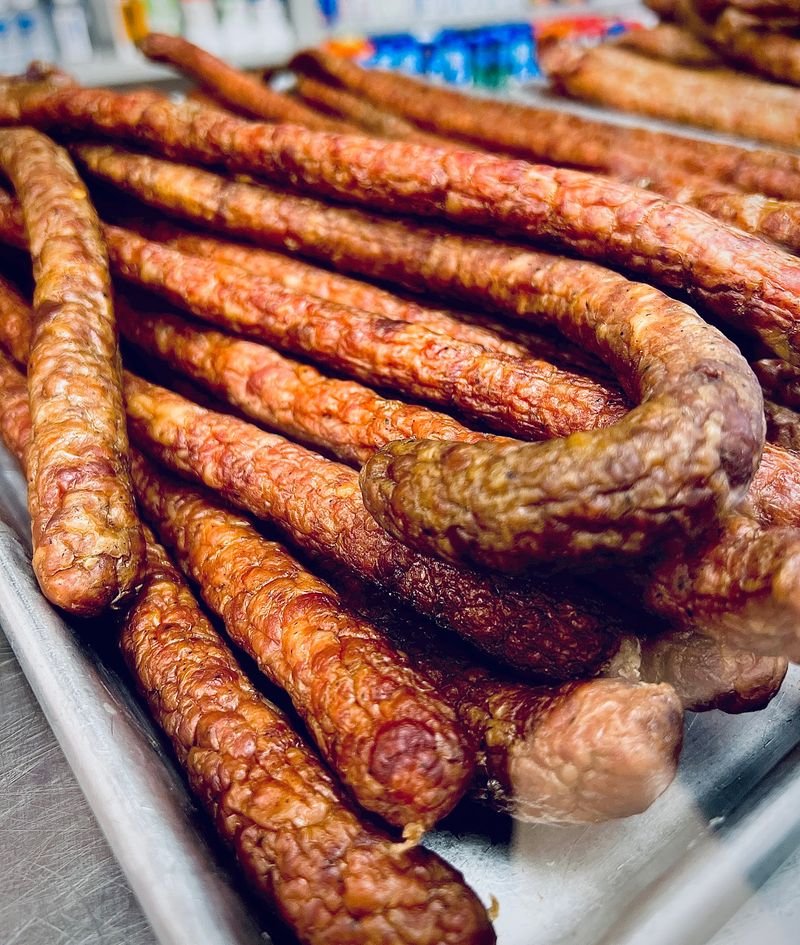
The butcher-shop side gives the market a clear focus beyond its grocery shelves. Meat products, smoked selections, and deli provisions form a substantial part of what customers come here to buy.
Homemade offerings are part of that selection, and longtime shopping accounts emphasize traditional preparation. Those details support the market’s identity without needing claims about secret recipes, exact production methods, or a history that has not been provided.
Counter shopping also allows a more specific purchase than simply choosing a package from a shelf. Thin slicing is among the services described, making it worth asking about a preferred cut when placing an order.
For a first stop, a clear request will be more useful than trying to understand the entire selection at once. The butcher counter deserves its own attention because it is central to the business, not merely an extra feature attached to a grocery store.
Lunch Without a Separate Restaurant Stop
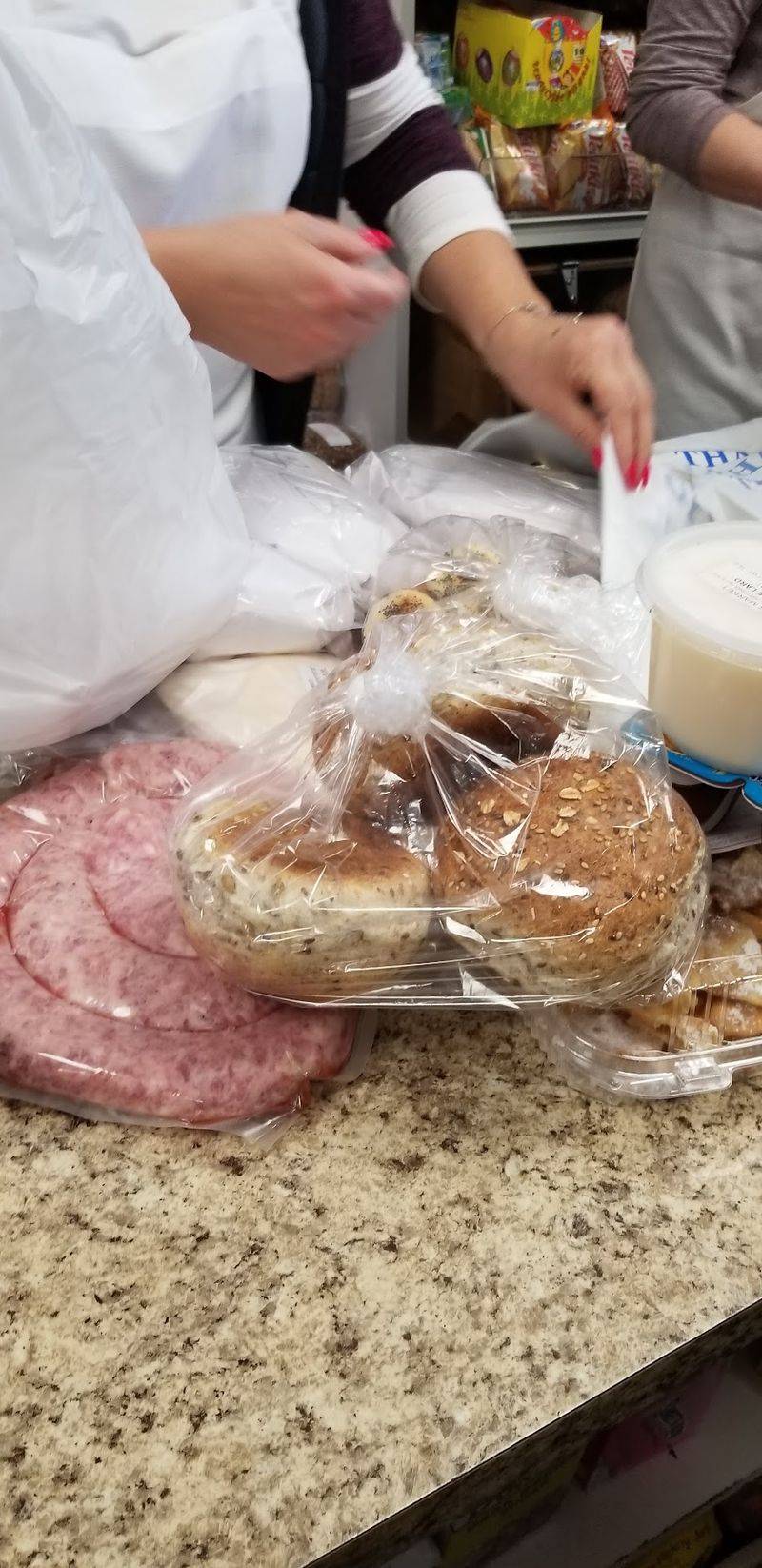
A grocery errand can include lunch here because sandwiches are part of the deli’s offerings. That is the most direct connection between the market’s Polish provisions and the meal promised in the title.
The advantage is practical: customers can order something prepared while also choosing groceries. A separate restaurant stop is not necessary just to make the outing include a meal.
Available information does not establish a dining room, table service, or a full current menu. It is better to approach the destination as a market with a deli counter than to expect the setup of a sit-down restaurant.
Before ordering, ask which sandwiches are available and how they are prepared for taking away. Keeping expectations simple leaves room to explore the shop without turning lunch into a complicated plan, and it respects what is actually known about the business rather than adding amenities it may not have.
Groceries Beyond the Counter
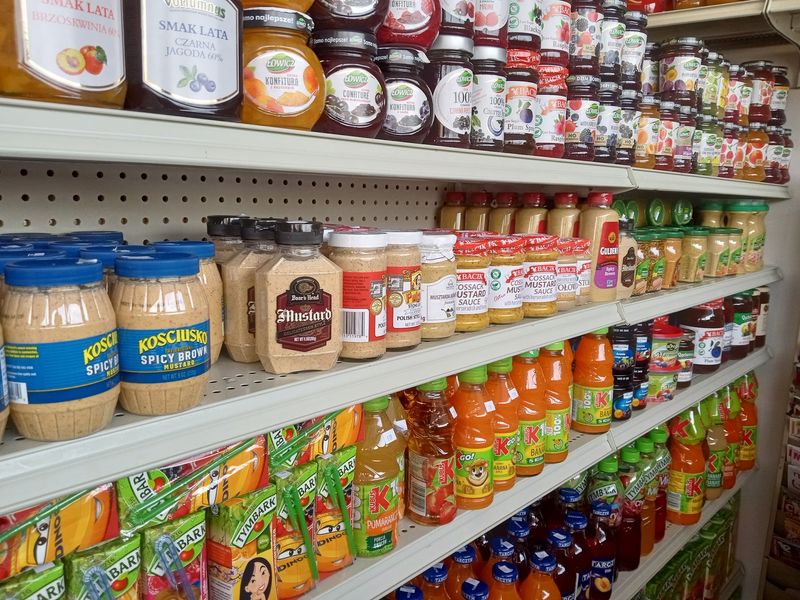
The shelves give customers a reason to look beyond the order they planned to place. Polish grocery products, including imported goods, broaden the market’s purpose beyond prepared lunch and butcher purchases.
That range matters most when a household wants several types of provisions in one stop. Instead of treating the deli and grocery selection as separate attractions, the shop brings both into the same shopping routine.
Not every label will be familiar to an English-speaking customer. Staff assistance can help with understanding products, though current stock and individual ingredients should always be checked directly rather than assumed.
A manageable first purchase makes more sense than filling a basket with items chosen only out of curiosity. Ask about one unfamiliar product, confirm what it is, and decide whether it fits your plans.
The grocery shelves offer another way to connect with the market, without requiring a full pantry makeover.
Bakery Choices for Another Meal
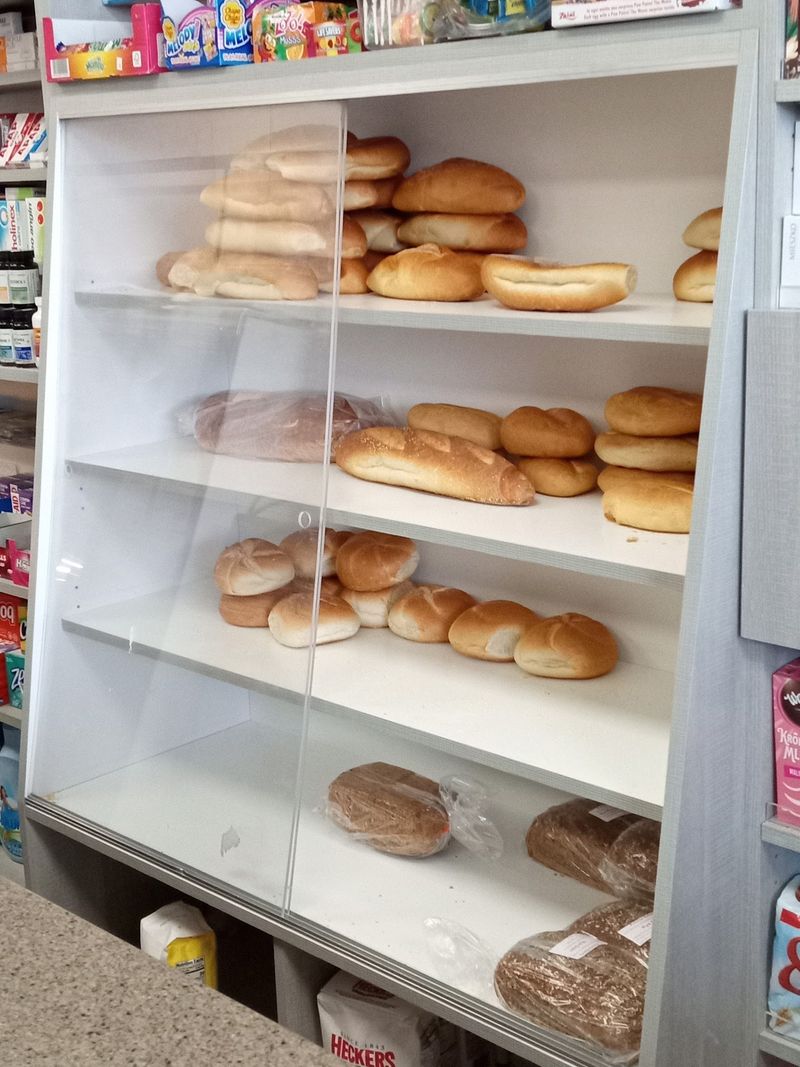
Bread and pastries add a different purpose to the shopping bag. The market’s selection includes bakery offerings as well as its better-known meat and grocery provisions.
Some homemade pastries are described among those choices, while bread and other baked goods also appear in family shopping routines. Specific varieties and availability should be checked at the shop rather than treated as a fixed daily promise.
For someone planning lunch now and another meal later, this part of the selection can make the stop more useful. It also gives shoppers who are less interested in the butcher counter another category to explore.
There is no need to assume a separate bakery operation or a complete production schedule. What matters is the added choice within the market itself, where purchases for different occasions can share one visit.
A small addition to the bag may be enough to extend the outing beyond lunchtime.
Helpful Guidance for Newcomers
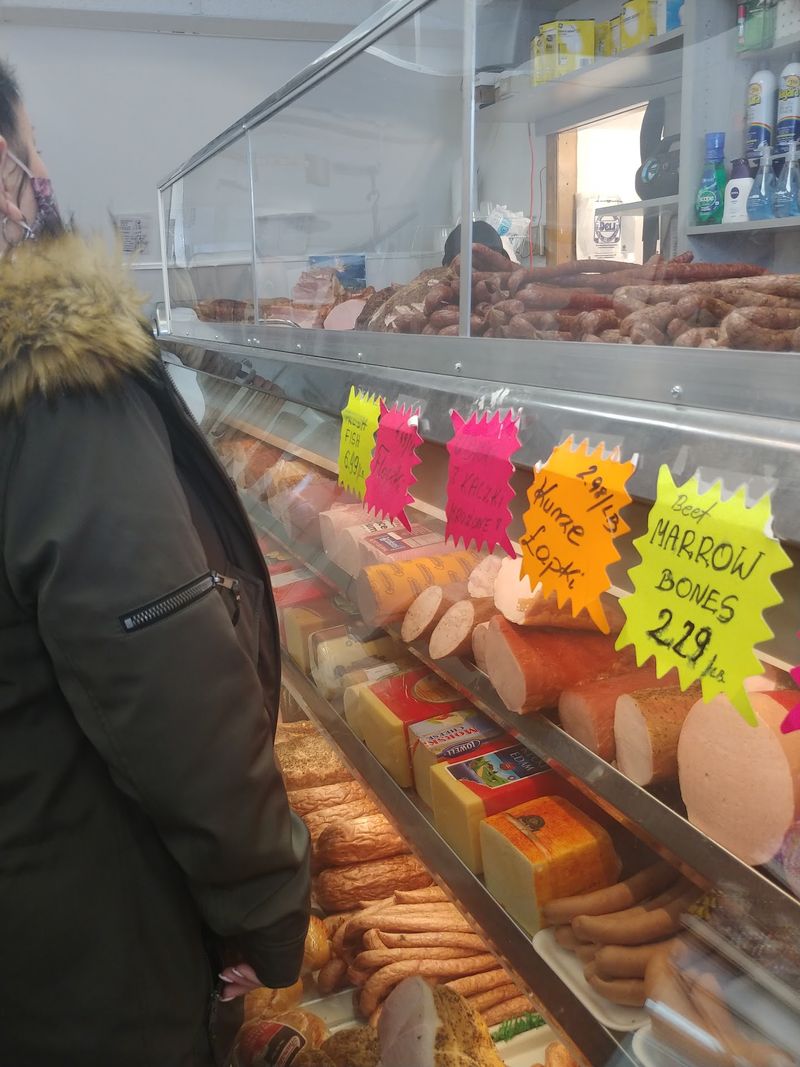
An unfamiliar label does not have to end the shopping trip. Helpful staff are a recurring part of the market’s customer experience, especially when someone needs guidance with Polish products.
That assistance matters because the store serves people with different levels of familiarity. A longtime shopper may know exactly what to request, while a newcomer may need a basic explanation before choosing anything.
Friendly treatment of English-speaking customers also makes the destination approachable beyond its established Polish customer base. There is no need to arrive with practiced vocabulary or pretend to recognize everything on the shelves.
Keep questions focused on the purchase at hand, such as what a product contains or how an order can be sliced. Useful help is still counter service, not a formal tour, and a little consideration for other shoppers keeps the exchange comfortable.
A well-placed question can make a first stop considerably easier.
A Small Shop with a Working Rhythm
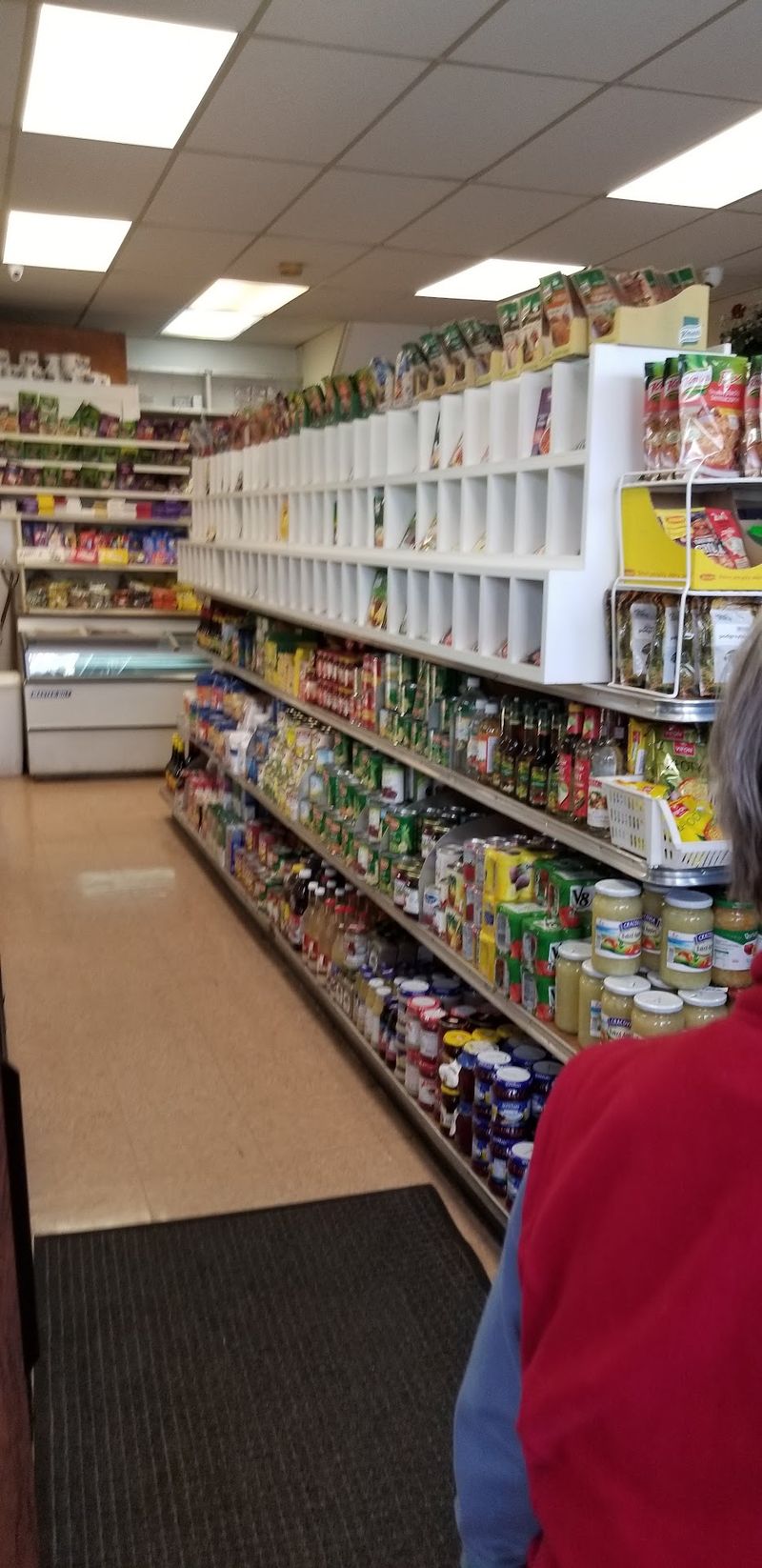
Space is one expectation worth setting before the trip. The market is described as small, with a substantial selection, and shopping can become crowded.
That combination suits customers who enjoy a focused neighborhood store more than a leisurely outing built around extra facilities. The attraction is the shopping itself, including choosing provisions and placing a counter order.
Families maintaining a tradition, local shoppers handling an errand, and newcomers exploring Polish products all have reasons to stop. None of those reasons depends on treating the business as a large tourist attraction.
A little patience is sensible when several customers need help at once. Efficient service has been part of the experience, but no visit can carry a guarantee about waiting time.
Allow enough room in the schedule to browse and order without rushing, particularly when the goal is to understand something new rather than collect a familiar purchase.
Early Openings and Holiday Planning
Early schedules are easier to accommodate when a market opens at 6:30 AM. The supplied hours list that opening time Monday through Saturday, with Sunday closed.
Closing time depends on the day. Monday, Tuesday, and Saturday hours run until 5 PM, while Wednesday, Thursday, and Friday hours extend until 7 PM.
Those later weekday hours provide another option for shoppers who cannot make an early stop. Check the current schedule before traveling, especially around holidays, rather than relying on a saved listing indefinitely.
Holiday shopping has historically brought lines and heavier crowds, with early arrival a recurring practical suggestion. That does not establish the quietest hour on an ordinary day, so avoid building a plan around an unsupported promise.
Choose a listed opening day, leave some flexibility, and remember that a family tradition shared by many households may require more time during a busy celebration period.
A Clear Plan for Cost and Arrival
A useful outing plan starts with what can actually be confirmed. The provided information includes the street address and operating hours, but it does not include current sandwich prices or grocery costs.
Ask for the price before placing an order, particularly when buying products by quantity or weight. A dependable total cannot be calculated from the available details, and calling the market inexpensive would go beyond the evidence.
For directions, use the full address given earlier and check a current route from your starting point. Parking arrangements, public transportation connections, and step-free access are not established in the supplied information.
The listed website, adamsfoodmarket.com, is another place to check for current business information before leaving. Confirm any practical detail that affects your trip instead of assuming it will be straightforward.
A short preparation step can keep lunch plans realistic without adding invented promises about travel time, facilities, or cost.
Heritage with an Everyday Purpose
The strongest reason to stop is the combination, not a single purchase. A butcher counter, prepared lunch, Polish groceries, bakery choices, and helpful guidance give this small market several practical roles.
Its cultural importance comes through the same ordinary tasks that keep a household supplied. Families return for familiar provisions, newcomers ask questions, and Polish heritage remains part of everyday commerce rather than something reserved for special occasions.
The destination will suit people who value that kind of neighborhood business and are comfortable with a compact shopping setting. Anyone expecting a full restaurant experience should keep the market format firmly in mind.
A first trip can stay simple: confirm the hours, choose lunch, and ask about one product that is new to you. The appeal is not an elaborate itinerary.
It is the chance to make a useful stop and leave with a better understanding of the traditions it serves.
Share this story