Nearly a century ago, someone in eastern Arizona decided a quiet patch of woods needed a lake, so they built one. That 1928 project still pulls in people with fishing poles, tents, hiking boots, and very happy dogs.
Drought has pushed the water down more than once, yet the crowds stay small and the trails stay open. Keep reading to learn where it is, what you can catch, and how to make the most of a visit.
An 80-Acre Lake Hiding in the Arizona Woods
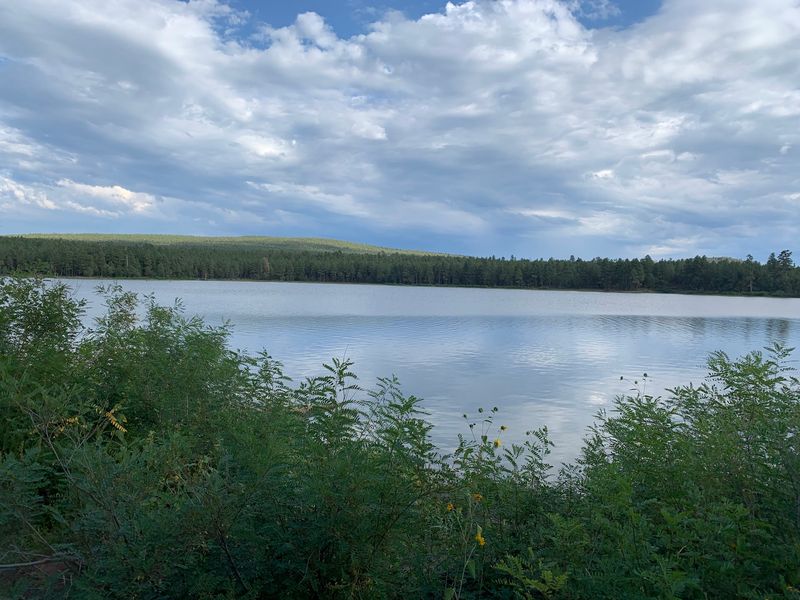
Small lakes rarely make headlines, and that suits this one just fine. Scott Reservoir sits in eastern Arizona, listed with the address Arizona 85929, in the United States.
The reservoir covers about 80 acres of water tucked into a wooded setting. It is classified as a lake, though it was built by people rather than shaped by nature.
Today the spot is known for three main activities: fishing, hiking, and camping. That simple lineup is a big part of the appeal.
There are no flashy attractions here, no ticket booths, and no theme park rides. What you get instead is open water, a trail along the shoreline, and room to spread out.
For people who like their outdoor time uncomplicated, the setup feels refreshingly honest. Think of it as a lake that does a few things well and does not try to be anything else.
A Reservoir Born in 1928
Back in 1928, construction finished on a water reservoir that would outlast nearly everything else built that year. Scott Reservoir has now been holding water, or trying to, for close to a hundred years.
It started as a practical project. Reservoirs in the region were built to store water in a dry state where every drop counts.
Over time, the public found other uses for it. Anglers showed up with rods, families came with tents, and walkers discovered the shoreline trail.
That shift from utility to recreation is common for older reservoirs, and this one made the change gracefully. The lake still serves as a water source, yet it also works as a local escape.
Knowing the age of the place adds a layer of interest to a visit. Every cast and every footstep happens on ground that people shaped generations ago, which is a fun history lesson without a classroom.
The Dirt Road In
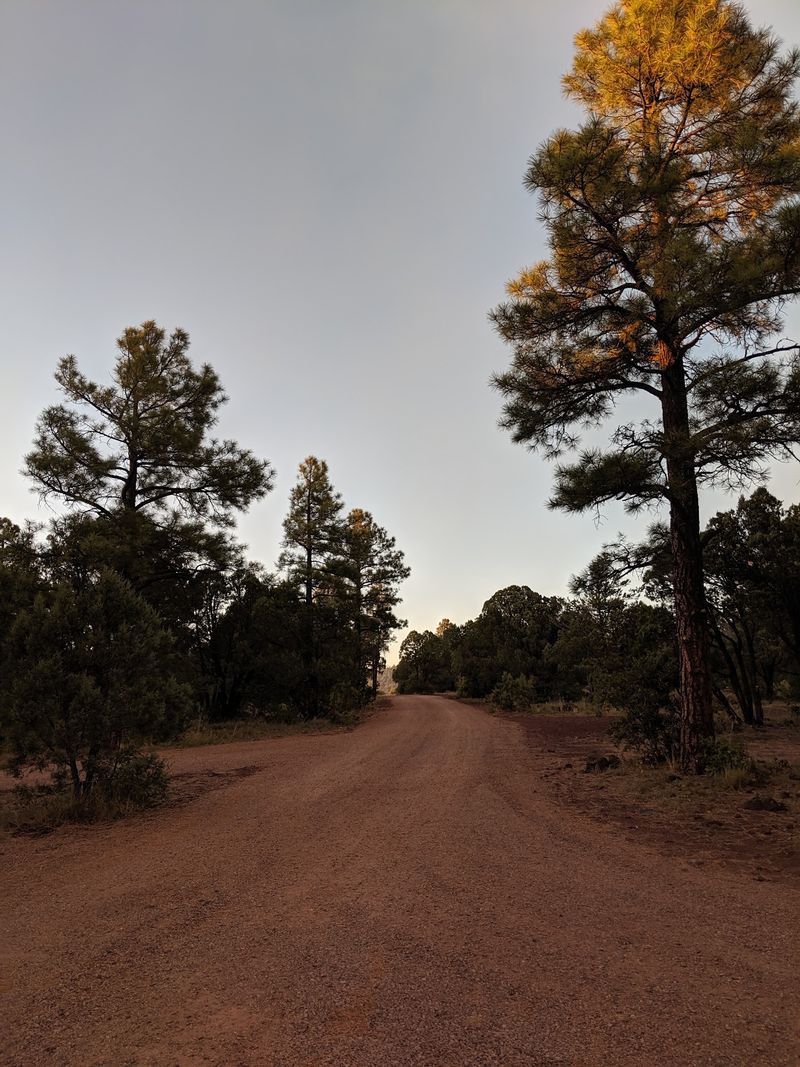
Getting there is half the adventure, though a short half. A brief drive on a dirt road leads to a small parking area right at the edge of the reservoir.
The road is not long, but it does set the tone. Once the pavement ends, the trip starts to feel like a real outing instead of an errand.
The parking area is modest, which matches the size of the crowds. You are not hunting for a space among hundreds of cars.
From the lot, the water is right there. There is no long approach hike required before you can start fishing or walking.
Drivers with low-clearance cars may want to check road conditions before heading out, especially after wet weather. A little planning goes a long way on unpaved routes.
In short, the reservoir rewards a small effort with fast access, which is a fair trade for most people.
Trout, Bass, and a Surprise Catfish
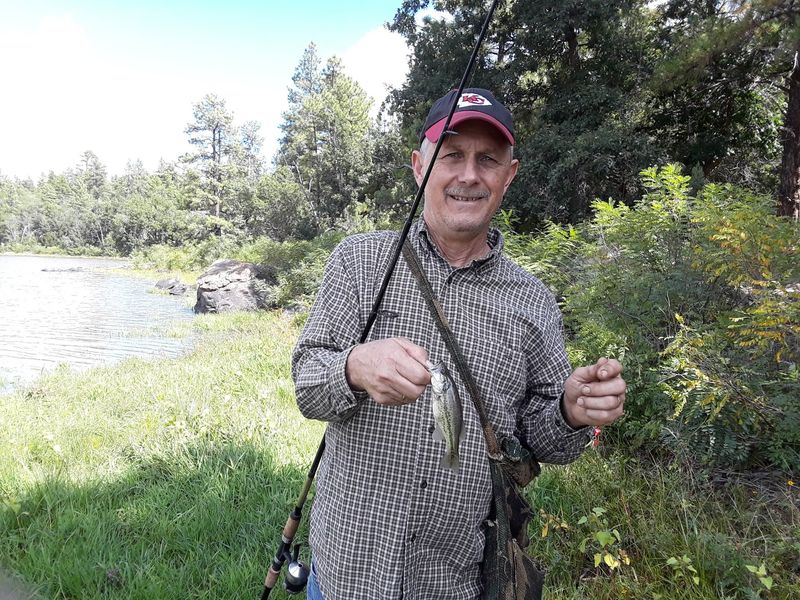
Anglers call this place a popular fishing hole, and the catches back up the reputation. Trout come up often in conversations about the lake.
Bass are here too. Small bass have been pulled from the water by people fishing with their families and dogs nearby.
Then there is the catfish story. At least one catfish caught here was described as big and fat, which is a happy surprise for anyone expecting only trout.
The variety means you can show up with a general setup and have a decent shot at something. Experienced anglers and casual weekend casters both find room.
Plenty of space along the shore helps as well. The lake is rarely crowded, so you are not elbow to elbow with strangers.
Remember to check Arizona fishing license rules before casting. Then settle in and see which fish decides to say hello first.
A Shoreline Trail for Easy Miles
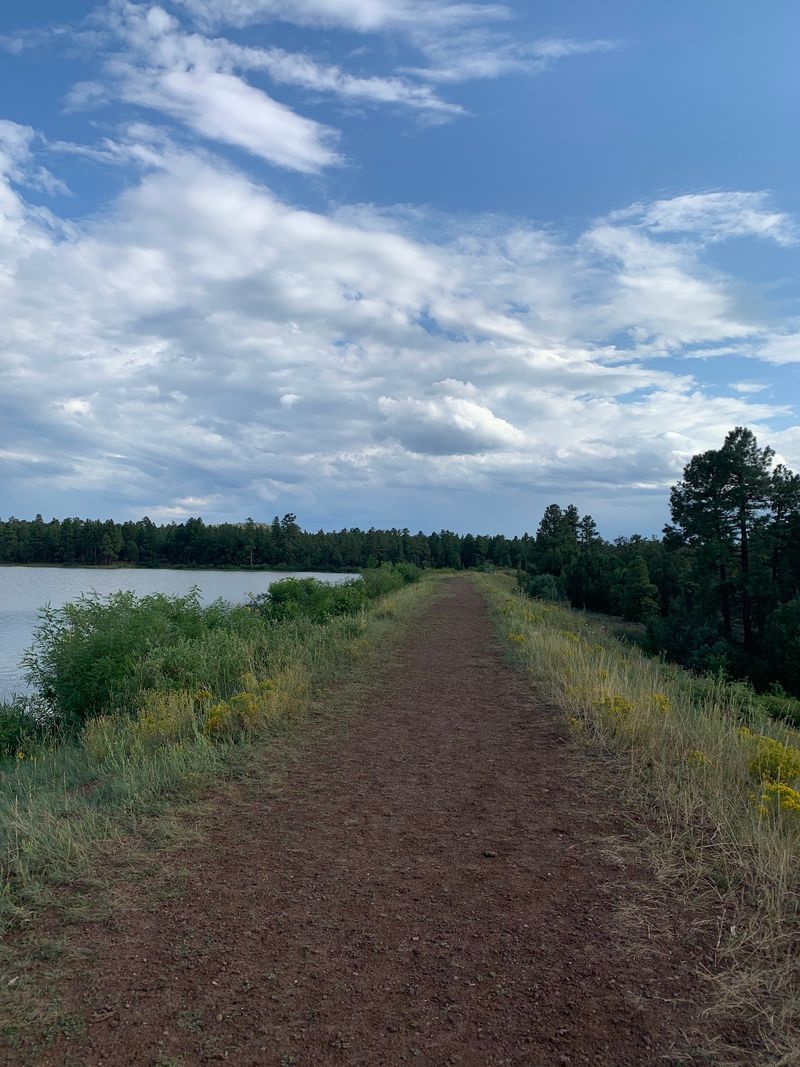
Some trails demand stamina. The path around Scott Reservoir mostly asks for a free afternoon.
A trail follows the edge of the lake, and it suits both short strolls and long walks around the water. You can turn back whenever you like or keep going for the full loop.
Walkers love it for its calm pace. It works for a morning stretch, a family outing, or a slow walk with a friend.
The trail stays useful even when the water drops. During dry stretches, people still head out because the hiking remains pleasant.
Day hikers especially appreciate it during times when camping is closed. The lake becomes a simple trail destination rather than an overnight stop.
Bring water, wear sturdy shoes, and give yourself time to stop along the way. The best part of this path is that it never rushes you.
Linking Up With the Ice Cave Trail
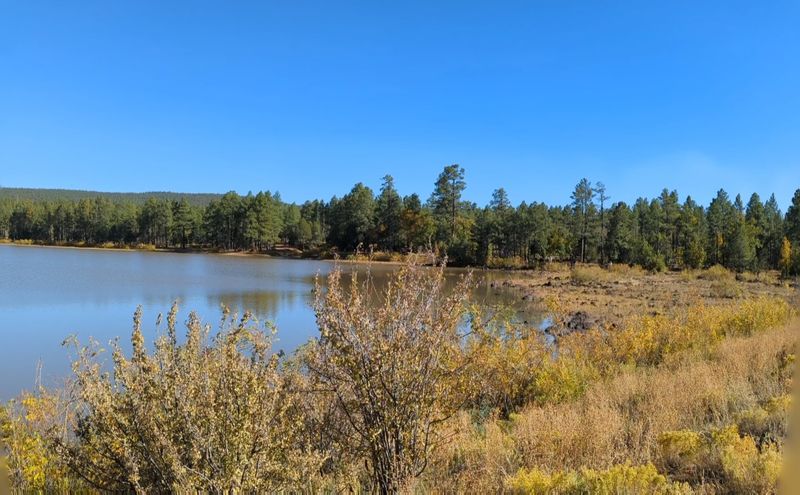
Here is a bonus many first-timers miss. The reservoir sits along the Ice Cave Trail, so a short lake hike can be combined with a cave hike.
That pairing turns a quick visit into a fuller day. You can circle part of the water and then continue toward the cave portion of the route.
It is a handy option for hikers who want a bit more variety. The lake section is easy, and the extra mileage adds some purpose to the outing.
Summer can be quite dry in this area. Plan for heat and carry more water than you think you need.
Families might stick with the lake loop, while more energetic walkers tack on the cave segment. Either choice works.
Having two destinations on one trail is a nice deal. Call it a two-for-one special with no coupon required.
Eagles, Geese, and Ducks on Patrol
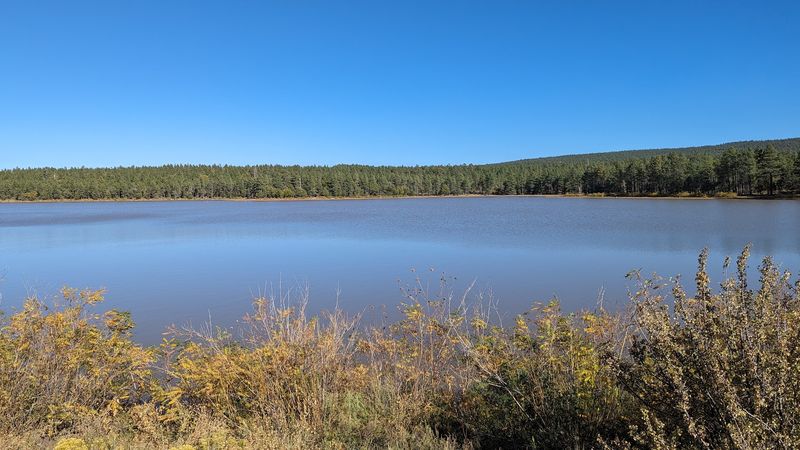
Bird watchers, bring your binoculars. Eagles, geese, and ducks are among the wildlife spotted around the reservoir.
Even in drier summer months, the area remains attractive enough for animals to stick around. That gives hikers a good chance to catch some action along the shore.
Ducks and geese tend to hang around the open water. Eagles are the prize sighting, and spotting one makes any walk feel like a win.
Patience helps. Moving slowly and keeping noise down improves your odds of seeing more.
Cows also wander through the area at times, which can surprise newcomers. They are part of the local landscape, so give them space.
Wildlife viewing here is casual rather than guided. There are no tours, just you, the trail, and whatever decides to show up that day, feathers or hooves included.
Paddling on Calm Water
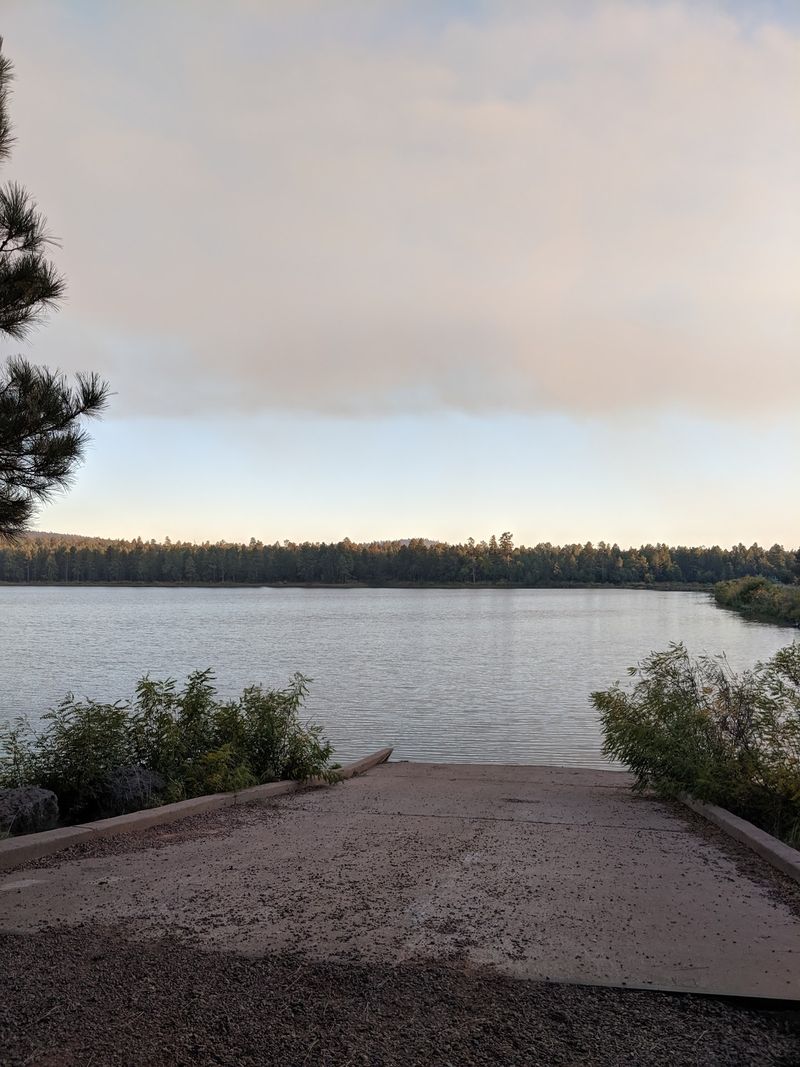
Kayakers have a friend in this reservoir. The lake is called great for kayaking, and its modest size makes it manageable for most paddlers.
Eighty acres is enough room to explore without feeling lost. You can cruise the shoreline, find a quiet corner, or simply drift for a while.
The small parking area right by the water makes launching easier. Hauling a boat from the car is a short job.
Paddling is also a great way to see the lake from a new angle. The trail shows you one view, and the water shows you another.
Water levels matter, though. In drought years, the usable area shrinks, so check conditions before loading the roof rack.
Bring a life jacket and keep an eye on afternoon weather. Once those boxes are checked, the lake is all yours to paddle at your own pace.
Camping Under the Pines
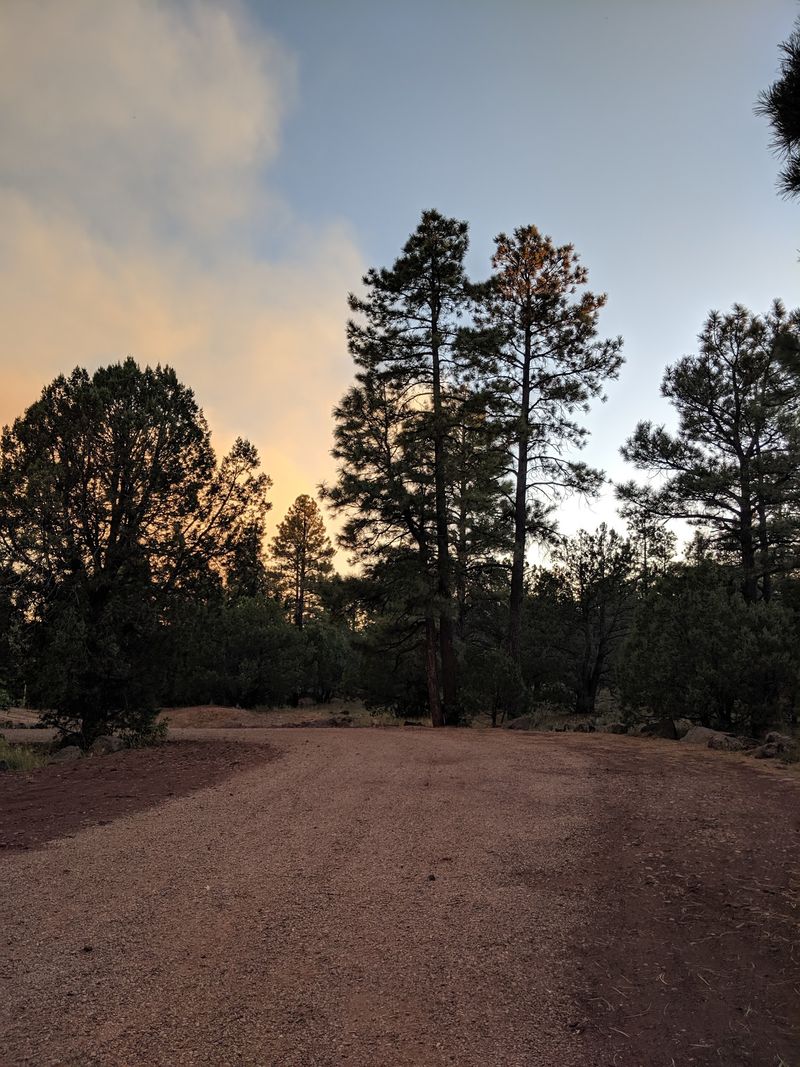
Free camping is music to many ears, and the reservoir has offered just that. The campground has been described as peaceful and free to camp.
It has also looked clean to those passing through. A camp host has been present at times as well.
Availability can change. Camping has been closed at certain points, so confirm the current status before planning an overnight trip.
Nighttime conditions are worth considering. Some campers have dealt with traffic coming and going, nearby barking dogs from a shelter, and wandering cows.
Light sleepers may want earplugs. A weekday visit could also mean a calmer night.
Bring shade, snacks, and everything you need, since services are limited. A canopy is a smart addition for sunny afternoons.
For budget travelers, a free site beside a historic lake is hard to beat. Just pack patience along with the sleeping bag.
Living With Low Water
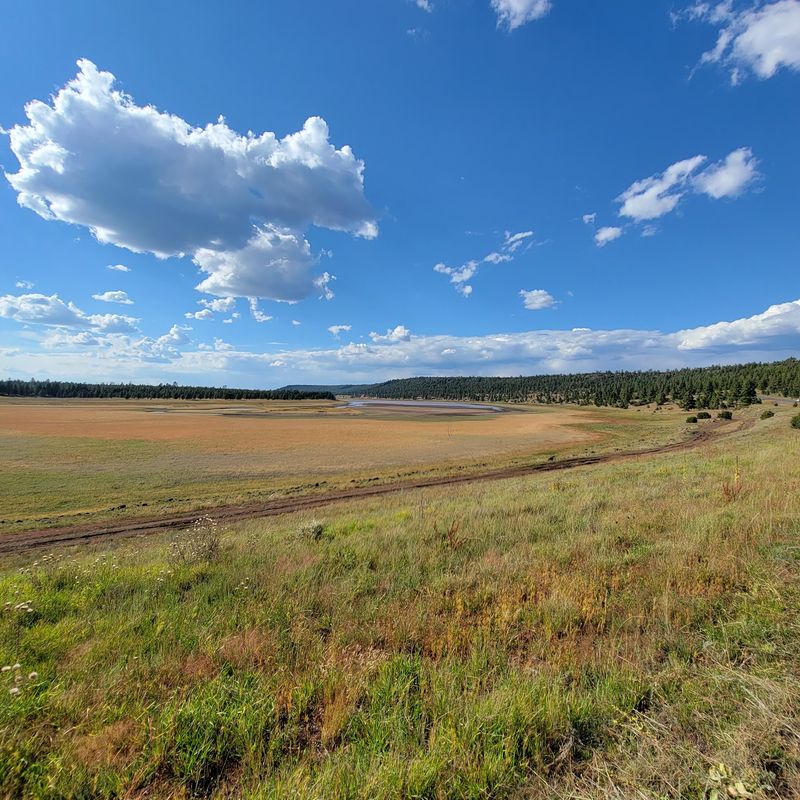
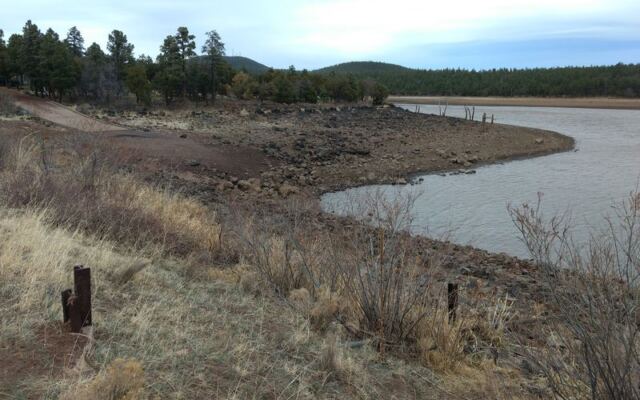
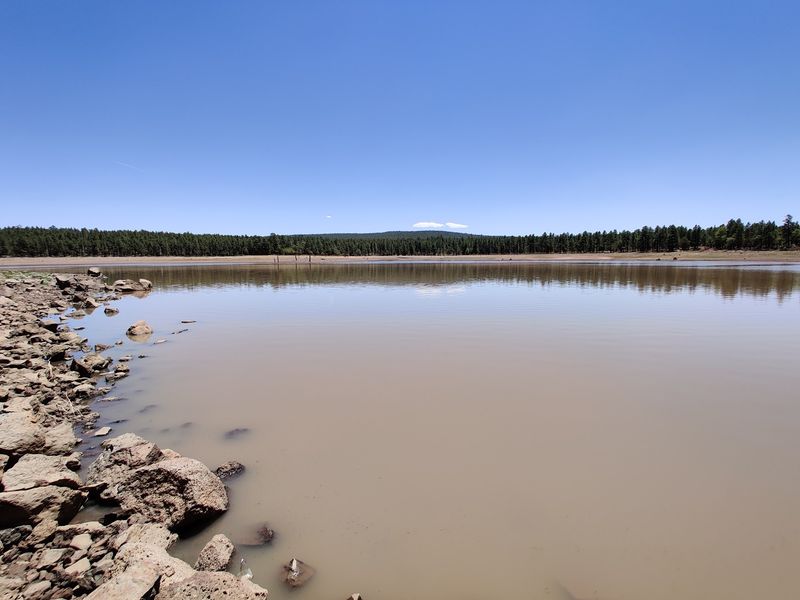
Drought is the plot twist in this lake’s story. Water levels have dropped noticeably during dry years, sometimes to the point of looking really low.
There was even a period when the reservoir had no water at all, drained for repairs until after winter. That is a reminder that human-made lakes need upkeep.
Yet people keep coming. Even during a bad drought, there is still water, and the trails stay just as appealing.
Some folks have felt disappointed when levels sank. Others simply switched plans and went hiking instead.
That flexibility is the key to enjoying the place. Check recent conditions, then decide whether it is a fishing day or a walking day.
Locals joke that rain dances might help. Until the clouds cooperate, the lake keeps proving it can welcome guests at any level, full or not.
Quiet Crowds and Happy Dogs
A Saturday afternoon here might bring only a couple of other small groups. That kind of quiet is rare at popular outdoor spots.
The lake has a secluded, tranquil atmosphere. People often describe it as peaceful, and it is a favorite for slow walks.
Dog owners appreciate the space too. Early mornings, when hardly anyone is around, make a good time to let pups stretch their legs.
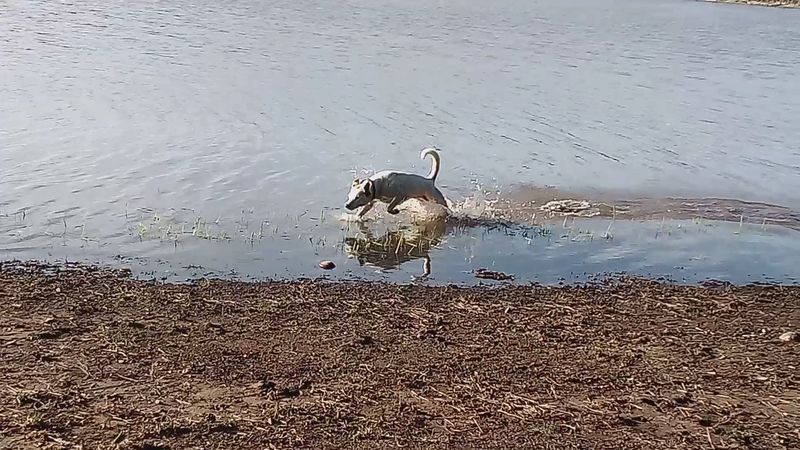
One couple even chose the reservoir for their 40th anniversary, bringing along their shepherd, who loved the water. That says a lot about its relaxed vibe.
It also suits solo hikers, families, and anyone seeking a calm break. You will not find crowds jostling for the best spot.
Keep dogs under control around wildlife and other guests. Everyone, two legs or four, deserves a peaceful outing.
Pack It In, Pack It Out
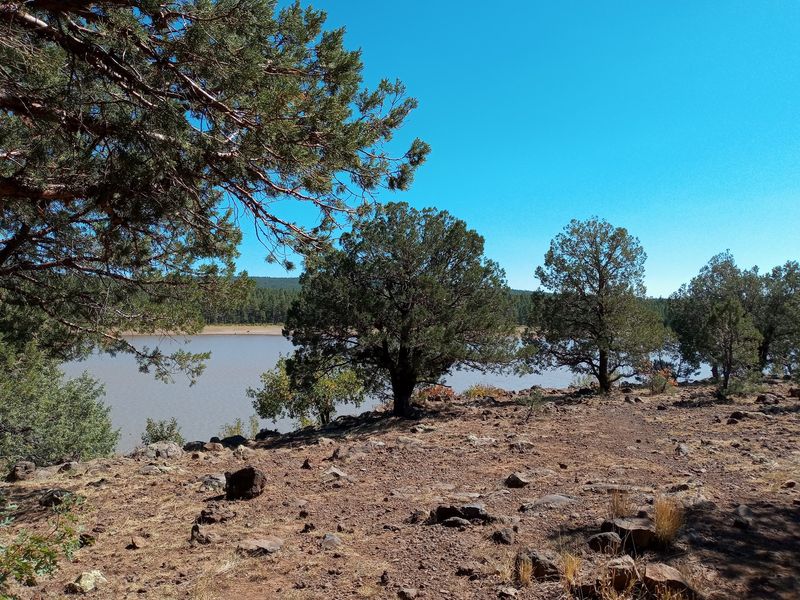
Every lake needs a few rules, and this one has an easy favorite. Take your trash with you.
Litter has been a sore spot at the reservoir. Leftover cans and garbage around old fire pits have frustrated people who care about the area.
The fix is simple. Bring a bag, collect your waste, and leave your spot cleaner than you found it.
Services are limited, so do not count on bins at every turn. Planning ahead saves headaches.
Water quality concerns have come up in the past, including one report of a green substance on the surface. If something looks off, it is reasonable to skip the water that day.
Respecting the land keeps the place enjoyable for the next group. A clean shoreline is the best thank-you note a visitor can leave behind.
Worth the Trip, Rain or Shine
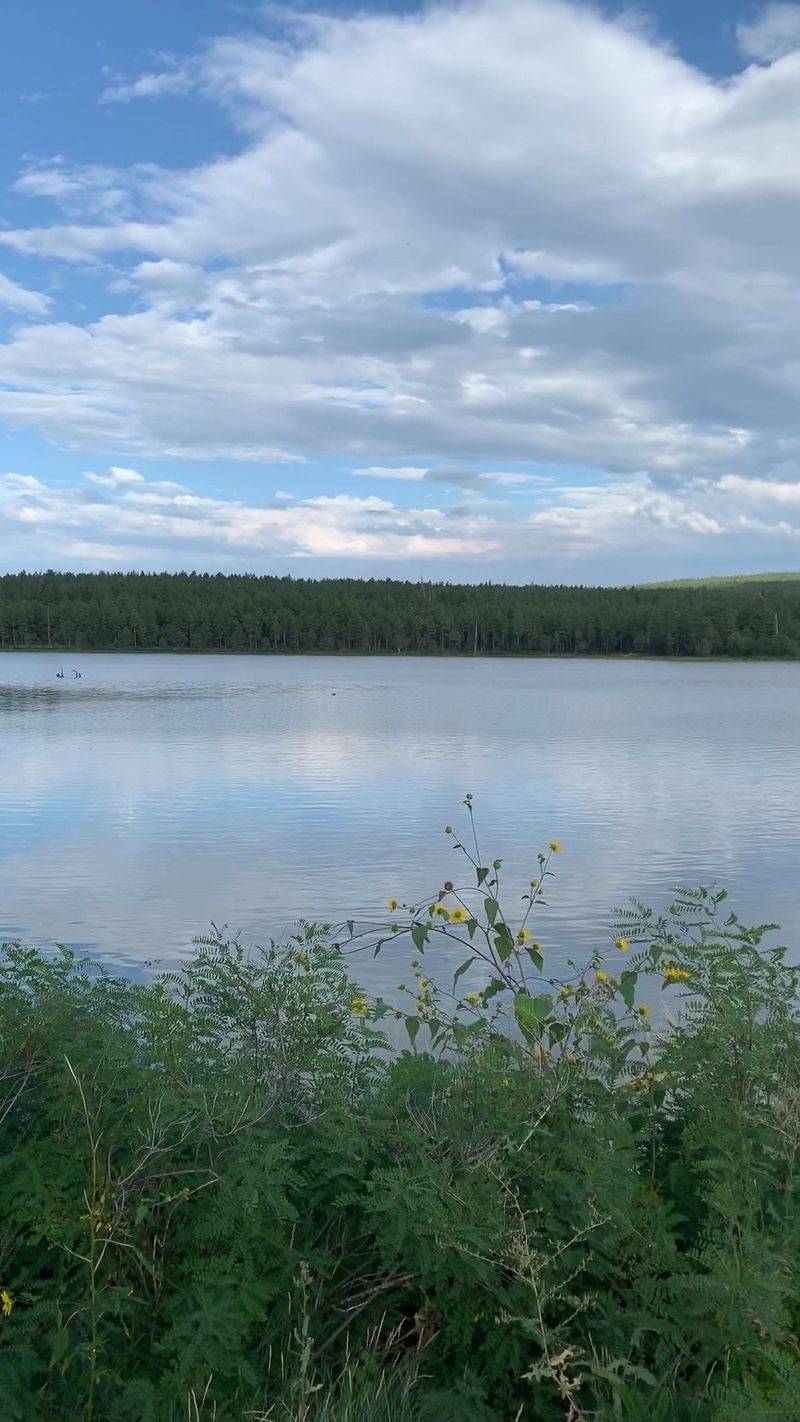
So, does an old reservoir with fluctuating water deserve a spot on your list? For many people, the answer is yes.
Scott Reservoir holds a 4.2-star average across 52 opinions, which signals steady appreciation. People love its quiet, its trails, and its fishing options.
It is not perfect. Low water, occasional litter, and noisy nights at the campground have tested some patience.
Still, the core appeal remains. A short drive brings you to a lake built in 1928, with room to fish, paddle, walk, and breathe easy.
The best approach is a flexible one. Check camping status and water levels, then choose your adventure.
Go early for solitude, bring the dog, and pack a rod just in case. Whether the lake is brimming or shrinking, it keeps finding ways to send people home glad they came.
Share this story