Some of the best weekend plans in Massachusetts hide behind a plain door in an old brick building. You go in curious about glass, maybe hoping for a fall keepsake, and leave hours later holding something you built with your own two hands.
This little studio is not a furnace shop, but it may be even more surprising, and it has a loyal following of first-timers who keep coming back. Here is what to know before you book a seat at the workbench.
A Glass Studio Tucked Into Pleasant Street
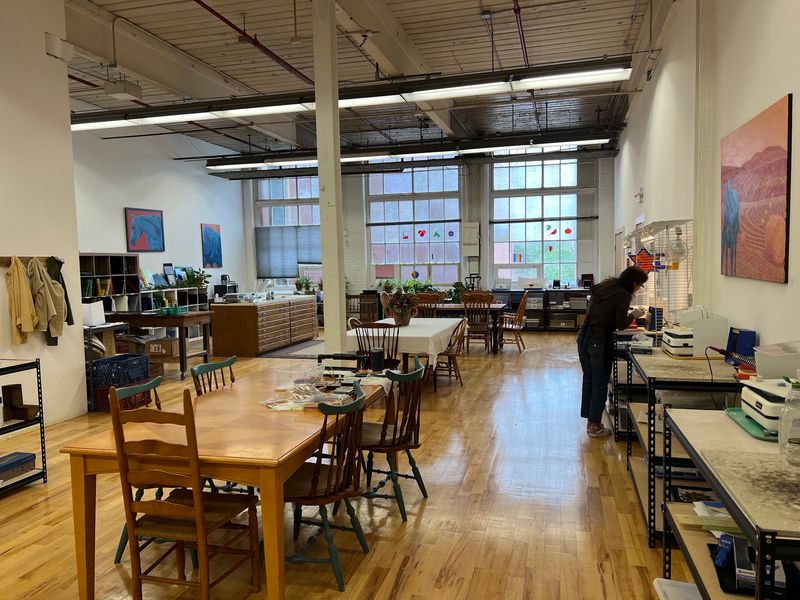
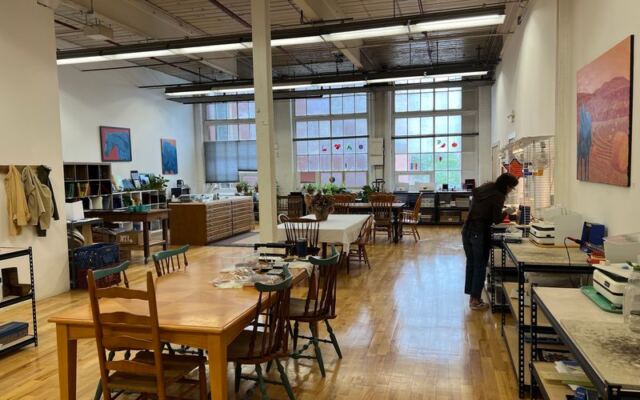
Finding the right door is the first small adventure. Dragonfly Stained Glass Studio sits at 116 Pleasant St #229, Easthampton, MA 01027, inside a Pioneer Valley town known for its creative workspaces.
Before anyone packs a lunch expecting a glowing furnace, one honest note matters. The title promises a glass pumpkin, but the craft practiced here is stained glass, not glassblowing.
That means cutting colored sheets, shaping the pieces, wrapping their edges in foil, and soldering them together into a finished panel or sun catcher. Nobody spins molten glass on a pipe.
For a fall outing, the swap works out nicely. A seasonal design can still become your project, since students are welcome to bring in their own pattern.
The studio runs beginner workshops, intermediate classes, and open studio time for people who have learned the basics. It is a teaching space first, built around helping complete newcomers make something they are proud to carry home.
Heather at the Head of the Table
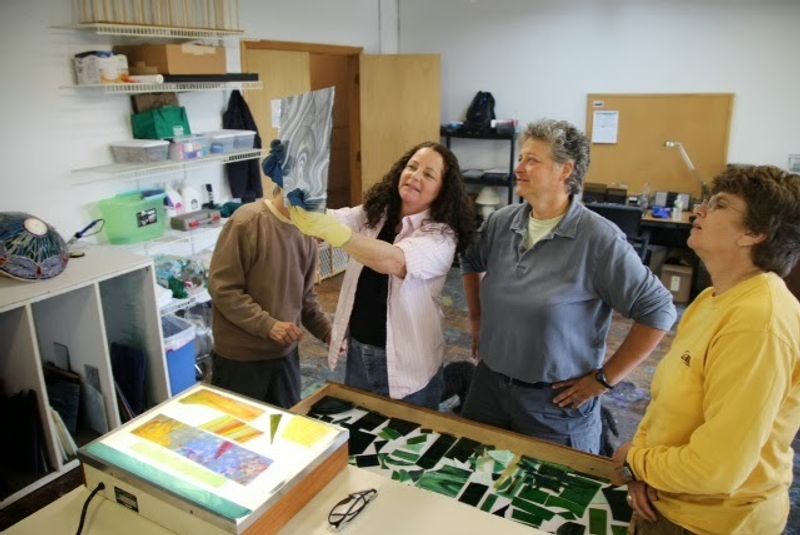
Every good workshop has a guide, and here that guide is Heather. Her name comes up again and again from people who have taken her classes, almost always paired with words like patient, knowledgeable, and clear.
She tends to explain each step to brand new students without rushing or talking over their heads. People who arrive nervous often mention leaving with a sense of confidence they did not expect.
Humor seems to be part of her teaching kit too. Students describe her as easy to chat with, which helps when your first glass cut goes a little crooked.
She is also a working artist, and that shows in the way she talks about design and color choices. Many of her former students return for a second class, then a third.
Her replies to students are warm and personal, often celebrating the specific bird, parrot, or sun catcher they made. That kind of attention explains a lot.
Extra Hands Around the Room
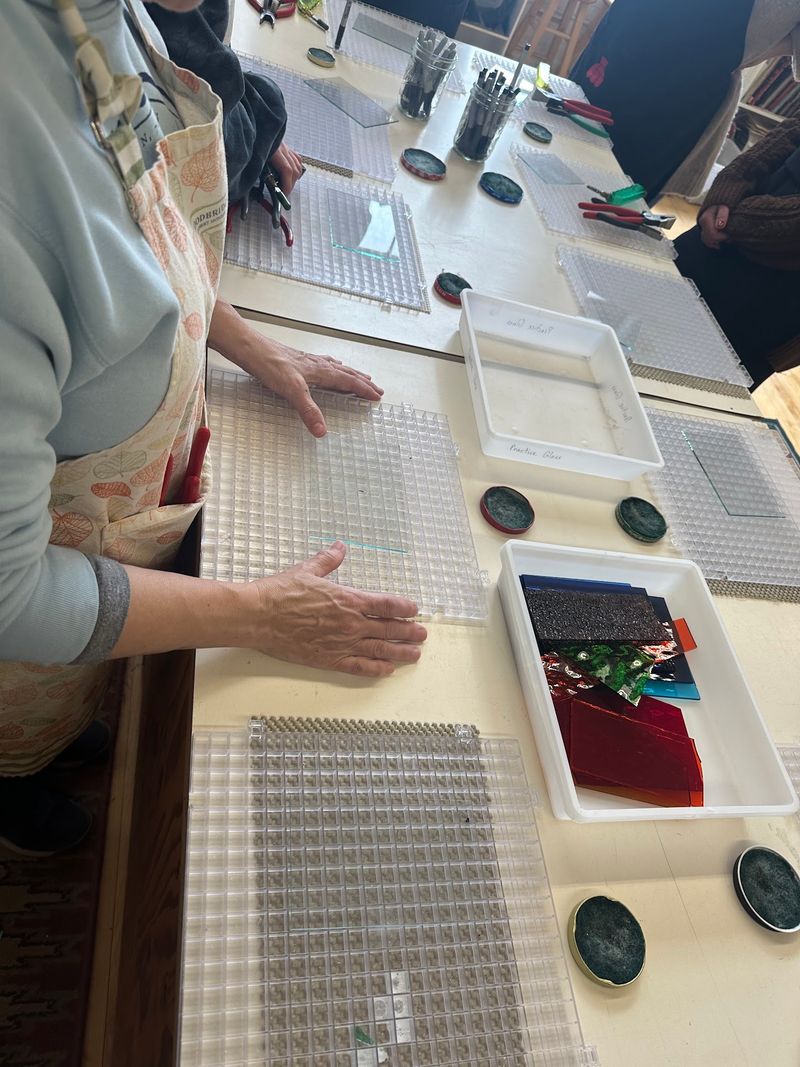
Twelve people in one class sounds crowded. Somehow, it rarely feels that way at this studio.
Heather usually has help. Assistants and fellow instructors, including Amy, Nora, Elizabeth, and Alison, have joined her on various class days to work alongside students.
One beginner described a full class of twelve that still felt close to one on one instruction thanks to the teamwork between Heather and her assistant. That ratio matters a lot when you are holding a glass cutter for the first time.
Complete novices, including parents taking a class with grown children, often mention how patient the helpers were. Nobody gets left behind staring at a pile of loose pieces.
The extra support also keeps the session moving. Students point out that the instructors do a good job of keeping everyone on track so projects actually get finished.
It is a simple setup that makes a big difference for first-timers.
From Pattern to Solder in One Session
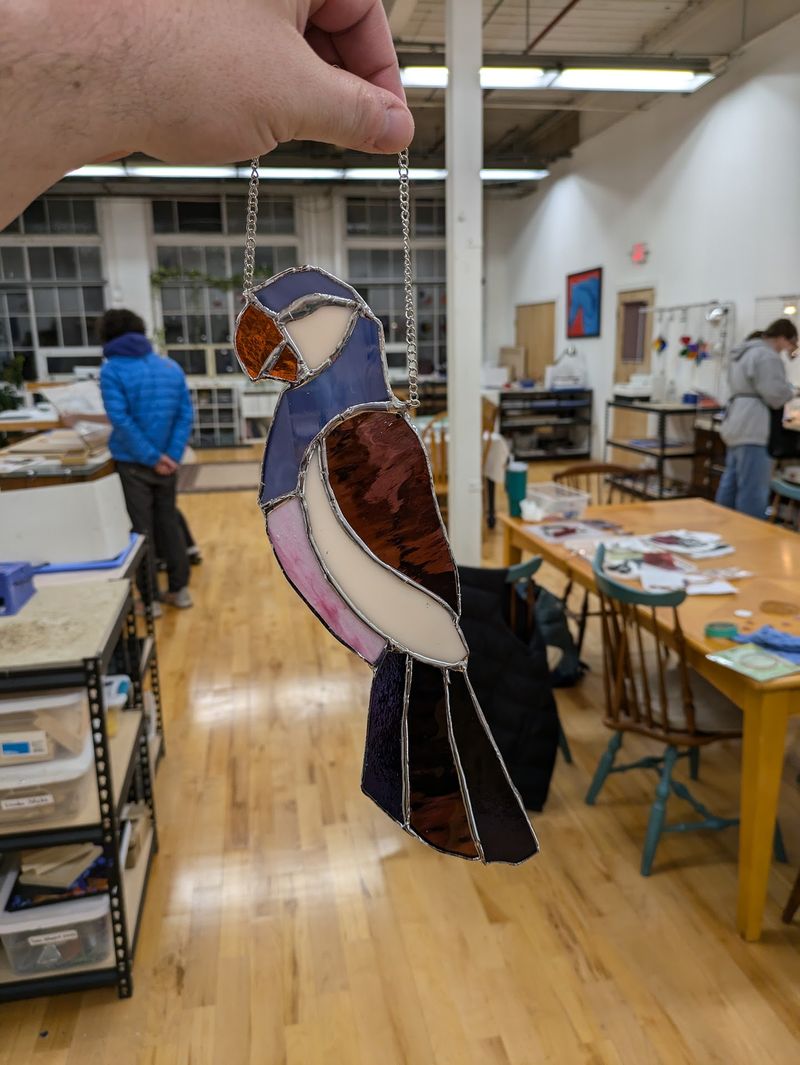
Cut, grind, foil, solder. Those four verbs sum up the beginner workshop, and students get to do all of them.
The class starts with choosing a design. From there, everyone picks out glass, cuts each piece, grinds the edges smooth, and wraps them in copper foil.
Soldering comes last, joining the pieces into one solid work. It is the moment when a pile of colored shapes suddenly becomes a real object.
The workshop runs about four and a half hours, and students say the time goes by quickly. Most finish within the regular session.
Slower, detail-focused makers sometimes need a bit more time. One student came back for an extra hour to finish a little bird, while classmates wrapped up on schedule.
Absolute beginners often say they are surprised by how intricate their finished piece turned out. Leaving with a completed project, not a half-done one, is a big part of the appeal.
Shelves of Color to Choose From
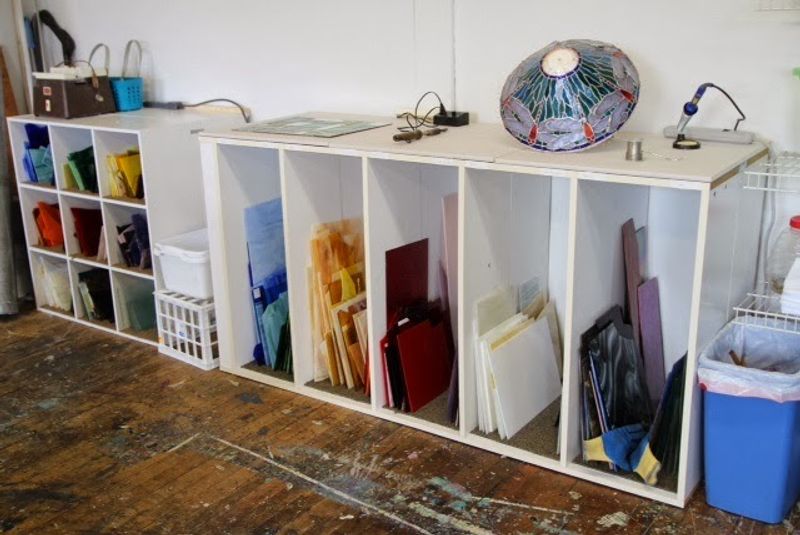
Choosing glass may be the hardest decision of the day. The studio keeps a wide selection of sheets on hand, and students frequently mention how happy they were with the options.
That variety gives a project personality. A parrot needs bright feathers, a sun catcher might call for soft tones, and an autumn design could lean on oranges and golds.
Bringing your own design is welcome in the beginner class, which opens the door to seasonal ideas. A pumpkin outline is a fair choice for a fall session.
Instructors offer guidance on picking pieces that work for the pattern. Group sun catcher classes also come with plenty of information about glass choices.
Students do not need to buy or haul any supplies themselves. Materials are part of the experience, so the only thing to bring is an idea or a willingness to pick one from the studio’s designs.
A Workspace Laid Out Step by Step
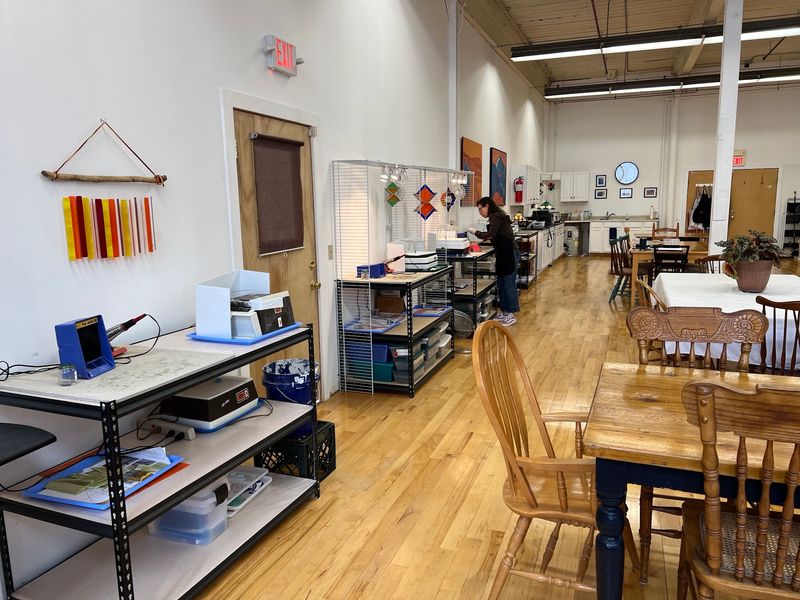
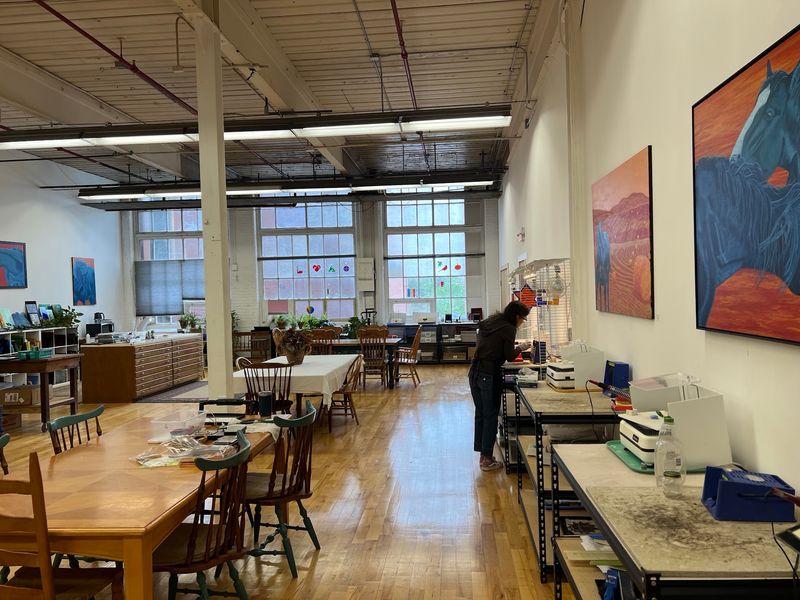
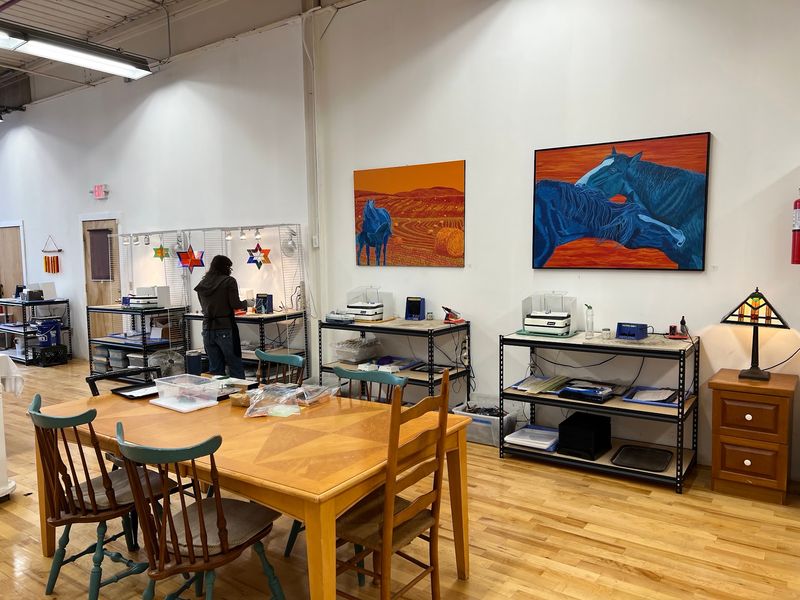
Good studios have a rhythm, and this one is arranged to match it. Students describe the space as laid out perfectly for each stage of the process.
Cutting happens in one area, grinding in another, and soldering at its own station. Moving from task to task feels natural instead of chaotic.
The studio is well equipped and organized, with the machines and tools students need already in place. Access to all that gear is something beginners rarely have at home.
Many people also call the space beautiful and welcoming. It is described as a friendly creative room where it is easy to settle in for a few hours.
That setup does more than look nice. When every tool has a home, instructors spend less time hunting for supplies and more time helping students.
It all adds up to a calm room where a first project can actually succeed.
Beyond Beginner: Intermediate Classes and Open Studio
One class is often just the start. The studio offers a clear path for people who catch the stained glass bug.
After the beginner workshop, students can move on to an intermediate class. Several people mention signing up for it right after their first experience.
Finishing the intermediate level unlocks open studio time. Once you reach a certain level of competence, you can pay by the hour to use the space and its materials.
That option is valuable because stained glass tools and equipment are not cheap to collect. Renting time lets hobbyists keep creating without building a workshop at home.
Open studio hours also bring a sense of community. Regulars describe finding fellow makers there, sharing the space while working on their own pieces.
Some people have taken the introductory course more than once before stepping up. There is no rush, and each level builds naturally on the one before.
Who Feels at Home at the Workbench
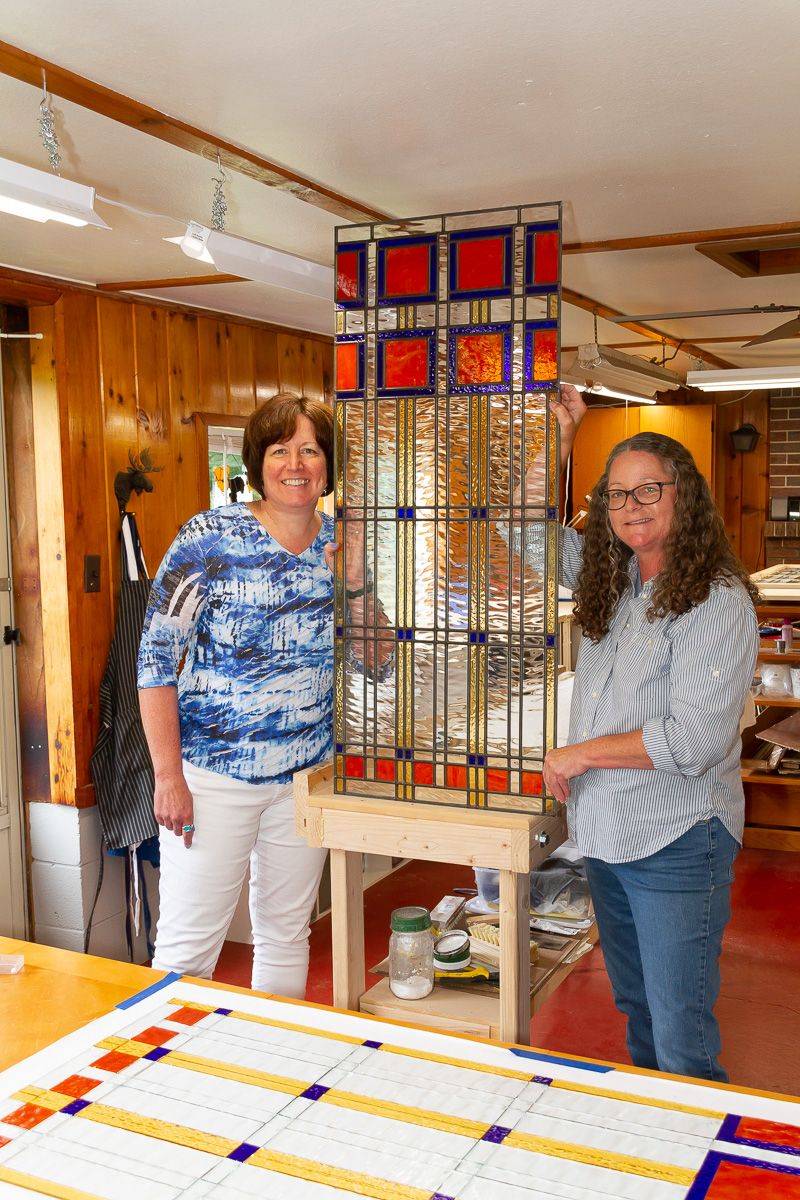
Mothers and daughters, couples, best friends, and solo learners all show up here. The mix of people is one of the nicest parts of the studio.
Many students come in pairs. Partners book together, adult children bring a parent, and some people plan return visits with family members.
Solo visits work just as well. The experience is often recommended both individually and with a friend.
Skill level matters very little. Instructors work with a wide range of natural abilities, supporting everyone toward a finished piece.
The studio also suits experienced crafters looking for space and equipment. Beginners and seasoned glass workers can both find a place here.
For Massachusetts locals wanting a low-key creative morning close to home, the atmosphere hits the right note. It is welcoming, encouraging, and focused on making something real.
Many people describe falling in love with the craft after one class.
Booking Notes and a Friendly Verdict
Planning ahead pays off. Class schedules and current details are posted on the studio website, dragonflystainedglassstudio.com, so check there before driving over.
Plan for a long session. The beginner workshop runs roughly four and a half hours, and slow, careful workers may want a little cushion of time afterward.
Students describe the class as very reasonably priced for what it includes. Tools, equipment, and glass are part of the experience.
Bring a design if you have one in mind. A fall theme, a favorite animal, or a simple sun catcher are all fair game.
So, is it worth a morning? For anyone wanting a hands-on autumn project in western Massachusetts, the answer leans strongly toward yes.
You will not blow a pumpkin from molten glass here. You may, however, leave with a stained glass pumpkin you cut and soldered yourself, plus a new hobby to grow into.
Share this story