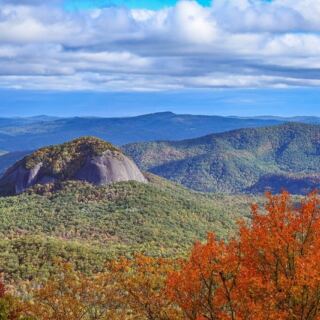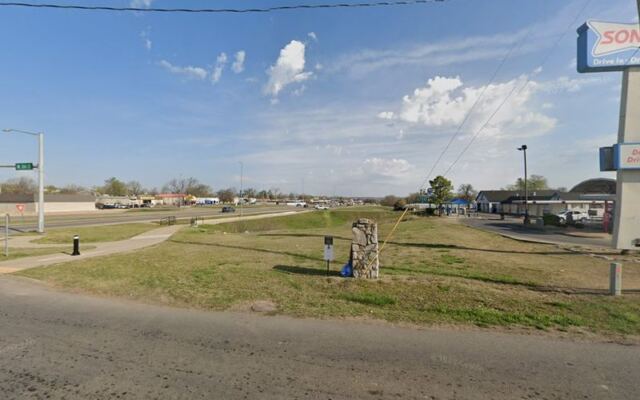
Some of the best surprises in Oklahoma hide in plain sight, tucked beside quiet streets you might drive past a hundred times. I went looking for a simple history marker and found a spot that made me slow down, look around, and wonder about everyone who passed this way before me.
It is small and free to visit, yet it opens a window onto the rail-and-river story of Green Country. Grab a jacket and a snack, because this fall stop is the kind of place that makes you hungry for more local history.
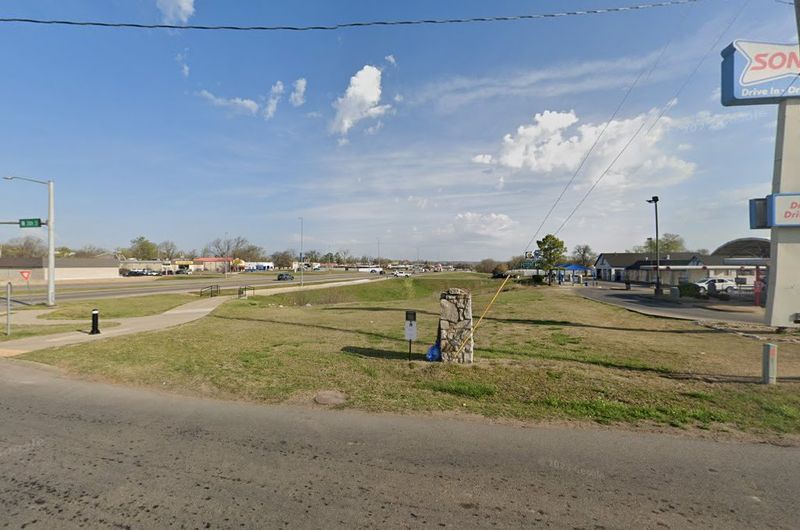
A Marker at 101 East 38th Street
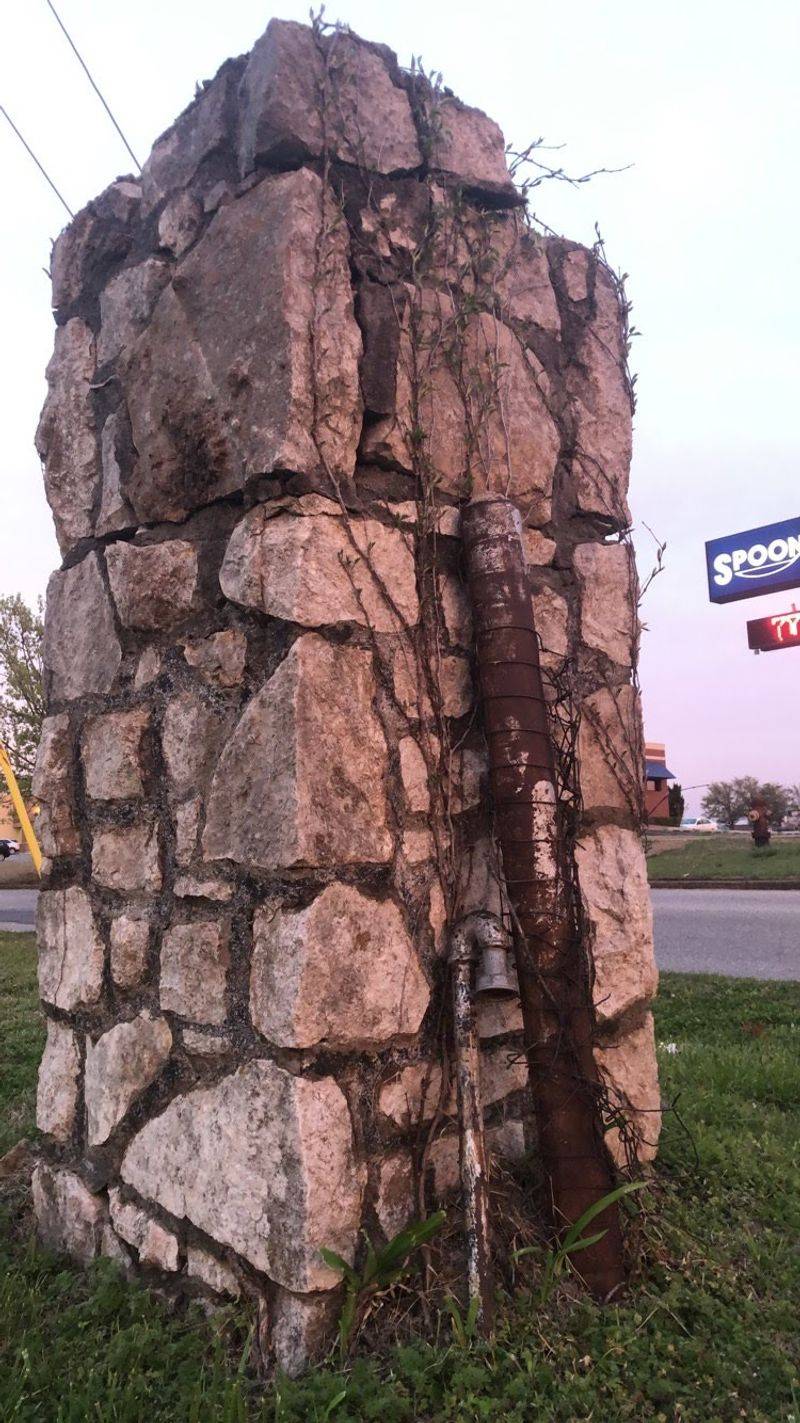
Picture a quiet street corner where a small piece of local memory waits for anyone curious enough to stop. That is the heart of Sand Springs Historic Tour – Stop 10, listed at 101 E 38th St in Sand Springs, Oklahoma.
It is officially classified as a historical landmark, and it forms one link in a chain of stops the city has mapped out for visitors.
You will not find a ticket booth, a gift shop, or a crowded parking lot here. Instead, the experience is simple and personal.
You pull up, step out, and take in a spot that the community decided was worth remembering.
Sand Springs sits just west of Tulsa in the part of the state many people call Green Country. The name fits, especially once autumn color starts creeping into the trees along the Arkansas River valley.
For travelers who love the idea of following a trail of clues across a town, Stop 10 is a satisfying piece of the puzzle. It rewards a slow pace and a little imagination.
Think of it less as a museum and more as an open-air history lesson that you can visit on your own schedule, any day of the week.
Prattville, the Neighborhood Behind the Stop
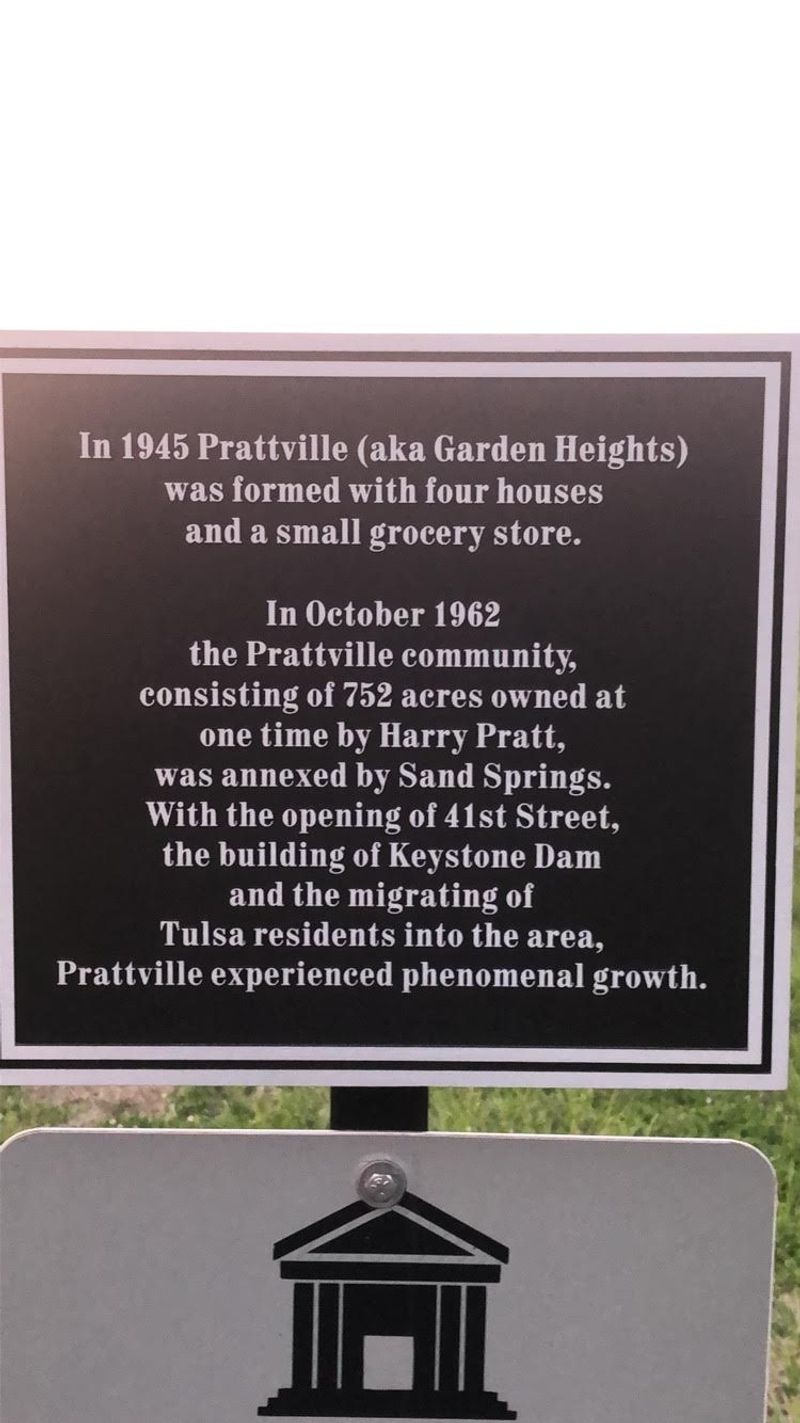
Every stop on a history tour has a name tucked behind its number, and this one points to Prattville. The city’s own web page for the stop is labeled Historic Tour 10 Prattville, which tells you exactly which slice of Sand Springs history it celebrates.
Prattville is part of the larger Sand Springs story, a community name that longtime residents still recognize. Visiting the marker gives you a chance to stand in that area and connect a place name to a real patch of ground.
Names like this often hold onto the past long after the original buildings change. Streets get repaved and homes are updated, yet the name keeps the memory alive for each new generation.
If you want the full background, the city’s tour page at sandspringsok.org is the best source to read before or after your visit. It is the official home for the details on this stop, and reading it on your phone while standing on site can make the experience richer.
Treat the neighborhood with respect while you explore. People live and work nearby, so a quiet visit fits the spirit of the place.
A few minutes of looking and reading go a long way here.
Steel Rails and the Story of Green Country
Railroads shaped much of Oklahoma, and the Sand Springs area is no exception. The Sand Springs Line is a name many locals connect with the early link between Sand Springs and Tulsa, and it remains a favorite topic for rail fans across the region.
Following a historic tour is one of the easiest ways to feel that connection today. Rather than boarding a train, you trace the community that grew up alongside the rails, stop by stop, and imagine how travel and work once moved through this valley.
Green Country itself is a fitting backdrop. Rolling hills, river bottoms, and wooded pockets give northeastern Oklahoma a softer look than the wide western plains, and the colors shift beautifully once fall arrives.
Stop 10 lets you pause in the Prattville area and think about how small communities fit into a bigger regional picture. Transportation, industry, and neighborhoods all wove together here over the years.
For deeper rail history, local archives and the city’s historic tour pages are worth a look. Details can vary by source, so checking official city information is a smart move.
Either way, the idea of riding through history fits this fall outing perfectly.
One Chapter in a Citywide Historic Tour
Ten is a fun number when it means you are deep into a scavenger hunt. Sand Springs has organized a series of historic tour stops, and this marker holds the tenth spot on that list.
Thinking of it as part of a series changes how you visit. You can treat Stop 10 as a quick standalone detour, or you can plan a whole afternoon hopping from one stop to the next and building the story of the city piece by piece.
The tour format suits families, road-trippers, and anyone who likes a goal. Kids especially enjoy counting off numbered stops, and adults tend to appreciate how each location adds context to the last one.
Each stop has its own page on the city website, so you can preview what you will see before you even start the car. That makes planning simple, even if you are visiting from out of town and do not know the streets well.
Bring a notebook or use your phone to jot down what you learn. By the end of the route, you will have a homemade guide to Sand Springs that no glossy brochure can match.
Stop 10 just happens to be a memorable page in it.
Setting and Scenery Along 38th Street
Quiet is the first thing many people notice. The marker sits along East 38th Street, away from the busiest stretches of town, which gives the visit a calm, unhurried feel.
That setting is part of the charm. Without crowds or noise, you can actually read, think, and look around.
The coordinates place it on the eastern side of Sand Springs, a short drive from the Tulsa area.
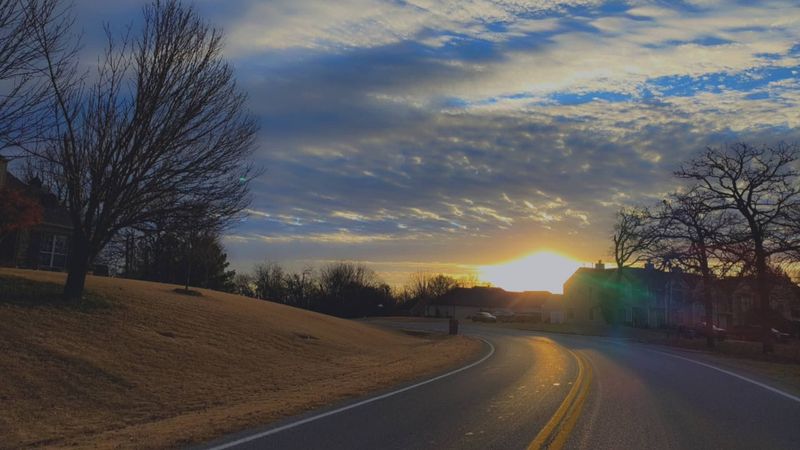
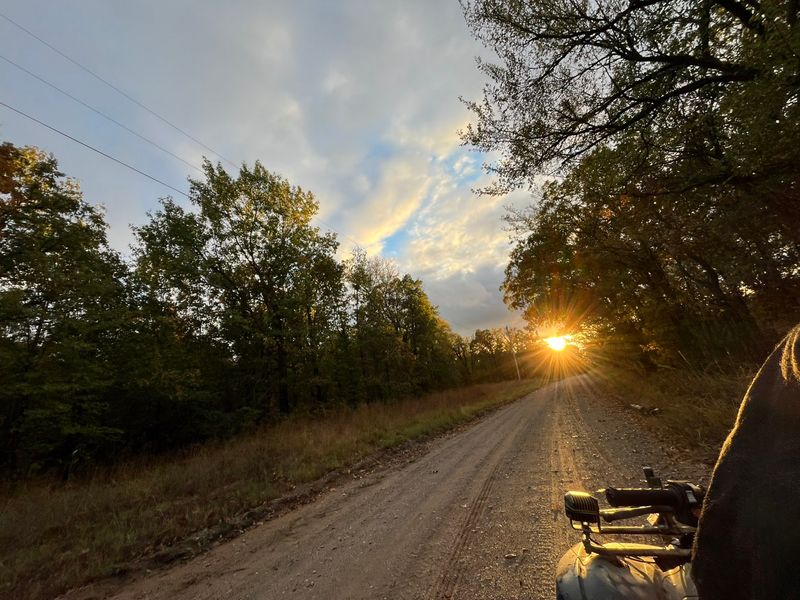
In the fall, the surrounding trees usually take on shades of gold, rust, and red, and that seasonal color makes even a simple street feel special. A cool breeze and crunchy leaves underfoot add to the mood.
Photographers will find plenty to work with. Try framing the marker against the sky in the late afternoon, when soft light warms everything up and long shadows stretch across the pavement.
Remember that this is an everyday neighborhood setting, not a fenced park. Park thoughtfully, keep driveways clear, and stay mindful of local traffic.
A respectful visit keeps these spots welcoming for the next curious traveler.
Small, peaceful places like this are easy to overlook. Yet they often stick with you longer than the big attractions, because you had a moment to simply be there.
Reading the Land Like a Rail Fan
Rail fans have a special way of seeing a landscape. They notice gentle grades, straight corridors, and the way towns cluster along routes that once carried people and goods.
You can borrow that mindset at Stop 10. Stand by the marker and ask yourself simple questions.
Why did people settle here? How did they get to work, to school, or into Tulsa?
What would this spot have sounded like decades ago?
Those questions turn a short stop into an active little investigation. Even without a train rolling past, the history of movement and connection is baked into the layout of Sand Springs.
Green Country’s river valleys made natural paths for travel, and communities grew where travel was easiest. Prattville is one of those names that hints at how the area developed over time.
If you enjoy maps, pull up an old aerial view or a historic map of the area on your phone and compare it to what you see today. The changes can be surprising, and the parts that stayed the same can be even more fascinating.
It is a hands-on way to make history feel real rather than distant.
Autumn, the Sweet Spot for a Visit
Oklahoma summers can be brutal, and anyone who has stood on hot pavement in August knows it. Fall flips the script with milder days, cooler evenings, and skies that often feel extra clear.
That makes autumn a great time to explore outdoor history stops like this one. You can linger without rushing back to the air conditioning, and walking between nearby points of interest becomes far more pleasant.
Seasonal color is the bonus prize. Green Country lives up to its name in spring and summer, but in fall the hills and neighborhoods trade some of that green for warm, glowing tones.
Weekends in October and November are ideal for a slow loop through Sand Springs. Pack a thermos of hot cocoa or cider, a light jacket, and maybe a picnic snack to enjoy somewhere nearby after your stop.
Fall is also when many people crave stories about the past. Shorter days and crisp air seem to put everyone in the mood for history and a little bit of mystery.
A quiet marker on a leafy street fits that feeling well, turning an ordinary afternoon into a small seasonal tradition.
A Reputation as a Magical Little Spot
Magical is a big word for a small marker. Still, that is exactly how one visitor described Stop 10, giving it a perfect score and a short, happy summary.
There is something fitting about that reaction. Places like this rarely shout for attention, so when they do make an impression, it tends to feel personal.
You came expecting a sign, and you leave with a feeling.
Part of the magic may come from the quiet. Standing still in a spot tied to a community’s past invites reflection in a way busy attractions rarely do.
Another part comes from discovery. Finding a hidden piece of local history on an ordinary street is a little like finding a forgotten note in an old book.
It reminds you that every neighborhood holds stories.
Feedback on this stop is limited, so think of that glowing comment as a hint rather than a guarantee. Your own experience will depend on what you bring to it, including curiosity, patience, and a willingness to imagine.
Visit at golden hour, read up on Prattville first, and see whether the place casts its spell on you too.
Who Will Love This Stop Most
History buffs are the obvious fans, but they are far from the only ones. Stop 10 suits a surprisingly wide mix of people.
Families can turn the numbered tour into a game, with kids racing to find the next marker. Road-trippers heading through the Tulsa area can add it as a quick, free stretch break that feels more meaningful than a gas station stop.
Photographers and casual walkers will enjoy the calm setting, especially in fall. Rail and transportation enthusiasts can use it as one piece of a bigger look at how Sand Springs grew.
It is also a great choice for locals who think they already know their town. Many residents have never stopped to read the markers in their own backyard, and doing so can be eye-opening.
Who might be less thrilled? Anyone hoping for interactive exhibits, guided talks, or a full afternoon at a single location may want to pair this stop with others.
On its own, the visit is short and simple.
Go in expecting a peaceful moment rather than a big production, and you will likely walk away pleased. That mindset makes all the difference here.
Hours, Costs, and Planning Basics
Good news for night owls and early birds alike: the stop is listed as open 24 hours, seven days a week. That means you can swing by on a sunrise drive, a lunch break, or a weekend evening.
No admission price is listed for the marker, and as an outdoor historical landmark it works well for travelers watching their budget. Your main costs will be gas and any snacks you bring along.
Daylight is still your friend, though. Reading markers and enjoying the scenery is much easier when the sun is up, and fall evenings arrive sooner than you might expect.
Before heading out, visit the official city page for Historic Tour 10 Prattville at sandspringsok.org. It is the best place to confirm details and learn background information that may not appear on the marker itself.
Plan on a short visit at this particular stop, perhaps fifteen minutes or so if you are reading and taking photos. If you are tackling the wider tour, give yourself a relaxed few hours.
Comfortable shoes, water, and a charged phone will cover most of your needs for the day.
Getting There and Building a Route
Finding the marker is easy once you plug in the address: 101 E 38th St, Sand Springs, OK 74063. Most map apps will guide you straight there, and the coordinates are 36.1083759, -96.1167669 if you prefer pinpoint accuracy.
Coming from Tulsa, Sand Springs is a quick drive west, which makes this a natural add-on to a city weekend. Travelers exploring northeastern Oklahoma can fold it into a broader Green Country loop.
Once you arrive, look for a safe, legal place to park nearby. Street conditions can vary, so take a moment to choose a spot that does not block homes or traffic.
To build a fuller outing, map out the other numbered historic tour stops in Sand Springs and visit them in order. Seeing them together paints a clearer picture of how the city and its neighborhoods came to be.
Pair your history drive with some fresh air too. The Arkansas River area around Sand Springs offers plenty of chances to stretch your legs and soak in fall color.
A loose plan, a full tank, and a curious mindset are all you really need.
Worth the Detour, Gently Speaking
Small places ask for small amounts of your time, and they often give back more than you expect. Stop 10 on the Sand Springs Historic Tour fits that idea nicely.
You will not spend a full day here. What you will get is a quiet moment in the Prattville area, a link to the rail-and-river story of Green Country, and a reason to look at an ordinary street with fresh eyes.
It is free to enjoy, open around the clock, and simple to reach from Tulsa. Those practical perks make it an easy yes for anyone already in the area.
The single visitor comment calling it magical sets a cheerful tone, even if it is only one voice. Let that be an invitation rather than a promise, and decide for yourself.
Our honest take? Make it part of a larger fall drive through Sand Springs, read the city’s tour page, and take your time.
Treat each stop as a page in a local storybook.
If you leave feeling a little more connected to Oklahoma and its past, the detour did its job. Sometimes the quietest places speak the loudest.
Share this story