Somewhere in Massachusetts, the bathroom tiles are covered in art from the man who drew The Very Hungry Caterpillar. That detail alone tells you what kind of place this is.
It takes picture books seriously, right down to the restroom walls.
The museum was founded by the famed illustrator himself. It gathers picture book art from around the world, not just his famous tissue-paper collages.
Galleries rotate, so the walls tell new stories over time.
I like how the whole building treats childhood reading as real art. Original illustrations hang at a height you’d see in any serious gallery.
Then a bright art studio waits nearby for anyone itching to make their own.
I can’t imagine a better rainy-day reward close to home.
A Museum Built Entirely Around Picture Book Art
Plenty of museums squeeze a children’s book corner into the back. The Eric Carle Museum of Picture Book Art flips that idea and makes picture books the whole show.
Founded by the illustrator behind The Very Hungry Caterpillar, the museum celebrates illustrated stories from around the world. Its own team describes it as a museum devoted to picture book art, not a traditional children’s museum.
That difference matters when you plan a visit. You’ll find original artwork on gallery walls, plus a library, an art studio, and an auditorium for films.
Families with toddlers fit right in. So do solo adults, aspiring illustrators, and anyone who still remembers the thrill of a well-worn library book.
Massachusetts has no shortage of history museums and grand art halls. Few of them, though, ask you to look this closely at the art that taught you to read.
The building sits in the Pioneer Valley, an easy drive for much of the state. Think of it as a quiet cultural treasure that rewards curiosity more than a big budget.
The Illustrator Who Started It All
Eric Carle didn’t just lend his name to this place. He founded it, which explains why the museum feels so personal and so devoted to the craft.
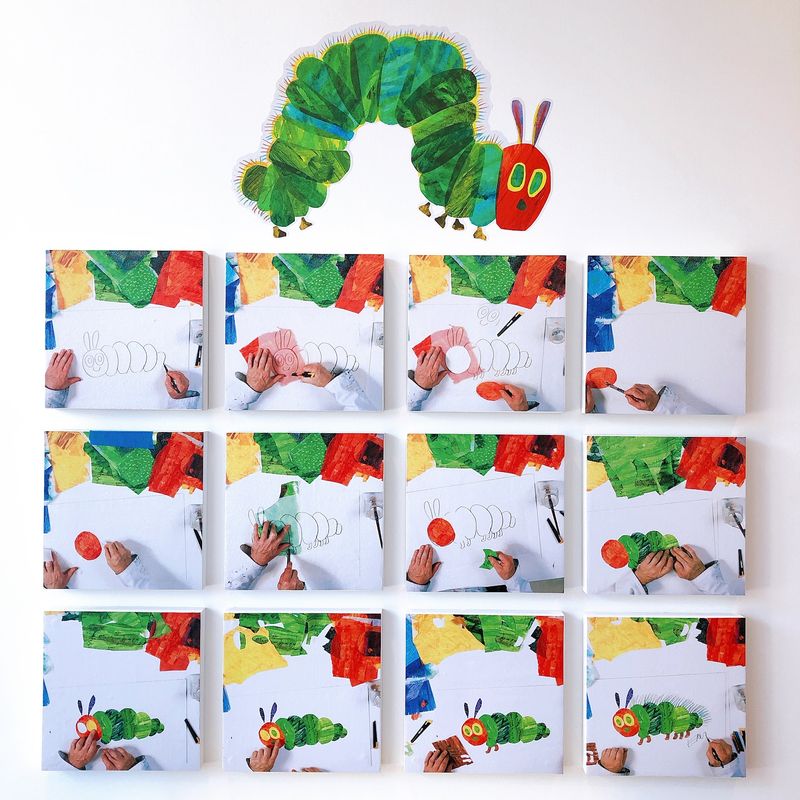
His painted tissue-paper collages made The Very Hungry Caterpillar one of the most recognizable books on any nursery shelf. Seeing that style up close helps you understand why kids keep reaching for his pages.
A smart move is to start in the area that introduces the man behind the books. Learning his story first gives every gallery after it a richer frame.
Short films in the auditorium cover his life and how the museum came to be. Some show him painting, which feels a bit like peeking over an artist’s shoulder.
The galleries also honor other collage artists and illustrators who share his love of bold color. His influence runs through the building without crowding anyone else out.
For grown-ups who grew up with his books, this part of the visit can hit surprisingly hard. Nostalgia has a way of sneaking up when you see the original artwork hanging on a wall.
Two Galleries That Keep Changing the Story
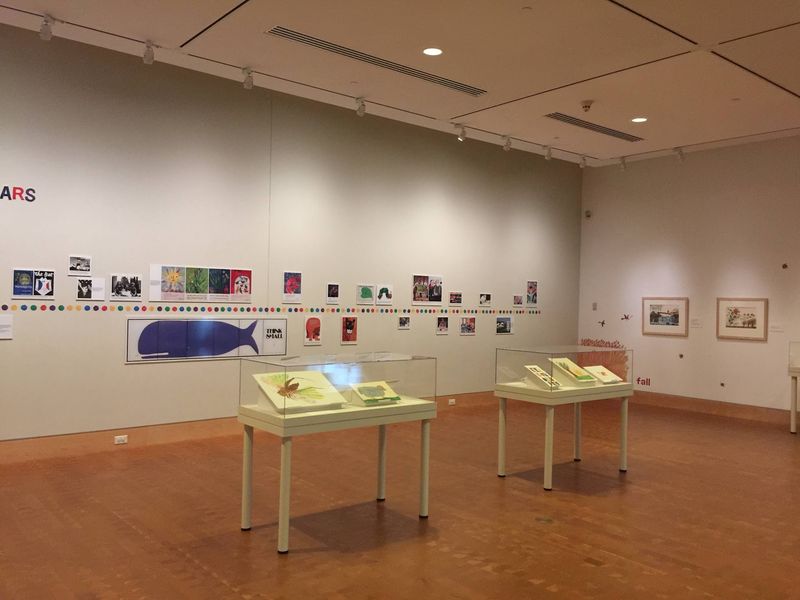
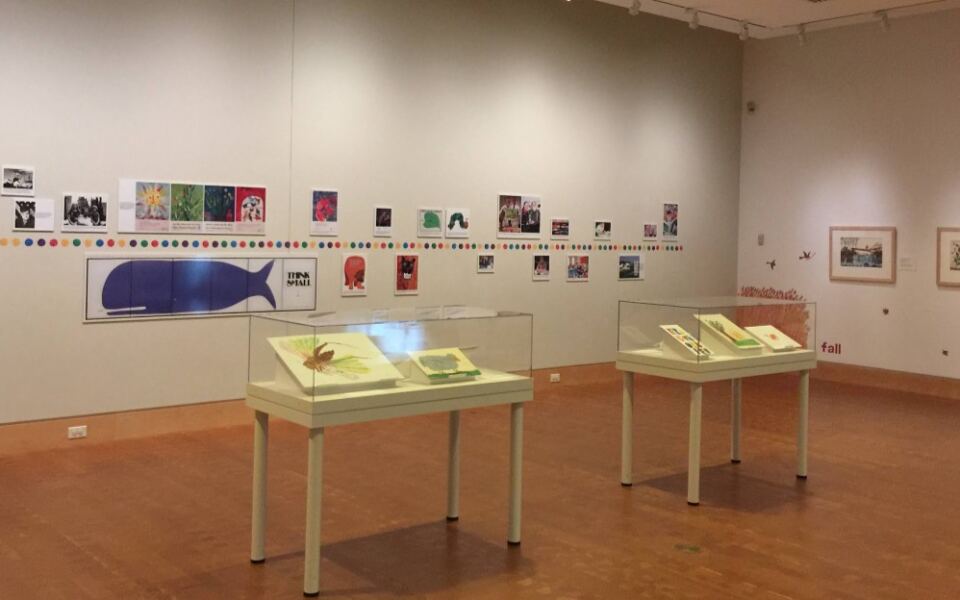
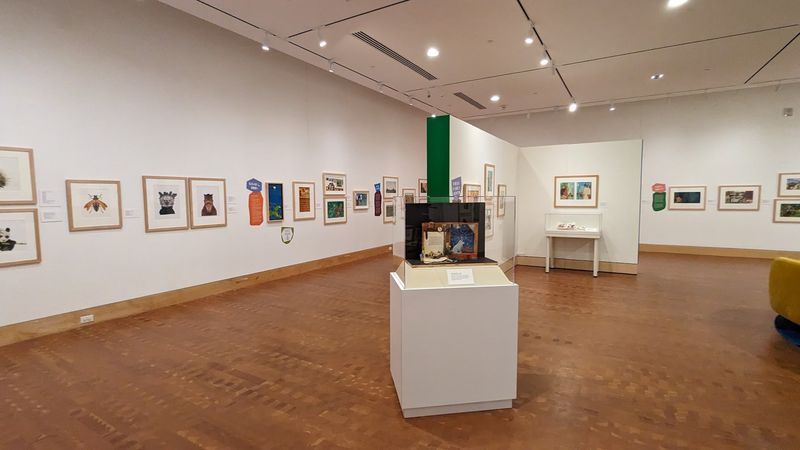
Two exhibition galleries anchor the museum, and their walls don’t stay the same for long. Changing exhibits mean a return trip can feel brand new.
Past shows have spotlighted illustrators like Christian Robinson and Jerry Pinkney. One wall even paired Pinkney’s mermaids with Carle’s, which sounds like a picture book crossover dream.
Other exhibits have explored photography in picture books, mixing photos with drawing and painting. Another looked at art connected to animal welfare and the process of making a book.
So check what’s showing before you go. The rotation is half the fun, and it gives repeat visitors a real reason to come back.
The collection spans very old picture book art and brand-new work. Techniques vary widely, from collage to paint to mixed media you might never have noticed in a bedtime story.
The galleries are on the smaller side, which honestly suits little legs and short attention spans. Adults who like to linger can still read every label without feeling rushed by endless hallways.
Hands-On Touches Inside Every Gallery
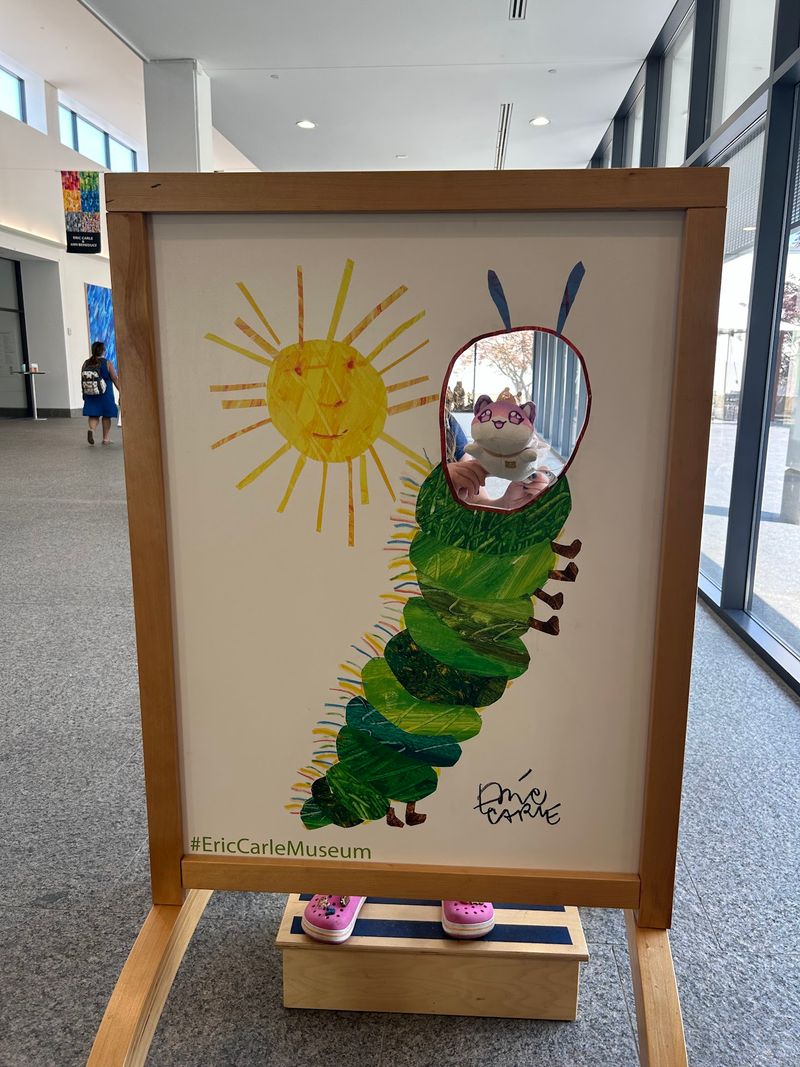
Kids rarely love a strict hands-off rule. Thankfully, the galleries here sprinkle in interactive pieces so little ones have something to do besides look.
Activities have included drawing your favorite pet, building with peg boards, and creating your own recipe. A birdwatching activity with a dock once tied right into an exhibit’s theme.
Baskets of picture books and chairs sit inside the galleries too. That means a child can flip through a story while a parent studies the original art nearby.
The Carle cooking exhibit added its own playful twist on food and stories. Any museum that connects caterpillars and snacks clearly understands its audience.
These extras change along with the exhibits. One season’s activity may give way to a completely different idea the next time you visit.
Families should know the galleries focus on art first, though. Expect thoughtful hands-on moments rather than a giant play floor, and the visit will feel just right.
An Art Studio Where Everyone Gets Messy
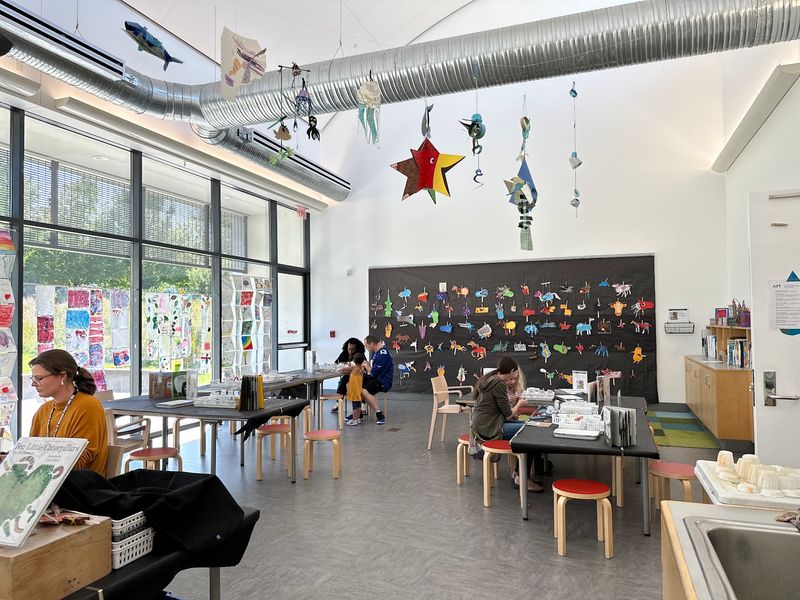
Paint, paper, and permission to make a mess. The art studio is where a lot of families end their visit, and for good reason.
Staff set up projects inspired by the artists on display, often using collage. A three-year-old could easily lose track of time cutting and gluing bright shapes.
Educators guide kids as they try Carle’s style for themselves. It’s a neat way to turn a gallery visit into something your child actually made.
Supplies are plentiful, and the projects change. One visit might bring collage, while another explores a technique tied to a current exhibit.
Grown-ups are welcome at the tables too. Adult siblings and friends have happily claimed seats and made art of their own.
Kids can spend an hour or more here without getting restless. Pack a little patience for leaving, since the hardest part of the studio may be convincing everyone to put the glue stick down.
The Reading Library Kids Don’t Want to Leave
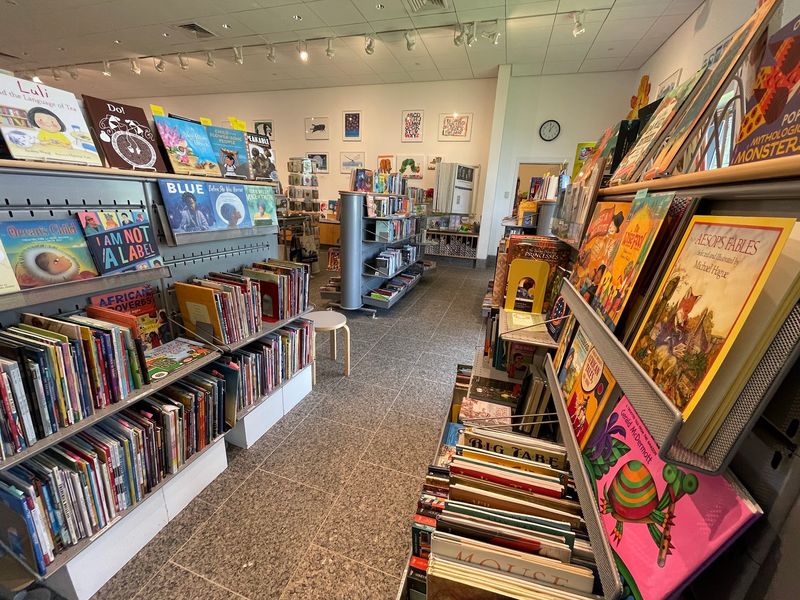
Shelves full of picture books, comfy seating, and imaginative play items make the library a family favorite. It might be the coziest room in the whole building.
A wall of Indigenous books stands out in the collection. It’s a thoughtful touch that widens the shelves beyond the usual classics.
Storytime happens here, sometimes with a visiting author reading their own book. Staff have handed out scarves for kids to wave and move along with the story.
Flexible seating options make room for all kinds of bodies and needs. A toddler can sprawl on the floor while a grandparent settles into a chair.
Toddlers especially seem to adore this space. It’s a calm spot to slow down after the galleries and before the studio’s bustle.
Bring the kids who love bedtime stories and the ones still warming up to reading. A room this inviting can nudge even reluctant readers toward one more page.
Films and Puppets in the Auditorium
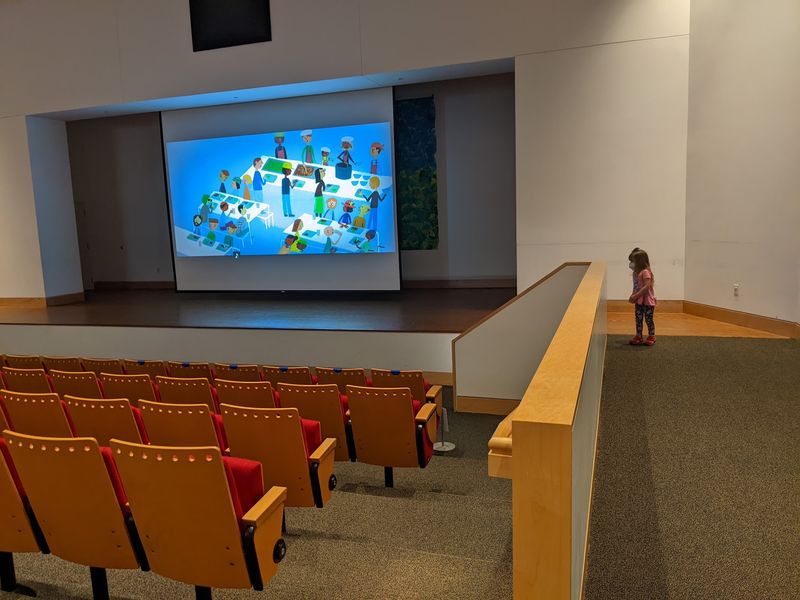
Need a break for tired feet? The auditorium plays short films throughout the day about books and about Eric Carle himself.
Some videos trace his life and the founding of the museum. Others show him painting, which gives kids a peek at how those famous pages come together.
Live programs pop up here too. A puppet show has been offered for a very small fee, and an improv show has appeared on the schedule as well.
For a five-year-old, a puppet performance can be the highlight of the whole day. It adds one more art form to a visit already packed with color.
Check film times when you arrive so you don’t miss a screening. Catching one early can help frame the galleries for the whole family.
It’s also a smart reset between activities. Twenty quiet minutes in a dark room can work wonders before round two in the studio.
A Shop Stocked for Readers and Artists
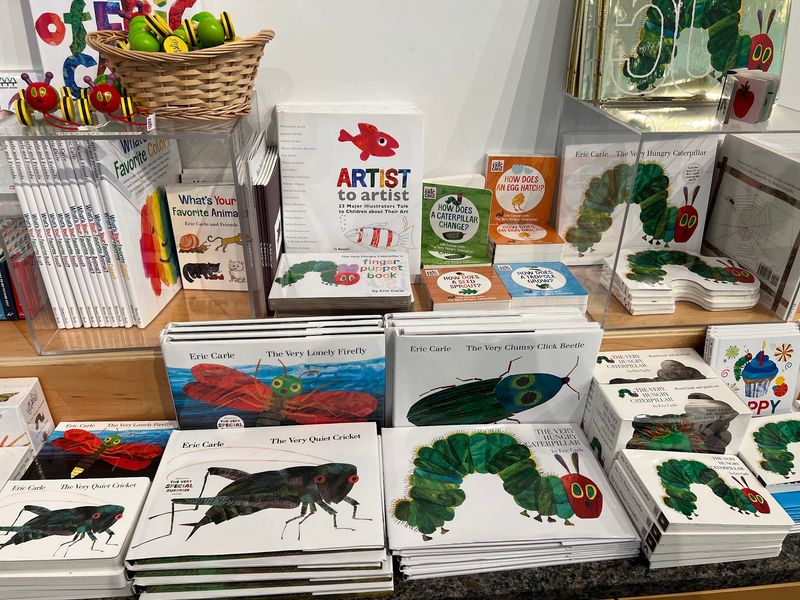
Leaving empty-handed is a real challenge. The museum shop carries a wide range of children’s books, gifts, and art supplies.
Every published Eric Carle book is available there. That makes it easy to bring home the exact story that sparked your child’s favorite gallery moment.
Art books and creative kits suit both kids and adults. Someone might even stumble on an Edward Gorey shuffled story, a fun surprise for grown-up fans.
Gifts span every age, so checking off a birthday list here is easy. Plenty of shoppers end up buying a treat for themselves too.
A craft project area has sat right behind the shop. That handy location means you can create, then browse, without backtracking across the building.
Set a budget before you step in if you have little negotiators along. Caterpillars are very persuasive when they’re stuffed, stitched, and smiling from a shelf.
Gardens and Grounds for a Slow Stroll

Step outside and the story keeps going. The grounds around the museum make a lovely spot to stretch your legs.
A pollinator garden adds color and life near the building. It feels fitting for a museum so closely tied to caterpillars and butterflies.
There’s space outdoors for a picnic, too. Packing lunch is a simple way to keep the outing affordable and relaxed.
In autumn, western Massachusetts puts on its own show of reds and golds. A fall visit pairs indoor art with the season’s natural palette.
Kids who need to burn energy will appreciate the open air. A few minutes outside can make the next gallery much easier to enjoy.
The setting gives the visit a calm, unhurried pace. Spread a blanket, eat a sandwich, and let the little ones talk about what they made in the studio.
Thoughtful Access for Every Visitor
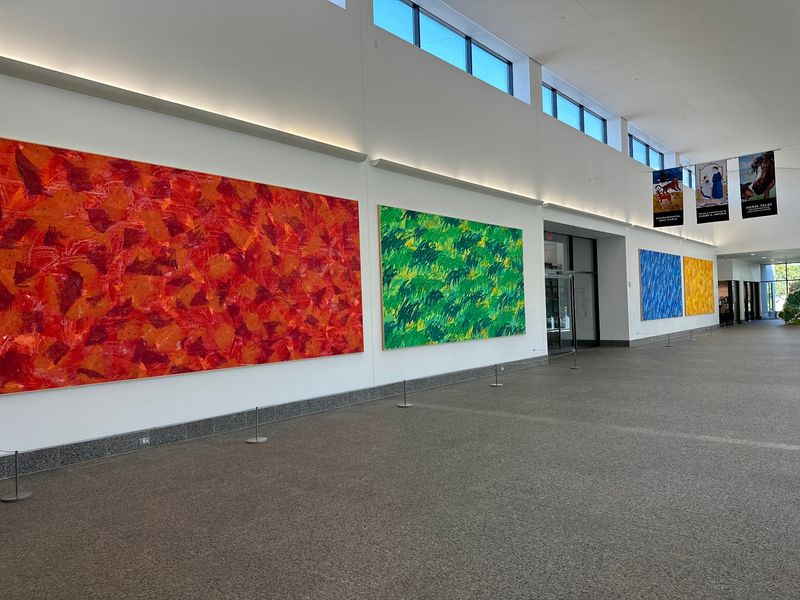
Accessibility shows up in small, smart ways here. The entire museum sits on one floor, so strollers and wheelchairs roll through easily.
Special glasses are available for people who are colorblind. For a museum built on bold color, that gesture feels especially meaningful.
Flexible seating in the library and galleries supports many kinds of visitors. You’ll find chairs for resting and floor space for wiggling kids.
The layout is designed for toddlers to roam a bit. It’s a safe space for very small children to explore without constant hovering.
Infants, preschoolers, and grandparents can all share the same visit comfortably. That’s rare at many busy attractions.
If you have a specific need, reaching out before your trip is wise. The staff’s welcoming approach suggests they’ll gladly help you plan.
Hours, Parking, and a Money-Saving Library Pass
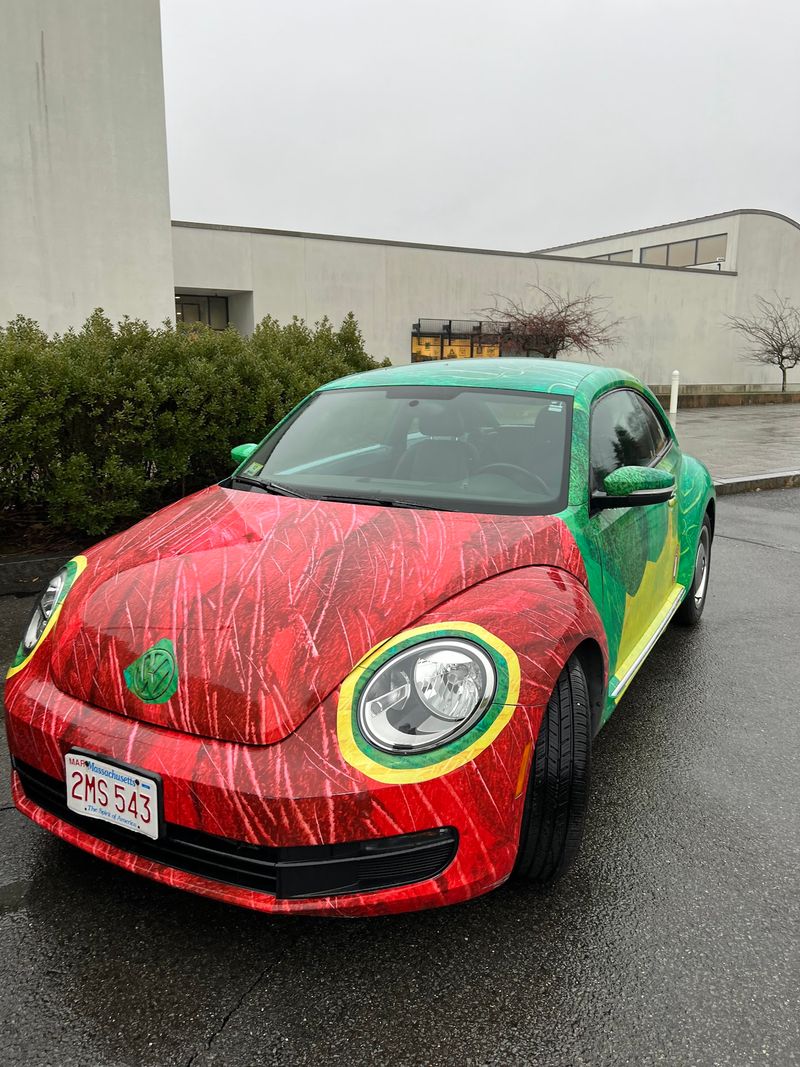
You’ll find The Eric Carle Museum of Picture Book Art at 125 W Bay Rd, Amherst, MA 01002. Plenty of free parking waits in the on-site lot.
The museum is closed Monday and Tuesday. Wednesday through Friday it runs 10 AM to 4 PM, Saturday 10 AM to 5 PM, and Sunday noon to 5 PM.
Here’s an insider tip for Massachusetts families. Many local libraries offer museum passes, which can lower the cost of admission.
Ask at your library desk before you book. It’s an easy way to turn this outing into a true bargain day trip.
Most visits last one to two hours. Families with very young kids may stay longer, especially once the studio works its magic.
Weekend mornings can be a pleasant time to arrive. Check the schedule for storytime, films, and special programs so you catch the extras.
Why This Little Museum Earns a Spot on Your List
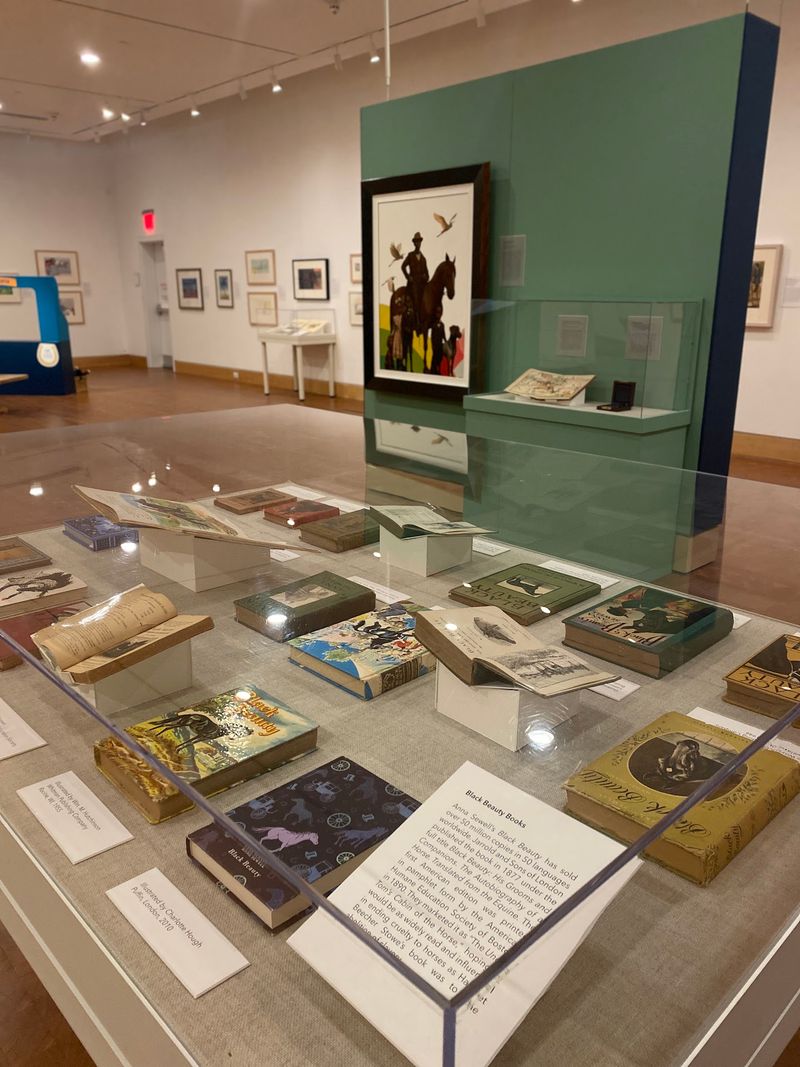
Small museum, big heart. That’s the simplest way to describe this Pioneer Valley favorite.
It isn’t a giant children’s museum packed with climbing walls. Instead, it offers original art, cozy reading, a lively studio, and a genuine love of stories.
Toddlers and preschoolers often get the most out of it. Older kids may move faster, but the studio and films still hold plenty of appeal.
Adults, especially illustrators and lifelong book lovers, can find it surprisingly moving. Some grown-ups even enjoy visiting solo just to linger with the art.
For Massachusetts locals, it’s an easy, affordable escape, especially with a library pass. It delivers culture close to home without a fancy price tag.
The Eric Carle Museum of Picture Book Art reminds you that picture books are serious art. Go once, and those familiar bedtime pages may never look the same again.
Share this story