A red-tailed hawk on the side of the road can turn an ordinary drive into a rescue mission in seconds. Most people in Massachusetts have no idea where to bring a hurt owl, hawk, or bunny, and that gap matters more every year as wild space shrinks.
Tucked into a quiet corner of the state is a working wildlife hospital where those moments get a second chapter. Knowing about it ahead of time might be the most useful local secret you pick up this fall.
A Wildlife Hospital on Willard Street
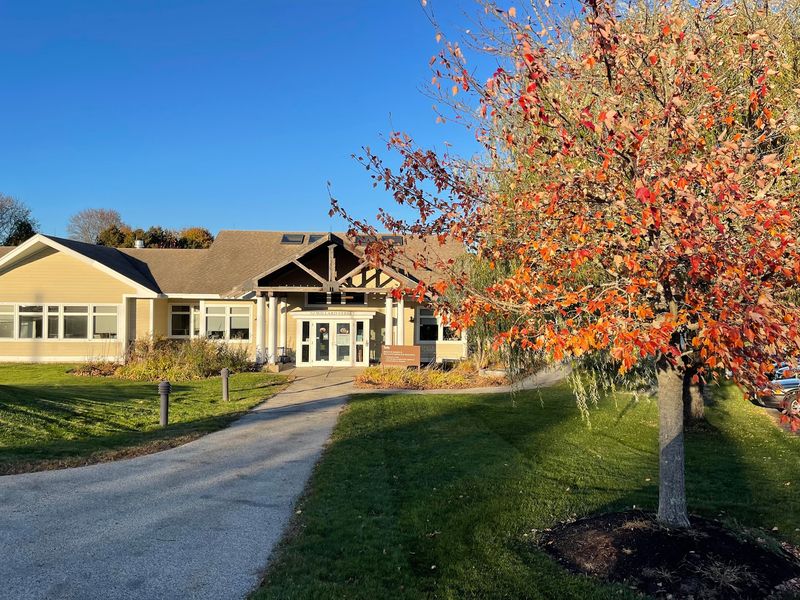
Plenty of people drive through central Massachusetts without realizing that one of the region’s busiest wildlife hospitals sits just off the road. Tufts Wildlife Clinic is located at 50 Willard St, North Grafton, MA 01536, in the heart of Worcester County.
Officially, it is listed as a veterinarian. In practice, it serves as an emergency room for the hawks, owls, songbirds, and small mammals that end up hurt across the state.
One important note before anyone plans a trip. The clinic is a working medical facility, not a public exhibit or zoo, so the close encounters here happen during intake and care rather than on a guided walkway.
The campus itself is large, and people who arrive for the first time often comment on how big, clean, and secure it feels for wild patients.
Some folks make a long drive to get here. Most agree the trip was worth it once their animal was handed over.
Where Future Vets Learn on Wings and Paws
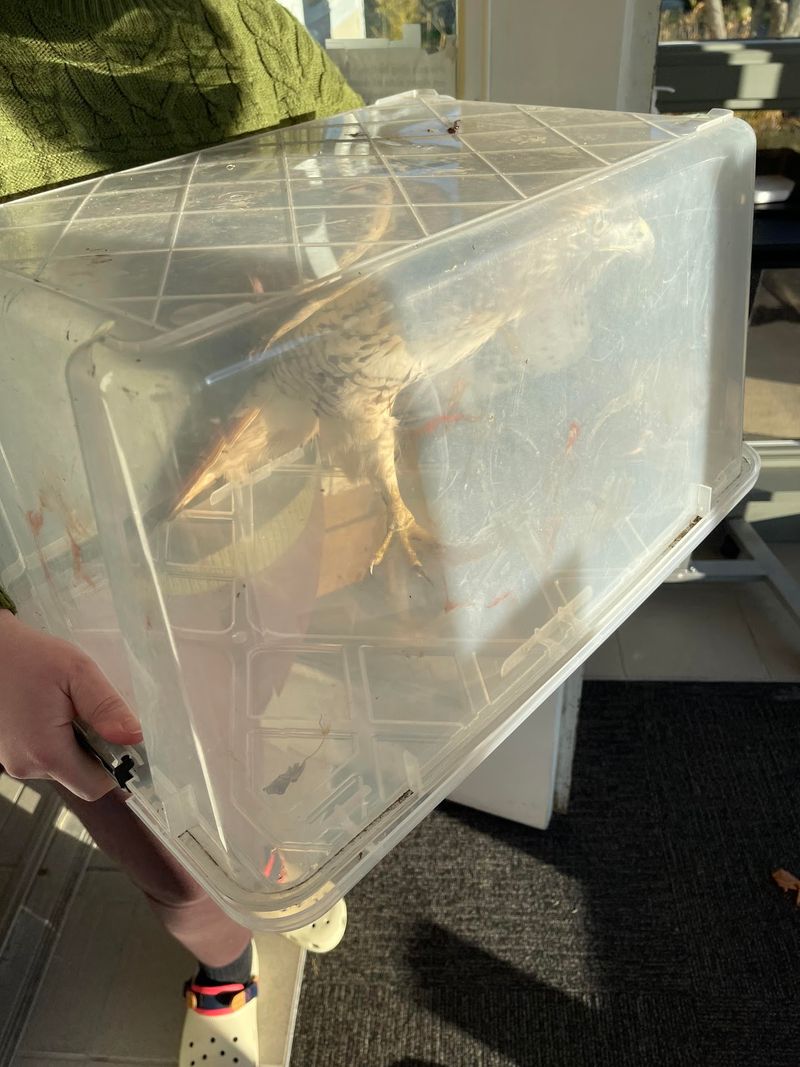
Behind every bandaged wing is a team that includes both seasoned staff and students. The clinic is part of the Tufts veterinary program, which explains why the people caring for animals here often include learners working alongside experienced professionals.
That mix gives the place a dual purpose. Injured wildlife gets treated, and the next generation of veterinarians gets hands-on practice with species that rarely show up at a typical pet clinic.
The staff and students earn steady praise for outstanding work. People describe them as professional, knowledgeable, and kind, and some even thank team members by first name after a rescue.
Compassion and accommodation come up again and again when locals talk about the team.
Of course, wild patients do not always cooperate with a lesson plan. A frightened owl or a panicked goose demands calm hands, and that pressure shapes skills that can last an entire career.
Owls, Hawks, and a Surprising Guest List
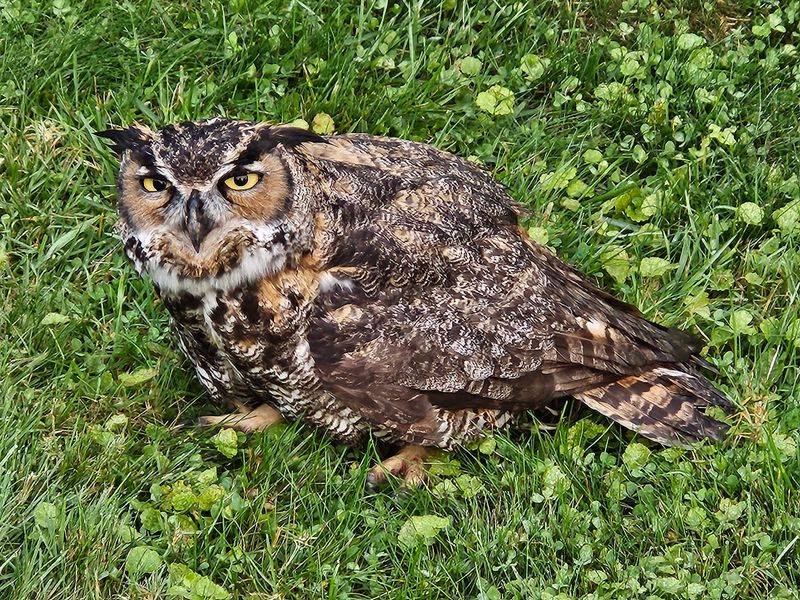
Raptors are the headline act, but the patient roster reads like a field guide to Massachusetts.
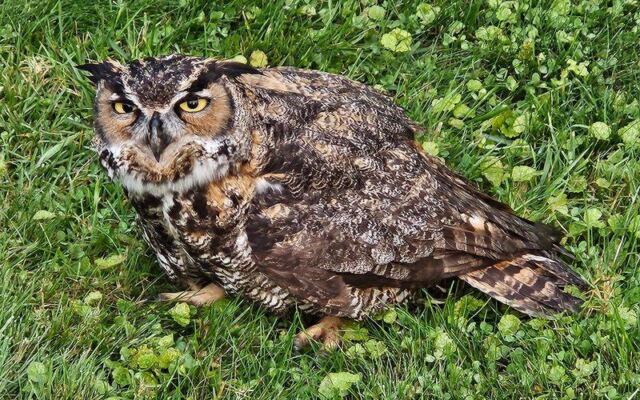
A great horned owl that had been poisoned arrived one Sunday when no other facility answered the call, and the clinic took it in quickly. A red-tailed hawk struck by a car on Route 2 in Fitchburg on Easter Sunday also found its way here.
Smaller patients keep the team just as busy. Bunnies caught by family cats or dogs show up often, along with ducklings, opossums, chipmunks, young seagulls with broken wings, and Canada geese.
Even pigeons get a fair shot. One banded bird was nursed back to health with plans to return it to its owner or release it in a suitable area.
That kind of attention for a species many people overlook says a lot about the mission. Every native animal counts here, feathers or fur.
The Golden Rule: Call Before You Drive
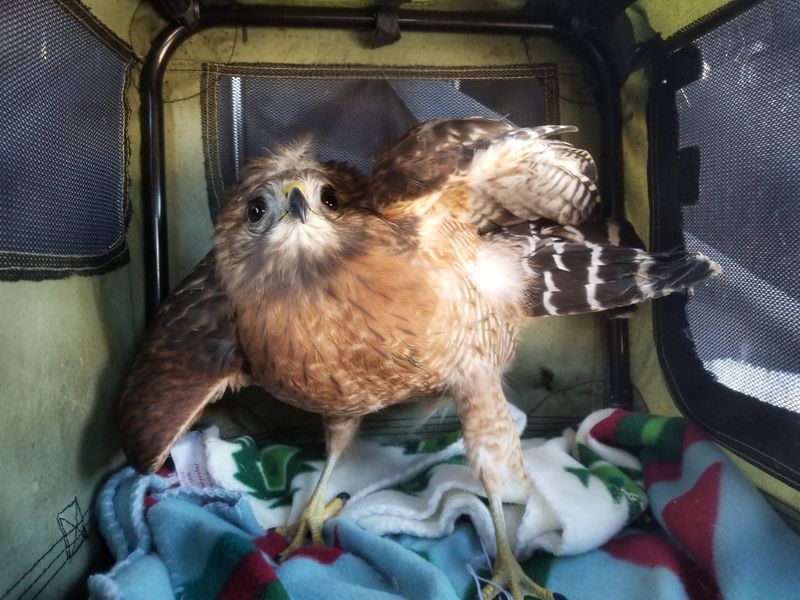
Here is the tip that separates the insiders from everyone else. You have to call first.
The clinic accepts most native wildlife, but the team is busy enough that they need to know what is coming so they can prepare. Showing up unannounced with a box in your arms is not the plan.
The phone line tends to work well. People who left messages about a found duckling or an injured bird mention getting a call back quickly, along with clear direction on whether to bring the animal in.
Travelers who found an injured bird in another part of the state were referred here and described the process as quick, friendly, and easy.
A short call can also save a wasted trip. Sometimes the right answer is guidance rather than a drive, and the staff can help sort that out before anyone buckles a box into the back seat.
Drop-Off Day and What to Expect
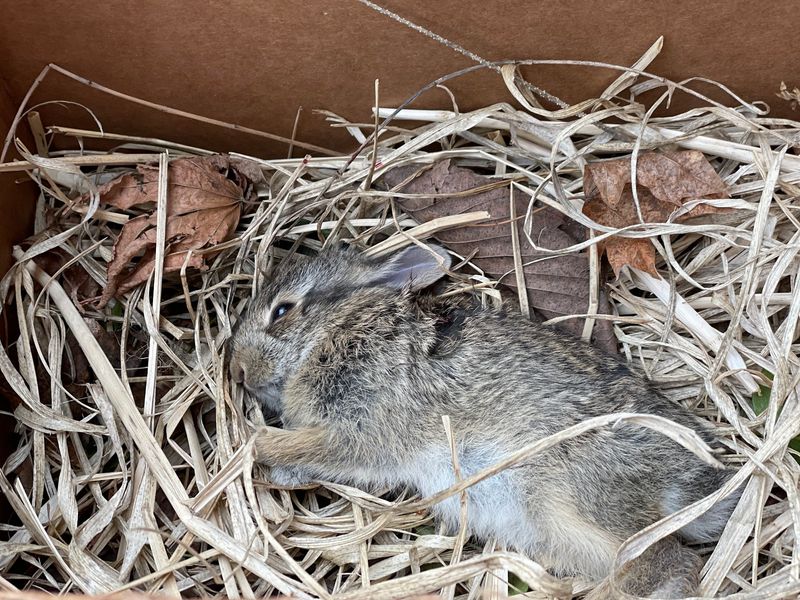
Handing over a wild animal takes only a few minutes, and many describe the intake as fast and simple. One family who brought in a cat-bitten bunny called the whole thing a very easy drop-off.
Bring something you do not need back. The clinic typically keeps the box, towel, or clothing the animal arrives in, unless you are willing to wait or return for it.
Curious how the story ends? Follow-up updates on an animal’s health and release are often available if you ask, though you can also opt out.
Outcomes vary. Some animals recover fully, while others arrive with injuries too serious to overcome, and the team makes medical decisions based on each case.
Not every experience feels the same, and a few people wished for more communication during the process. Asking questions at drop-off is a smart way to set expectations from the start.
Injured, Not Orphaned: The Clinic’s Focus
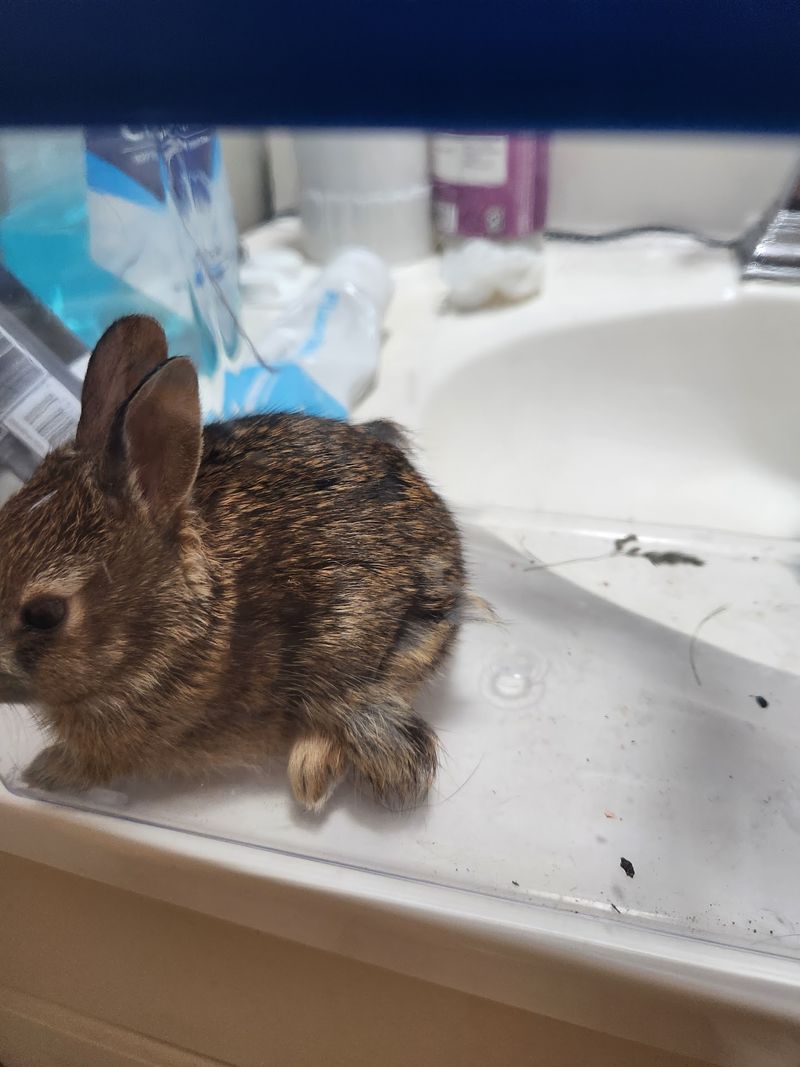
A common mix-up trips up well-meaning rescuers every season. The clinic focuses on injured wildlife rather than healthy orphans.
That distinction matters. A baby animal that seems alone may not need help at all, while a hawk with a damaged wing or a bunny with a bite wound absolutely does.
Once patients stabilize, the path forward usually involves licensed wildlife rehabilitators. Many treated animals move on to these partners, who later release them back where they were found.
Picking up that same bunny after antibiotics, for instance, one rescuer learned it would head to a safe rehab facility before returning to the wild.
The system works as a relay rather than a solo effort. The clinic handles the medical side, and the rehabbers handle the long stretch of recovery and release, giving each animal its best chance at going home.
Hours, Costs, and Ways to Give Back
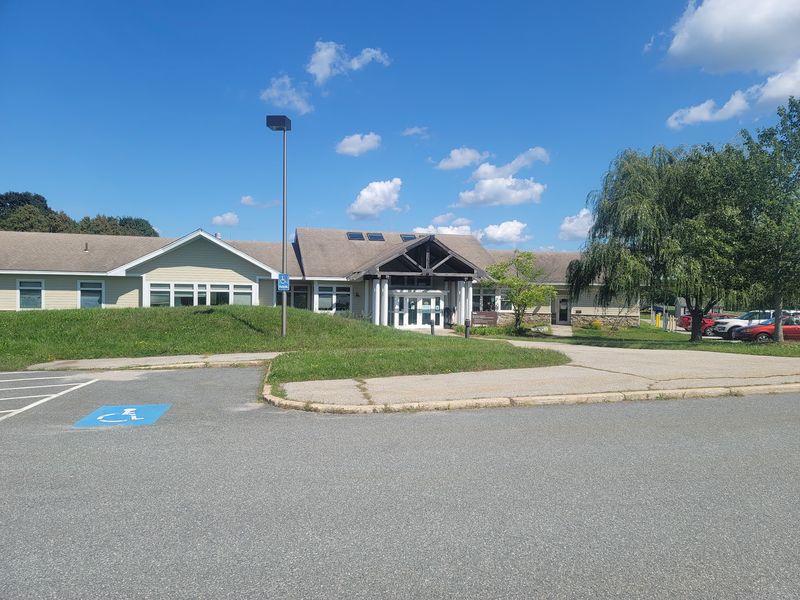
Good news for anyone who finds an animal on a weekend. The clinic keeps the same schedule all seven days, opening at 8:30 am and closing at 5 pm.
That Saturday and Sunday coverage is a big deal. Wildlife emergencies do not follow office calendars, and several rescues described here happened on holiday weekends.
The clinic’s website, found through the Tufts veterinary school, is the best place to check current intake guidance before heading out.
Bringing in a wild animal is generally a public service rather than a paid appointment, which makes it one of the most budget-friendly good deeds in the state.
Longtime supporters do encourage leaving a donation when possible. Caring for hundreds of wild patients takes real resources, and a small gift helps keep the doors open for the next owl, hawk, or rabbit in trouble.
Worth Saving in Your Phone Contacts
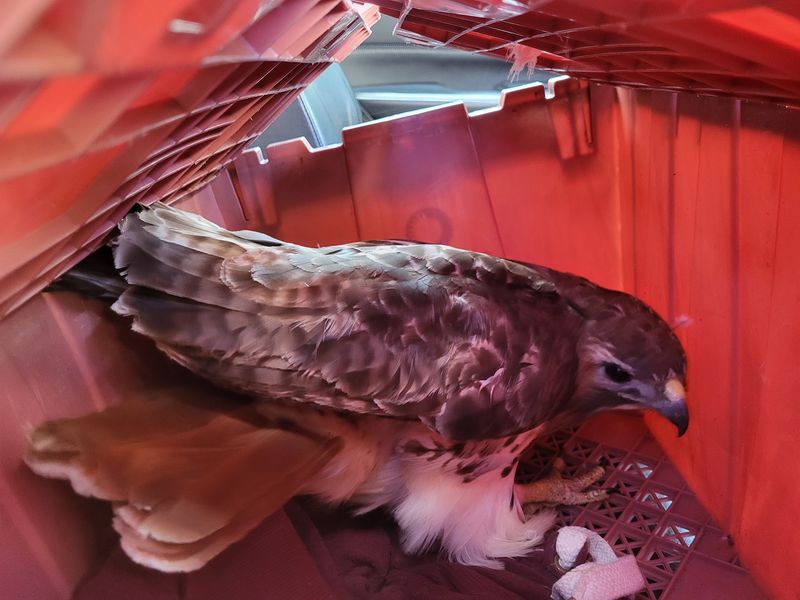
Few places in Massachusetts are as useful to know about before you need them.
Tufts Wildlife Clinic is not a destination for a casual afternoon of animal watching. It is a hard-working hospital where hurt owls, hawks, geese, and bunnies get professional attention from dedicated staff and students.
For anyone who spends time on back roads, hiking trails, or simply in a backyard with a curious cat, the number deserves a spot in your contacts.
Remember the essentials. Call ahead, bring a container you can part with, ask about follow-up updates, and consider a donation if you can spare one.
The quiet reward is knowing that a small act on an ordinary day can give a wild creature another shot at the sky. That feeling might stick with you longer than any scenic drive this season.
Share this story