Your 40s often bring a new question: where do you want to spend the next chapter? Maybe you want a strong career, a quieter pace, or a spot close to trails and water.
Real estate pros have pointed to ten U.S. places that balance those goals in different ways. Some are big cities with mountain views or museums.
Others are small towns with walkable main streets and room to breathe. Each one comes with trade-offs too, mostly around housing costs and weather risks.
Here is a look at what makes each place stand out, and what to think about before packing a moving truck.
St. Petersburg, Florida
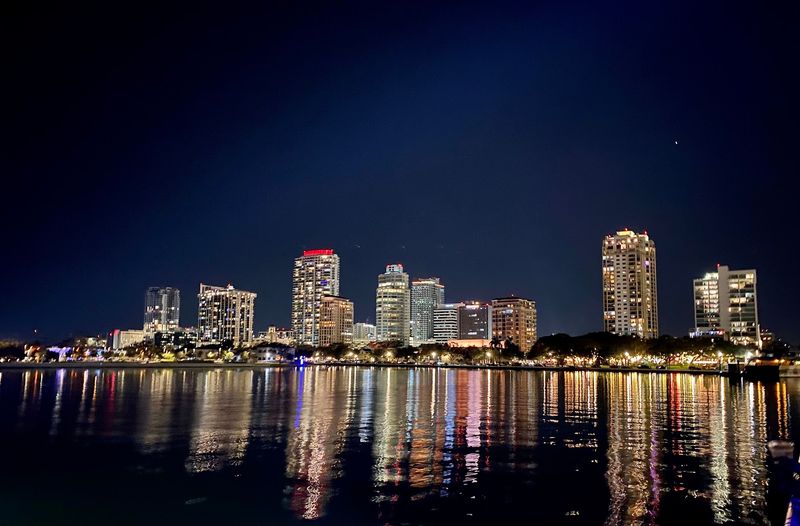
Florida living can mean a lot of things, but St. Petersburg stands out for how many pieces fit together. You get waterfront access, a lively downtown, arts and culture, and a larger metro area right next door.
Real estate pros point to the city’s manageable size as a big plus. It is easy to build a routine around local restaurants, shops, and cultural spots, which gives neighborhoods a close-knit feel.
Travel is simple too. Tampa and Tampa International Airport are close, so frequent flyers can get away without much hassle.
For people in their 40s who want warm weather and city perks without the intensity of Miami, St. Pete can feel like a comfortable middle ground. Daily life can stay active without feeling rushed.
One note before buying: coastal insurance and storm risks deserve careful thought. Get quotes early, check flood zone maps, and ask plenty of questions so the dream home does not bring a surprise bill later.
Denver, Colorado

Weekend plans in Denver can start with a ski run or a mountain hike and end with dinner at a busy restaurant. That mix is exactly why a real estate expert interviewed by Travel + Leisure named it a fit for people in their 40s.
The city offers job opportunities, a strong dining and culture scene, and year-round recreation. Cycling, hiking, and skiing are all within reach, and the Rockies are close enough for a quick escape.
Airport connections add another bonus for anyone who travels for work or to see family.
The catch is housing. Denver has become much more expensive over the last several years, so the sticker price can sting.
Buyers who want extra space may need to look at neighborhoods farther from the center. Widening the search can open up more yard, more rooms, and a little more breathing room in the budget.
Hendersonville, North Carolina
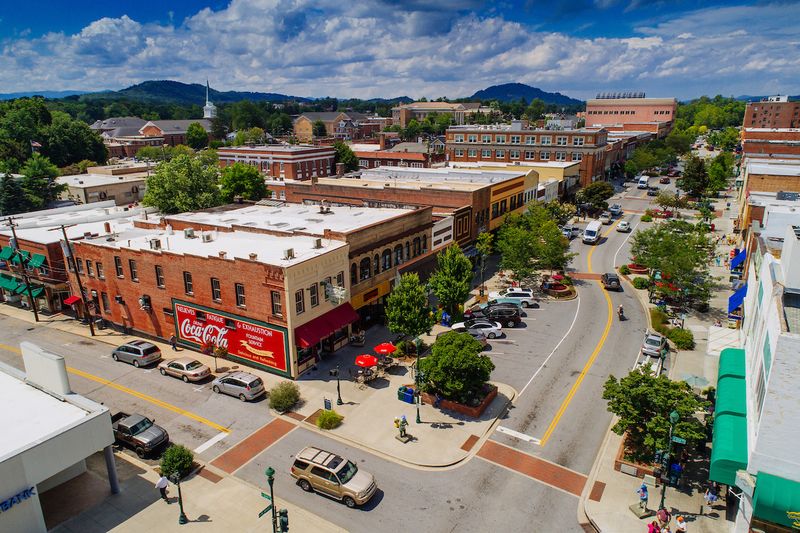
Some downtowns push you to hurry. Hendersonville has the kind that invites you to stroll instead, thanks to its historic Main Street and independent businesses.
The mountain setting and smaller-community atmosphere are big parts of the appeal. A North Carolina real estate professional recommended it for relative housing value, quality of life, and its closeness to Asheville.
Asheville is roughly half an hour away. That gives residents access to restaurants and cultural attractions in the bigger city, then a quieter place to come home to.
For people in their 40s who want the Blue Ridge Mountains nearby but do not need a major urban setting, this is an appealing compromise.
Remote workers and anyone ready to downshift a little may find the pace refreshing. It is worth a visit before a move, just to see how a normal weekday feels.
Charleston, South Carolina
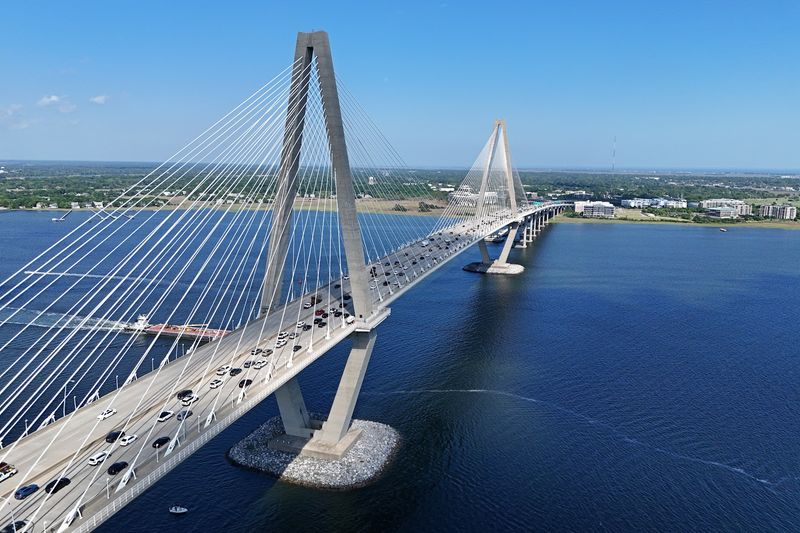
Long-term roots tend to grow where history, food, and water all meet. Charleston checks each of those boxes, along with recognizable neighborhoods and a strong sense of place.
Real estate experts singled it out for offering many of the cultural advantages of a larger destination without the scale of a major metro area. The city’s official tourism organization highlights centuries of history, a coastal setting, museums, historic homes, an acclaimed restaurant scene, and nearby islands.
That gives residents plenty to explore close to home, from weekend walks to day trips.
Housing in the most desirable areas can be expensive. Buyers who want to stay close to the action without the top price tag can look at communities such as James Island and parts of North Charleston.
Those areas widen the range of options while keeping the region within easy reach.
Camden, Maine
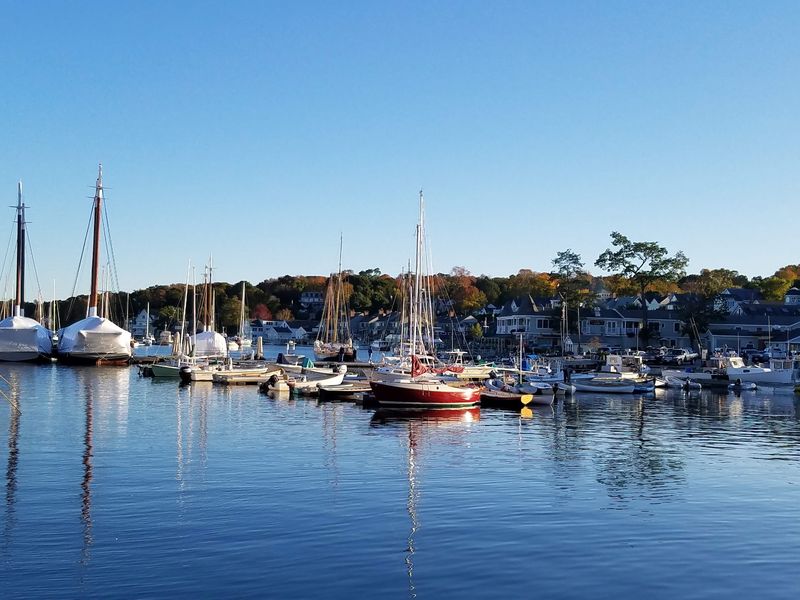
Fewer traffic jams and more harbor views make a strong pitch for a certain kind of 40s. Camden delivers that lifestyle in a small coastal Maine town with one of New England’s most recognizable harbors.
The compact downtown has independent shops, restaurants, and historic architecture. Real estate experts recommended it for people who value a quieter pace and strong small-town ties.
It is not a bargain. Home values are high for a community of its size, and living there year-round means accepting long winters.
Still, the town can be a great match for remote workers, established professionals, and buyers ready to trade big-city convenience for scenery, community, and outdoor access.
A winter visit is a smart test run. Seeing the town in the quiet season shows whether the slower rhythm feels like freedom or feels like too much.
Naples, Florida
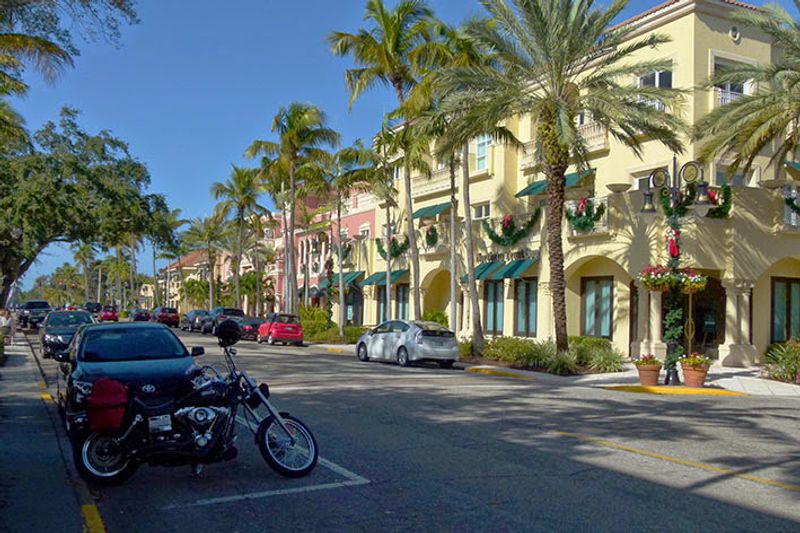
Waiting until your 60s to enjoy Naples is optional. The southwest Florida city has long been tied to retirees, yet real estate professionals say it also suits people in their 40s who want beaches and recreation while staying professionally active.
Boating, golf, restaurants, and beaches make it simple to build a routine around the outdoors. An established social scene helps newcomers meet people.
Naples sits firmly on the more expensive side of this list. Buyers should look into flood zones, hurricane exposure, homeowners insurance, and condo assessments before committing.
Those costs can change the monthly budget in a big way, so it helps to run the numbers early.
For those with the budget, the city offers an unusually polished coastal lifestyle. Think of it as a place where the weekend plan is often already on the water.
Washington, D.C.
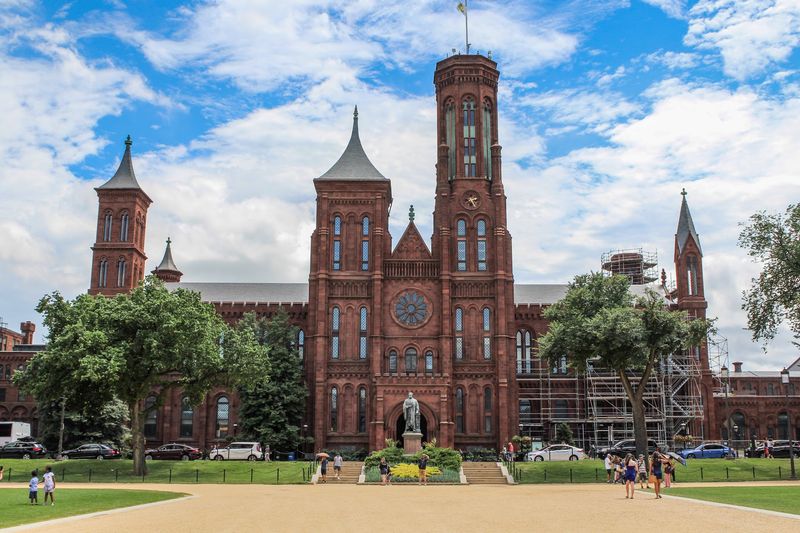
Careers and culture are easy to find in Washington, and so are walkable blocks. That mix suits people who still want big-city energy but care more about getting around without stress.
A real estate professional cited its distinct neighborhoods, schools, restaurants, parks, cultural attractions, and access to multiple airports as key advantages.
The city’s tourism organization notes that Metrorail, Metrobus, walking, and cycling make many areas easy to navigate without relying only on a car.
Housing is expensive, but the region offers variety. Some buyers want an urban townhouse, while others prefer a quiet residential street or a nearby Maryland or Virginia suburb.
All of those options keep residents tied to the same job market and cultural scene. That flexibility can help households with different needs find a spot that works.
Issaquah, Washington
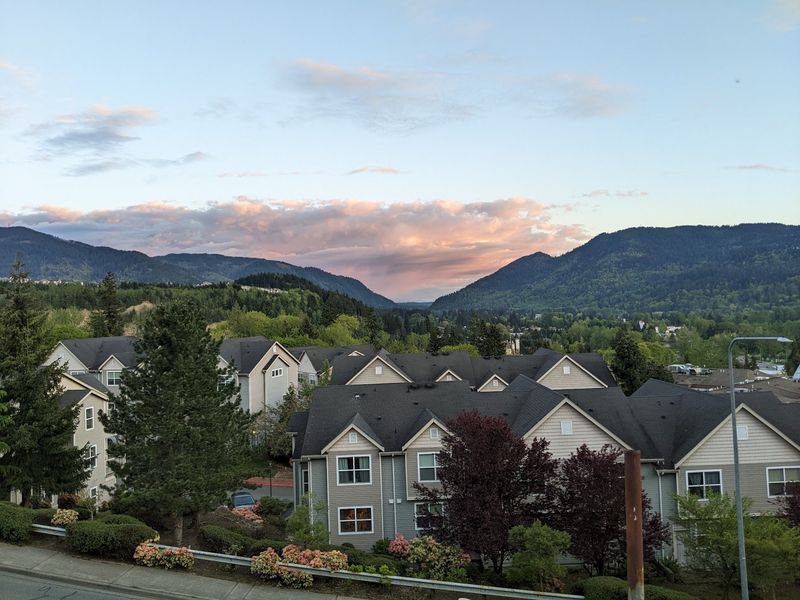
Tech hubs rarely come with forest trails nearby, which makes Issaquah a bit unusual. The community sits east of Seattle, with forested hills and plenty of outdoor recreation close by.
Visit Issaquah describes miles of hiking and biking trails, access to Lake Sammamish, and a walkable historic downtown filled with restaurants, boutiques, cultural venues, and independent businesses.
Real estate professionals recommend it for people who want a demanding career without giving up an outdoor lifestyle. A morning hike and an afternoon of meetings can both fit in one day.
The big obstacle is price. Issaquah is one of the most expensive destinations on this list, so the lifestyle usually calls for a substantial housing budget.
Anyone considering a move should compare neighborhoods and commute routes carefully. A little planning can show where the best balance of space, cost, and convenience really sits.
Austin, Texas

You do not need to be 25 to enjoy Austin. Real estate professionals specifically recommended it for people in their 40s because its music, restaurants, outdoor activities, and big-city conveniences fit several stages of life.
Lady Bird Lake gives the city a major recreation corridor. Barton Springs, live music venues, and nearby Texas Hill Country offer options well beyond traditional nightlife.
Austin’s official tourism organization continues to point to hundreds of music venues, paddling on Lady Bird Lake, swimming at Barton Springs, and easy access to Hill Country.
For buyers, the recent cooling from the pandemic-era housing frenzy may create more room to shop carefully.
That means more time to compare neighborhoods, tour homes, and negotiate. A slower market can turn a stressful hunt into a more thoughtful one.
Winter Park, Florida
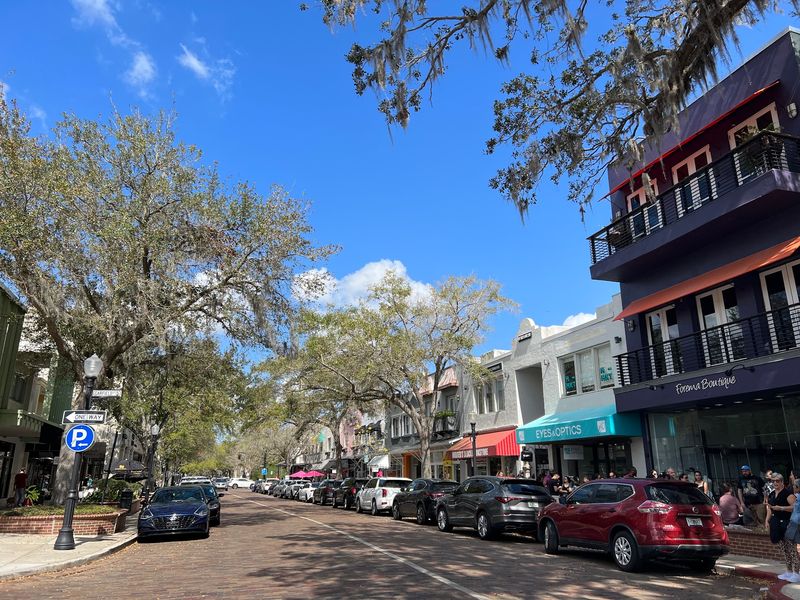
Orlando has a reputation for theme parks, but Winter Park offers a different angle. It gives residents access to the city without placing them in the middle of its busiest tourist and commercial areas.
Real estate professionals highlighted its walkability, character, cultural attractions, active lifestyle, and access to a major airport. The community is known for tree-lined neighborhoods, lakes, museums, restaurants, and the Park Avenue shopping and dining district.
That combination can appeal to people in their 40s who want a more established residential setting while keeping Orlando’s jobs, entertainment, health care, and transportation nearby.
Housing can be expensive in the most desirable areas. Even so, the location strikes a balance between small-city character and major-metro convenience.
Buyers may want to explore a few different pockets of town to see how price, lot size, and walkability change from one street to the next.
Share this story