National parks hog the spotlight, but state parks quietly outnumber them by thousands. Many sit within a short drive of home, which makes them perfect for weekend trips, school breaks, and spontaneous Saturday hikes.
Some protect waterfalls and mountain trails. Others guard historic forts, quiet lakes, old forests, and stretches of coastline that look almost the same as they did generations ago.
Counting them is trickier than it sounds. Every state sorts its lands differently, mixing parks with recreation areas, historic sites, beaches, and natural areas.
This list focuses on designated state parks, using reported or approximate totals rather than a perfect national census, since numbers shift as new parks open. Keep reading to find out which states lead the pack, which famous spots earned their places, and where you can see manatees, walk behind a waterfall, or step across the Mississippi River in a single stride.
1. Florida, 162 State Parks
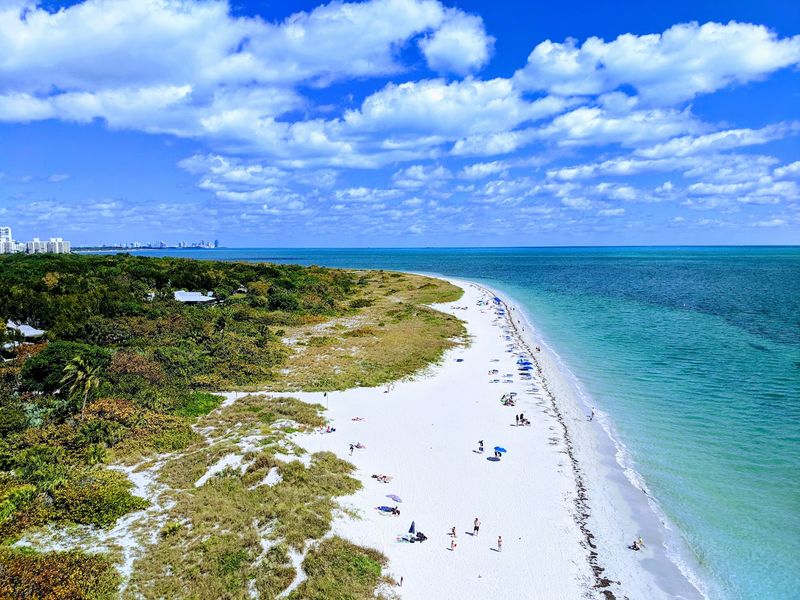
Manatees have a favorite winter address, and it happens to be a Florida state park. Blue Spring State Park in Orange City stays at a steady 72 degrees, so West Indian manatees crowd its protected spring run when the nearby river turns chilly.
Visitors watch from a boardwalk that runs along the spring. Rangers post daily manatee counts, and on cold mornings the number can climb into the hundreds.
Florida leads this list with a system that covers freshwater springs, barrier islands, and subtropical wilderness. Recent reports put the total even higher than 162 as new parks join the lineup.
Head south to Bahia Honda State Park in the Florida Keys for sandy beaches and clear water. An old railroad bridge, once part of Henry Flagler’s Overseas Railroad, still stands nearby.
Plan ahead, since popular parks often reach capacity by late morning in peak season.
2. New York, 158 State Parks
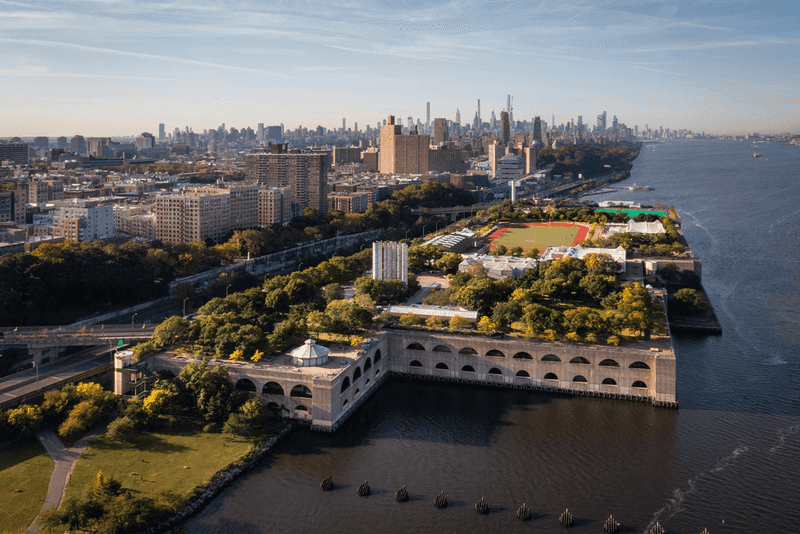
Nicknamed the Grand Canyon of the East, Letchworth State Park near Castile proves New York is much more than skyscrapers. The Genesee River carved a gorge here with cliffs reaching about 550 feet in places.
Three major waterfalls line the river. Over 60 miles of trails and plenty of roadside overlooks make the views easy to reach, even for families with small kids.
Autumn is the busy season. Leaf watchers arrive in October, so weekday visits help you dodge the crowds.
Then there is Niagara Falls State Park, the oldest state park in the country, established in 1885. Paths lead right to the river’s edge, putting visitors close to one of North America’s most famous waterfalls.
3. Washington, 135 State Parks
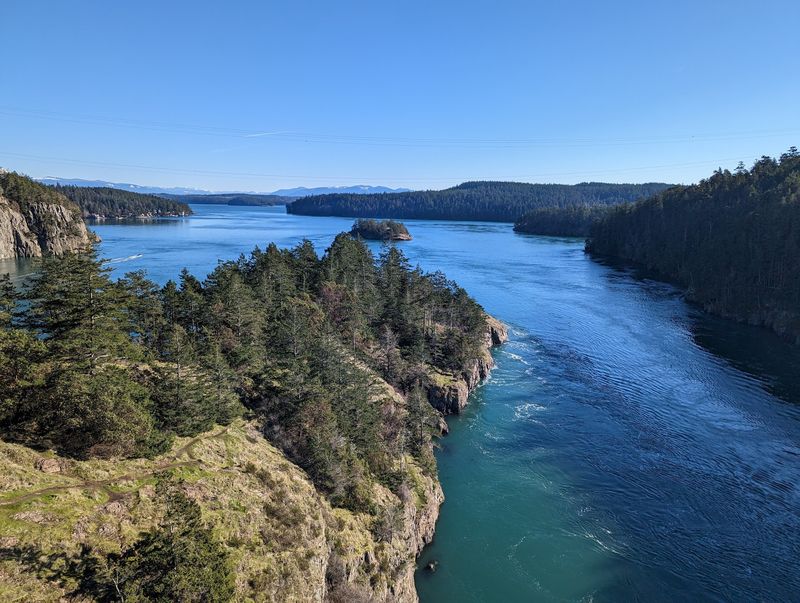
Few bridges earn a park their fame, yet Deception Pass State Park near Oak Harbor owes plenty to its steel landmark. The bridge, finished in 1935, links Whidbey and Fidalgo islands about 180 feet above swirling tidal waters.
Visitors can walk across on a narrow pedestrian path. Fair warning for anyone nervous about heights, the railing is the only thing between you and the view.
Below, the park offers beaches, forest trails, and rocky lookouts. Campgrounds book up fast in summer, so reserve months ahead if you want an overnight stay.
Washington’s system blends Pacific coastline, evergreen forests, mountain lakes, and islands.
A Discover Pass is required for vehicles at most parks. Buying an annual pass makes sense if you plan more than a few trips each year.
4. Pennsylvania, 115 State Parks
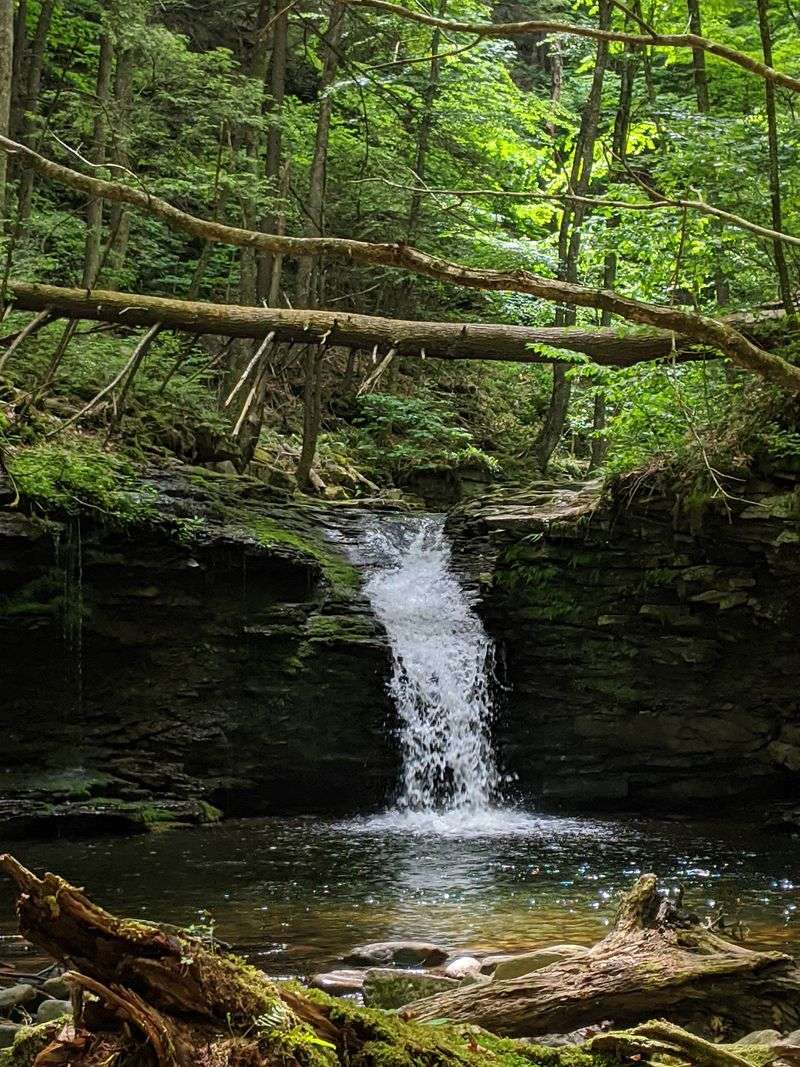
Twenty-one named waterfalls on one trail is a pretty bold sales pitch. Ricketts Glen State Park near Benton delivers exactly that on its Falls Trail, where Ganoga Falls tops out at 94 feet.
The loop is about 7 miles with steep, rocky sections. Sturdy shoes are a must, and the path often closes in winter unless you have ice gear and experience.
On the opposite side of the state, Ohiopyle State Park keeps adventure seekers busy. The Youghiogheny River offers whitewater rafting, and Meadow Run has natural rock waterslides that kids adore.
Pennsylvania’s parks stretch from Appalachian ridges to the sandy shore of Lake Erie at Presque Isle.
Bonus perk for budget travelers: most Pennsylvania state parks charge no entrance fee. Your wallet can relax while your legs do all the work.
5. California, 112 State Parks
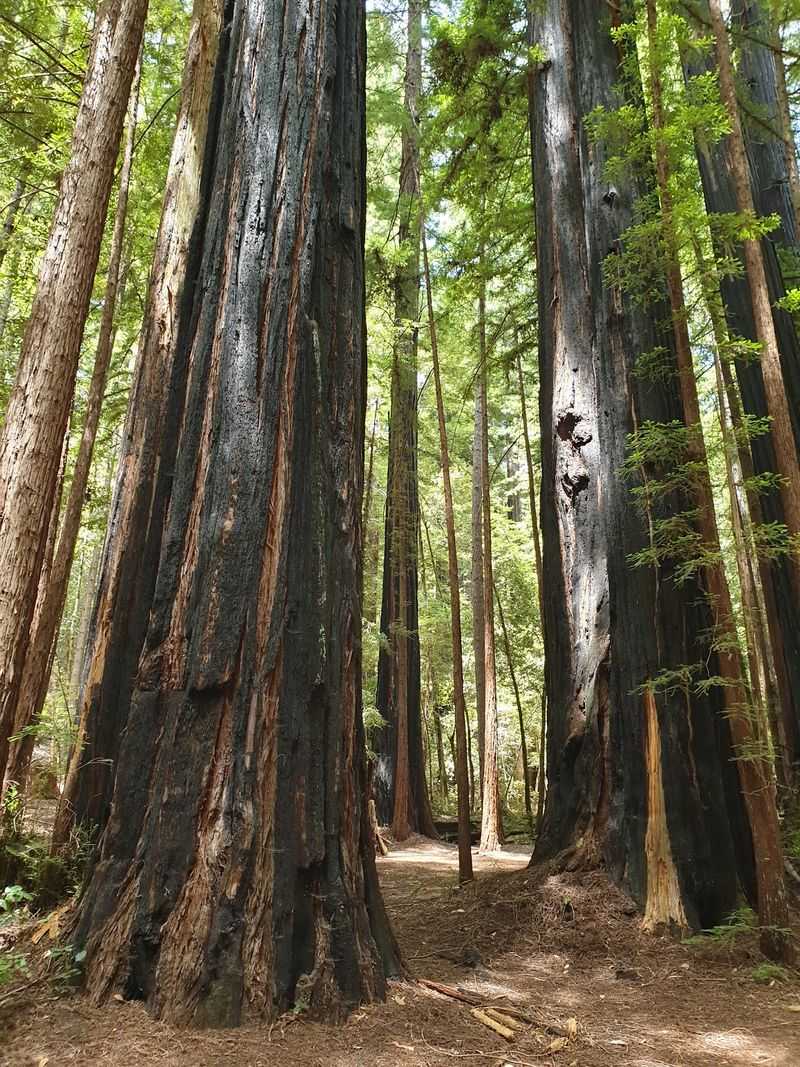
Size matters in California, where the full state park system tops 280 units. Only 112 of those carry the official state park label, while the rest are beaches, historic parks, and reserves.
Anza-Borrego Desert State Park near Borrego Springs is the largest state park in California, covering roughly 600,000 acres. Badlands, palm oases, and spring wildflowers fill its huge desert spaces.
Bloom timing depends on winter rain. Check the park’s wildflower updates before driving out, since a dry year can mean fewer blossoms.
Henry W. Coe State Park near Morgan Hill takes a totally different approach.
Rugged hills and remote trails make it a favorite for backpackers who want solitude close to the Bay Area.
Carry extra water at both parks. Summer temperatures climb fast, and services are spread thin across these wide landscapes.
6. Connecticut, 91 State Parks
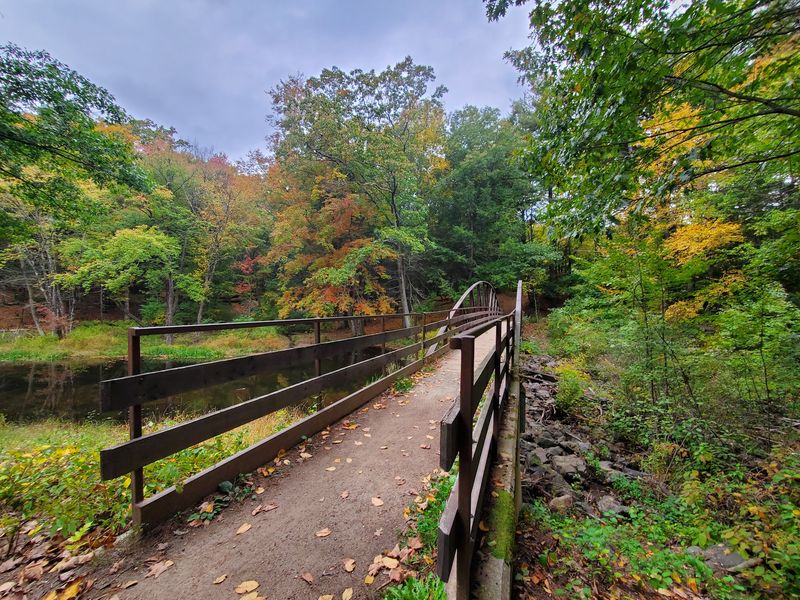
An actor famous for playing Sherlock Holmes built himself a castle, and Connecticut turned it into a park. Gillette Castle State Park in East Haddam centers on the stone home of William Gillette, finished in 1919.
The house has 24 rooms and hand-carved wooden doors with puzzle-like locks. Gillette also ran a small railroad around his estate, and parts of the old rail bed are now walking trails.
For a classic beach day, Hammonasset Beach State Park in Madison has about two miles of shoreline. Walking paths and a nature center add options beyond sunbathing.
Connecticut residents get free parking at state parks with their registered vehicles, which keeps summer outings affordable.
7. Texas, 85 State Parks
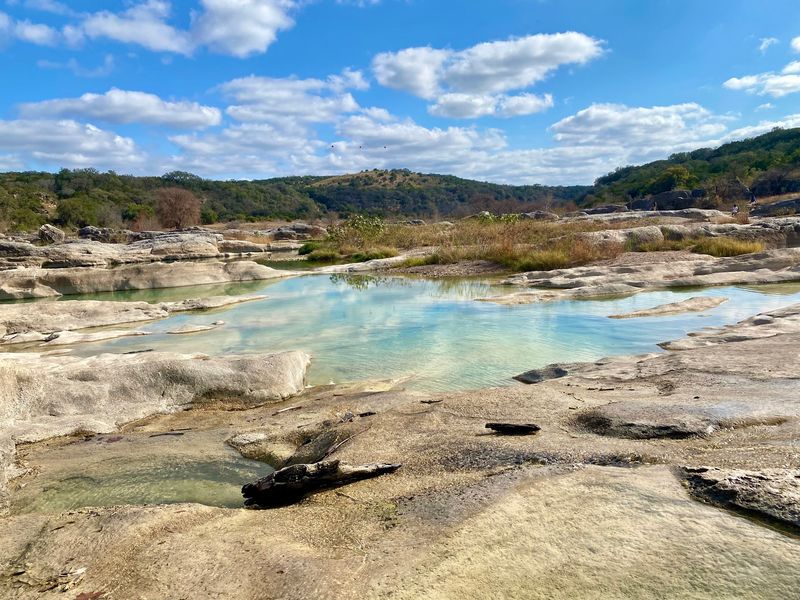
Everything is bigger in Texas, including the canyons. Palo Duro Canyon State Park near Canyon protects part of the second-largest canyon system in the United States, stretching about 120 miles long.
Red and orange rock layers line the walls. The Lighthouse Trail leads to a famous rock tower, and the hike is about 6 miles round trip with little shade.
Start early and pack plenty of water. Summer afternoons in the Panhandle can get very hot.
Garner State Park in Concan keeps a different tradition alive. Families swim in the Frio River by day, and summer evening dances at the pavilion have run since the 1940s.
Reservations at Garner fill up quickly, so book well before school lets out.
8. Michigan, 81 State Parks
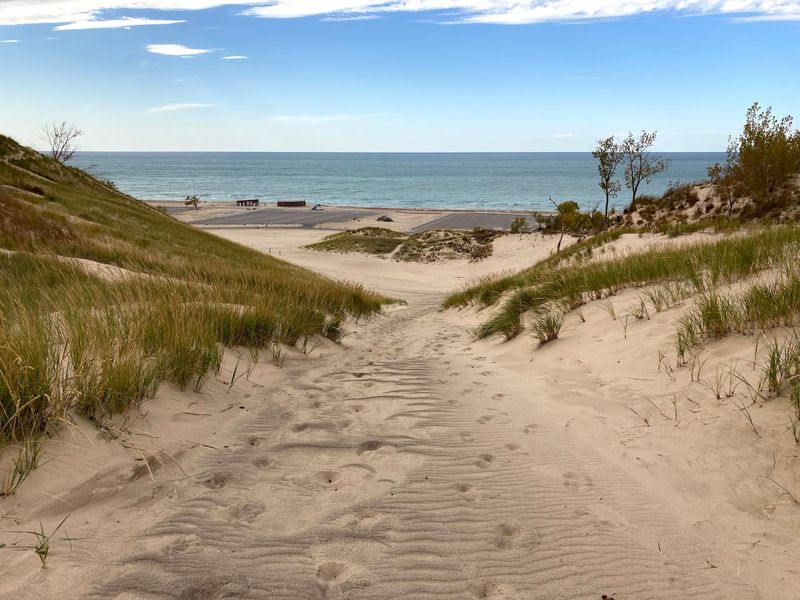
Michigan touches four of the five Great Lakes, so naturally its parks lean into shoreline fun. Freshwater dunes, inland forests, and lake beaches all show up across the system.
Ludington State Park sits between Lake Michigan and Hamlin Lake. A walk of about 1.8 miles each way leads to Big Sable Point Lighthouse, a black and white tower built in 1867.
Volunteers sometimes staff the lighthouse as keepers. Visitors can climb to the top during open season for a wide lake view.
Up in the Upper Peninsula, Tahquamenon Falls State Park near Paradise holds one of the largest waterfalls east of the Mississippi. The Upper Falls stretches over 200 feet across.
The water has an amber tint from tannins in nearby cedar swamps, not from anything unclean. Counting recreation areas, Michigan’s total rises past 100 sites.
9. Ohio, 75 State Parks
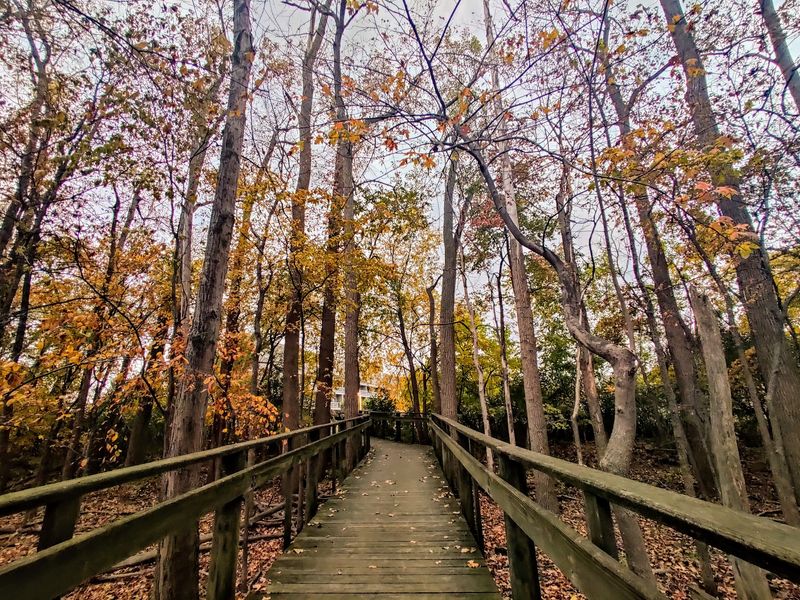
Ohio might not be the first place people picture for cliffs and caves. Hocking Hills State Park near Logan changes that opinion fast.
Old Man’s Cave is the headline stop. The name comes from Richard Rowe, a hermit who lived in the rock shelter in the 1800s, and the gorge trail passes waterfalls and stone bridges.
Ash Cave is another highlight. It is the largest recess cave in Ohio, and its trail is wheelchair accessible.
Weekends get crowded, especially in fall. Arrive early or visit midweek for easier parking.
Salt Fork State Park near Lore City offers more room to roam as the largest state park in Ohio. A big reservoir supports boating and fishing, and the lodge and cabins work well for families.
10. Oregon, 74 State Parks
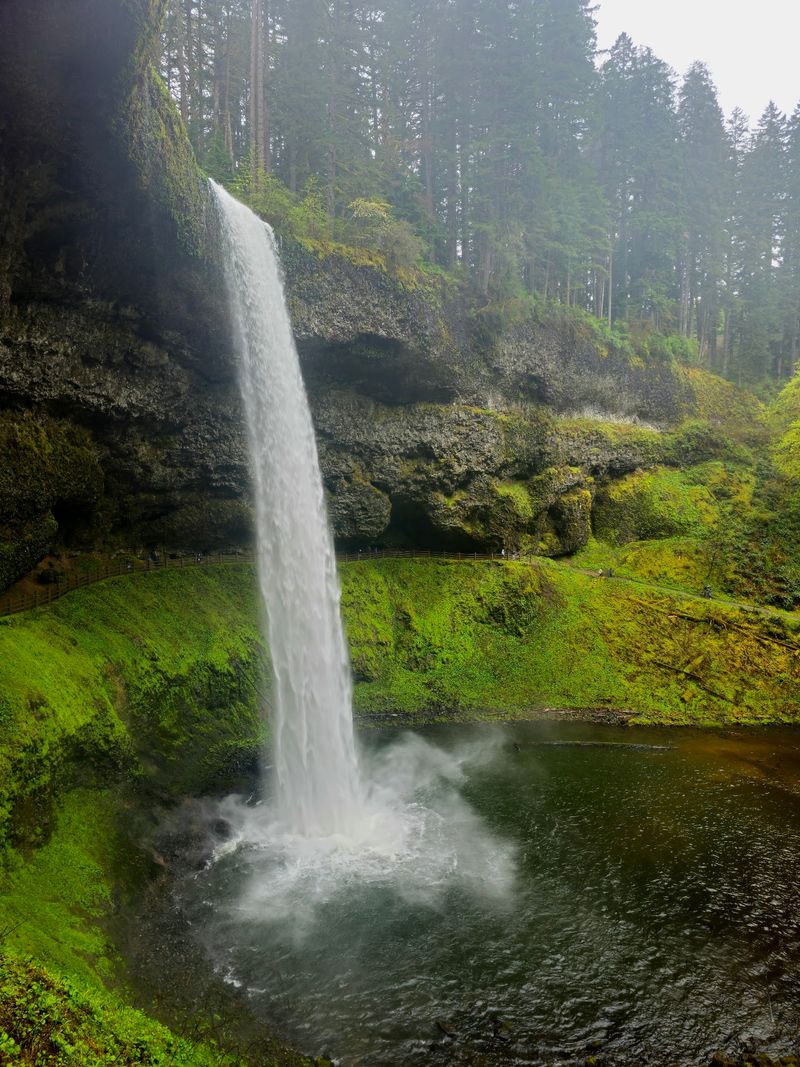
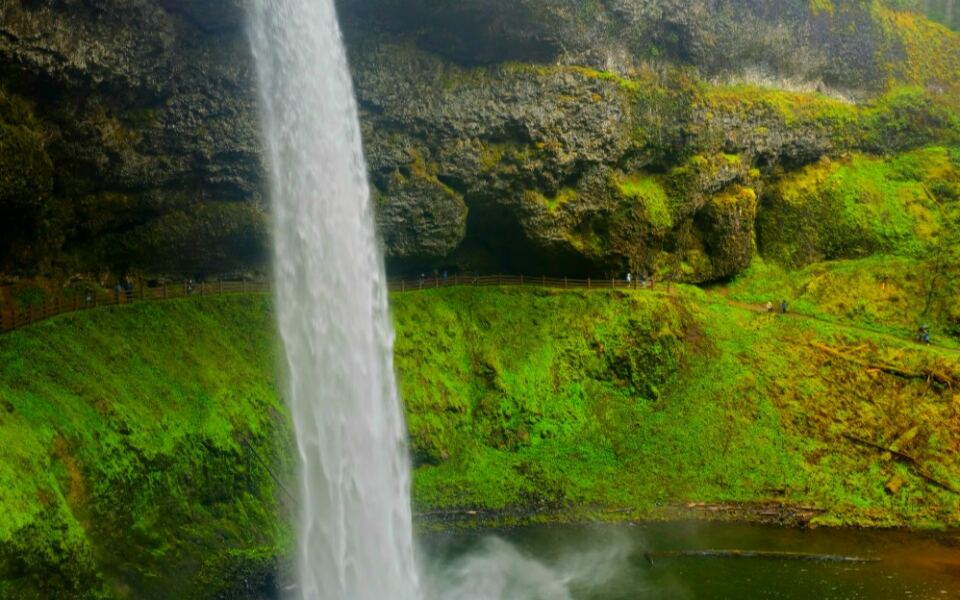
Walking behind a waterfall without getting soaked is a neat trick. Silver Falls State Park near Silverton makes it possible on the Trail of Ten Falls.
The full loop runs about 7.2 miles. Four of the waterfalls let hikers pass behind the curtain of water, including the 177-foot South Falls.
Dogs are not allowed on the Canyon Trail section. Pet owners can still enjoy the rim paths nearby.
Smith Rock State Park near Terrebonne swaps forest for volcanic cliffs. Climbers from around the world come here, and many consider it the birthplace of modern American sport climbing.
The Misery Ridge Trail lives up to its name with steep stairs, but hikers get a close look at Monkey Face, a rock spire about 350 feet tall.
11. Minnesota, 63 State Parks
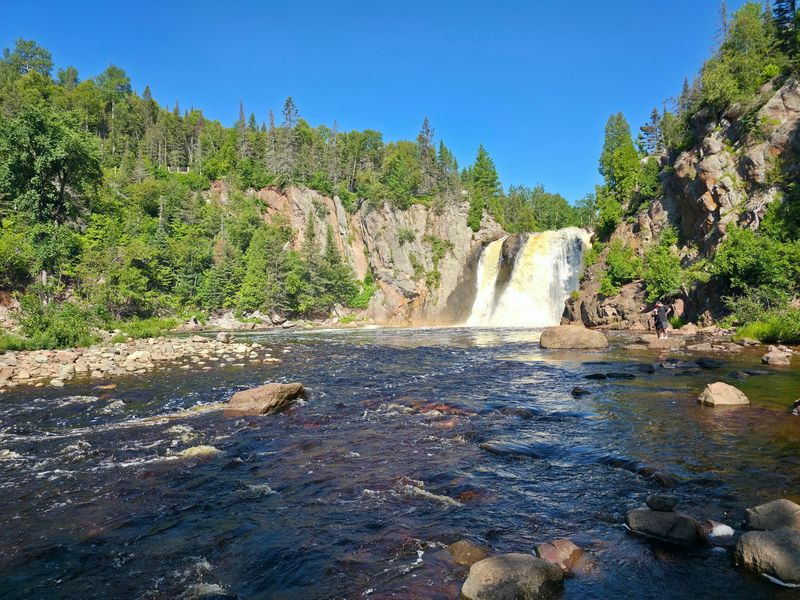
Crossing the Mississippi River usually requires a bridge. At Itasca State Park near Park Rapids, a few stepping stones will do.
The river begins here as a small stream flowing out of Lake Itasca. A carved wooden post marks the spot, and almost every visitor poses for a photo beside it.
Itasca was established in 1891, making it the oldest state park in Minnesota. It also protects stands of old red and white pines.
Up north, Gooseberry Falls State Park near Two Harbors sits along Lake Superior’s North Shore. Upper, Middle, and Lower Falls are all reachable on short paved trails from the visitor center.
Minnesota now lists about 63 parks. A yearly vehicle permit covers entry to all of them, which helps fans who like collecting park visits.
The state even runs a Passport Club that rewards visitors for reaching every one.
12. Iowa, 61 State Parks
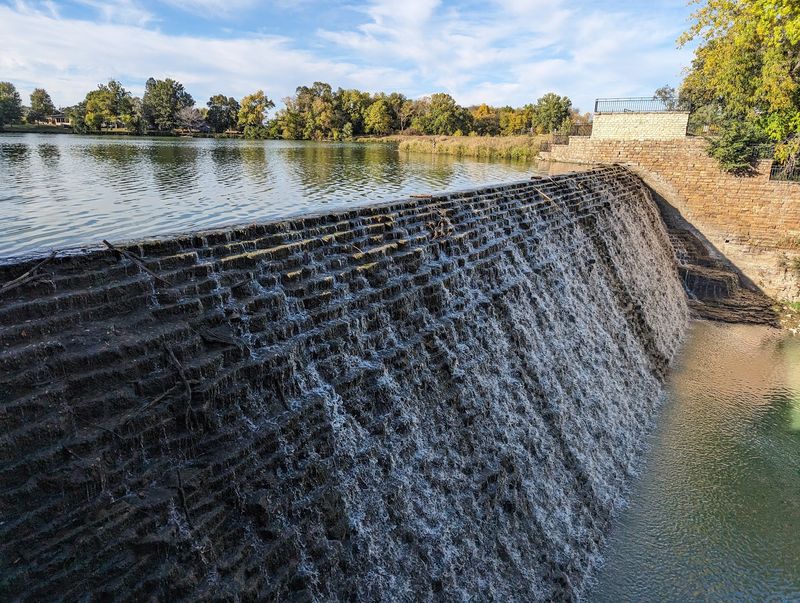
Flat farmland is only part of the Iowa story. Bluffs, ridges, and river views show up in some of its best parks.
Pikes Peak State Park near McGregor sits on a bluff about 500 feet above the Mississippi River. Its main overlook faces the point where the Wisconsin River joins the Mississippi.
A short boardwalk trail leads to Bridal Veil Falls. The walk is easy enough for younger hikers.
Backbone State Park near Dundee opened in 1920 as Iowa’s first state park. Its name comes from a narrow limestone ridge that rises high above the Maquoketa River.
Workers from the Civilian Conservation Corps built many of the park’s stone cabins and buildings in the 1930s. A small museum on site explains their work.
Iowa reports around 61 parks and recreation areas, and most have no entry fee.
13. Vermont, 59 State Parks
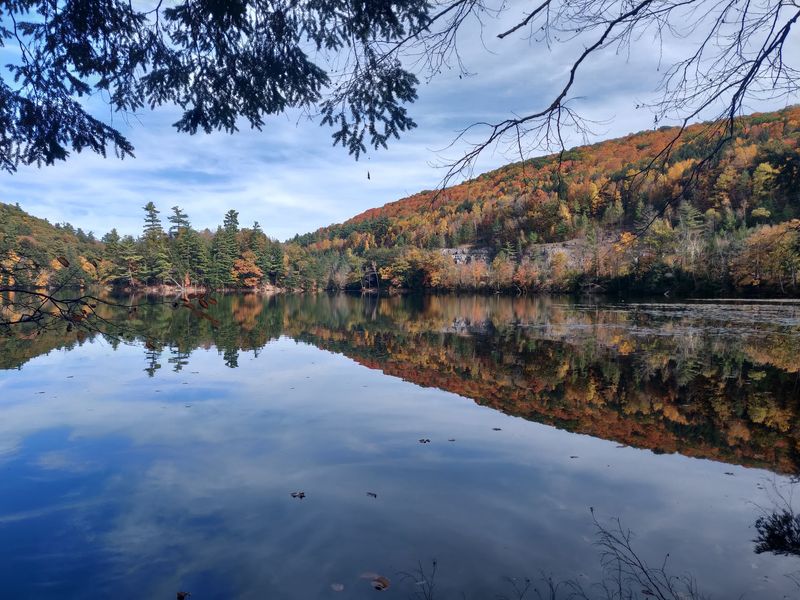
Smugglers really did use this route. Smugglers’ Notch got its name because traders slipped goods to Canada through the pass during the trade ban of 1807.
Today, Smugglers’ Notch State Park near Stowe sits among steep cliffs and giant boulders. Route 108 squeezes through the notch with tight hairpin turns.
Large trucks and trailers are not allowed on that road. It also closes during winter, so check before planning a cold-weather drive.
Quechee State Park near Hartford overlooks Quechee Gorge, known as Vermont’s Little Grand Canyon. The gorge drops about 165 feet to the Ottauquechee River.
A short trail leads down to the water, and the bridge above gives an easy view for people who prefer staying near the car.
Vermont’s count sits around 59 developed parks. Most open only from late May through mid-October.
14. Illinois, 58 State Parks
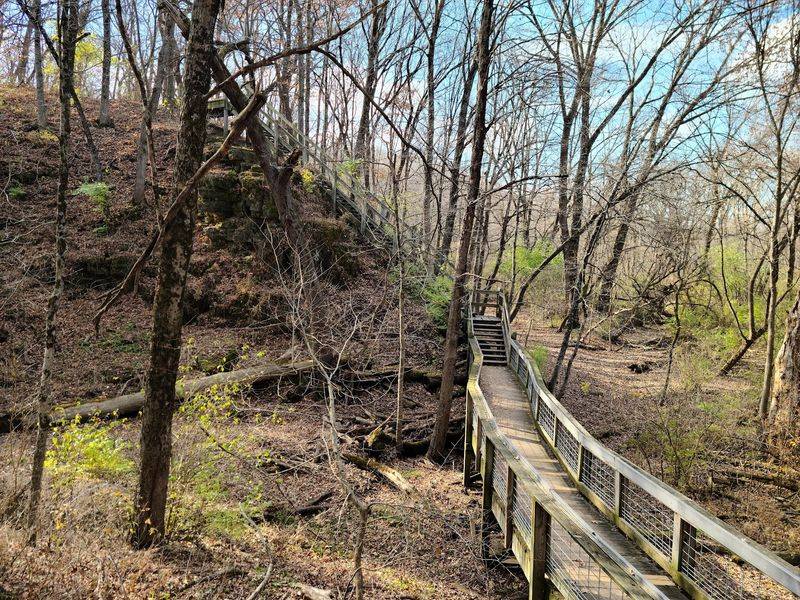
Canyons in Illinois sound like a typo. Starved Rock State Park near Oglesby has 18 of them.
Sandstone walls line these canyons, and seasonal waterfalls flow after snowmelt and spring rain. Late winter and early spring are the best times to see them running.
Overlooks along the bluffs face the Illinois River. In winter, bald eagles often gather near the Starved Rock Lock and Dam.
Farther south, Giant City State Park near Makanda takes its name from huge sandstone blocks. The Giant City Nature Trail winds between rock walls that resemble narrow streets.
The park lodge was built by the Civilian Conservation Corps in the 1930s. Its restaurant is famous for family-style fried chicken.
Illinois now counts 58 legally designated state parks. Most charge no entrance fee, which makes a road trip south much easier on the budget.
15. Missouri, 57 State Parks
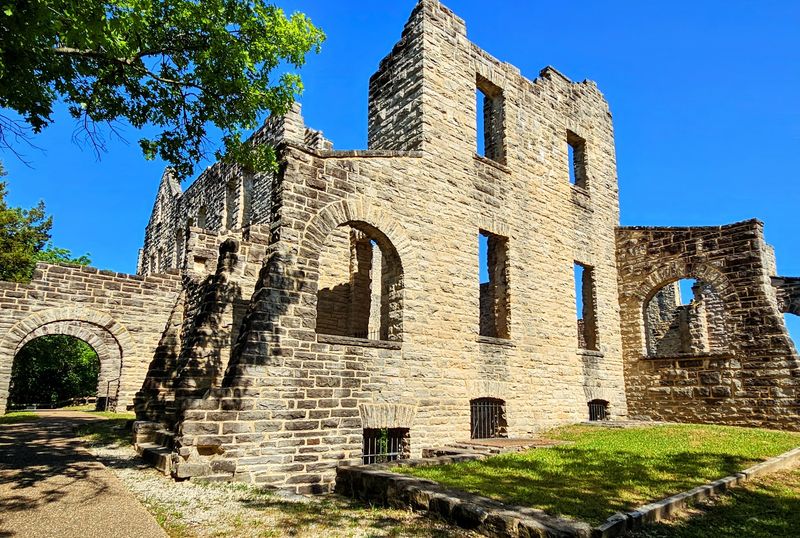
Last on the list but first in rock-hopping fun, Missouri wraps things up in the Ozarks.
Johnson’s Shut-Ins State Park near Middle Brook features the East Fork Black River rushing through narrow chutes in ancient volcanic rock. Swimmers love the natural pools, though water levels can change fast after storms.
Wear water shoes. The rocks are slippery, and rangers sometimes close the swimming area during high water.
Elephant Rocks State Park near Belleview shows off giant granite boulders roughly 1.5 billion years old. The largest, nicknamed Dumbo, weighs about 680 tons.
The Braille Trail loops through the park with signs for visitors with low vision. It was the first trail of its kind in Missouri’s park system.
Share this story