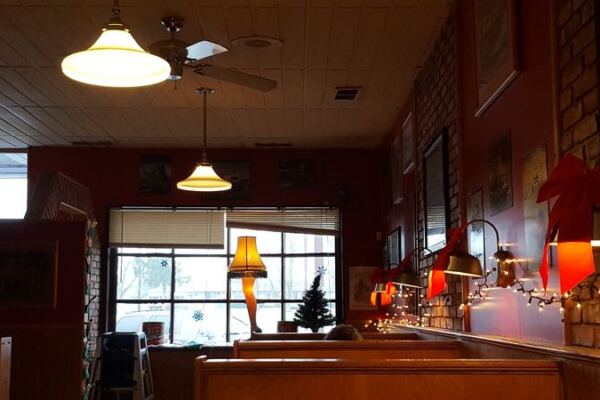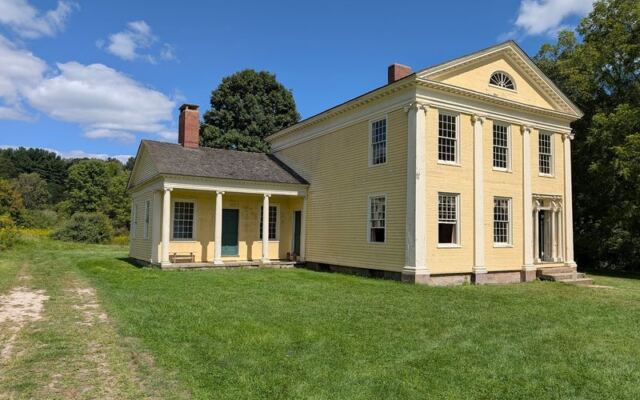
A living-history village in Ohio has 32 structures and a forge nearby. Visitors can watch craftspeople work with old-fashioned skills, and blacksmithing is one of the most mentioned crafts.
The setting is a mid-19th-century farm village. It shows life in the 1860s through gardens, animals, and hands-on trades.
I like how a place can turn a history lesson into something you can almost feel. I believe a hammer, fire, and glowing metal make that lesson stick.
Where in Ohio would you go to see it?
A Village Where The 1860s Still Hum Along
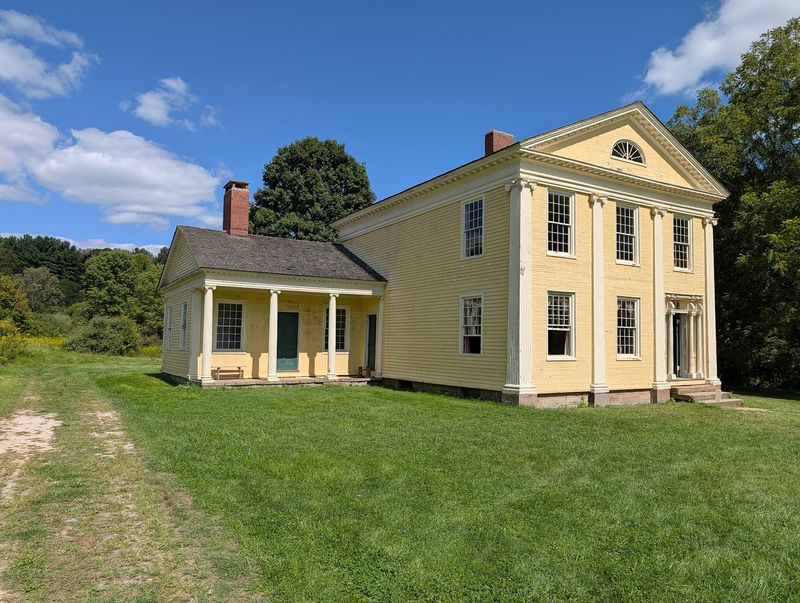
Hale Farm & Village is a mid-19th-century living-history museum with 32 structures. It offers a glimpse of life in the 1860s through crafts, gardens, and farm animals.
The official address is 2686 Oak Hill Rd, Akron, OH 44333. It sits inside the Cuyahoga Valley National Park area, so the drive feels like a short trip back in time.
That setting matters for the blacksmith story. The forge is not a stand-alone attraction but one working trade among many, which gives the whole village a purposeful rhythm.
Visitors can wander between buildings and see how a self-reliant community might have lived. Craftspeople use older methods, so the village feels more like a working neighborhood than a display case.
For Ohioans, this is a local surprise. A place with this much heritage is close enough for a day trip, and it still feels wonderfully far from everyday life.
Where Hot Iron Meets A Hammer
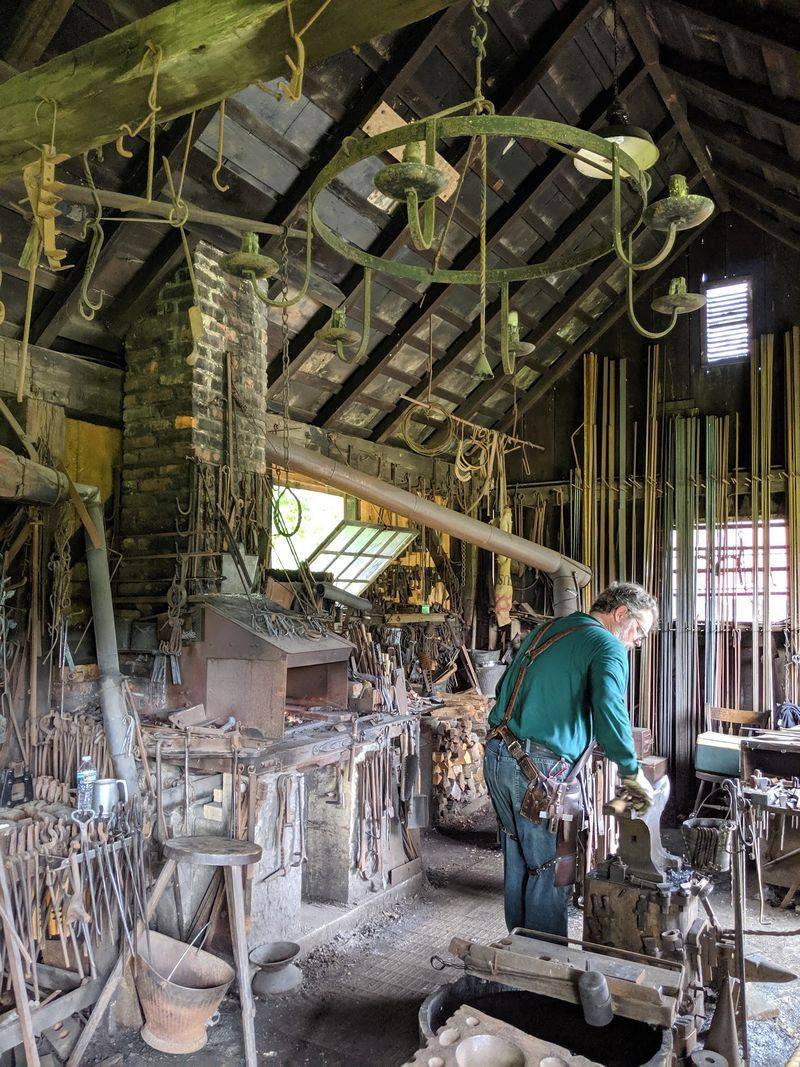
Blacksmithing is one of the best-known crafts at Hale Farm & Village. Visitors mention it often, right alongside glass blowing and pottery.
The idea is simple and thrilling: heat iron until it glows, then shape it with a hammer. Even watching that process shows why metalwork was so valued in the 1800s.
Farm villages relied on blacksmiths for many everyday items. Tools, hardware, and repairs all passed through the forge, so the trade held a central place in daily life.
Hands-on classes are the headline in the title of this article. Because schedules and offerings can change, it makes sense to check the official Western Reserve Historical Society page before planning a trip around one.
Either way, the forge is a crowd-pleaser. Few crafts show cause and effect so clearly, one strike at a time.
Craftspeople Who Keep Old Skills Alive
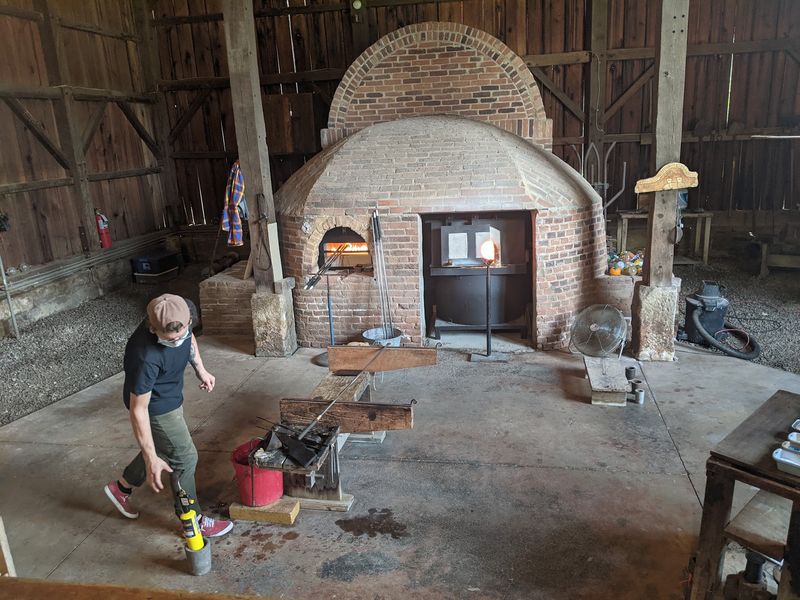
Costumed interpreters give the village much of its charm. Visitors describe them as friendly, knowledgeable, and happy to explain what they are doing.
One visitor even noted that a staff member paused a lunch break to show a clay wheel demonstration. That kind of generosity makes the history feel personal.
The same attitude fits the forge. A craftsperson who loves a trade usually enjoys sharing why it takes patience, timing, and strong arms.
Many of the trades here use hand skills that were once ordinary. Today they feel remarkable, because most of us rarely see tools used this way.
Questions are welcome in a place like this. Asking how long a piece takes or why iron changes color can start a great conversation.
Glass, Clay, And Fire Beyond The Forge
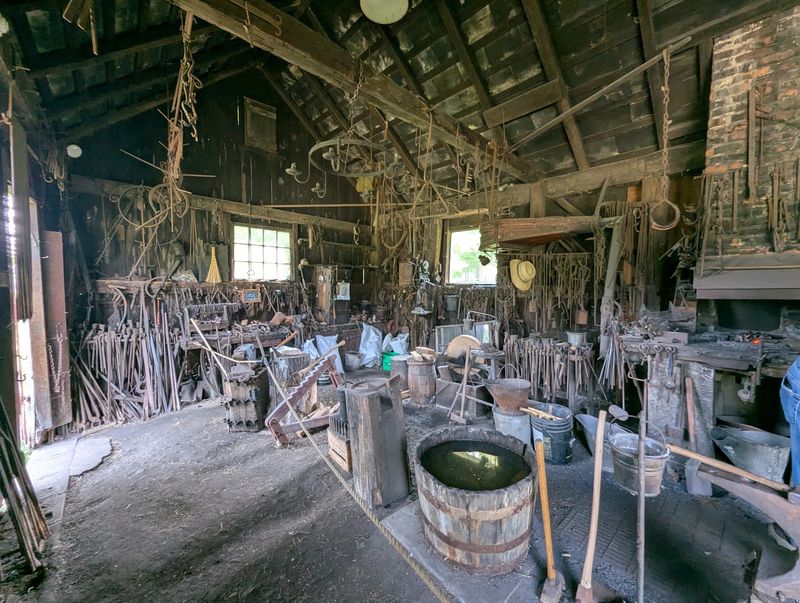
Metal is only one chapter in the craft story here. Glass blowing is the most-mentioned topic at Hale Farm & Village, followed by blacksmithing.
Pottery appears too, and candle making gets a nod. Together these crafts make the village a great place to compare how different materials are shaped.
School groups seem to love the glass blowing demonstration in particular. It is easy to see why, since molten glass is bright and fast-moving.
Handmade pottery is also available on site. A mug or bowl makes a nice souvenir because it comes from the same tradition you just watched.
Plan time to browse all the studios. A day that includes fire, clay, and iron is a pretty complete lesson in early American making.
Historic Buildings With Northern Ohio Roots
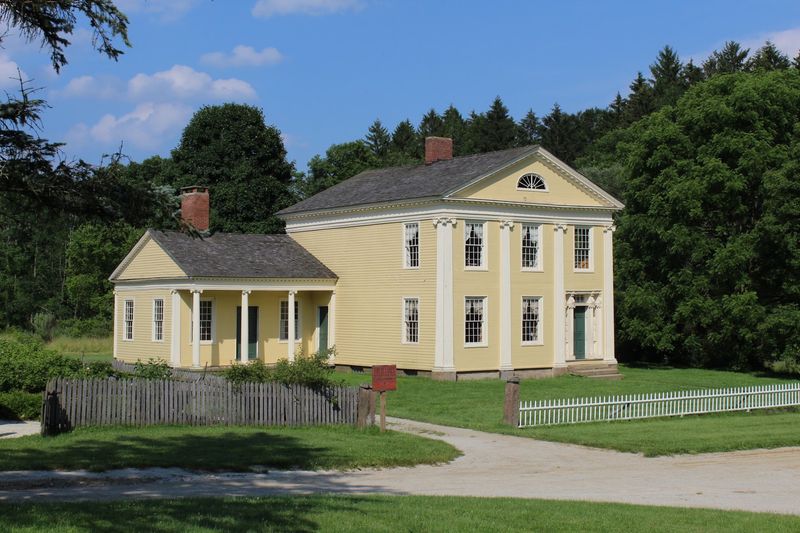
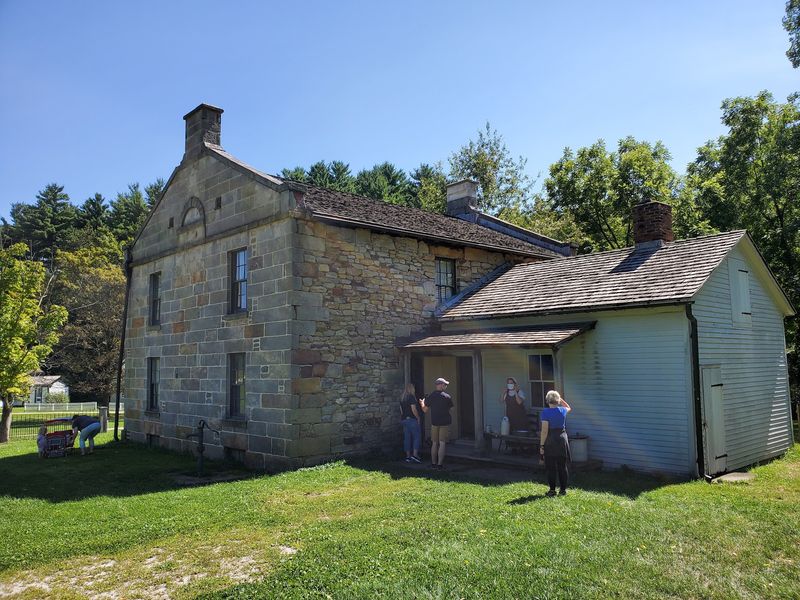
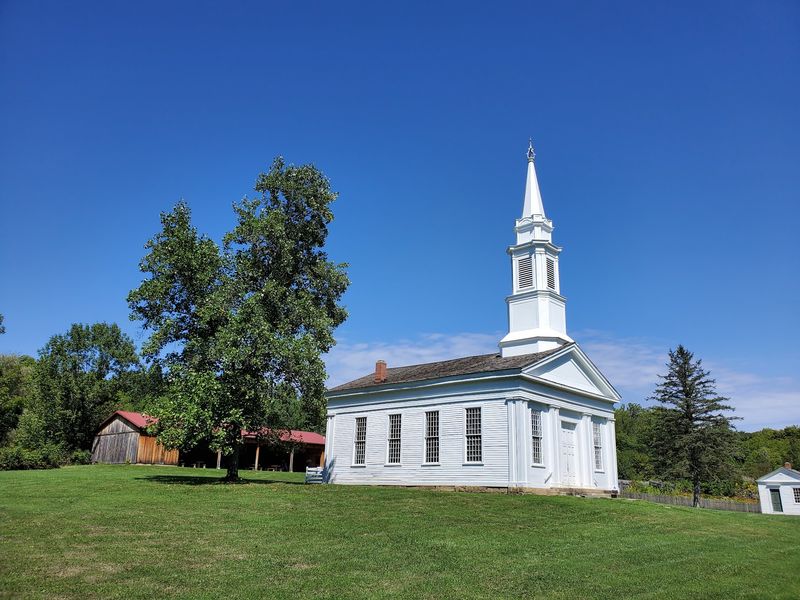
Most of the buildings were moved here from northern Ohio. The result is a restored historical village with many different structures to enter.
A volunteer describes the site as a collection of early 1800s houses along with historic craftspeople. There are very few typical museum signs, so conversation does much of the teaching.
That approach suits curious visitors. Walking from one building to the next, you meet people who can explain the era in plain language.
The pace stays relaxed. Paths are described as fairly easy walking and level enough for wagons and wheels, which helps families with strollers.
There is still quite a bit of walking overall. Comfortable shoes are a smart choice for a full day outdoors.
Sheep, Cows, And Chickens On Parade
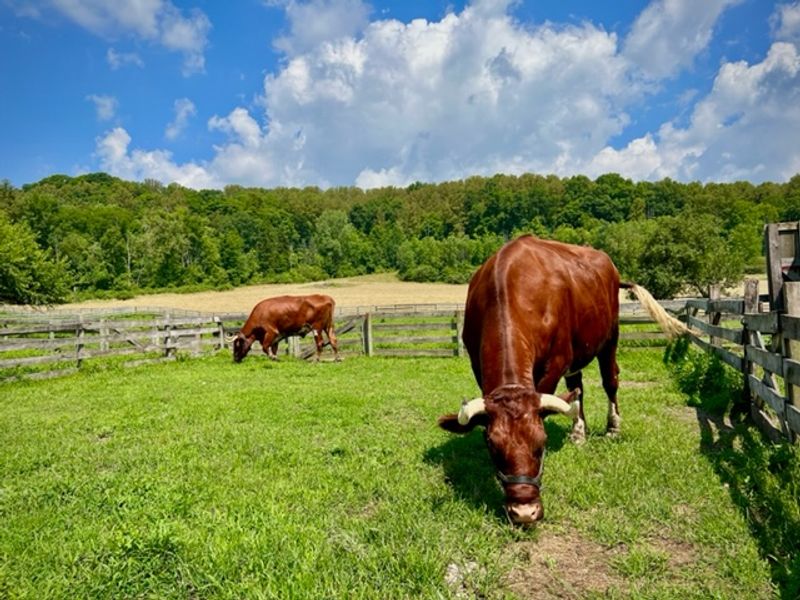
Farm animals add a gentle soundtrack to the day. Visitors mention sheep, a cow, and chickens wandering the property.
Kids tend to remember that part. It is one thing to read about farm life and another to see the animals that were part of it.
The working-farm feel ties nicely back to the forge. Farms needed tools, and tools needed a blacksmith.
Gardens are part of the setup too. Together with the animals, they show how food, tools, and shelter all fit into a single way of life.
Bring a camera. Visitors often say the setting is photogenic, especially in the soft light of a fall afternoon.
Festivals, Car Shows, And Craft Fairs
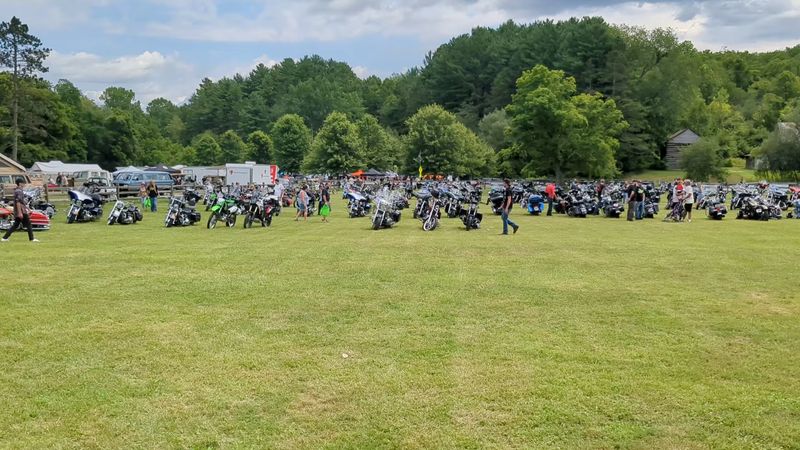
Events keep the calendar lively. Visitors mention a Father’s Day car show that was mixed in among the houses and craft locations.
The Made in Ohio craft fair is another favorite. One guest counted more than 125 vendors, selling everything from home decor to jewelry.
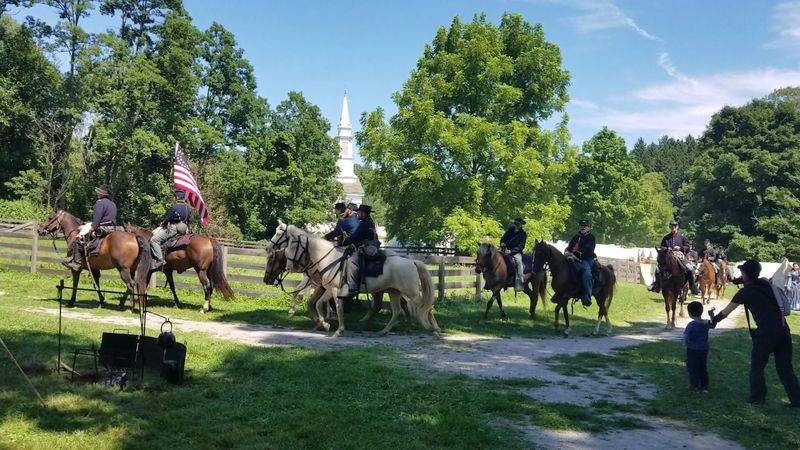
Civil War reenactments also rank among the popular topics. Juneteenth programming has drawn visitors too, adding more context to the period.
Event days can change the feel of the village. They bring extra energy, so it helps to check the official calendar before choosing a date.
If your goal is the forge, ask whether demonstrations are scheduled. A special event can be a wonderful bonus, but quiet days offer more room to chat.
A Cafe, A Gift Shop, And Plenty Of Picnic Tables
A big visitor center offers modern comforts. Visitors mention hot food, a cafe, and a large gift shop.
The shop sells items made by the craftspeople. That makes it a natural stop for anyone inspired by the demonstrations.
Packing a lunch is also an option. A picnic area with tables gives families a simple place to rest.
Ice cream, apple butter, and cider making have all been mentioned by visitors. Menus and seasonal treats can change, so check ahead for what is offered.
One note from a past maple event: food quality there drew criticism, and the museum said it plans improvements. It is a reminder that special-event offerings can vary.
A Day Out That Fits Families And History Fans
Families get a lot out of this stop. School groups visit often, and parents describe children as engaged by the explanations.
Adults find plenty to enjoy too. Interactive learning and period costumes make the history easy to follow.
One visitor said a loom worker let a child help with a demonstration. Moments like that turn a museum trip into a memory.
The mood is quiet, scenic, and a little nostalgic. It suits anyone who likes a slower pace and a good story.
Photographers and couples also appreciate the setting. Hale Farm hosts weddings, and the grounds are described as picturesque.
Hours, Parking, And Getting There
The village is open Wednesday through Sunday from 10 AM to 4 PM. It is closed Monday and Tuesday.
The address is 2686 Oak Hill Rd, Akron, OH 44333. Visitors mention good, free parking.
Some guests describe the location as a little off the beaten path. Using a GPS makes the trip easy.
Admission details can change by season and event. One visitor mentioned a program that offers free entry for people receiving SNAP benefits.
Check the Western Reserve Historical Society page before you go. It is the best place to confirm hours, events, and any blacksmith classes.
Pairing The Village With Cuyahoga Valley National Park
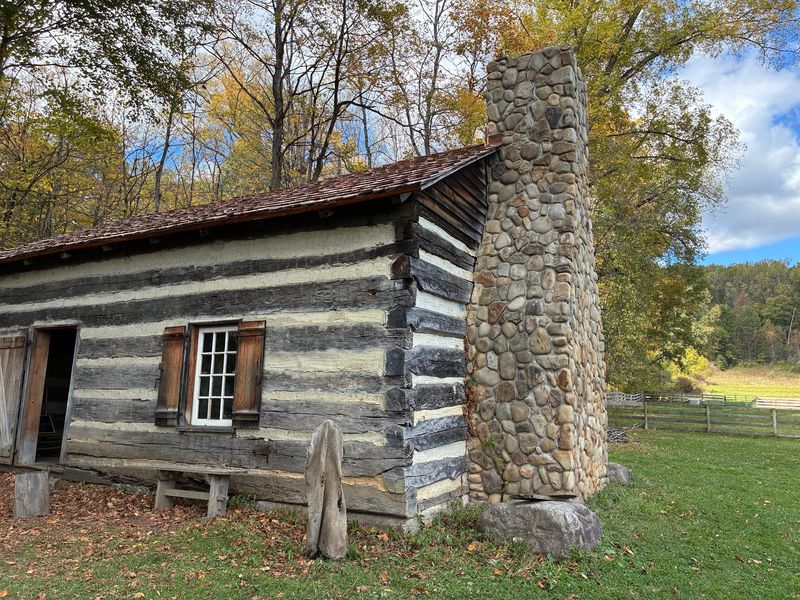
The village sits within the Cuyahoga Valley National Park area. One visitor called it a beautiful stop along the trail.
That makes a combined day easy to plan. Spend the morning outdoors, then settle in for craft demonstrations.
Fall is a lovely time to go. A visitor described a gorgeous autumn day with so much to see and do.
Summer works well too, especially for events. Just remember that it is a mostly outdoor experience.
Dress for the weather and give yourself a few hours. The trails and paths reward a relaxed pace.
The Verdict On Swinging A Hammer In Ohio
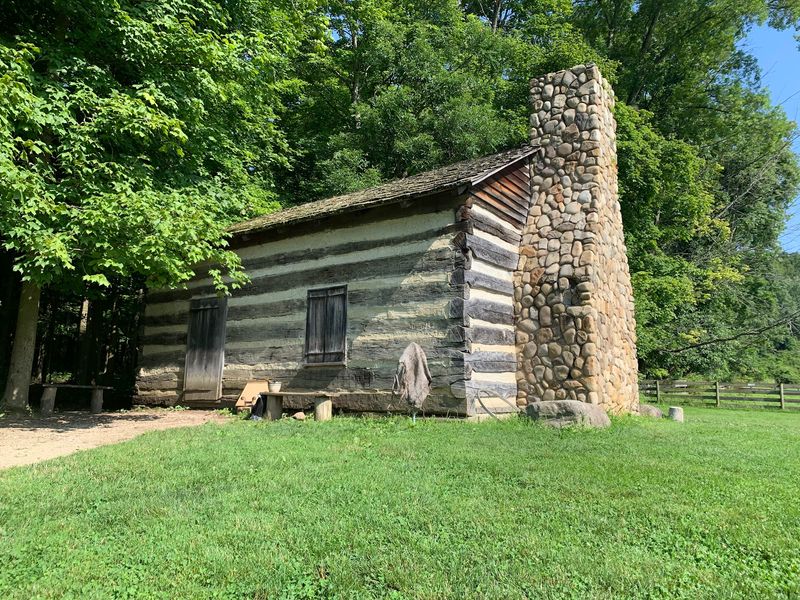
Hale Farm & Village earns a spot on any Ohio day-trip list. It blends scenery, history, and real craftwork in one drive.
The forge is the star for anyone curious about hot iron. Add glass, pottery, animals, and events, and the day fills up fast.
Visitors consistently praise the knowledgeable staff and the immersive feel. That is a strong sign this is a place worth the trip.
Confirm class details before you go, since offerings can change. A quick check online avoids disappointment.
Then grab your boots and head north. The hammer is waiting.
Share this story