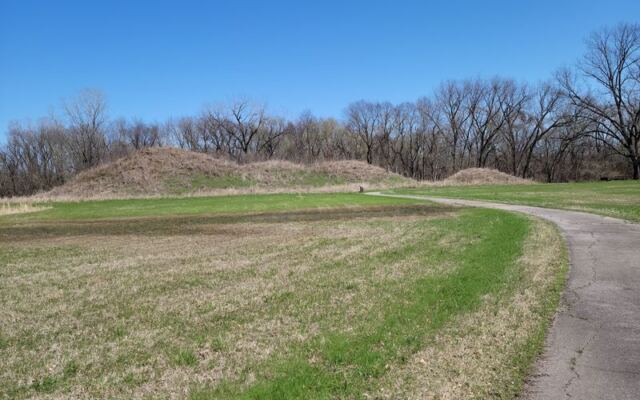
Some of the best surprises in Oklahoma hide behind plain little signs on quiet country roads. You pull over expecting a quick stretch of the legs, and suddenly you are standing on ground that people called home hundreds of years ago.
Grassy hills rise from the fields, and each one holds a piece of a story that most folks in the state have never heard. If you are curious about the past and love a good road trip, this hidden spot is ready to make you hungry for more history.
A Quiet Corner of Eastern Oklahoma With Ancient Roots
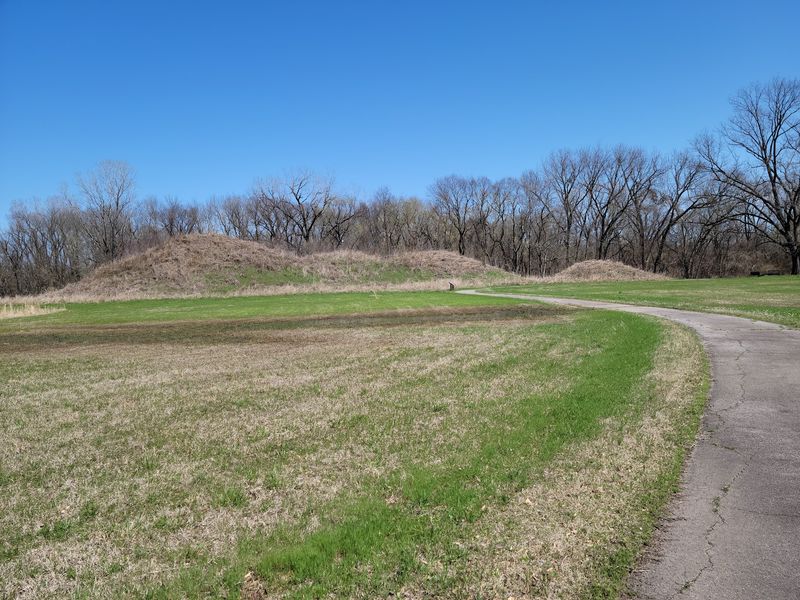
Out near the Arkansas line, tucked into the farmland of LeFlore County, sits a place that rewrites what many people think they know about Oklahoma history. The Spiro Mounds Archaeological Center lives at 18154 1st St in Spiro, and it is run as a historic site connected to the Oklahoma Historical Society.
Here is the big claim to fame. It is known as the only prehistoric Native American archaeological site in Oklahoma that welcomes visitors, which makes it a rare chance to walk where an ancient community once thrived.
Instead of reading about the past in a textbook, you get to stand in the middle of it.
The setup is simple. A climate-controlled visitor center holds exhibits, reference books, and restrooms, while trails lead outside to the mounds themselves.
Nothing here is flashy or crowded, and that is part of the charm.
One visitor summed it up nicely, saying not to expect pyramids or mountains but real history in a beautiful setting. That idea is a good mindset to bring along.
Spiro rewards people who arrive curious, take their time, and let their imaginations fill in the details that centuries have quietly worn away.
The Story of the Spiro People
Picture a busy settlement buzzing with life, homes clustered near large earthen mounds, and people trading, building, and gathering for ceremonies. Long before Oklahoma had a name, the Spiro people made this land their home and left behind a legacy that still sparks wonder today.
Visitors often say the most powerful part of the experience is simply knowing where they stand. One guest who had already seen artifacts from Spiro in museums elsewhere loved finally seeing the spot where those objects were found.
Another described the thrill of walking across ground once home to a long-gone civilization.
Fun fact for the road trip: the Spiro culture is famous for its detailed shell carvings, and those designs remain some of the most studied pieces of the site. Many guests leave inspired to read and learn even more on their own.
Staff members love sharing what they know about daily life, leadership, and how the community was organized. One traveler mentioned that it is easy to visualize how the area was once a thriving prehistoric settlement.
That sense of connection, between the quiet fields of today and a lively past, is what makes the story stick long after you drive away.
Craig Mound and Its Famous Past
Every great site has a headliner, and at Spiro, that honor goes to Craig Mound. Visitors describe it as the most important of the major mounds, with a history that ties directly to the people who were honored and laid to rest here long ago.
What you see today is a little different from the original. After excavations in the twentieth century, the mound was reshaped, so the shape on the landscape now represents the idea of what once stood there.
Some guests feel let down by that, while others appreciate how it helps them picture the scale of the past.
Honestly, knowing this ahead of time makes the visit better. You are not looking at an untouched hill but at a thoughtful reminder of something remarkable that happened on this exact spot.
Right beside Craig Mound, a nature trail curves through the trees, giving you a chance to step back and soak in the setting. Standing there, many people find themselves slowing down and thinking about the hands that built the first version of this landmark.
It is a humbling moment, and it lands harder because the surroundings are so calm and open.
Brown Mound and the Homes of the Elite
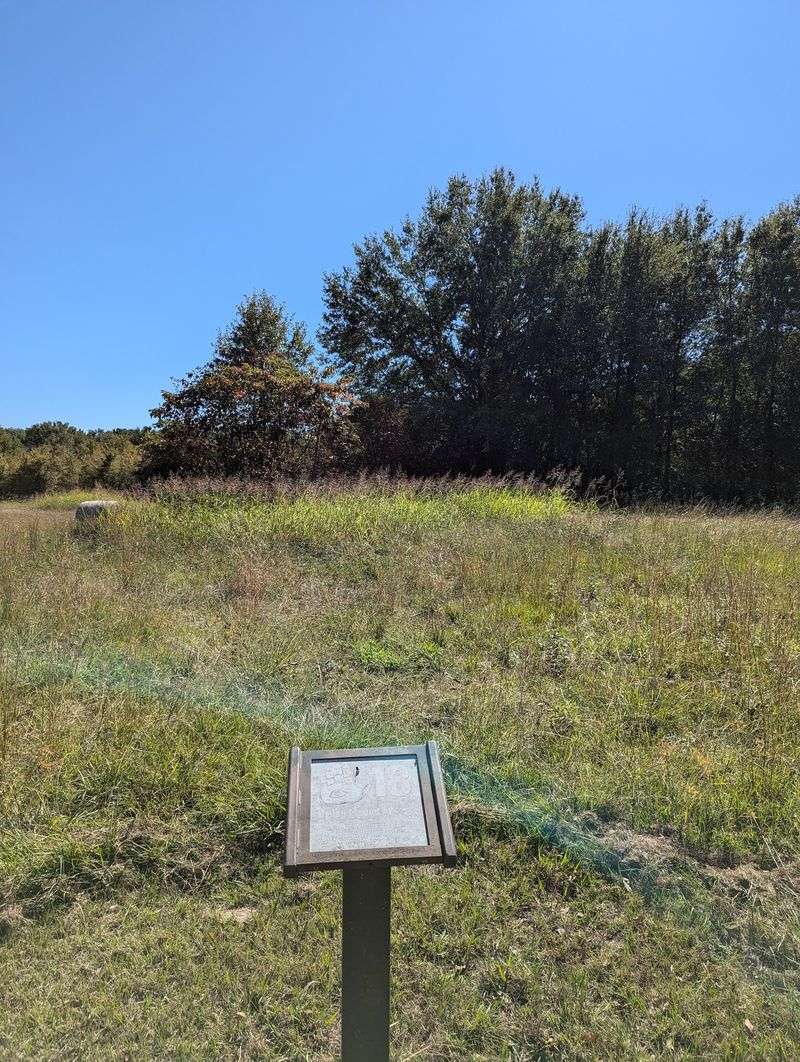
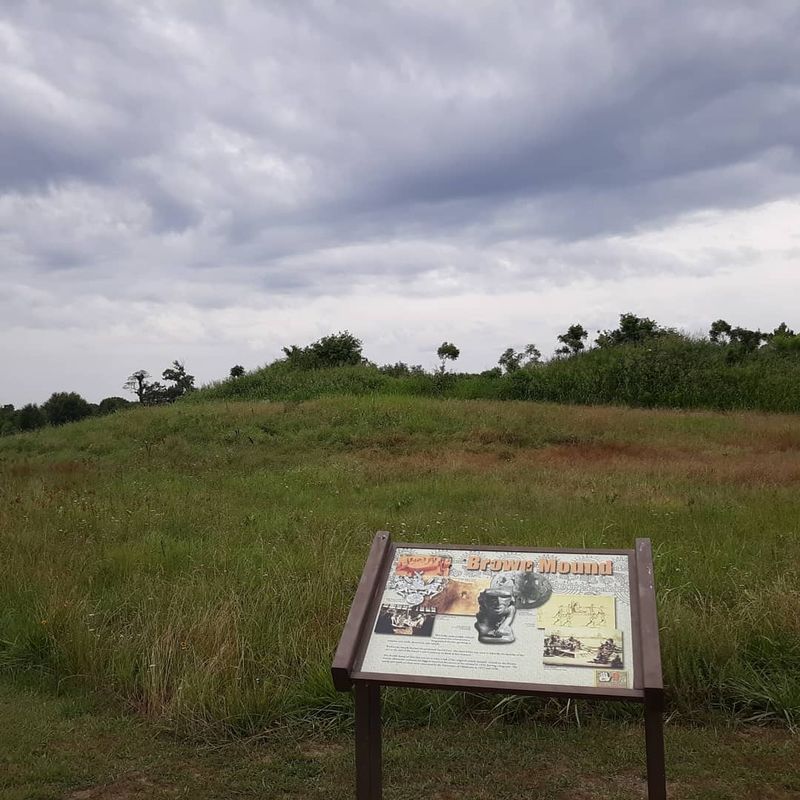
Not every mound served the same purpose, and that is where things get interesting. Brown Mound is known as the temple mound, and the land around it is believed to be where the community’s elite once lived.
Walking toward it, you can almost sense how the space was organized. Leaders and important families settled close to this central feature, which tells you a lot about how the Spiro people structured their society.
It is a bit like strolling through the fancy neighborhood of a town that disappeared centuries ago.
Along with Craig Mound and Brown Mound, the grounds hold another major mound and several smaller ones scattered across the site. Guests describe the walk between them as peaceful and almost meditative, with open views that let you take in the whole layout at once.
Here is a helpful tip. Pause near Brown Mound and look back across the fields toward the other mounds.
That wide perspective helps the pieces click together, showing how homes, ceremonial spaces, and gathering areas fit into one connected community.
For history fans, it is the kind of view that turns scattered facts into a picture you can actually see.
Two Trails, One Peaceful Loop
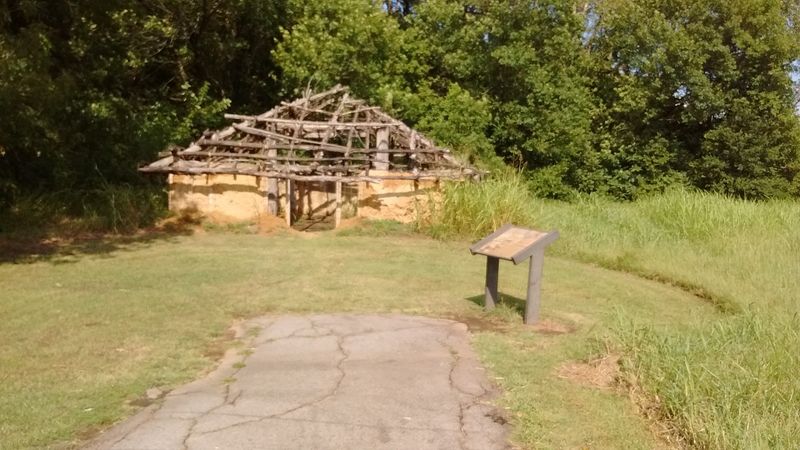
Lace up your sneakers, because the outdoors is where Spiro really opens up. The site has one main trail split into two options, a longer walk of about two miles and a shorter one of roughly a mile.
Both routes are described as easy and relaxing, and visitors mention a mix of paved path and dirt trail. Posted signs along the way share facts about the mounds, although several guests note that many older signs have faded in the sun.
The good news is that replacements are part of the ongoing upgrades.
One couple visited right after a snowfall and called the walk beautiful and serene. Others simply enjoy the wide views and fresh air on a calm afternoon.
It is a laid-back way to spend an hour or two outside.
A quick heads-up is worth sharing. During renovation periods, some trails may be limited, and one recent guest found paths not very accessible.
Calling ahead at 918-962-2062 can save you a surprise.
Bring water, wear comfortable shoes, and consider packing a picnic. One family even planned a return trip with their grandchildren just for a stroll and a meal outdoors.
Inside the Visitor Center Exhibits
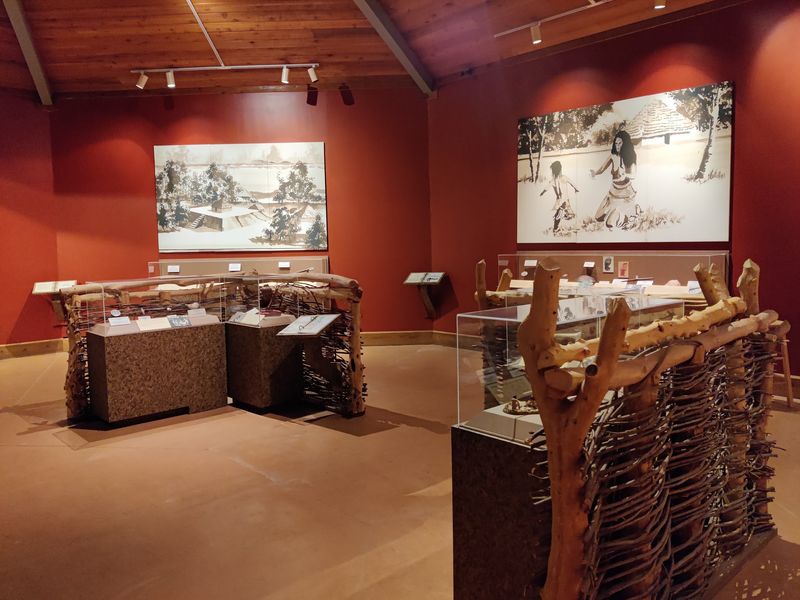
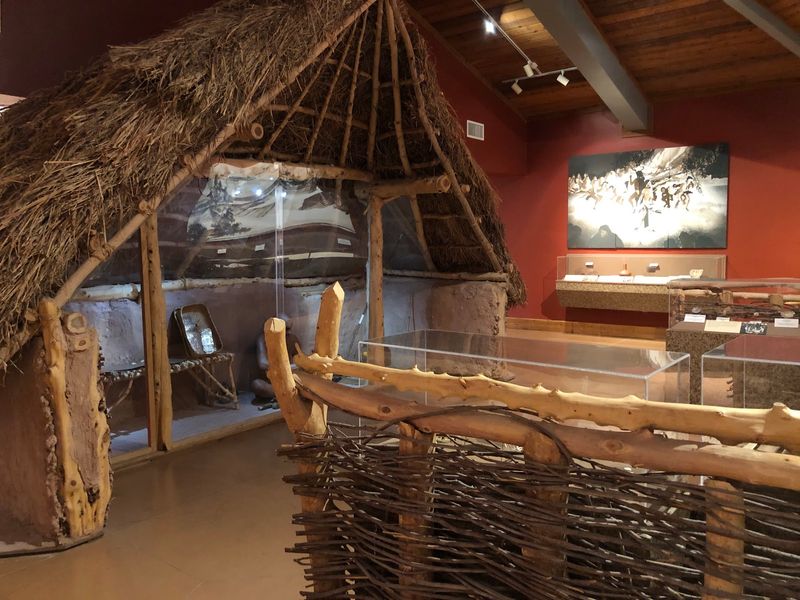
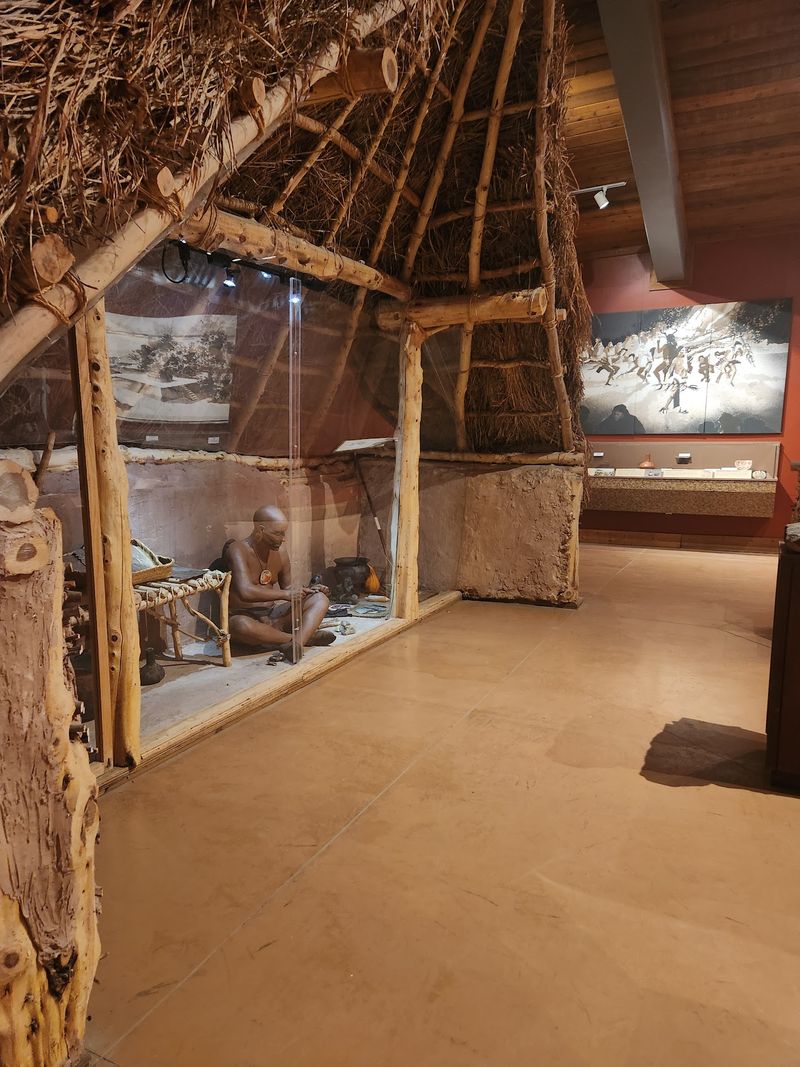
Step out of the heat or chill and into a cozy, climate-controlled room filled with history. The visitor center is small, but guests praise its museum-quality information and the chance to learn before heading out to the mounds.
The real standout surprises many people. Book after book holds detailed drawings of Spiro shell ornaments and carvings, and visitors call these volumes excellent and fascinating.
Flipping through them feels like getting a private look at the artistry of an ancient culture.
Now for an honest note. Many display cases have been covered in recent times, connected to federal law on the treatment of Native American cultural items.
Some travelers felt disappointed after a long drive, while others understood and still found plenty to enjoy.
Replicas also appear among the displays, giving a sense of what original pieces looked like. Pair those with the shell drawings and the stories from staff, and you can still build a rich picture of Spiro life.
Going in with the right expectations makes all the difference. Treat the center as a learning hub and a launch point for your walk, and it will serve you well.
Staff Who Know Every Detail
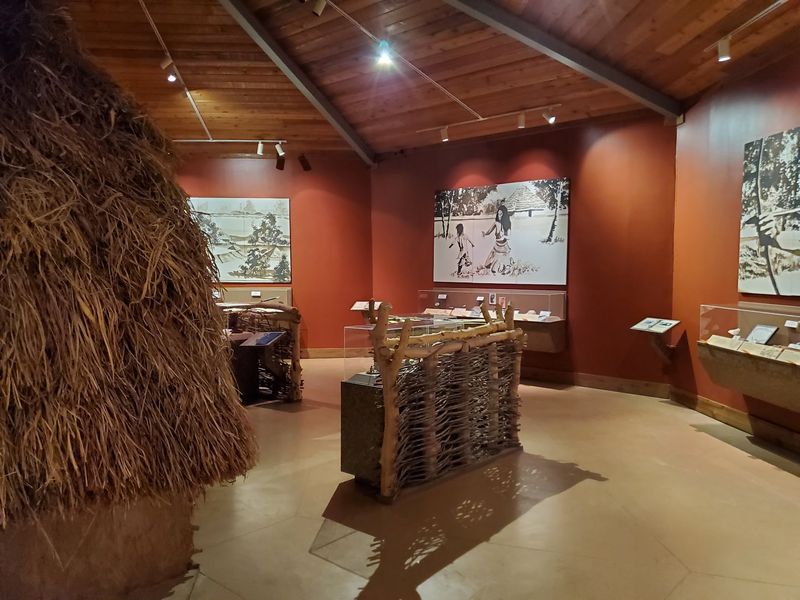
Ask one question at Spiro, and you might walk away with twenty fascinating answers. Over and over, visitors say the people working here are the heart of the experience.
Guests describe the staff as knowledgeable, generous with their time, and eager to share what they know about the Spiro people. One couple spent as long as they needed asking questions after their walk, and the guide happily kept going.
Another traveler loved chatting with the director about the finer details of Spiro life.
Director Anna Vincent comes up often in visitor stories, praised for answering questions from groups and individuals alike. Earlier visitors also remember a gentleman who offered great insight into the history of the site.
Since the site is small and sometimes staffed by just one person, those conversations can feel personal. It is less like a big museum tour and more like getting the inside scoop from a friend who truly loves the subject.
So here is a simple tip. Do not rush back to your car after the trail.
Stop by the desk, share what you noticed, and ask what puzzled you, because that chat may become your favorite memory.
Solstice Walks Under an Oklahoma Sky
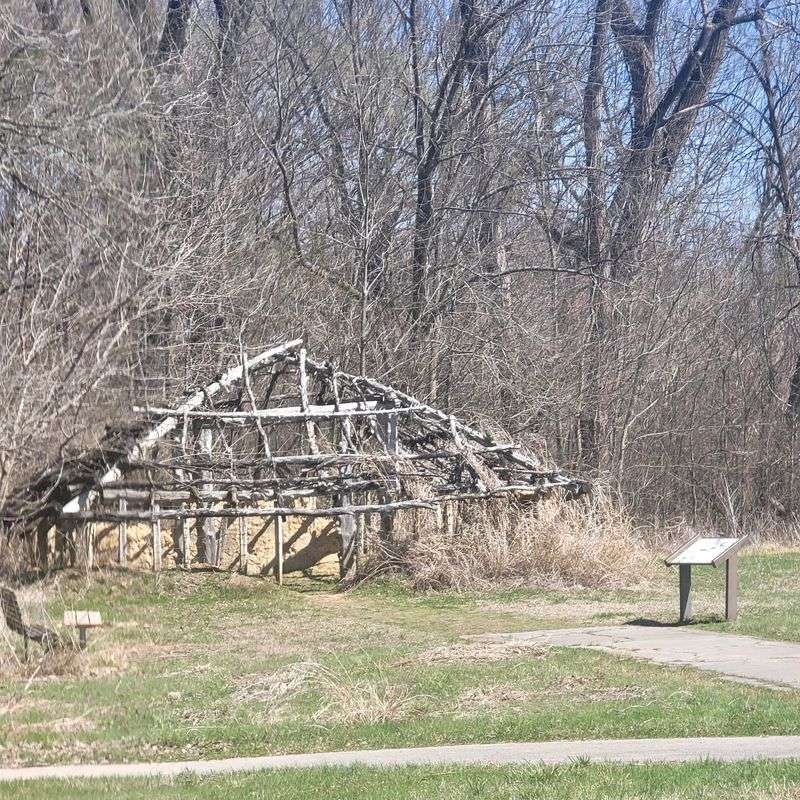
Sunset, ancient mounds, and a guide full of stories. It is hard to imagine a more magical way to see Spiro than on one of its solstice walks.
Visitors who join these special events rave about them. One guest called the solstice walks wonderful, and another described a winter solstice sunset tour led by director Anna Vincent as an eye-opening look at eastern Oklahoma history.
That traveler admitted learning far more than expected.
Why do solstices matter here? Many ancient cultures paid close attention to the sun’s movements, and walking the grounds at these turning points of the year adds a sense of wonder to the trip.
Watching the light fade across the mounds can feel almost timeless.
These walks also bring people together. Groups ask questions, compare thoughts, and share the moment as the sky changes color, which makes it a fun outing for families and friends.
If this sounds like your kind of adventure, keep an eye on the official website at okhistory.org for event details. Planning around a solstice turns a regular visit into something extra memorable, and it gives you a great excuse to make the drive during the cooler months.
Renovations, Rough Edges, and Honest Expectations

Let us be real for a moment, because good trip planning means knowing the whole picture. Spiro is a treasured site, but it has also been working through some growing pains.
Visitors have noted faded outdoor signs, grounds that sometimes need mowing, and areas that could use more care. Some feel the site is underfunded, and years ago a flood even closed it for months.
These are honest observations from people who still cared deeply about the place.
The hopeful part is a major upgrade project. Guests have reported a roughly 1.5 million dollar investment aimed at parking, trails, and the plaques along the walking path.
Some updates are already finished, while others were still underway during recent visits.
Earlier guests also missed the gift shop, which was not available at certain times. On the bright side, travelers regularly mention the clean, nice restrooms.
So what does this mean for you? Go in knowing it is a work in progress.
If you value real history over polish, you will likely enjoy it, and many visitors say they are excited to return once all the improvements wrap up.
Hours, Admission, and Getting There

Timing matters at Spiro, so mark your calendar before you hit the highway. The center is open Tuesday through Saturday from 9 am to 4 pm, and it is closed on Sundays and Mondays.
Admission has changed over time. During the renovation period, many visitors enjoyed free entry, while one more recent guest reported paying a $10 fee.
Since prices can shift, call 918-962-2062 or check okhistory.org/sites/spiromounds before you go.
You will find the site at 18154 1st St in Spiro, in eastern Oklahoma near the Arkansas border. It makes an easy add-on for road-trippers exploring the area or anyone heading toward Fort Smith.
Plan for about two hours if you want to walk the longer trail, browse the books inside, and chat with staff. A shorter visit works too if you stick to the one-mile loop.
A few smart packing ideas include sturdy shoes, sunscreen, water, and a snack or picnic lunch. Weather can change the feel of the trails, so dress for the season.
Arriving earlier in the day also gives you plenty of time before the 4 pm closing.
Worth the Detour for Curious Minds
Some places shout for attention. Spiro whispers, and the people who lean in to listen usually leave glad they did.
This is not a theme park or a giant museum packed with glass cases. It is a quiet piece of land with deep meaning, staff who love sharing stories, and trails that let you slow down and think.
Visitors who enjoy history, nature walks, and a touch of mystery tend to find it unforgettable.
Of course, it is not for everyone. Travelers hoping to see lots of original artifacts may feel let down, especially while exhibits are covered and renovations continue.
Knowing that ahead of time helps you appreciate what is here instead of what is not.
For families, Oklahoma history buffs, and road-trippers chasing the state’s hidden corners, Spiro offers something rare. You get to stand where an ancient community once lived and picture their world for yourself.
Go with an open mind, ask plenty of questions, and take the long trail if you can. Like many guests before you, you might find yourself already planning a return trip to see how the site grows next.
Share this story