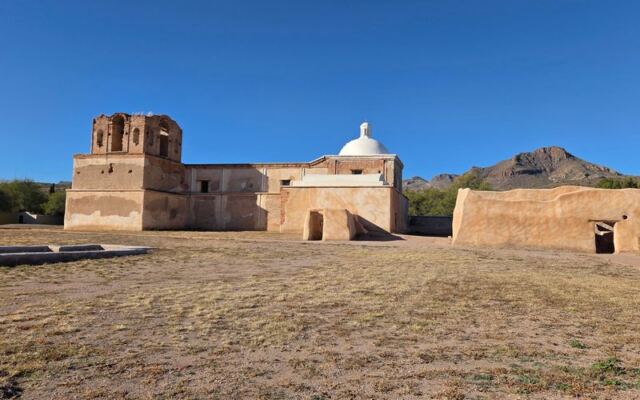
South of Tucson, just off the interstate, there is a church that was never finished, and that is exactly why people keep coming back to see it. You do not stand behind a rope and squint at old adobe walls here, because the path leads you straight through the doorways and into the ruins.
Layers of O’odham, Spanish, Mexican, and American history share one small patch of Southern Arizona desert, along with an orchard, a garden courtyard, a river trail, and a museum. On national fee-free days the grounds cost nothing to enter, so read on to learn what is waiting, how to plan the trip, and which small details most people miss.
A Mission Park Off the I-19 Frontage Road
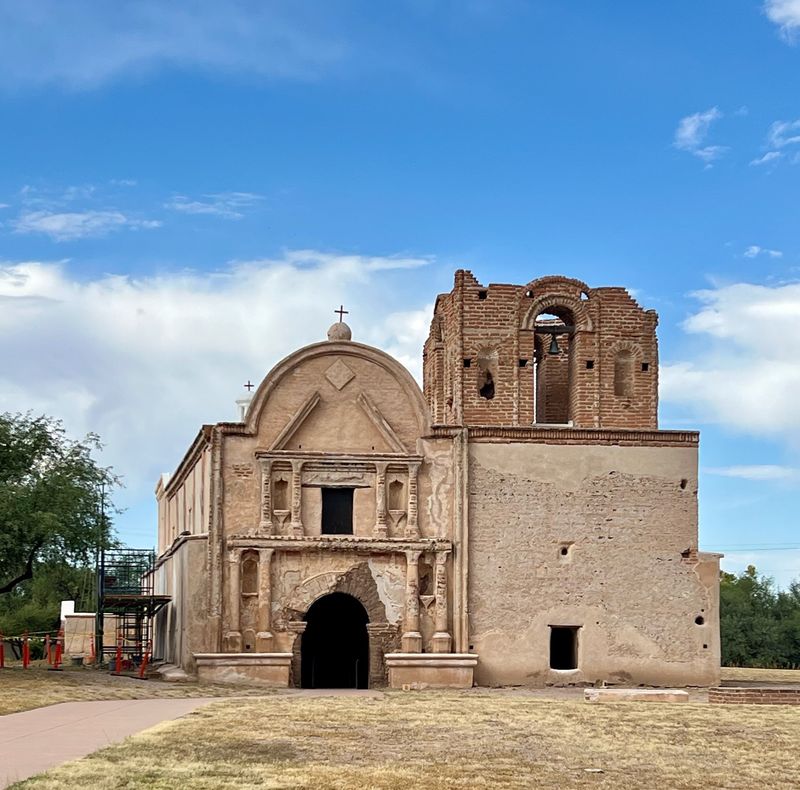
The mystery has an address: Tumacácori National Historical Park sits at 1891 I-19 Frontage Rd, Tumacacori, AZ 85640, in the far south of Arizona.
It is a short drive south of Tucson and close to the town of Tubac, which makes it an easy add-on for a Southern Arizona road trip.
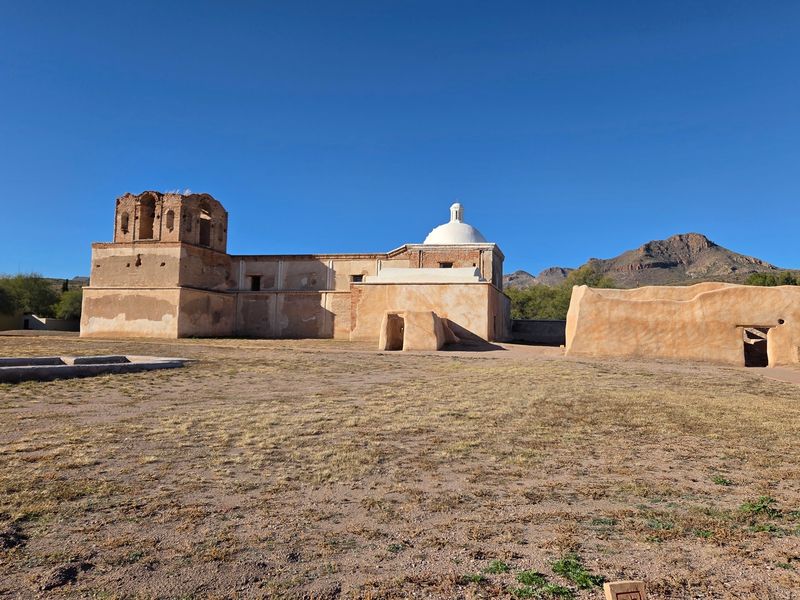
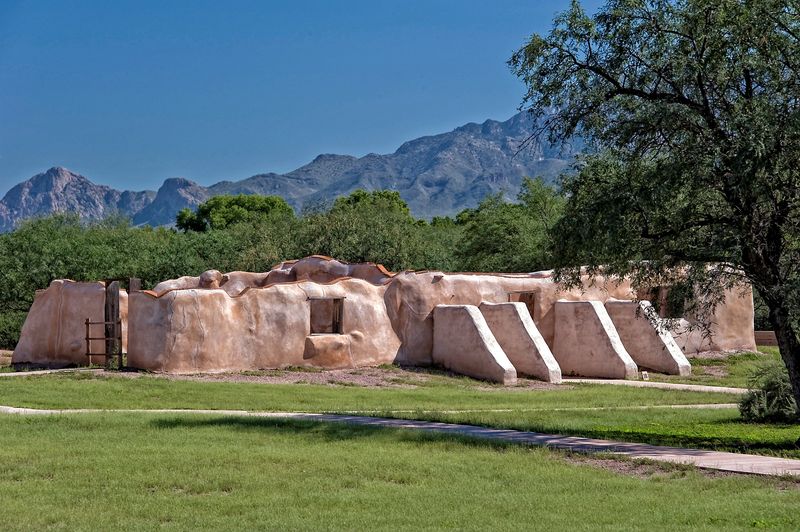
The park protects the ruins of three Spanish mission communities. The most famous of them is the adobe church at Tumacácori, which still stands in its imperfect, partly worn state.
A museum and visitor center round out the main site, so the history comes with plenty of context.
Run by the National Park Service, the grounds are known for being well maintained without being polished into something new. The buildings look old because they are old.
That honest approach is a big part of the appeal. It is also why a quick stop here often turns into a slow, curious afternoon.
Why Fee-Free Days Matter Here
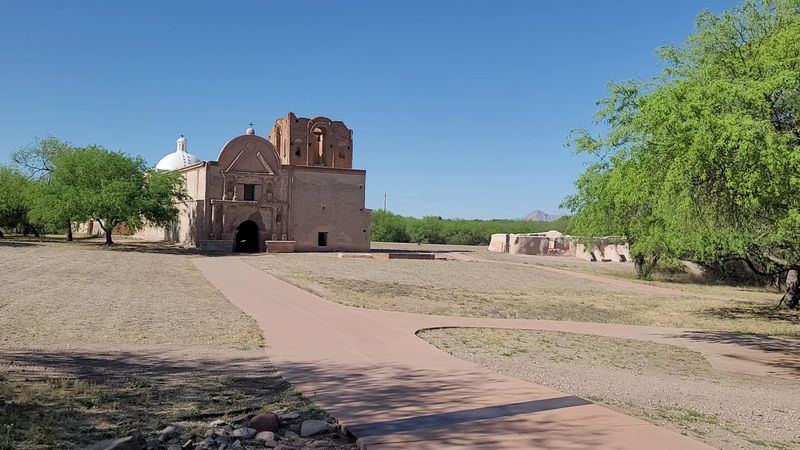
Free history is the best kind of bargain, and fee-free days turn this park into one of the easiest outings in the region.
On those designated National Park Service dates, entry to the old mission grounds costs nothing. Everything else stays the same: the ruins, the museum, the garden, and the trail access.
On regular days, an America the Beautiful pass also covers the visit. Pass holders can walk in and head straight for the film and the grounds.
Parking is free year-round in the off-street lot out front, so there is no hidden cost waiting at the curb.
Because the park is one of the less-traveled sites in the system, even a free day rarely feels packed. That gives families and history fans room to wander at their own pace.
Check the official NPS website for the current list of fee-free dates before you go. A little planning pays off, literally.
Centuries of Layered History
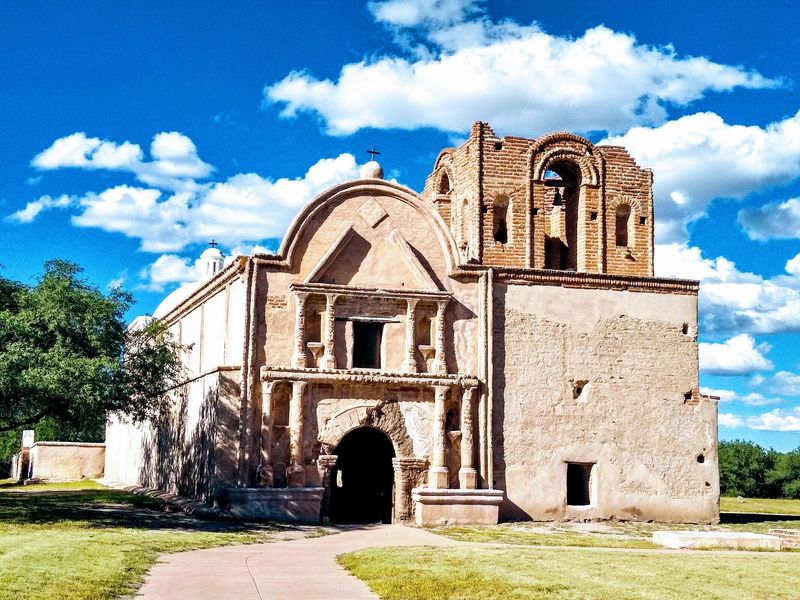
Few places pack so many chapters into such a small piece of land.
The mission story begins with Father Kino, the Jesuit priest who brought Catholicism to the O’odham people native to this area. Later decades brought shifts under late imperial Spain and then early Mexico.
Each government had its own policies toward religious orders and toward the various O’odham communities. The exhibits explain those changes clearly without overwhelming anyone.
American history eventually joined the timeline too, adding one more layer to the same ground.
The result is a story that is complicated rather than tidy. That complexity is exactly what makes it interesting.
The park shows how the Spanish mission system shaped the region and how its influence still reaches into the present day.
History buffs can easily spend a couple of hours here. Casual travelers usually leave knowing far more than they expected when they parked.
The Church That Was Never Finished
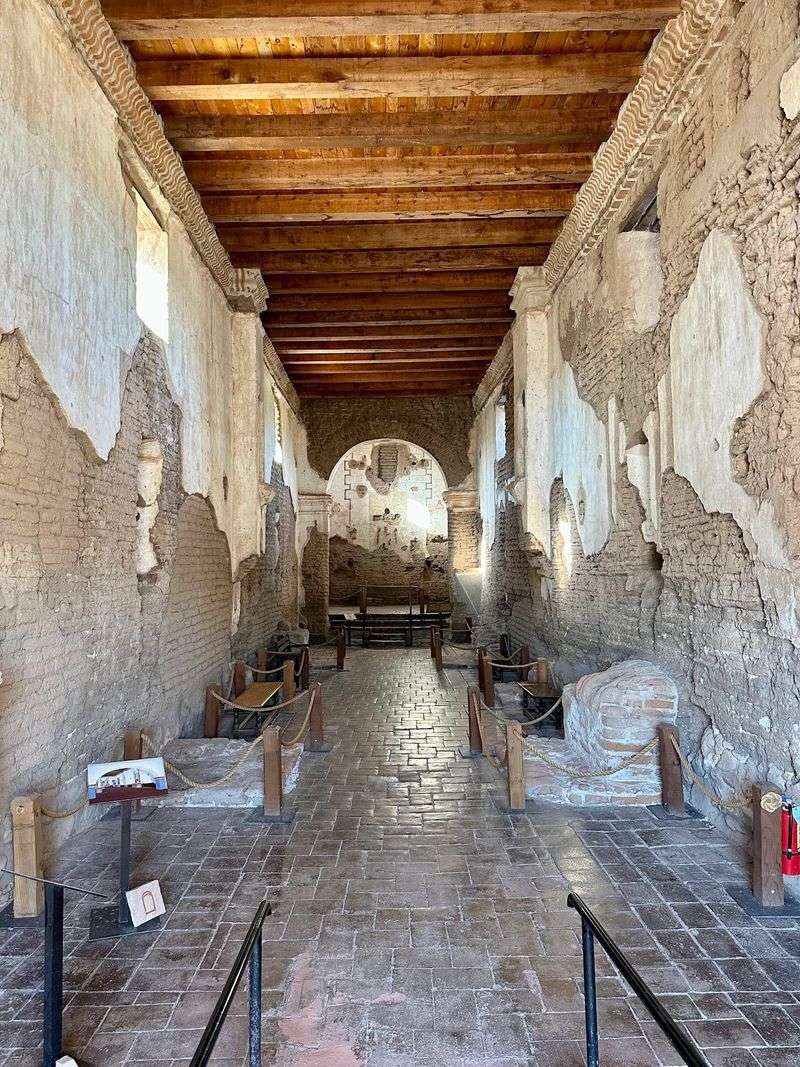
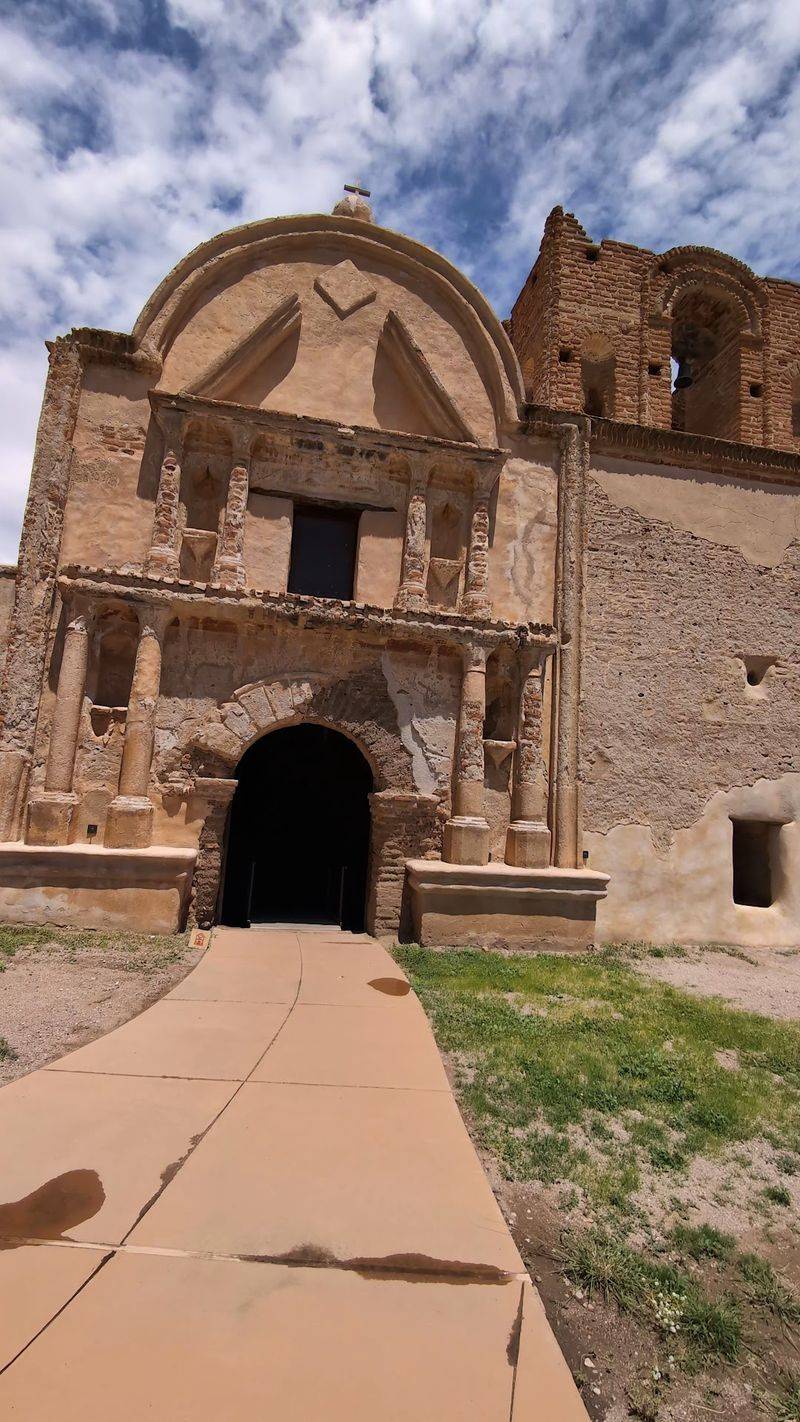
Here is a fun twist for your next trivia night: the famous church at Tumacácori was never actually completed.
Construction stopped before the builders reached the finish line, and the structure has been standing in that incomplete state ever since.
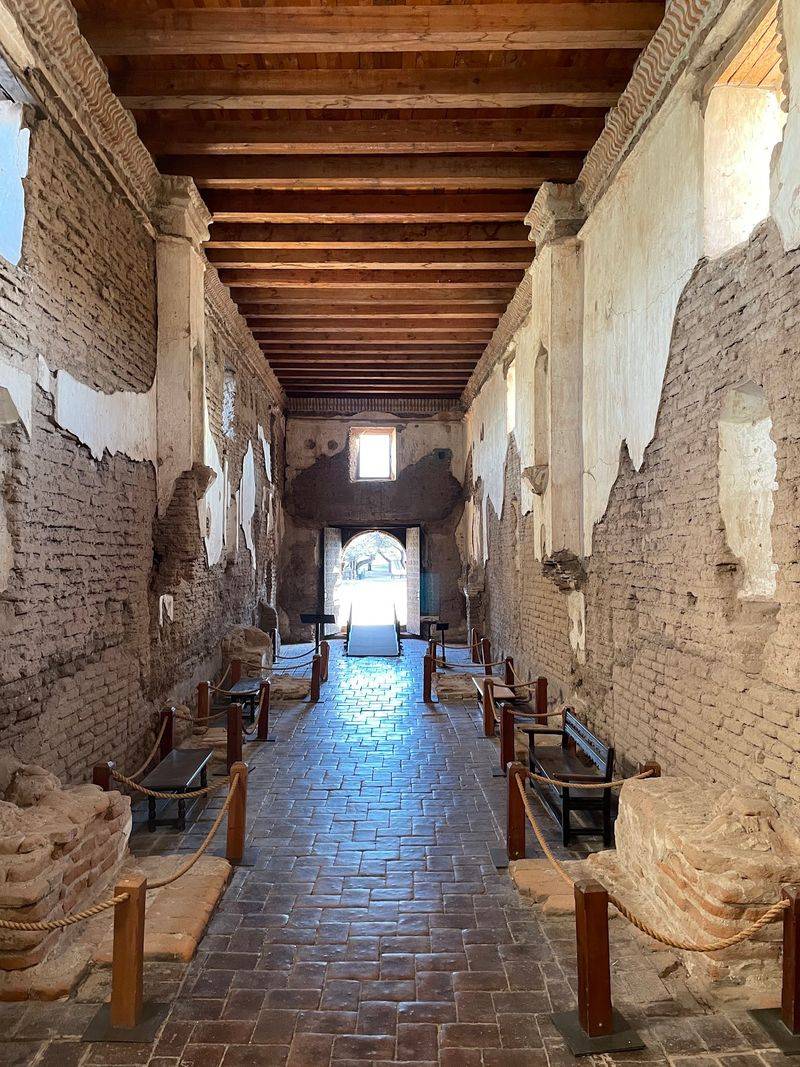
Rather than rebuild it to look brand new, the park has preserved it as it is. Worn adobe, exposed walls, and missing pieces are all part of the record.
Best of all, the church is not something to admire from a distance. The path lets you go inside and move through the interior spaces.
That access is the heart of the experience. Walking right through old adobe ruins gives the history a scale that photos cannot fully deliver.
Bring a camera and take your time in the doorways and corners. An unfinished building, it turns out, can tell a remarkably complete story.
Start With the Orientation Film
Seasoned park-goers have a simple rule: watch the movie first.
Right after entering the secured area, guests can catch a short introductory video. It lays out the background of the mission, the people who lived here, and the expeditions that passed through.
The film sets the stage for everything that follows. Ruins that might look like plain walls suddenly make sense once you know who built them and why.
It also covers the connection to the Anza expedition, which sought an overland route from Mexico to San Francisco.
The video is brief, so it will not eat into your exploring time. Kids tend to sit through it without fidgeting too much.
Think of it as the table of contents for the whole visit. Skip it, and you may spend the afternoon reading footnotes without the main chapter.
A Museum With Two Languages
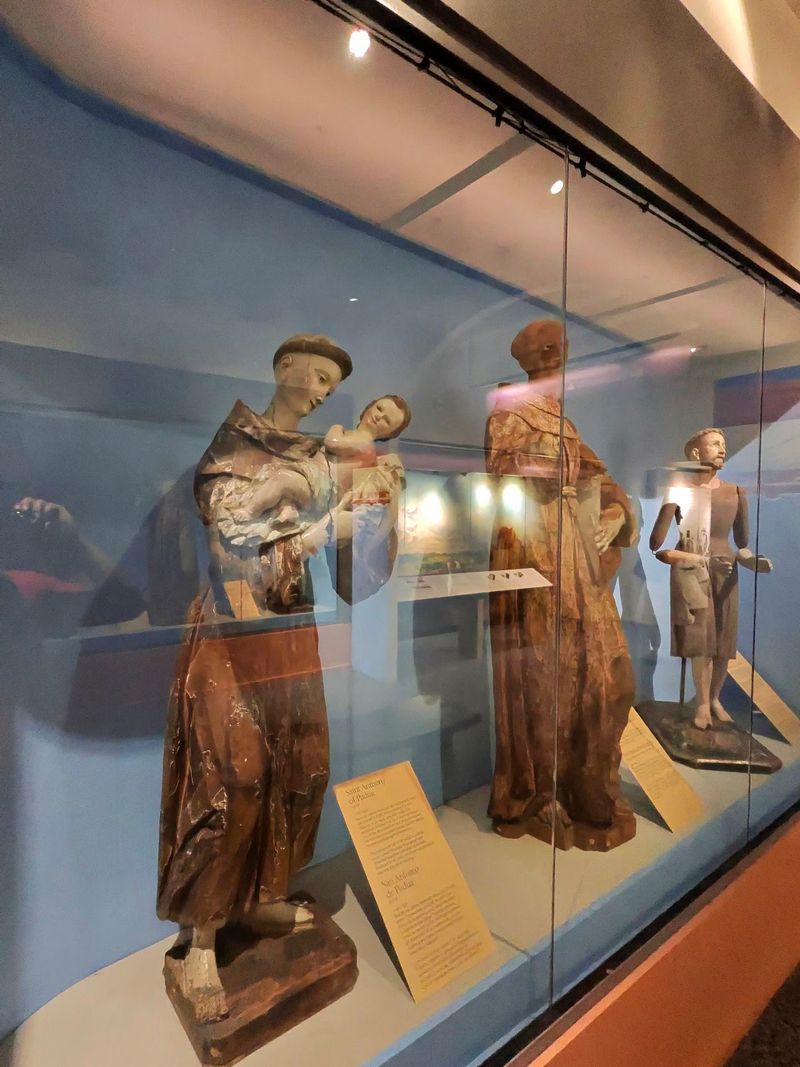
Artifacts, displays, and clear explanations fill the walk-through museum attached to the visitor center.
Exhibits are presented in both English and Spanish. That choice fits a park whose history belongs to communities on both sides of the modern border.
Native American displays share space with materials on the mission era. Together they give a fuller picture of who lived here and how daily life changed over time.
The layout is easy to follow, and the museum is not so large that it becomes tiring. You can move through it at a relaxed pace before heading outside.
Information is presented in a way that works for curious kids and serious history readers alike.
Plenty of guests call it very informative, and it pairs well with the film. Stop here before the grounds, and the ruins will start answering questions instead of raising them.
Arched Porches of the Visitor Center
Not every historic building on site dates to the mission era.
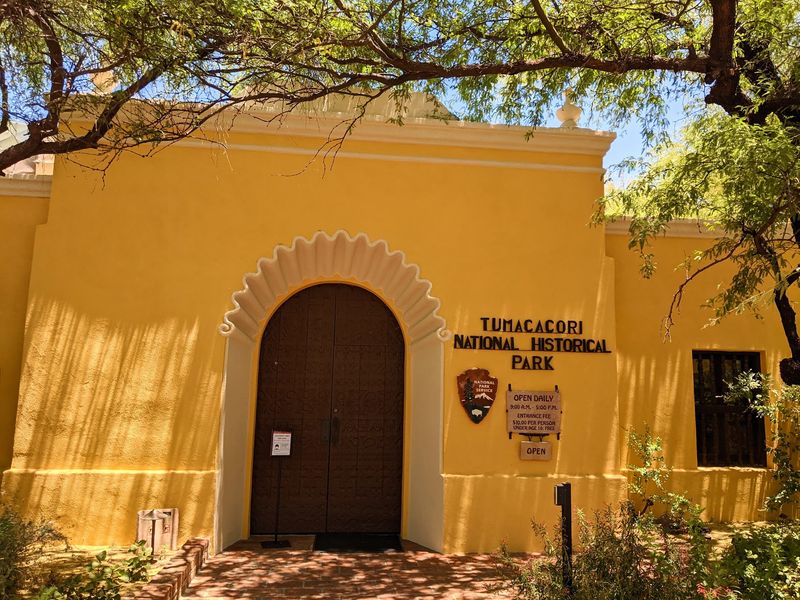
The visitor center itself was designed in the early 20th century to match the Spanish Colonial architecture the park preserves. It blends into the setting rather than competing with it.
Its long arched porches are a favorite feature. They offer shade and a handsome walkway between the museum, gift shop, and grounds.
Architecture fans will appreciate how carefully the design echoes the older structures. The building is part welcome desk and part exhibit in its own right.
Clean restrooms are located here, which is always welcome news on a road trip.
Take a few minutes to walk the full length of the arcade before heading out to the ruins. It is a pleasant transition from the present into the past, and the photos from under those arches tend to turn out well.
Self-Guided Symbols on the Grounds
Treasure hunters, rejoice, because the self-guided tour works a bit like a matching game.
A well-designed booklet and visitor map include small icons for key parts of the park. Look for the matching engraved symbol next to each building, then read the description that goes with it.
The system is simple enough for kids and detailed enough for adults. Directional maps and signage throughout the grounds are clear and easy to follow.
No one rushes you along the route. You can linger at one structure, skip ahead, or circle back whenever something catches your interest.
The walk passes the church, related ruins, and other mission features in a logical order.
It is a smart way to explore on your own schedule. By the end, the scattered adobe walls feel less like rubble and more like a neighborhood with a story behind every door.
Rangers, Volunteers, and Guided Walks
Friendly staff come up again and again when people talk about this park.
Rangers and volunteers are deeply knowledgeable and eager to share what they know. On a quiet off-season weekday, they often have extra time for questions.
Several different ranger tours are offered, and guided walks add depth that signs alone cannot provide. Some volunteer guides bring serious expertise in both the history and archaeology of the area.
At first glance, the site might not seem like much. A good guide changes that impression quickly.
Ask at the front desk about tour times when you arrive. Schedules can vary, so a quick check saves disappointment.
The staff also handle the gift shop and the Junior Ranger materials with the same welcoming attitude. Their enthusiasm turns a stop into a conversation, and that conversation is often what people remember long after the drive home.
The Orchard and Garden Courtyard
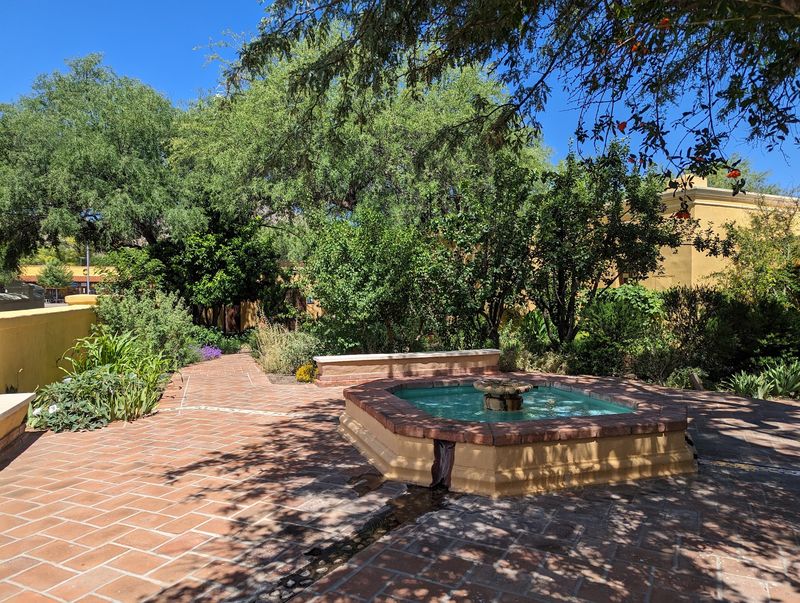
Missions were working communities, and the grounds still show it.
An orchard reflects the agricultural side of mission life. It helps explain how the community fed itself in this desert setting.
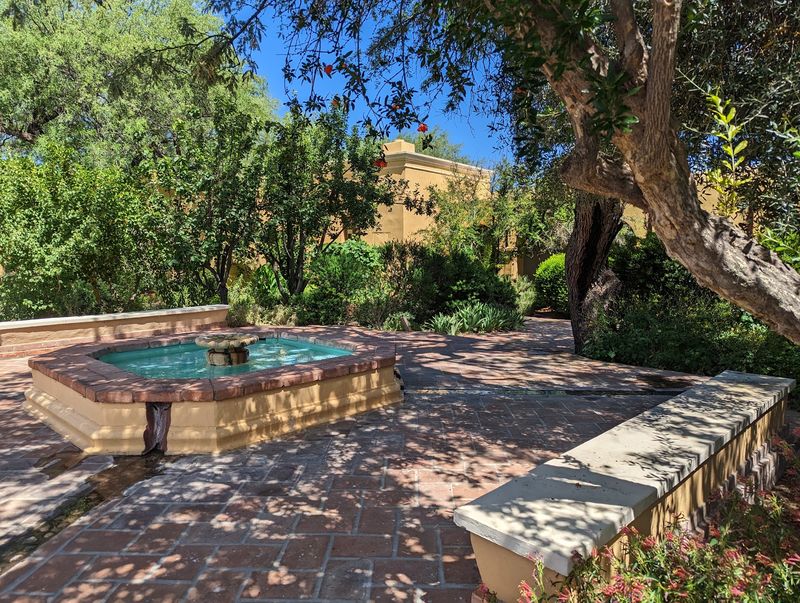
Nearby, a courtyard garden features edible plants and a surprising variety of species. Many people say not to skip this part, and they have a point.
Benches and shaded spots make it a natural place to slow down. Some guests admit they could have stayed for hours just watching the birds.
Flowers bloom heavily during certain seasons, adding color to the adobe backdrop.
The garden turns a history lesson into something living. It connects the old mission story to plants that still grow in the region today.
Plan a few extra minutes here between the ruins and the museum. A quiet pause in the courtyard may end up being the calmest moment of your whole day.
Trail Access to the Santa Cruz River
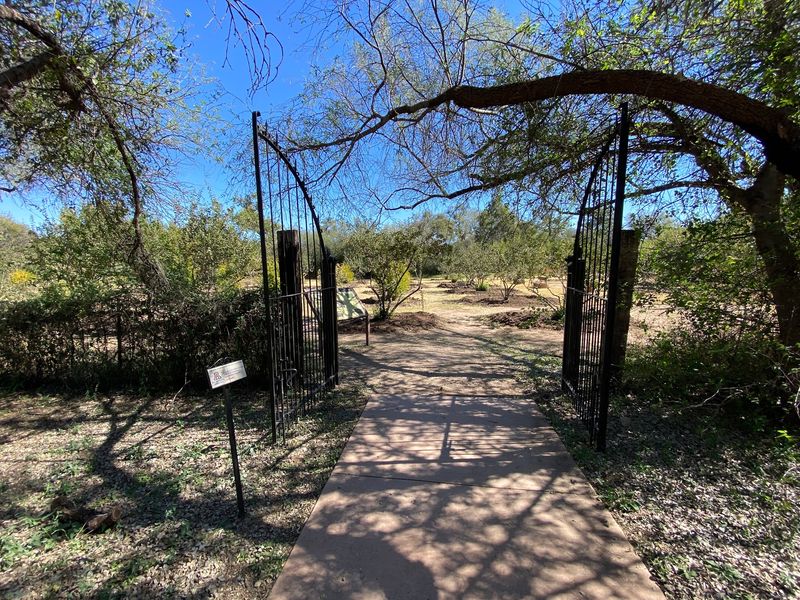
Tucked in one corner of the grounds is a doorway to a much bigger adventure.
From there, a walking section of the Juan Bautista de Anza trail connects to the Santa Cruz River. The trail links the park to the expedition story told in the film.
Here the river often has water in it, which is not always true farther north in Tucson. The riparian area along its banks offers a different side of the desert.
Birders love this stretch. Many species gather near the water and in the trees around the mission.
The walk adds variety to a visit that might otherwise focus only on buildings. It also gives kids a chance to stretch their legs after the museum.
Wear good shoes and bring water for the trail. History and nature share the same path here, and both deserve a little time.
Special Events After Dark
Bet you did not expect fireflies in Arizona.
The park is one of the few places in the state where they appear. Rangers have hosted firefly events that include an evening hike to the river.
Participants receive education, printed materials, and red flashlights for the walk. Rangers have even built a glowing firefly model to explain how the insects work.
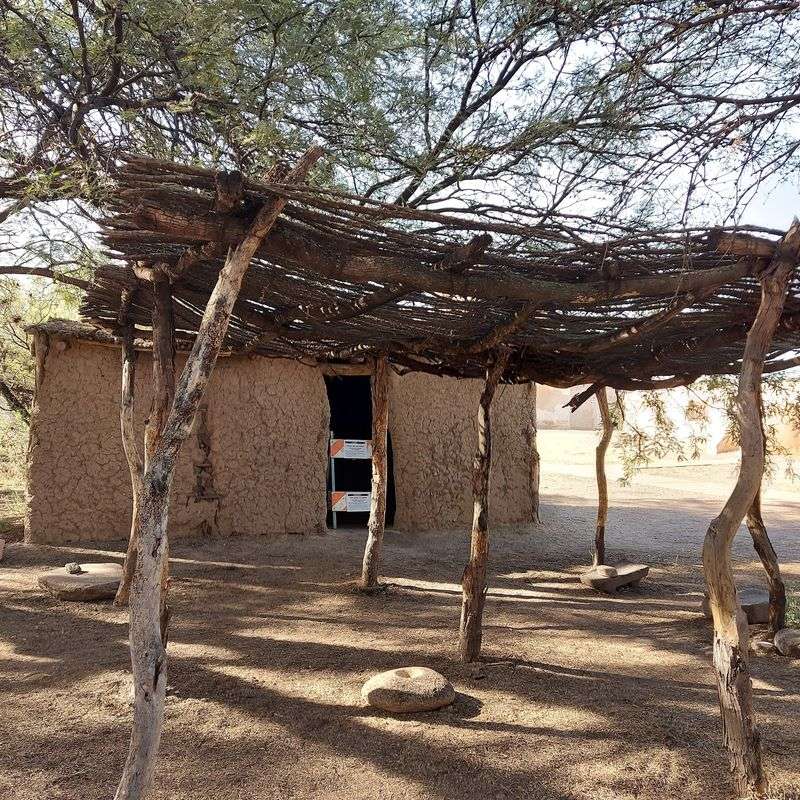
The ramadas used during these gatherings are made of mesquite, with roofs of ocotillo canes. They are a nice nod to regional building traditions.
Luminarias lighting events have also taken place at the mission in the past, and many hope the tradition continues.
Demonstrations of traditional cooking pop up on some days as well, so it pays to check the calendar.
These events are not daily fixtures. Watch the NPS website for announcements, because the park after hours offers a side most daytime guests never see.
Junior Rangers, Stamps, and Picnic Breaks
Families tend to find the size here just right.
The Junior Ranger program gives kids a mission of their own while they explore the mission. It keeps them engaged and adds a badge-worthy goal to the visit.
Park passport collectors should not forget the cancellation stamp at the visitor center. It is a small detail that many people nearly miss.
Picnic tables on the grounds make lunch easy. Bring your own meal and enjoy a break outdoors before heading back out.
The gift shop is small but well stocked, with a good selection of National Park items and regional books.
The site is mostly accessible for guests with mobility needs, and paths are well kept.
Because crowds stay light, kids can move around without feeling hemmed in. Parents get a relaxed outing, and young explorers go home with stories and maybe a shiny new badge.
Hours, Timing, and a Gentle Verdict
Planning is refreshingly simple.
The park is open daily from 9 AM to 5 PM, seven days a week. Arriving in the morning leaves time for the film, museum, ruins, garden, and river trail without hurrying.
Most guests spend about a couple of hours, though history lovers can stay longer. Quiet weekdays in the off-season offer extra time with rangers.
Nearby Tubac is worth adding to the same day for anyone wanting more to explore.
So is it worth the drive south from Tucson? The steady praise for the peaceful atmosphere, helpful staff, and walk-through ruins suggests yes.
Nothing here is flashy. The church is unfinished, the walls are worn, and that honesty is the point.
Catch it on a fee-free day, and the price becomes zero. The history, as it has for centuries, stays wonderfully rich.
Share this story