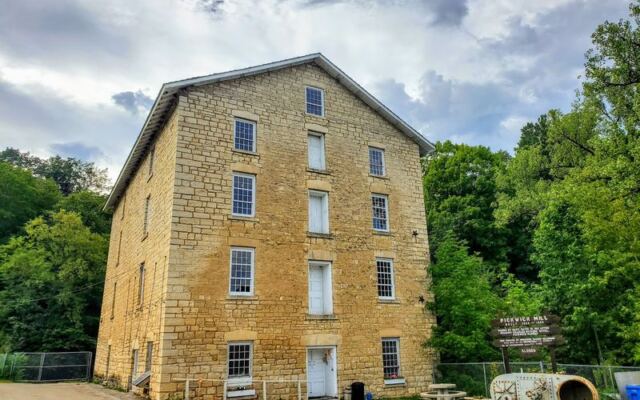
A 20-foot water wheel still turns beside a six-story stone mill in southeast Minnesota. That alone made me stop and stare at the screen.
The building rises from a quiet valley a few miles off Highway 61. Inside, much of the original milling equipment still sits in place.
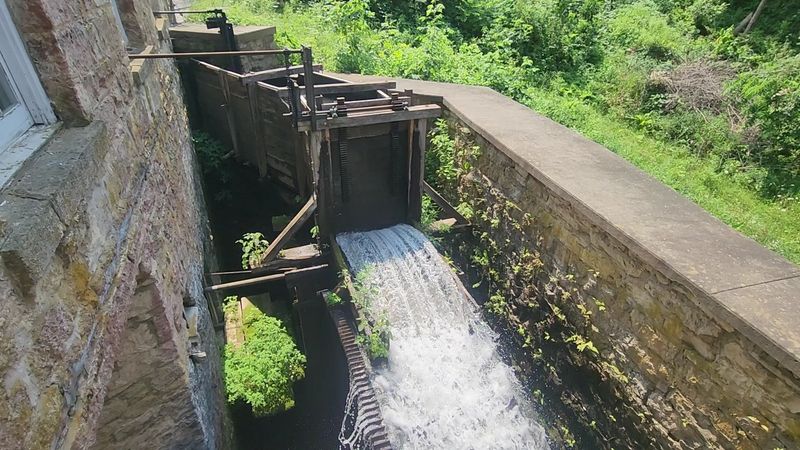
A small waterfall spills just a short walk from the parking area.
I like how unassuming the whole setup feels. There’s no flashy sign or giant gift shop.
It’s just limestone, timber, and moving water doing what they did generations ago.
I believe the best road-trip stops are the ones you almost drive past. This one has stairs that climb six floors and a scavenger hunt for kids.
So why do so few people know it’s here?
A Six-Story Mill Waiting In Bluff Country
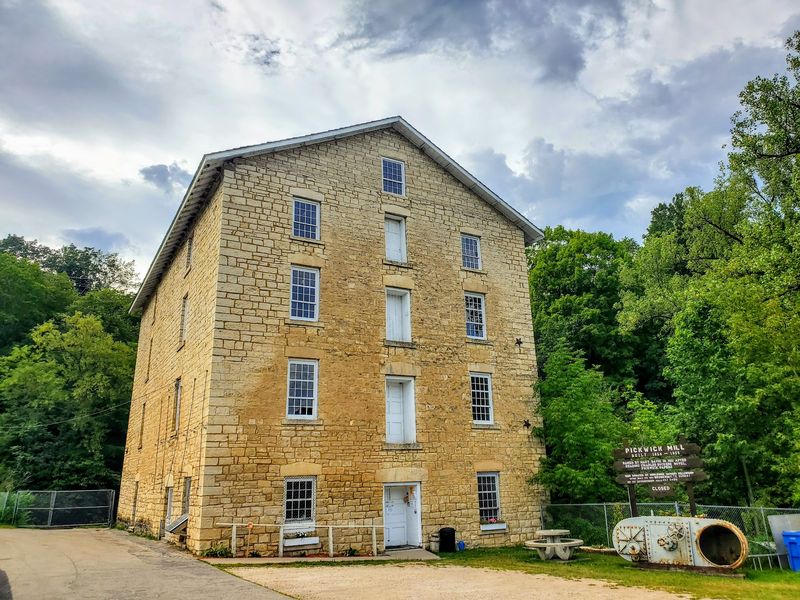
Stone walls, a millpond, and a valley lined with bluffs. That’s the first impression Pickwick Mill Inc delivers in southeast Minnesota.
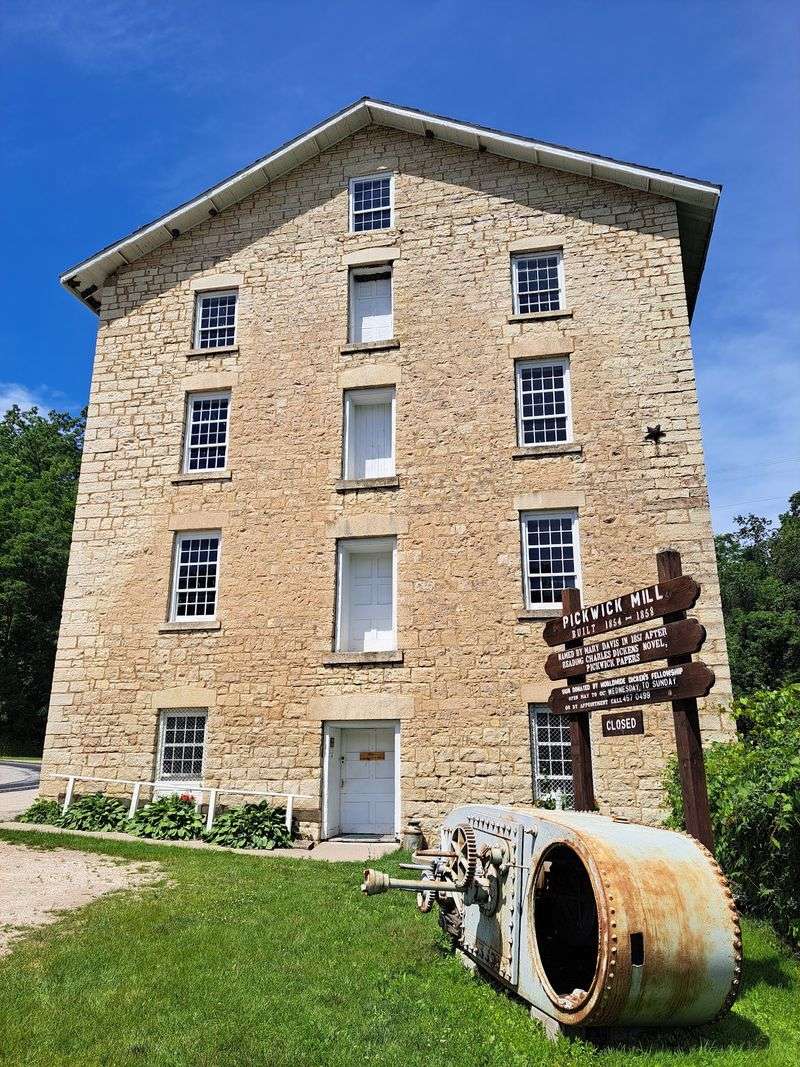
The mill sits in the small community of Pickwick, outside Winona. It operates today as a historic site and museum rather than a working business.
Six floors make it unusually tall for a historic mill. Many surviving mills from the era are far smaller and much less complete.
The limestone structure dates to 1858, according to the site’s history. That makes it older than many buildings found in Minnesota’s big cities.
Visitors can typically explore every level inside. A short film, displays, and old machinery help explain how the place once worked.
The setting matters as much as the building. Steep, wooded bluffs surround the valley and frame the mill like a postcard.
Drivers usually arrive along winding county roads. Those curves are part of the charm, especially when leaves start changing in autumn.
So what exactly makes this place worth the detour? The answer starts with water, wheat, and a surprising amount of craftsmanship packed into one sturdy structure.
Wheat, Water, And A Frontier Gamble
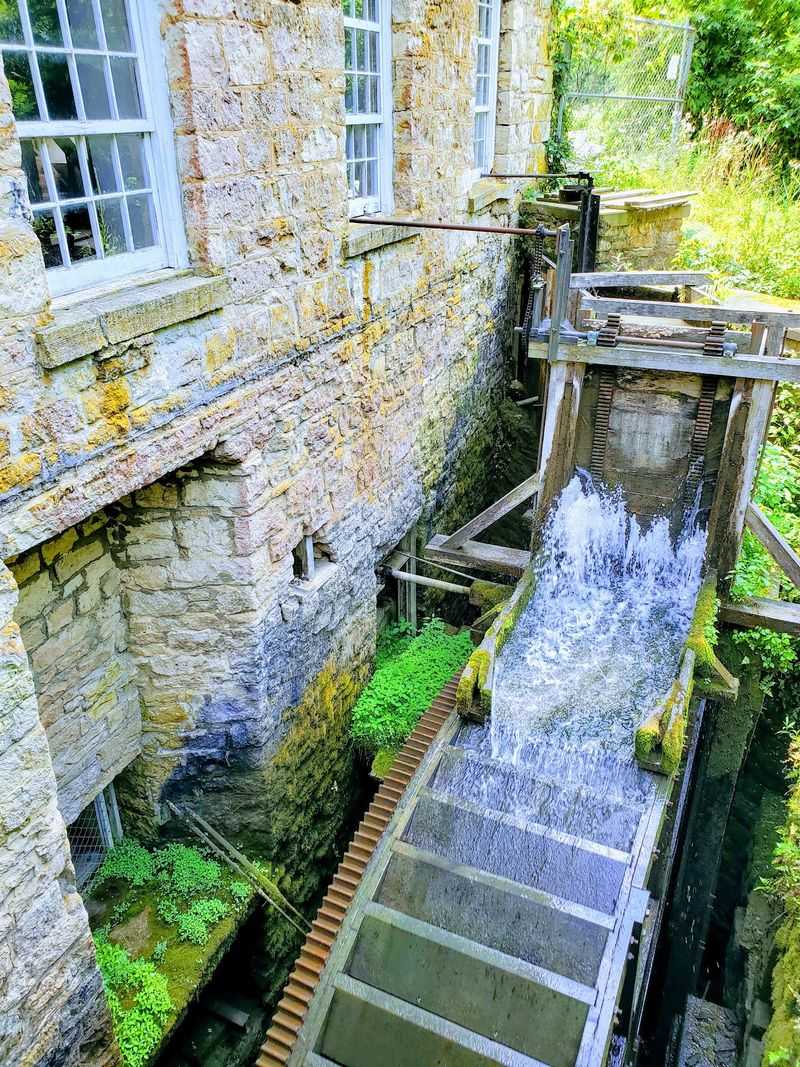
Wheat once ruled farm fields across southern Minnesota. Mills like this one turned those harvests into flour that families depended on.
Pickwick Mill Inc preserves that chapter of early Minnesota agriculture. Exhibits connect the building to the farming economy that shaped the region.
Here’s a fun twist worth noticing. Wheat isn’t a common crop in Minnesota today, and the mill helps explain why things changed.
The site’s story also stands out for simple survival. Most old mills across the Midwest were eventually lost to fire over the years.
This one still stands, still capable of running. That alone gives it rare status among historic mills in the Upper Midwest.
A video on site walks through major events in the mill’s long life. It’s an easy way to get the background before climbing upstairs.
Exhibits stay approachable rather than dry. You don’t need a history degree to follow along or enjoy the details.
Small-town Minnesota built this place with stone, timber, and determination. Standing inside, it’s easy to feel proud of that stubborn frontier spirit and the people who kept it going.
The Water Wheel That Steals The Show
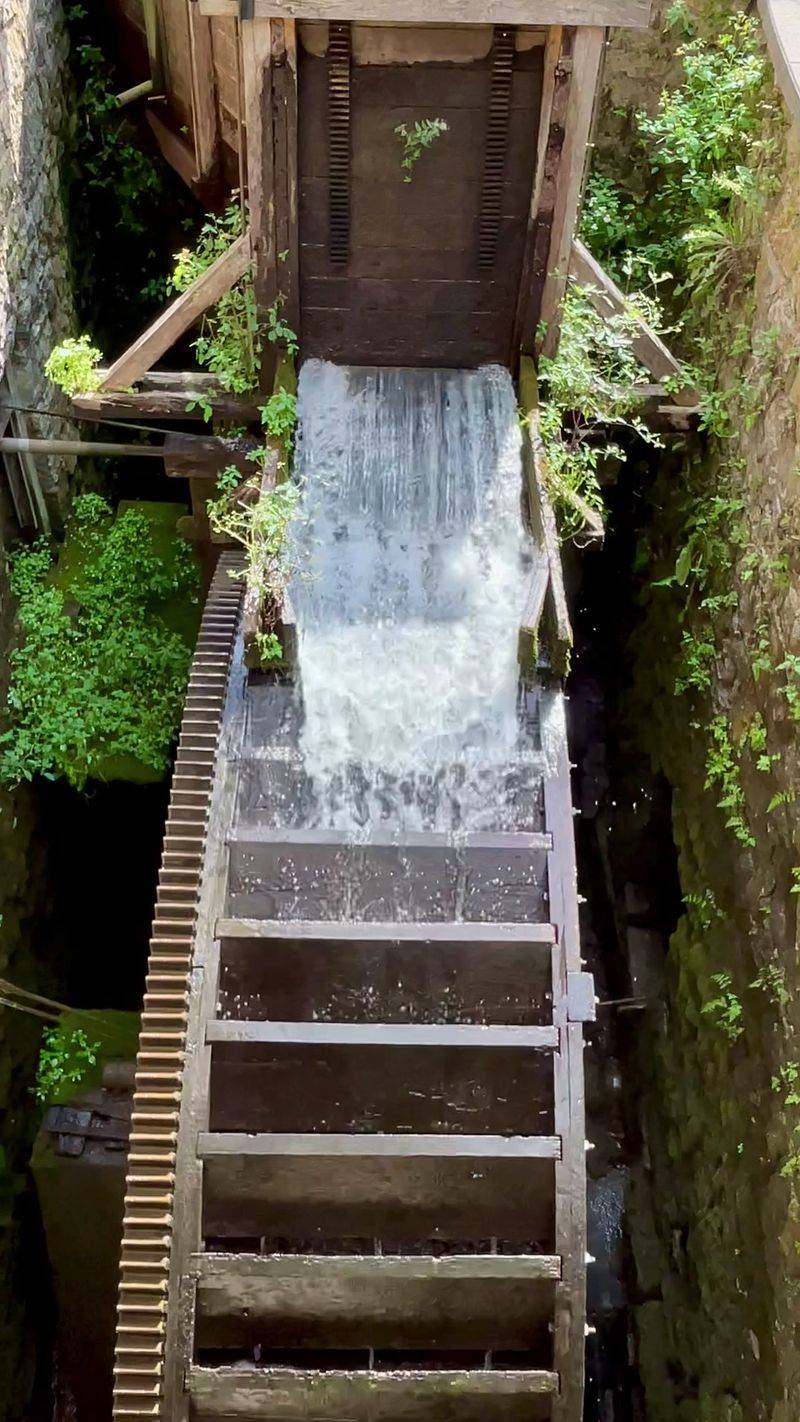
Twenty feet tall and still turning. The water wheel at Pickwick Mill Inc is the star, and nobody else stands a chance.
The wheel can power the mill’s machinery, linking you directly to how flour was once made. Guides typically start it up during tours.
Watching it move feels oddly hypnotic. Water pours, wood creaks into motion, and suddenly the old building seems wide awake again.
Not many places let you see this kind of power in action. Most historic mills offer static displays, and that’s about it.
Here, the motion tells the story better than any sign. You can see how gravity and water replaced muscle and sweat.
A video also shows the machines running throughout the building. That helps you trace the energy from wheel to gears to grinding stones.
Kids tend to grasp the idea right away. Adults might find themselves equally glued to the spinning spokes.
Big-city museums often keep machinery behind glass. In this Minnesota valley, the machinery actually moves, which feels like a small, satisfying win for the countryside and for anyone curious about how things work.
Six Floors Of Gears, Timber, And Steep Stairs
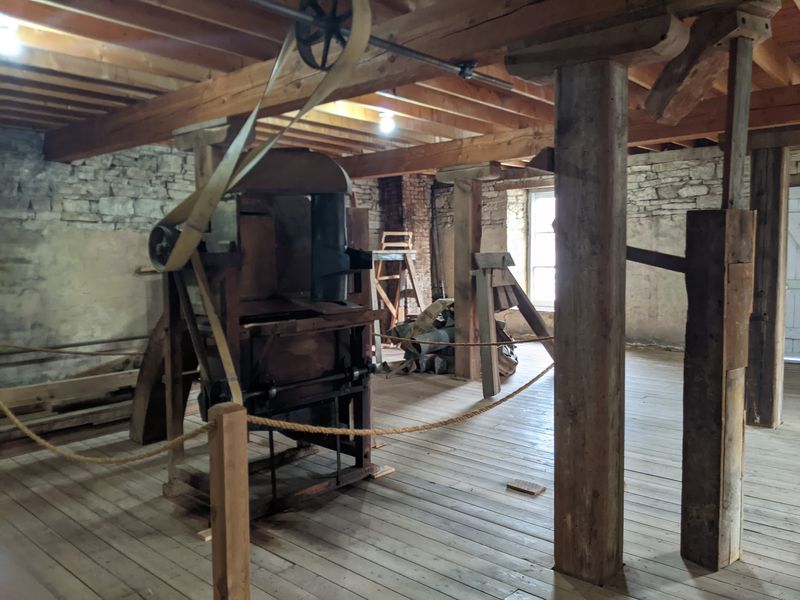
Better lace up those sneakers. Climbing all six floors here is part of the adventure, and the stairs are famously steep.
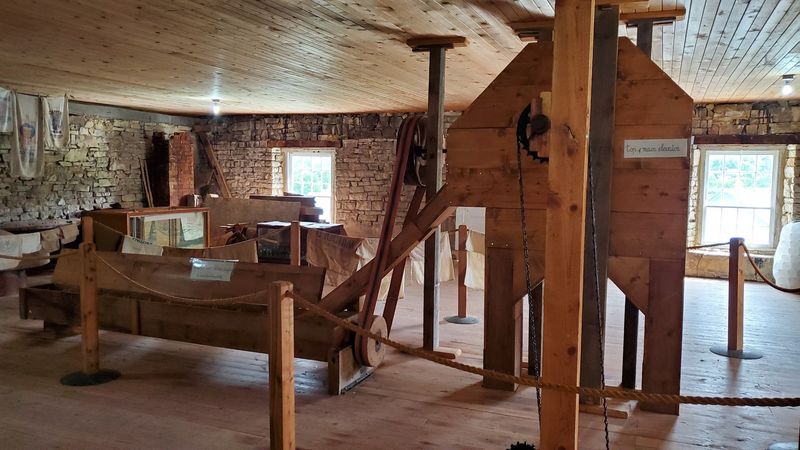
Each level reveals different pieces of the milling process. Much of the original equipment remains, alongside careful recreations that fill in missing parts.
The timber framing deserves a long look. Craftsmanship in the beams and joinery is one reason architecture fans make the trip.
The floor you enter from the road is the third level. From there, you can head up or down to explore the rest.
A small museum on the fourth floor adds displays and old-time objects. It’s a nice change of pace between machinery rooms.
Mobility is worth thinking about before you go. Anyone who struggles with stairs may find the upper and lower floors difficult.
Still, even a partial visit offers plenty. The entry floor and guided talk give a strong sense of the place.
Restoration work here feels authentic rather than polished for show. Wood looks like wood, stone looks like stone, and history gets room to breathe without shiny distractions.
Guided Talks With Friendly Volunteers
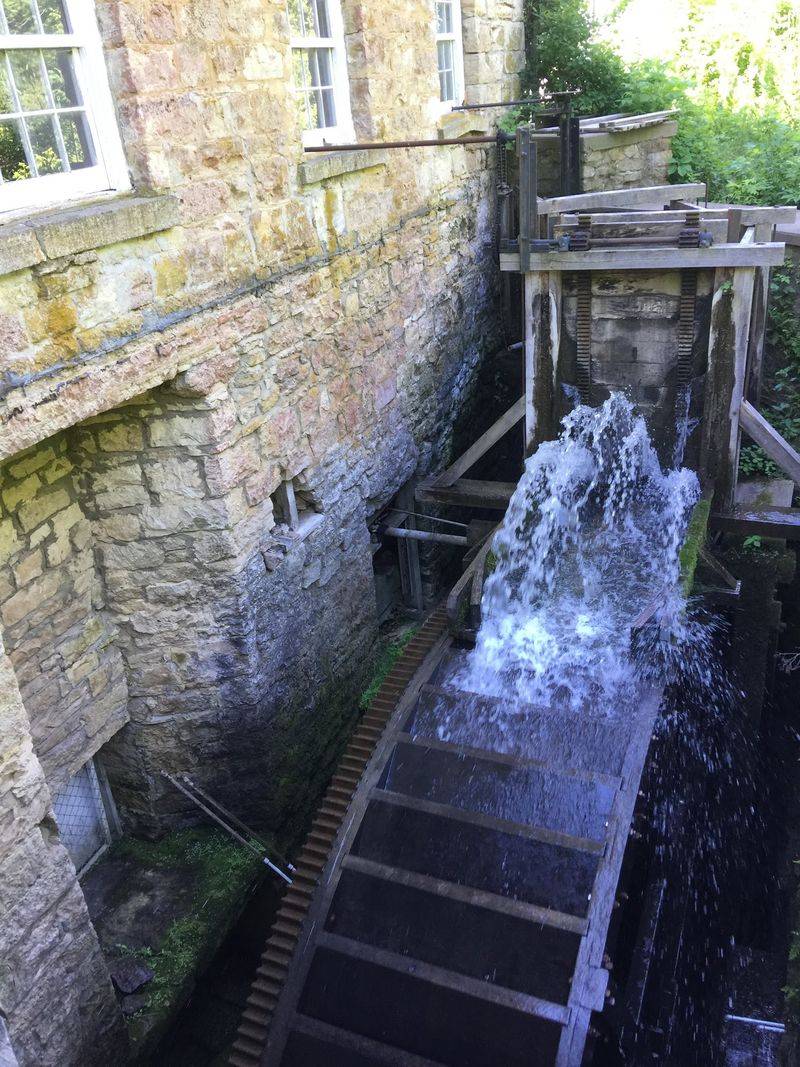
Questions are welcome here, even the strange ones. Staff and volunteers at Pickwick Mill Inc tend to love talking about the building.
Guided tours usually cover the entry floor in detail. Guides share stories about the mill’s past and how the machinery operated.
After that, many visitors continue on a self-guided route. An informational booklet typically helps explain what you’re seeing on other floors.
The mix works well for different travel styles. You get expert context first, then freedom to wander at your own pace.
Some tours have included starting the water wheel, the video, and all six floors. That fuller version may run roughly 45 to 60 minutes.
Guide enthusiasm comes through clearly in how the site is run. The place feels cared for by people who genuinely want it preserved.
That kind of volunteer energy is very Minnesota. Communities here often rally around local landmarks and keep them open for everyone.
Bring curiosity and maybe a notebook. You might leave knowing far more about grinding grain than you ever expected to learn on a lazy country drive.
A Little Waterfall Just Steps Away
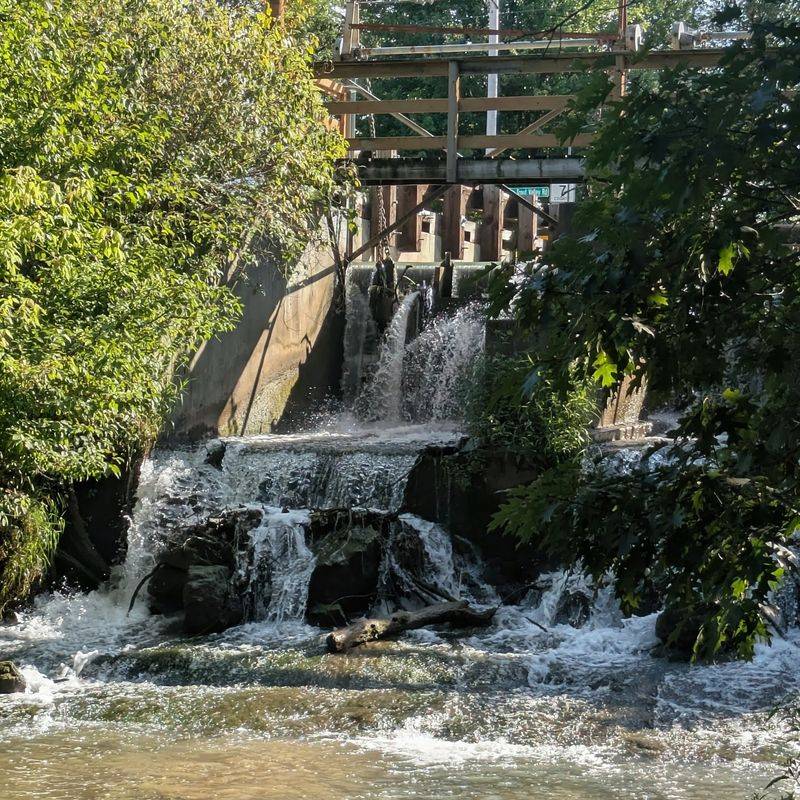
Few historic tours end with a waterfall. This one does, and it sits just a very short walk from the parking area.
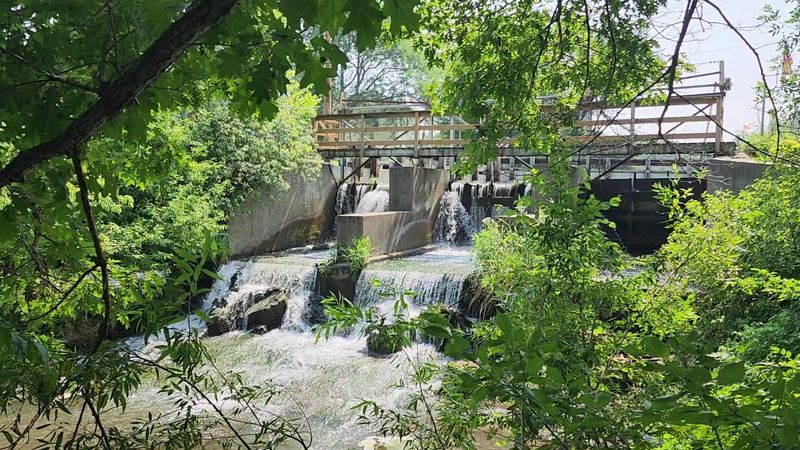
A dam and small falls sit near the mill along the creek. The scene adds a peaceful, outdoorsy finish to an indoor history lesson.
You can also walk down toward the river area to see the falls more closely. It’s an easy stroll for most people.
The pond beside the mill completes the picture. Water, stone, and greenery all work together in a calm little valley.
Photographers will appreciate the setting. The mill, the dam, and the moving water make for natural framing without much effort.
The waterfall also explains why the mill exists at all. That flowing water once powered everything happening inside those limestone walls.
Even on days when the building is closed, the falls remain a pleasant stop. A quick look can still brighten a backroad drive.
Small-town Minnesota does scenic moments quietly and well. No crowds of tour buses, no velvet ropes, just a pretty cascade beside a very old mill.
Scavenger Hunts For Curious Kids
Worried the kids will get bored without screens? The mill has a clever answer in the form of a scavenger hunt activity.
Young visitors can search for items as they explore the floors. It turns a history tour into a game with goals and small victories.
The approach suits families wanting a low-tech outing. Children get to move, look closely, and feel proud when they finish.
The spinning water wheel helps too. Few things grab a young imagination faster than giant machinery suddenly coming to life.
Keep the stairs in mind with little ones. Steep steps mean holding hands and moving slowly is a smart plan.
Grandparents and grandkids make a natural pairing here. Older generations can share stories while younger ones race toward the next clue.
Value-minded families will appreciate how much is packed into one visit. History, nature, and a game all happen in a single stop.
A completed scavenger sheet also makes a fun keepsake. Kids may want to show it off once they’re back home in the car.
Autumn Drives Through The Bluffs
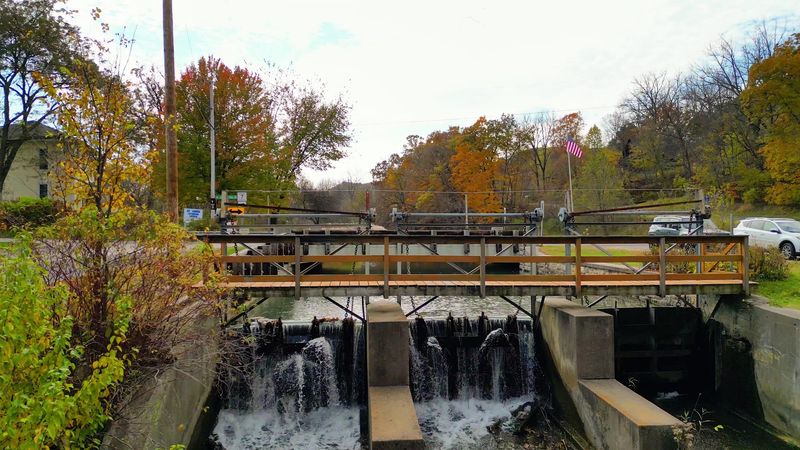
Fall color and old stone go together beautifully. The drive to the mill passes through some of Minnesota’s prettiest bluff country.
The mill sits about five miles off Highway 61. That route runs along the Mississippi between Winona and La Crosse, Wisconsin.
Leaf-peepers often fold the mill into a scenic loop. It fits naturally into a day spent wandering valley roads and river towns.
Summer brings green ridges and long afternoon light. Late season brings reds and golds that make the limestone look even warmer.
Because the mill is seasonal, timing matters. Plan your drive during the open months so you’re not stuck admiring it only from outside.
The surrounding countryside rewards slow travel. Farm fields, wooded slopes, and quiet curves make the journey feel like part of the destination.
Twin Cities travelers can treat this as a classic road trip. It pairs easily with a visit to downtown Winona or a Mississippi overlook.
Big-city traffic feels far away out here. The valley offers something rarer: room to roll down the windows and simply enjoy the scenery.
Hours, Admission, And Cash Tips
Timing is everything with this stop. The mill typically opens Wednesday through Sunday from noon to 5 p.m. during its season.
Monday and Tuesday are usually closed days. Because operations are seasonal, it’s smart to confirm before setting out.
Admission is modest and often cash only. Bring bills so you’re not hunting for an ATM in a quiet rural valley.
Guided tours have often been included with admission. That makes the visit feel like solid value compared with many city attractions.
Plan for anywhere from about 30 minutes to an hour. A quick walkthrough moves fast, while a full tour stretches things longer.
Good footwear helps more than you might expect. Those steep stairs reward sturdy shoes with grip.
The museum feels low-key and unhurried. You won’t find long lines or complicated ticket systems, just simple, friendly operations.
For Minnesota travelers who love a genuine bargain, it checks the box. History, a working wheel, and a waterfall make the small cost feel well spent on any afternoon.
Finding Your Way To County Road 7
GPS helps, but a little planning helps more. The mill sits at 24813 County Rd 7, Winona, MN 55987.
Most drivers reach it from Highway 61 along the Mississippi. The mill is roughly five miles inland from that river route.
Roads near the valley can wind and dip. Take curves slowly and enjoy the scenery rather than rushing.
Parking at Pickwick Mill Inc is limited. Arriving earlier in the afternoon may make finding a spot easier.
Road work has affected nearby routes in past seasons. Checking current conditions before you leave can save frustrating detours.
Cell signal in valleys can sometimes be spotty. Downloading directions ahead of time is a simple safeguard.
Winona makes a convenient base for the trip. You can explore town, then head out for an afternoon at the mill.
From the Twin Cities, it’s a manageable day trip through southeast Minnesota. The drive itself offers river views, bluff scenery, and plenty of small-town character along the way to this limestone landmark.
Why This Old Mill Earns The Detour
Some stops fill time. Pickwick Mill Inc fills your head with stories, gears, and the sound of moving water.
It offers a rare combination in one compact visit. You get early farming history, impressive craftsmanship, and a scenic waterfall nearby.
The water wheel alone makes it memorable. Seeing 1800s power in motion beats reading about it in any textbook.
Families, history fans, and architecture buffs all find something here. Even casual travelers passing through can enjoy a short, satisfying break.
Value adds to the appeal. Modest admission and helpful guides make it an easy yes for budget-minded road trippers.
Preservation is the real hero of the story. Dedicated people keep this limestone giant open so others can learn from it.
Minnesota doesn’t need flashy attractions to impress visitors. Places like this prove small valleys can hold treasures big cities can’t copy.
So grab some cash, wear sturdy shoes, and point the car toward bluff country. Then tag a friend who loves history, because this backroad stop is meant to be shared.
Share this story