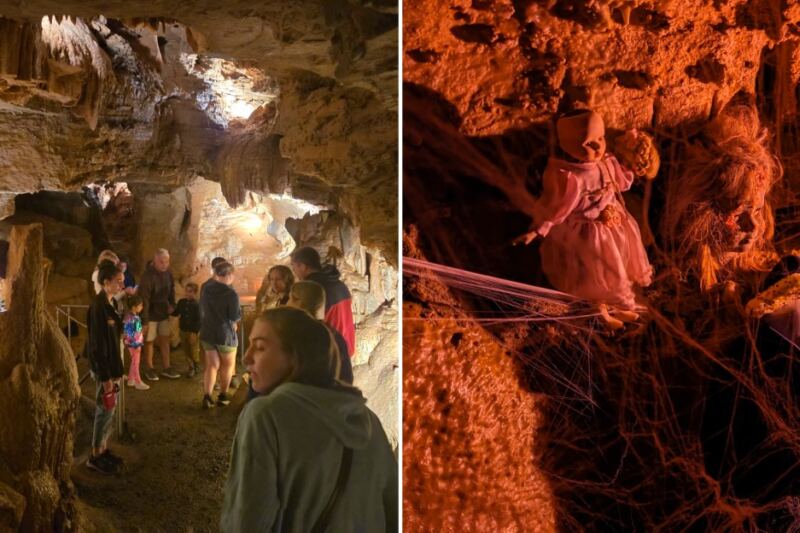
A coral reef that formed roughly 400 million years ago is still visible inside a small Pennsylvania cave. Instead of lying beneath the ocean, its fossil-filled rock layers now stand nearly upright, allowing visitors to walk right beside them.
Coral Caverns in Manns Choice, near Bedford, offers guided tours through this unusual geological formation. The walls preserve evidence of marine life from a time when much of the region was covered by a shallow sea.
The family-run attraction also has a small museum with fossils and historical displays. Tours require advance arrangements, but the chance to see an ancient reef still embedded in the cave walls makes this an unusual Pennsylvania road trip stop.
Meet the Cave With a Reef Inside
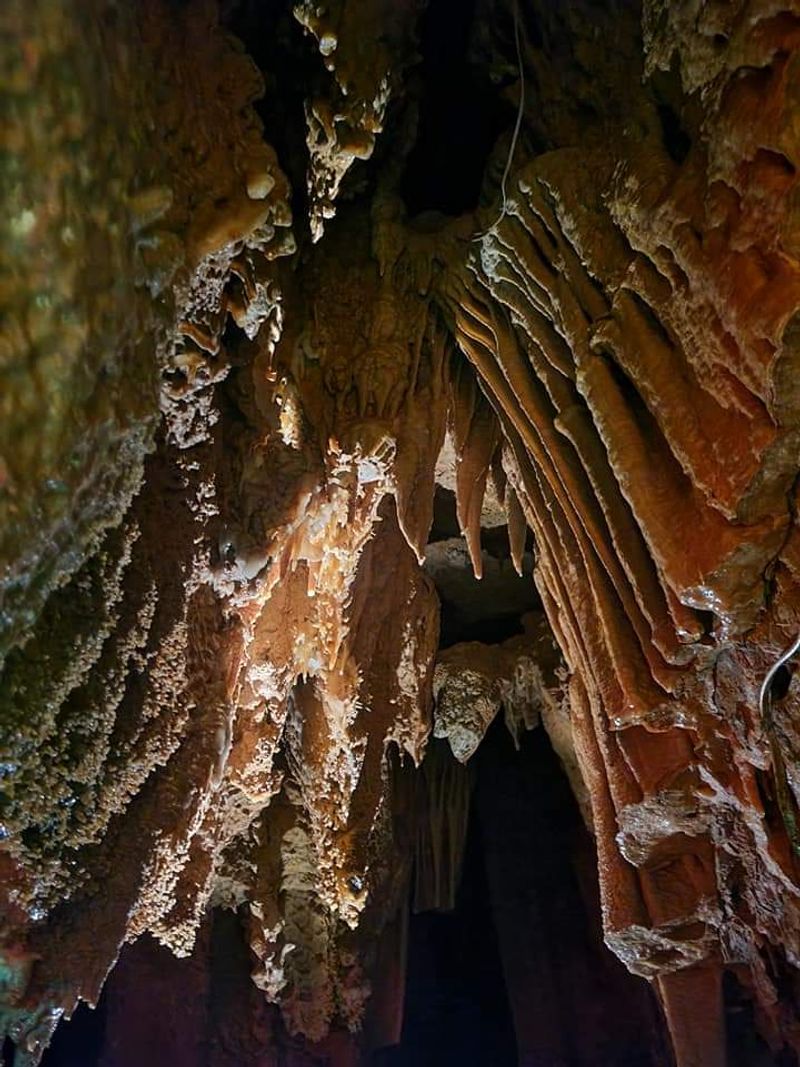
Most caves are carved from plain limestone, but this one is carved from an old reef. Coral Caverns sits on Coral Caverns Private Driveway in Manns Choice, Pennsylvania, just west of Bedford in Bedford County.
The cave is small, and that works in its favor. Tours stay personal, and the focus lands on learning rather than rushing from one flashy room to the next.
I like that the whole experience feels built around real geology instead of gimmicks.
Inside, fossil structures from an ancient sea cover the walls. The reef formed when this part of North America sat under warm, shallow water, long before any mountains rose here.
Over time, the land shifted and the reef was pushed upward and tilted.
That tilt is the key to the whole visit. Because the reef stands on its side, you can see layers that would normally be buried flat and hidden.
It is like reading a history book that someone turned upright for easy viewing.
The family who runs the cave treats it as a place to teach. Before heading underground, though, it helps to know how a reef ended up inside a Pennsylvania mountain in the first place.
A Sea That Once Covered Bedford County
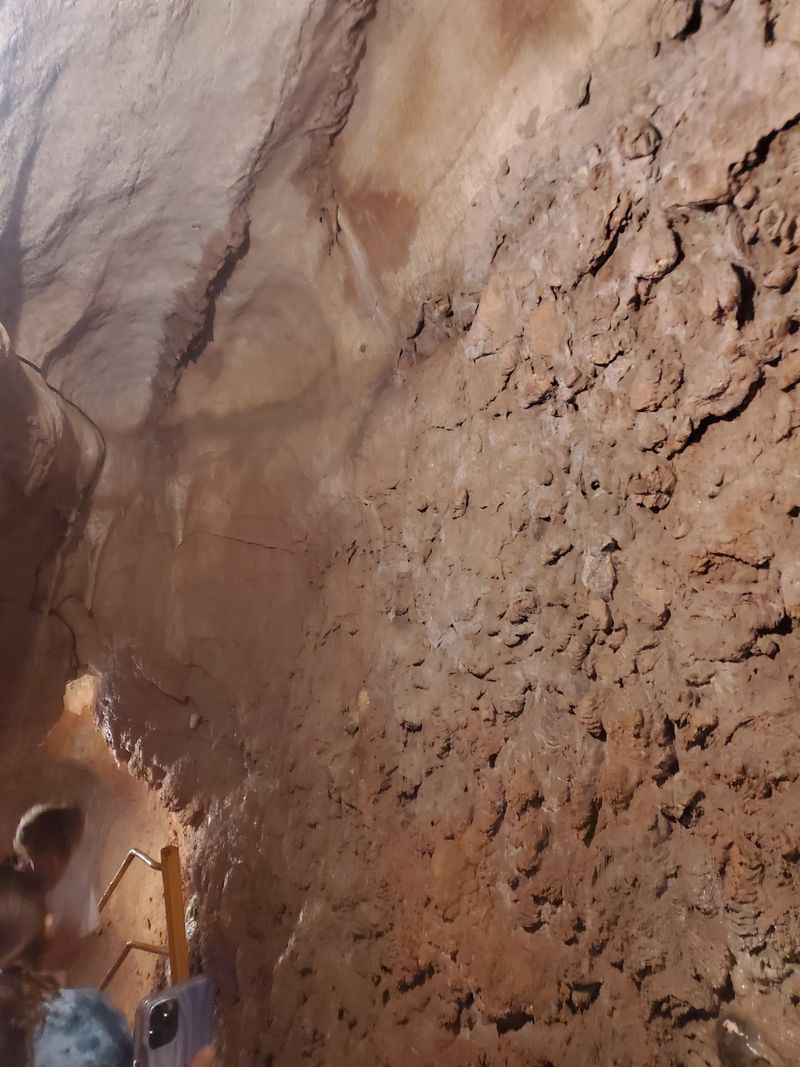
About 400 million years ago, the ground under Bedford County was the floor of a shallow sea. Corals, shelled creatures, and other small sea animals built up a reef layer by layer over a very long time.
Picturing that is not easy when you are surrounded by forested ridges. Still, the evidence is right there in the rock.
The cave walls hold the hardened remains of creatures that lived in clear, warm water.
So how did a reef climb into the mountains? Huge forces in the Earth slowly squeezed this region.
Those forces folded rock layers and lifted them high, forming the Appalachian ridges people drive through today.
As the land bent, the reef got tipped on its side. Water later trickled through cracks and dissolved some of the rock, opening the passages that became the cave.
I find it fascinating that one hillside holds both the sea story and the mountain story at once. Guides at Coral Caverns explain this process step by step, which helps the walls make sense once you see them up close.
Speaking of guides, the people leading these tours deserve their own spotlight.
The Father and Son Behind the Tours
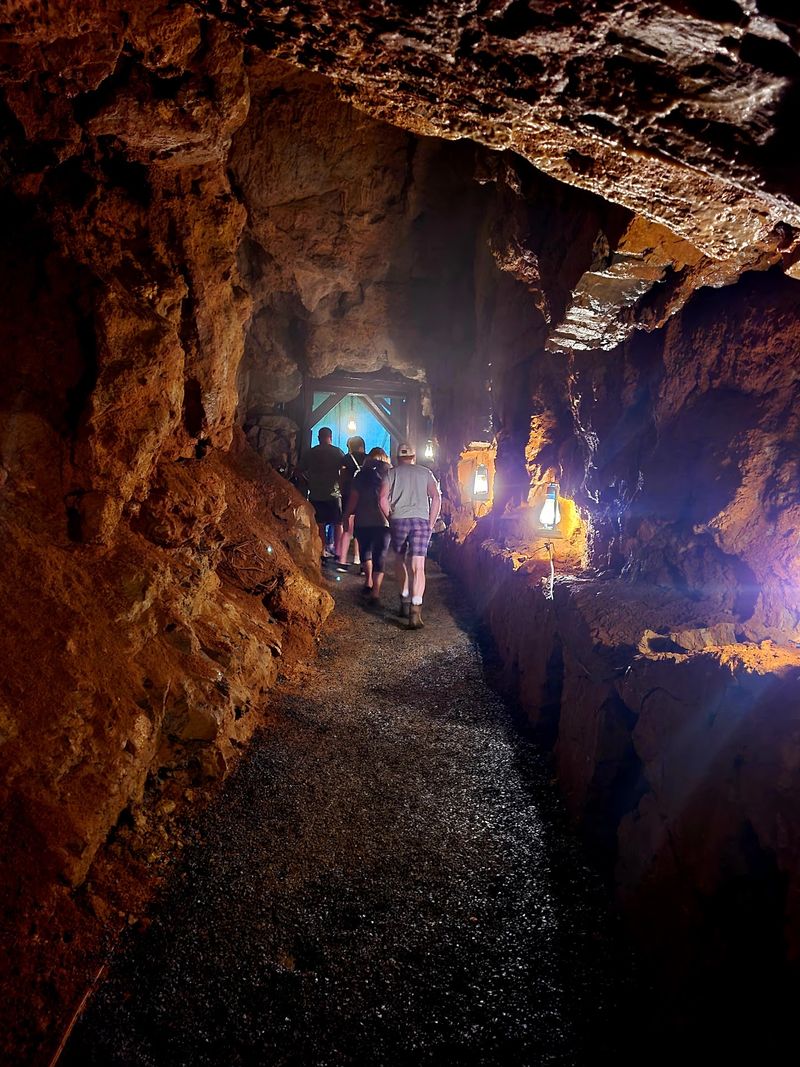
Family businesses carry a special kind of pride, and you can feel it here. Coral Caverns is privately owned and run by Bill and his son Max, who share the work of welcoming guests and leading tours.
Bill often greets visitors and shares scientific background before the group heads underground. He clearly knows a great deal about the geology and history of the cave.
Think of it as a quick science lesson that sets up everything you will see.
Max usually leads the walk through the cavern. He talks about the fossil structures, how old they likely are, and how the reef traveled to its current resting spot.
He also mixes in humor, answers questions along the way, and suggests good spots for group photos.
There is another fun detail. Max has been working on clearing out a lower section of the cave that filled with dirt decades ago.
That digging could make the cave system larger over the next ten to fifteen years.
So the cave is still changing, slowly, by hand. Before you get to meet either of them, though, you will need to sort out one easy but important step.
Book Your Tour With a Simple Text
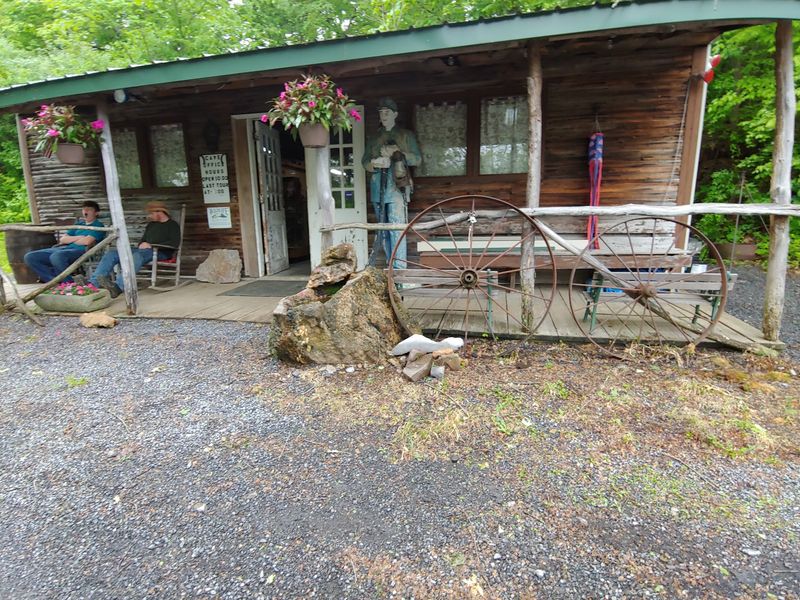
Planning ahead matters at this cave more than most. You can’t just wander up and expect a tour to be starting, because visits work by appointment.
The good news is that booking is easy. Instead of a fancy online system, you text the cave’s listed number and ask for a time.
Replies tend to come back quickly, and some people even set up a tour on the same day.
Hours are short, so timing counts. Google lists tours running from 10 a.m. to 1 p.m. on most days, with Mondays closed.
Schedules can shift, so a quick check by text before driving out is smart.
One visitor learned this the friendly way. She showed up at 10 a.m. without a reservation and came back an hour later for her tour.
A short message would have saved that wait.
I like how personal this setup feels. You are talking directly with the family who runs the place, not a call center.
Once your time is set, the next thing to think about is what to bring, starting with how you will pay.
Bring Cash and a Light Jacket
Here is a tip that can save some awkward moments: bring cash. Coral Caverns does not take cards, so plan on paying with cash or a check.
That goes for the tour and for anything you pick up afterward. If you have kids who love collecting things, a little extra cash will come in handy in the fossil shop.
Clothing is the other thing to plan. Caves stay cool year-round, so it can feel chilly underground even during a hot summer.
A light jacket or sweatshirt is a smart move, and one past visitor specifically suggested it.
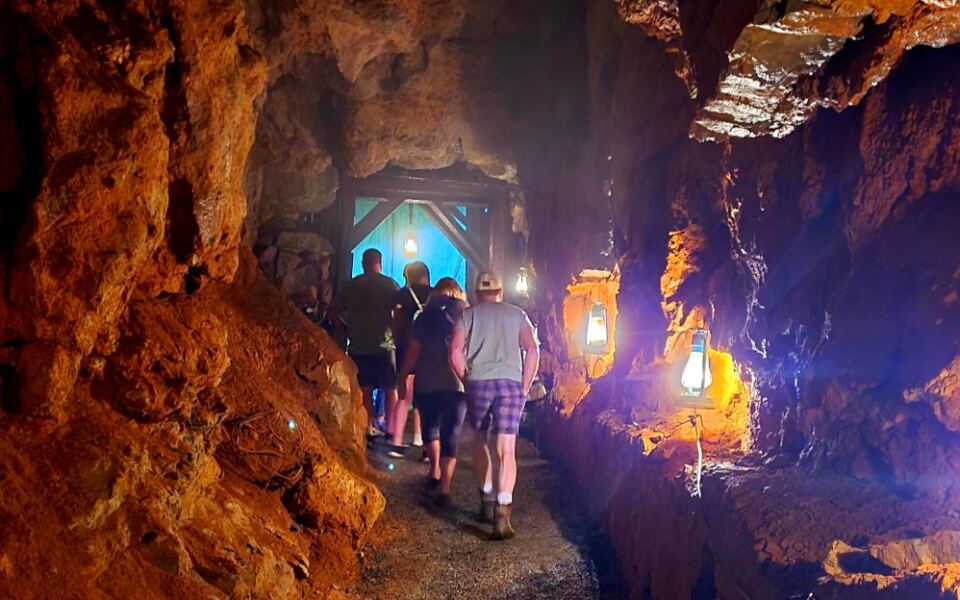
Shoes matter too. The path includes a few stairs, but most of the walk is on gravel-type stones.
Sturdy sneakers with good grip will feel much better than sandals or flip-flops.
The tour runs roughly an hour, and visitors often spend a bit more time chatting and browsing. Keeping that in mind helps you plan the rest of your day around Bedford.
Once you are dressed and ready, the real fun begins. The cave walls are waiting, and they are covered with something you rarely see this clearly anywhere.
Fossil Walls Tipped on Their Side
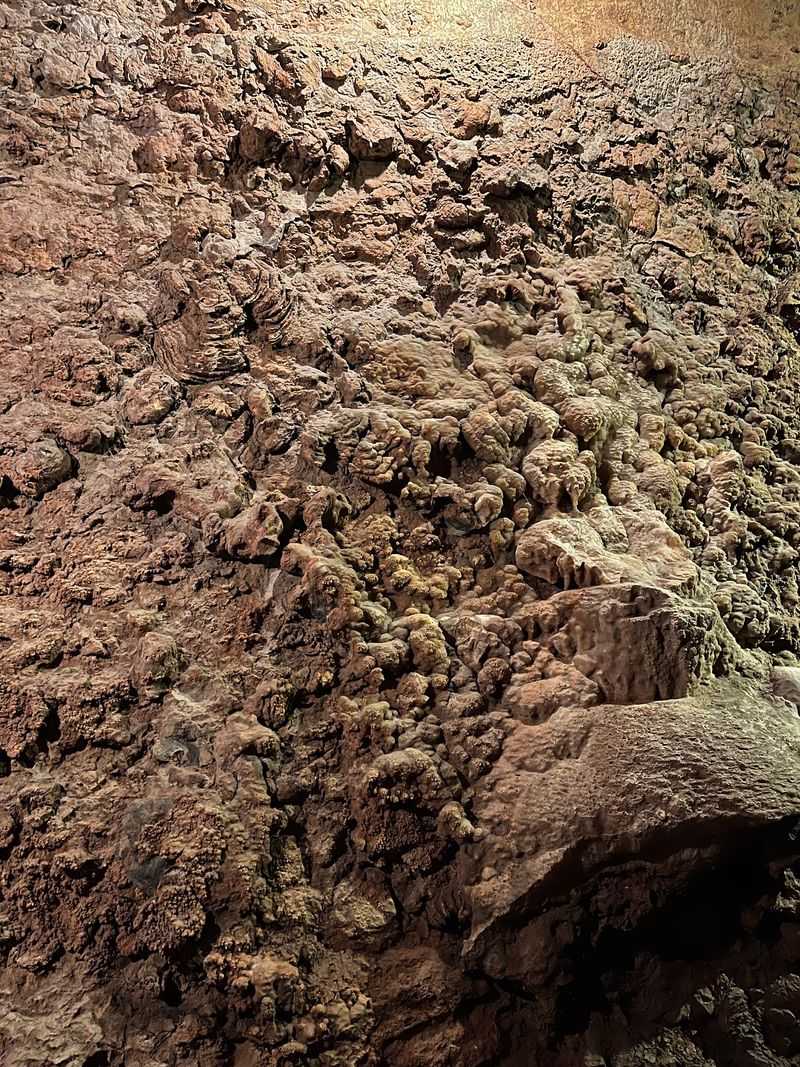
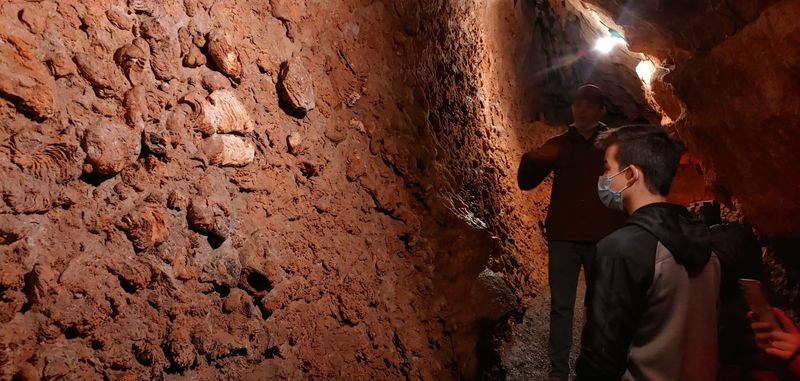
Few places let you stand beside an ancient reef and look straight at it. That is exactly what the tilted walls of Coral Caverns allow.
The reef layers once lay flat on a sea floor. After the land folded, they ended up standing upright.
As you walk, the fossils sit right at eye level instead of being buried deep below your feet.
Your guide will point out different fossil structures and explain how old they probably are. Some are corals, while others belong to creatures that shared the reef with them.
Learning to spot them is a bit like a treasure hunt for curious eyes.
The cave is lit throughout, which helps the details stand out. Visitors often say they felt safe and comfortable during the walk, and the group size usually stays small.
I would take my time here and ask plenty of questions. The guides welcome them, and every answer adds another piece to the story of this old sea.
Do not forget to look around for photo chances too. Your guide may even offer to snap a group picture in one of the better spots.
A Tour That Puts Learning First
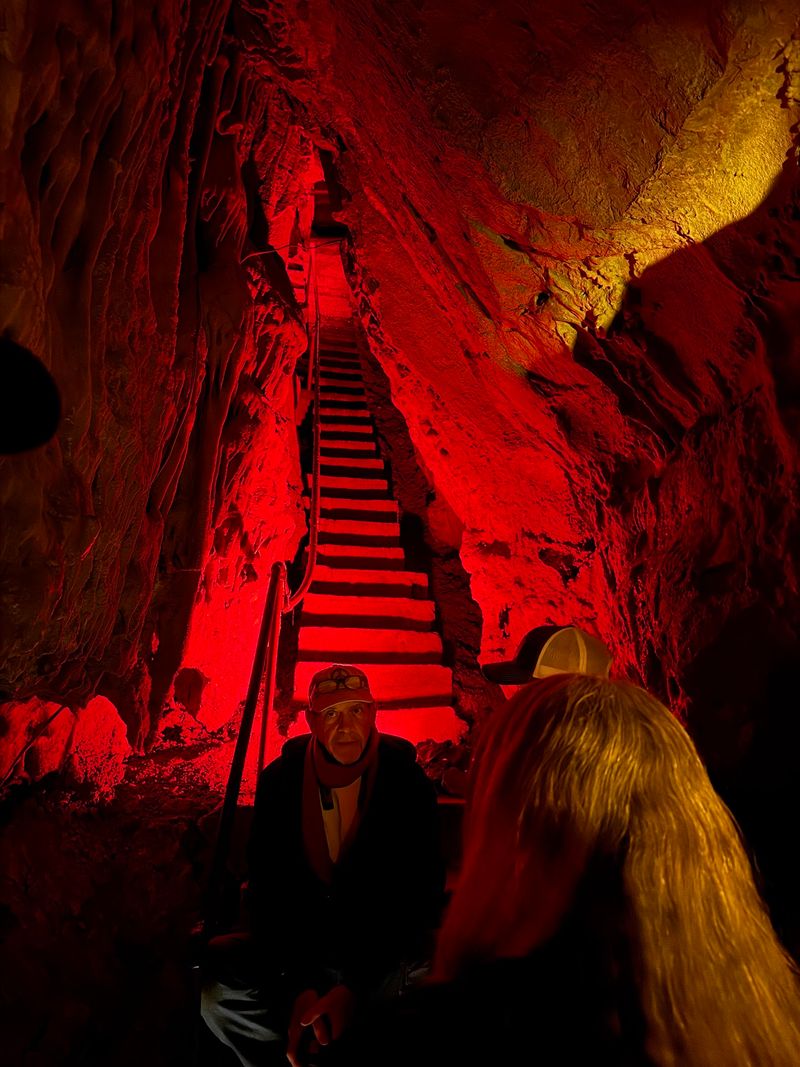
Some caves lean on colored lights and dramatic names. This one leans on facts, and plenty of visitors see that as a big plus.
The tour is set up to teach. Guests often describe leaving with a better sense of how caves form, what coral is, and how the Earth has changed.
One local admitted she realized how little she knew about caves before visiting.
Because groups are small, conversation flows easily. You might share the tour with just one other family or have the guide all to yourself on a quiet morning.
That makes it simple to ask follow-up questions.
Families with a wide age range have enjoyed it together. One group of six ranged from age 6 to 65, and the tour kept everyone involved.
For kids, this can feel like a field trip that actually sticks. Seeing a real fossil reef beats looking at a textbook photo any day.
I like the honest, unpolished feel of it all. The cave still carries the nostalgia of its early days, and that same old-time spirit shows up in the building where tours begin.
Old Treasures in the Little Museum
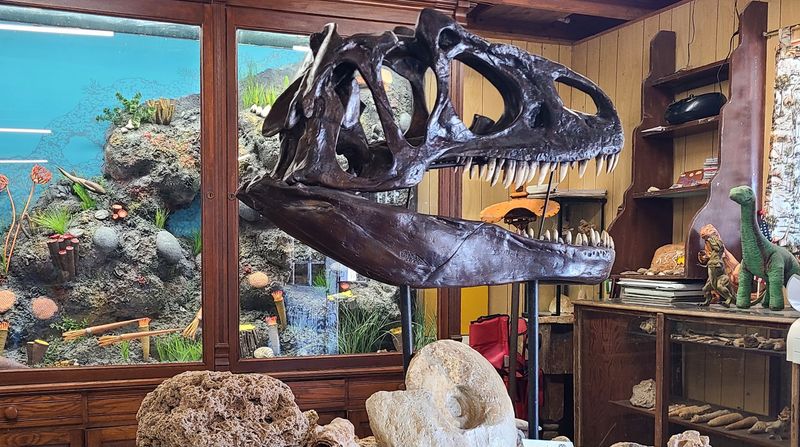
Before you ever go underground, the check-in building gives you plenty to study. It works like a small museum filled with fossils, artifacts, and historical memorabilia.
Some items come from the cavern itself, while others come from different places. Together they help explain the cave’s long story, both geologic and human.
Visitors often describe the space as nostalgic, with an old roadside attraction feel.
There is also a selection of fossils for sale. Little fossils are priced by the gram, which makes it fun for kids to pick a handful and weigh them.
Handle them gently, since they are delicate.
Remember that payment is cash or check only. Setting a small budget ahead of time can keep the fossil picking simple and stress-free.
I would leave a few extra minutes before or after the tour for browsing. Bill is often around and happy to talk about the pieces on display.
Browsing here helps the cave make more sense. Once you have seen fossils up close in a case, spotting them in the walls later feels much easier.
And the grounds outside hold even more surprises.
A Short Hike to Old Cars and Furnaces
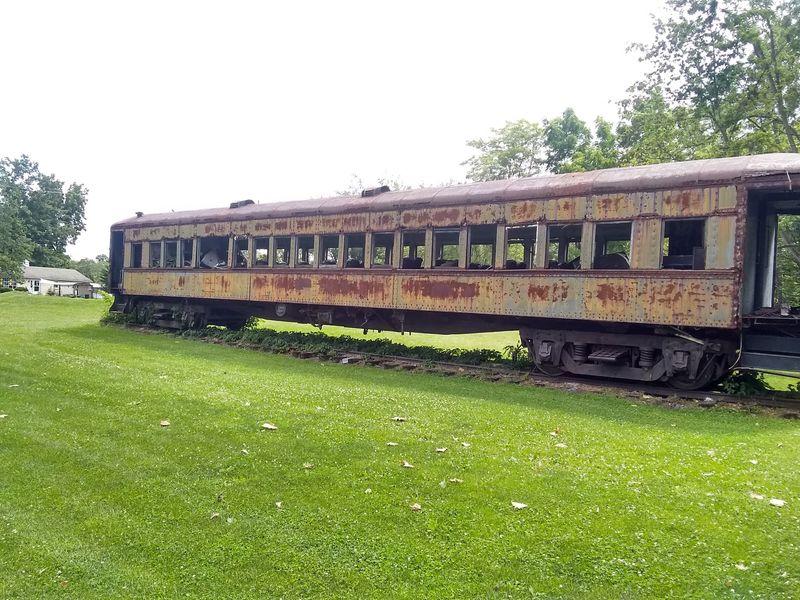
Curious explorers sometimes skip right past this part, and that would be a shame. Behind the property, a short hike leads to some interesting leftovers from earlier times.
Visitors mention old cars sitting out back, which make for fun photos and plenty of questions. Walk a little farther and you can reach old furnaces along the way.
These spots add a nice change of pace after the cave. You go from 400 million years of geology to a much more recent slice of human history, all on one property.
Wear the same sturdy shoes you wore underground. Trails in the woods can be uneven, especially after rain.
A water bottle is also a good idea on warm days.
Ask the family about the walk before you head out. They know the land best and can point you in the right direction.
I like that a visit here does not have to end when the tour does. A little wandering stretches the trip and gives kids room to burn off energy.
Speaking of timing, the season you visit can shape the whole experience.
A Cool Escape on Hot Bedford Days
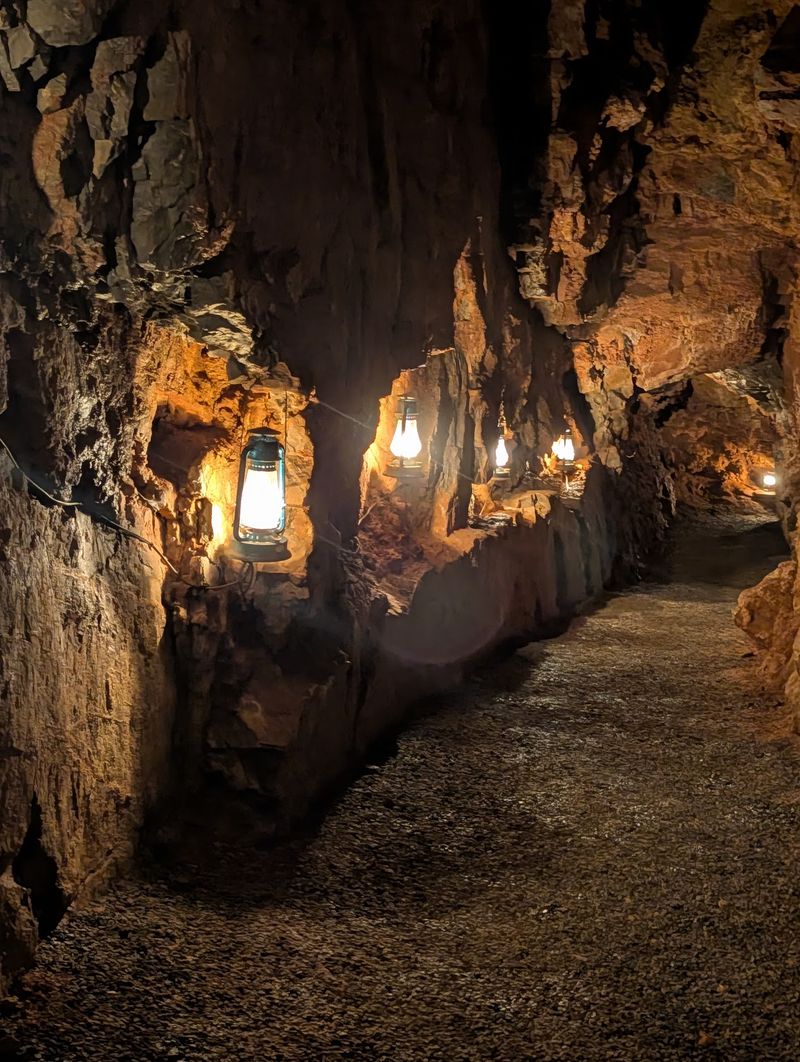
Summer heat in south-central Pennsylvania can be tough, and a cave offers easy relief. Several visitors have called Coral Caverns a perfect way to beat a hot day.
Underground, temperatures stay cool, so the change can feel refreshing after a sticky drive. Just remember that jacket, because it can get chilly once you have been inside a while.
The cave pairs well with other plans around Bedford. Some visitors have stopped by while in town for local events, while others found it on a quick search during a weekend trip.
Because tours run in the morning and early afternoon, it fits nicely before lunch. You could spend the rest of the day exploring the Bedford area or relaxing back at your lodging.
Holiday weekends can still work with good planning. One family visited on Labor Day weekend and arrived around 11 for their tour.
When I think about this place, the mix stands out most. A tiny, family-run cave holds a reef older than the mountains, and a simple text can put you right beside it.
That is a pretty great way to spend a summer morning.
Share this story