A nationwide bus empire got its start hauling iron miners a few miles down a dusty road. That sounds like a tall tale, but it happened right here in northern Minnesota.
Today, a small museum keeps that story parked in one spot. You can climb inside vintage coaches, admire polished chrome, and meet the famous running dog that became a logo.
I like how something so big began somewhere so modest.
The building doesn’t shout for attention from the road. Inside, though, decades of travel history wait in neat rows of buses, uniforms, and old posters.
I believe that quiet surprise is half the fun.
Minnesota keeps proving that small towns can hold giant stories. So how did a tiny shuttle service grow into a name nearly every American knows?
The answer is waiting on the Iron Range.
An Iron Range Town Holds A National Treasure
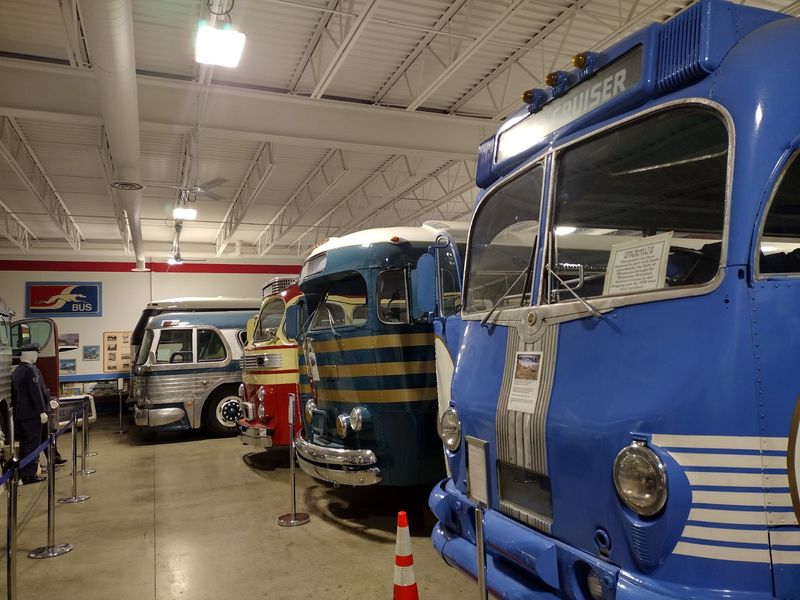
Few road trips end at the exact spot where an American icon was born. The Greyhound Bus Museum in Hibbing, Minnesota, offers precisely that kind of destination.
Hibbing sits on the Iron Range, a region shaped by mining and hard work. It feels fitting that a company built on moving working people started here.
The museum focuses on one big idea. It tells how a local shuttle service grew into a coast-to-coast travel giant.
Inside, you’ll find historic buses, company memorabilia, and plenty of stories about life on the road. Outside, more coaches sit on the grounds as reminders of how much history still remains.
It’s a hometown museum at heart, run with care and pride. That small-town feel makes the big story land even harder.
Minnesotans love a good underdog tale, and this one checks every box. A modest northern town handed the whole country a new way to travel.
So yes, you can tell your friends from the Twin Cities that the Greyhound legend is a Minnesota original. They might not believe you until they see the buses themselves.
A Hupmobile, Some Miners, And A Very Big Idea
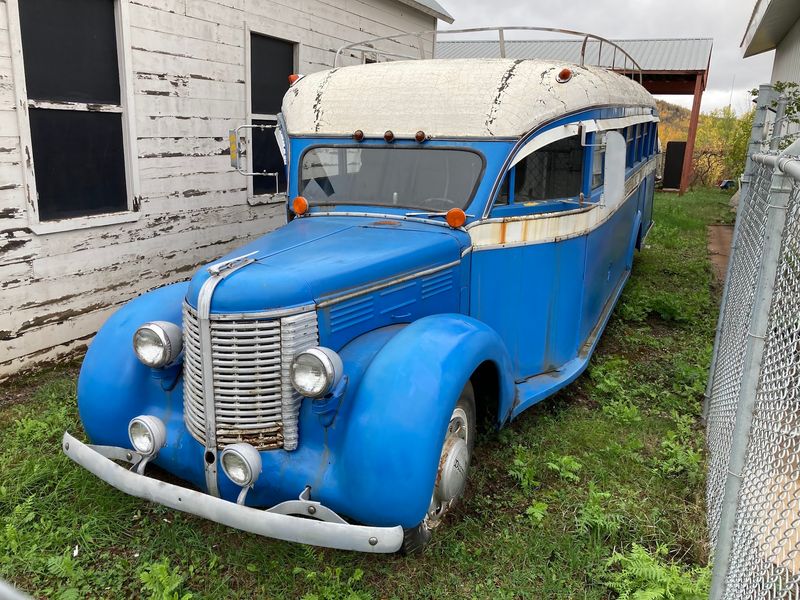
Back in 1914, a local entrepreneur named Carl Eric Wickman had a car he couldn’t sell. So he started driving miners between Hibbing and the nearby community of Alice instead.
That vehicle was a Hupmobile, and the rides were short but steady. Miners needed reliable transportation, and Wickman saw a business hiding in plain sight.
The little shuttle soon grew. More vehicles joined, routes stretched farther, and partners came aboard to help.
Over the following years, that humble operation became part of what we now call Greyhound Lines. It’s a classic Minnesota success story built on practical thinking.
The Greyhound Bus Museum walks you through those early chapters clearly. You’ll see how the company changed names, merged, and expanded across the nation.
Honestly, it’s a bit amazing. One unsold car turned into a symbol recognized from Maine to California.
History buffs will enjoy tracing each step of the growth. Everyone else will simply enjoy the plot twist that it all began on the Iron Range.
Not bad for a few miles of gravel and a stubborn salesman.
Mining Country Roots Run Deep Here
Iron ore put Hibbing on the map long before buses did. The mines created jobs, and those jobs created the need for daily rides.
That link between mining and transportation is the backbone of the museum’s story. You can’t really separate the two on the Iron Range.
Exhibits connect Greyhound’s beginnings to the working families of the region. The tale feels grounded because it grew out of real local needs.
Many visitors leave with a better grasp of both industries. Learning about Greyhound naturally opens a window into Minnesota mining history too.
It’s a reminder that the Iron Range shaped more than steel. Its people also shaped how America moved from town to town.
For Minnesotans, that’s a quiet point of pride worth bragging about. The next time someone calls northern Minnesota remote, you’ll have a great comeback ready.
Big cities often claim the credit for big inventions. Here, the credit belongs to miners, a determined driver, and a community that kept the wheels turning.
Gleaming Chrome Through The Decades
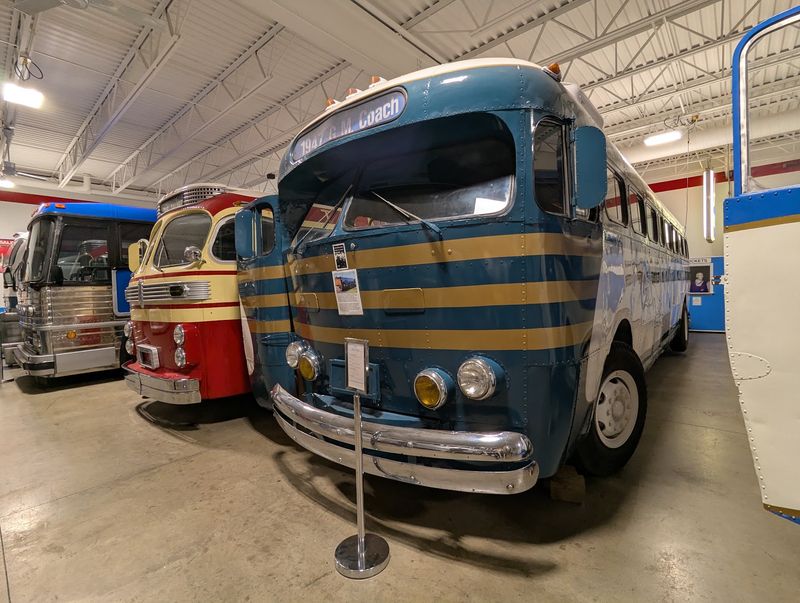
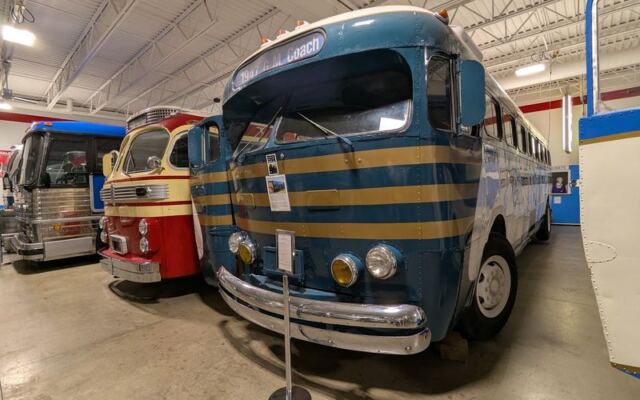
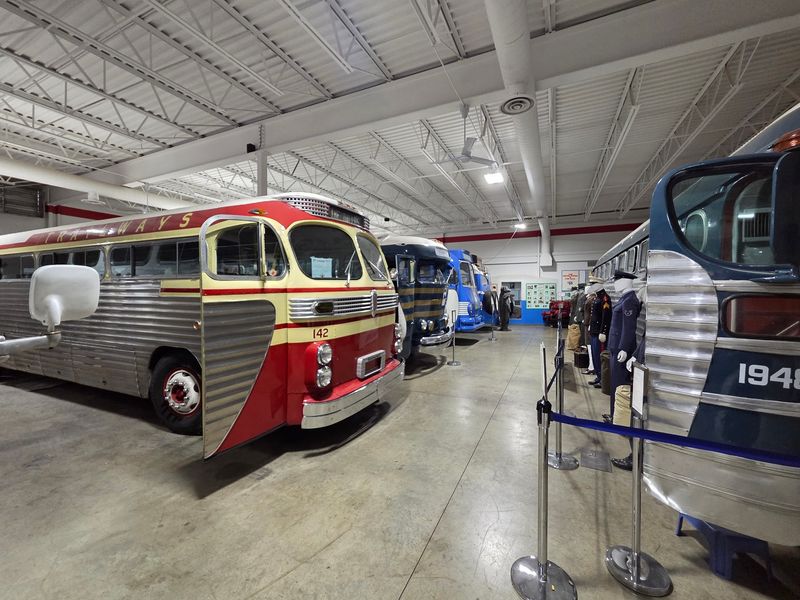
Chrome lovers, consider yourselves warned. The hall of buses is the star attraction, and it shines.
Restored coaches line up from different eras of Greyhound history. Walking past them feels like flipping through a travel scrapbook on wheels.
Early models look boxy and charming. Later designs grow sleeker, longer, and more modern in shape.
That side-by-side view makes the evolution easy to understand. You can see exactly how bus design changed over the years without reading a single sign.
Some of the buses are rare finds. Transportation fans will spot details that casual visitors might miss entirely.
Still, you don’t need to know a thing about engines to enjoy the display. The colors, curves, and polished trim do plenty of talking on their own.
It’s also a great place for photos. Those vintage profiles practically beg to be shared with friends back home.
The collection proves you don’t need a giant big-city museum to see impressive vehicles. Minnesota keeps its treasures close, and this hall shows them off with style.
Climbing Aboard Is Half The Fun
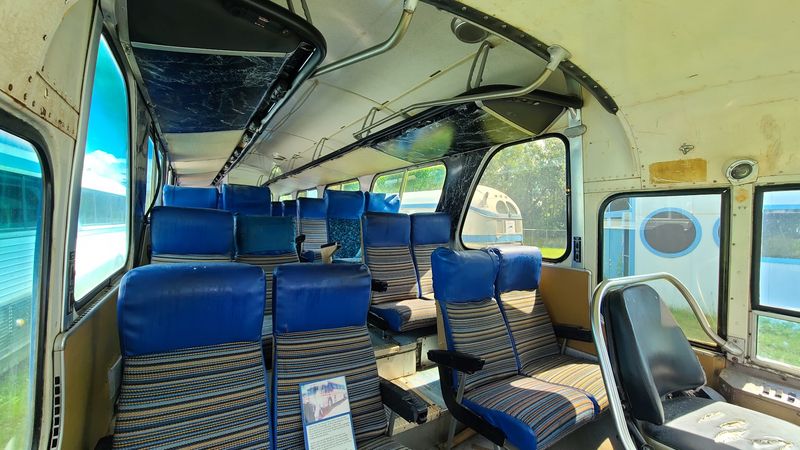
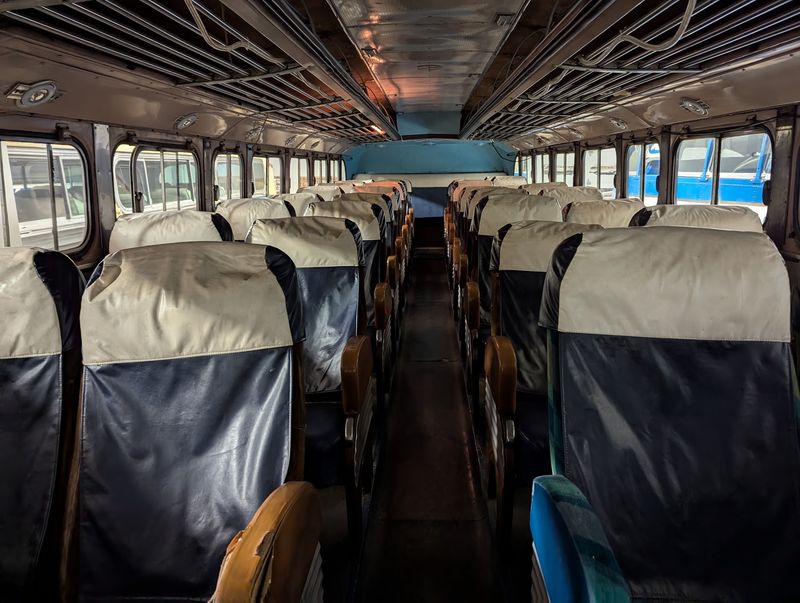
Most museums keep their prize pieces behind velvet ropes. Here, you can actually step inside several of the historic buses.
That hands-on approach changes everything. Sitting in an old seat helps you understand what a long trip once felt like.
You’ll notice the luggage racks, the windows, and the driver’s area up front. Each coach tells a slightly different story about its era.
Kids especially love this part. To them, the buses become giant playhouses packed with history.
Adults often get a nostalgic jolt as well. Plenty of Minnesotans remember riding Greyhound out of Minneapolis or St. Paul to see relatives.
A few buses even include onboard restrooms from their working days. Let’s just say those little rooms keep their vintage character fully intact.
Exploring inside also slows you down in a good way. You start noticing small design touches that photos never quite capture.
It’s one thing to read about early bus travel. It’s another to sit where travelers once sat, gazing out the window and wondering where the road might lead.
How A Running Dog Became A Logo
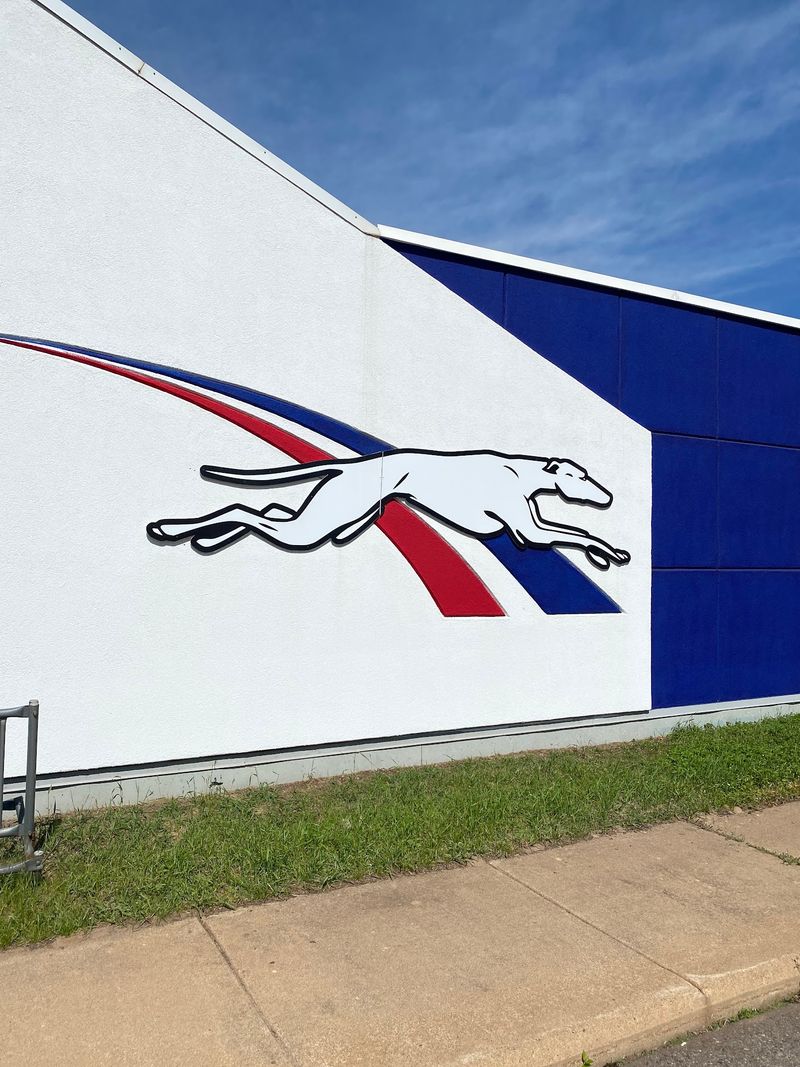
Every famous brand needs a mascot. Greyhound’s happens to be fast, sleek, and very good at posing.
The museum explains how the company landed on its memorable name. It’s a fun bit of branding history that many people never think about.
Displays include photos and statues tied to the dog behind the logo. The greyhound named Princess plays a starring role in that story.
Seeing the running dog evolve over time is surprisingly entertaining. Each version reflects the design style of its decade.
Did you know the name itself came from the look of the buses? Their slim, speedy appearance reminded people of a racing greyhound.
That clever comparison stuck. Before long, the dog was painted on coaches rolling across the entire country.
It’s hard not to smile at the idea. A Minnesota business ended up with one of the most famous animal logos in American history.
Bring a camera for this corner. The dog statues make a cheerful backdrop, and they never complain about another photo.
Old Advertisements Worth A Second Look
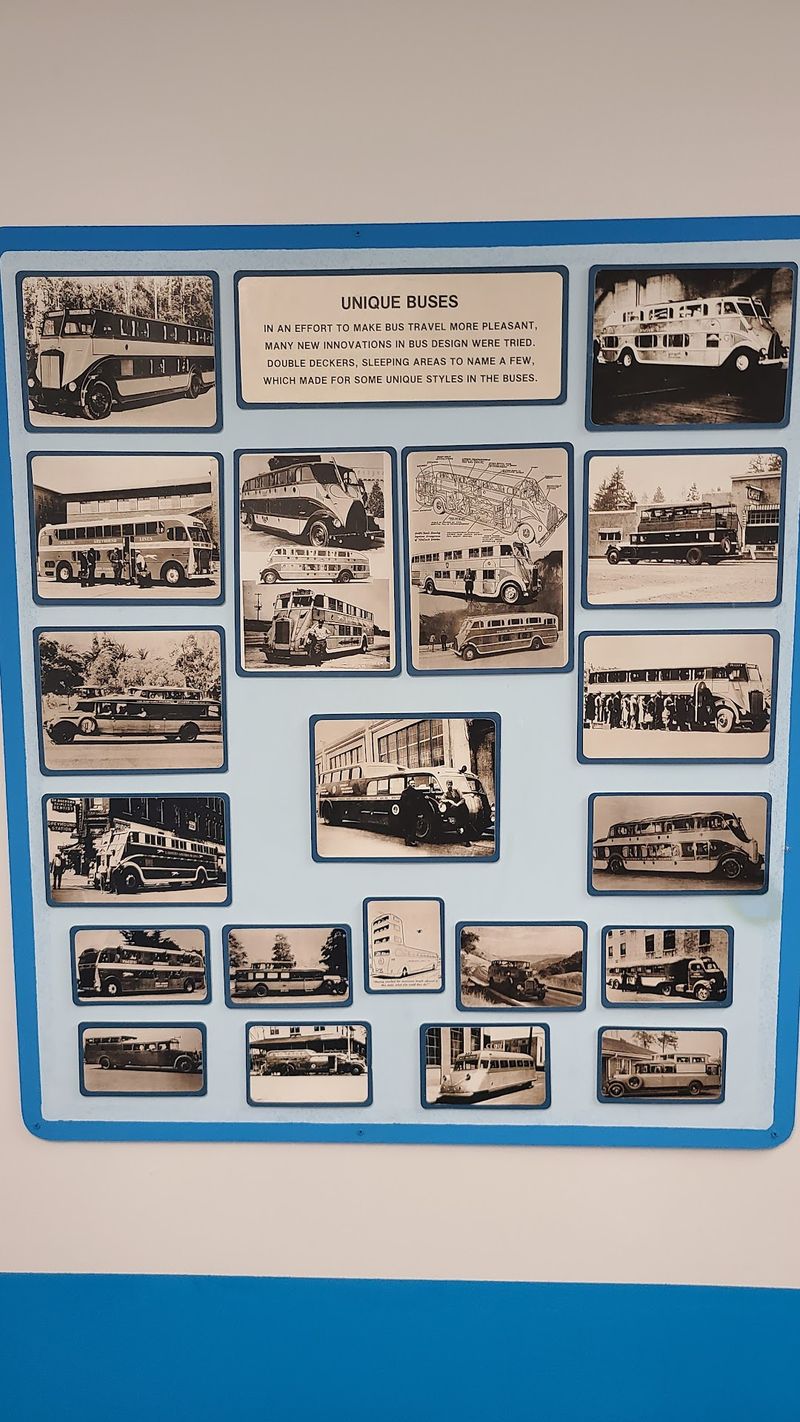
Some of the best treasures here don’t have wheels at all. Look up at the walls, and you’ll find vintage Greyhound advertisements everywhere.
These posters are easy to overlook while the buses grab your eye. Don’t make that mistake.
The ads show how the company sold the dream of travel. Bright colors and bold slogans promised adventure, comfort, and affordable trips.
They also capture the art styles of their times. Mid-century designs especially pop with confident graphics and catchy lines.
You’ll recognize the famous invitation to go Greyhound. It’s fun to see how that message changed across generations.
Collectors of vintage art will find plenty to admire. Even casual visitors can enjoy the cheerful, slightly retro charm.
The posters add context to the bus collection too. They show who the company hoped to reach, from families to students heading home.
Take a slow lap around the room. Those framed ads quietly tell a story about American travel that the buses alone can’t fully explain.
Uniforms, Maps, And Models Fill The Gallery
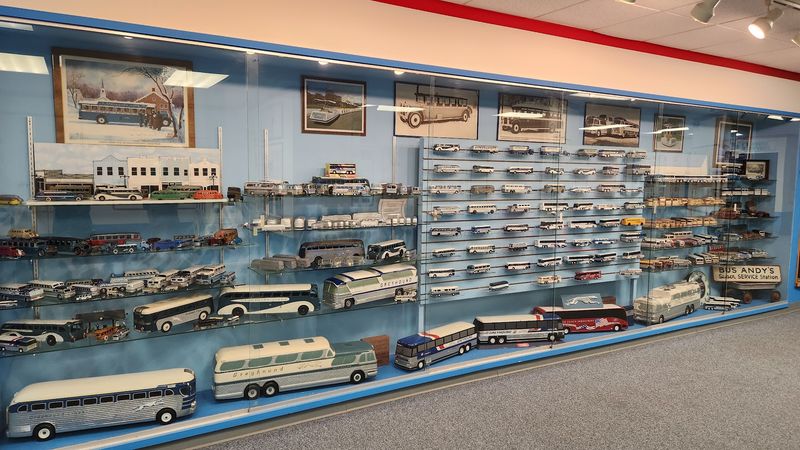
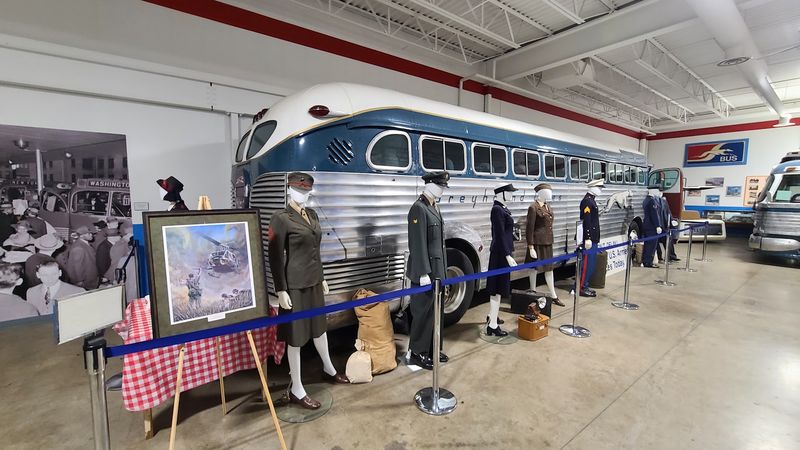
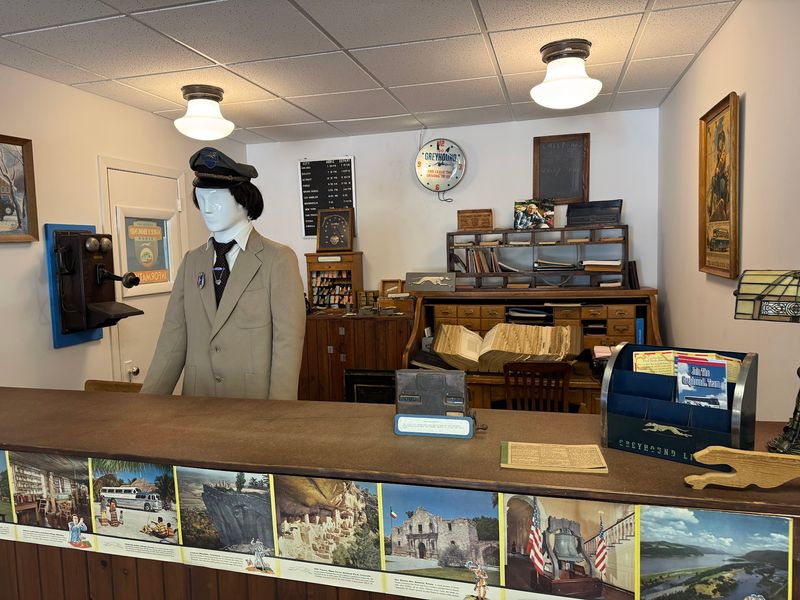
Driver uniforms from across the years make a sharp first impression. They show how the people behind the wheel dressed the part of a trusted brand.
Nearby, maps trace routes that spread across the country. It’s fascinating to see how far the network eventually reached.
Scale models add another layer of detail. They let you compare designs you might never see in full size.
Video displays help explain key moments in company history. They’re handy for anyone who prefers watching to reading.
The memorabilia room is compact, yet it packs in plenty. Each case adds a new piece to the bigger story.
You’ll also learn how Greyhound served everyday Americans. College students, families, and travelers all relied on those routes for decades.
The layout lets you move at your own pace. Linger at what interests you and skip ahead when you’re ready.
It’s a thoughtful mix of objects and storytelling. For a hometown museum, the level of care shows in every display case.
Restoration Projects Waiting Out Back
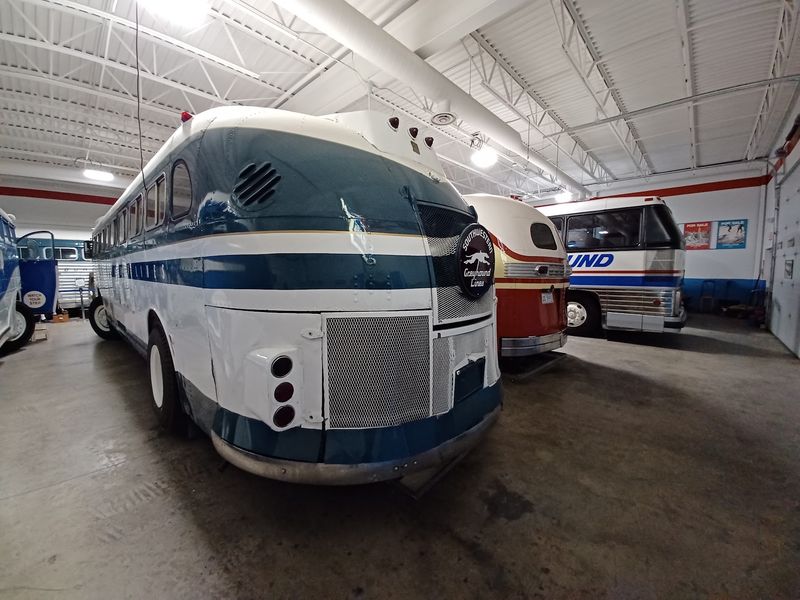
Behind the main building, several more Greyhound buses sit on the grounds. Many appear to be waiting for their turn at restoration.
These coaches show the other side of museum life. Not every piece arrives shiny and ready for display.
Restoring a vintage bus takes time, money, and serious skill. Seeing the work ahead gives you new respect for the polished buses inside.
Access to the outdoor area may vary. At times, parts of the grounds have been closed off, so it’s smart to ask at the front desk.
When open, the outdoor collection adds extra variety. Bus fans will enjoy spotting different models and imagining their future glory.
The museum welcomes donations to support upkeep and projects. Every contribution helps keep this slice of history rolling forward.
That community-supported spirit feels very Minnesota. Neighbors and visitors alike help protect a story the whole state can claim.
Who knows? The rusty coach you see today might be the gleaming star of the hall on your next visit.
A Stop That Works For Every Generation
Grandparents and grandkids rarely agree on the perfect outing. This museum manages to win over both.
Children get buses to explore and climb inside. That’s basically a dream come true for curious young travelers.
Older visitors often bring their own memories along. Many remember Greyhound pulling into small towns and carrying people to faraway places.
That shared history sparks great conversations. A simple visit can turn into family storytelling time.
Transportation enthusiasts will find plenty of rare details to study. Casual visitors will still enjoy the friendly, easygoing layout.
The museum feels educational without feeling like homework. You learn a lot simply by looking around and stepping aboard.
It’s also a solid choice for school groups or road-tripping families. The size keeps things manageable, even for shorter attention spans.
Most people can see everything in about an hour or two. That makes it easy to fit into a busy Iron Range itinerary.
Value-minded Minnesota families will appreciate that too. It’s a full, meaningful outing without eating up the whole day.
Hours, Admission, And A Friendly Front Desk
Planning ahead takes just a minute. The Greyhound Bus Museum typically opens Monday through Saturday from 10 AM to 4 PM.
Sundays are usually closed. Hours can shift with the seasons, so a quick check before driving up is always wise.
Admission comes with a modest fee rather than a big-city price tag. Family pricing has been offered too, which helps larger groups.
Fees may change over time. Calling ahead or checking the museum’s official channels keeps surprises to a minimum.
Here’s the good news for budget-conscious travelers. Compared to major metro attractions, this visit delivers strong value for the cost.
The front desk staff earn plenty of praise for kindness. They’re known for answering questions and sharing helpful background.
That personal touch makes a real difference in a small museum. It turns a quick stop into a warmer, more memorable experience.
Aim to arrive with time to spare before closing. You’ll want enough minutes to explore the buses without rushing through the best parts.
Finding Your Way On Greyhound Boulevard
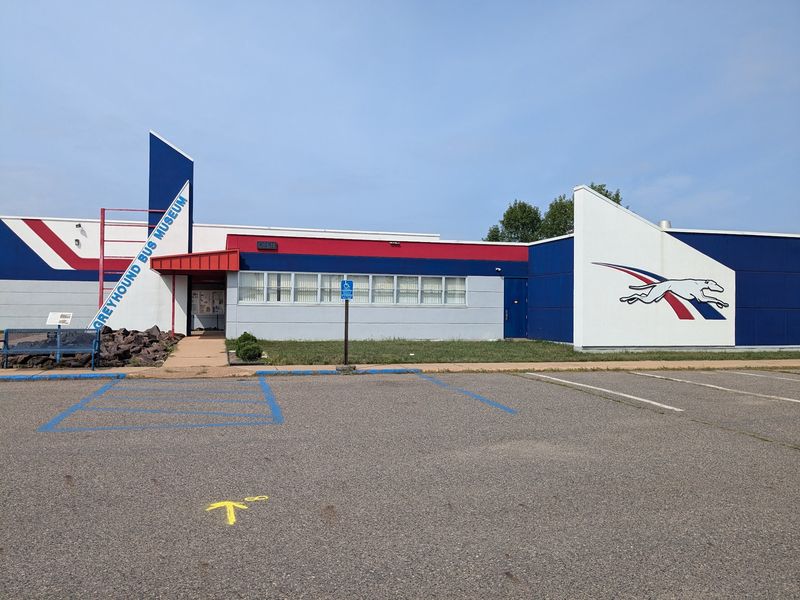
Fittingly, the museum sits on a street named for the company itself. You’ll find it at 1201 Greyhound Blvd, Hibbing, MN 55746.
Hibbing makes a natural stop on any northern Minnesota road trip. It’s a scenic drive from the Twin Cities and an easy add-on for Iron Range explorers.
Parking sits right by the building. Larger vehicles, including converted vintage buses, have been known to roll in too.
One bonus makes the trip even sweeter. The Hull-Rust Mahoning open pit mine view sits less than five minutes up the road.
That overlook is free and absolutely enormous. Pairing it with the museum creates a perfect half-day of Iron Range history.
Together, the two stops tell a connected story. Mining created the need, and Greyhound answered it with wheels.
Bring snacks, fill the tank, and enjoy the northern scenery along the way. Summer offers long, bright drives, while colder months bring crisp, cozy road-trip energy.
Either way, the destination rewards the miles.
Why This Little Museum Deserves Your Road Trip
Small museums can carry surprisingly large stories. The Greyhound Bus Museum proves that point beautifully.
It celebrates a moment when one Iron Range idea changed how America traveled. That’s a legacy worth honoring and sharing.
You get historic buses, playful branding history, and memorabilia packed with personality. You also get the rare chance to step aboard coaches from another era.
Families will find an affordable outing that keeps kids engaged. Nostalgic travelers will find memories waiting in every seat and poster.
Is it flashy? Not really, and that’s part of its charm.
The museum feels honest, homegrown, and proud of its roots. It reflects the hardworking character of the community that built it.
Minnesotans often hear that the big stories happen elsewhere. This place quietly argues otherwise, one restored bus at a time.
So tag the friend who loves road trips or old vehicles. Then point the car north toward the birthplace of a legend.
Minnesota wins again, and this time the victory comes with chrome bumpers and a running dog.
Share this story