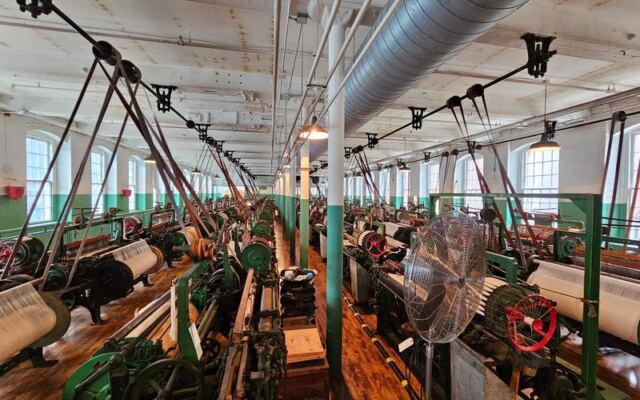
Somewhere in Massachusetts, a room full of century-old looms still roars to life for anyone who wanders through the door. The racket gets so intense that staff hand out earplugs before the clatter even begins.
Some of these sturdy machines are roughly 80 to 100 years old, and they still weave real cloth today. I love that a national park site lets history make this much glorious noise.
Upstairs, the floor can actually tremble while the looms run downstairs. That single detail tells you what thousands of workers once felt through every long, humid shift.
I can’t imagine a better affordable rainy-day outing for curious kids, history buffs, or anyone who grew up hearing about the famous mill girls. So how have so many of us driven right past it without a second look?
An Old Brick Mill Keeping A Very Loud Secret
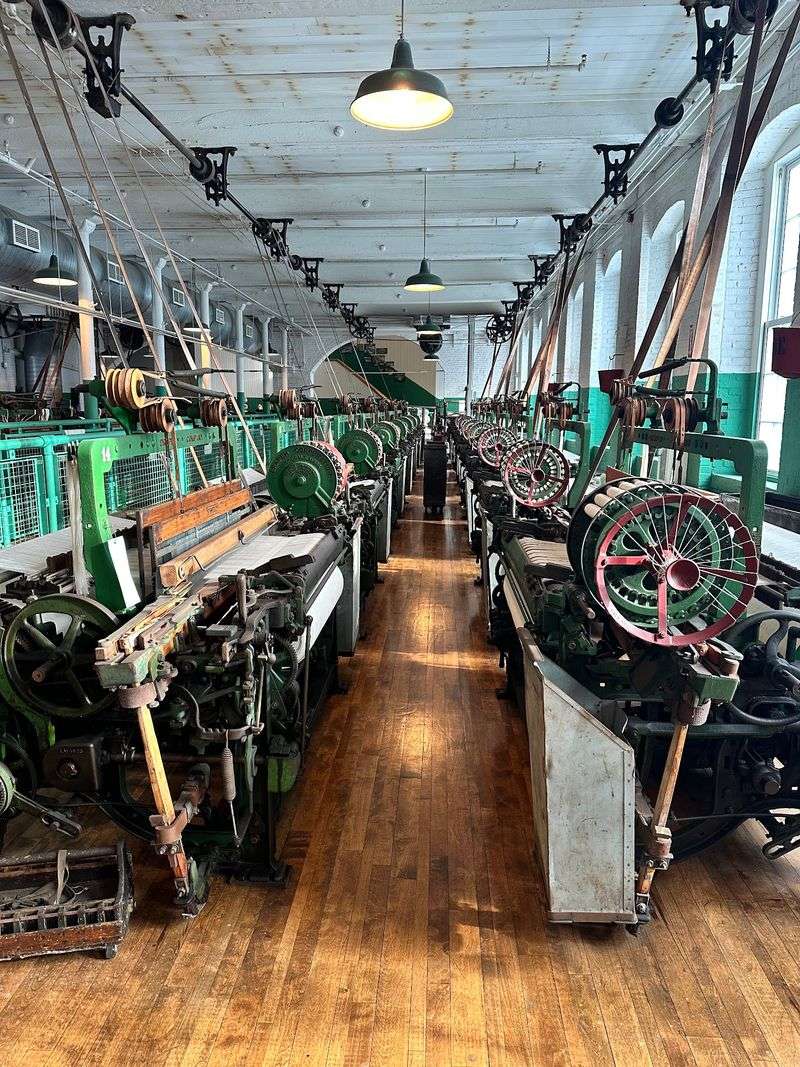
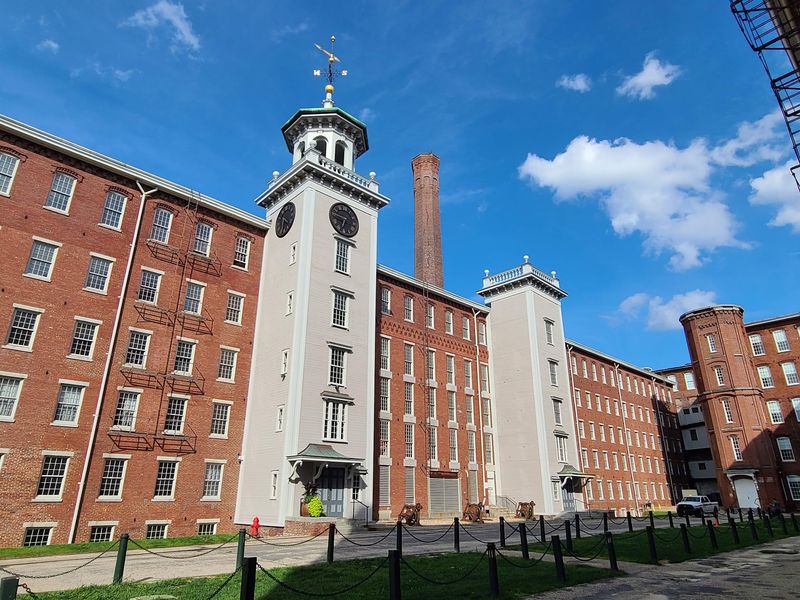
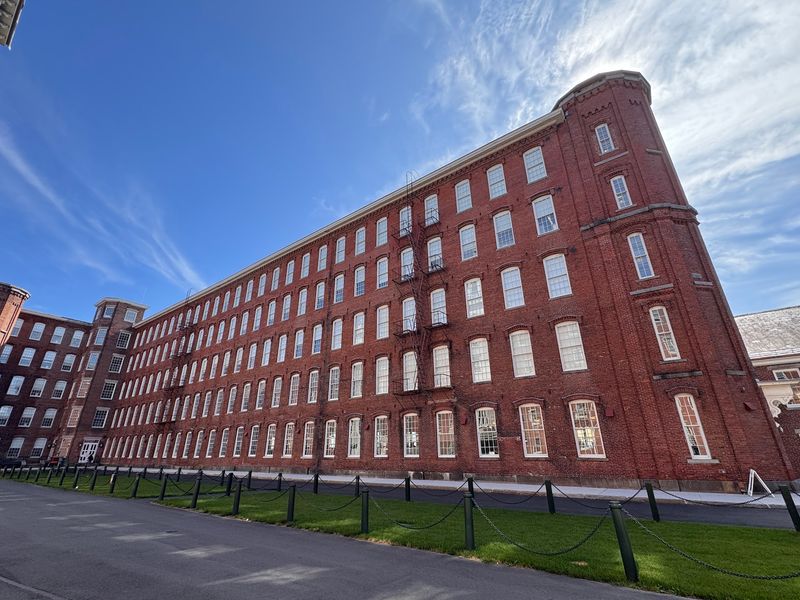
From the street, the Boott Cotton Mills Museum looks like plenty of other handsome brick buildings in Lowell. Then the looms start up, and everything changes.
The museum sits inside a restored mill complex that belongs to Lowell National Historical Park. That means the National Park Service runs it, complete with rangers, exhibits, and guided programs.
Much of the surrounding complex now holds apartments, which makes the museum easy to overlook. People live, work, and stroll past it daily without realizing machines still hum inside.
Inside, the setup splits into two big experiences. The ground floor holds a working weave room, while the upper level packs in galleries about industry and the people behind it.
Massachusetts has no shortage of old mills, yet few let you hear one breathe. Here, the machinery is not a frozen display behind glass but a living, clattering piece of the past.
I like how the place rewards the curious local more than the rushed tourist. You can arrive thinking you’ll glance around for twenty minutes and leave understanding a whole city’s story.
The Mill Girls And The City They Built
Long before shopping malls, young women from New England farms poured into Lowell for paying work. Many remember them from school as the Lowell Mill Girls.
The museum tells their story without sugarcoating it. Exhibits explore long shifts, heat, humidity, and the noise workers endured just to earn a decent wage.
Later waves of immigrant families followed, bringing new languages and traditions to the mills. The galleries cover who these workers were, where they came from, and how they lived.
Labor rights get real attention here too. You’ll learn how workers pushed back against tough conditions, which adds a human pulse to all that iron and cotton.
The bigger picture matters as well. Lowell helped shift America from farm life toward factory life, and the museum explains how that change rippled across the whole country.
For many Massachusetts families, this history feels personal. Plenty of local roots trace back to someone who once stood at a loom in a mill much like this one, so the exhibits can feel like a visit with long-lost relatives.
Earplugs Required For The Main Event
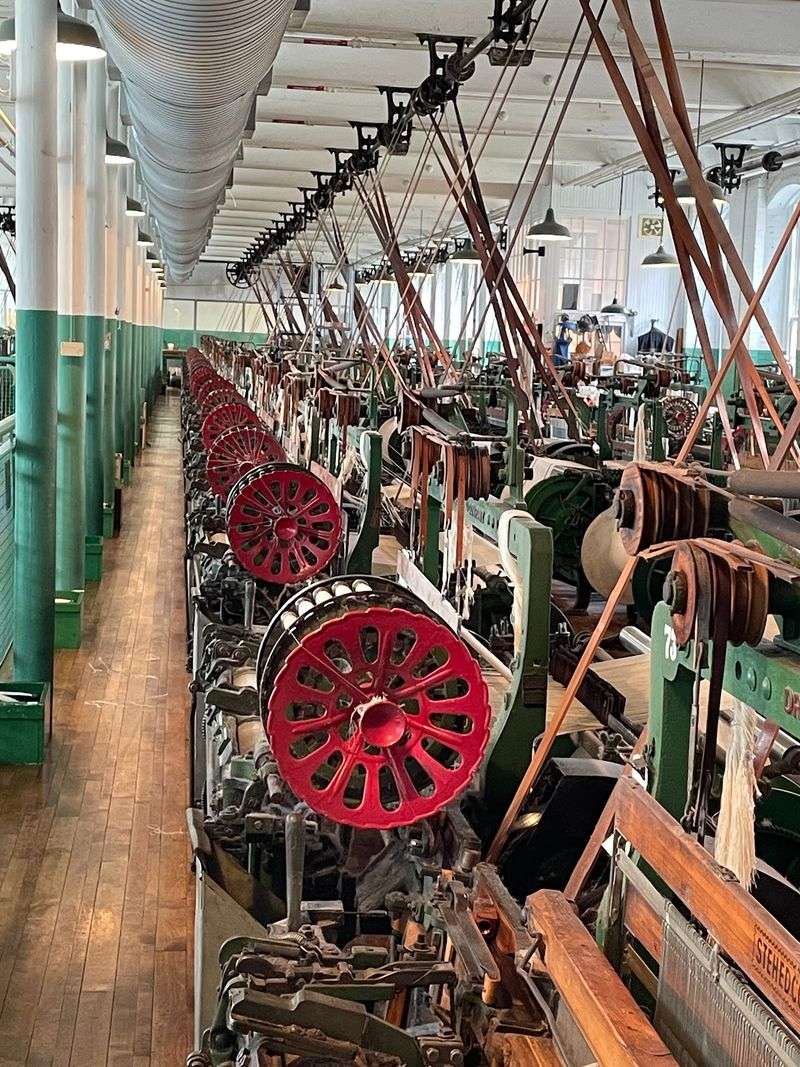
Earplugs at a museum? At the weave room, they’re no joke, and staff provide them for good reason.
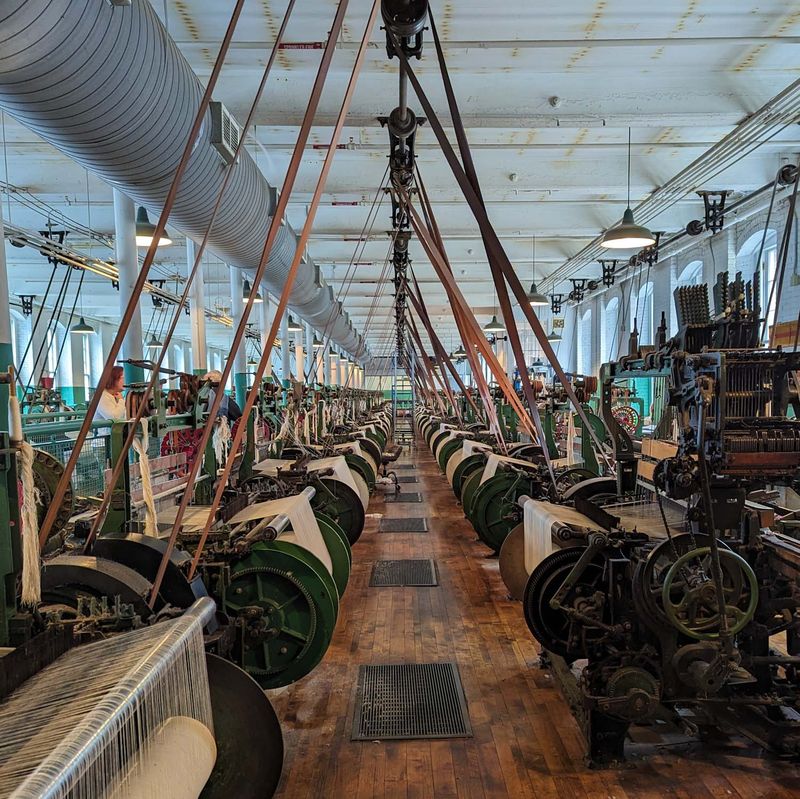
The ground floor holds rows of power looms and other mill machines from the early twentieth century. Many date back roughly 80 to 100 years, yet they still run with surprising precision.
Rangers lead live demonstrations that switch the machines on. Belts slap, shuttles fly, and the whole room fills with a pounding rhythm you feel in your chest.
Only a portion of the looms run during demos. That’s enough to make you wonder how anyone handled a full floor going at once, shift after shift.
Demonstrations have been offered on a regular schedule through the day. Checking the timing when you arrive helps you avoid missing the best part of the visit.
Watching cloth actually form gives the whole place its spark. You see thread turn into fabric right in front of you, and suddenly the word industrial makes complete sense.
Good luck forgetting that sound on the drive home.
Galleries That Follow Cotton From Field To Fabric
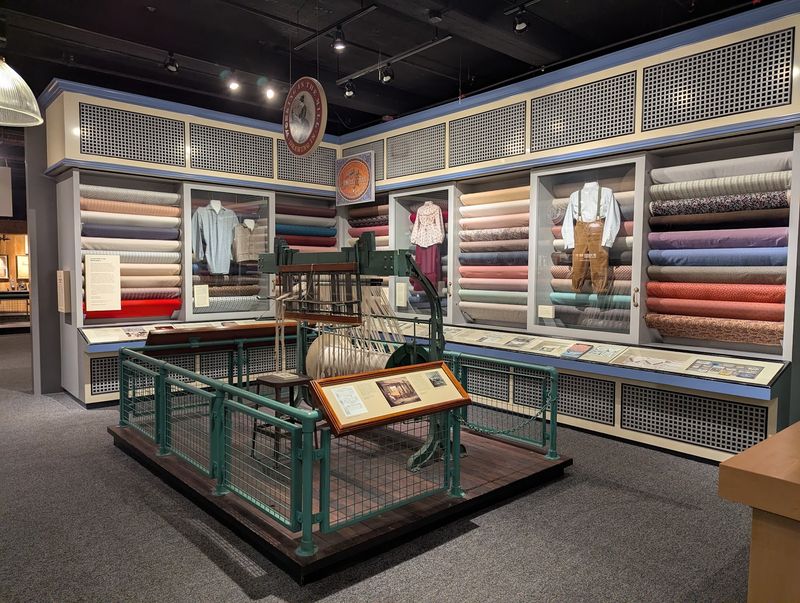
Climb upstairs and the volume drops, but the storytelling picks up speed. The upper museum walks you through how raw cotton became finished cloth.
Exhibits mix reading panels, photos, and hands-on stations. You can listen to audio stories from different people tied to the mills, which keeps things from feeling like a textbook.
A short film, around fifteen minutes long, plays in a small theater. It covers the mill’s history and the working conditions people faced, and it’s worth a seat.
The galleries also tackle the bigger forces at play. Technology, wealthy mill owners, geography, and even industrial espionage all show up in the story of how Lowell grew.
Photos highlight how important these mills were to this corner of New England. Seeing old images of crowded factory floors right after hearing the looms below hits differently.
Leave yourself time to wander. The building is fully air-conditioned with elevators, restrooms, and water fountains, so lingering over one more panel never feels like a chore.
There’s also a lovely view from the stairwell near the end, so don’t rush that exit.
A Shaking Floor That Kids Won’t Stop Talking About
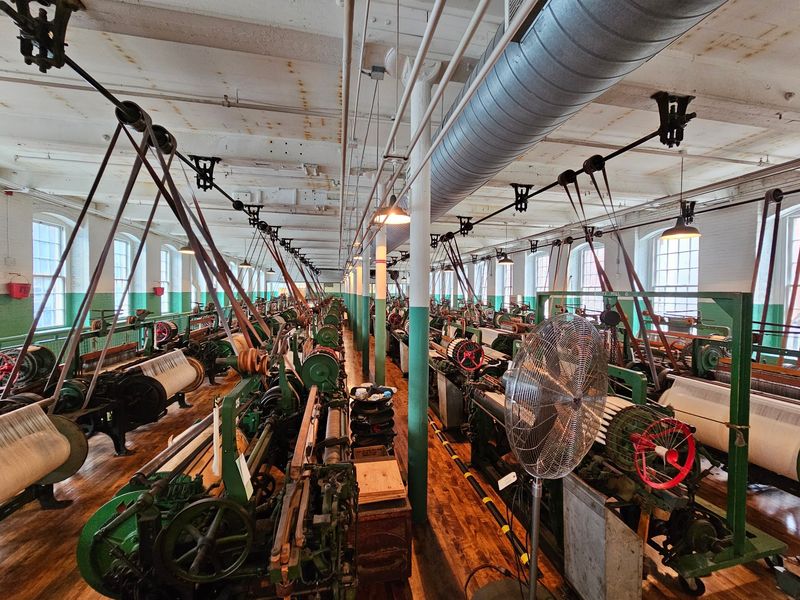
Kids who claim museums are boring tend to change their tune here. A floor that vibrates under your sneakers is hard to ignore.
When the looms run downstairs, families upstairs can feel the floor trembling. Some kids plop right down to feel it, which turns physics into a full-body lesson.
The galleries include hands-on exhibits built for younger visitors. There’s a mix of things to touch, read, watch, and listen to, so short attention spans get plenty of variety.
The weave room demonstration works like a live show. Kids get noise, motion, and a ranger explaining it all, and earplugs make the experience comfortable for little ears.
Teachers clearly see the value too. This museum has long been a field trip favorite, and plenty of adults first came here with their school class.
I believe the best family outings spark questions on the ride home. Expect a few about mill workers, long shifts, and why anyone would choose such a noisy job, plus maybe a request to come back soon.
Park Rangers Who Genuinely Love Talking Looms
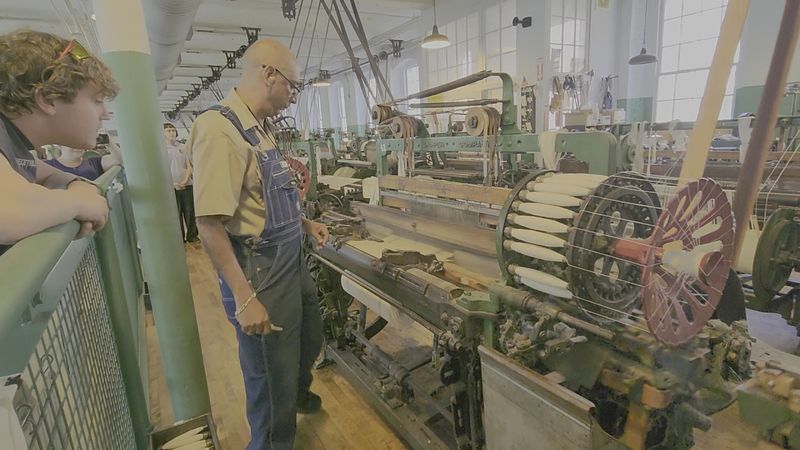
Ask one question about a loom, and you might get a fascinating fifteen-minute answer. The staff here clearly enjoy sharing what they know.
Rangers lead the weave room presentations and fill in the history behind each machine. Their talks connect the clatter to real people, real wages, and real working days.
The folks who maintain the looms bring their own expertise. Keeping century-old machinery running smoothly takes serious skill, and it shows in every working shuttle.
That friendly, knowledgeable vibe suits a wide range of people. History buffs get depth, families get patience, and casual visitors get a clear story without feeling lost.
Quieter weekdays can feel especially relaxed. With fewer people around, there’s often more room to linger near the machines and ask follow-up questions.
Engineering fans will feel right at home too. The museum shows just how sophisticated early automated looms were, long before computers ran anything in a factory.
Bring curiosity, and the conversation tends to take care of itself. That easy back-and-forth is part of what makes a quick stop stretch into a whole afternoon.
Hours, Admission, And A Painless Parking Plan
Good news for spontaneous planners: the museum keeps the same schedule every single day. Doors open at 9 AM and close at 4 PM, Monday through Sunday.
You’ll find it at 115 John St, Lowell, MA 01852, right in the heart of downtown. The address puts you within easy walking distance of other park sites and the city center.
Admission comes with a small fee that stays very budget-friendly. Seniors pay a reduced rate, and holders of an interagency parks pass get a discount as well.
Some nearby park spots, like the boarding house exhibit, have been free to explore. That makes stacking a few stops into one outing an easy, wallet-friendly win.
Parking usually isn’t a headache. Street parking sits within a block or two, with a mix of metered and unmetered spots.
Plan on at least an hour, though curious types often stay longer. For anyone in Massachusetts looking for a low-effort day trip, those numbers are hard to beat.
Arriving earlier in the day gives you the most time with both floors.
Worth A Detour Even If You Live Down The Road
Sometimes the best outing in Massachusetts sits a short drive from your own driveway. The Boott Cotton Mills Museum proves that in roaring, rattling style.
Few museums let you hear history this clearly. Between the running looms, the thoughtful galleries, and the friendly rangers, the visit covers a lot of ground without feeling heavy.
After the tour, step outside and keep exploring. The grounds are worth a stroll, and the Riverwalk nearby offers a pleasant path along the water.
Fall makes that walk extra appealing. Crisp air and changing leaves pair nicely with a morning spent learning how this city earned its industrial nickname.
Before leaving, browse the gift shop for a souvenir. It’s a fun way to bring home a small reminder of the mill’s story.
I can’t imagine a smarter way to impress out-of-town guests or rediscover your own backyard. It’s affordable, easy to reach, and genuinely memorable for nearly every age.
So next time you pass those brick walls, maybe stop in. The looms are waiting, and they’ve got plenty to say.
Share this story