Some of the best surprises in North Carolina hide at the end of a long, quiet road through the woods. You pull in expecting a small sign and a parking lot, and instead you find old stone foundations, earthen walls, and a river breeze that feels centuries old.
It costs nothing to wander here, which makes the discovery feel even sweeter. Pack a snack, bring your curiosity, and get ready to walk right through a town that time left behind.
A Lost Colonial Port on the Cape Fear River
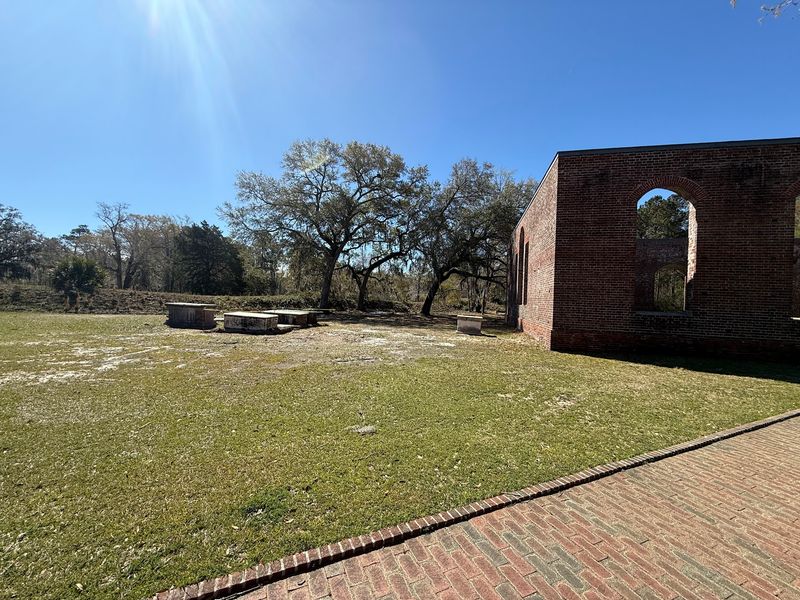
Tucked along the western bank of the Cape Fear River in Winnabow, Brunswick Town/Fort Anderson State Historic Site protects the remains of an early colonial settlement and a Civil War fort. Both stories share the same patch of riverfront ground, which makes the place feel like two history books stacked on top of each other.
Visitors walk a paved path past excavated home foundations, crumbling church walls, and grassy earthworks. Interpretive signs explain what once stood at each spot, so you can picture busy streets where today only stones remain.
Best of all, admission is free. That alone makes it a favorite for families, history fans, and anyone hunting for an affordable day out in southeastern North Carolina.
The site sits close to Wilmington, so it slips easily into a coastal weekend. Many people stop on their way somewhere else and end up staying far longer than planned, wandering from one ruin to the next.
Two Eras, One Riverbank
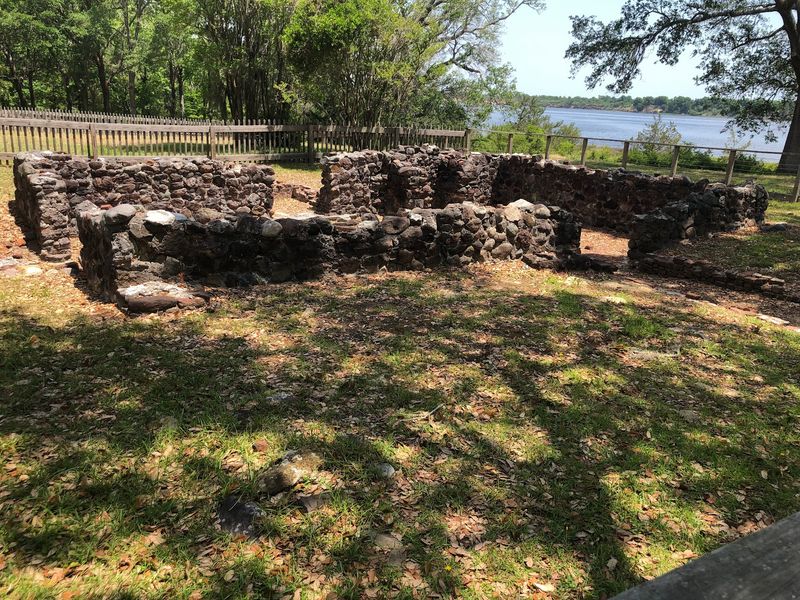
Long before anyone built a fort here, colonists laid out a town by the water. The site connects to the era of the American Revolution, and its old foundations whisper about daily life in early North Carolina.
Fast forward roughly a century, and the same ground took on a new role. Fort Anderson rose on top of the old settlement during the Civil War, shaped from sand and earth rather than stone.
Walking the grounds, you can feel that layering in real time. One minute you are peering into a cellar hole from a colonial home, and the next you are climbing beside earthen mounds built for a very different purpose.
Staff and docents fill in the gaps with stories that bring both chapters to life. Guests often say the team knows fascinating little facts you would never find on a sign, so asking questions pays off.
The Old Church Walls
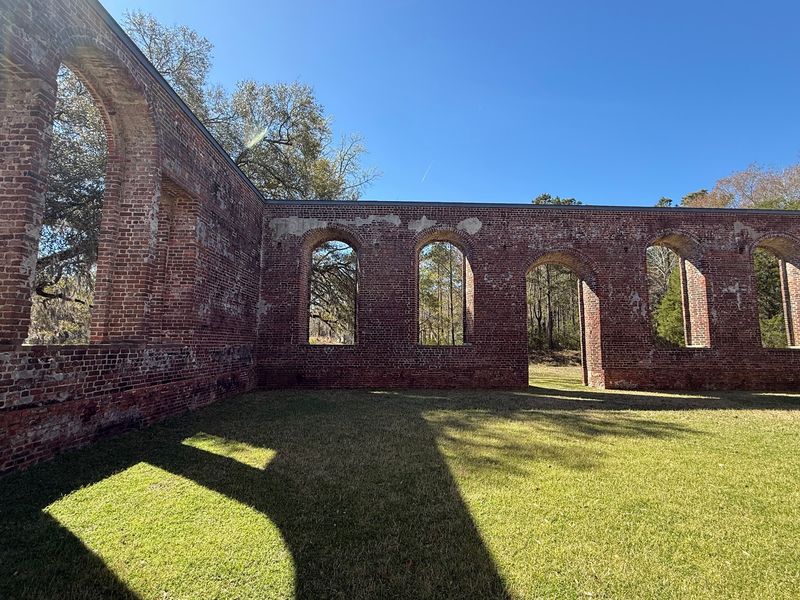
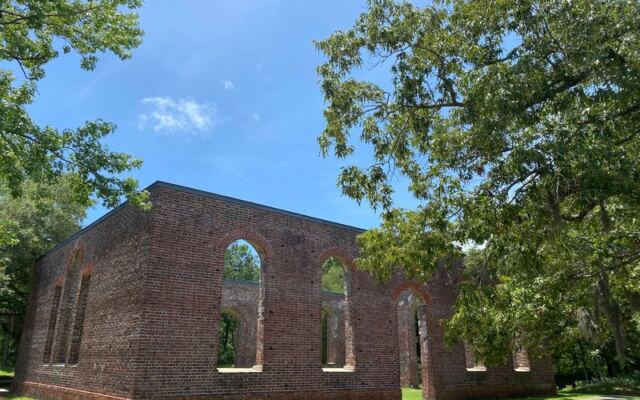
Picture tall brick walls standing open to the sky, with empty window frames that let sunlight pour straight through. That haunting shell of a church is the moment many visitors remember most.
The ruins are the clearest example of the crumbling walls promised by the title. You can stand right beside them, look up through the openings, and imagine a congregation gathering on a Sunday morning long ago.
Families mention that the story behind the church is a real highlight, even for younger kids. One parent shared that it helped keep a nine year old interested through a full visit, which says plenty.
Photographers love this spot too. The brick textures, the green lawn, and the shifting shadows create beautiful frames at almost any hour, and one visitor even captured the scene with a vintage film camera.
Take your time here. Quiet corners like this reward slow wandering.
Foundations Along a Gentle Path
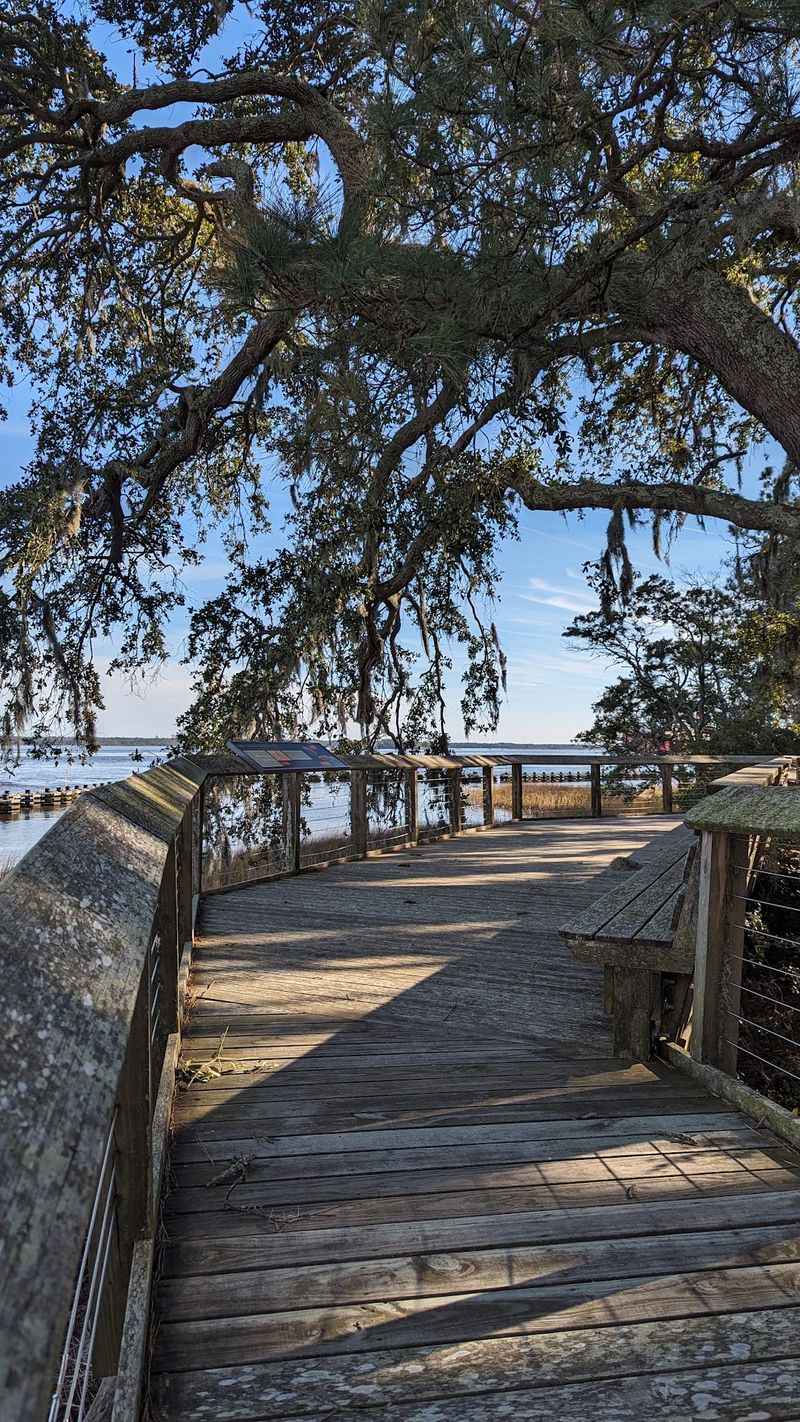
Comfortable shoes are your best friend on this stroll. A paved trail, with stretches of wooden walkway, loops roughly three quarters of a mile from the visitor center down toward the river and back.
Along the way, several excavated home sites appear from the earliest settlement. Each one comes with a sign giving historical context, and guests praise how well written that writing is.
Some signs are getting weathered and harder to read. Happily, QR codes let you pull up a self guided tour on your phone for extra detail.
One smart tip from a summer visitor: walk the grounds first and save the museum for later. North Carolina heat builds fast, and the indoor exhibits make a cool reward after your loop.
Students have even been spotted working on active excavations. It is a lovely reminder that discoveries here are still unfolding.
Fort Anderson’s Earthen Walls
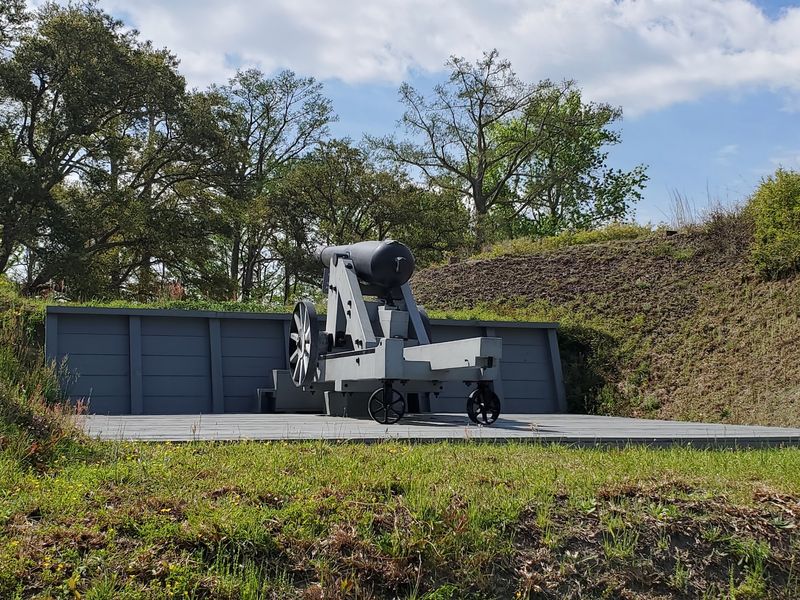
Sand, sweat, and clever engineering built Fort Anderson. Instead of tall stone walls, the defenses were shaped from earth, and those grassy mounds still roll across the landscape today.
The trail winds right through the remnants, letting you see how the fort guarded the river approach. Standing on that ground, it is easy to understand why this stretch of water mattered so much during the Civil War.
A steady breeze off the Cape Fear River sweeps over the earthworks. Visitors often mention how pleasant it feels, especially on a warm day.
Civil War history is one of the most talked about parts of the site. Even if battles are not your usual interest, the scale of the earthworks is impressive in person.
Keep an eye out for the views as you walk. The river stretches wide, and the open sky makes the whole scene feel peaceful now.
Artifacts, a Storm Flag, and a Short Film
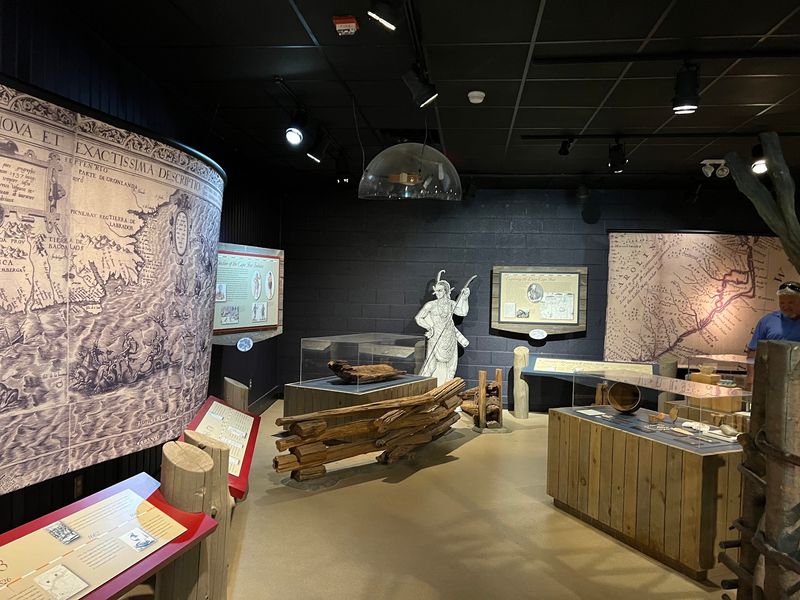
Inside the visitor center waits a compact museum that punches above its size. The exhibit hall holds a wide collection of artifacts and information that shows what life was like in the early days.
One standout is a large storm flag on display, which a family called absolutely amazing. Another visitor hints that an artifact with tragic ties to Abraham Lincoln is tucked somewhere inside.
Can you find it?
A roughly thirteen minute film offers a helpful overview before or after your walk. Guests describe the video as well made and easy to follow.
Kids get hands on activities and can join the Junior Ranger program. That turns a museum stop into a small adventure of its own.
Before leaving, browse the small gift area. It is a sweet place to grab a keepsake from your trip.
Gators, Cypress Swamps, and Riverside Trails
Not every highlight here is made of brick. On the drive in and out, a pond near the road has delighted visitors with alligator sightings, including three gators lounging in the sun at once.
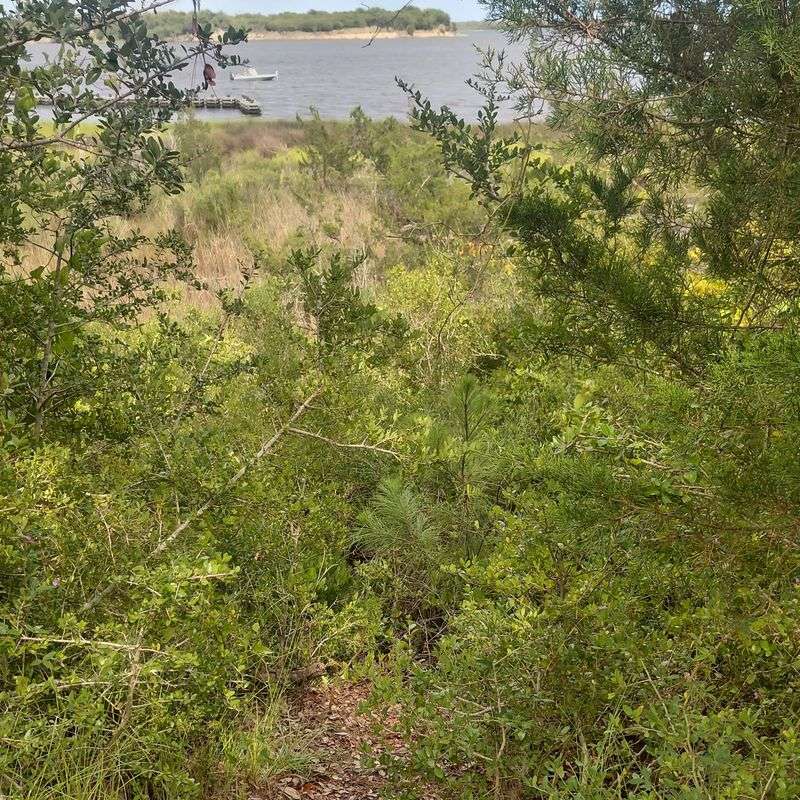
Nature lovers will also find extra trails beyond the main history loop. Some wander near an old cypress swamp, while others lead toward the riverbank, where people like to fish off the shoreline.
The drive itself rolls through about seven miles of thick woods. It feels wonderfully remote, building anticipation before the ruins appear.
Leashed pups are welcome, and one guest happily brought a dog along for the walk. A picnic area also makes it easy to pack lunch and linger.
Please note the posted no drone signs. Respect the wildlife, keep a safe distance from gators, and carry out any trash so the swampy beauty stays clean.
Festivals and Family Memories

Regulars return all year, and special events are a big reason why. Port Brunswick Days and a Christmas Celebration rank among family favorites for making memories while learning.
At some events, you can make a candle or twist your own rope to take home. Little hands love leaving with something they made themselves.
The Rice Festival is another popular gathering. Local groups, including Girl Scouts, have joined in and described it as fun and educational.
On ordinary days, the mood is calm and quiet. Visitors describe clean grounds, friendly staff, and enough space to explore without crowds.
Who will enjoy it most? History buffs, curious kids, photographers, dog walkers, and anyone collecting North Carolina road trip stops.
One traveler even timed a visit as part of a quest to see all 100 counties.
Planning Your Free Visit and a Final Word
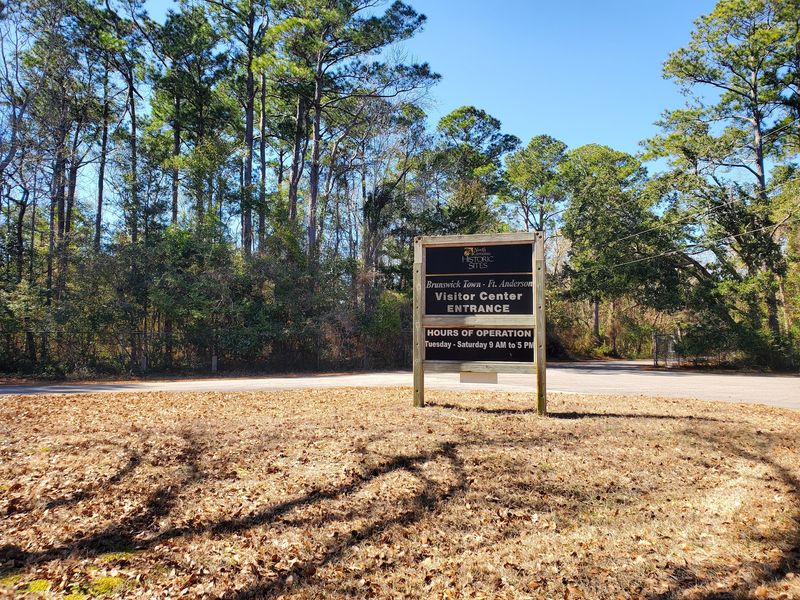
Good news for budget explorers: admission costs nothing. The site sits at 8884 St Phillips Rd SE in Winnabow, a short drive from Wilmington.
Hours run 9 AM to 5 PM Tuesday through Saturday. It is closed Sunday and Monday, so plan around that before setting out.
For questions, call 910-371-6613 or check the official North Carolina Historic Sites website.
Most guests spend one to two hours, though many wish they had more time. Dress comfortably, bring water in warmer months, and consider walking the trail early before the afternoon heat.
So is it worth the drive? For a free outing packed with ruins, river views, wildlife, and stories, it is hard to beat.
Plenty of visitors leave saying it exceeded expectations and promising to come back, and you may find yourself saying the same thing on the long wooded road home.
Share this story