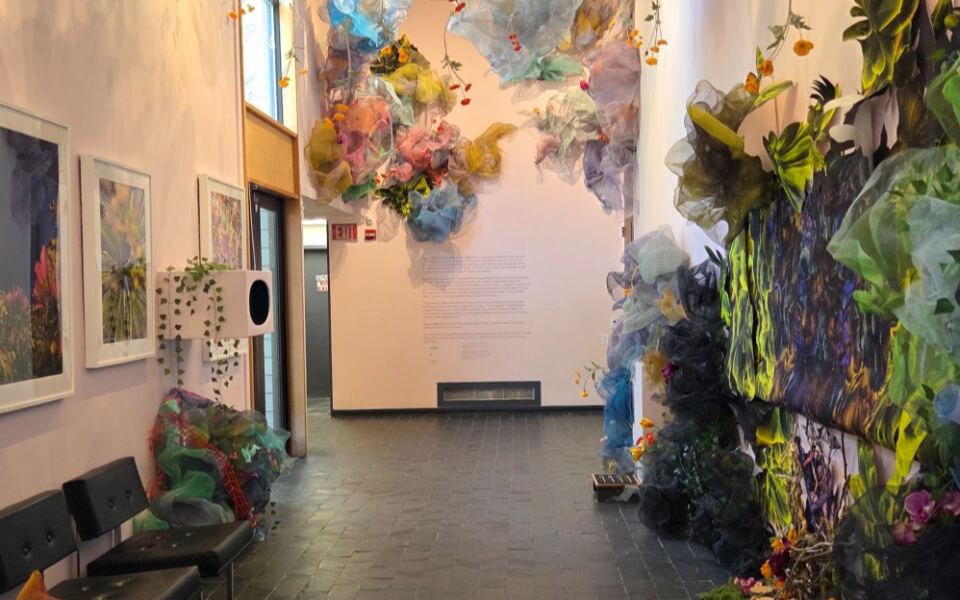
A whole room filled with trees, nature sounds, and a little winding path sits inside an art museum, and you can walk right through it. Admission works on a pay-what-you-can basis, so a family visit can cost very little.
The building sits beside a large pond with a sculpture garden spread around it. Inside, you’ll find ceramics, baskets, glass, jewelry, and fiber art made by artists from near and far.
I like how the place feels small enough for kids to enjoy without anyone melting down. Local high school students even show their work right next to professional artists.
It sits off the usual Massachusetts museum trail, far from the big-city crowds and parking headaches. So why do so many people drive past without ever stopping?
I can’t imagine skipping it once you know what waits inside.
A Pond-Side Craft Museum Most Drivers Never Notice

Fuller Craft Museum sits on Oak Street in Brockton, beside a large pond and a stretch of quiet woods. It’s an art museum devoted to contemporary craft, which means the art here was shaped by hands, tools, and serious skill.
Think clay, fiber, wood, metal, glass, and stone. Instead of paintings in gold frames, you get objects that blur the line between art and everyday craft.
The museum has two stories plus an outdoor sculpture garden. It also hosts a permanent collection alongside temporary exhibits that rotate through the year.
Plenty of people pass by for years before finally pulling in. That’s a little funny, since the building sits in plain sight in a city most Massachusetts residents already know.
What makes it worth the stop? The mix of serious art, peaceful grounds, and a pay-what-you-can entry policy that keeps the door wide open.
It’s the kind of outing that works for a curious kid, a craft lover, or anyone craving a calm afternoon. Best of all, you don’t need a big budget or a long drive to pull it off.
Galleries Built Around Artists Instead of Eras
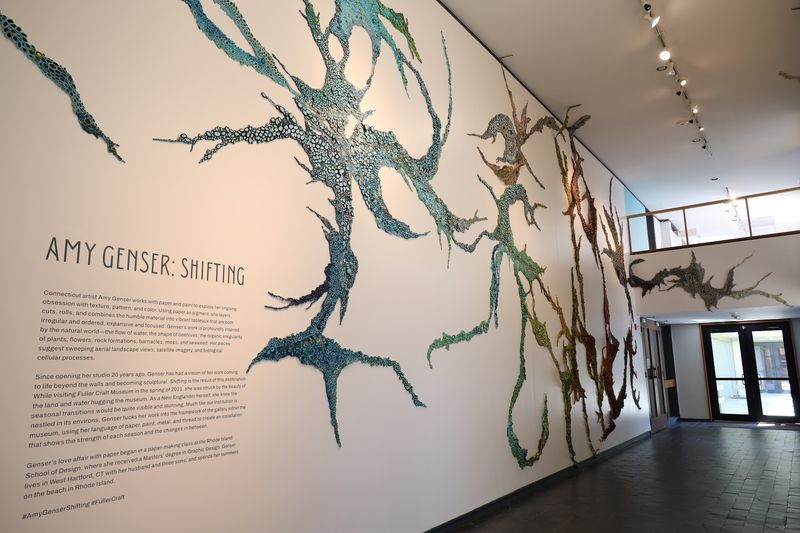
Most museums march you through centuries or group things by theme. Fuller Craft Museum takes a different route and builds many exhibitions around individual artists.
That changes the whole feel of a visit. You spend real time with one maker’s ideas, materials, and style before moving to the next.
A good example came from Japanese artist Asagi Maeda, whose wearable jewelry sculpture exhibit appeared here. Pieces like that make you wonder whether something belongs on a person or on a pedestal.
The answer, happily, can be both. Craft lives in that space between useful and beautiful, and the museum leans into it.
Small exhibition rooms help, too. Artworks feel close and personal rather than lost in a cavernous hall.
You can actually lean in, study the stitching on a textile, or follow the grain of carved wood. Kids notice details faster than adults, so let them lead the way.
By the end, you may find yourself with a favorite artist you’d never heard of an hour earlier. That’s a pretty good return on a free afternoon.
Water Views That Turn Gallery Windows Into Scenery
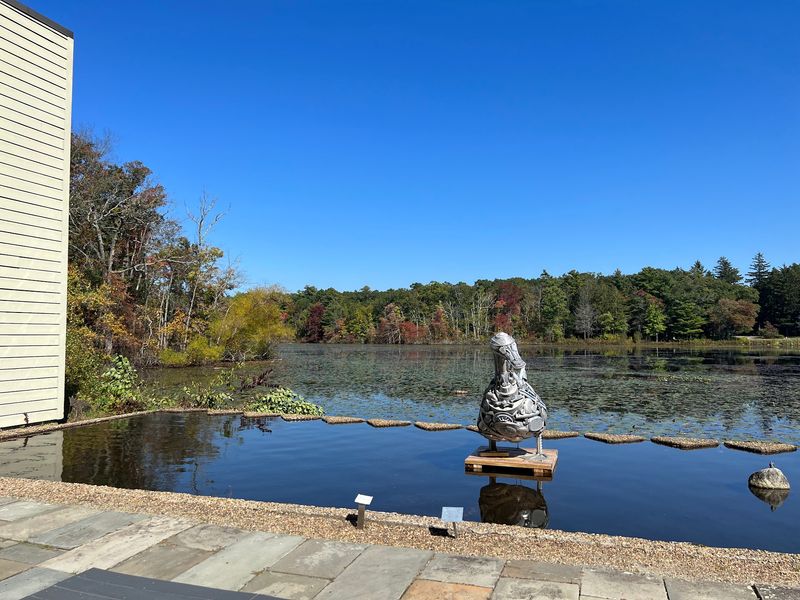
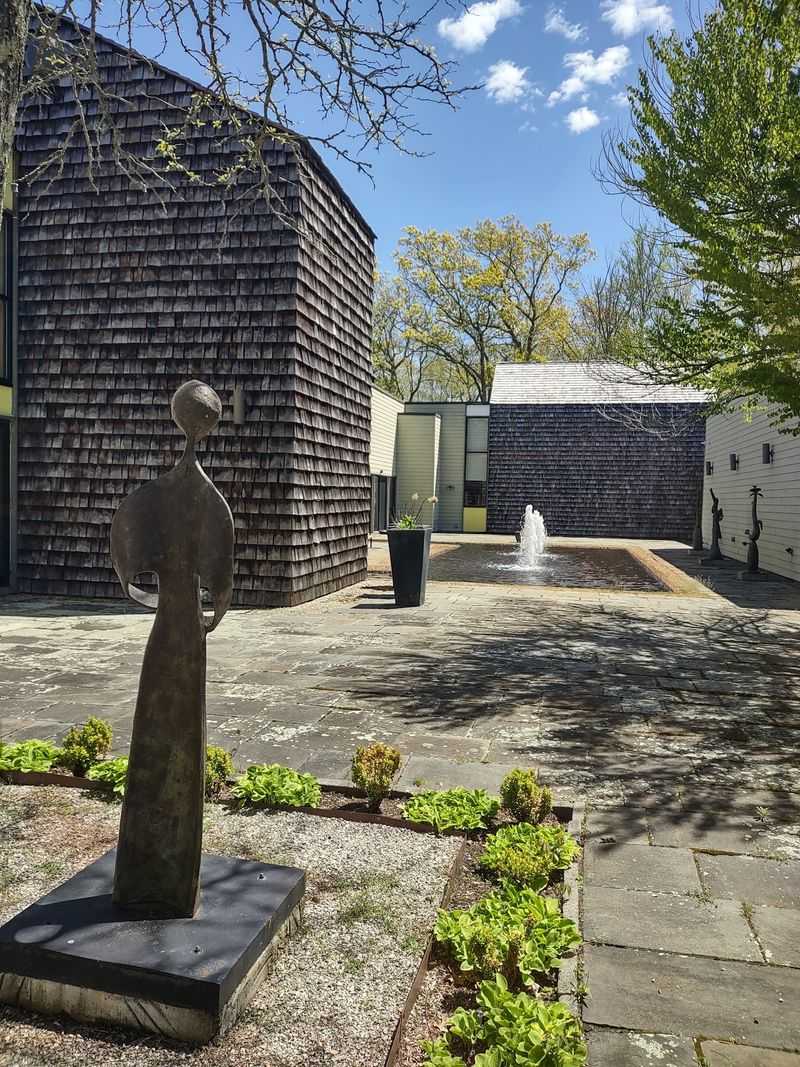
Few museums get to borrow a pond as part of the show. Here, the building sits right along the water, and the setting does a lot of quiet work.
The architecture was designed to blend with the landscape. Glancing outside between exhibits feels like a natural pause button.
Fall makes this setting especially tempting in Massachusetts. Trees around the pond can shift color, giving the outdoor views a seasonal glow that changes week to week.
Inside, the space feels well lit and calm. A quiet atmosphere is one of the things people mention most often about the place.
That calm makes a difference for families. Little ones can look, point, and whisper without a crush of crowds behind them.
There’s also plenty of seating, both indoors and out, which is rarer in museums than it should be. Tired legs get a break, and grown-ups get a moment to soak it in.
So bring a jacket if the weather’s crisp. You’ll probably want to step outside and see that water up close before heading home.
Sculptures Hiding Along the Garden Paths
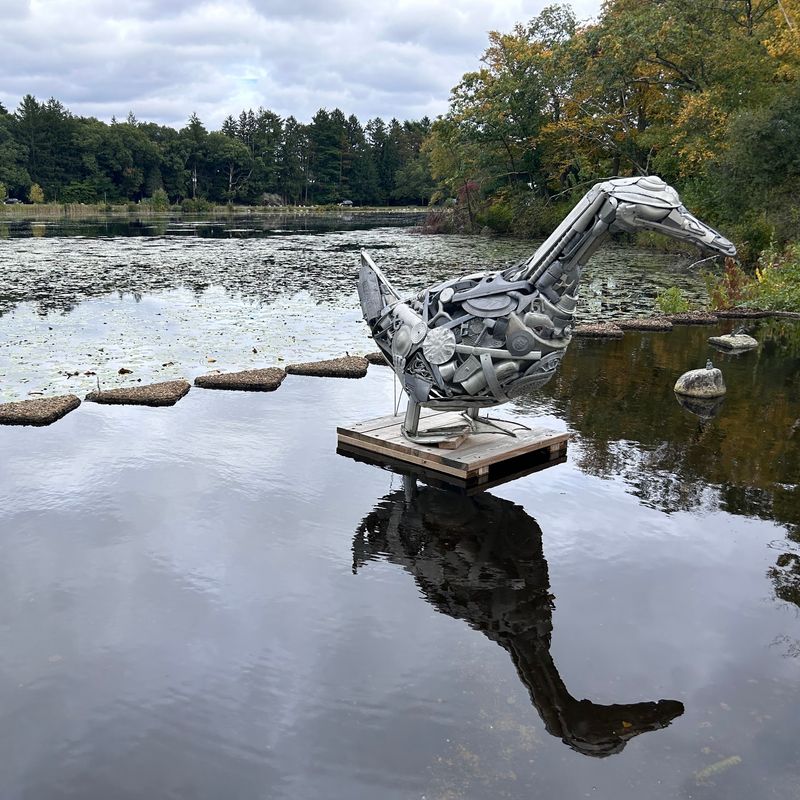
Art doesn’t stop at the front door. Fuller Craft Museum has an outdoor sculpture garden that wraps around the grounds near the pond.
Pieces sit right in the landscape rather than behind ropes. That integration of art and nature is one of the most impressive parts of the whole property.
Kids love a good discovery walk, and this garden delivers one. Every bend in the path can reveal another sculpture waiting to be spotted.
Photographers will find plenty to frame, too. Art against water, trees, and open sky makes for shots that don’t look like typical museum photos.
Some visitors only explore the outdoor area and still leave impressed. That says a lot about how much is placed across the grounds.
Plan your timing with the weather in mind. A dry, mild day lets you stretch the visit and wander longer.
Indoor exhibits can fill under an hour, while the garden can push a visit closer to two. Either way, it’s a low-effort outing with a big payoff for little legs and curious minds.
A Forest You Can Walk Through Indoors
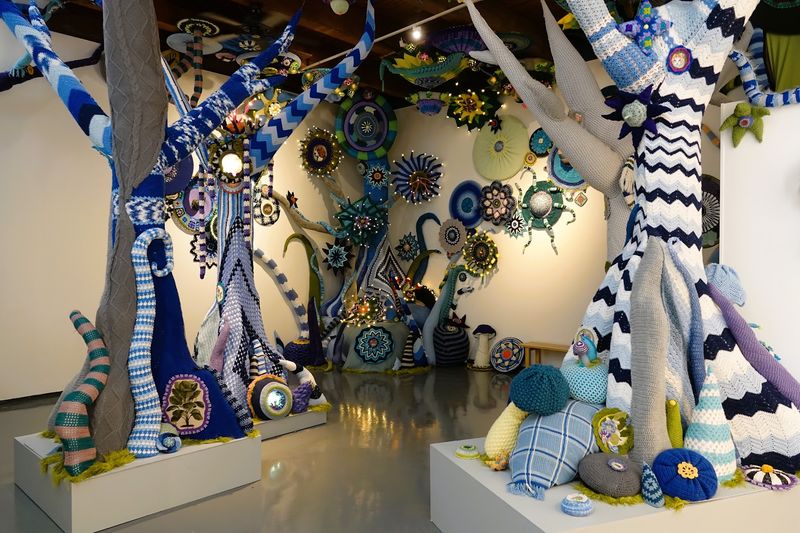
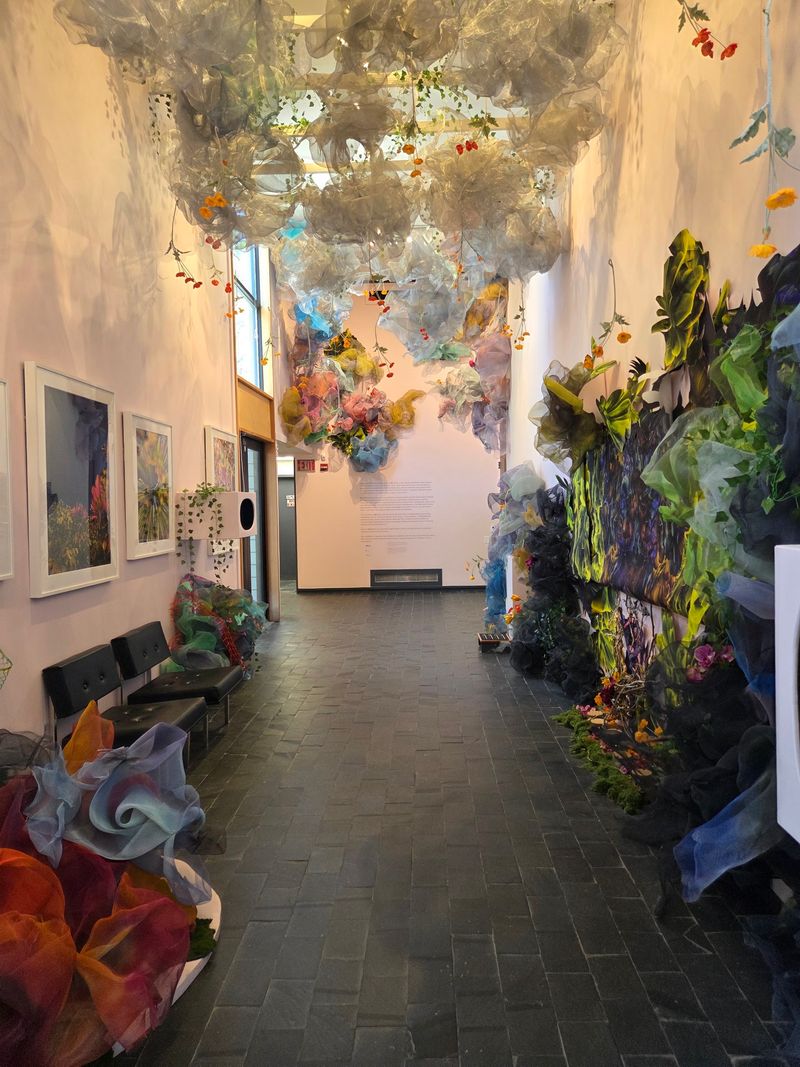
Trees, nature sounds, and a little path to follow, all inside a museum room. The Fiber Forest exhibit gave visitors exactly that kind of interactive experience.
It’s the sort of space kids remember long after the car ride home. Walking through art feels very different from simply looking at it.
People describe the room as deeply peaceful. Soft sounds and textured surroundings slow everyone down, even the busiest seven-year-old.
Interactive pieces like this are part of what sets the museum apart. Visitors often highlight how hands-on and engaging the experience can feel.
Of course, exhibits rotate, so check what’s showing before you go. Not every installation stays forever, and that’s part of the fun.
Still, the spirit behind the Fiber Forest tells you a lot about the museum’s personality. It wants people to feel art, not just study labels on a wall.
For families, that’s a gift. Children who might fidget in a traditional gallery often light up when the art invites them to step inside.
Clay, Glass, Metal, and Thread Under One Roof
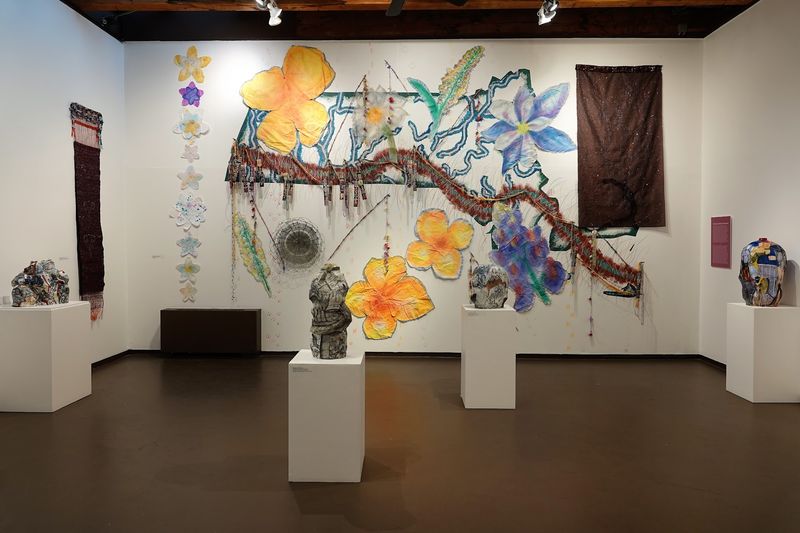
Ceramics on one wall, woven baskets on another, glass catching light across the room. The variety here keeps eyes busy from start to finish.
Exhibits have covered sculpture and stonework, pottery, fiber and textile arts, basketry, metal, and woodworking. Paper and precious metals have shown up too.
Artists come from Massachusetts and well beyond. That blend gives the museum a local heartbeat with a wider view of the craft world.
Traditional techniques often get a modern spin. A familiar material can end up doing something you never expected it could do.
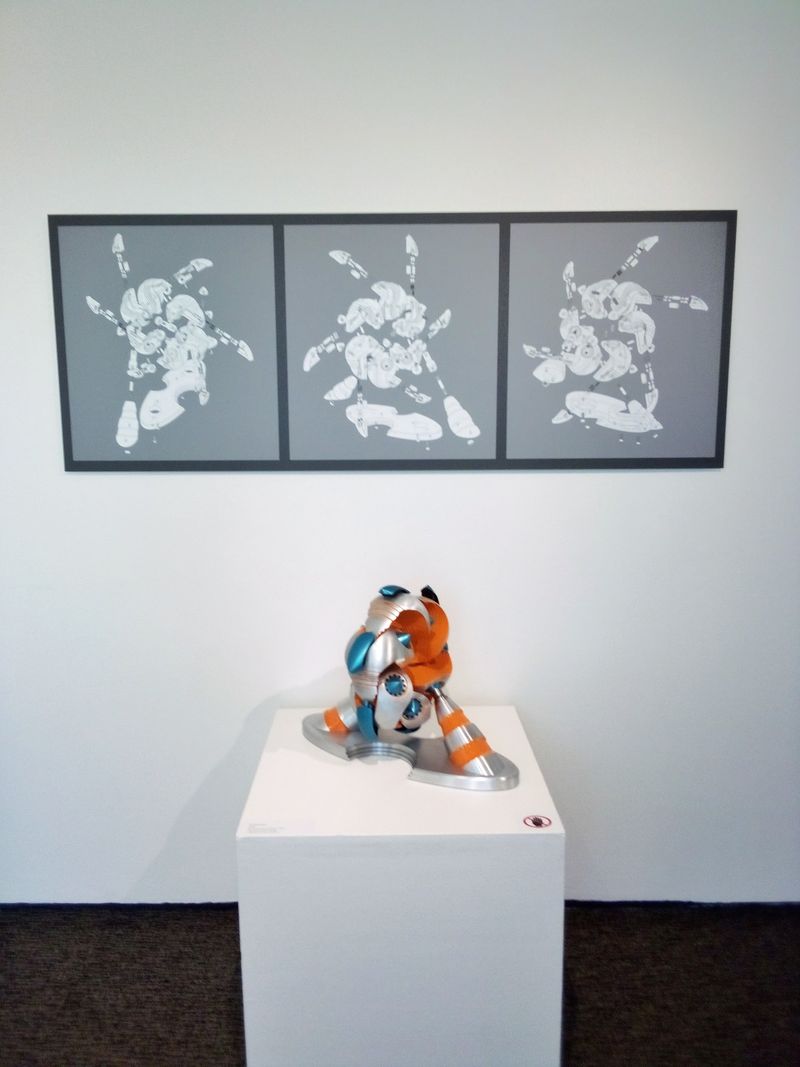
Past shows have included button-covered fashion pieces and sci-fi sculptures. There was even a basketball-inspired installation, which feels like a perfect way to hook a sports-loving kid.
A dress exhibit called The Red Dress also drew families in. Big, bold pieces like that work well for young visitors who respond to color and scale.
Craft might sound quiet on paper. In person, it turns out to be surprising, playful, and full of personality.
Teen Artists Hanging Beside the Pros
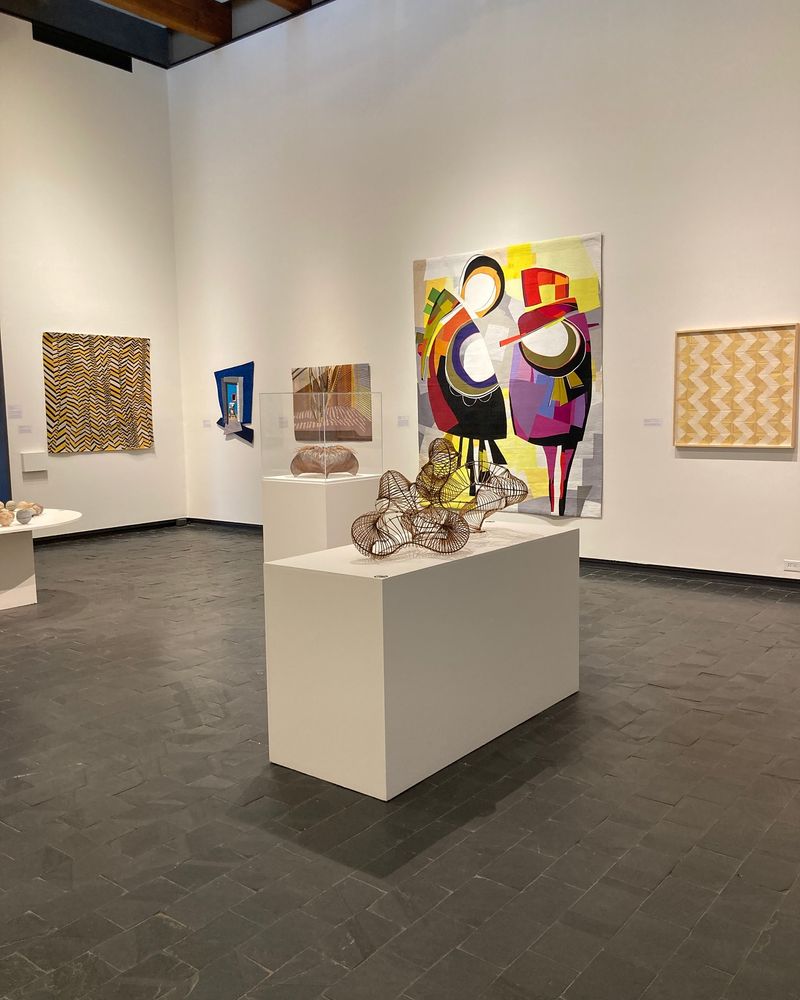
Local high school students sometimes get gallery space right next to professional artists. That detail alone makes this place feel connected to its community.
One past show featured illustrations by a local high schooler. For young visitors, seeing art by someone just a few years older can be wildly inspiring.
It sends a clear message. Art isn’t only for famous names in faraway cities.
Local artists are a recurring theme here as well. The building holds a remarkable amount of regional talent for its size.
Brockton residents can even enter for free. That’s a thoughtful touch for a museum so rooted in its hometown.
Massachusetts has plenty of big-name museums, but few mix student work with established makers this naturally. It gives the galleries an honest, welcoming feel.
If you have an artsy teen at home, this might be the visit that sparks a new hobby. Or at least a long conversation on the drive back about what they’d create.
History and Hard Topics Told Through Craft
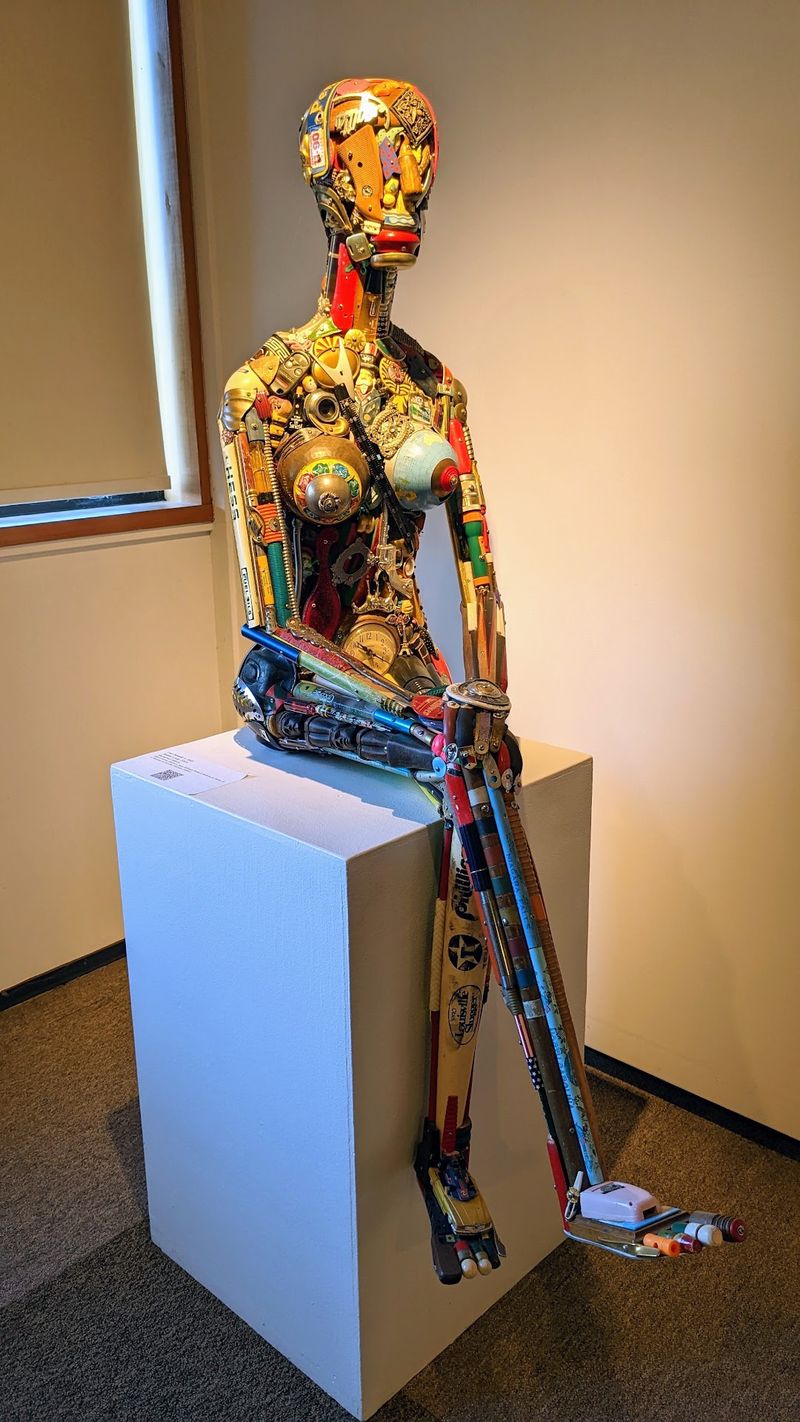
Baskets woven with historic texts by Indigenous artists stand out among the museum’s memorable works. They show how craft can carry stories and confront history head-on.
That approach turns a basket into something much bigger. It becomes a conversation piece about the past and who gets to tell it.
The museum has a reputation for exploring social themes other museums may skip. A past exhibit on the opioid epidemic left a strong impression on many people.
Not every show is heavy, of course. The mix ranges from playful fashion pieces to thoughtful, moving installations.
Parents can use these moments as gentle starting points. Older kids especially may have questions worth talking through together.
The blend of creativity and thought provocation comes up often when people describe a visit. You leave with something to think about, not just pretty pictures on your phone.
Check current exhibits ahead of time if you’re bringing younger children. That way you can steer the visit toward what fits your crew best.
Rotating Shows That Reward Repeat Trips
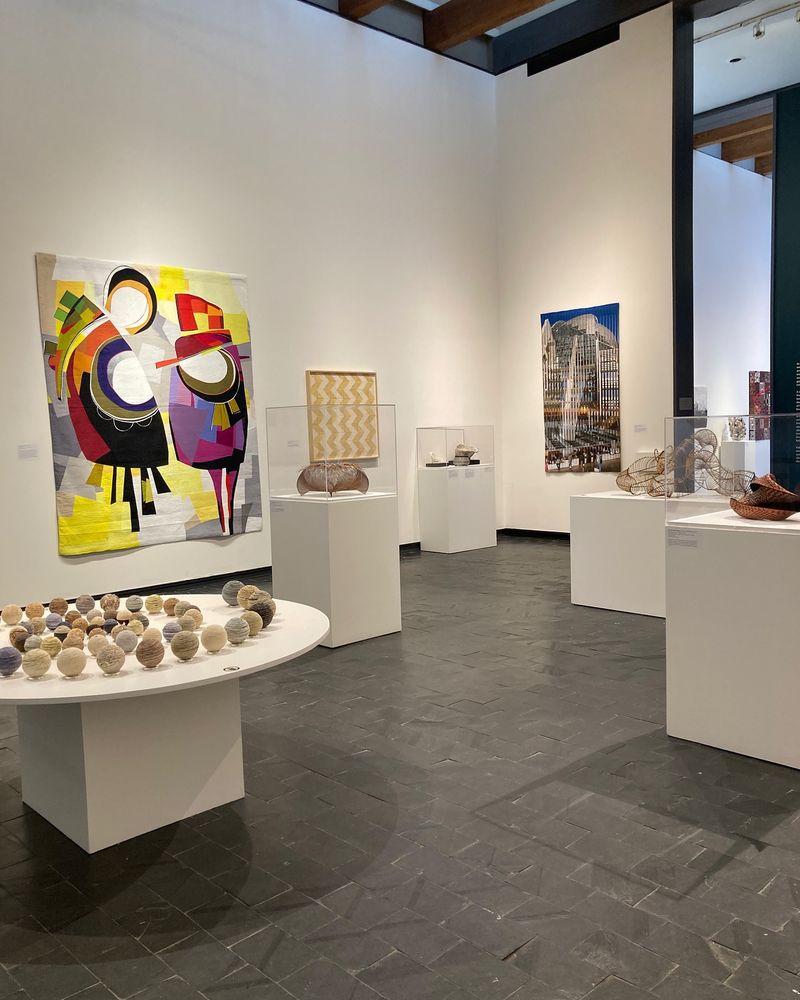
Visit in spring, then again in fall, and you may see a mostly different museum. Rotating exhibits keep the content fresh alongside the permanent collection.
That’s great news for locals. A place you can return to without feeling like you’ve seen it all is a valuable thing.
During one visit, five exhibits were on display at once. They included a portrait collection, student illustrations, fashion pieces, sculpture, and a sports-themed installation.
A portraiture exhibit is among the shows people still bring up. Changing exhibits, in general, rank as a favorite feature.
Second-time visitors often find surprises they didn’t expect. New artists and new materials keep each trip feeling like a fresh discovery.
Since entry works on donations, repeat trips don’t have to strain the family budget. You can pop in for an hour whenever a new show opens.
Following the museum’s announcements helps you catch exhibits before they close. Some shows only stick around for a season, so timing matters.
Take-Home Treasures Right by the Entrance
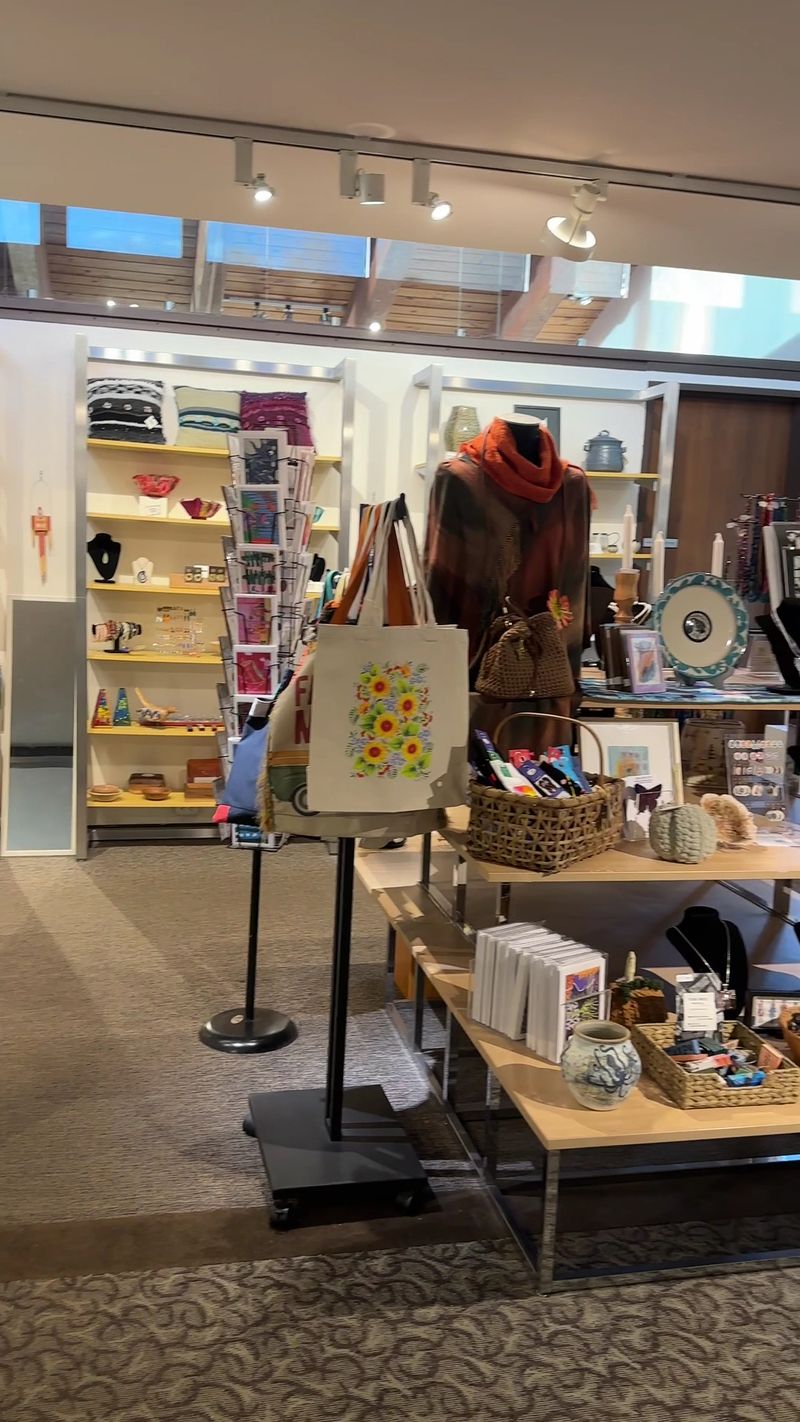
Handmade earrings, beaded birds, and artisan trinkets greet you right as you enter. The gift shop sits near the front, so it’s hard to miss on the way out.
One clever touch stands out. Some styles you see in the galleries carry into pieces for sale in the shop.
That means you can bring a bit of the museum home. It feels more personal than a standard keychain or magnet.
The shop has carried items supporting Mayan artisans as well. Buying a small gift can support makers far beyond Massachusetts.
Prices on some pieces have been described as relatively affordable. A beaded hummingbird makes a sweet example of a budget-friendly gift.
Kids with a little allowance may enjoy picking out something special. It turns the visit into a memory they can hold in their hands.
Holiday shopping is another smart reason to stop by. Unique handmade gifts beat another trip to a crowded mall any day.
Just the Right Size for Small Explorers
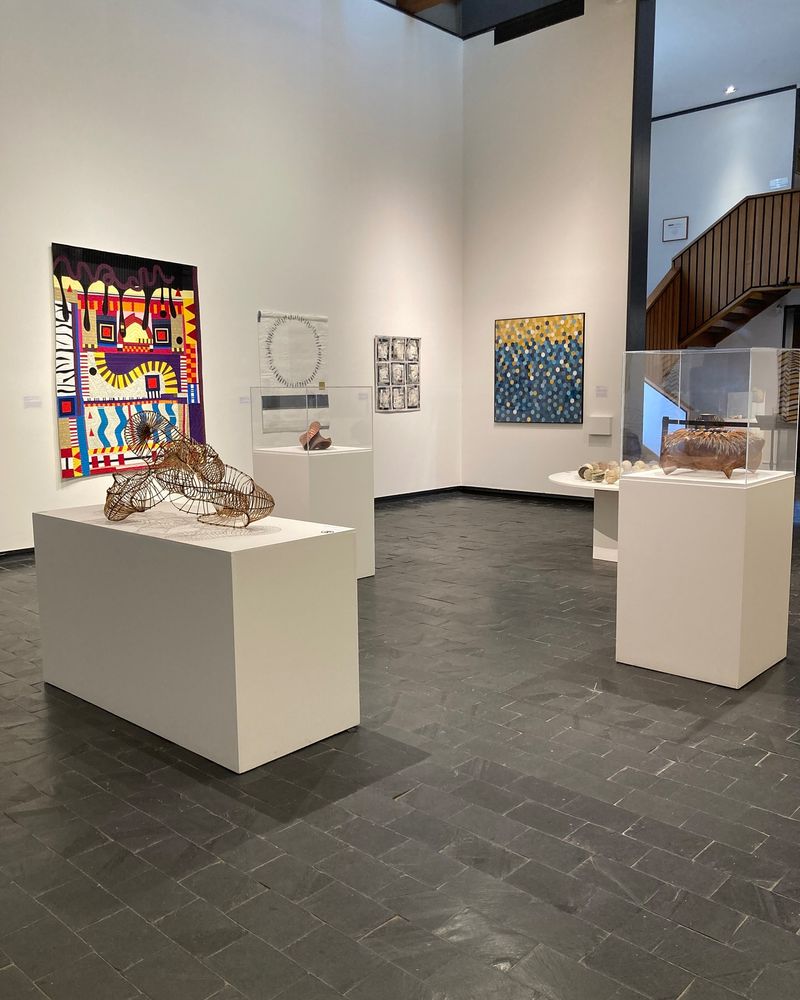
Big museums can wear kids out by the second hallway. Fuller Craft Museum avoids that problem simply by being compact.
Families describe it as not too big and not overwhelming. Children can see a lot without hitting their limit.
The indoor galleries can take around an hour. Add the grounds, and you might stretch it to two.
Quiet times can feel almost private. Even during school vacation weeks, the galleries have sometimes been surprisingly calm.
Accessibility helps families too. The space is well lit and accessible for wheelchairs and people with limited mobility, which makes strollers easier as well.
Comparisons to giant city museums come up often. People love that it isn’t as daunting, yet still feels high quality.
Interactive exhibits, outdoor sculptures, and a pond to admire keep restless energy in check. That’s a winning combo for parents juggling different ages.
Plus, a shorter visit leaves room for lunch, a playground, or a nap. Everyone goes home happy.
Classes, Workshops, and a Lively Craft Fair
Watching an artist work can be just as fascinating as seeing the finished piece. Some visitors have caught artists at work during workshops here.
The museum offers art classes taught by highly regarded instructors. Hands-on learning lets you try the very crafts you just admired.
Workshops and programs round out the calendar. Check the schedule to see what fits your family’s interests and ages.
A craft fair has become a recurring event, with its third annual edition drawing vendors both inside and outside. It mixes shopping with a chance to see the galleries.
The venue also hosts events and weddings. Its pond-side setting makes that easy to understand.
For Massachusetts families hunting fall plans, a craft fair beside the water sounds hard to beat. Just confirm dates before heading out.
Classes may carry their own fees, separate from general admission. Even so, they can be a fun way to turn one visit into a creative habit.
Hours, Donations, and Parking Before You Go
Mondays are off the table, so plan accordingly. Fuller Craft Museum opens Tuesday through Sunday from 10 a.m. to 5 p.m.
The museum has also closed for major holidays such as Thanksgiving, Christmas, and New Year’s Day. A quick check before driving out saves disappointment.
Admission is free, with suggested donations for adults and seniors. Pay what you can, and nobody expects a fortune.
A donation box sits available for anyone who wants to give. Brockton residents can enter free, which is a lovely community perk.
You’ll find the museum at 455 Oak St, Brockton, MA 02301. Outdoor parking is available on site, so no circling the block for a spot.
Accessibility is strong, with well-lit spaces and wheelchair-friendly areas. Seating appears throughout, both indoors and outside.
Give yourself an hour for the galleries alone. Leave extra time if the weather invites a stroll through the sculpture garden by the pond.
Why This Brockton Stop Deserves a Spot on Your List
Free art, a peaceful pond, and galleries kids can actually enjoy. That combination is rare anywhere, let alone this close to home.
Fuller Craft Museum proves that a smaller museum can leave a big impression. It packs variety, creativity, and calm into a manageable visit.
Craft lovers will appreciate the high caliber of the work. Families will appreciate the size, the seating, and the interactive touches.
Budget watchers get a bonus, too. Pay-what-you-can entry means a great outing doesn’t depend on deep pockets.
Autumn makes an especially good time to go in Massachusetts. Changing leaves around the pond add a seasonal backdrop to the outdoor art.
Is it the flashiest museum in the region? No, and that’s part of the charm.
It feels personal, local, and full of surprises. Bring the kids, bring a friend, or just bring yourself for a quiet hour.
Chances are, you’ll leave planning your next trip back. And you might wonder why you waited so long.
Share this story