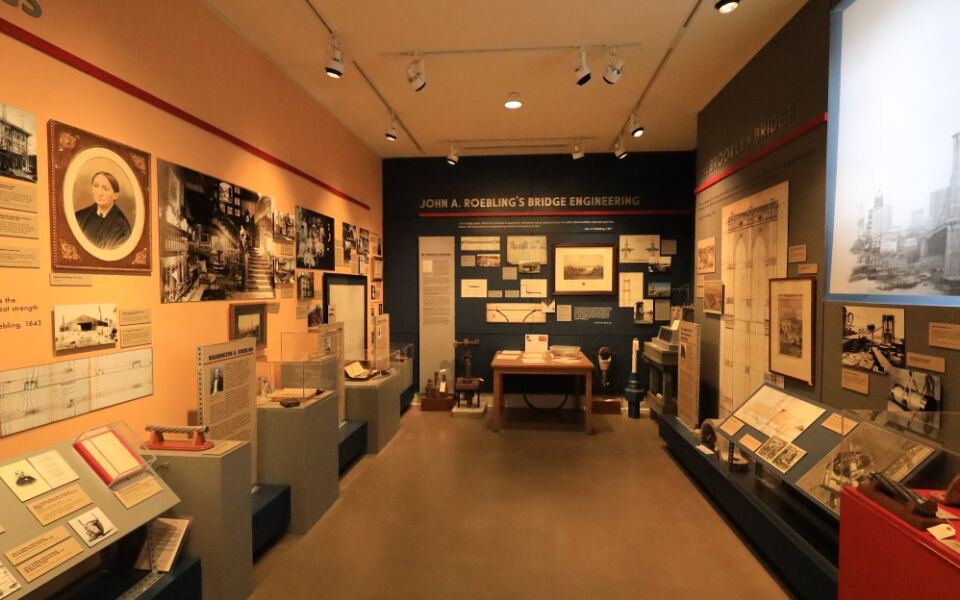
The steel cable inside the Brooklyn Bridge was made in a small riverside town in New Jersey. That fact alone stopped me cold.
I always pictured New York building its own icons.
The same company twisted wire for the George Washington Bridge and the Golden Gate Bridge too. Then it built an entire town so its workers had homes, streets, and a place to belong.
Today, a modest old office building tells that whole story. Inside, there’s a short film, photos, artifacts, and a hands-on bridge-building activity for groups.
Admission works on donations, which feels almost too generous.
I like how one quiet museum ties neighborhood sidewalks to skylines across the country. I can’t imagine driving over a big bridge the same way afterward.
So how did a few factory blocks change American travel forever?
A Former Office Building With A Big-Bridge Backstory
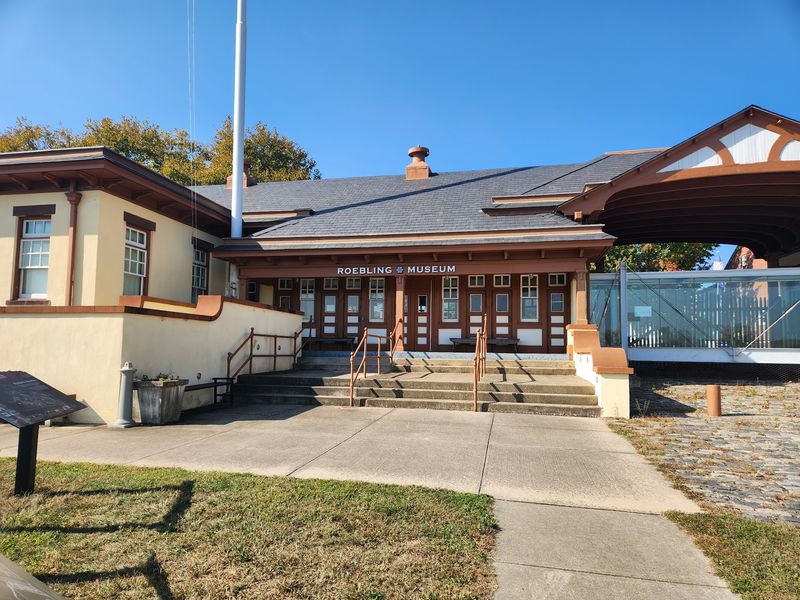
Plenty of museums brag about one famous connection. The Roebling Museum quietly claims several, starting with the Brooklyn Bridge.
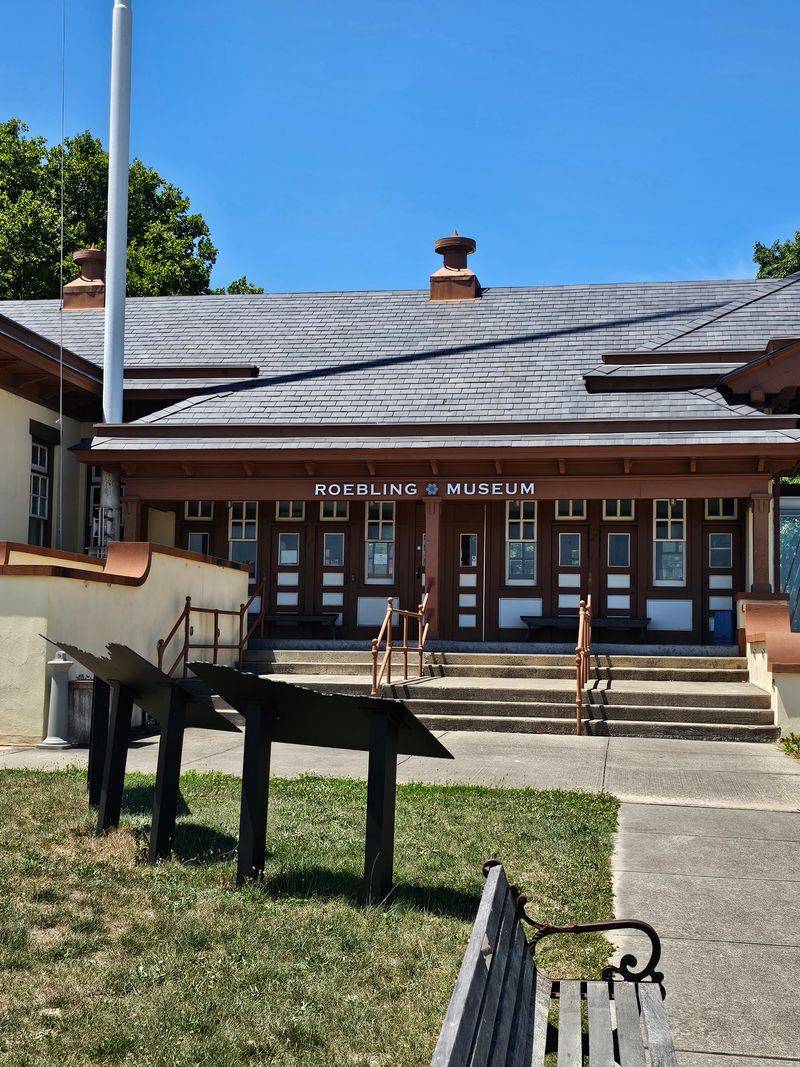
The museum sits inside the old office building of the former Roebling wire works. That location matters, because the story you learn happened right around you.
Roebling is a small Burlington County community along the Delaware River in New Jersey. The town exists because of the company, which is a fun twist for anyone who assumed the name was just coincidence.
Inside, the focus stays tight and clear. You’ll learn about the Roebling family, their wire rope business, and the workers who made it run.
It’s officially a small museum, and it doesn’t pretend otherwise. Still, the exhibits pack in a lot of history, science, art, and human interest per square foot.
I like that the building itself is part of the artifact. You aren’t viewing industrial history from a distance or through a gift-shop window.
For New Jersey residents, this is a stop that rewrites a few assumptions. Big American landmarks have roots in surprising places, and some of them trace back to this one riverside corner.
Twisted Wire That Held Up America’s Famous Spans
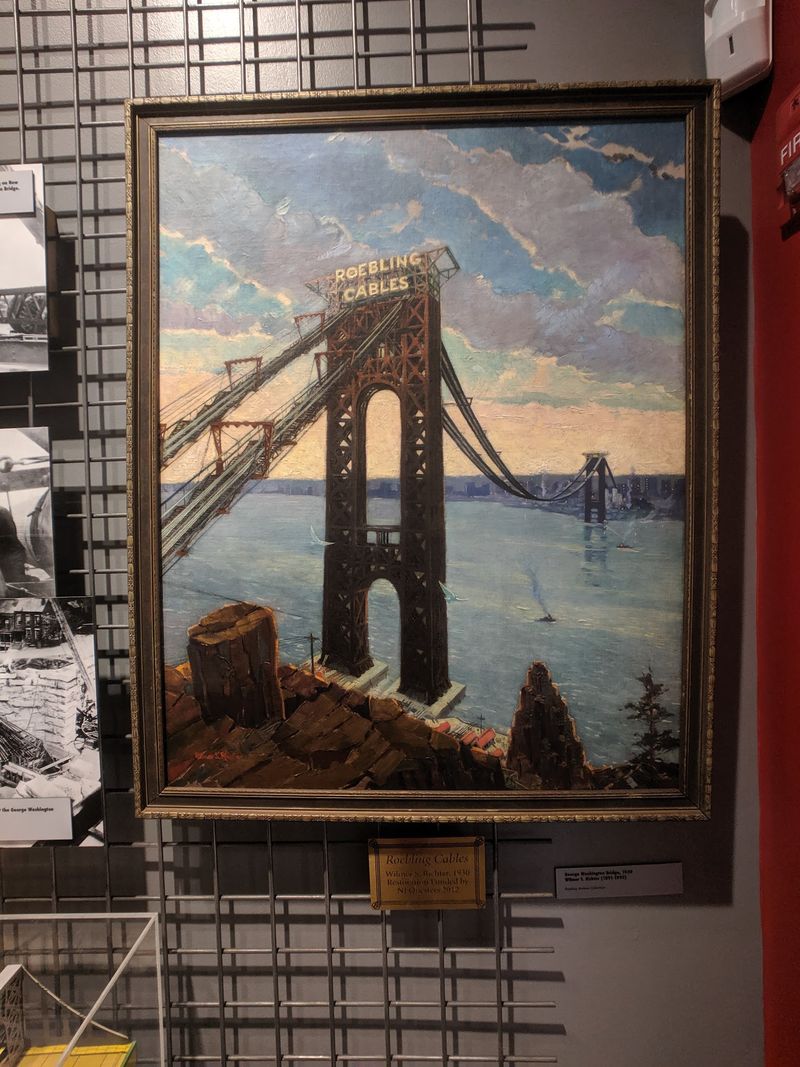
Wire sounds boring until it’s holding up a skyline. The Roebling innovation of twisted wire cables helped make iconic suspension bridges possible.
The Brooklyn Bridge is the headliner here. Its steel cable came out of this company’s legacy, and the museum explains how that engineering leap worked.
The list keeps going, too. The company’s work is tied to the George Washington Bridge and the Golden Gate Bridge, among many others.
That’s a lot of famous crossings for one New Jersey company town. Honestly, it feels a little like discovering your quiet neighbor once coached an Olympic team.
The exhibits connect the science to the story without drowning you in jargon. Engineering fans will find plenty to chew on, while casual visitors can still follow along easily.
Railroads and highways benefited from these steel structures as well. So the impact reaches beyond postcard bridges into everyday infrastructure most of us use without thinking.
I believe this is the moment most visitors start looking at bridges differently. Those graceful cables suddenly have a hometown, and it’s closer than you expected.
Eighteen Minutes Of Family, Factory, And Neighbors On Film
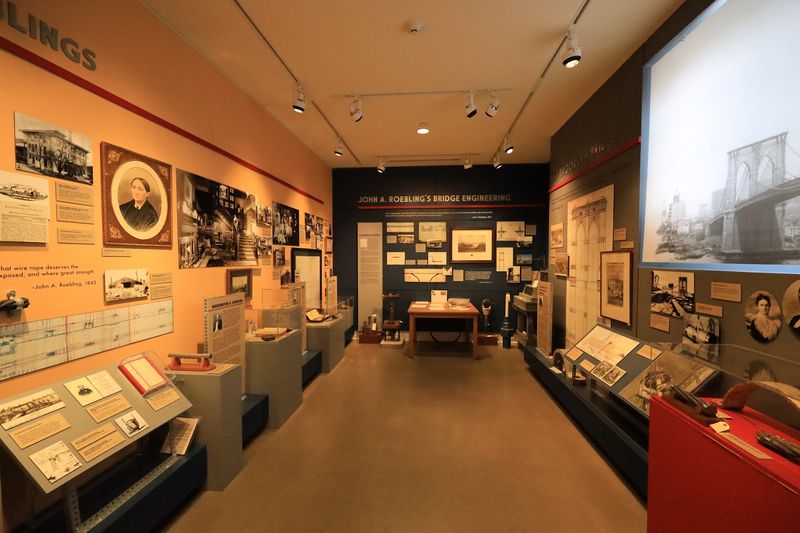
Start with the movie. Seriously, the introductory film sets up everything else in the building.
It runs roughly 18 minutes and covers the family, the company, and the town’s history. The format makes it easy to absorb before you hit the exhibits.
What gives the film its heart is the voices. It features interviews with Roebling family members, former employees, and residents of the town.
That mix keeps the story human. You hear about the industrial era from people connected to it, not just from captions on a wall.
Visitors often describe the movie as the thread tying personal stories together. Once you’ve seen it, the photos and artifacts carry more meaning.
Is it a little long for restless kids? Maybe, but it’s short enough to fit before a tour without eating your whole afternoon.
Grab a seat, settle back, and let the backstory land. The rest of the Roebling Museum makes far more sense once you know who lived, worked, and built lives here in New Jersey.
Exhibits Where The Workers Finally Get The Spotlight
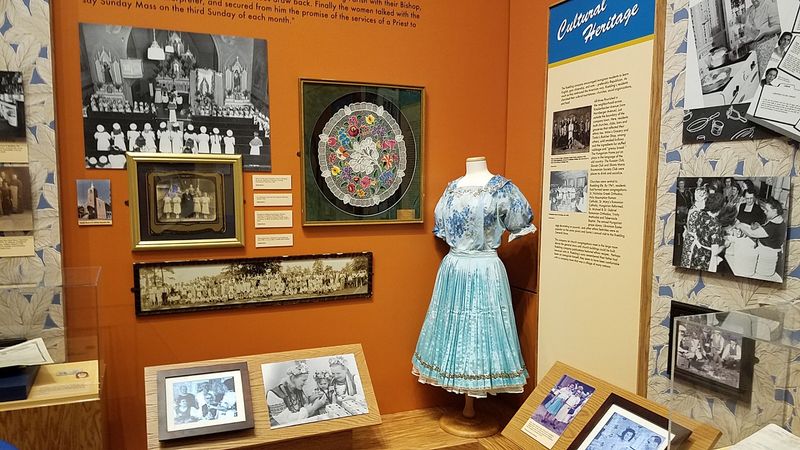
History books love inventors. The galleries here make room for the people who clocked in every day.
Exhibits cover the life of the factory workers alongside the family’s accomplishments. It’s the kind of history many people say they never learned in school.
The rooms hold a generous collection of photos and artifacts. Displays are well presented, and the interior is kept clean and orderly.
You’ll see how one factory shaped a whole town. Jobs, homes, and community life all connected back to the wire works.
Some tours include hands-on moments too. One visitor got to hold a heavy number 5 Alligator wrench, a solid reminder of how physical this work was.
The museum is also described as easy to access and move through. That’s helpful for groups, older visitors, and anyone who prefers a manageable layout.
Small doesn’t mean thin here. The steady stream of information makes it easy to spend more time than planned, and one history fan happily stayed two and a half hours.
Factory Relics Waiting Just Outside The Door
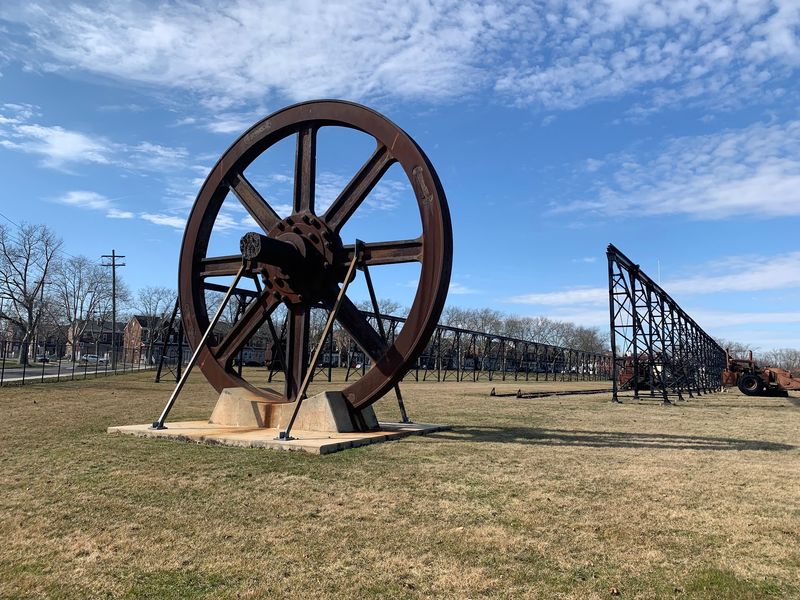
Don’t rush back to the car. The exterior displays deserve a few minutes of your attention.
Outside, you’ll find large industrial pieces tied to the old works. Items include a factory wheel, slag buckets, and a switcher engine.
These hulking objects add scale that indoor photos can’t match. Standing beside them makes the size of the operation easier to grasp.
Some pieces show plenty of weathering, which suits their industrial character. They look like they earned their retirement the hard way.
The displays sit within a fence line, so a few visitors peek at them after hours. For the full experience, though, plan your visit during open days.
I like how this outdoor stretch bridges the museum and the town. It’s a natural pause before heading off to explore the streets the factory built.
Kids who drift during exhibits often perk up around big machinery. Massive wheels and buckets tend to spark questions, and that curiosity is half the point of the Roebling Museum.
Company-Town Streets Worth A Slow Stroll
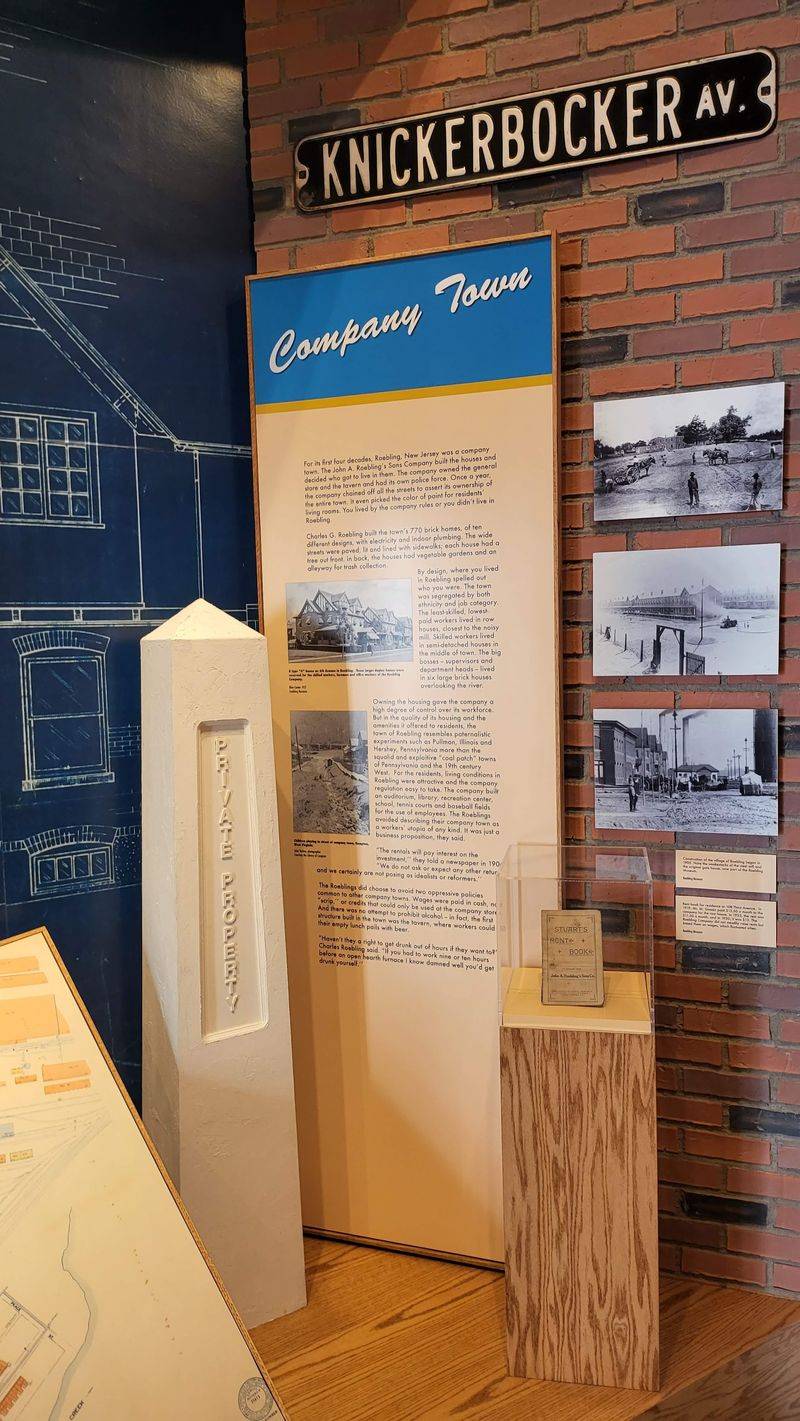
Roebling built a town to house his employees, and much of that story still sits on the street. Walking it turns the museum lesson into something you can see.
The museum offers a guided walking tour of the company town when timing works out. Arrive early enough, because visitors note it’s easy to miss.
Can’t catch the guided version? Volunteers have handed out a printed walking or driving tour that passes other historical sites around town.
That flexibility is handy for families and solo explorers. You can wander at your own pace and still follow the story.
Guides lead tours through both the town and the museum, and group visitors have praised how thorough they are. Seniors’ groups have enjoyed the combination too.
The street plan tells you a lot about industrial-era life in New Jersey. Homes, workplaces, and community spaces were all shaped by one employer.
Comfortable shoes are a smart call. This is the part of the visit where the bridges feel personal, because the people who made them lived right here.
Guides Who Turn Wire Into Storytelling
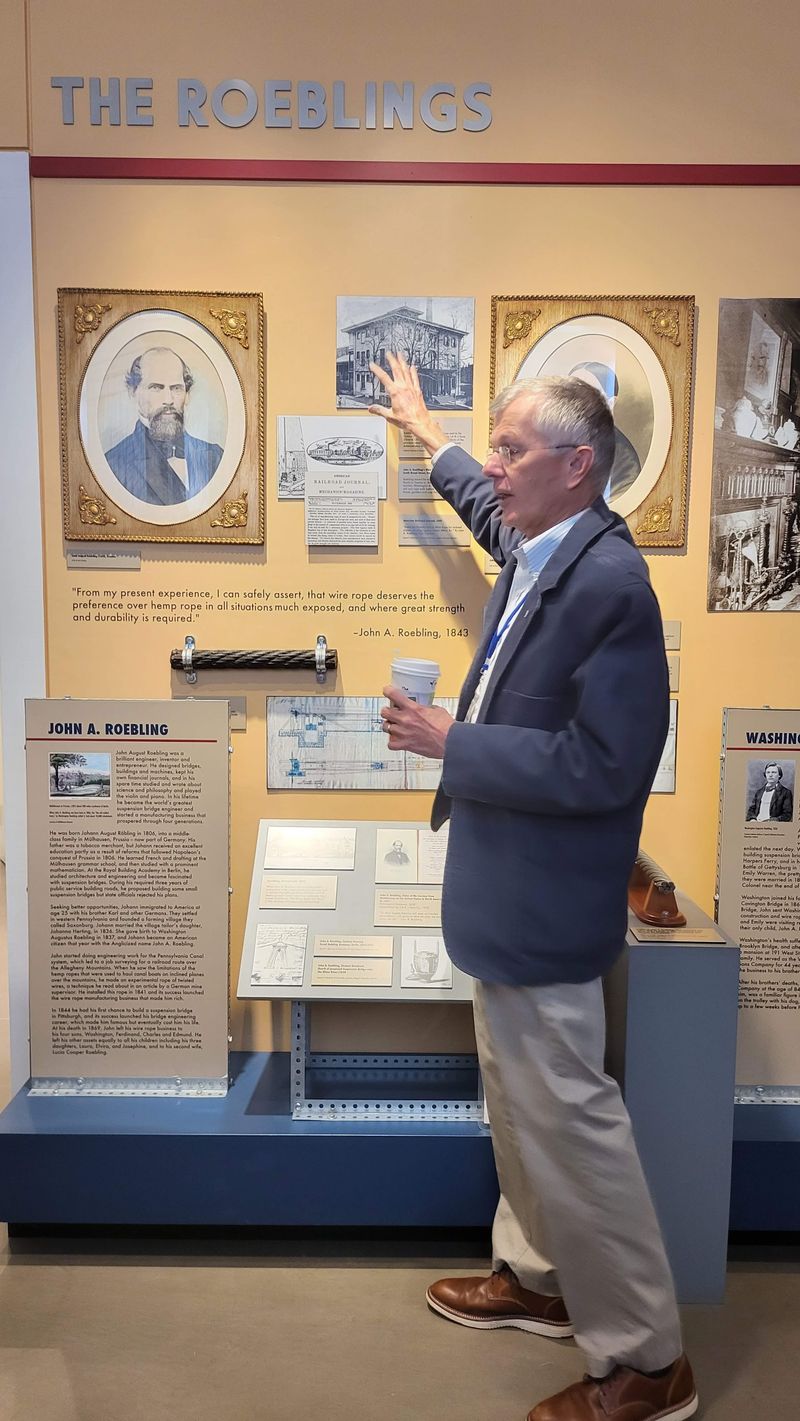
A good guide can make cable sound thrilling. The staff and volunteers here earn a lot of praise for doing exactly that.
Visitors regularly mention friendly, knowledgeable staff who offer personal tours. Some guests get a quick guided start, then explore the rest on their own.
That approach fits all kinds of travelers. History buffs can ask endless questions, while casual guests can browse freely.
Groups get thoughtful attention as well. One organization brought adults with special needs and found the tour customized to each group’s abilities.
Even the hands-on bridge-building activity was adapted for them. That kind of care makes the Roebling Museum feel welcoming rather than stiff.
Homeschool families have used it for history lessons too. One parent found it held a child’s attention while teaching how a factory formed a town.
My advice is simple: listen closely to your guide. The details they share about this New Jersey site add layers no placard can fully capture.
Classic Cars And Gardens On Special Days
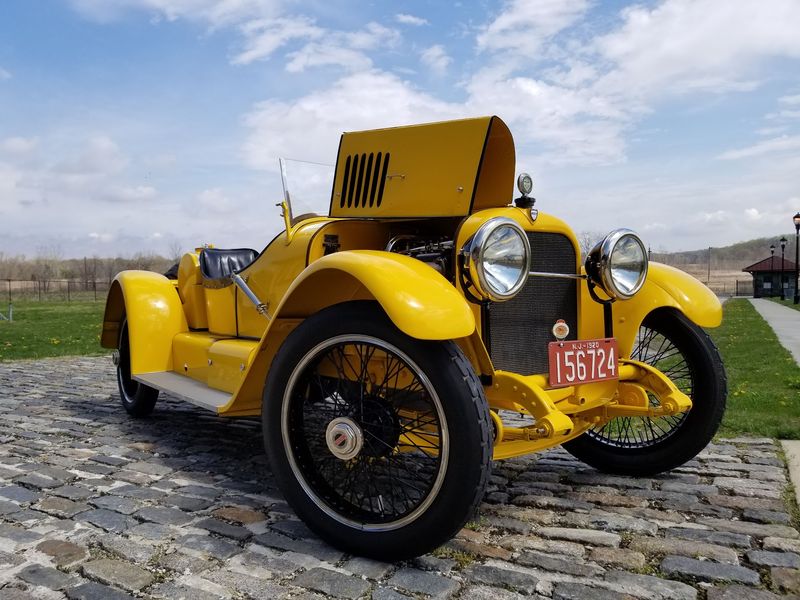
Chrome and history make a surprisingly good pairing. The museum’s car show has drawn visitors who came for the vintage rides and stayed for the exhibits.
During one car show, admission to the museum was free. Guests toured the galleries and enjoyed other activities throughout the day.
Classic car fans tend to appreciate craftsmanship, so the fit makes sense. Old engines and old wire rope share that built-to-last spirit.
Garden tours also pop up among the museum’s offerings. They add another way to see the community beyond the factory story.
Event details change from year to year, so check the museum’s schedule before planning around one. Dates and activities aren’t fixed in stone.
I like that these gatherings pull in people who might never search for industrial history. A shiny fender can be a sneaky gateway to learning about the Brooklyn Bridge.
For locals, special days offer a fresh reason to return. Bring someone who loves cars, and you may just turn them into a bridge nerd too.
Thursday Through Saturday, With A Train Across The Street
Timing is everything here. The Roebling Museum keeps a short schedule, so plan ahead.
Hours run from 11 a.m. to 4 p.m. on Thursday, Friday, and Saturday. It’s closed Sunday through Wednesday.
You’ll find it at 100 2nd Ave, Roebling, NJ 08554. Parking is described as convenient, which makes a quick detour easy.
Prefer the train? The River Line light rail sits just across the street, and visitors have arrived that way.
One family even paired a visit with a ride on the River Line. They turned a small museum stop into a full day trip.
Admission works on donations, so it’s a friendly choice for families watching their budget. Give what feels right for the experience.
Plan for at least an hour or two, depending on tours. Add time for the walking route, and you’ll leave with a fuller picture of this New Jersey town.
A Small Stop That Changes How You See Every Bridge
Some museums fill a rainy afternoon. This one sticks with you every time you cross a big river.
The Roebling Museum suits history buffs, engineering fans, curious kids, and anyone who loves a good local story. It also works well for groups who want a guided experience.
It isn’t huge, and that’s part of its charm. You can take in the film, exhibits, outdoor relics, and town streets without feeling rushed.
The real payoff is connection. A neighborhood in New Jersey links directly to the Brooklyn Bridge, the George Washington Bridge, and the Golden Gate.
Donation-based admission keeps it approachable. Pair it with a River Line ride or a walk through town, and the day fills itself.
I believe this is the kind of place locals should show off to visiting friends. It’s proof that big American stories often start on modest streets.
So check the hours, bring your questions, and leave room for wonder. Those famous cables have a hometown, and now you know where to find it.
Share this story