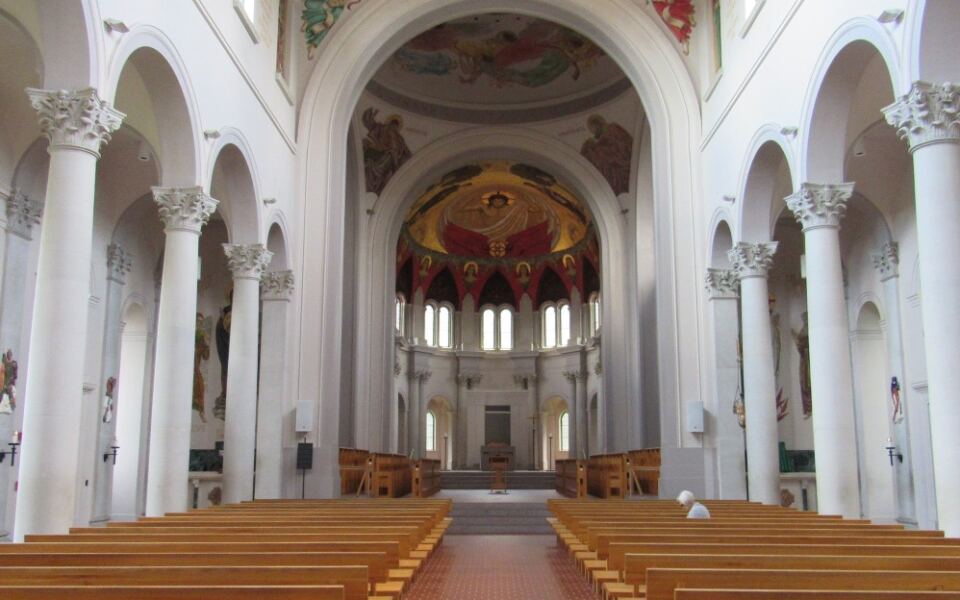
A single painting of the Last Supper covers about 732 square feet of church wall. A Benedictine monk painted it.
That is a lot of wall, and a lot of patience.
I love that this kind of art sits in a quiet corner of Louisiana. It is not in a big city museum.
It lives inside a working monastery.
The church also holds murals that tell stories from creation to redemption. Monks still pray here today.
I can’t imagine seeing that much color in such a peaceful place. Where is this place, and what else is there?
A Massive Painting That Fills the Wall
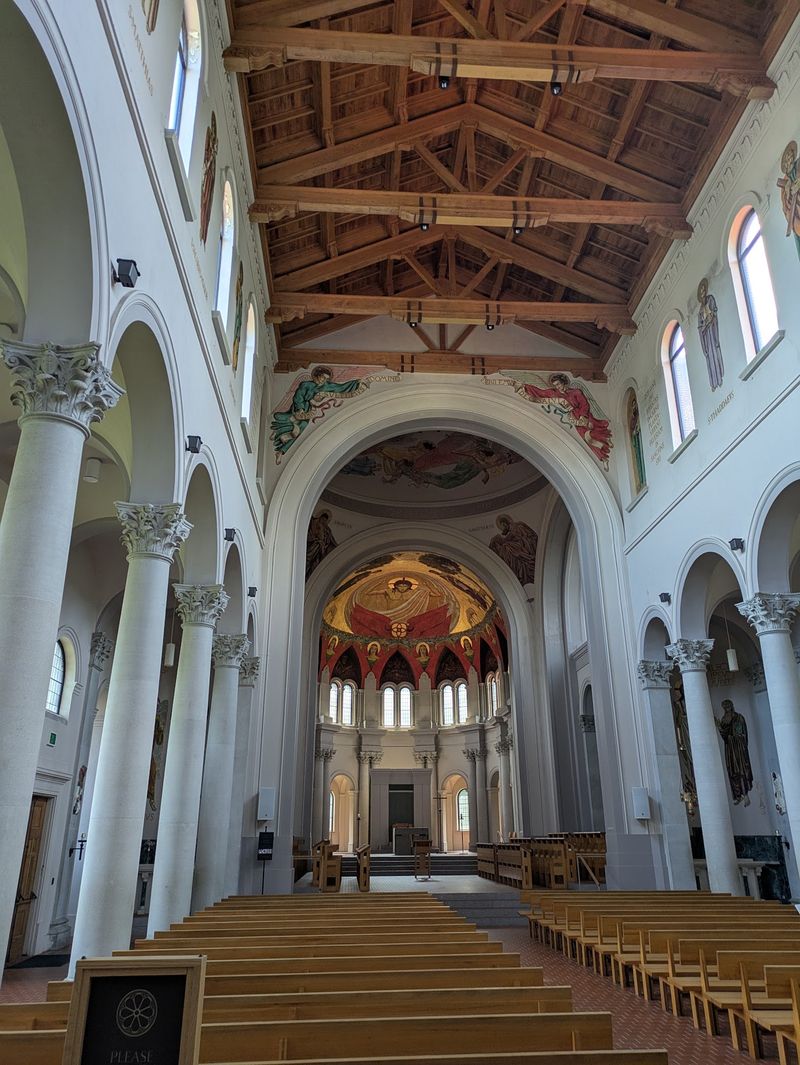
Here is the fact that gets everyone talking. The Last Supper painting at SAINT JOSEPH ABBEY covers about 732 square feet.
That is bigger than many apartments. It was painted by Dom Gregory DeWitt, a monk of the abbey.
The mural is part of a larger set of paintings inside the abbey church. Together they fill the church with color and story.
The images follow the Bible from creation to redemption, so the walls work like a giant picture book.
Size is only part of the charm. The scene shows Jesus and the apostles at the table, and the figures are large enough to study for a long time.
You can spot details the way you would in a favorite comic book, only here the pages are walls.
Plan to take your time. A quick look will not do this artwork justice.
Sit down, let your eyes adjust, and let the scene sink in. The church is a place of prayer first, so keep your voice low and your steps gentle while you admire it.
Meet the Monk With the Paintbrush
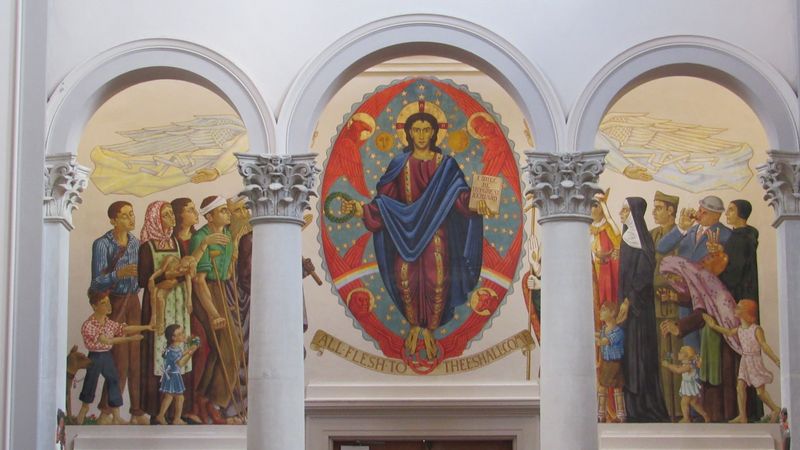
Dom Gregory DeWitt was a Benedictine monk who lived at the abbey. He is the artist behind the church murals, including the huge Last Supper.
Think about that for a second. A monk who prays, works, and also paints a wall bigger than most classrooms.
His work gives the church a look that is hard to find elsewhere in Louisiana. The paintings are bold and full of figures.
They guide visitors through major scenes of faith, one wall at a time.
Monastic life follows the Benedictine motto of prayer and work. Art can be part of that work.
Here, the brushwork became a gift to everyone who walks through the doors.
When you stand in the church, look for the style of the figures and the way the scenes connect. Notice how the story keeps moving from one painting to the next.
It feels like a long conversation told in color, and the artist is still doing the talking.
Where to Find This Quiet Monastery
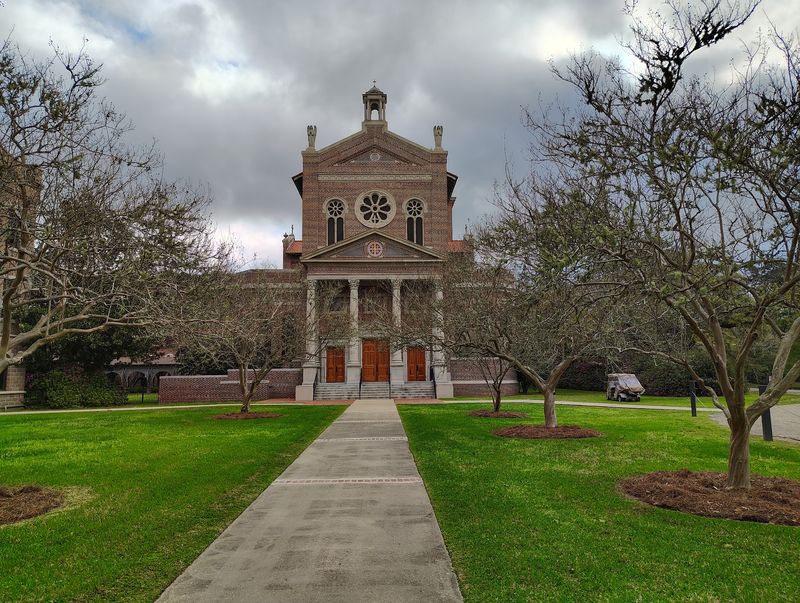
Finding the abbey is simple once you know the spot. The address is 75376 River Rd, St Benedict, LA 70457.
It sits in the Covington area north of Lake Pontchartrain, among tall trees.
A bridge marks the way into the grounds. One visitor described crossing it as stepping into another world.
That sounds about right for a place built around quiet.
The abbey belongs to the Order of Saint Benedict, and monks live and pray here. Because it is a working community, the setting feels calm instead of busy.
Parking and walking paths make the visit easy to plan.
Check the abbey’s official site before you go. Mass times, tour options, and shop hours can change.
A short look ahead saves you from guessing and helps you enjoy the visit with no stress at all.
Stories in Color From Creation to Redemption
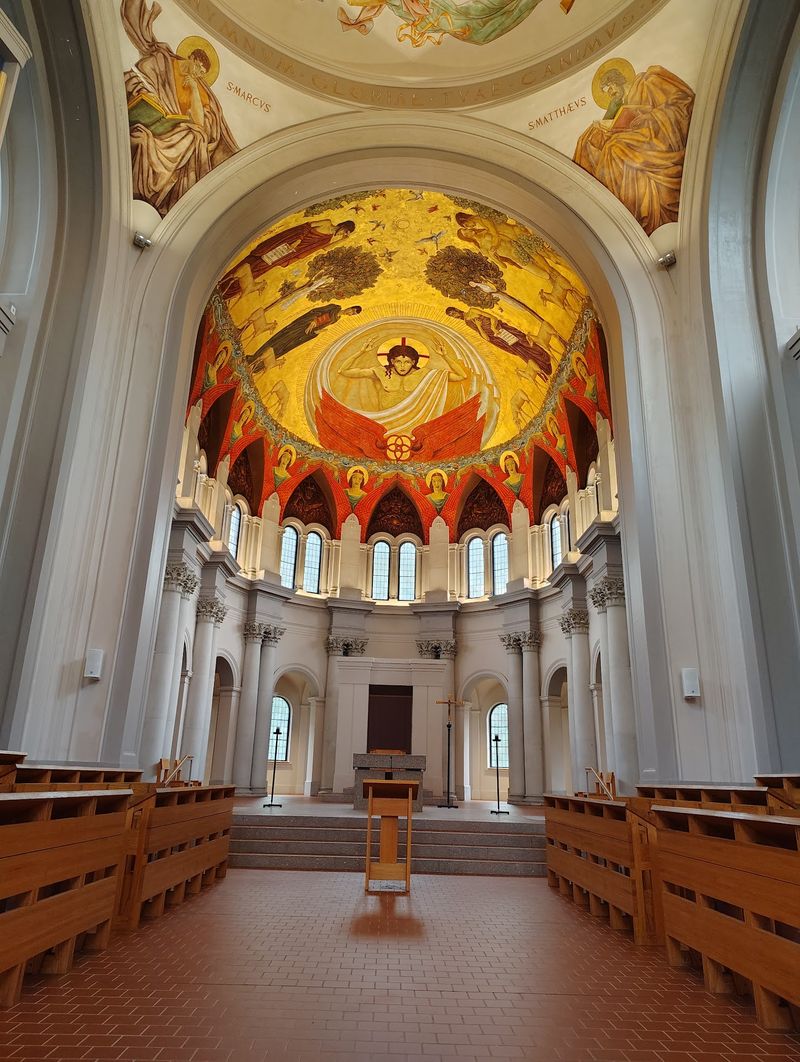
Look up, and then look around. The church at Saint Joseph Abbey is covered in painted scenes.
They tell the story of creation and redemption in a clear, visual way.
You do not need to be an art expert to enjoy it. Each image has people, symbols, and bright color.
Think of it as a tour of big moments, all in one room.
The Last Supper is the star, but it has plenty of company. Other paintings fill the walls and help the whole church feel like one connected work.
Visitors often say the images make it easy to sit and pray.
A good tip is to move slowly from section to section. Start at one side and follow the story in order.
If a guided group tour is available, it can explain the meaning of the murals and sculptures, which adds a whole new layer.
Join the Monks for Mass
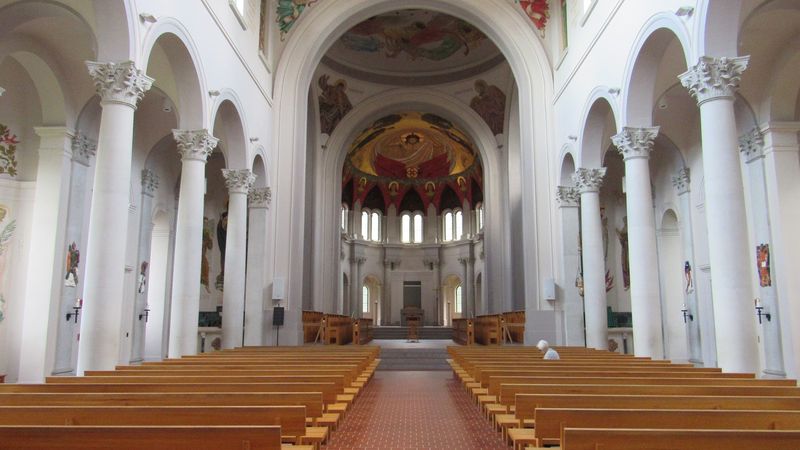
Mass at the abbey comes with a built-in backdrop. The church is open for prayer, and visitors can join the monastic community for services.
Sitting among the murals while the community prays is a memorable way to see the place.
Visitors have mentioned enjoying the homilies and the sense of calm. That fits the rhythm of Benedictine life.
Prayer shapes the day here.
If you plan to come, check the posted schedule on the abbey’s official site. Times can shift for holidays and special events.
Arriving a bit early gives you time to find a seat and take in the art.
Dress modestly and keep phones silent. The church is a house of worship, not only a gallery.
Treat it kindly, and you will leave feeling like you shared something special with a welcoming community.
Take a Walk Across the Grounds
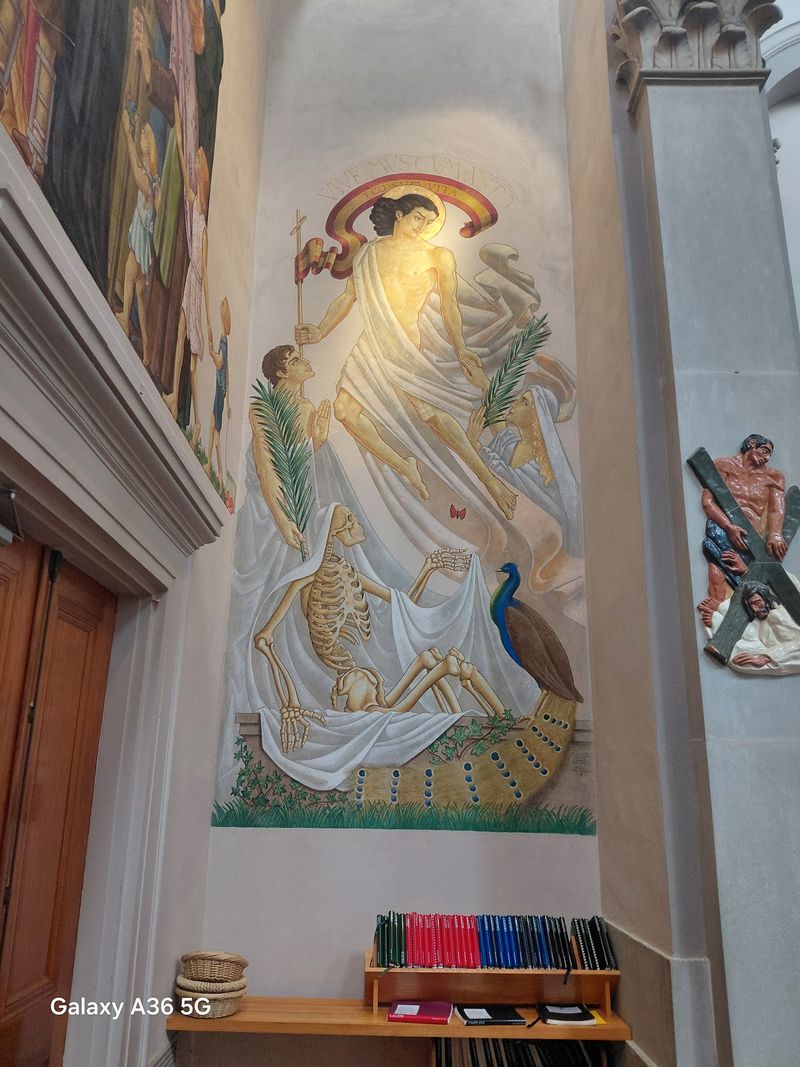
The grounds deserve as much time as the church. Trees shade the paths, and a lake offers a spot to sit and think.
Visitors often say they leave feeling refreshed.
Walking here is easy and low-key. There are no loud crowds to push through, just quiet space.
It is a nice reset for anyone who needs a break from screens and traffic.
The campus also includes the monks’ living quarters, offices, and a seminary where future priests and monks study. Those areas are part of daily life, so respect any posted signs.
Stay on the public paths and enjoy the scenery.
Bring comfortable shoes and water on warm Louisiana days. A slow loop around the grounds can fit nicely before or after Mass.
Pause often, because the best views tend to show up when you stop moving.
The Gift Shop Treats Worth Taking Home
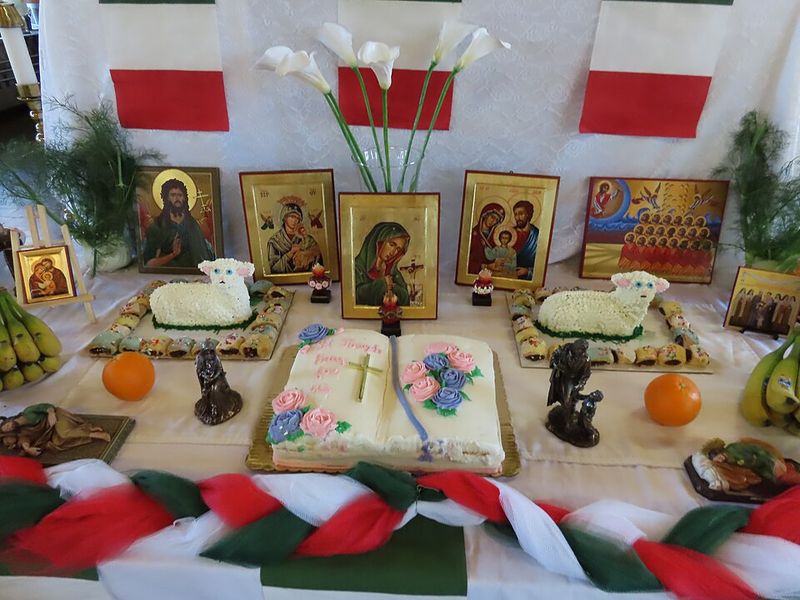
Souvenirs here help support the monks’ mission. The gift shop sells items, and some are made by the Benedictine monks themselves.
Visitors have pointed to honey, raisin bread, abbey-made bread, and pepper jelly.
Shop hours can be short, so plan ahead. One visitor noted a 4 p.m. closing time in the past.
Check the official website for current hours before you drive over.
The shop also carries religious items for gifts and keepsakes. It is a small way to carry the calm of the abbey back home.
A jar of something sweet tastes better when it comes with a story.
If you are shopping for a friend, think about a mix of food and spiritual items. Ask staff what is available that day, since stock can change.
Every purchase supports the work of the community.
A Craft Known Across the Region
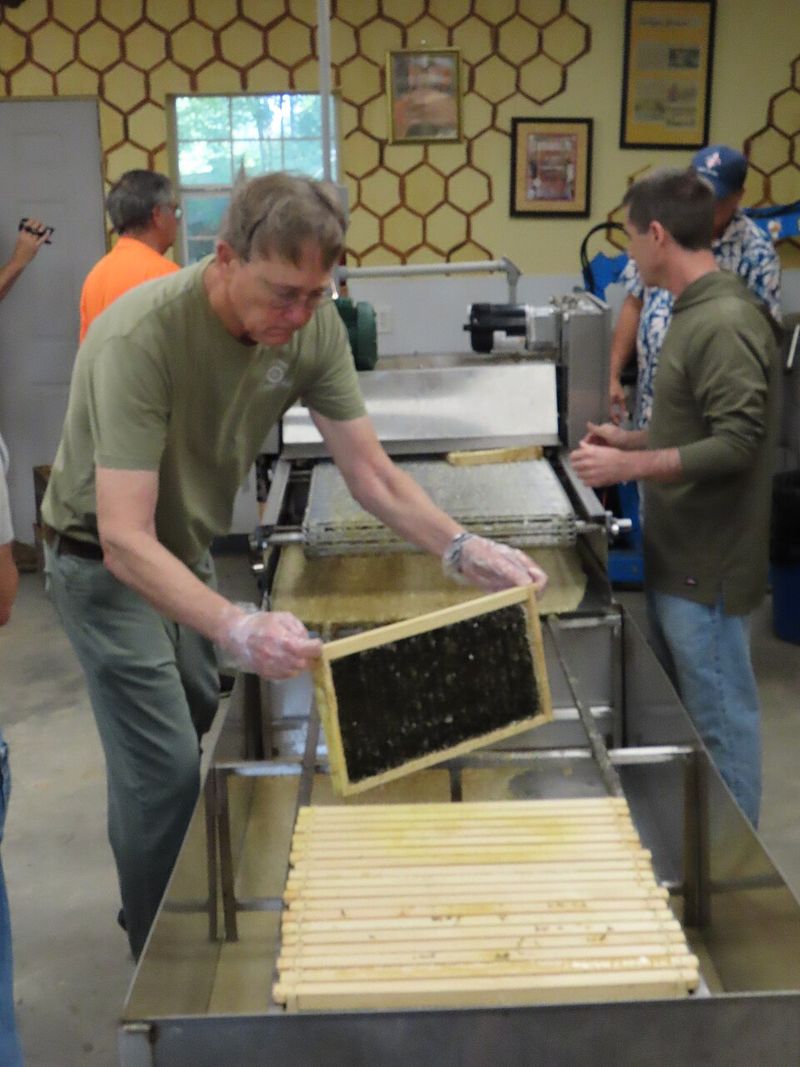
The abbey has a surprising claim to fame. The monks have long been known for crafting simple wooden caskets.
It is a quiet trade that fits their steady, hands-on way of life.
The woodworking supports the abbey’s mission. It also shows how monks use skill and patience in daily work.
Benedictine life values honest labor next to prayer.
Most visitors will not shop for that item, and that is fine. Still, it adds an unexpected piece to the story of the place.
A monastery that paints giant murals and builds with wood is a very hands-on community.
If you are curious, ask in the gift shop about how to learn more. Staff can point you to current information.
Respect the seriousness of the craft, and you will appreciate it even more.
Retreats, Tours, and a Famous Neighbor
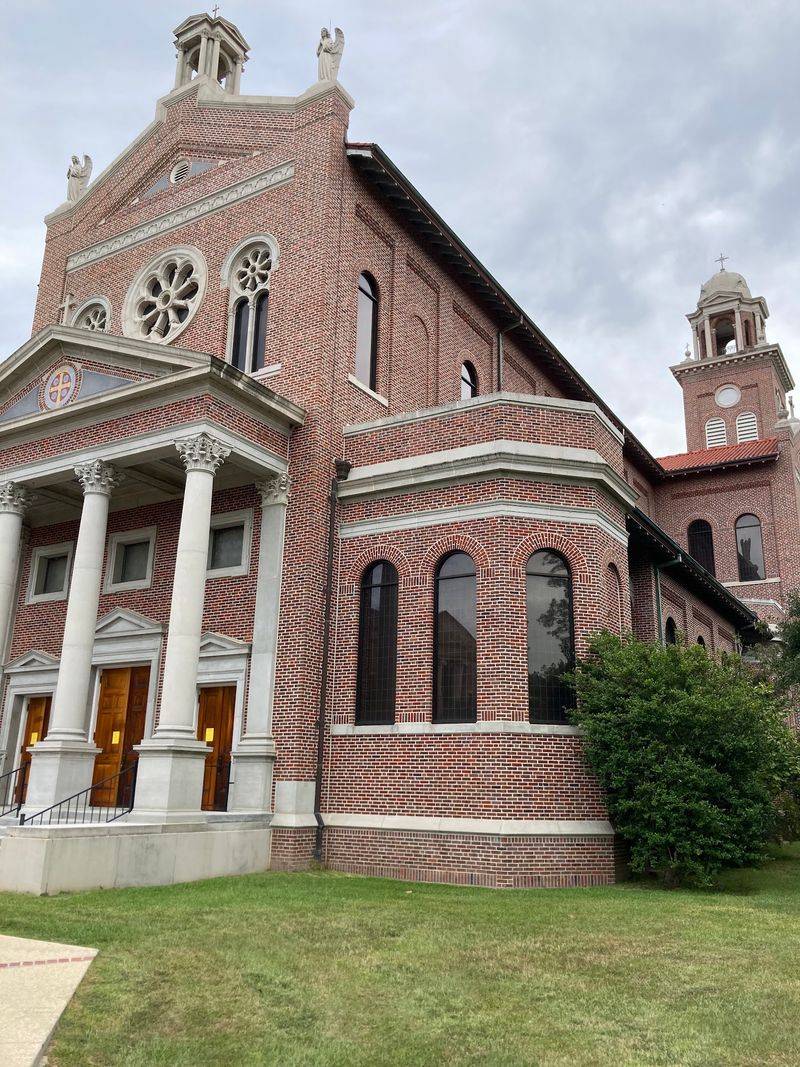
Many people come for more than a quick stop. The abbey offers retreats, and returning guests praise the retreat directors and the calm setting.
Some visitors go back often just to pray and walk.
Groups of ten may arrange a guided tour. The tour explains the abbey’s history and the meaning of the murals and sculptures.
That is a smart way to get the full story behind the art.
The abbey cemetery is also notable. Novelist Walker Percy is buried there, which adds a literary note to the visit.
Fans of Southern writing may want to pause at the grounds.
Contact the abbey through its official channels to ask about retreats and tours. Plan early, since groups and programs can fill up.
Come with an open mind, and this Louisiana monastery will give you plenty to remember.
Share this story