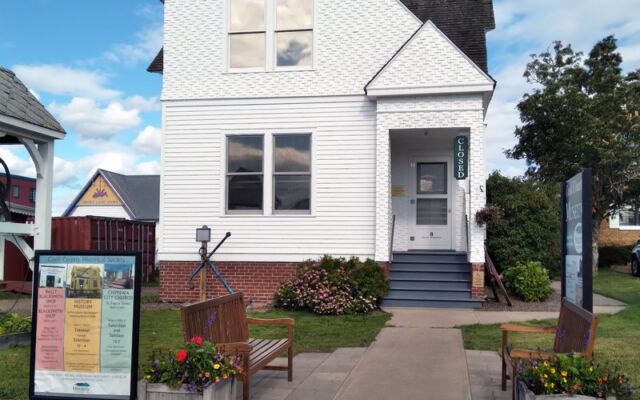
A lighthouse keeper once called this house home, and now it holds stories from an entire corner of the state. Admission typically runs on donations, which feels almost too generous for what’s inside.
The house dates to the 1800s and sits way up near the Canadian border. Two levels of rooms hold photos, displays, and changing exhibits about the people who built life along the shore.
I like how a museum this modest can cover so much ground. Fishing crews, Civilian Conservation Corps camps, World War II service, and local music all get their moment here.
I believe the best Minnesota stops are often the ones you nearly drive past. So what exactly did those old lighthouse-era walls end up saving for the rest of us?
A Former Keeper’s House With A Whole County Inside
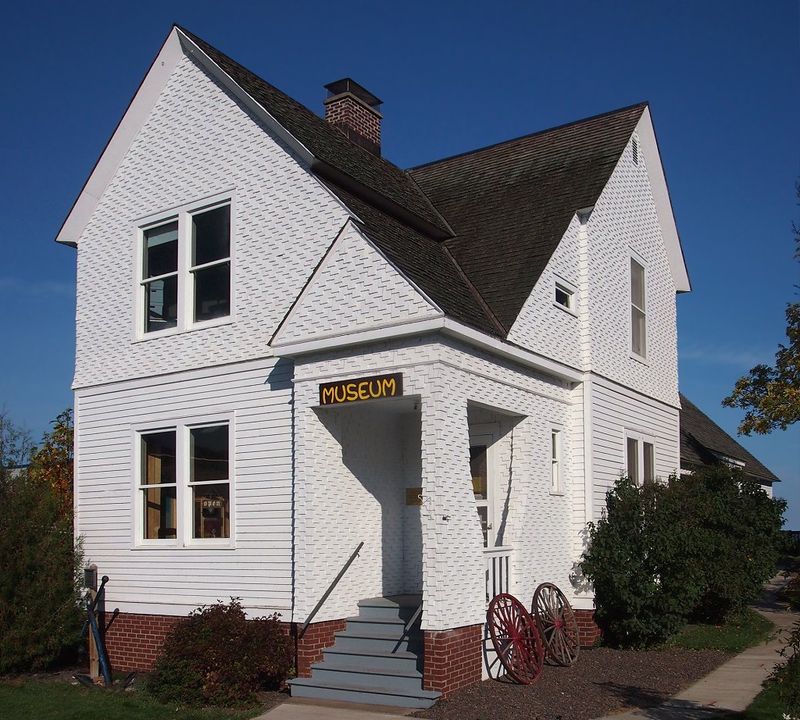
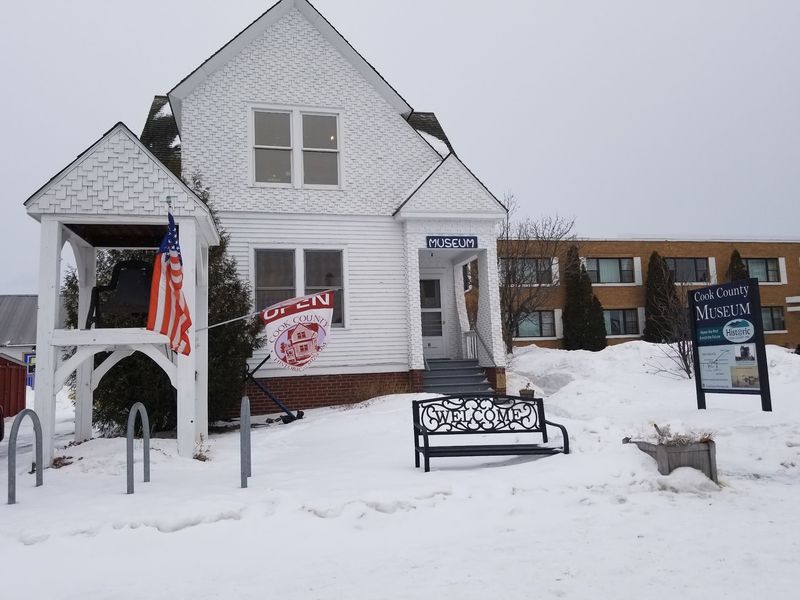
Few small-town museums can say their building once belonged to the person keeping ships safe on Lake Superior. Historic Cook County calls a 19th-century lighthouse keeper’s residence home, and that detail alone makes the stop memorable.
The museum sits in Grand Marais, Minnesota, a harbor town on the far northeastern edge of the state. It’s way up north, close enough to the Canadian border that the drive itself feels like an expedition.
Inside, the focus stays local and personal. Changing history exhibits highlight the people, jobs, and events that shaped Cook County over the generations.
That’s what makes it such a satisfying Minnesota find. You’re not just reading about history in a generic hall, you’re standing inside a house that was part of it.
The scale is modest, and honestly, that works in its favor. A compact museum lets every room feel purposeful, with no endless corridors or exhibit fatigue.
Think of it as a doorway into the North Shore’s past. One house, many stories, and a front step that has seen far more than most of us ever will.
Why A Lighthouse Keeper Mattered On This Rugged Shore
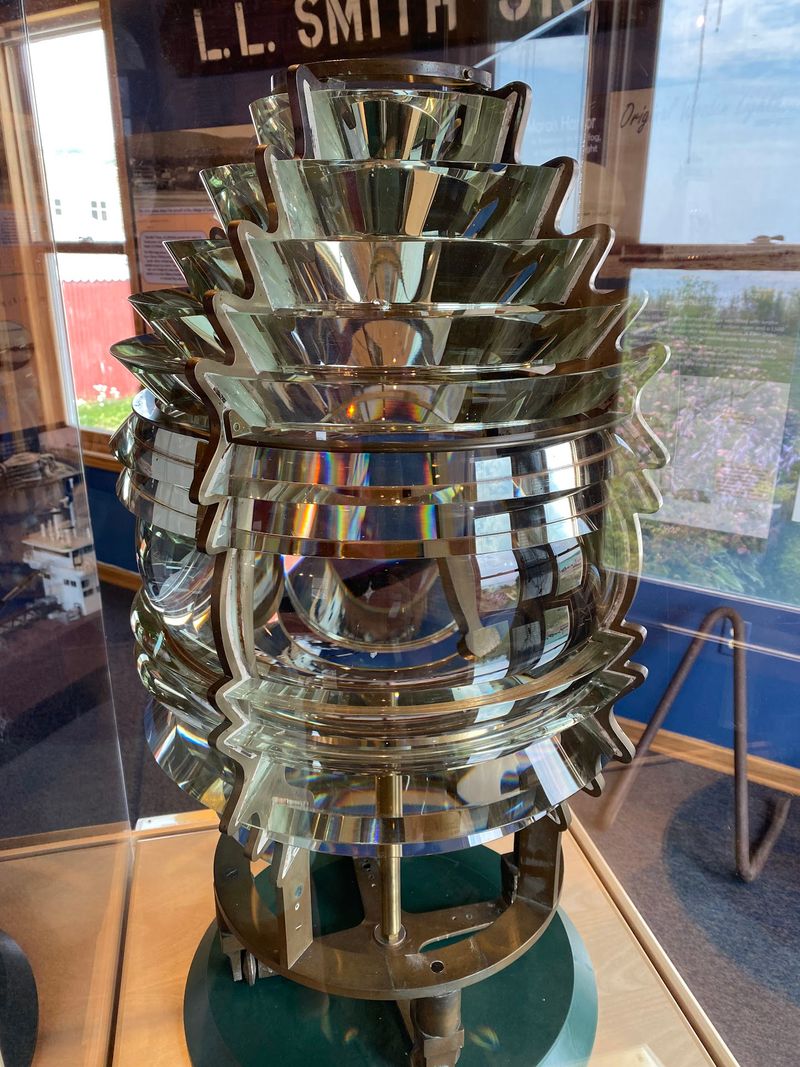
Lake Superior has never been a gentle neighbor. Along the North Shore, a reliable light could mean the difference between a safe harbor and a very bad night on the water.
That’s why a lighthouse keeper held such an important role in a harbor town like Grand Marais. The job demanded steady attention, and the keeper’s home stood as part of that working waterfront story.
Today, the residence carries a new kind of responsibility. Instead of guiding boats, it guides curious people through the history of the surrounding county.
I love that continuity. A building once tied to safety and watchfulness now protects photos, records, and memories that might otherwise fade away.
The setting also adds context you can’t get from a textbook. Standing in a harbor town on the big lake, the challenges of early shoreline life suddenly feel much more real.
It’s a reminder that Minnesota history isn’t only about farms and prairie towns. Up here, the lake shaped jobs, routines, and entire communities, and this house sits right at the center of that story.
Two Floors Of Rooms Worth Wandering
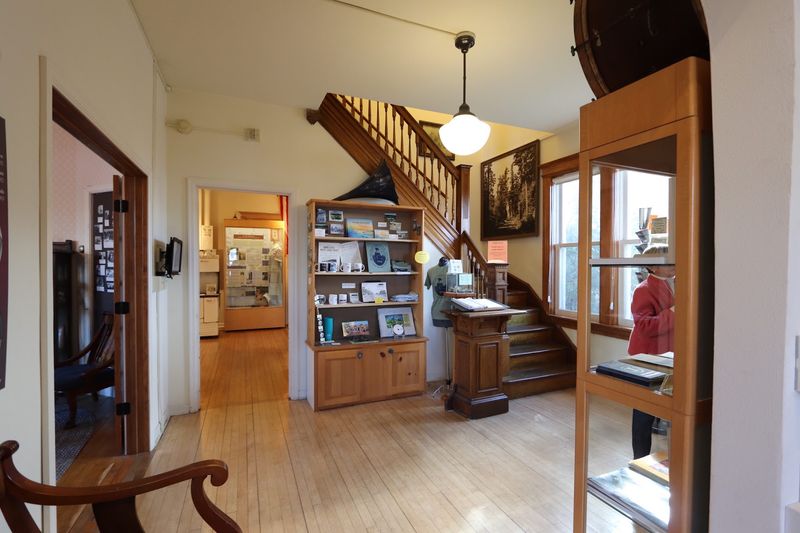
Upstairs, downstairs, and stories everywhere in between. The museum spreads its exhibits across two levels of rooms, so the house becomes part of the exploring.
Moving from room to room feels different than strolling through one big gallery. Each space can hold its own topic, which keeps the pace lively and the surprises coming.
Photos play a big role here. Historic images and detailed displays help explain who lived in Cook County and how they made a living in such a remote place.
The exhibits also change over time. That means a return trip may reveal fresh topics, new artifacts, or a different angle on a familiar chapter of local history.
Families tend to appreciate a layout like this. Kids get a sense of discovery climbing to the next floor, while adults can linger over the details that catch their eye.
Most visits won’t take all day, and that’s part of the charm. You can explore thoroughly, learn plenty, and still have time for the rest of what this harbor town offers.
Fishing Heritage Pulled Straight From Lake Superior
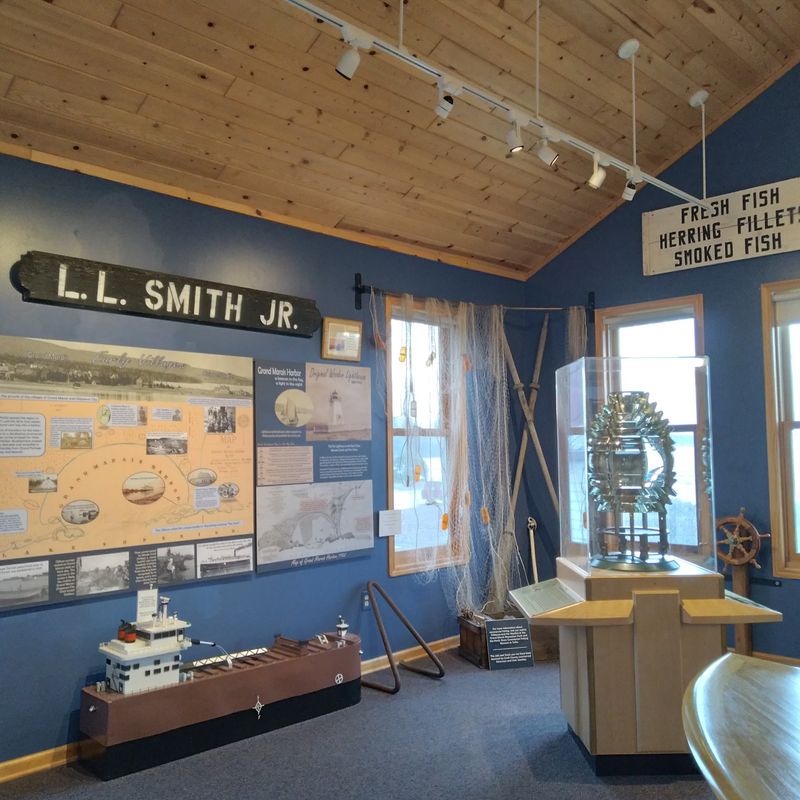
Long before tourists arrived for the scenery, Lake Superior was a workplace. Commercial fishing helped shape life along the North Shore, and the museum gives that heritage thoughtful attention.
Fishing history ranks among the museum’s most appreciated topics. It connects directly to the harbor outside, which makes the story feel close enough to touch.
Minnesotans already know the lake can be beautiful one hour and fierce the next. Learning how families worked those waters adds real respect for the people who came before.
The museum has also featured maritime history as part of its offerings. Since exhibits rotate, the exact displays may vary depending on when you stop in.
What stands out is the local lens. Instead of a broad overview of Great Lakes shipping, the focus stays on Cook County people and their everyday labor on the water.
That kind of storytelling hits home for anyone who loves the North Shore. After seeing these displays, a simple walk along the harbor might feel a little more meaningful than it did before.
The CCC Camps That Changed The North Woods
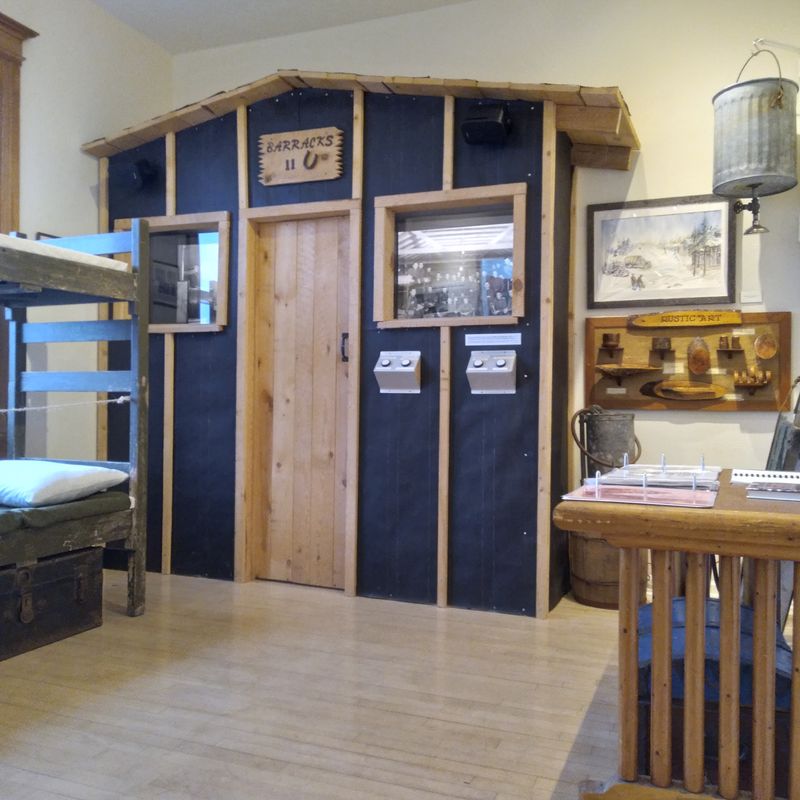
Back in the 1930s, young workers poured into northern forests through the Civilian Conservation Corps. Cook County was part of that story, and the museum has highlighted the CCC camps in its exhibits.
The program put people to work during a tough economic era. Crews took on projects across the landscape, and their efforts became a lasting chapter in regional history.
For a remote area like this one, the camps brought new faces and a new energy. The museum’s local approach helps show what that period meant for the community itself.
CCC history has been a favorite topic for many who stop by. It’s easy to see why, since the era blends hard work, youth, and the wild North Woods setting.
I find this section especially compelling because it feels so human. These weren’t distant figures, they were young people learning skills and building something in the Minnesota wilderness.
Exhibits do change, so this topic may appear in different forms over time. Still, the CCC remains a strong thread in understanding how Cook County grew into what it is today.
Hometown Service And Songs Through The Years
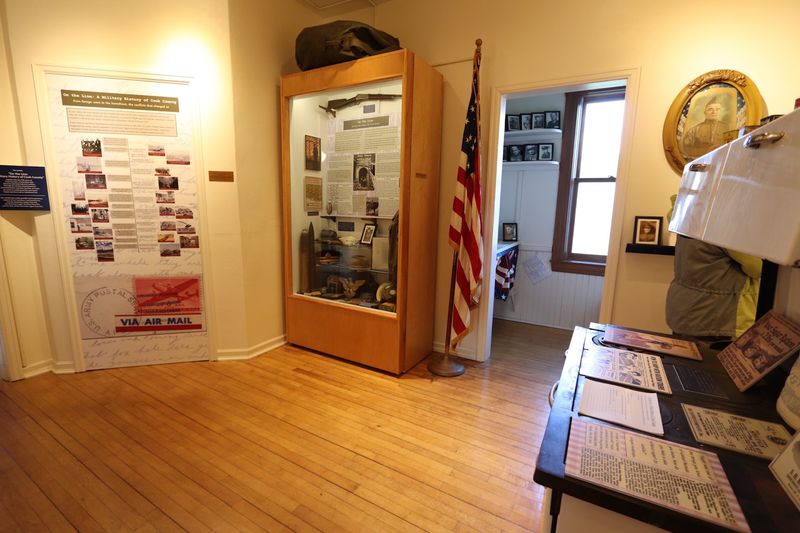
Small communities often send off more than their share when the country calls. The museum has featured displays about local people and their experiences during World War II.
These exhibits have also covered Cook County residents’ broader contributions to the U.S. military. The tone stays respectful, centered on neighbors, families, and the ways a remote town stayed connected to bigger events.
Then the mood shifts in a lovely way. Local music through the years has also earned exhibit space, celebrating the tunes and performers that brightened life up north.
That pairing says a lot about the museum’s personality. It honors serious history while also making room for the everyday joys that kept the community going.
Music history might be the surprise favorite for some guests. It’s a fun reminder that culture thrived here, even far from big-city stages and concert halls.
Since exhibits change, these topics may not always be on display. Even so, they show how Historic Cook County approaches history, with care, curiosity, and plenty of hometown pride for this corner of Minnesota.
Friendly Experts Who Know Every Corner Of Cook County
Great exhibits are one thing, but a knowledgeable host can bring them to life. The staff here have earned a reputation for being friendly, helpful, and deeply informed about the area.
That local knowledge matters in a museum focused so tightly on one county. Questions about towns, families, or old industries can lead to answers you won’t find on a placard.
Private tours have been offered here in the past. If a guided experience sounds appealing, it’s worth calling ahead to see what’s currently available.
A small gift selection has also included books and postcards. Those make easy souvenirs, especially for anyone who wants to keep reading about North Shore history at home.
The exhibits themselves are well made and approachable. Whether you already love history or barely know the basics, the displays explain things clearly without feeling dry.
That accessibility is a big reason the museum works for so many kinds of travelers. History buffs, curious kids, and casual road-trippers can all leave with something new rattling around in their heads.
A Rainy-Day Rescue For Families And Road-Trippers
Rain on a North Shore vacation can scramble the best-laid plans. A cozy museum inside a historic house makes a smart backup when hiking trails turn soggy.
The museum suits a wide range of travelers. Families appreciate the manageable size, and the two levels give kids room to explore without getting overwhelmed.
History lovers will find plenty to study, from fishing heritage to CCC camps. Casual visitors can wander at their own pace and still walk away knowing more about the region.
Budget-minded families get a nice bonus too. Admission has typically been by donation, which makes this one of the friendliest values on any Minnesota road trip.
Visits are often fairly short, which fits neatly into a busy day. You can pair the museum with a harbor stroll, a meal in town, or a scenic drive along Highway 61.
It’s the kind of stop that pleases nearly everyone in the car. Nobody has to compromise much, and everyone gets a little dose of North Shore character along the way.
Hours, Donations, And Finding The Front Door
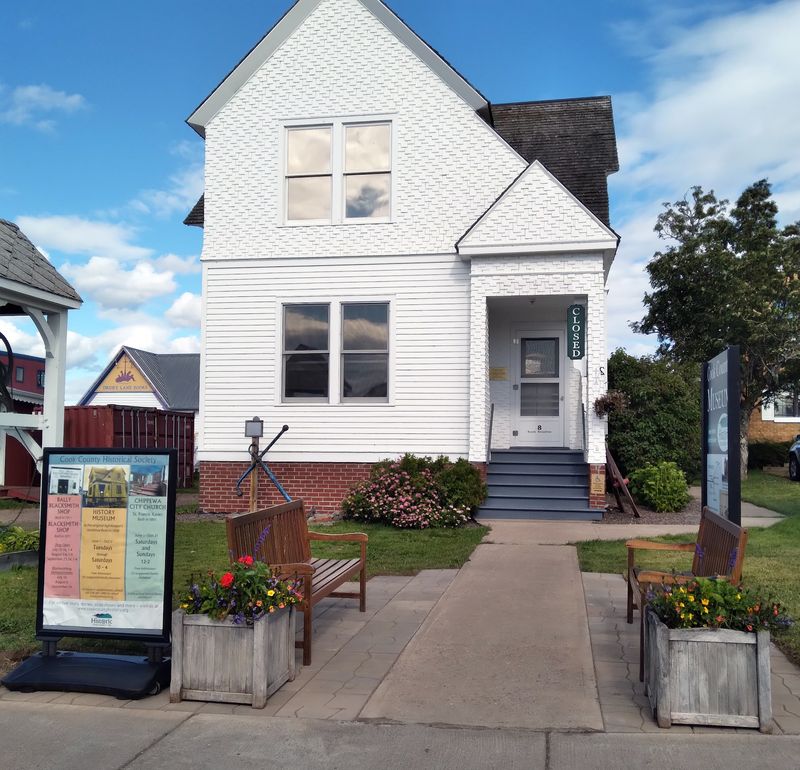
Timing matters here, because the museum keeps a focused schedule. Historic Cook County is typically open Wednesday through Saturday from 10 AM to 4 PM.
Sunday hours run shorter, usually from 1 PM to 4 PM. The museum is closed on Mondays and Tuesdays, so plan around those days.
You’ll find it at 8 Broadway Ave #1059, Grand Marais, MN 55604. The location puts you close to the town’s harbor and the rest of its walkable downtown.
Admission has generally worked on a donation basis. Giving what you can helps support exhibits and preservation, and it keeps the museum welcoming for everyone.
Hours can shift with seasons or special circumstances. A quick call before you go is a smart move, especially if you’re driving a long way to get here.
From the Twin Cities, Grand Marais makes a classic up-north journey along Lake Superior. The drive is long, but the scenery along Highway 61 turns the trip into part of the adventure.
Small Museum, Big North Shore Payoff
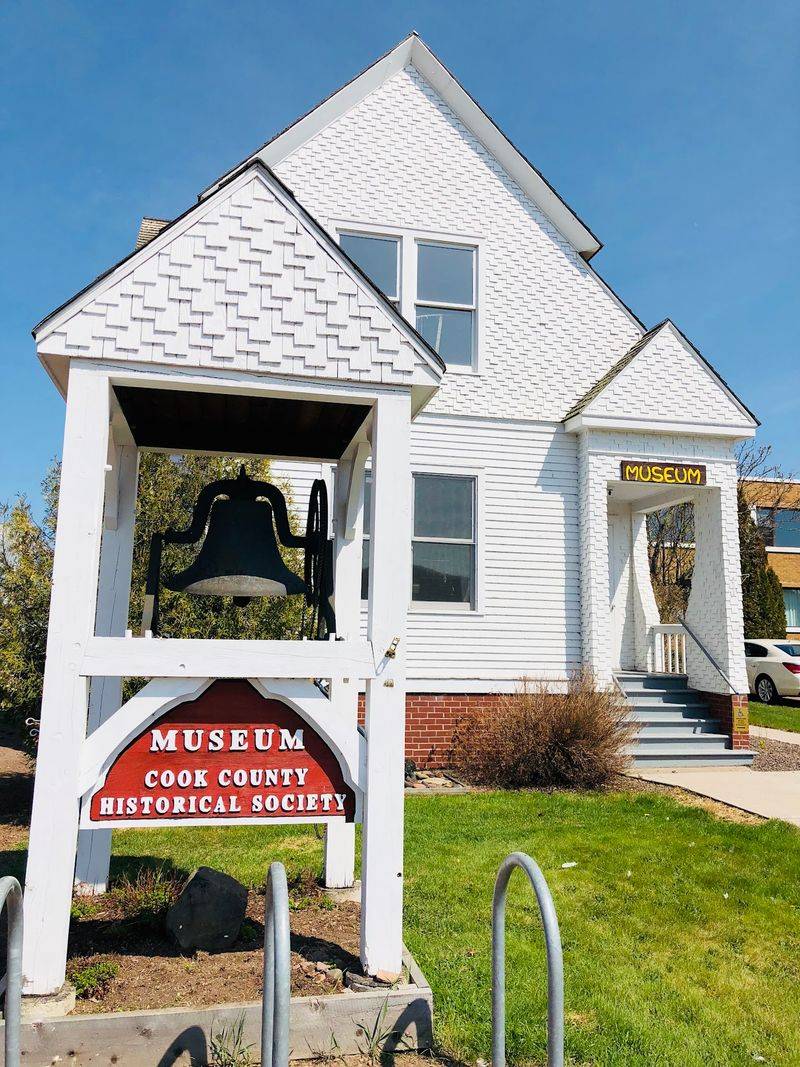
Big-city museums have their marble halls and blockbuster exhibits. This lighthouse keeper’s house offers something different, a close, personal look at one remarkable Minnesota county.
Historic Cook County proves that size isn’t everything. Thoughtful exhibits, knowledgeable staff, and a building with its own maritime past add up to a memorable visit.
The topics feel rooted in real lives. Fishing families, CCC crews, wartime service, and local musicians all help paint a fuller picture of life near the Canadian border.
Then there’s the value. A donation-based museum that covers this much ground feels like a quiet victory for anyone who loves meaningful travel without the steep ticket price.
I can’t imagine a better small companion to a Grand Marais getaway. It adds depth to the harbor views and makes the whole town feel more connected to its past.
So when your North Shore plans come together, save an hour for this charming stop. Tag the history fan in your life, map the drive, and let the keeper’s house tell its stories.
Share this story