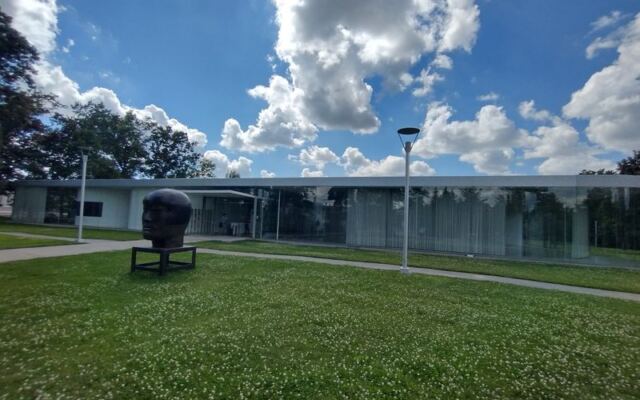
A daily glassblowing demonstration in Ohio costs nothing to watch, and the room around it is mostly glass too. I keep rereading that sentence because it sounds too easy.
Artists shape glowing material into bowls and vessels while a presenter explains each step. Bowls take shape from start to finish in front of the crowd.
Seats are set up so you can settle in and follow along. A schedule posted inside keeps the plan simple.
I like attractions that let you see a craft happen instead of just looking at the finished product. I can’t think of a better way to spend an afternoon without spending a dime.
So where is this place, and why does the building itself seem to disappear? Spoiler: the walls are see-through, and the doors blend right in.
A Glass Building That Teaches Glassmaking in Real Time
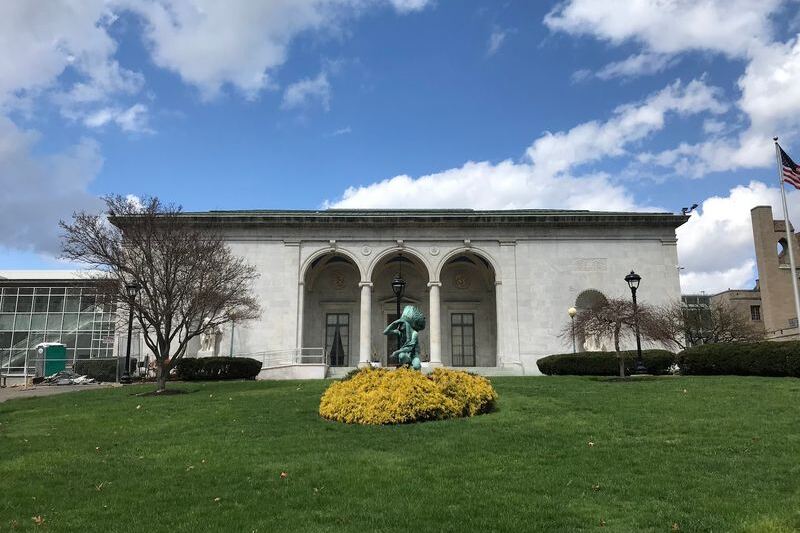
Glass Pavilion is a modern glass structure connected to the Toledo Museum of Art, and it sits in northwest Ohio. The listing calls it an art museum with glass exhibitions, demonstrations, and classes under one roof.
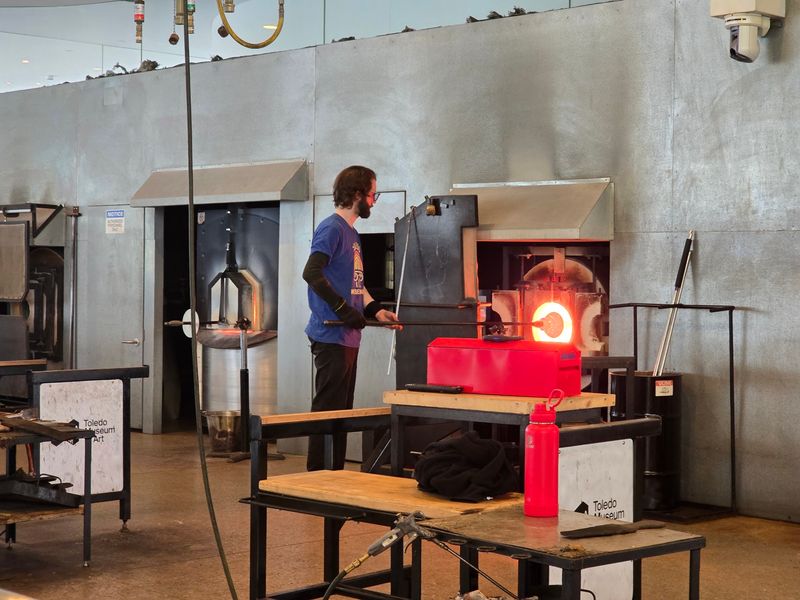
The headline act is a live glassblowing demonstration. Artists work with molten material while visitors watch from nearby seats, close enough to follow every move.
Around the working studio, displays cover historic glass items and contemporary pieces. You can wander from ancient craftsmanship to brand-new creativity in just a few steps.
Classes are offered too, so the space is not only for watching. Some people come to learn the craft with their own hands.
Admission is free, which makes the whole idea even easier to like. For a day-trip stop in Ohio, that is a strong opening pitch, and the rest of this guide shows why the Glass Pavilion keeps earning attention.
Finding the Spot on Monroe Street
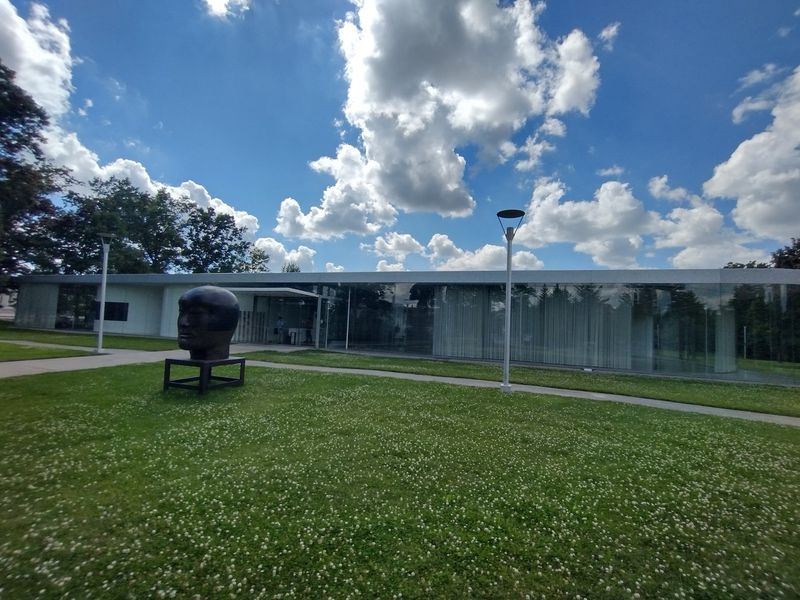
Plot your route to 2444 Monroe St, Toledo, OH 43620, and you will land right on the museum campus. The Glass Pavilion stands there as part of the Toledo Museum of Art grounds.
Toledo sits in northwest Ohio, so the trip is a natural fit for a weekend drive from many parts of the state. Plenty of Ohioans can reach it by car in an easy day.
Because the building connects to the main art museum, a single stop can cover a lot of ground. Glass in one direction, famous paintings in another.
Visitors from past years have mentioned that the Glass Pavilion is easy to walk to from nearby spots. A short stroll beats a long hunt for the entrance.
Parking arrangements have varied over time, so check current museum information before you leave home. A quick look beforehand saves any surprise at the curb and keeps the day relaxed.
Watch Your Step Around Those Invisible Doors
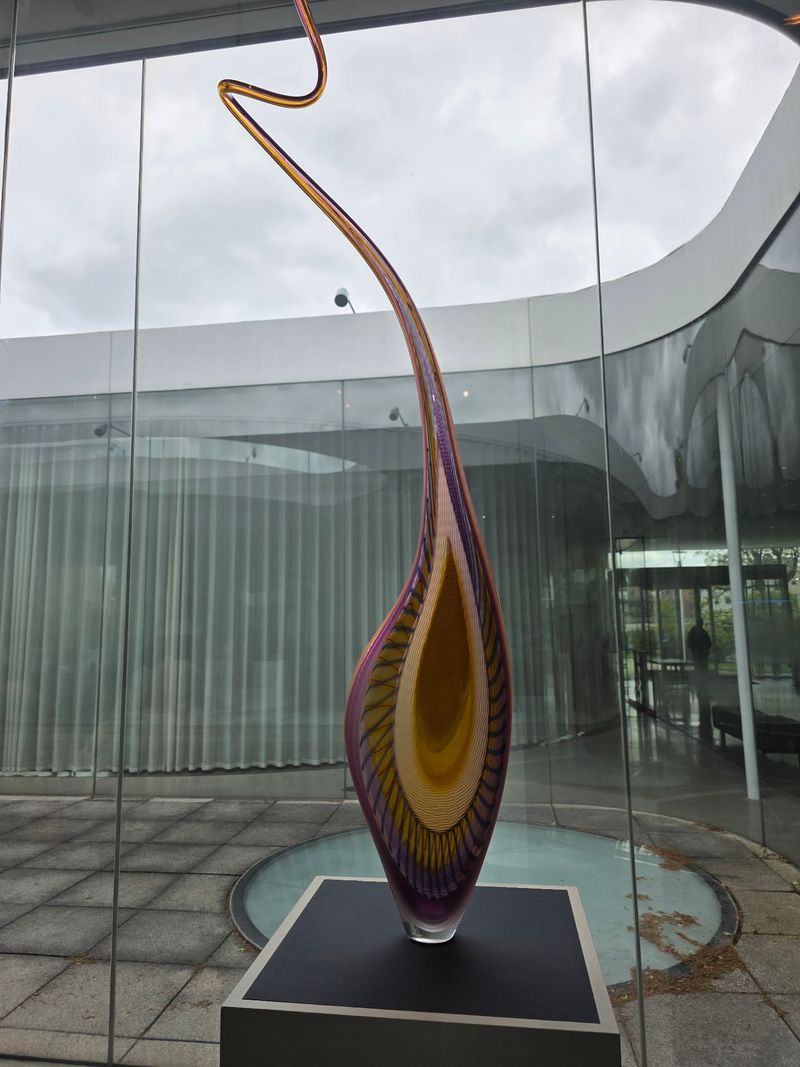
Good luck telling a wall from a doorway in here. One recent visitor even offered a friendly warning that the glass doors and walls blend into the scenery.
That is not an accident of design. The building is made of glass because glass is the whole subject, and the architecture shows off the material at full scale.
Sleek lines and a clean, open layout give the interior a calm look. Light moves through the walls, and the rooms feel connected rather than closed off.
Visitors often describe the structure as elegant and peaceful. It suits a place where the main event involves something fragile and glowing.
So slow down a bit when you enter and when you wander between galleries. The building rewards a relaxed pace, and your forehead will thank you for taking the glass seriously at the Glass Pavilion.
The 2 PM Show Worth Planning Your Day Around
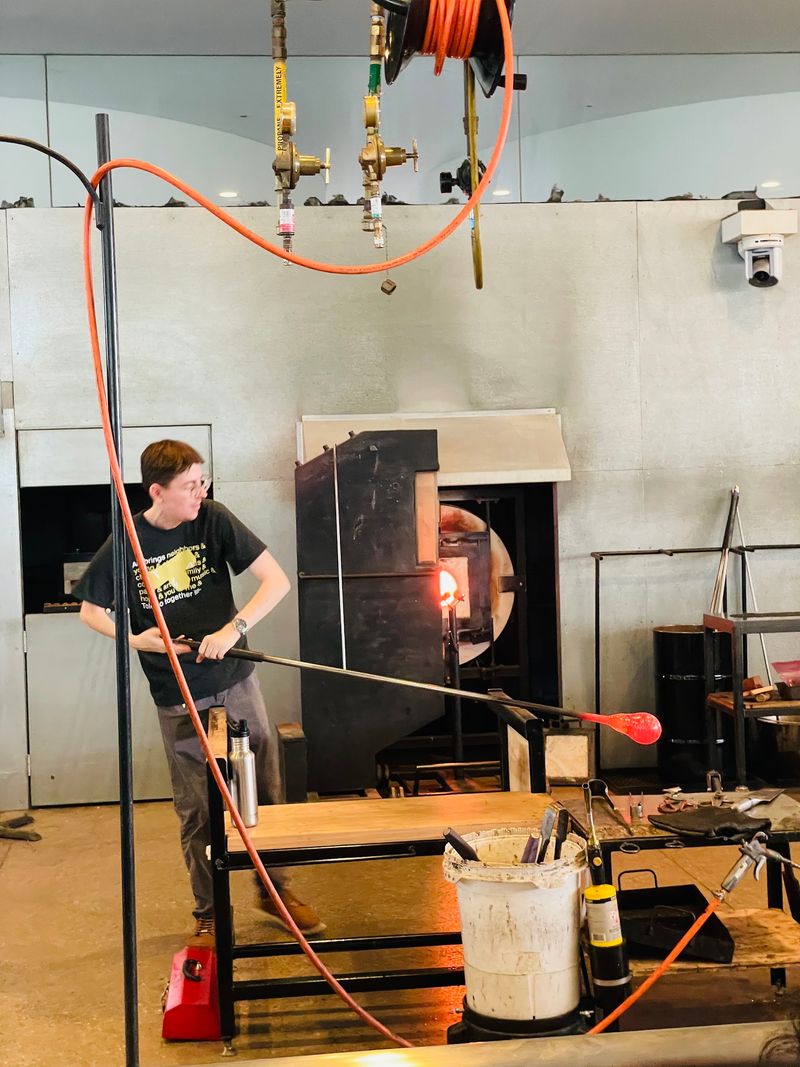
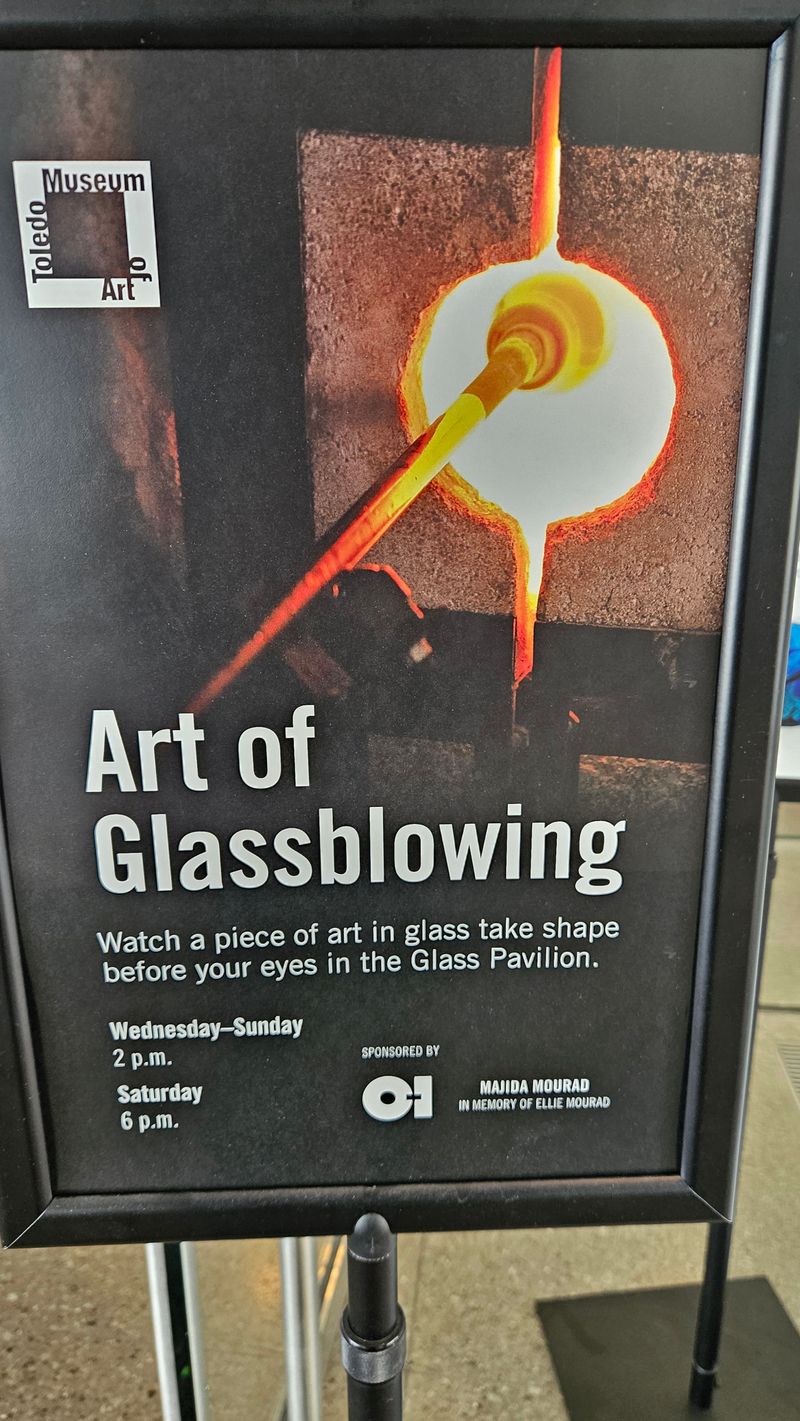
Plan around the clock, because the daily demonstration is the star. Visitors have reported a one-hour glassblowing show at 2 pm each day.
Schedules can change, so look at the posted board inside or check the museum’s current information. Showing up a little early keeps you from missing the opening moments.
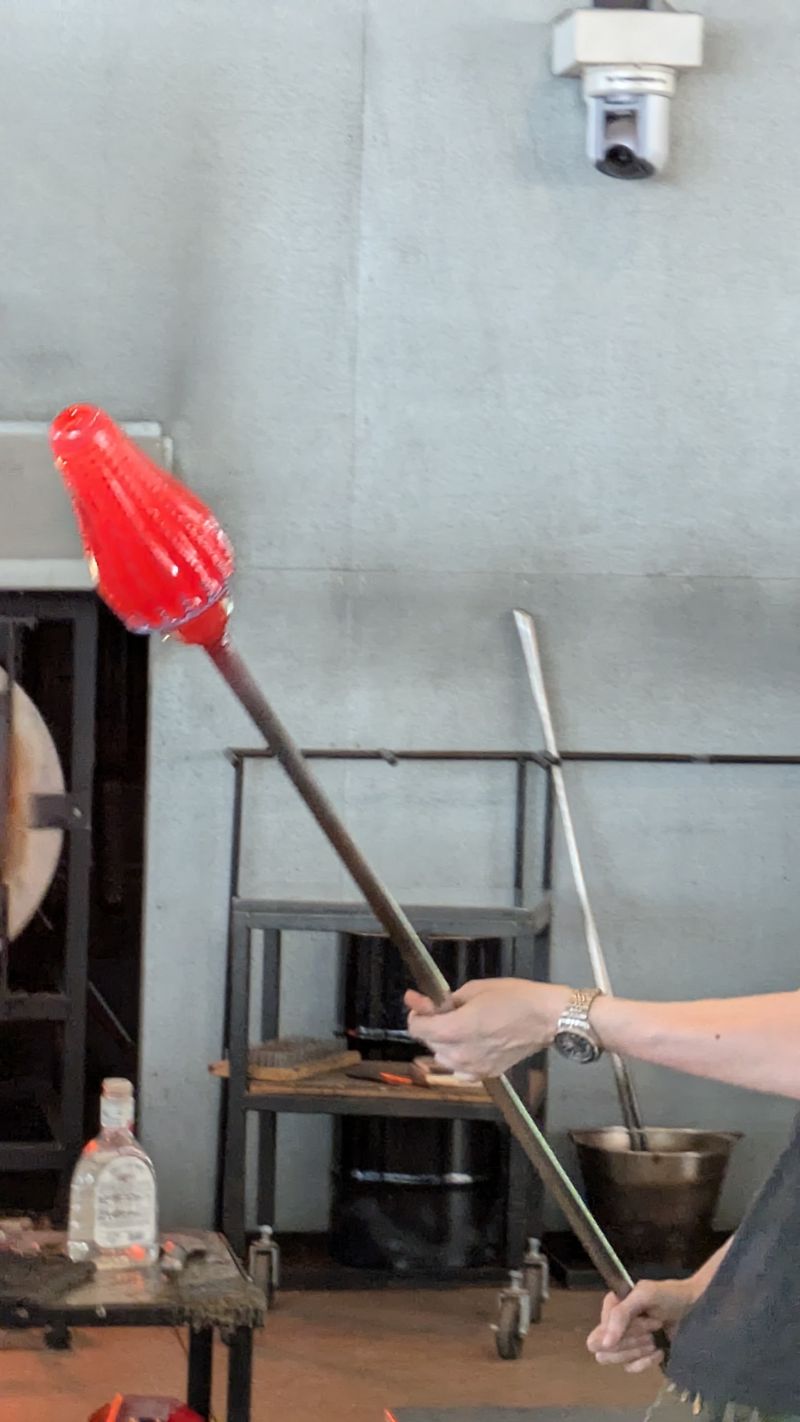
What happens next is hard to look away from. A glowing gather of molten glass comes out of the furnace and starts turning into something with a shape.
Visitors consistently describe the experience as awesome, well presented, and surprisingly close up. Being free only adds to the appeal.
One visitor said the hour gave them a new appreciation for the craft. That makes sense, since watching a hot, glowing blob become a bowl is a very different thing than admiring one on a shelf at the Glass Pavilion.
A Narrator Who Explains Every Fiery Step
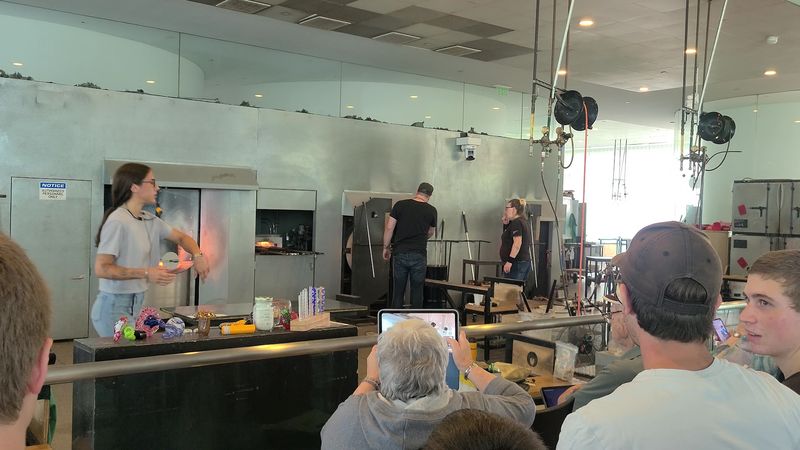
Silence would be fine, but commentary makes the show better. The demonstrator talks through the work as it happens.
Visitors mention that each step is detailed and explained, from the first gather to the finished form. You learn why the glass is turned, reheated, and shaped the way it is.
That running explanation turns the demo into a mini lesson. Beginners can follow along without any background in art or science.
Curious types can pick up small details about tools and timing. The pace feels steady rather than rushed, so questions form naturally while you watch.
Many visitors call the presentation informative and easy to follow. It is the kind of show where you start out simply curious and leave with a few new facts to share on the drive home from Ohio’s glass-making showcase.
Comfortable Seats and a Schedule You Can Actually Read
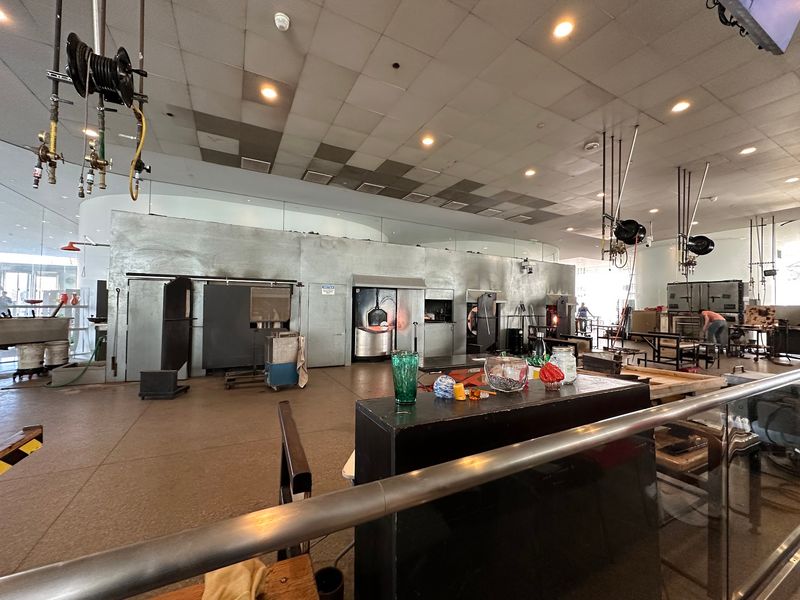
Nobody has to stand for the entire hour. Plenty of seating faces the studio, so you can sit and keep your eyes on the action.
A posted schedule inside makes planning refreshingly simple. One visitor described it as easy to follow, which is exactly what you want when time is limited.
The board is worth a quick glance when you arrive. It tells you what is happening that day and helps you decide whether to watch first or explore first.
Since the demonstrations are free, there is no ticket line to manage. You can drift in, pick a seat, and settle into the show.
Some visitors have found the building fairly quiet during their time there. That means a better view and a calmer mood, though crowd levels can shift from day to day, especially during the busier hours at the Glass Pavilion.
From a Lump of Glowing Glass to a Finished Bowl
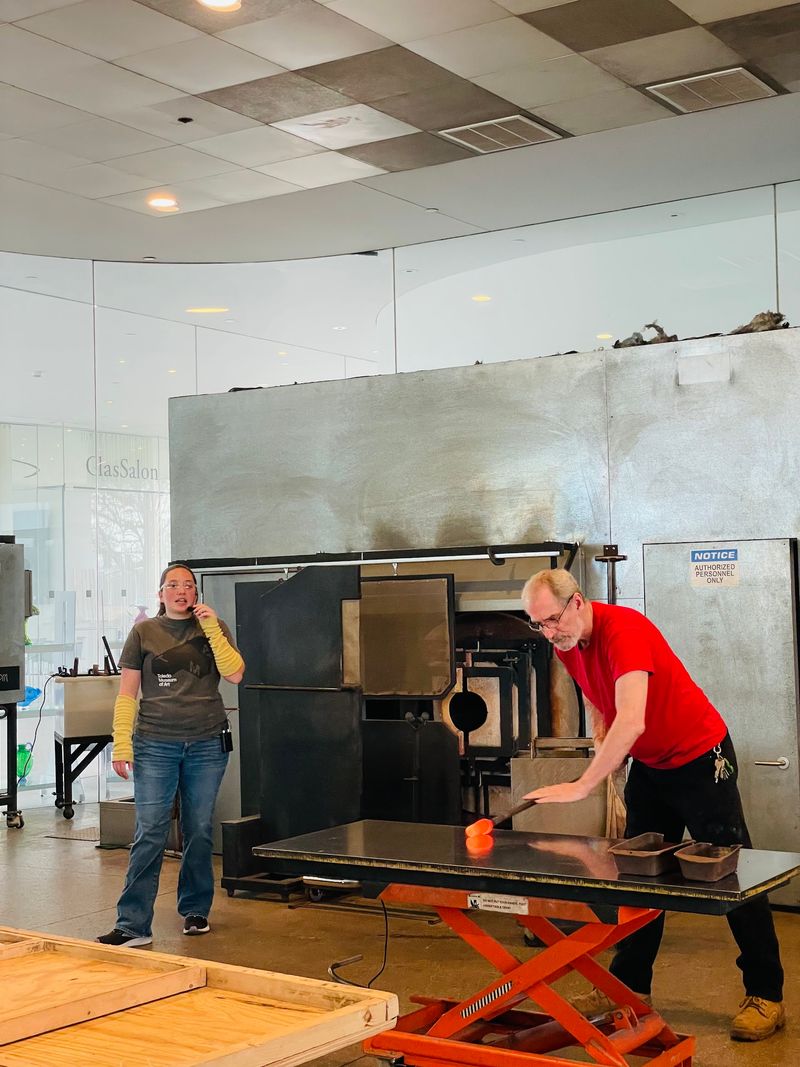
Few things are more satisfying than a start-to-finish transformation. Visitors have watched glass bowls made from beginning to end during the demonstration.
It all begins with a hot gather on a long pipe. Then comes careful turning, blowing, and shaping until the piece starts to look like a vessel.
Each stage has its own purpose, and the presenter explains what the step accomplishes. You see cause and effect rather than just a pretty result.
Here is a neat thought from one visitor: every artist starts with the same medium, yet the finished pieces look completely different. The point sinks in quickly when you compare what you saw made with what hangs in the galleries.
Skill matters, but so does imagination. Watching the process reveals how many choices go into a single object, and why handmade glass has such a distinct personality compared with factory-made items.
Ancient Treasures and Contemporary Showstoppers
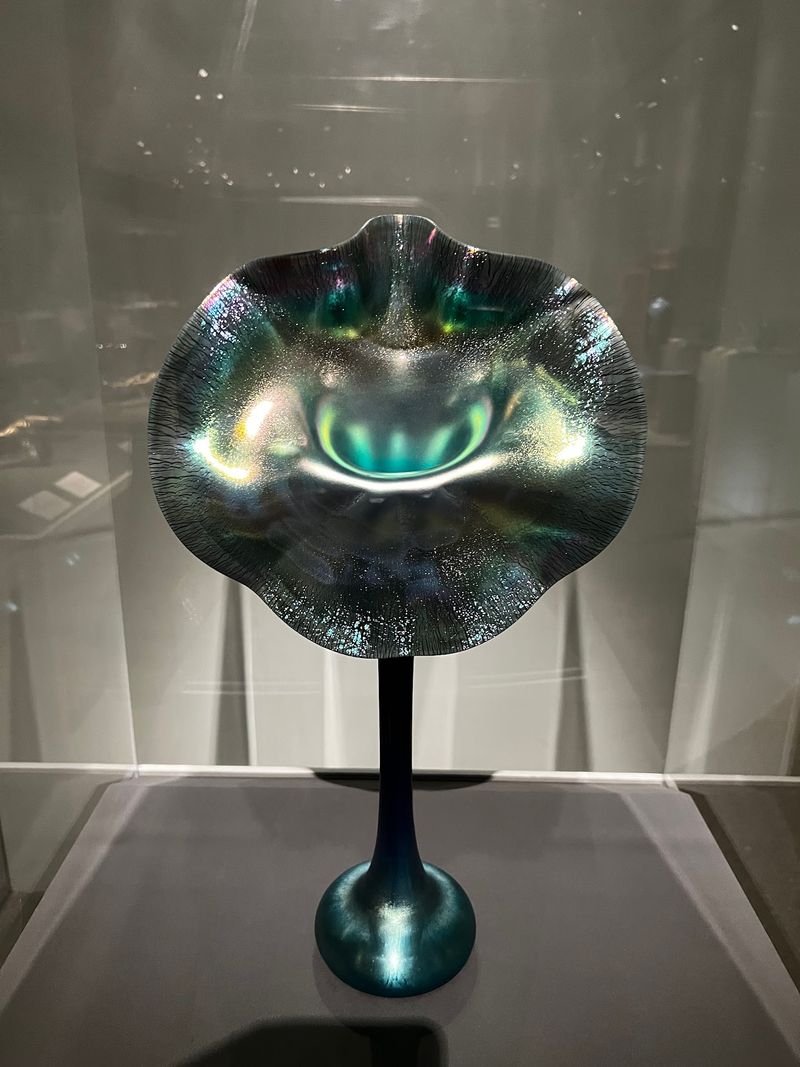
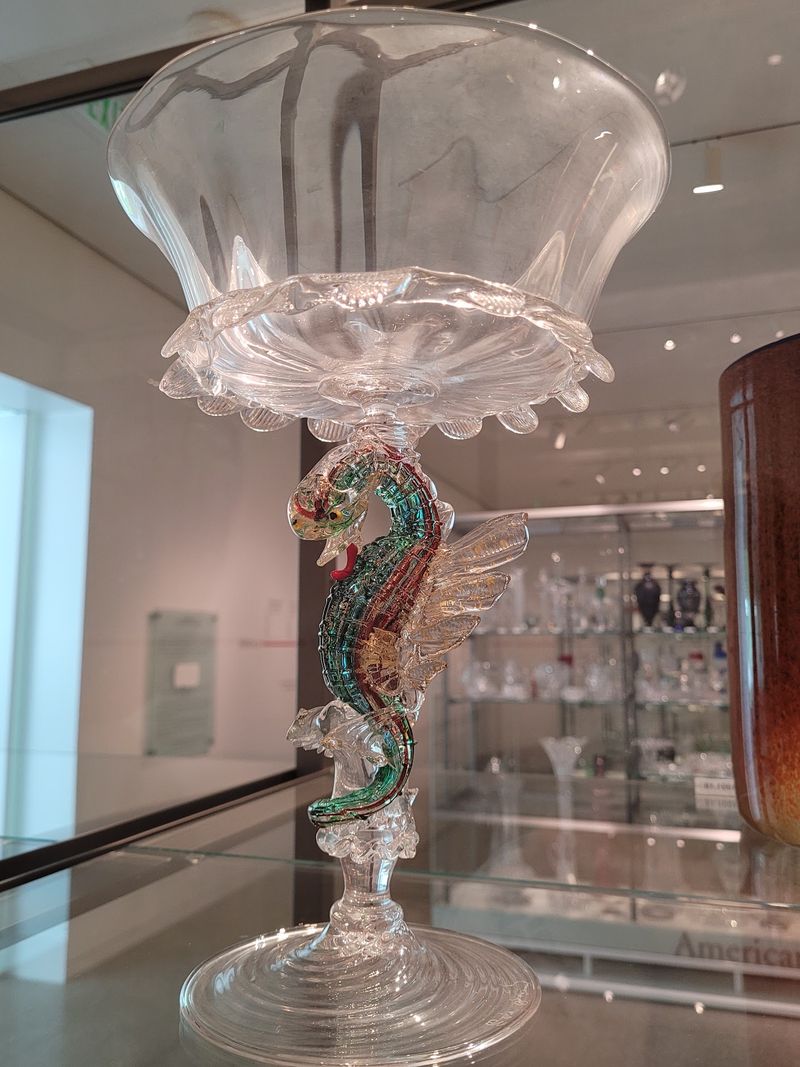
Plenty of museums claim a long timeline, but few let you trace one in glass. Here the displays include historic glass items alongside pieces by today’s artists.
Visitors describe the collection as stretching from ancient glass to breathtaking contemporary art. Walking through feels like flipping through a history book made of light.
One visitor called it an interesting overview of the history of glassmaking. That fits a building designed to honor the material.
Observers also point out that the displays feel carefully curated. Pieces are given room to catch the light, which is half the fun with glass.
Take your time with the small details, such as color, texture, and shape. Ohio has deep ties to glass manufacturing, and these galleries give that story a beautiful, tangible form that you can walk through at your own pace.
Bigger Inside Than It Looks
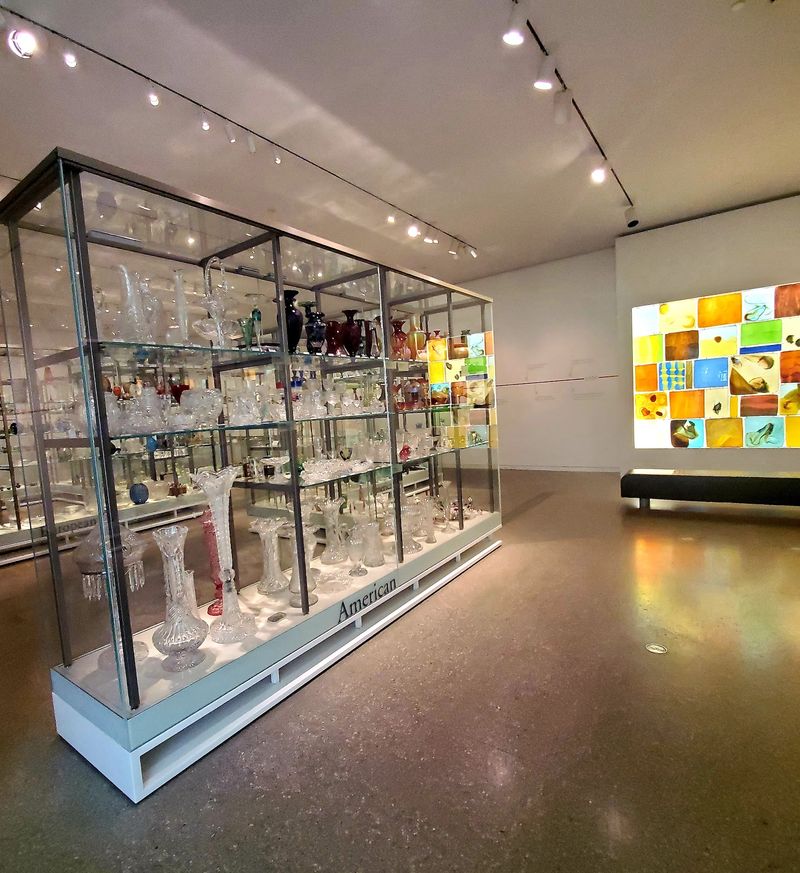
Outside, the building looks fairly compact. Inside, one visitor found it bigger than expected, thanks to connecting rooms that keep unfolding.
Those rooms hold a decent amount of rotating art, so the displays are not frozen in place. Returning visitors may find something different to enjoy.
Another visitor described the selection as small but beautiful. That matches the focus here, which is quality and variety in glass rather than endless hallways.
The flow from room to room feels natural. You can move from the studio area into galleries without feeling lost, which helps when time is tight.
If you want more after your visit, the neighboring art museum is next door. Some visitors have paired the glass displays with the museum’s well-known paintings, which makes for a nicely varied day in northwest Ohio around the Glass Pavilion.
Learn to Shape Glass Yourself
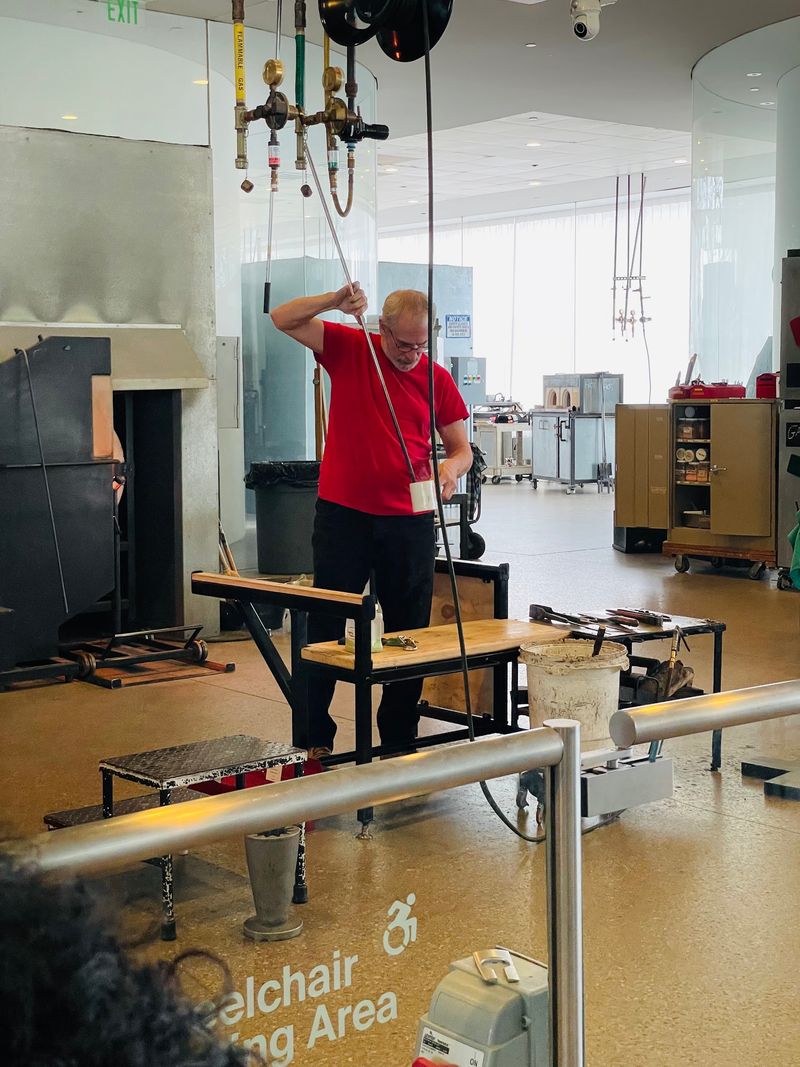
Watching is great, but some people want to try. The pavilion’s offerings include glassblowing and glass shaping classes.
One past student called it a fun environment to work in and listed the place among their favorites. That kind of enthusiasm tells you the classes leave a mark.
Class details change, so check the museum’s glass studio page for current options and openings. The listing describes classes as part of the experience.
For beginners, a demonstration beforehand can be a smart warm-up. You see the basic motions, then decide whether you are ready to pick up a pipe yourself.
Even if you never sign up, knowing classes exist adds a fun layer to the visit. The people shaping glass here are not only performing, they are part of a living craft community inside the Glass Pavilion.
A Small Shop With Handmade Souvenirs
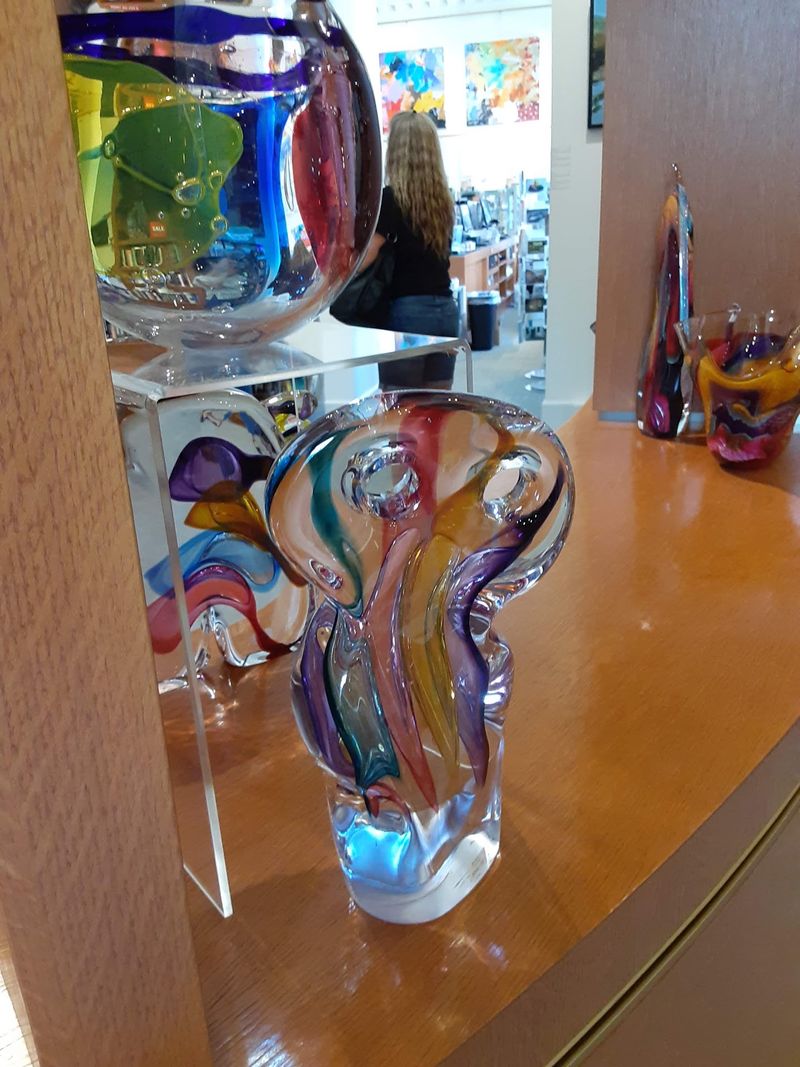
Before you leave, there is a small gift shop worth a look. A past visitor noted that you can buy work made during classes and sessions.
That detail makes the souvenirs feel connected to what you just watched. A bowl or ornament comes from the same glass world as the demonstration.
Selection can change, so treat it as a bonus rather than a promise. The pieces on offer depend on what has been made and what is available.
Shopping here also feels different from buying a mass-produced trinket. Each handmade item carries small differences that reflect the person who made it.
Glass makes a lovely keepsake for anyone who enjoyed the show. Tuck one into your bag and you will have a little Ohio-made reminder of the afternoon at the Glass Pavilion.
Calm, Clean, and Climate Controlled
On a sticky Ohio summer day, a free, climate-controlled museum is a gift. One visitor praised exactly that, along with the clean and comfortable setting.
The mood inside is described as calm, educational, and inspiring. It never feels overwhelming, which helps if you are visiting with a mix of ages.
Families can enjoy the live show without needing any art background. Art lovers can linger over the displays while others simply enjoy the glowing furnace.
Quiet explorers will like the peaceful atmosphere, and curious kids may enjoy the action. Friendly staff have also earned praise from visitors.
As a bonus, it works nicely in any season. Winter chill or summer heat, the pavilion stays a comfortable place to spend an hour or two while sampling one of northwest Ohio’s most surprising attractions.
Hours, Costs, and Smart Timing
Plan your day around the open hours. The pavilion is open Wednesday, Thursday, and Sunday from 11 AM to 5 PM, and Friday and Saturday from 11 AM to 8 PM.
It is closed on Monday and Tuesday, so avoid those days. Hours can change, so confirm with the museum before you go.
Admission to the pavilion and the glassblowing demonstration has been free. Parking has been described in different ways over the years, so check the current museum information.
Some special exhibits and events at the museum may carry separate charges. One visitor mentioned a ticketed exhibit, so read signs before you enter.
For the demonstration, aim to arrive before the 2 pm start and grab a good seat. Check the posted board at the Glass Pavilion, 2444 Monroe St, Toledo, Ohio, for the day’s plan.
A Soft Verdict for Anyone Who Likes to Watch Things Get Made
Some stops earn their keep by being easy to enjoy. The Glass Pavilion does that with a free show, a striking building, and a clear subject.
The glassblowing demonstration is the main draw, and visitors repeatedly highlight it. Add the galleries, classes, and a small shop, and the visit feels well rounded.
Not everyone has the same experience, of course. One visitor wished the space and the presentation had been used more resourcefully, so expectations are worth keeping reasonable.
Still, the overall picture is warm. Most people describe a calm, informative visit and a craft they came to appreciate more.
If you live in Ohio and like drivable discoveries, add this one to your list. Arrive for the demonstration, linger in the galleries, and watch your step near those glass doors.
Share this story