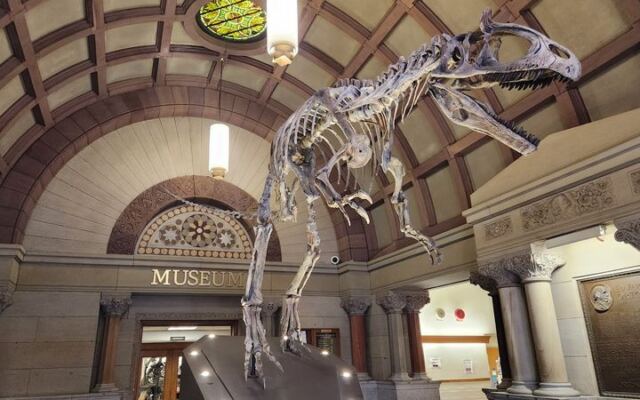
A T. rex skull, a giant sloth skeleton, and a massive armored fish skull all share one small room, and nobody charges you to walk in. I love that this stop belongs to a major Ohio university.
The collection also holds minerals, meteorites, and a booth that makes rocks glow. The geology department keeps the exhibits tied to real science, which gives every case a purpose.
Most people stroll past on the way to class or lunch. I can’t imagine passing a dinosaur display on a famous campus lawn without at least peeking inside.
The whole visit fits between errands. So what is waiting behind those doors, and why does it feel so much bigger than its size?
A Free Dinosaur Stop Waiting Inside Orton Hall
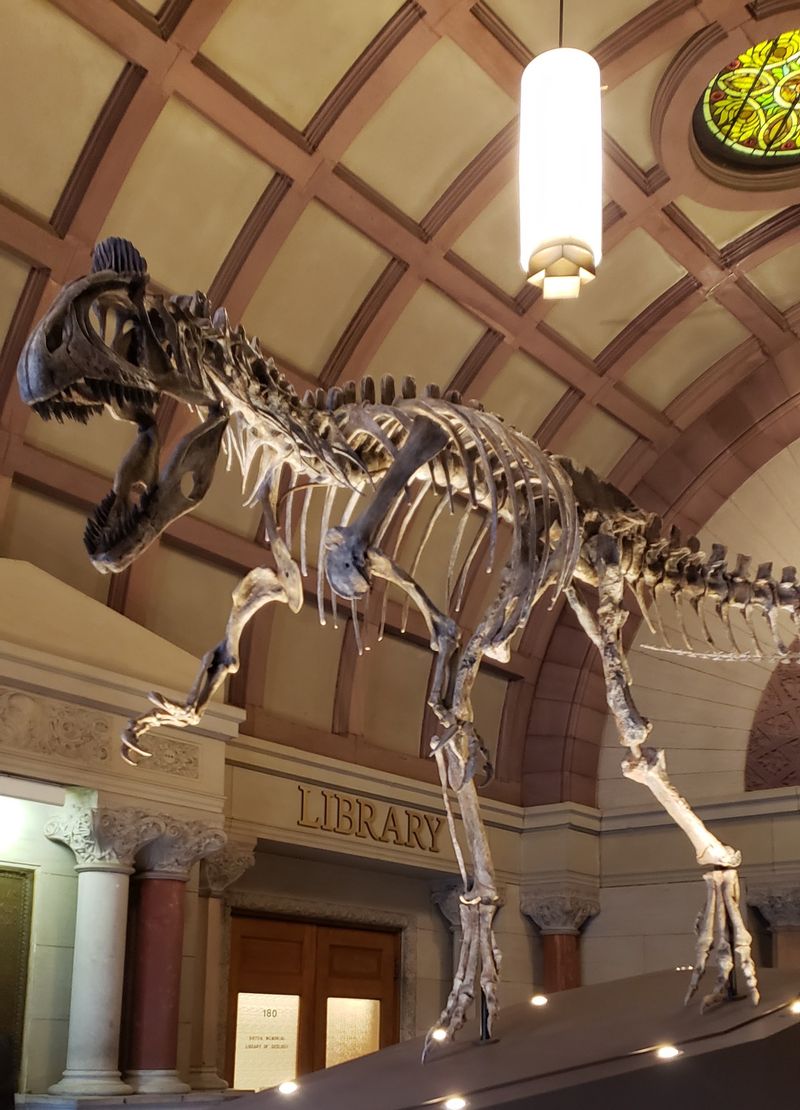
Free dinosaur fossils are hard to beat. Orton Geological Museum delivers them inside Orton Hall, a building on Ohio State’s main campus in Columbus.
The museum is a science museum run through the university’s geology program. Admission costs nothing, which makes it an easy add-on to a campus walk or a family outing.
Size is the first thing people notice. The space is compact, and most guests finish a lap in about an hour or less.
Small does not mean thin, though. Fossils, minerals, meteorites, and a few seriously big specimens share the floor, and each case comes with clear explanations.
Think of it as a greatest-hits album of Earth’s past. You get ancient sea creatures, giant mammals, and dinosaur material without buying a ticket or planning an entire day around it.
For Ohioans who love finding a great stop close to home, this one is a win. It proves that a world-class science detour can sit right in the middle of a busy college campus.
The Oval Puts This Museum Right In The Middle Of Campus
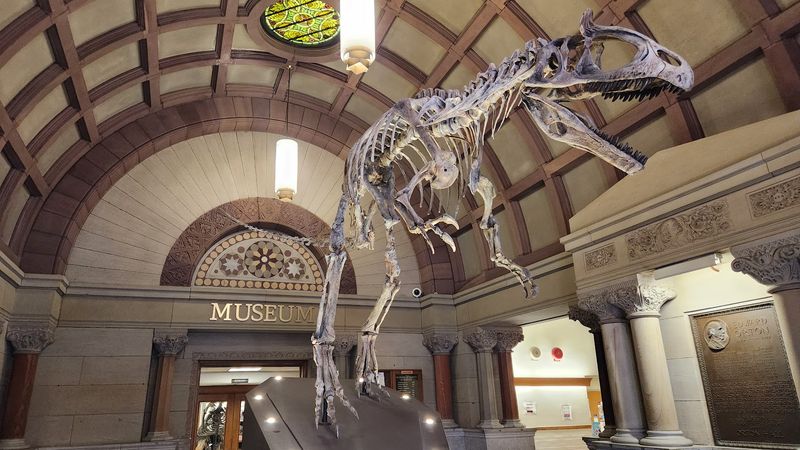
Few museum locations beat this one. Orton Geological Museum sits beside the Oval, the big green lawn at the heart of Ohio State’s main campus.
That setting turns the trip into part of the fun. You can stroll across the grass, watch campus life go by, and then step inside to meet ancient animals.
The museum lives within Orton Hall, a university building that also houses a geology library across the hall. Visitors often glance at the library shelves on their way to the exhibits.
The location also means the museum feels connected to real research and teaching. Geology students and professors are part of the same building, so the science is close at hand.
Construction around campus has changed the approach to the door from time to time. A quick look at the surroundings before you arrive helps you find the entrance without any fuss.
Once you spot the building, the rest is easy. Head in, follow the displays, and let the Ohio past unfold.
Come Face To Face With A T. Rex Skull
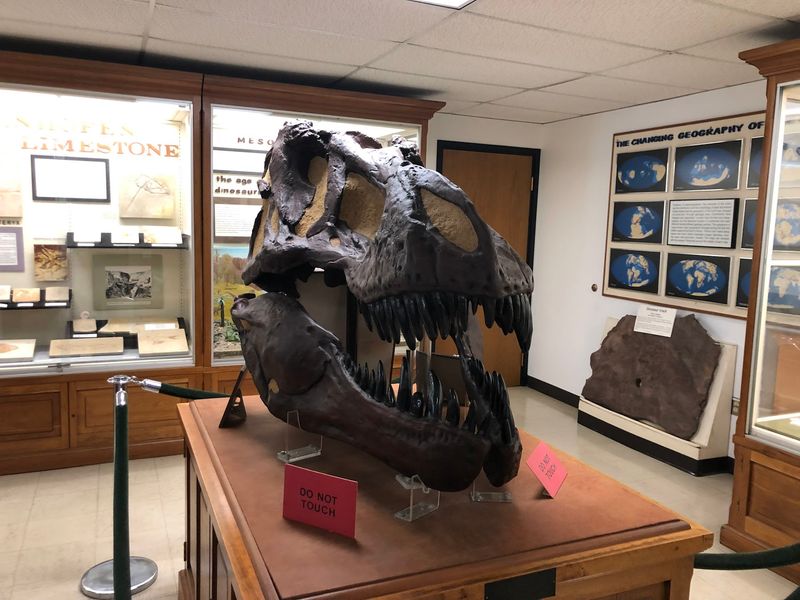
Teeth first, that is how a T. rex skull introduces itself. Orton Geological Museum features one among its dinosaur material, and it grabs attention fast.
The skull gives you a sense of scale that photos never manage. Standing in front of it, you can study the jaw shape, the eye openings, and the sheer size of the head.
Nearby displays add context about other dinosaur-era creatures. Clear labels explain what each fossil is, where such animals lived, and how scientists piece the story together.
Kids tend to gravitate to this corner. Families describe children who could spend hours studying the dinosaur fossils and rock cases.
One visitor even chatted with a professor about dinosaur species found in the United States. That kind of friendly science talk is part of what makes the place special.
Bring a camera, but also take a minute to simply look. A free skull this impressive deserves a few quiet moments.
A Giant Sloth Skeleton Steals The Floor
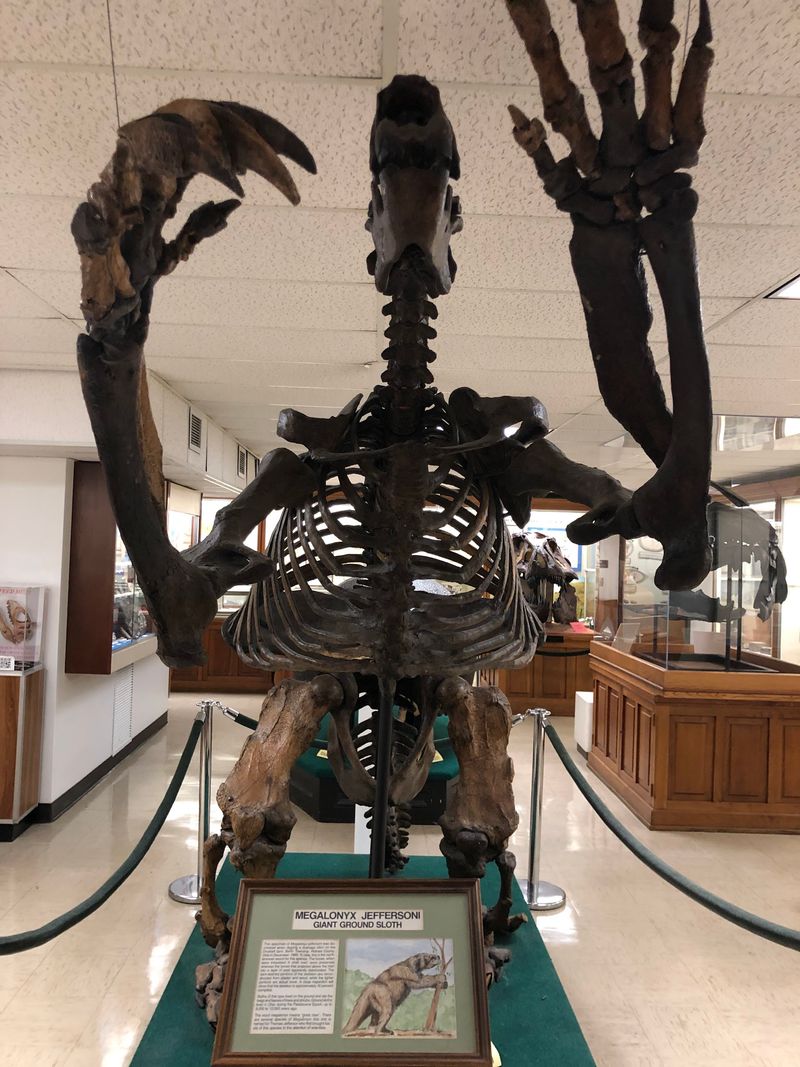
Standing on its hind legs, a giant sloth skeleton looms over the room. It is one of the most talked-about exhibits at Orton Geological Museum.
This animal belongs to the ice age chapter of Earth’s story. Its bones show how large some mammals grew long before modern sloths hung from tropical branches.
Look closely at the claws and the heavy frame. They hint at an animal built for size and strength rather than speed.
The skeleton gives the museum a lively centerpiece. Many guests mention it when they describe their visit, right alongside the dinosaur fossils.
A good trick is to walk around it slowly. Each angle reveals new details in the ribs, the spine, and the long limbs.
Kids love comparing their own height to the skeleton. It makes a simple, fun photo, and it turns a quick look into a memorable moment.
Few free stops in Ohio let you stand this close to a prehistoric giant.
Marine Fossils And A Dunkleosteus Skull From Ancient Seas
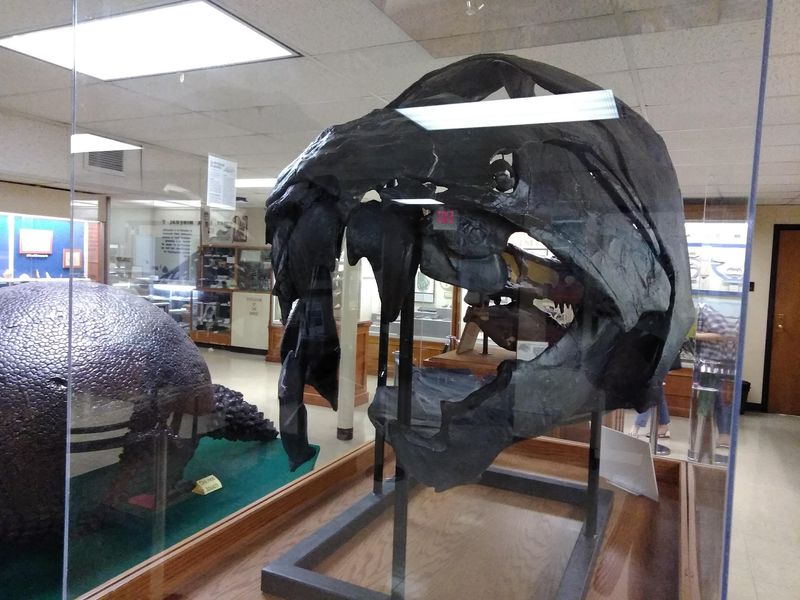
Ohio was once underwater. The marine fossils at Orton Geological Museum prove it with shells, sea creatures, and a Dunkleosteus skull.
Dunkleosteus was a huge armored fish from the Devonian period. Its skull looks like heavy plating, built for a predator that ruled ancient seas.
Fossils from Ohio rock layers remind visitors that the state’s landscape has a deep past. Beneath modern fields and highways lie remnants of warm, shallow oceans.
Trilobites, shells, and other sea life fill out the display. Each piece shows how life shifted across millions of years.
Labels do a nice job of explaining what you are seeing. You do not need a science degree to follow along.
One visitor noted that the museum shared ideas for fossil hunting around the state. That is a fun reminder that Ohio’s ancient seafloor is still waiting to be explored.
Fish, shells, and giants make this corner a favorite for curious minds.
Rocks And Minerals Worth Slowing Down For
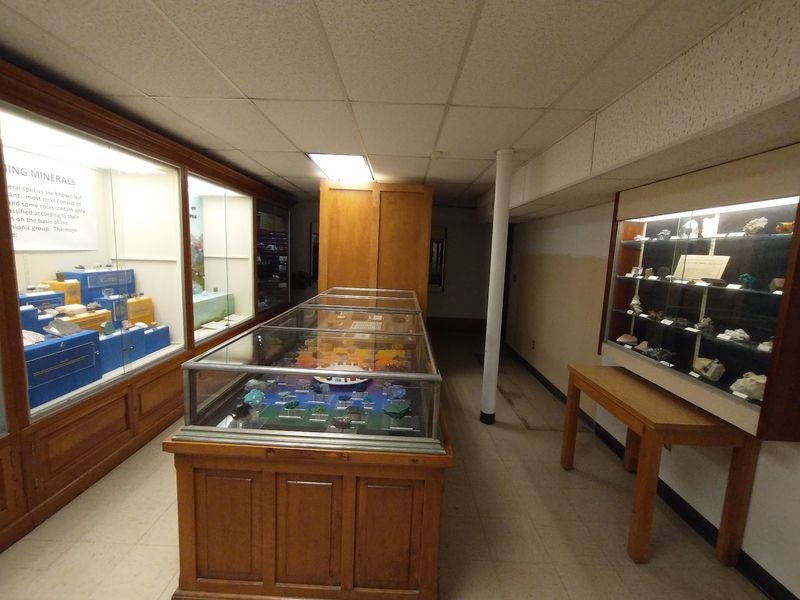
Minerals are the quiet stars here. Orton Geological Museum shows off a wide range of rock and mineral samples in tidy cases.
Colors, shapes, and textures vary from case to case. Some specimens sparkle, while others look like plain stone until a label explains what makes them special.
Documentation is a highlight. Descriptive cards give names, origins, and facts, so you can learn while you look.
Gem and rock fans of all ages tend to linger here. Parents mention kids who could stay for hours studying the mineral displays.
A little patience pays off. Pick a favorite sample, read the card, then see if you can spot something similar in the next case.
The collection also connects to Ohio’s own geology. Understanding these materials helps explain the ground beneath cities, farms, and parks across the state.
Budding rock hounds will find plenty to love. Even casual visitors may leave wanting a rock collection of their own.
The Glowing Rock Booth Is Pure Science Magic
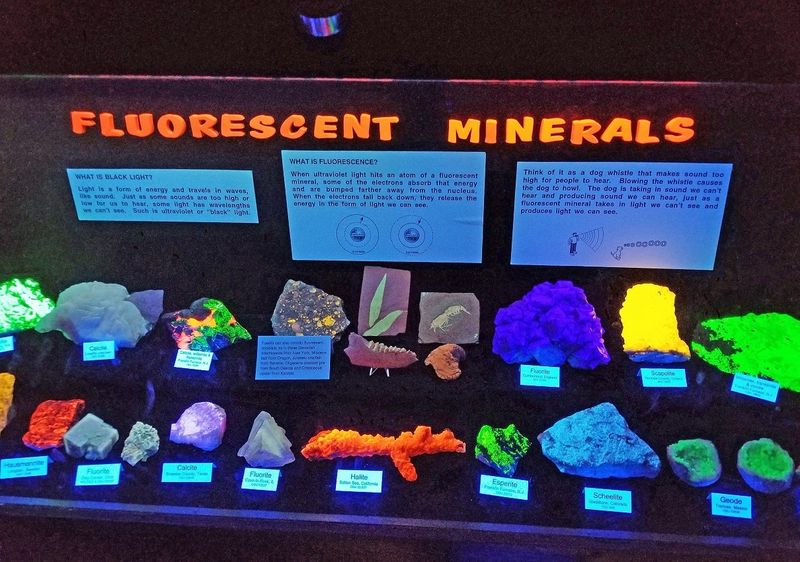
Flip the lights, and the rocks change. A special booth at Orton Geological Museum shows minerals in different lighting, and it feels like a small magic trick.
Fluorescent minerals react to ultraviolet light. Stones that look plain in normal light can glow in vivid colors once the lamp comes on.
The display is a favorite surprise for first-time guests. One visitor called it a nice surprise that shows artifacts in a whole new way.
Step into the booth and look closely. Bright greens, reds, and blues can pop out from specimens you walked past a minute earlier.
Science is the real hero here. The glow comes from the mineral’s makeup, which is why geologists use light to study samples.
Kids usually want a second turn. Adults often join them, because the effect is hard to resist.
Plan a few extra minutes for this one. It is the kind of exhibit that people mention long after the visit ends.
Meteorites Bring Space Rocks Down To Earth
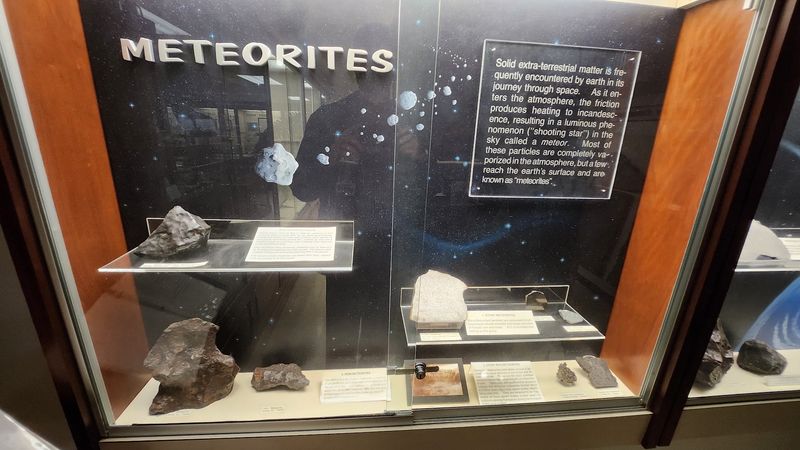
Rocks from outer space sit right beside the dinosaurs. Orton Geological Museum includes meteorites among its collections, adding a cosmic twist.
Meteorites are fragments that survive a fiery trip through the atmosphere. They carry clues about the early solar system and the materials that formed planets.
Look for dark, heavy-looking samples with unusual surfaces. Many appear different from Earth rocks, and the labels explain why.
Meteorites help tie the museum’s story together. Fossils reveal life through time, minerals reveal materials in the ground, and space rocks reveal where it all began.
Kids often enjoy the idea that they can look at something from beyond our planet. It makes a great conversation starter on the drive home.
Compare the meteorites with nearby mineral samples. Spotting the differences turns a quick glance into a mini science lesson.
Few free exhibits in Ohio can claim a visitor from space. This one does it quietly, and it is easy to miss if you rush past the case.
Friendly Experts, A Library, And A Gift Shop
People make a museum, and this one has plenty of helpful ones. Visitors describe welcoming staff who take time to talk about rocks and fossils.
Some guests brought in their own rocks to learn more. They also picked up ideas for fossil hunting around Ohio.
Guided tours are available, and one visitor said a tour made them want to major in geology. If a tour interests you, ask ahead about how to arrange one.
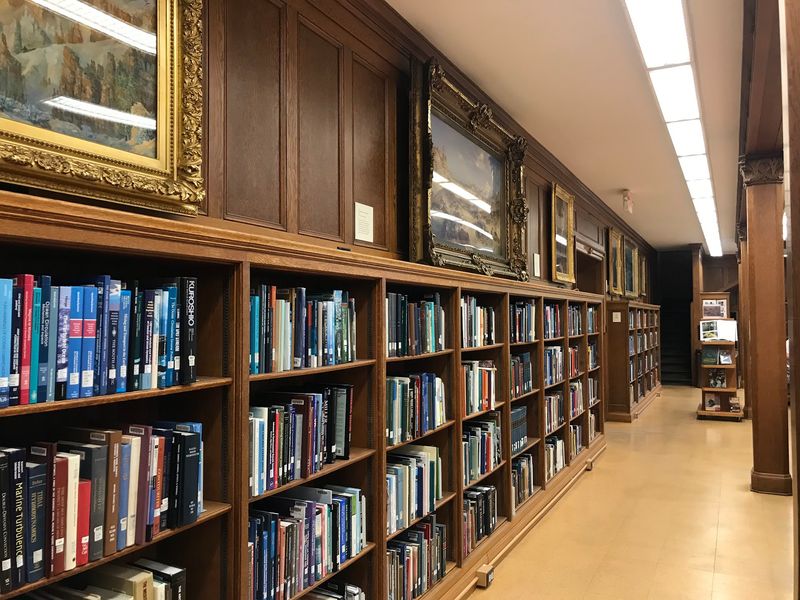
Across the hall sits a geology library with a large, impressive collection. Even a quick look through the doorway adds to the scholarly atmosphere.
A small gift shop is also on site. Visitors report that you ring a bell to have someone let you inside.
Donations are welcome, since admission is free. A small contribution helps the department keep the displays in good shape.
Bring your questions along. A few minutes of conversation can turn a short stop into the best part of the day.
Hours, Parking, And Address For Planning Your Trip
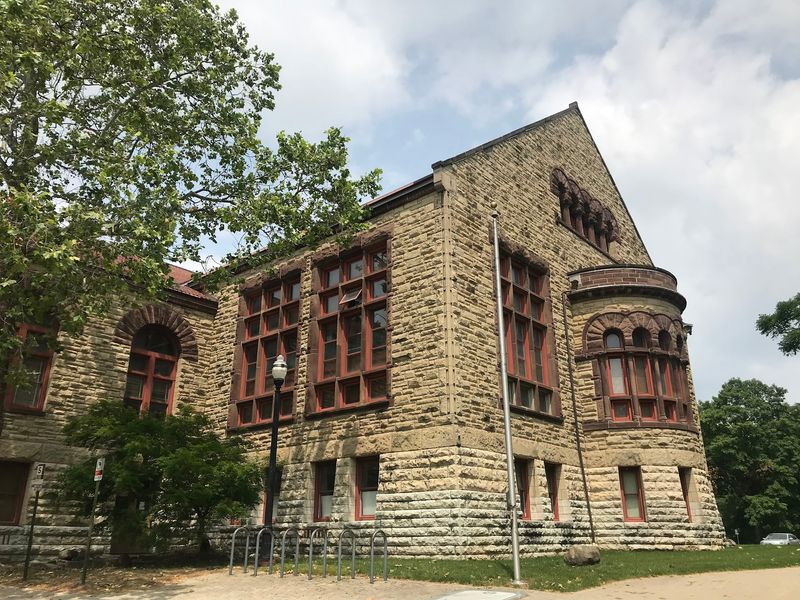
Planning helps with a small museum. Orton Geological Museum is located at 155 S Oval Mall, Columbus, Ohio, on the Ohio State campus.
Listed hours run Monday through Friday from 9 AM to 4 PM. The museum is closed on Saturday and Sunday.
Hours have varied in some visitor accounts. Calling ahead or checking the museum’s official page before you go is a smart move.
Admission is free, but parking on a busy campus usually is not. Visitor lots and parking apps are common options, so watch the rates and the time you actually need.
Plan on about thirty minutes to an hour inside. That makes it a great pairing with other campus stops.
The building is accessible, according to recent visitor comments. Construction nearby can change the path to the door, so allow a little extra time.
Weekday visits fit best. A quick lunch break or a stop between meetings can be enough.
A Small Museum With A Big Payoff
Short on time but long on curiosity? Orton Geological Museum fits that mood perfectly.
It is compact, free, and full of surprises.
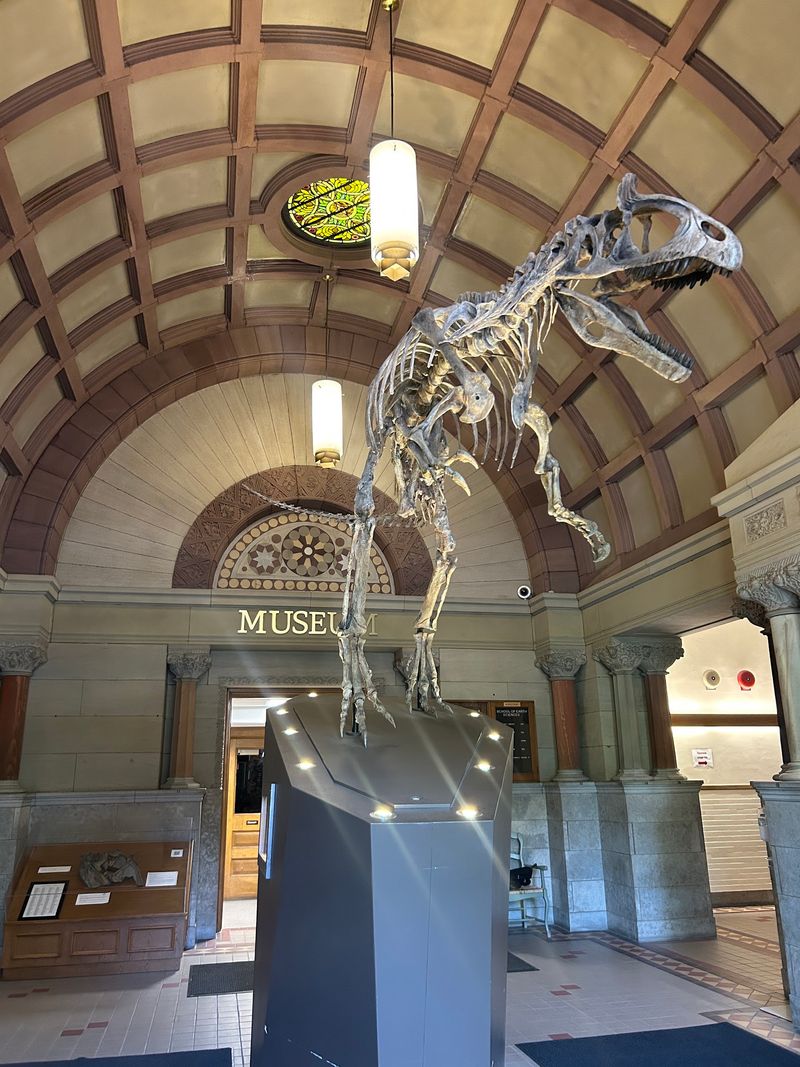
Do not expect a sprawling hall of giant skeletons. Expect a thoughtful collection with a T. rex skull, a giant sloth, ancient sea fossils, glowing minerals, and meteorites.
Kids who love dinosaurs and gems will have a blast. Adults who enjoy a good science story will find plenty to read and ponder.
A couple of exhibits may show their age, and the visit is short. Even so, the friendly atmosphere and the price make it easy to recommend.
Pair it with a stroll across the Oval and a bite nearby. That turns a quick stop into a full Columbus outing.
Ohioans who love local discoveries should put this one on the list. It proves that a great adventure can hide in a campus building you have walked past many times.
Share this story