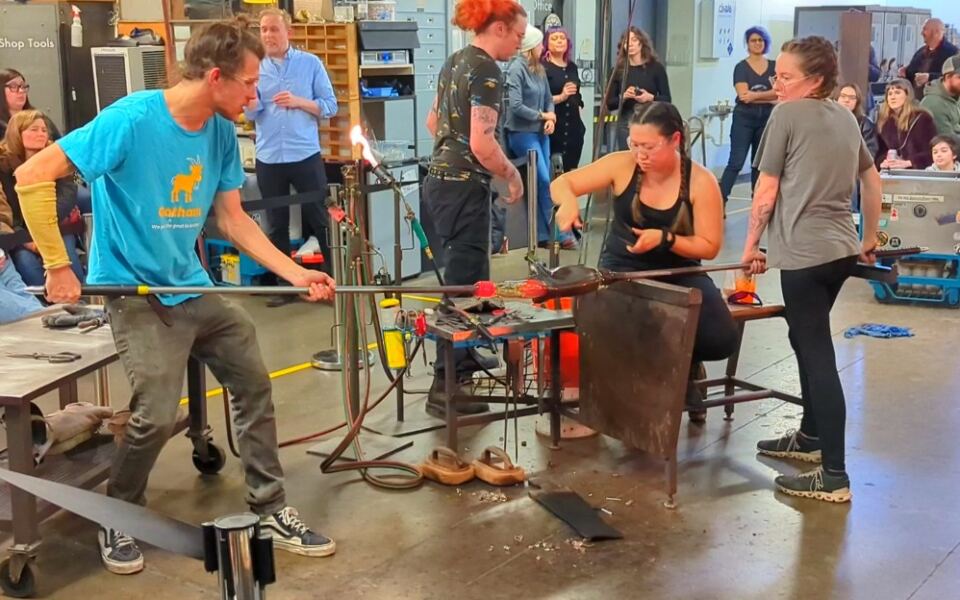
At these 13 places across America, you can watch professional glassblowers turn molten glass into bowls, vases, ornaments, and sculptures. Some studios even let visitors help create their own pieces with an instructor.
The experiences range from a working glasshouse that recreates colonial techniques to modern museums where artists demonstrate their skills in front of live audiences.
You can visit a historic Vermont mill powered by river water, watch glassmakers work inside a giant steel cone in Washington, or see how nineteenth-century glassware was produced in Michigan.
Several destinations offer free demonstrations, while others have guided workshops you can book in advance. Here is where to go, what makes each stop different, and which experiences are worth planning ahead for.
1. Corning Museum of Glass, Corning, New York
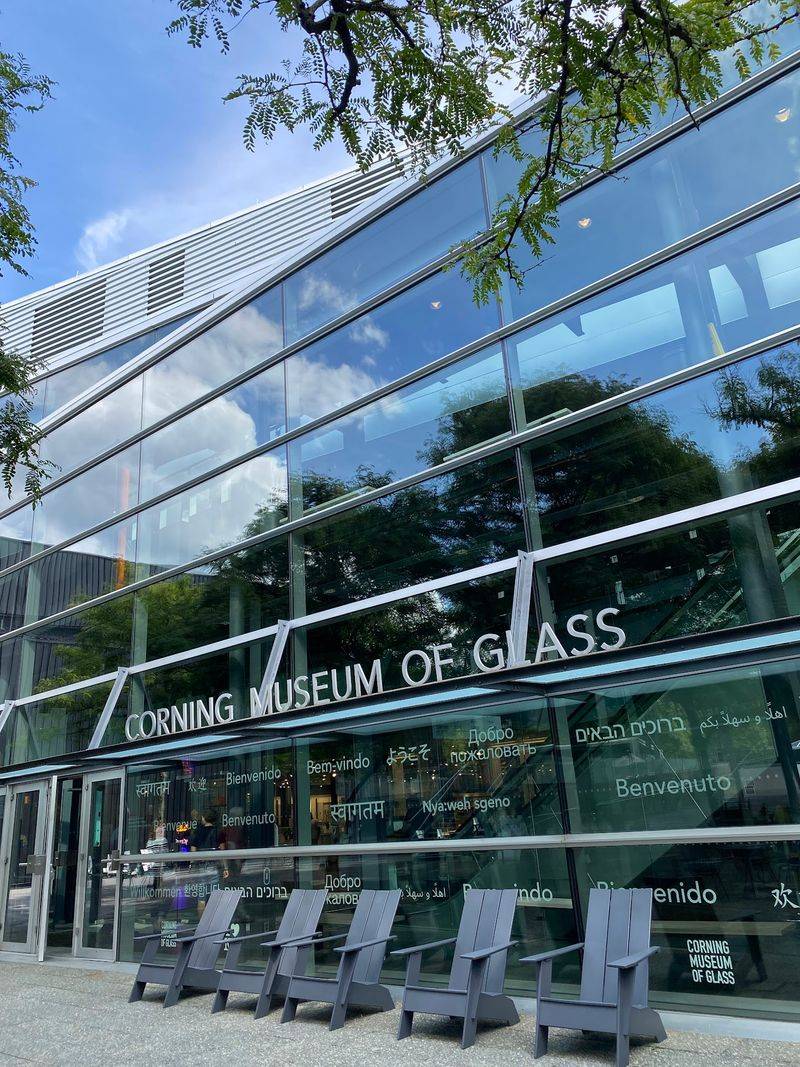
Big screens, narrated shows, and a hot shop built for crowds make this upstate New York museum the heavyweight champ of glass. Professional glassmakers turn hot glass into bowls, vases, and sculptures while a host explains each step.
Cameras placed near the furnace send close-up views to screens, so even folks in the back row catch every move. Nobody has to stand on tiptoe here.
The galleries cover more than 3,500 years of glassmaking, from ancient vessels to bold modern art. Science exhibits explain why glass behaves the way it does.
Families get a nice break, since visitors 17 and under get in free. Adult tickets are often good for two days in a row, which helps because one day rarely feels like enough.
Want to try it yourself? The Make Your Own Glass program offers blowing, fusing, and etching sessions with expert help.
Your piece needs to cool overnight, so plan to pick it up later or have it shipped.
2. Jamestown Glasshouse, Williamsburg, Virginia
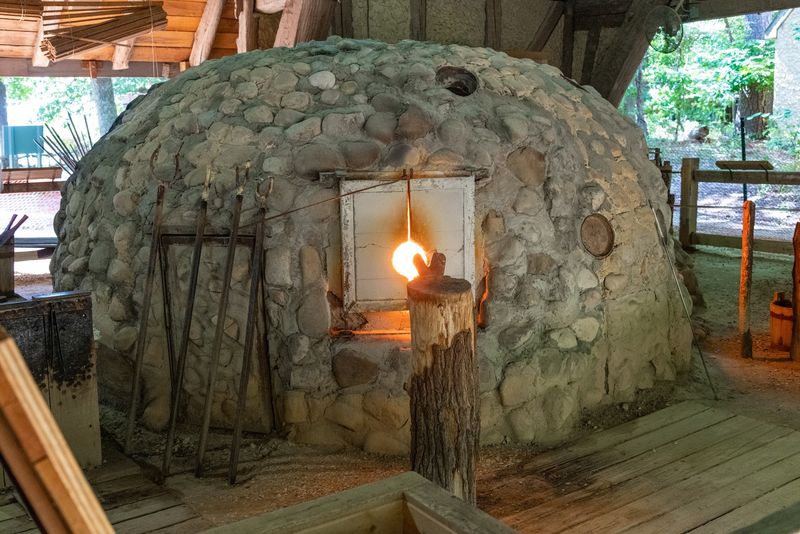
Back in 1608, just one year after English settlers landed in Virginia, glassmaking became one of the colony’s very first industries. It did not exactly make anyone rich, but it left behind a great story.
Today, artisans in period clothing show off 17th-century glassblowing methods right beside the ruins of that original operation. You get history on one side and live craft on the other.
The furnaces are built to copy the ones used over four centuries ago. Modern versions may use natural gas, which is probably a relief for the person who used to chop all that wood.
Look for the green glassware, a color tied to early American glass. Pieces made on site are sold in the shop, so you can take home a bit of colonial style.
The Glasshouse sits inside Colonial National Historical Park. It is run by the National Park Service with Eastern National.
Pair your stop with a walk around Historic Jamestowne to see the settlement’s dig sites and exhibits.
3. Museum of Glass, Tacoma, Washington
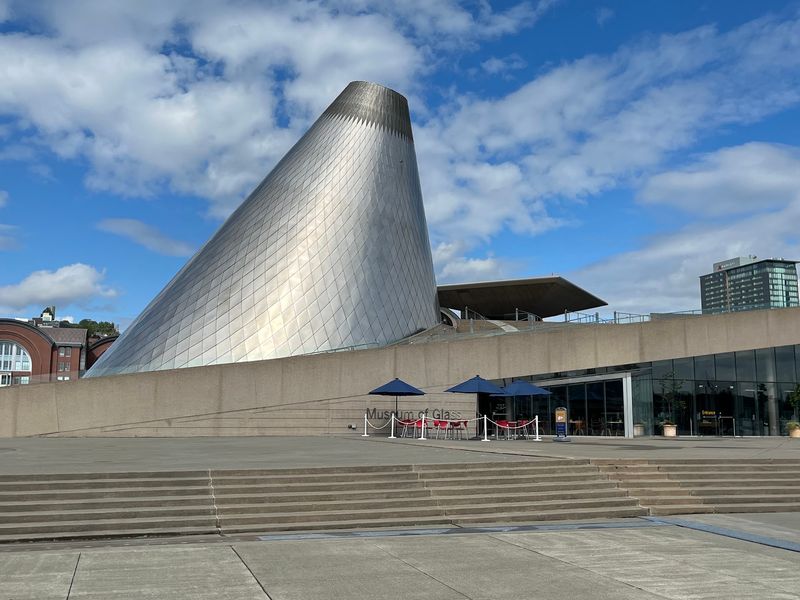
A giant tilted steel cone on the Tacoma waterfront is hard to miss. Inside that cone sits one of the busiest hot shops in the country.
The Museum of Glass rests along the Thea Foss Waterway. Its hot shop has amphitheater-style seating, so visitors can settle in and watch artists gather, blow, shape, and finish each piece.
Hosts usually explain what the team is doing, which helps beginners follow along. Visiting artists rotate through, so the work on the floor changes often.
Outside, the Chihuly Bridge of Glass links the museum to downtown. The 500-foot walkway shows off work by Dale Chihuly, who grew up in Tacoma.
For more hands-on fun, the museum offers workshops in fusing, mosaic art, and hot shop experiences. It is also known for artist residencies and changing exhibitions.
Tip: check the daily hot shop schedule online before you go. A short walk away, the Washington State History Museum makes an easy second stop.
4. WheatonArts, Millville, New Jersey
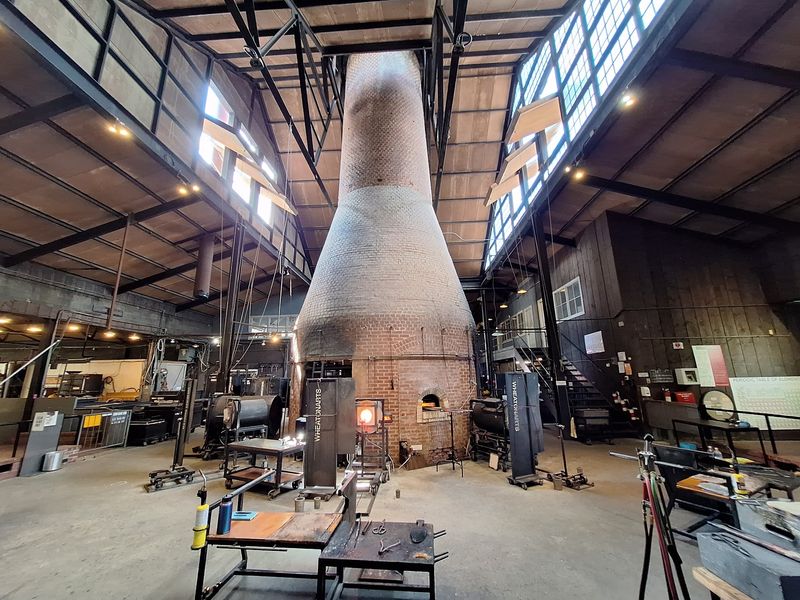
Southern New Jersey has sand, and lots of it, which is exactly why the region became a glassmaking powerhouse in the 1800s. Millville led the charge.
WheatonArts honors that past with a working glass studio inspired by the T.C. Wheaton glass factory.
The factory started in the nineteenth century and helped put the town on the map.
Visitors can watch hot-glass demos throughout the day. A fun extra is the Design-A-Object program, where guests submit drawings based on weekly themes.
Studio artists pick favorites and actually make them in glass. Your doodle could end up as real art, which beats sticking it on the fridge.
The Museum of American Glass holds over 20,000 pieces. Historic bottles, decorative items, and modern artwork show how the craft changed over time.
Plan around the calendar, since WheatonArts usually runs from April through December. Special events, classes, and hands-on workshops fill the season, and the campus also hosts craft studios beyond glass.
5. Simon Pearce, Quechee, Vermont
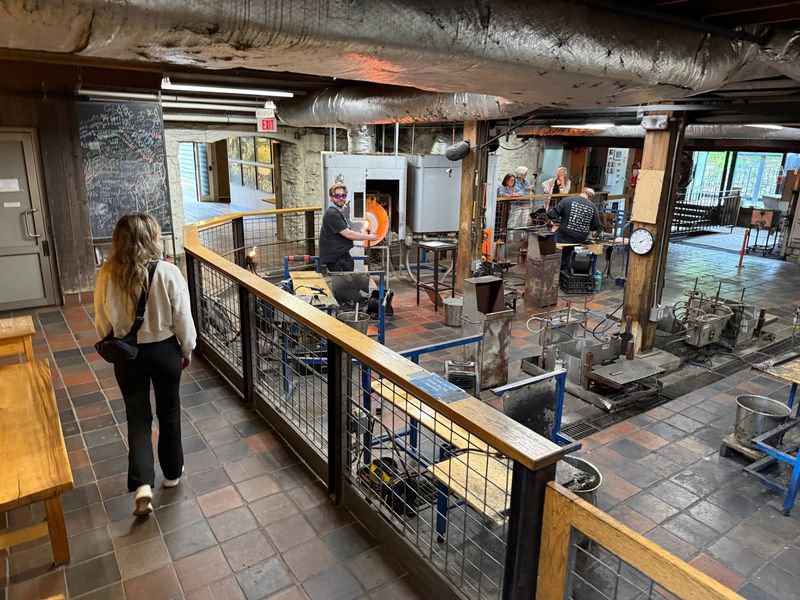
Few glass studios can say a waterfall pays part of the power bill. Simon Pearce can.
The studio sits in a restored nineteenth-century mill above the Ottauquechee River. A hydro system uses the falls to help run the building, including the energy-hungry furnaces.
Inside, artisans hand-blow drinking glasses, bowls, and other everyday pieces. The demos are free to watch, so you can stay as long as you like.
Irish glassmaker Simon Pearce opened the mill in 1981. His simple, sturdy designs are still the house style.
After watching a glass get made, you can buy one just like it in the shop downstairs. Seconds with tiny flaws are often sold at lower prices, which is a smart tip for budget shoppers.
The on-site restaurant has river views and serves its meals on, of course, Simon Pearce glass and pottery. Book a table ahead during fall foliage season, when Vermont road trippers pour in.
6. Sandwich Glass Museum, Sandwich, Massachusetts
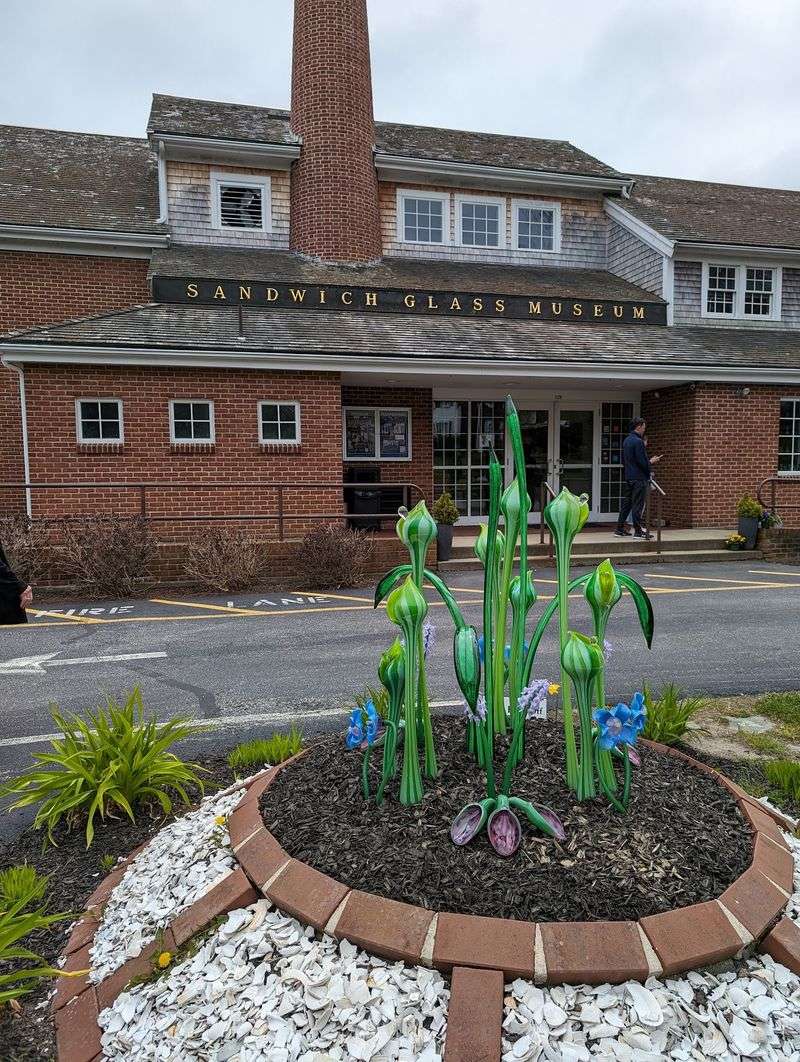
Sandwiches are great, but Sandwich glass has a much longer shelf life. In the 1800s, this small Cape Cod town became a major American glass center.
The Boston and Sandwich Glass Company made the town famous, and the museum keeps that story going. Live demos run about every hour, showing how hot glass is gathered, blown, and shaped.
Each show is a little different. Artists often add bits of colored glass called frit, use molds, and make objects tied to the season or an upcoming holiday.
The collection is packed with colorful pressed glass, old tableware, and detailed decorative pieces. Pressed glass was a big deal back then because it made pretty dishes affordable for regular families.
The museum sits in the historic village of Sandwich, the oldest town on Cape Cod. After your visit, stroll to the Dexter Grist Mill or Shawme Pond nearby.
Tip: arrive just before the hour to grab a good spot for the next demo.
7. Glass Pavilion, Toledo, Ohio
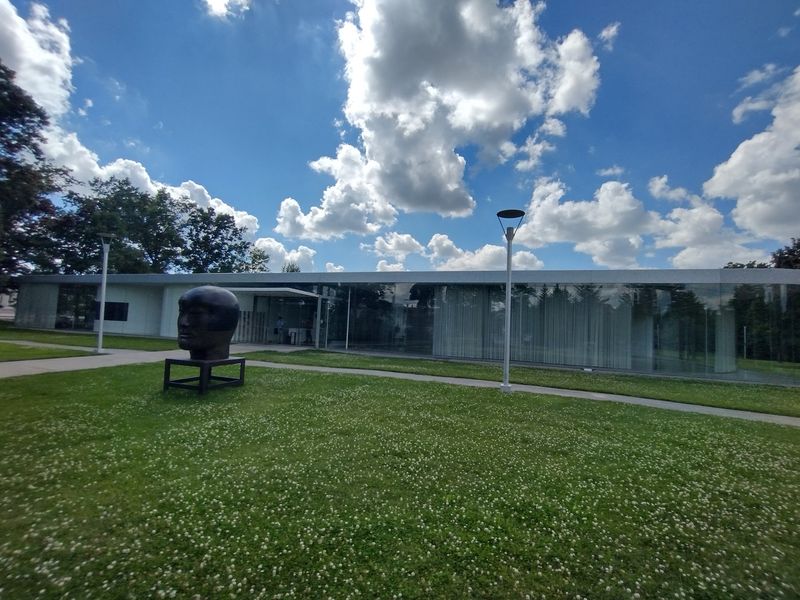
Toledo calls itself the Glass City, and the Glass Pavilion proves the nickname is not just talk. Nearly every wall, inside and out, is made of large curved glass panels.
The building belongs to the Toledo Museum of Art. Its hot shop hosts free demos, usually daily at 2 p.m., with an extra evening session on some Saturdays.
Artists explain the history and science of glass while they work. You might learn why glass has to cool slowly, and why rushing it leads to cracks.
Right next to the hot shop, galleries hold historic glass objects and modern sculptures. It is easy to watch a piece get made, then walk over and see masterpieces made with the same methods.
Toledo earned its glass fame from factories like Libbey and Owens-Illinois, which grew here in the late 1800s. General admission to the museum is free, though parking may cost a few dollars.
Check the schedule before visiting, as demo times can change.
8. Morean Glass Studio, St. Petersburg, Florida
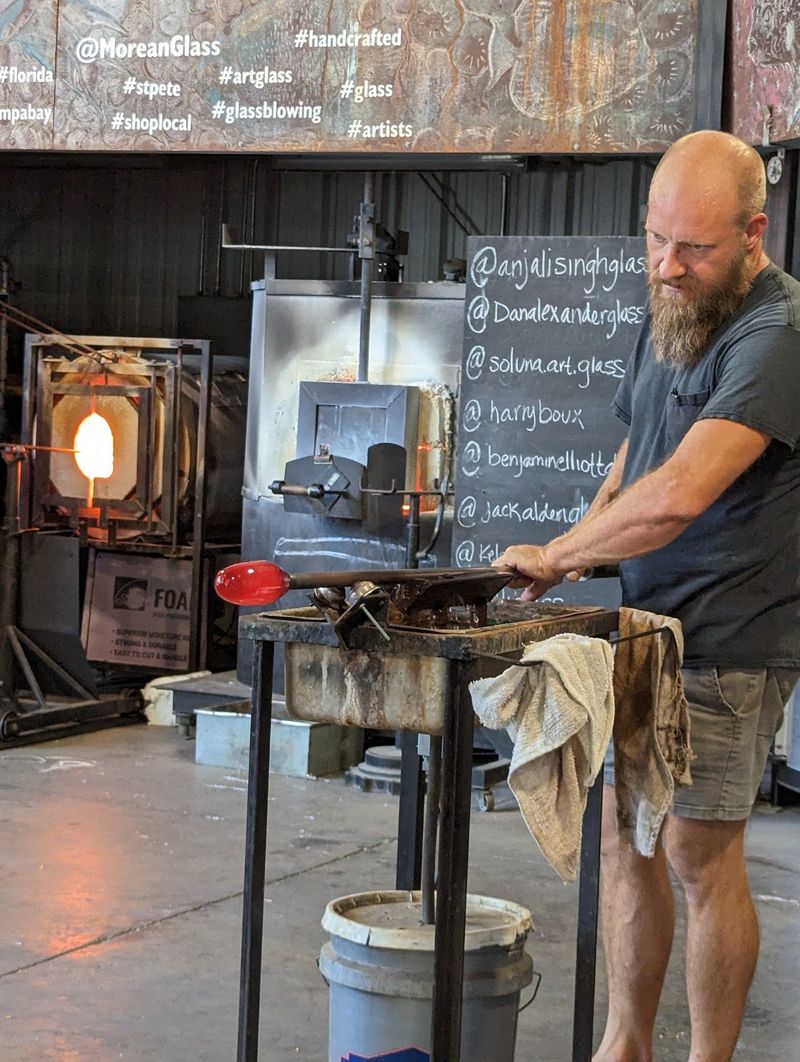
Sunshine, beaches, and blowpipes make a pretty great Florida combo. Downtown St. Petersburg delivers all three.
At the Morean Glass Studio, visitors watch artists pull hot glass from furnaces and shape it with blowpipes and specialized tools. A viewing area keeps you close without putting you in the way.
Demos explain each step, so first-timers can follow the process from start to finish. Colorful decorative pieces are the studio’s specialty.
The studio connects with the nearby Chihuly Collection, where large installations by Dale Chihuly fill the galleries. Seeing both makes it easy to compare a small demo piece with a room-sized artwork.
Ready to jump in? Personal Glass Experiences pair you one-on-one with an artist to make a paperweight, flower, or ornament.
Plan for a 48-hour cooling period before pickup. Out-of-town guests can choose shipping instead.
Fans of fancy technique should watch for Venetian-style work and caneworking, which the studio is known for.
9. Seattle Glassblowing Studio, Seattle, Washington
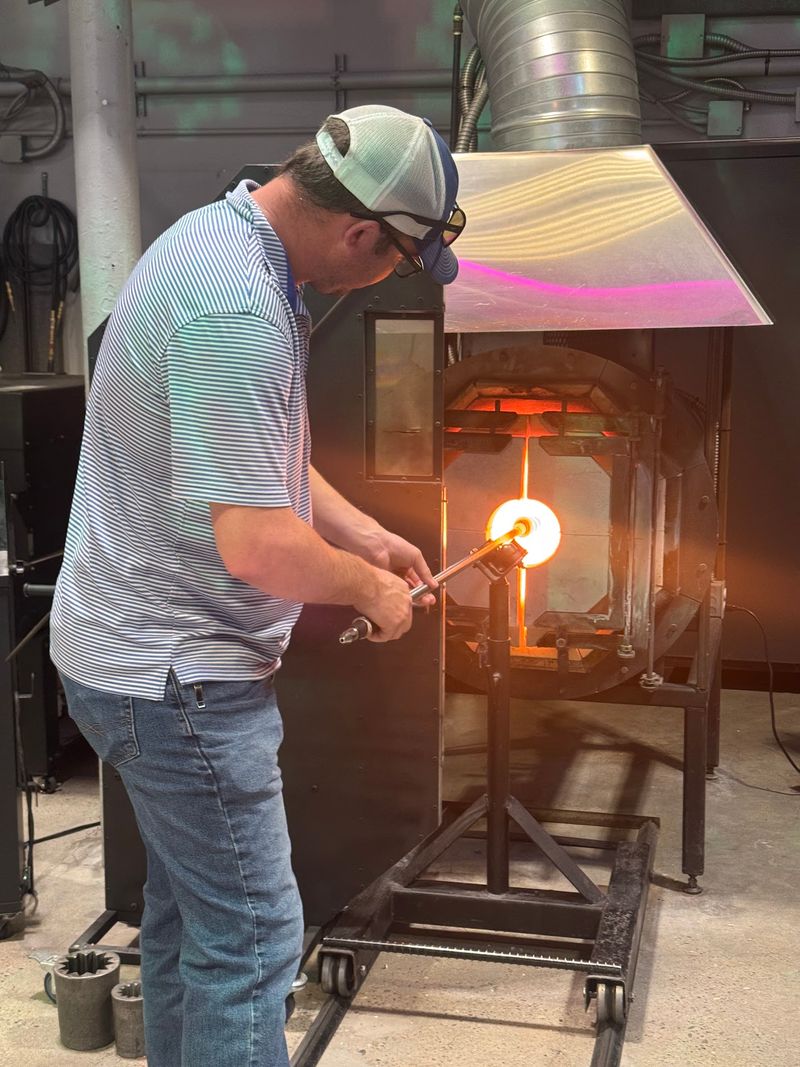
Since 1991, this Belltown studio has been making glass in plain view of anyone who wanders in. The Pacific Northwest is famous for glass art, and this spot is an easy place to start.
The space is half hot shop, half gallery. On one side, glassmakers heat, shape, and cool their work, and on the other, finished pieces from regional artists fill the shelves.
Free live demos run seven days a week. That makes it a handy stop on a rainy Seattle afternoon, which is to say, most afternoons.
Beginners can book a guided glassmaking session and leave with a piece they helped create. The instructors handle the tricky parts, so no experience is needed.
The studio also takes custom orders and builds large installations for homes and businesses. If something in the gallery catches your eye but not your color scheme, ask about a custom version.
Pike Place Market and the Seattle Center are both nearby, so it fits nicely into a city day.
10. Glass Forge Gallery & Studio LLC, Grants Pass, Oregon
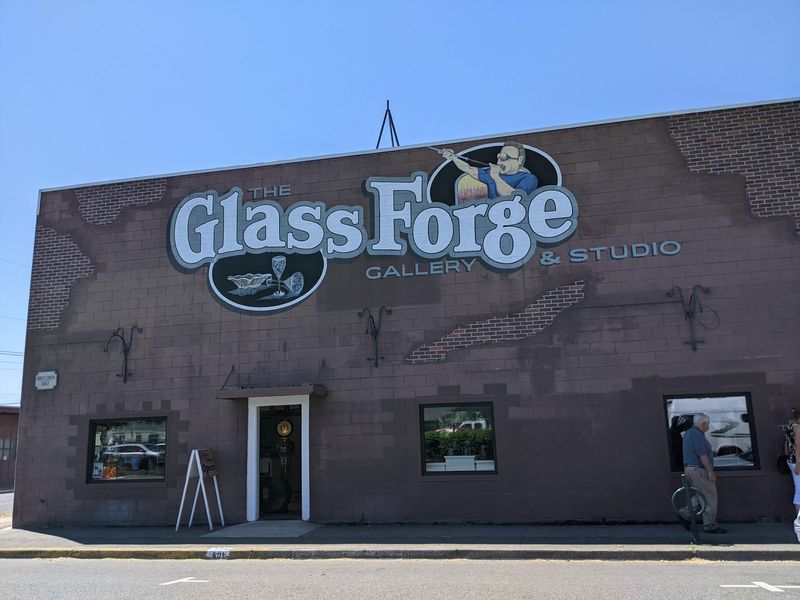
Two master glassblowers, Lee Wassink and Nathan Sheafor, opened The Glass Forge in 1998. Their goal was simple: bring top-quality Venetian-style glass to a small Oregon downtown.
Visitors can watch artisans work in the active hot shop. Demos often happen Monday through Friday, so weekday visits give you the best odds.
The studio has an open-door feel. You can browse the gallery and still keep an eye on the furnace action.
Shelves are stocked with colorful bowls, sculptures, and other pieces made with the studio’s hot-glass methods. Venetian style often means fine detail and bold color patterns.
Guided glassmaking sessions let guests choose colors and styles for their own keepsake. It is a great souvenir that is way more personal than a postcard.
Grants Pass sits along the Rogue River in Southern Oregon. Pair your stop with a river walk or a drive toward Crater Lake National Park, a popular route for road trippers.
11. Flame Run, Louisville, Kentucky
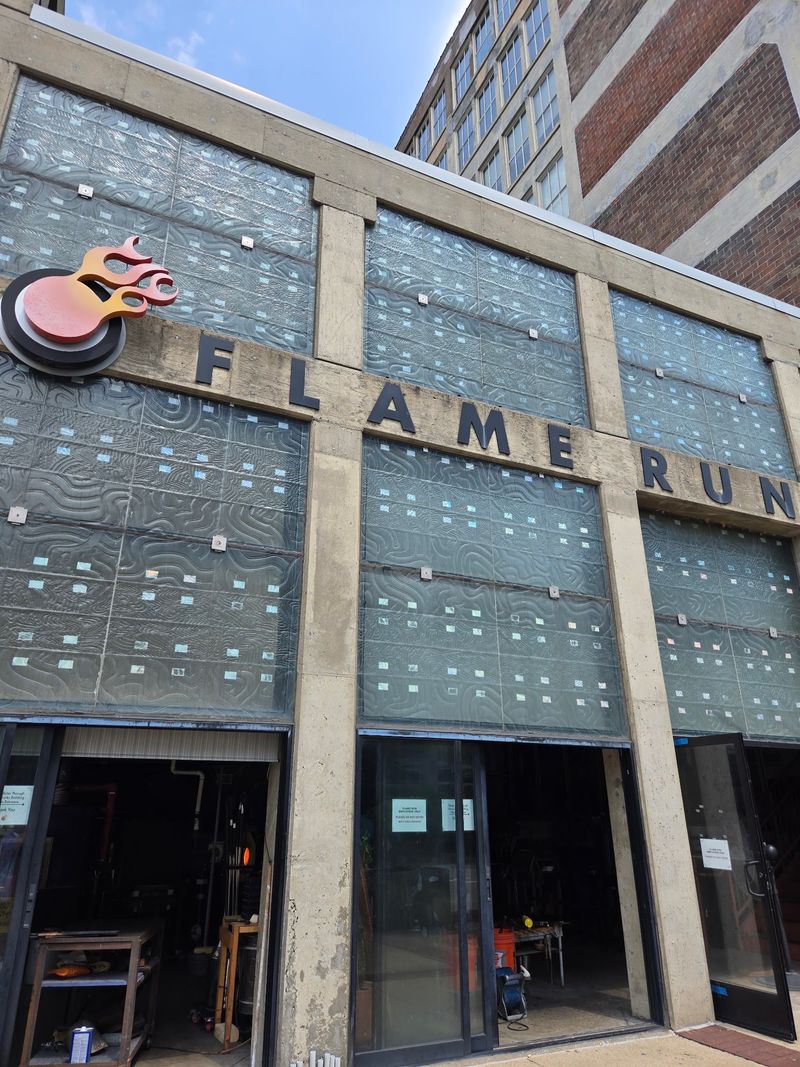
Kentucky has exactly one gallery dedicated only to glass art, and it lives inside Flame Run. That is a pretty good bragging point.
The studio is in Louisville’s historic Glassworks Building on West Market Street. It is known as one of the largest privately owned glassblowing studios in the Midwest.
Visitors watch from a viewing area, often a balcony above the floor. From up there, you can see artists gather glass, shape it with tools, and build each form step by step.
The gallery features work by owner Brook Forrest White, Jr., along with artists from around the world. Both sculptures and functional pieces are on display.
Hands-on sessions let you work beside an artist to make ornaments, seasonal decor, or small bowls and vases. Pieces cool overnight, then you can pick them up the next day or ship them home.
The location sits near Louisville’s Museum Row, so the Louisville Slugger Museum and Kentucky Science Center are close by.
12. Pittsburgh Glass Center, Pittsburgh, Pennsylvania
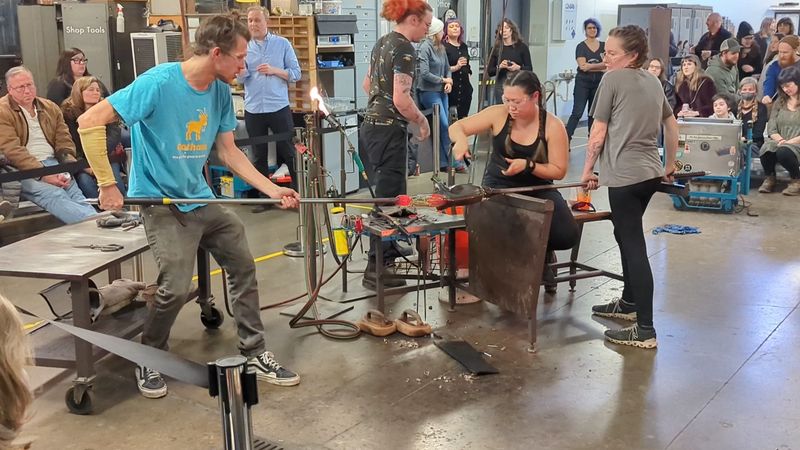
Free admission and friendly artists make this Penn Avenue nonprofit a smart pick for curious visitors. A suggested donation is welcome but not required.
The Pittsburgh Glass Center sits in the city’s East End. Its studios support working artists and students, and the public can explore the gallery and peek into the shops.
Resident artists are often happy to chat about their projects. Public programs and demos explain how glass gets blown, sculpted, and finished.
The gallery shows contemporary glass by both well-known and up-and-coming artists. Exhibits change, so repeat visits often bring something new.
Short on time? Walk In and Make-It-Now sessions let you create a piece with an instructor in a single visit.
Longer classes cover glassblowing, flameworking, and kiln work for those who catch the bug. Fun fact: Pittsburgh was once a leading glass producer, so the center keeps a big local tradition going strong.
Check online for open studio hours before heading over.
13. North Carolina Glass Center – Asheville, NC, Asheville, North Carolina
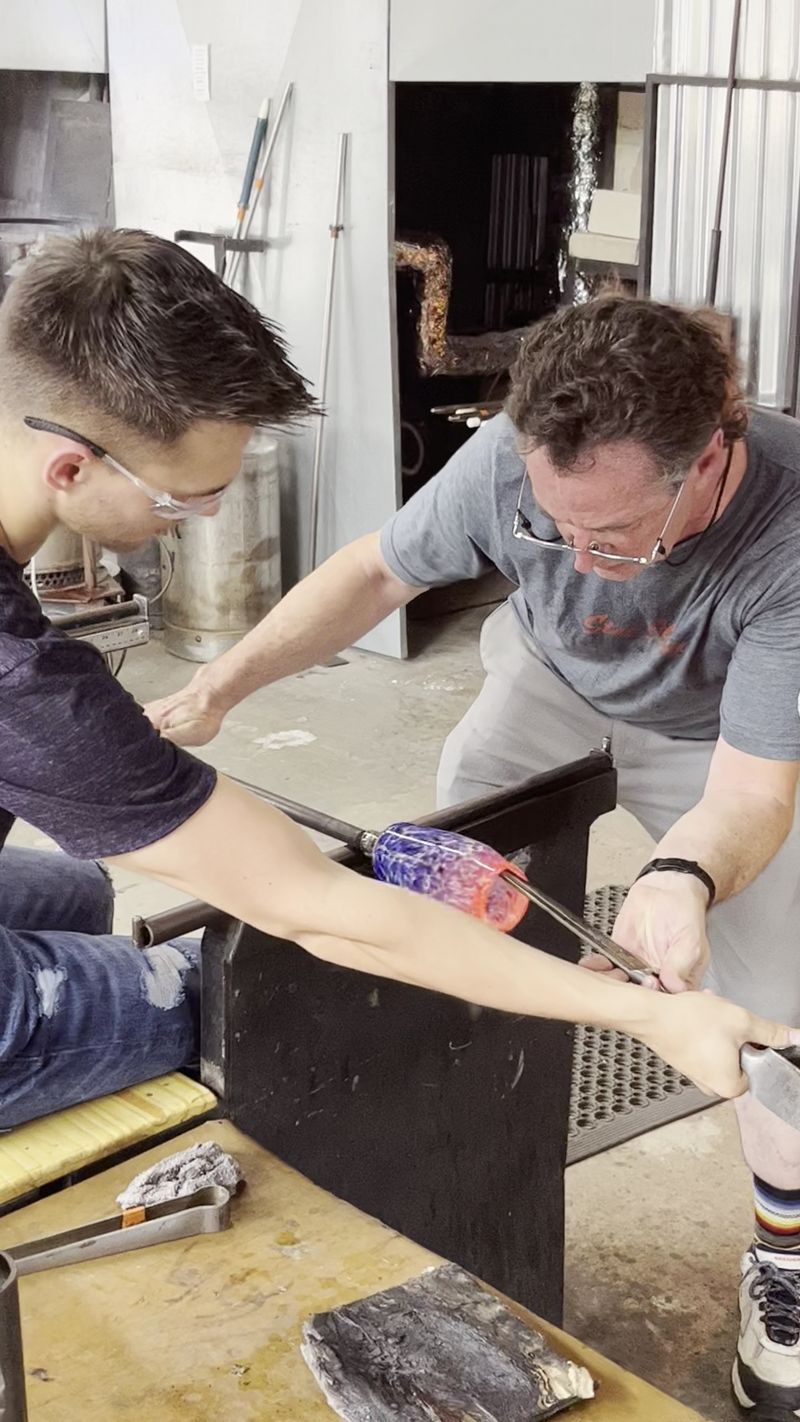
Asheville’s River Arts District is packed with working studios, and this nonprofit is one of the easiest to love. Visitors can watch artists using furnaces and traditional tools to shape glass right in front of them.
The furnaces stay running day and night. That means there is usually something happening when you drop by.
Hands-on fans have options too. Quick make-your-own sessions, around 30 minutes, let you craft a cup, ornament, or glass bead with pro guidance.
Longer workshops dig deeper for people who want to build real skills. Classes fill fast on weekends, so booking ahead is smart.
The gallery shows work by regional artists. It is a great look at the variety of glass being made across western North Carolina.
The region has strong craft roots, including the nearby Penland School of Craft, which helped grow the studio glass movement. After your visit, explore the district’s many open studios on foot.
Share this story