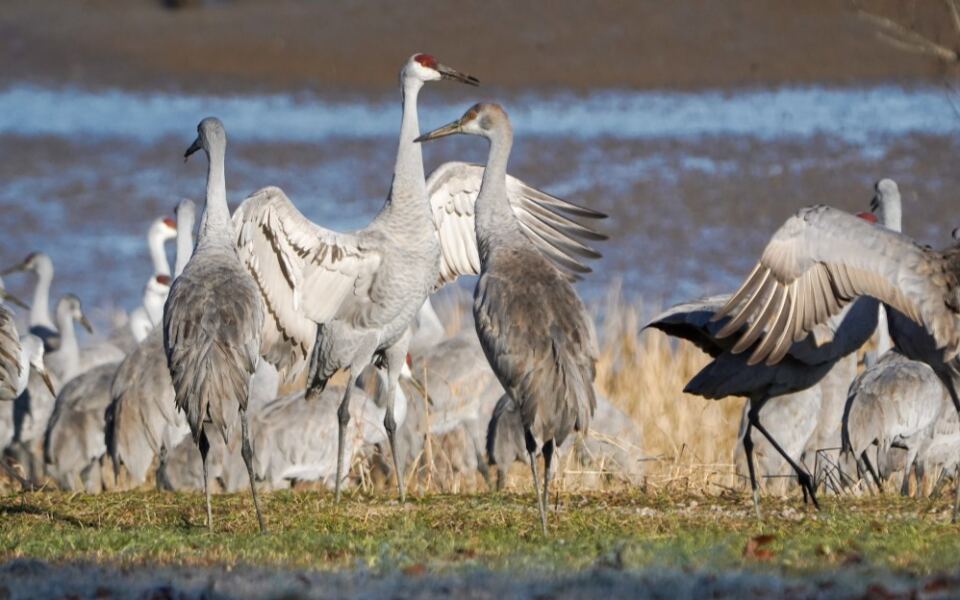
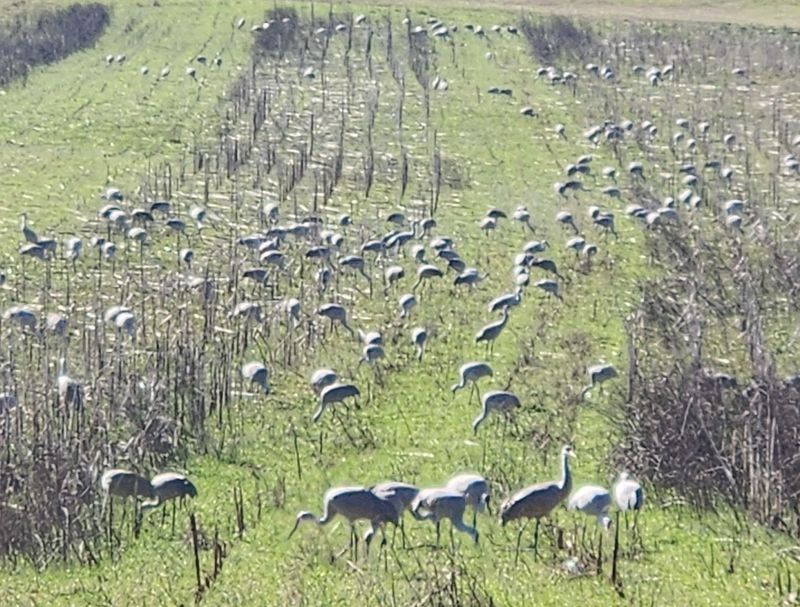
Thousands of sandhill cranes drop out of the winter sky and gather in farm fields along a quiet stretch of Tennessee water. They call to each other with a rolling, warbling sound you can hear long before you spot them.
The birds arrive in fall and stay through the coldest months. Visitors describe fields so packed with cranes that the ground seems to move.
Some years, the count climbs into the thousands.
I like how simple the setup is. You park, walk to a viewing platform, and let the show come to you.
No ticket booth, no fancy gift shop, just birds and open sky.
I can’t imagine a better excuse to bundle up on a gray January morning. So where exactly is this place, and how do you find it?
A Riverside Refuge Built for Winter Visitors With Wings
Hiwassee Wildlife Refuge sits in Birchwood, Tennessee, in a rural corner of the state where farm fields meet the water. It’s managed by the Tennessee Wildlife Resources Agency, the state group that looks after wildlife lands across the region.
The refuge falls within the agency’s Cumberland Plateau region. That official tie matters, because it means the land is protected for the animals first and people second.
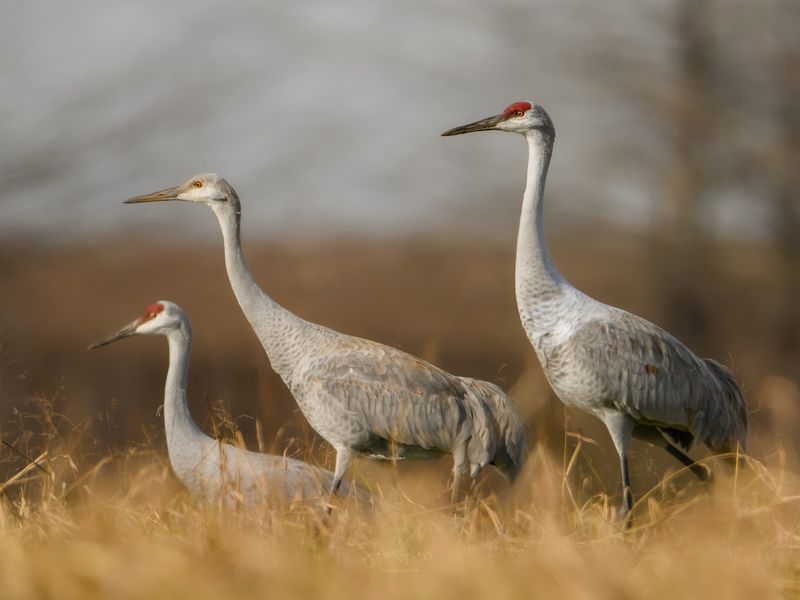
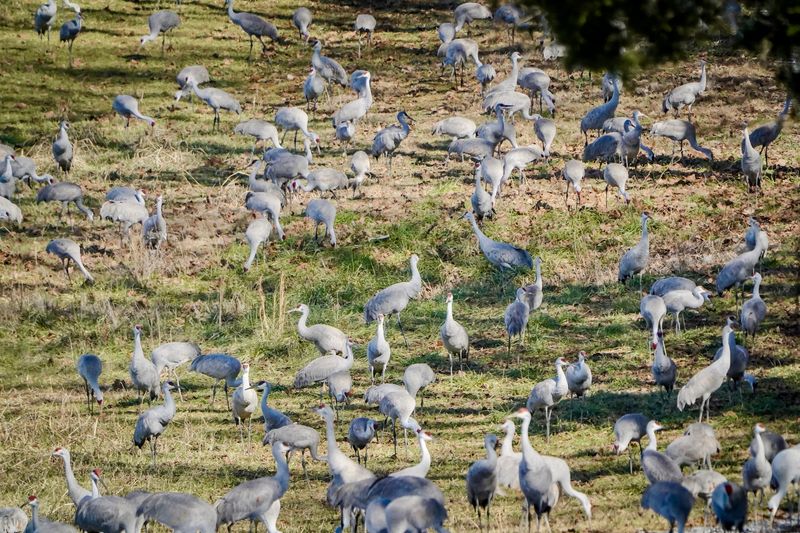
Every winter, the property becomes a stopover and wintering ground for sandhill cranes. Visitors report seeing thousands of the tall gray birds spread across the fields at once.
One recent account mentions roughly 4,500 cranes arriving in a single season.
The best part for families on a budget? Watching from the public viewing area costs nothing.
You just need a warm coat and a little patience.
It’s the kind of place that feels small when you arrive. The viewing spot is compact, surrounded by large fields set aside so the birds can rest undisturbed.
Yet the scale of what you see from that little patch of ground is enormous. Few winter outings anywhere in the South pack this much wildlife into one easy stop.
The Long Flight That Ends in Meigs and Hamilton County Fields
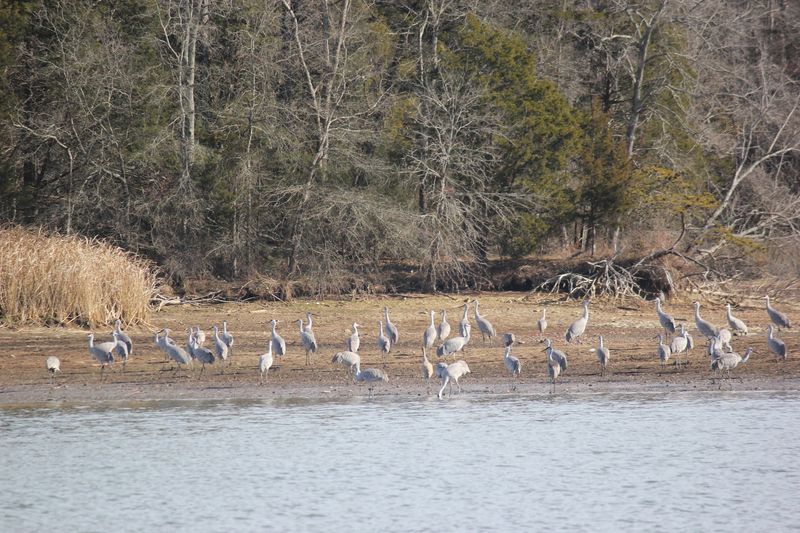
Picking up from Michigan and points north, the cranes travel hundreds of miles to spend winter here. One visitor noted that the birds that fill these fields fly in from Michigan each year.
Why stop in Tennessee? The open fields and nearby water give the birds food and safe resting space during the coldest months.
That combination keeps them coming back season after season.
The timing follows a reliable pattern. Cranes begin showing up in late fall, with one visitor counting about 250 on a hillside in late November.
By December, the numbers swell. The peak window runs from December through the end of February, when the fields can hold thousands of birds at once.
Then spring arrives and the cranes head north again to their summer nesting grounds. The refuge quiets down, though it doesn’t go empty.
Knowing this rhythm helps you plan. A visit in early November might bring a handful of early arrivals, while a January trip puts you in the thick of the action.
Think of it as a winter guest list that refreshes every year. The guests just happen to stand four feet tall.
Fields So Crowded With Cranes the Ground Seems Alive
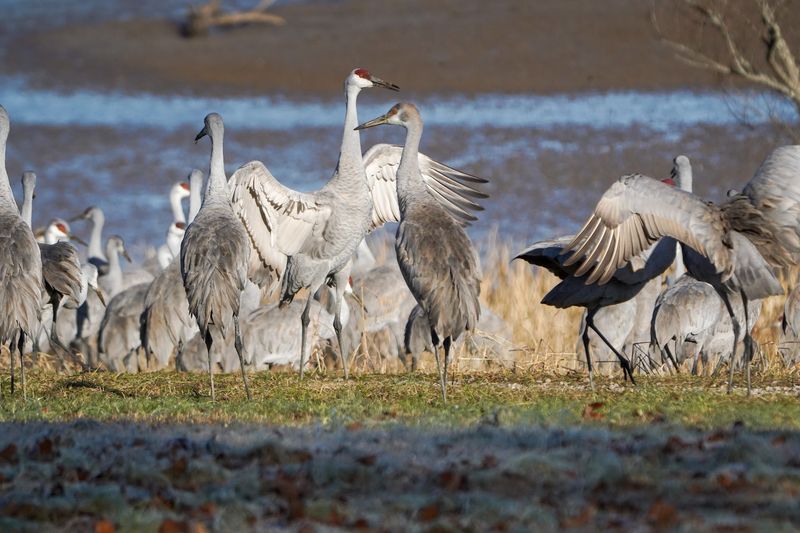
Three large fields. Thousands of birds.
That’s how one visitor summed up the scene from the observation area, and it’s hard to improve on.
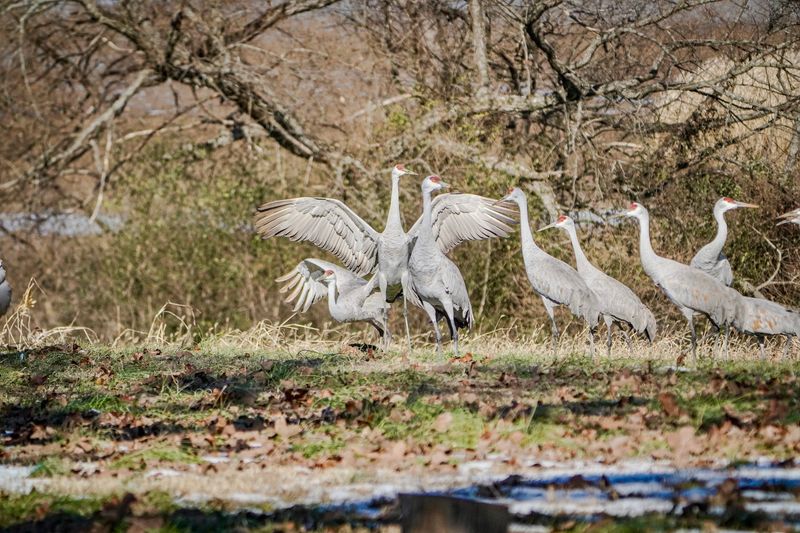
The cranes spread across the open land in tight groups. Some stand still, some poke at the ground for food, and others lift off in loose flight patterns overhead.
Visitors describe birds both sitting in the fields and circling above at the same time. It creates a layered view, with motion close to the ground and more motion in the sky.
On busy days, cranes gather right in front of and around the viewing platform. One cold-weather visitor reported several thousand birds in that zone alone.
The fields are kept off-limits to the public for a good reason. That buffer lets the birds feed and rest without people walking into their space.
So the view stays wild and natural. You’re watching real behavior, not animals that have learned to beg for snacks.
Honestly, a scene like this is something many people assume they’d need to travel out West to see. Turns out it’s a short drive from home.
That Rolling Warble You’ll Hear Before You See Anything
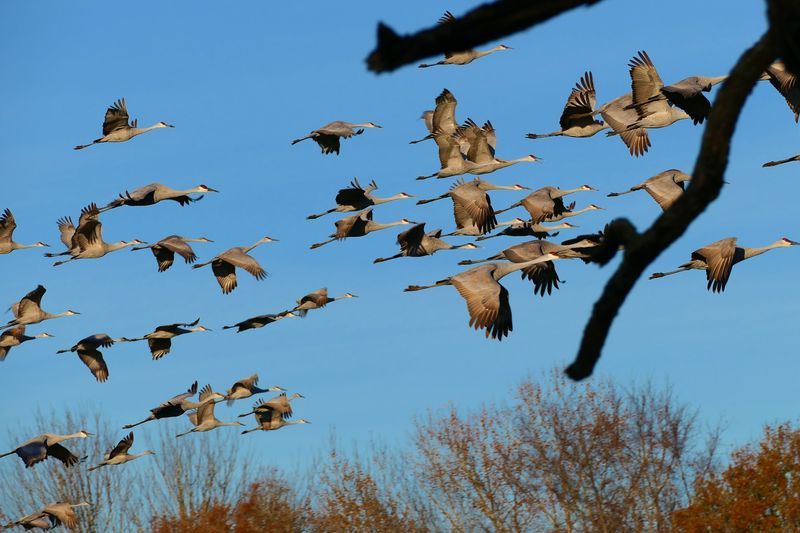
Close your eyes for a second at the platform and the cranes still put on a show. Their call is a rattling, rolling warble that carries across the fields.
Visitors mention the sound again and again. One wrote that hearing all the birds was a highlight, even more than expected.
The noise builds when groups take flight. Calling birds move overhead in shifting formations, and the chorus seems to come from every direction.
Another visitor described it as remarkable to both watch and hear the warbling at the same time. That pairing is what turns a nice bird sighting into a full experience.
Here’s a fun tidbit: sandhill cranes are known for loud calls that can travel long distances. Their windpipe is long and coiled, which helps amplify the sound.
That’s why kids often react to the noise first. It’s a great way to get younger visitors excited before they even spot a bird.
Bring the family, stand quietly, and listen. The soundtrack alone makes the chilly morning feel worth it, and it’s the part many people remember long after the drive home.
Bald Eagles, Herons, and Other Surprise Guests
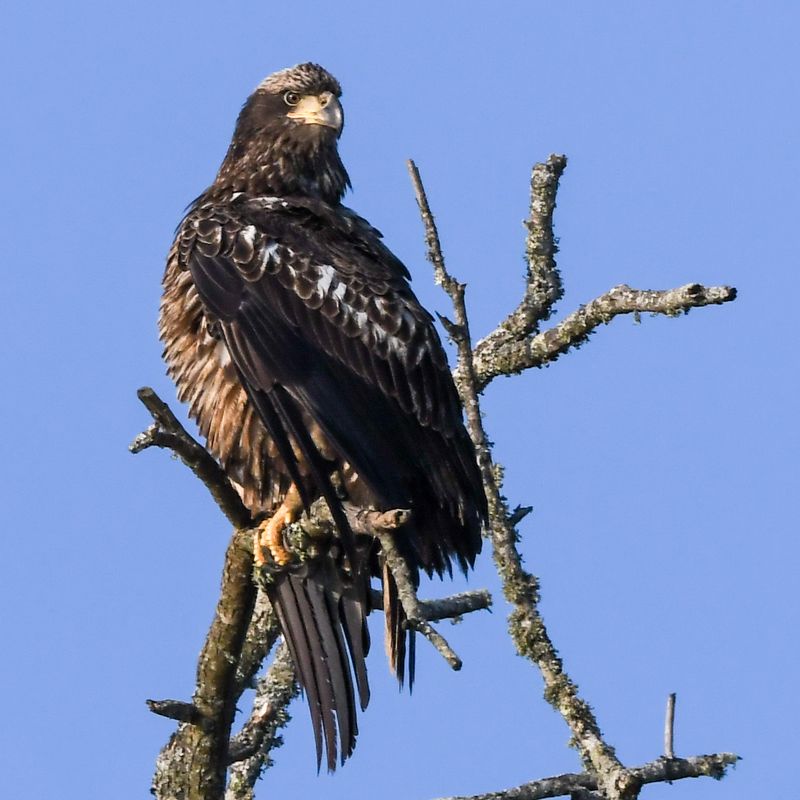
Cranes steal the spotlight, but they don’t have the stage to themselves. A single November visit produced a bald eagle, a red-shouldered hawk, and a great blue heron.
That same visitor also spotted American crows and a pair of white wading birds, likely great egrets. Distance made the exact ID tricky, which is common out here.
Waterfowl show up too. Ducks are part of the regular cast, adding color to the water around the refuge.
And it isn’t only birds. Deer and squirrels appear in visitor accounts, and some say these animals can be seen year-round.
That variety is good news for anyone visiting outside crane season. One longtime fan noted that even after the cranes leave for summer, plenty of other wildlife sticks around.
Bird watching comes up often when people talk about this place. It’s a solid spot for beginners to practice and for experienced birders to add a few names to the list.
Keep a field guide or a bird ID app handy. You never know which feathered surprise will land in view next.
Your Front-Row Seat on the Viewing Platform
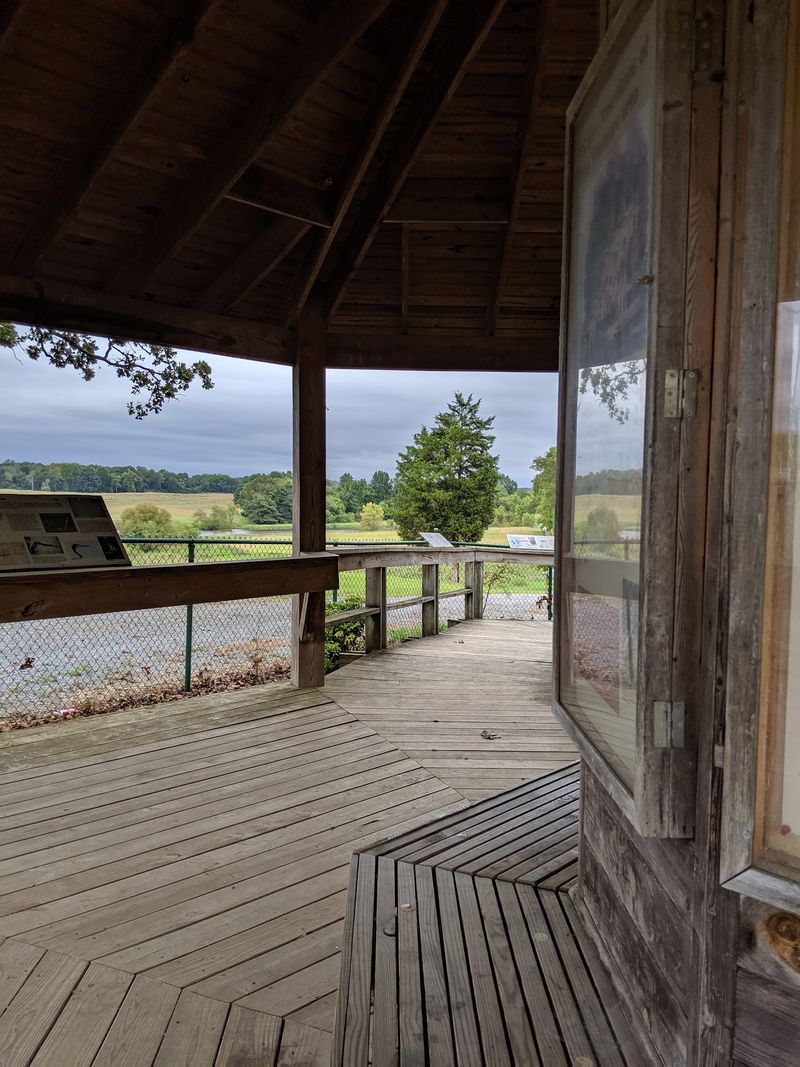
Most crane watching here happens from a dedicated viewing platform near Priddy Lane. One visitor pointed to the 400 to 502 block of Priddy Lane in Birchwood as the right spot.
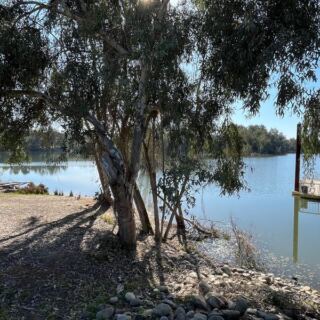
From the deck, you look out over the fields and toward the refuge island. Several visitors mention enjoying the view of the island along with the birds.
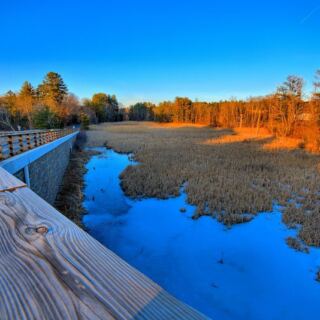
The walk to the overlook gets compliments as well. One person called it a beautiful walk, especially with friends along.
There are a few quirks to know. A fence keeps people back from the area around a building to protect the birds, and a building and tree can block part of the view.
The platform also sits fairly far from the island. That distance keeps the cranes calm, but it can make photos a bit challenging without the right lens.
Still, many visitors say the deck delivers great looks at the migration. On good days, the cranes gather right around it.
Arrive with realistic expectations and you’ll enjoy it more. This is wild viewing, not a zoo enclosure, and that’s exactly the charm.
Binoculars, Long Lenses, and a Thermos of Something Warm
Forgetting binoculars is the most common regret out here. One visitor flat-out wished they had brought a pair after hearing the birds but struggling to see details.
Others echo the advice. Bring binoculars or a camera, several say, because the birds can sit a fair distance away.
Photographers love this place, though. A long telephoto lens helps close the gap between the deck and the island.
Dress for the weather, too. Visitors mention cold days, and the open fields offer little shelter from the wind.
Layers, gloves, and a hat make a big difference. So does a warm drink in a thermos for those slow stretches between flights.
Restrooms are another thing to plan around. Visitors report that the building with restrooms is often closed to the public except for special occasions, and another described winter facilities as bare bones.
Stop for a bathroom break before you arrive. A little prep turns a chilly wait into a comfortable morning.
A folding chair or stool can help if you plan to linger. Cranes keep their own schedule, and patience usually pays off.
January Brings a Whole Festival Celebrating the Cranes
Once a year, Birchwood throws a party for its feathered guests. The Sandhill Crane Festival takes place each January, right in the heart of crane season.
It’s a great chance to learn from rangers and fellow birdwatchers. One visitor called festival time the best moment to come and understand the cranes better.
The setup is handy, too. During one festival, visitors parked at the Birchwood Community Center and rode a shuttle to the refuge viewing area.
That visitor described the experience as neat and informative. They planned to come back the following year.
Festivals do draw crowds, so timing matters. One couple purposely visited a few days earlier in January to beat the festival rush.
They watched in both the afternoon and morning, which gave them two different looks at the birds. It’s a smart strategy if you prefer a quieter visit.
Either approach works. Go during the festival for the community energy, or slip in before or after for elbow room.
Check the festival dates each year, since they can shift slightly on the calendar.
Peaceful Mornings for Nature Lovers and Curious Kids
Serene. Peaceful.
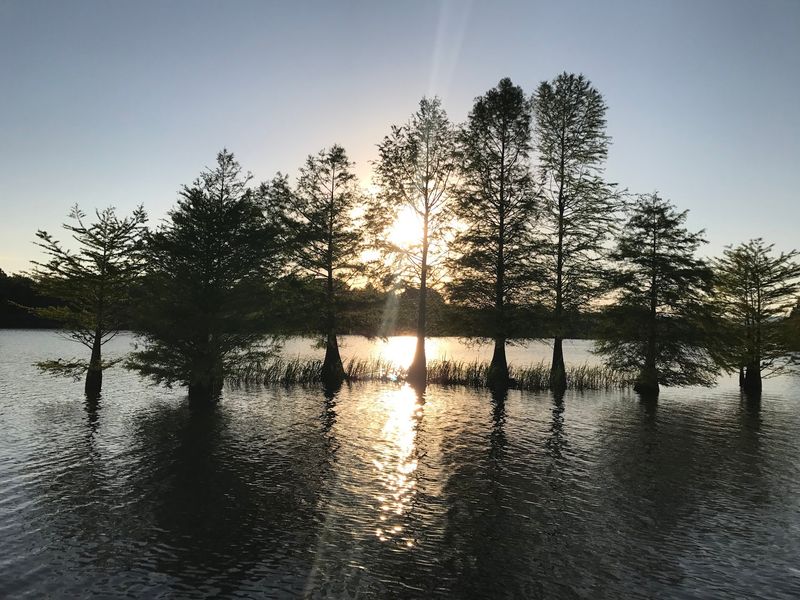
Tranquil. Words like these show up whenever people describe the mood at Hiwassee Wildlife Refuge.
One longtime fan called it magical and educational. Another simply said it was tranquil and beautiful.
The quiet setting suits a wide range of visitors. Nature lovers and photographers top the list, but casual sightseers enjoy it just as much.
Kids tend to love it, especially when a flock lifts off all at once. The sheer number of birds makes it easy to hold their attention.
Friends make good company here, too. One visitor described an enjoyable day spent with nature and friends.
It’s also a wonderful outing for couples. One pair makes a point of visiting once a year during crane season, turning it into a winter tradition.
Traditions like that are what make Tennessee spots special. Families return year after year, and the cranes keep showing up to meet them.
If your crew likes slow, calm adventures, this fits right in. Just remind everyone to keep voices low so the birds stay relaxed.
A Scenic Drive In, Plus One Tricky GPS Detour
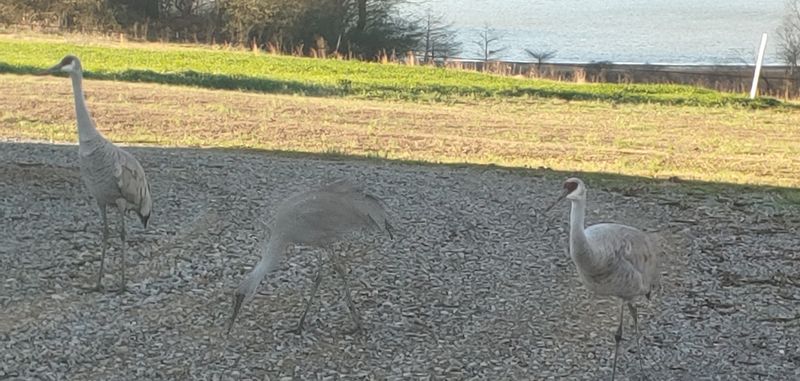
Getting there is half the fun, at least according to visitors who praised the road in. One called the drive gorgeous all on its own.
The official address is 545 Priddy Rd, Birchwood, TN 37308. Many crane watchers head specifically to the viewing platform along Priddy Lane.
Now for the catch. Map apps can send you down the right road but ignore the fact that the lake interrupts it.
One visitor explained that the road picks back up on the other side of the water. They weren’t the only ones who got a little turned around that day.
Another person said their phone GPS just wouldn’t cooperate at first. They found it eventually, but it took some patience.
The fix is simple. Study the route before you leave, and consider using the platform coordinates one visitor shared: about 35.39998, -84.98995.
From Chattanooga, one visitor called it an easy, pleasant drive. Knoxville and Nashville folks can make it a comfortable day trip too.
Download offline maps if cell service gets spotty. A little planning keeps the detour from eating into crane time.
Timing Tips to Catch the Biggest Crowds of Cranes
Mid-winter is prime time. Visitors point to the stretch from December through the end of February as the best window.
January tends to be the sweet spot, with large numbers and the festival happening in town. Early arrivals start trickling in by late November.
Time of day matters too. One couple visited in both the afternoon and the morning to see different activity levels.
Cold mornings can be rewarding. A visitor who braved a chilly day said seeing several thousand cranes made it worthwhile.
Weekday trips can help if you want fewer people around. Festival week will be the busiest stretch of the season.
Spring and summer visits look different. The cranes head north, but deer, ducks, and other wildlife remain for year-round fans.
A visitor once wished for a trail map and a bridge to make a full walking loop. Keep that in mind if you’re hoping for a long hike.
Plan around the cranes, not the calendar alone. A quick check with the state wildlife agency before you go can confirm what to expect that season.
Why This Free Winter Show Belongs on Your Calendar
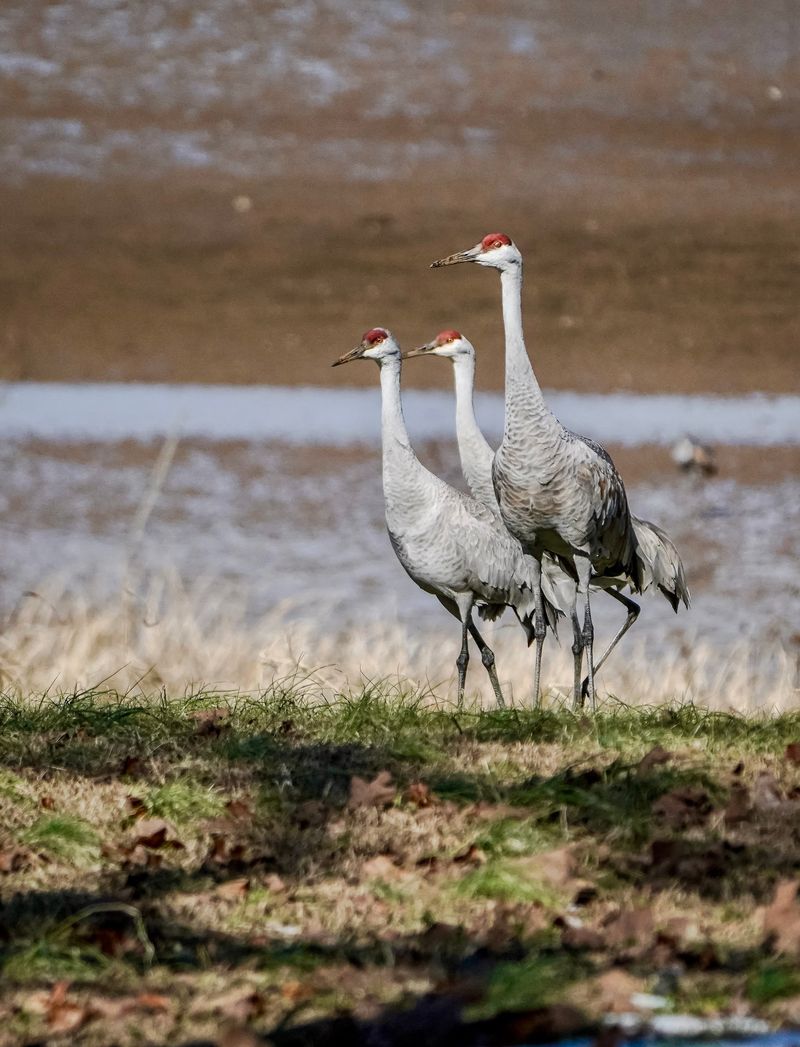
Free entertainment rarely looks this impressive. Thousands of cranes, wide open fields, and a soundtrack of wild calls all wait at Hiwassee Wildlife Refuge.
It’s not a polished attraction, and that’s part of its appeal. Facilities are simple, the platform is modest, and nature does all the heavy lifting.
For Tennessee families, it’s a perfect winter escape that won’t strain the budget. Gas money and a warm lunch are about all you need.
Many folks assume a spectacle like this belongs somewhere far away. Instead, it unfolds every year in a quiet corner of East Tennessee.
Pack binoculars, plan your route, and dress warmly. Those three steps cover most of what you need for a great visit.
If you can, pair your trip with the January festival. Learning from rangers adds a fun layer to the experience.
Then share it. Tell your kids, your neighbors, or that friend who loves a good outdoor day.
Odds are, they’ll want to come back next winter too. The cranes certainly will, right on schedule.
Share this story