I went looking for an old cabin and a warm biscuit, and I came home with a whole day of stories I still think about. Tucked into the hills of North Carolina, there is a once-a-year event where more than 100 log buildings swing open their doors to curious visitors.
Some are cabins, some are barns, and a few are tiny sheds that have quietly stood for well over a century. If you love history, cheap day trips, and the thrill of peeking inside places you normally only see from the road, keep reading.
1. The Magic of a One-Day-Only Open House
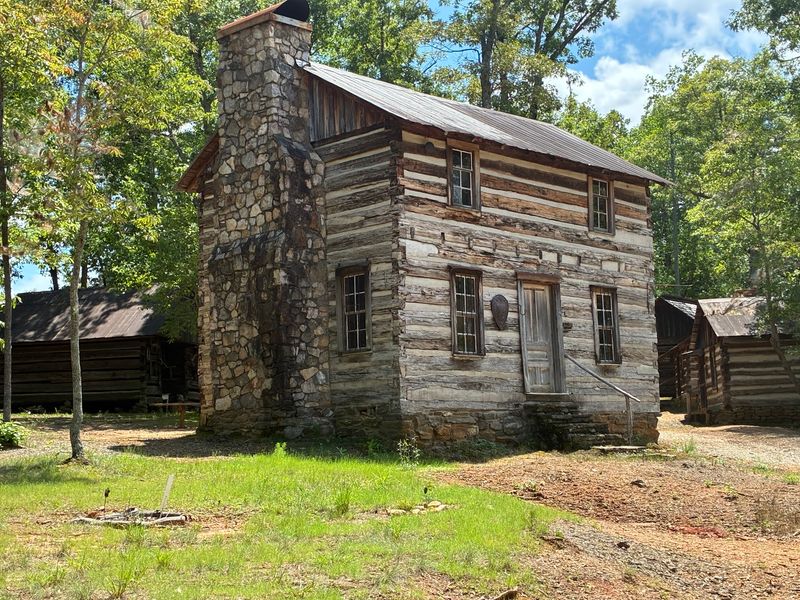
Picture a whole county agreeing to leave the front door unlocked for a single day. That is the heart of this festival, and the short window is exactly what makes it feel so special.
Miss it, and you wait a full year for another chance.
Most of these log buildings sit on private land. On any other day, you would only catch a glimpse from the car window as you drive past fields and fence lines.
For a few hours, though, families invite strangers onto porches and into rooms their grandparents built by hand.
There is a buzz in the air that is hard to describe. Neighbors wave, cars line up along country roads, and everyone seems to be carrying a map and a big smile.
It feels less like a tourist event and more like a giant community reunion where you happen to be the guest of honor.
2. Cabins, Barns, and Everything in Between
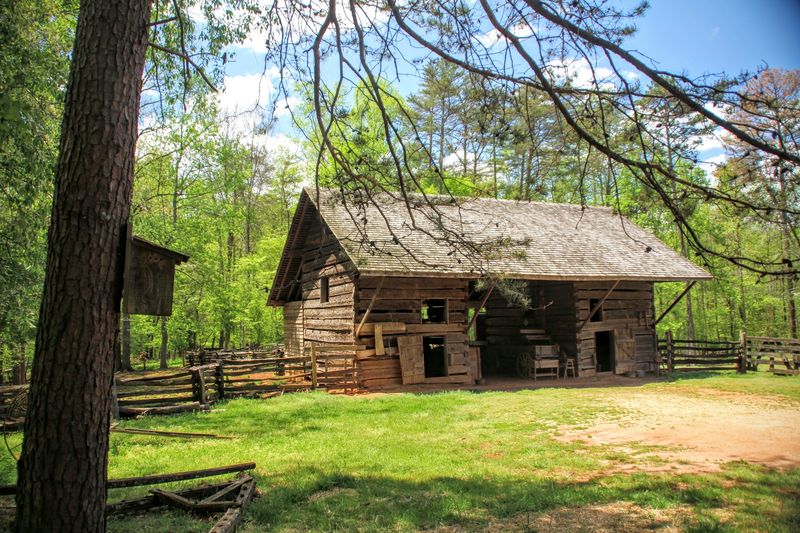
Variety is the secret ingredient. Sure, you will see classic one-room cabins with stone chimneys, but the list of buildings goes far beyond that.
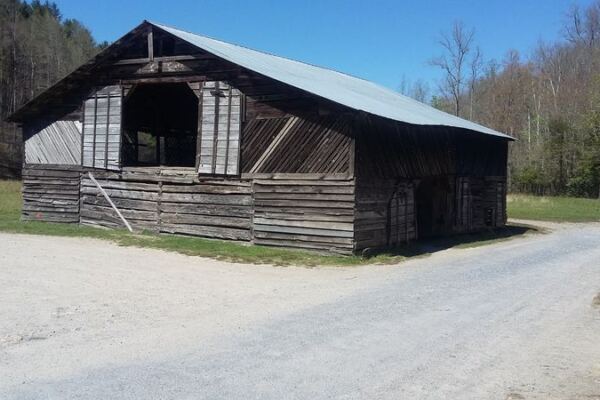
Visitors often find log barns with hay lofts, corn cribs with gaps between the logs for airflow, and smokehouses that once kept a family fed through winter. Tiny springhouses, built over cold mountain water, served as the refrigerators of their day.
A few stops may even include old log churches or schoolhouses where kids once learned their letters on slate boards.
Every building had a job, and that is what makes walking through them so fascinating. You start to see how a whole farm worked together like a machine made of wood and muscle.
By the third or fourth stop, you will be pointing out notches and chinking like a seasoned expert, and honestly, that feels pretty great.
3. Craftsmanship You Can Touch
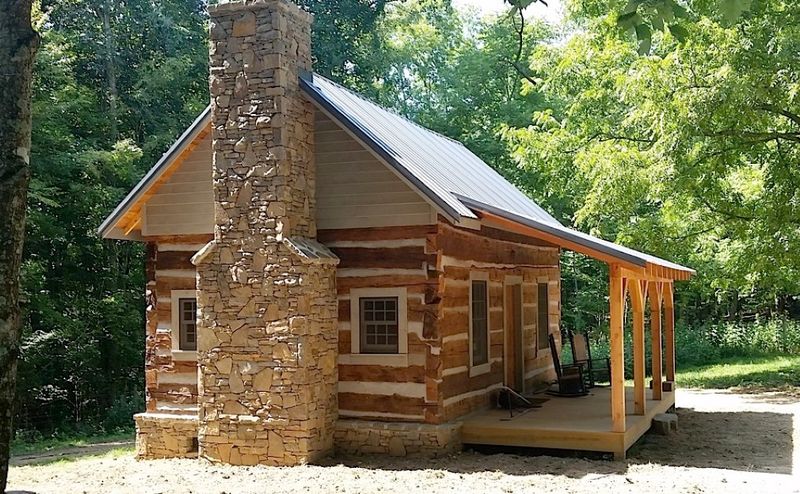
Run your fingers along a corner joint and you can almost feel the axe swings. Builders shaped these logs without power tools, using broadaxes, adzes, and a lot of patience.
Watch for different notching styles at each stop. Dovetail, half-dovetail, saddle, and V-notches all show up across the region, and each one locks the logs together in its own clever way.
Many builders used chestnut or poplar, woods that were plentiful in the Appalachian forests long ago.
Fun fact: the American chestnut once covered huge parts of these mountains before a blight wiped most of the trees out in the early 1900s. That means some cabin walls hold wood you simply cannot find in the forest anymore.
Standing beside a wall like that feels a little like visiting a museum, except nobody tells you to keep your hands to yourself. Gentle touching is usually welcome, of course.
4. Owners Who Love to Share Their Stories
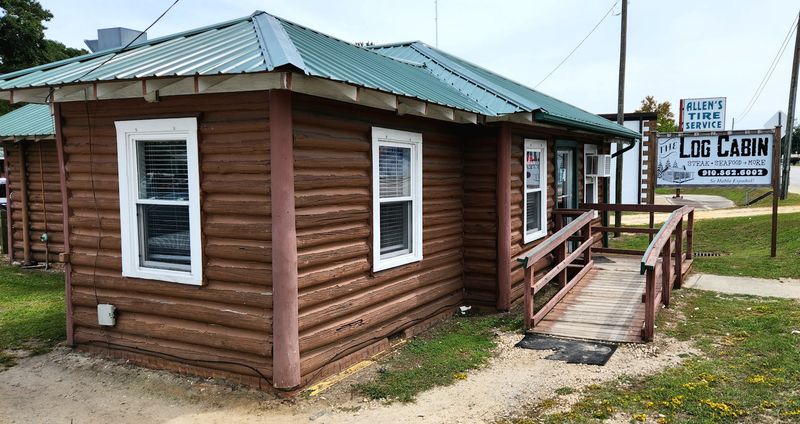
My favorite moment happened on a sagging porch. An older gentleman pointed to a scratch on the doorframe and told me it marked his great-aunt’s height when she was six years old.
Owners are the real treasure of this festival. Many of them grew up in or near these buildings, and they know every creak in the floorboards.
Ask a simple question and you might hear about a winter snowstorm, a family wedding in the front room, or how a barn was raised by neighbors in a single weekend.
Some hosts set out old photographs, quilts, or farm tools to help tell the story. Others simply lean on a rail and talk.
Either way, you leave feeling like you met a new friend rather than just viewed a building. Bring your curiosity and a little time, because the best stories rarely come in a hurry.
5. A Scenic Back-Roads Driving Route
Half the fun happens between the stops. Getting from one cabin to the next means rolling down winding country roads that most visitors never would have found on their own.
Expect rolling pastures, creek crossings, old fence lines, and long views of misty ridges. Since the event is often held when the leaves turn, the hills can glow in shades of red, orange, and gold.
Pack a paper map or download the tour guide ahead of time, because cell service can get spotty in the hollows.
Plan your route in clusters instead of trying to zigzag across the county. Trying to see all 100 plus buildings in a single day is nearly impossible, so pick a region and soak it in.
Slow driving is part of the charm here. Roll the windows down, wave at the cows, and let the scenery do its thing.
6. Homemade Food at Country Churches and Community Halls

Hungry yet? You will be.
Local churches, fire departments, and community groups often set up tables along the route, and the smell of fresh biscuits drifts right out into the parking lot.
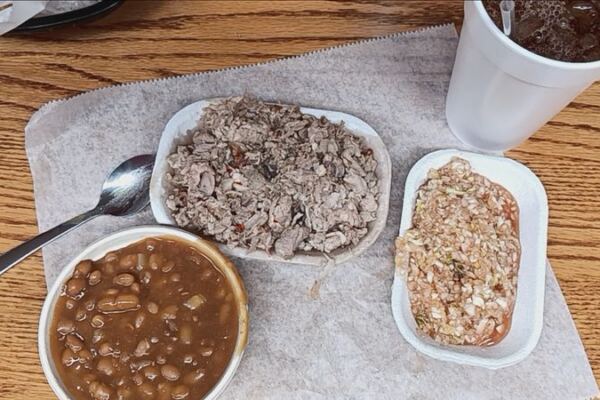
Think pinto beans with cornbread, barbecue sandwiches, slices of apple stack cake, and pies that look like somebody’s grandma spent all night on them. Prices tend to be friendly, and the money usually supports a local cause.
That makes every bite taste a little sweeter.
These spots also make the perfect rest stop. Grab a plate, find a seat at a long folding table, and chat with the folks next to you.
Chances are they have already visited a cabin you missed and will happily tell you which one not to skip. Food and tips at the same table might be the best deal of the whole day.
7. A Wallet-Friendly Day Trip
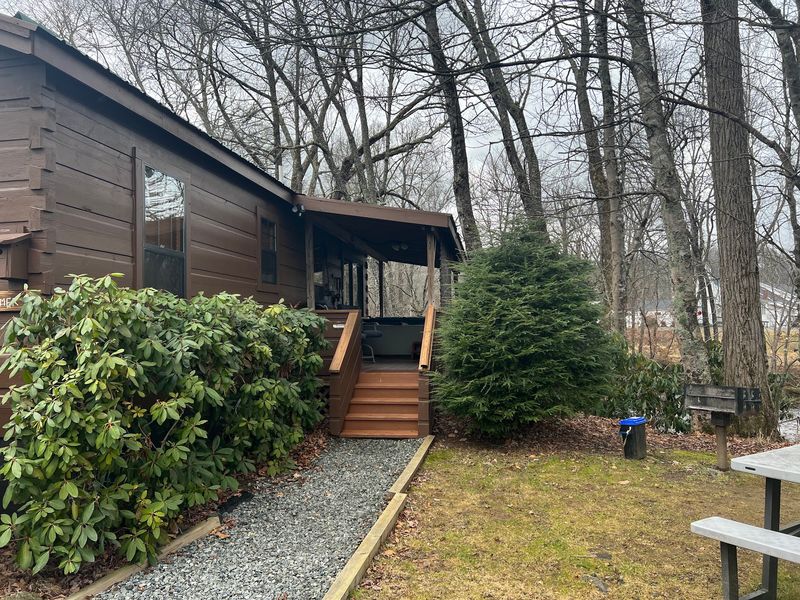
Good news for budget explorers: this is one of the most affordable adventures in the state. Many log building tours are free to attend or ask only for a small donation or inexpensive guide map.
Compare that to a theme park ticket and the math gets pretty exciting. Your biggest costs are gas and lunch, and both can stay modest if you pack snacks and plan a tight route.
Families with kids can turn the day into a scavenger hunt, counting chimneys, spotting notches, or finding the oldest date carved into a beam.
Bring cash, though. Small food tables and craft sellers in rural areas may not take cards, and you will want a few bills ready for that jar of local honey.
A full day of history, fresh air, and friendly faces for the price of a tank of gas is hard to beat.
8. Old-Time Crafts and Mountain Music
Listen closely and you may hear a fiddle before you even park. Some stops add live demonstrations that bring the old buildings back to life.
Depending on the year and the location, visitors might watch quilters at a frame, a blacksmith shaping hot iron, or someone churning butter on the porch. Woodworkers sometimes show how a broadaxe squares a log.
Kids especially love these moments, since seeing a skill in action sticks better than any textbook.
Western North Carolina has deep roots in old-time and bluegrass music, so a few cabins may host pickers on the porch. Pull up a hay bale, tap your foot, and enjoy a tune played the way it might have sounded 150 years ago.
It is the kind of experience no screen can copy. You feel the music in the floorboards as much as you hear it.
9. Smart Tips for Making the Most of the Day
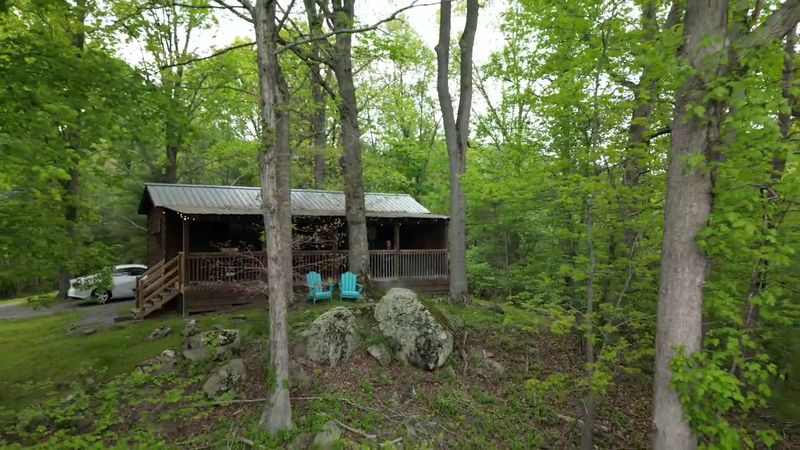
A little planning goes a long way. Start early, since popular cabins can get crowded by midday and some hosts close up in the late afternoon.
Wear comfortable shoes with good grip. Paths can be muddy, steps can be steep, and old floors are often uneven.
Layers are smart too, because mountain mornings may start chilly and warm up fast by lunch.
Respect matters most. These are real homes and family treasures, so stay in marked areas, close gates behind you, and thank your hosts on the way out.
Ask before snapping photos inside. Keep a small bag with water, snacks, a phone charger, and that all-important cash.
Finally, give yourself permission to linger. Seeing ten buildings slowly will feel richer than racing through thirty.
The best memories tend to come from the stops where you stayed a little too long.
10. Why These Old Walls Still Matter
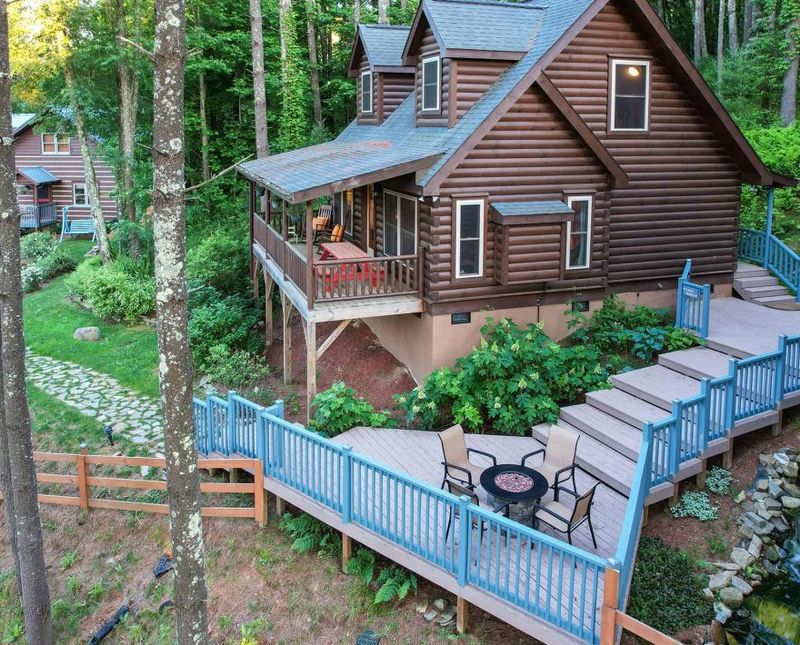
Every log building that survives is a small victory. Wood rots, roofs leak, and land changes hands, so many cabins from the 1800s have already disappeared from the landscape.
Events like this one help keep the rest standing. When visitors show up and care, owners feel encouraged to repair chimneys, replace sills, and pass the buildings down instead of tearing them down.
Tour fees and food sales can also support local preservation and community projects.
On a deeper level, these structures remind us how people once lived with less but built with incredible skill. They tell stories of grit, family, and neighbors helping neighbors.
Walking through them connects you to North Carolina in a way no highway rest stop ever could. So mark your calendar, gas up the car, and go meet the history hiding in plain sight down a quiet country road.
Share this story