Somewhere on the South Coast, active-duty soldiers are asking their mom for more socks. Not just any socks, either.
They want alpaca wool pairs from one small family farm.
That farm also lets you walk an alpaca on a lead. Yes, you hold the rope, and a fluffy, long-necked companion strolls beside you.
The owners live right there and share what they know about these curious animals.
I love that a place like this exists in Massachusetts without much fuss. It sits on a quiet country road, far from crowded tourist stops.
It feels like the kind of outing you mention to friends and then quietly hope stays uncrowded.
I can’t imagine a better mix of farm animals, gentle learning, and cozy shopping. So who’s ready to meet the herd and maybe leave with five pairs of socks?
A Family-Run Alpaca Farm on a Quiet South Coast Road
Alpacas in southeastern Massachusetts sound like a fun surprise, and that is exactly what Sippican River Alpaca Farm delivers. It is a small working farm in Rochester, a rural town on the South Coast.
The farm is run by a couple who live right on the property. That matters, because the animals here are part of daily life, not a weekend display.
Visitors come for two main reasons. Some want to meet and walk the alpacas, while others want the soft wool goods made from their fleece.
Plenty of people do both, and honestly, that seems like the smartest plan. You spend time with the herd, then you see what their fiber becomes.
Rochester itself is a sleepy, wooded place with farms and winding roads. It sits within easy reach of New Bedford, Wareham, and the Cape Cod Canal area.
For a Massachusetts family looking for a low-key outing, that location is a real plus. You get country air without a long highway haul.
So before we talk socks, let’s meet the people behind this cozy little operation. Their story shapes everything you’ll find here.
Your Turn to Hold the Lead on an Alpaca Trek
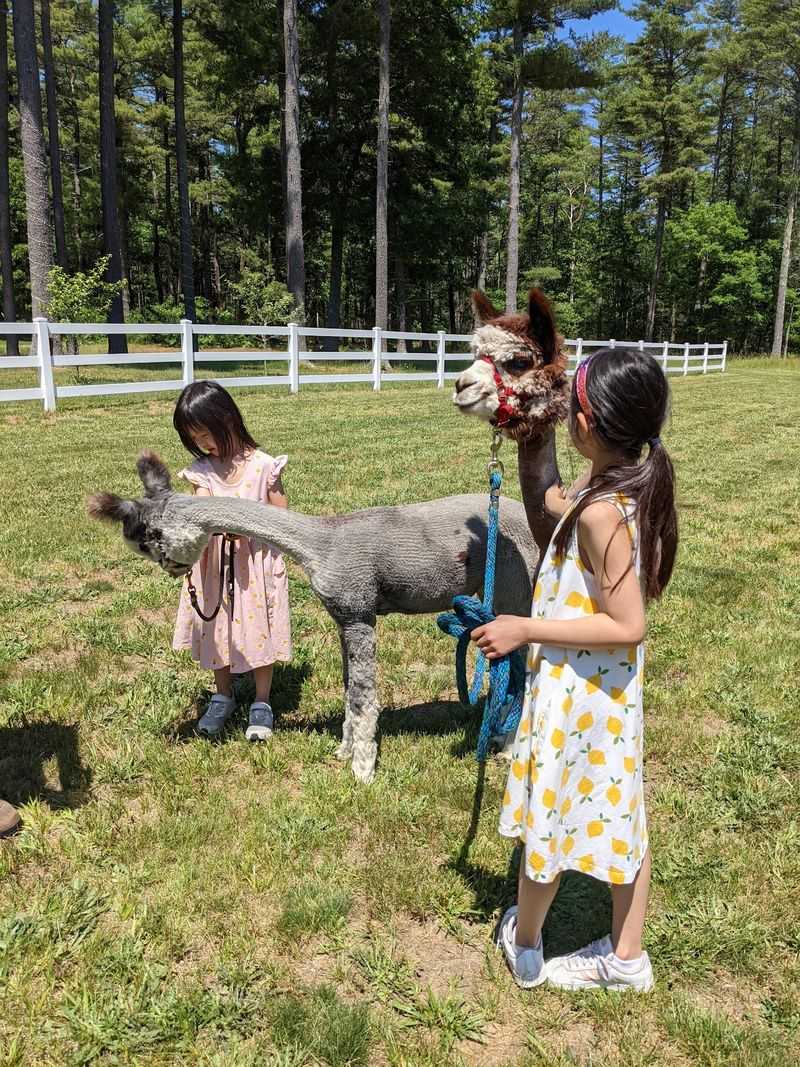
Walking an alpaca is wonderfully silly and surprisingly calming. The alpaca trek at Sippican River Alpaca Farm puts you right beside one of these fuzzy animals.
You hold the lead, and the alpaca walks along with you. It’s simple, hands-on, and a lot more personal than watching from behind a fence.
Visitors describe the trek as both fun and informative. One guest even noted a scheduling mix-up, yet the owners still made the experience enjoyable.
That kind of flexibility says a lot about the hosts. They seem focused on making sure people leave happy.
Grandkids have walked alpacas here and learned about them along the way. Families of many ages seem to find something to enjoy.
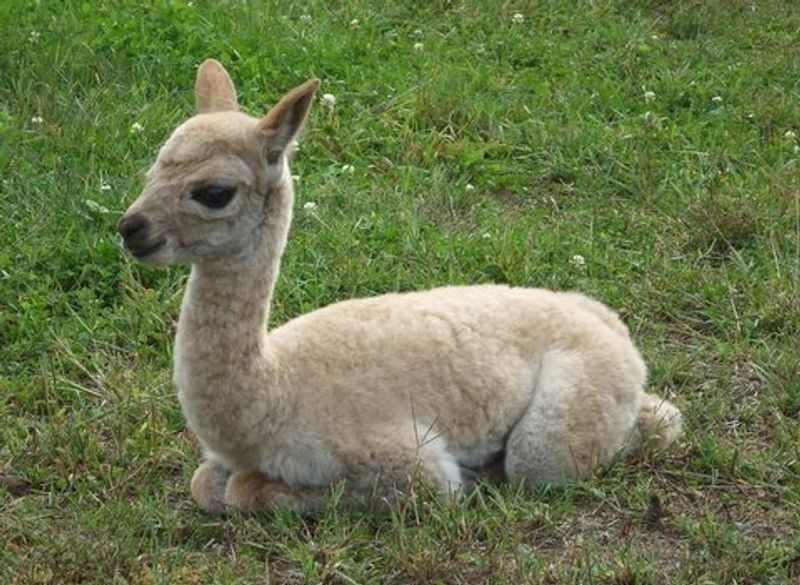
So what makes it fun? Alpacas have big eyes, fluffy topknots, and calm, curious personalities.
Spending time on the lead gives you a close look at all of that. You’ll notice how they move, how they react, and how soft that fleece looks up close.
Treks are best planned ahead, so reach out to the farm before you go. A little scheduling now means a smoother visit later.
Plenty of Alpaca Questions, Patiently Answered
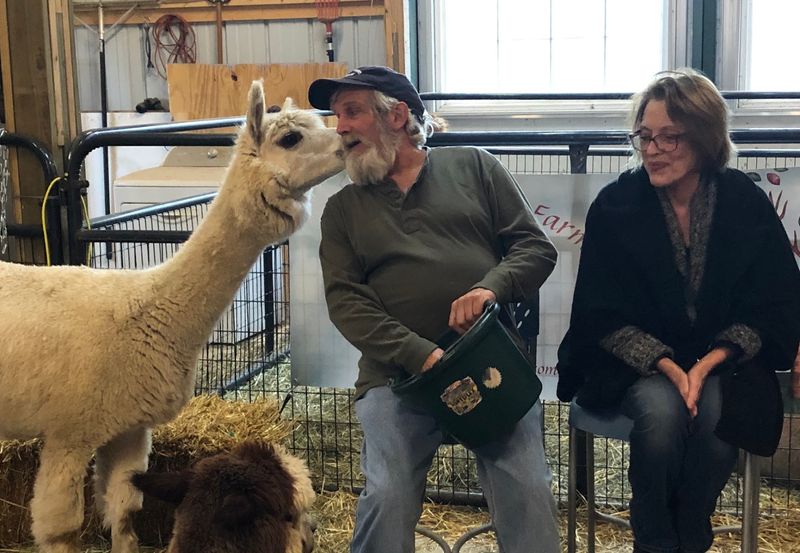
Why do alpacas hum? How often do they get sheared?
Questions like these tend to pile up fast once you meet a herd.
Good news, then. The owners here are known for answering questions with patience and real knowledge.
Visitors have described the hosts as full of great information. Some say they talked at length, even without booking a tour.
That makes the farm a sneaky little classroom. Kids learn without realizing they’re learning, which is the best kind of lesson.
Families have mentioned grandchildren picking up alpaca facts during their visit. Hands-on time with animals tends to make those facts stick.
Here’s a fun bit to bring along. Alpacas come from South America, where they’ve been raised for their fiber for thousands of years.
Their fleece is prized for being soft and warm. That connection between the animal and the finished product comes to life at this farm.
So come with a list of questions, or let your kids make one. You’ll likely leave knowing far more than you expected about these charming creatures.
And that knowledge pays off when you see the wool up close.
From Fleece to Finished Goods, Right Before Your Eyes
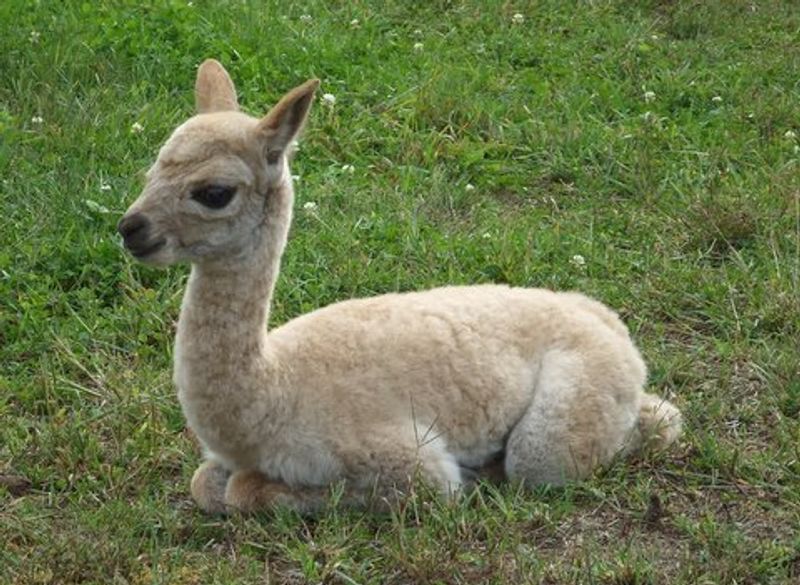
Fluffy fleece on an alpaca’s back and a warm sock on your foot feel worlds apart. At this farm, you get to see how one becomes the other.
Sippican River Alpaca Farm sells alpaca wool products and has demonstrated how the wool is made. That peek behind the curtain makes shopping feel more meaningful.
Seeing the process helps explain why alpaca goods are special. You start to appreciate the time and care behind every item.
It’s also a great moment for kids. They can connect the animal they just met to something they can wear.
Demonstrations may vary, so it’s smart to ask the farm what’s happening during your visit. Small farms often adjust to seasons and schedules.
Either way, the link between herd and shop is clear. These aren’t random products shipped in from far away.
That local connection appeals to Massachusetts shoppers who like knowing where things come from. It turns a souvenir into a small story.
Now, about those famous socks. They deserve a section of their own, and maybe a spot in your drawer.
A Scenic Property That Turns Heads
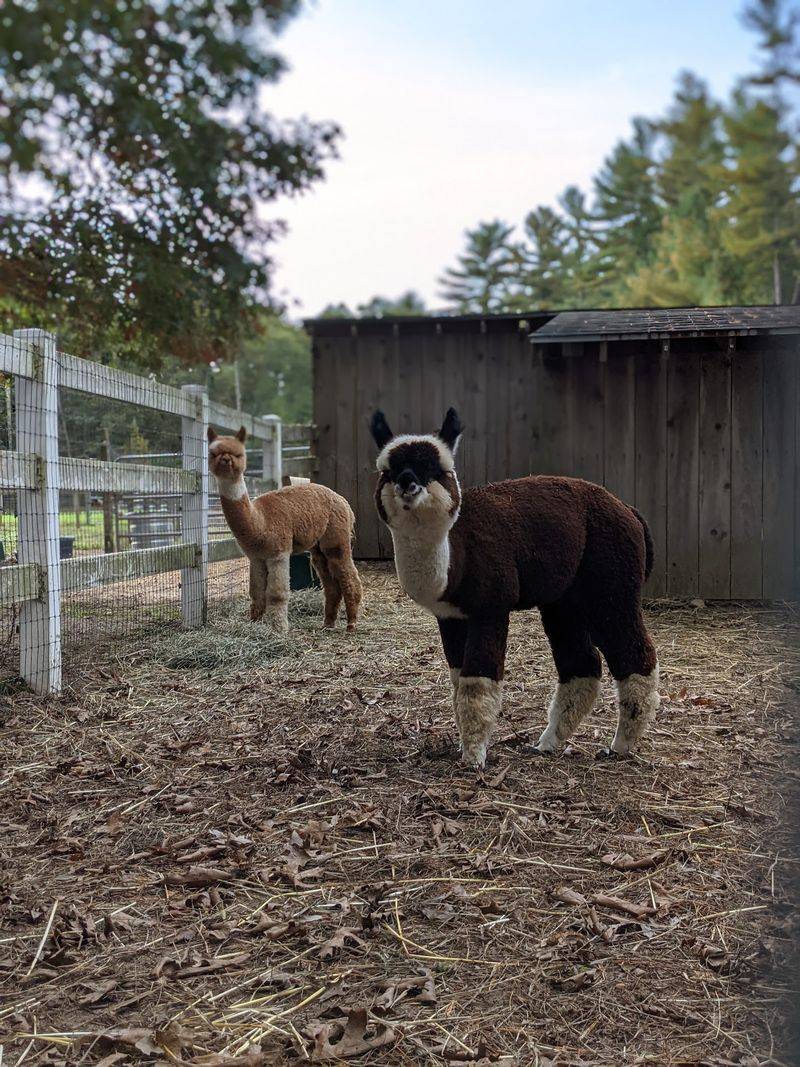
Some farms are purely functional. This one also happens to be beautiful.
Visitors have called it a beautiful farm in a great location. One even suggested the grounds would make a gorgeous, unique setting for a wedding.
That’s high praise for a working alpaca farm. It hints at a peaceful, photogenic spot worth slowing down to enjoy.
Rochester’s rural charm adds to the appeal. Quiet roads and wooded surroundings set a relaxed mood before you even arrive.
Fall could be an especially lovely time to visit. Southeastern Massachusetts trees turn warm shades, and cool air pairs well with new wool socks.
Bring your camera, or at least a charged phone. Alpacas are famously photogenic, with those expressive faces and fluffy heads.
Just remember this is a home and working farm. Be respectful of the animals, the property, and the owners’ guidance.
Event use isn’t something to assume, so contact the farm directly with questions. They’ll know what’s possible.
For most visitors, the scenery is a simple bonus. It makes an easy outing feel a little more special.
Friendly Alpacas With Plenty of Personality
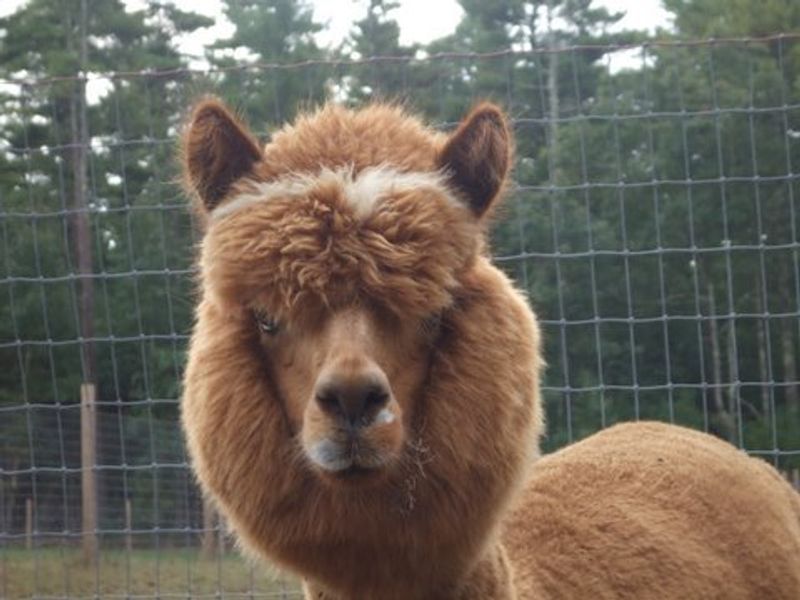
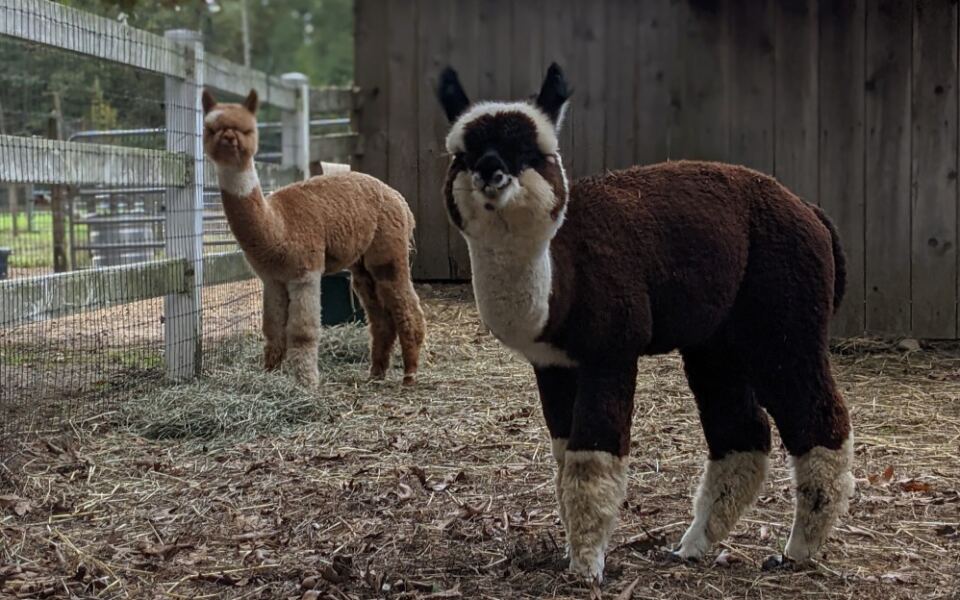
Big eyes, soft faces, and fluffy hairdos make alpacas impossible to ignore. At this farm, they’re also known for being friendly.
Visitors mention how approachable the alpacas are. They also note the animals seem healthy and well cared for.
Good care shows. Relaxed animals make for a calmer, happier visit, especially when kids are involved.
Alpacas are herd animals, so they feel safest together. Watching them interact can be just as fun as walking one.
They often hum softly, which surprises first-time visitors. It’s one of their gentle ways of communicating.
Here’s a quick tip for close encounters. Move slowly, speak calmly, and follow the owners’ instructions about touching and handling.
Alpacas can be a bit shy at first. Patience usually wins them over better than quick grabs.
For animal lovers, meeting them face to face is the highlight. You’ll likely leave with a favorite, even if you can’t remember its name.
And honestly, who could blame you? Spending time with a curious alpaca is a mood booster that costs very little effort.
A Wholesome Outing for Every Generation
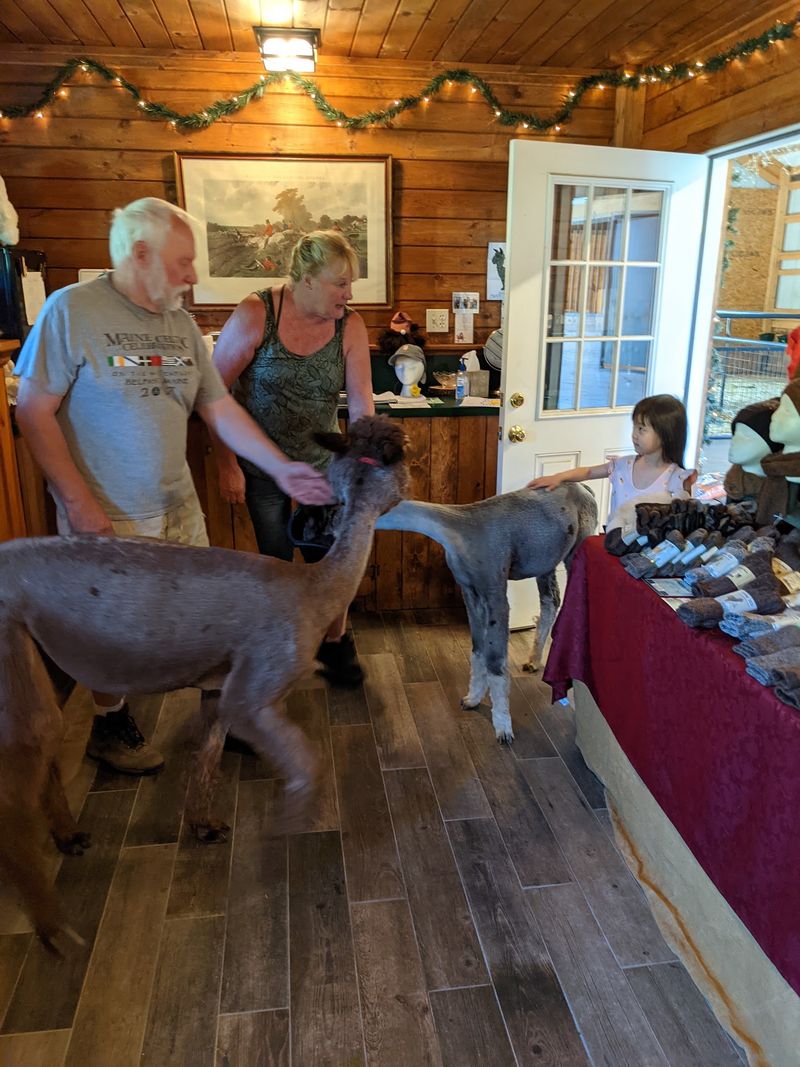
Grandparents, toddlers, teens, and everyone in between can share this one. That’s rare for a day trip.
Visitors describe the farm as great for families of all ages. Grandkids have walked alpacas here while grandparents enjoyed the visit too.
The pace is relaxed. You won’t find thrill rides or loud crowds, just animals, conversation, and fresh air.
It’s also a solid pick for couples or solo animal lovers. Anyone curious about fiber, farming, or alpacas will find something to like.
Crafters may especially enjoy it. Seeing the wool source can spark ideas for knitting or other fiber projects.
One visitor called it among the best activities around the area. For the South Coast, that’s a nice compliment.
I believe low-key outings like this create the best family memories. Nobody’s rushing, and everyone gets a turn with the animals.
Plan for comfortable shoes and weather-appropriate clothes. Farms can be muddy, and walking an alpaca means time outdoors.
Then you’re ready for a cozy, easy afternoon. The kind that leaves everyone a little happier on the drive home.
Finding Your Way to Bates Road
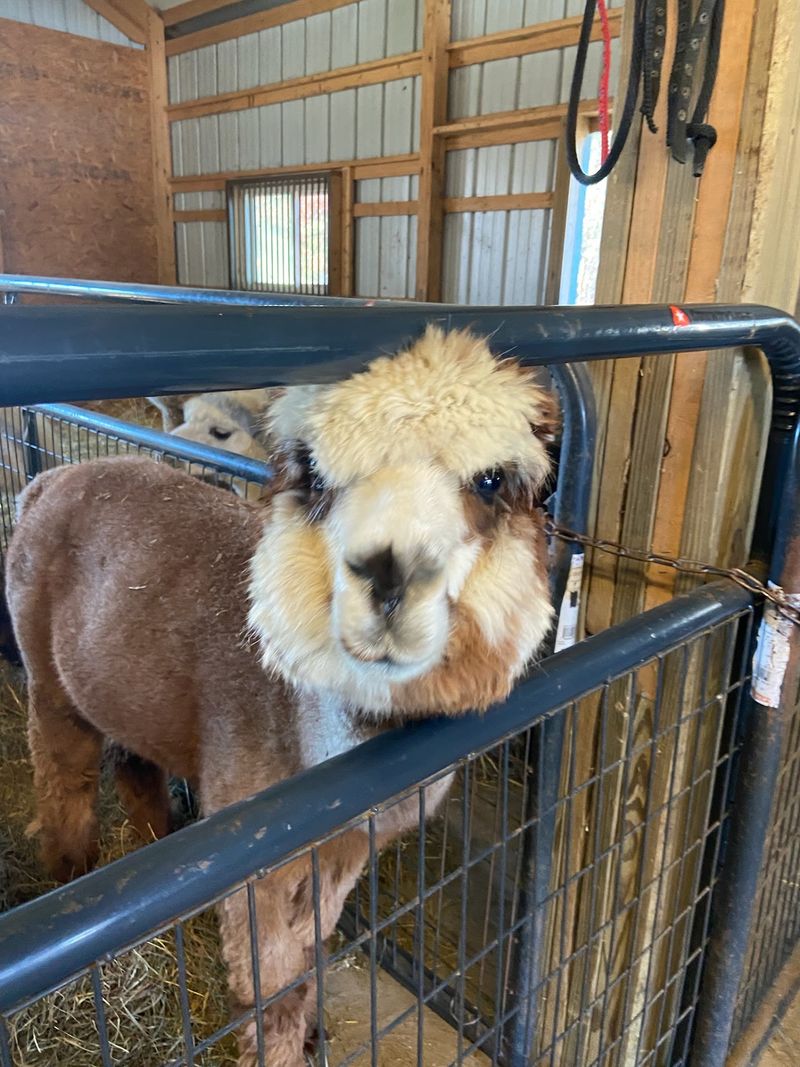
Country roads are part of the fun getting here. Sippican River Alpaca Farm sits at 32 Bates Rd, Rochester, MA 02770.
Rochester is in Plymouth County, in southeastern Massachusetts. It’s a short drive from New Bedford, Marion, Mattapoisett, and Wareham.
From the Boston area, plan on a longer trip south. From Providence or the Cape, the drive is quite manageable for a day outing.
A GPS or map app will get you there easily. Just watch for smaller turns once you leave the main routes.
Rochester feels wonderfully rural. Expect wooded stretches, farmland, and fewer traffic lights than you might be used to.
That quiet setting is part of the charm. It’s a nice break from busy highways and packed shopping centers.
You could pair your visit with other South Coast stops. Coastal towns nearby offer food, scenery, and harbor views.
Remember you’re arriving at a private home and working farm. Drive slowly, park where directed, and keep noise down near the animals.
A little courtesy goes a long way. It helps keep this sweet spot welcoming for everyone.
Smart Planning Before You Pack the Car
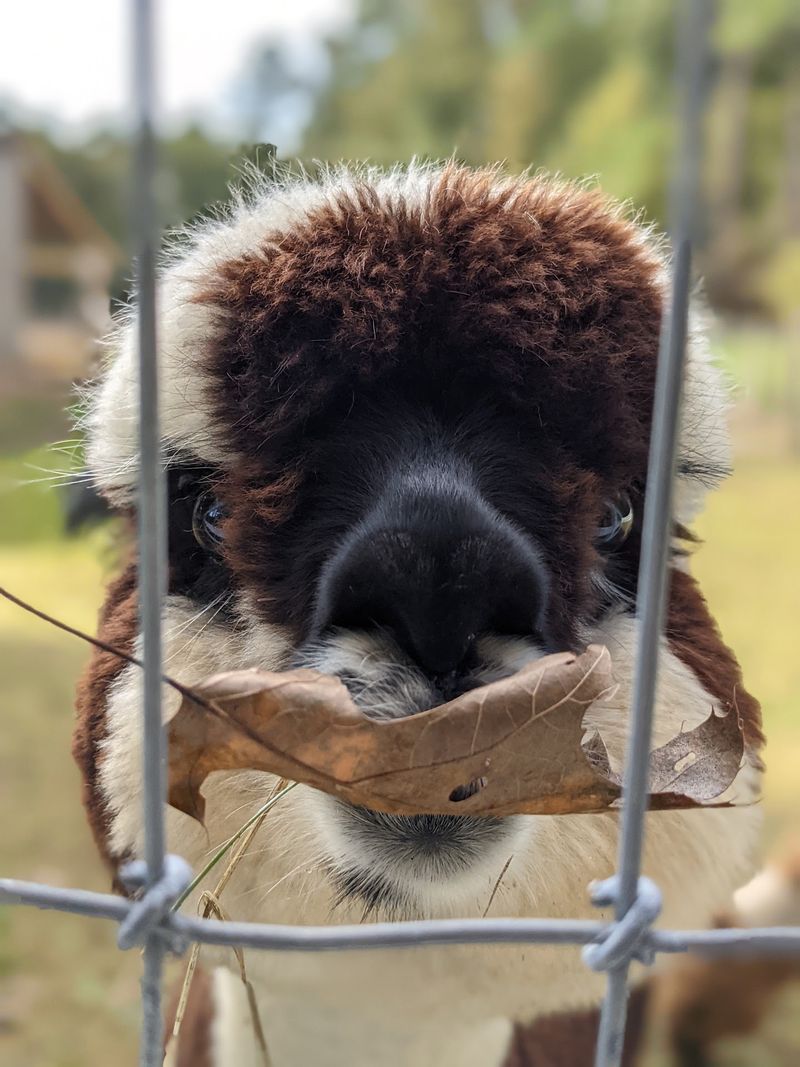
Small farms don’t run like big attractions. A little planning makes a big difference here.
Hours and trek schedules aren’t something to guess about. Contact the farm ahead of time to confirm availability and book your alpaca trek.
One visitor’s trek involved a scheduling mix-up. The owners still made it great, but confirming details helps everyone.
Ask about shop hours too. If socks are your main goal, you’ll want to know when the products are available.
Pricing for treks and products can change. The farm can share current costs when you call or check their official channels.
Visitors have described the products as reasonably priced. That’s encouraging for budget-minded Massachusetts families.
Dress for the outdoors. Closed-toe shoes are smart, and layers help when New England weather shifts quickly.
Bring a bag for purchases. Socks, gloves, and dryer balls add up fast once you start browsing.
Finally, prepare kids for calm behavior around the animals. Quiet voices and gentle hands help the alpacas stay relaxed.
With those basics covered, you’re set for a smooth visit. Now let’s wrap things up.
Why This Little Farm Earns a Spot on Your List
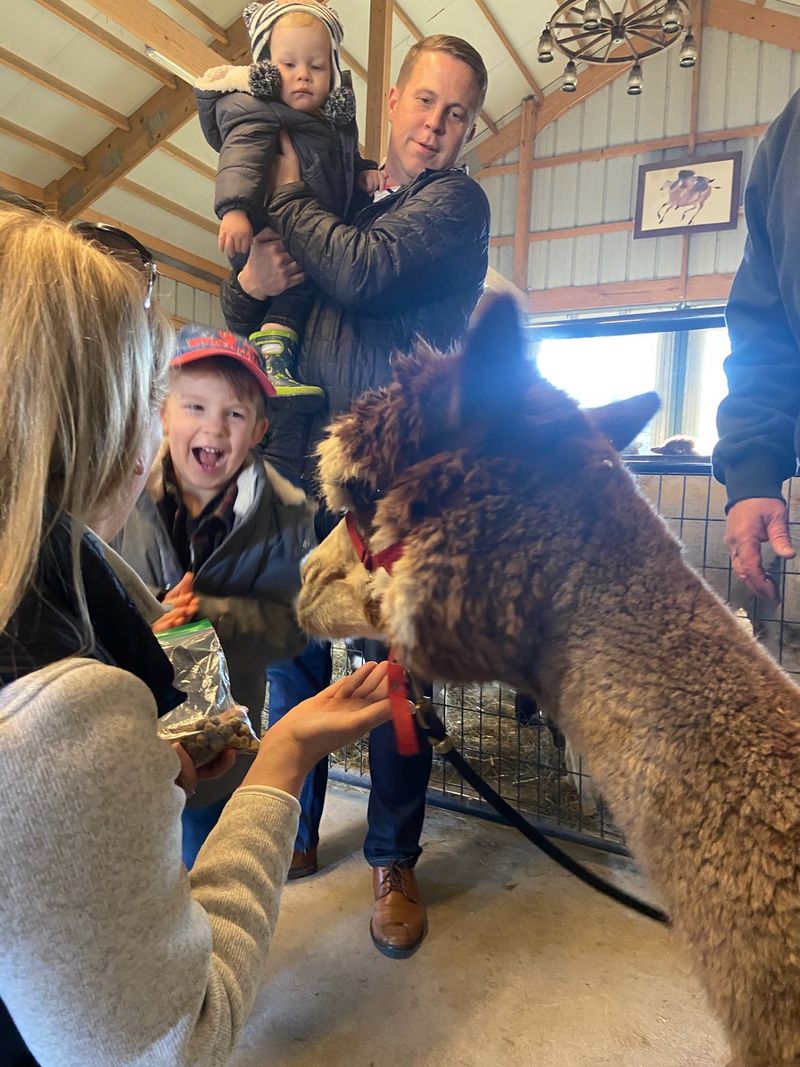
Warm feet and a happy heart make a pretty good souvenir combo. Sippican River Alpaca Farm offers both in one easy trip.
You get to walk an alpaca, learn from passionate owners, and shop soft wool goods. All of it happens on a peaceful Rochester property.
The appeal is its simplicity. There’s no flashy setup, just caring people and a friendly herd.
For Massachusetts families wanting something different, it’s a refreshing choice. It feels personal in a way bigger attractions rarely do.
The socks alone might justify the drive. Ask the soldiers in Colorado, who apparently can’t get enough.
Still, the real magic seems to be the people. Visitors keep pointing to the owners’ warmth and knowledge.
I like that this farm supports a family’s work directly. Every purchase helps keep a small local operation going.
So call ahead, schedule your trek, and leave room for shopping. Then enjoy a slow afternoon in South Coast farm country.
You might go home with five pairs of socks. And honestly, that sounds like a very good day.
Share this story