A rotary snow plow built to chew through drifts taller than a house sits indoors, under a roof, in Minnesota. That alone made me stop scrolling.
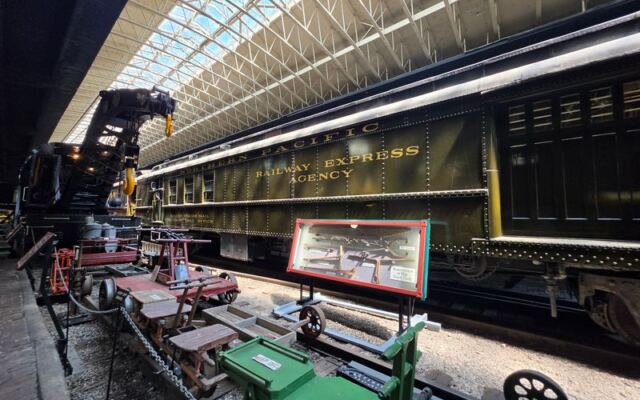
The same room holds a massive steam locomotive and a lineup of railcars you can actually climb inside. Buttons start wheels turning, and horns sound off on command.
I love that a place like this sits below an old train station instead of inside some flashy new building. You go down one staircase, then another, and the tracks suddenly spread out in front of you like a rail yard frozen in time.
I can’t imagine a better rainy-day rescue for a family, or a better excuse for a grown-up to push every button in sight. So how does a quiet downtown depot end up holding a whole railroad’s worth of history?
An Old Depot With A Whole Rail Yard Under Its Floors
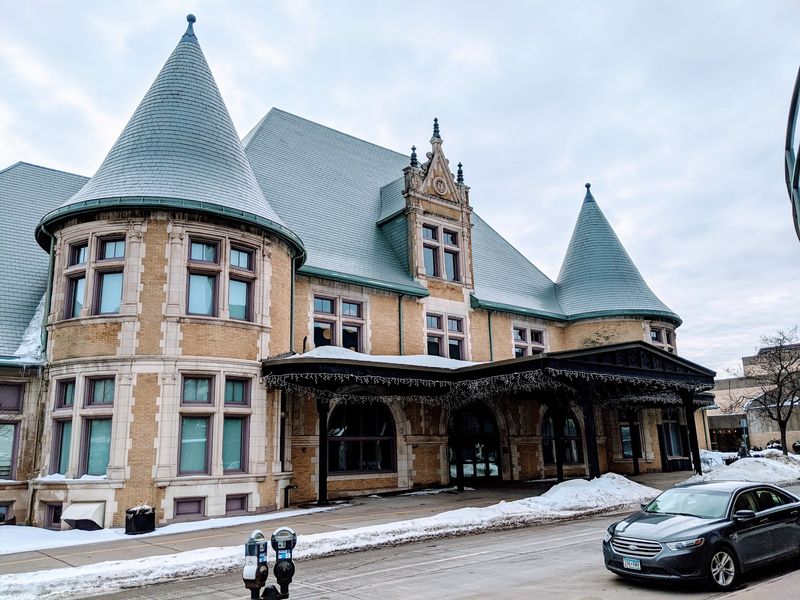
Downtown Duluth keeps one of Minnesota’s most surprising collections inside a former train depot. The Lake Superior Railroad Museum fills that historic building with railcars, engines, and regional history.
Calling it a museum almost undersells it. The place also runs train excursions, so the history here still moves on real tracks.
The layout works like a slow reveal. You start with displays on the main level, then head down the stairs to another floor of exhibits.
One more staircase brings you to the base floor, where the big equipment lives. That descent feels a bit like reaching the bottom of a treasure chest.
Steam locomotives, passenger cars, and work equipment line up side by side down there. Many date to the early days of railroading, while others come from the mid-20th century.
Here’s the part that makes Minnesota look good. A lot of cities would kill for a collection like this, and Duluth tucked it under a depot roof where weather never ruins the visit.
Ready to see what’s actually parked down there? The heavy hitters come next.
The Rotary Snow Plow That Steals Every Spotlight
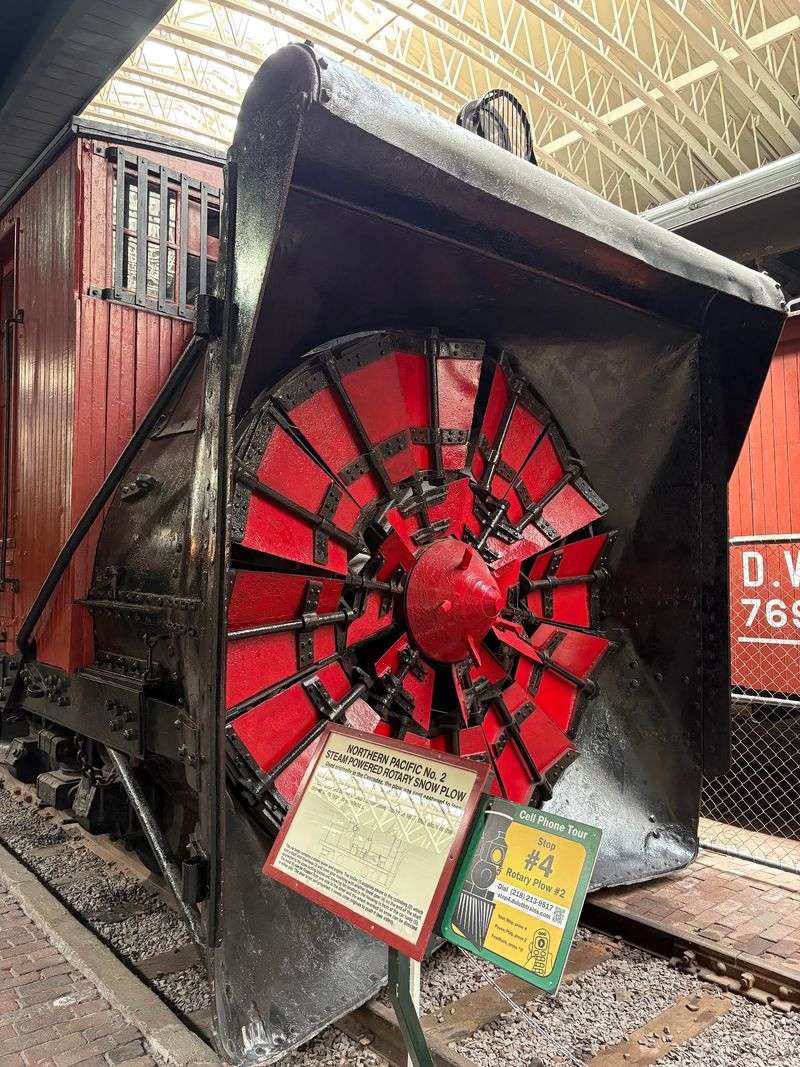
Snow is a serious business in northern Minnesota, and railroads once fought it with machines like this one. The museum’s steam rotary snow plow looks like a locomotive wearing a giant fan on its face.
That front blade was designed to spin and throw snow clear of the tracks. Standing near it, you get a real sense of how wild winter railroading must have been.
It ranks among the pieces that grab attention fastest. Plenty of first-time visitors walk in planning to see trains and leave talking about the plow.
The appeal makes sense once you see the scale. Few people ever get this close to equipment built purely to battle storms.
Kids tend to get a kick out of the sheer strangeness of it. Adults usually start wondering how anyone kept the thing running in subzero wind.
Either way, it delivers a great conversation starter. Snap a photo here, because friends back home will absolutely ask what on earth that machine is.
Duluth knows lake-effect snow better than most places. Giving this snow-fighting giant a place of honor feels perfectly on brand.
Steam Giants Built To Make You Feel Tiny
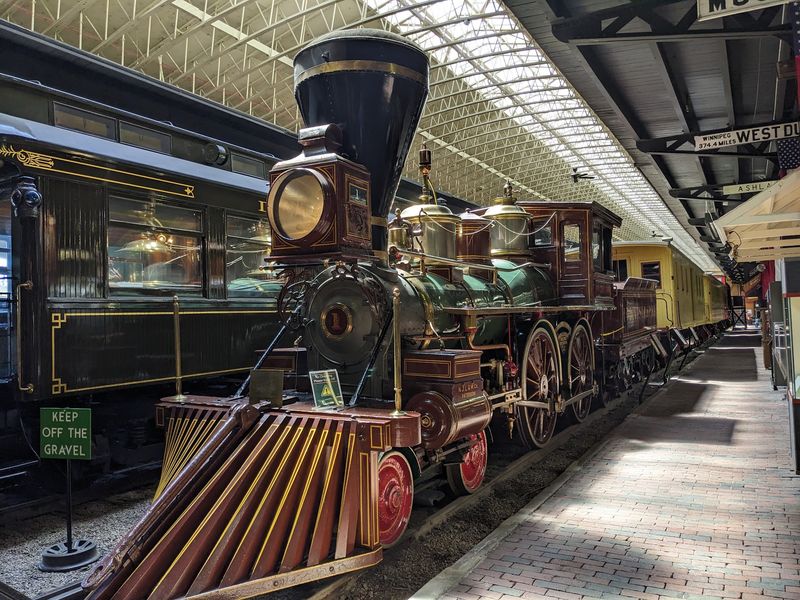
Size is the first thing that hits you. The museum’s huge steam locomotive towers over the floor and makes a grown adult feel about knee-high.
Big engines like this once hauled heavy loads across the region. Seeing one up close turns a textbook photo into something you can almost feel rumbling.
The collection doesn’t stop at one star, though. Very old engines share space with models from the middle of the 20th century.
That spread lets you watch railroad technology evolve as you walk. Each machine was once the cutting edge of its era, which changes how you look at every rivet.
Gearheads will find plenty to study. Pistons, wheels, and drive rods sit right out in the open for anyone curious about how these beasts worked.
Not a mechanics person? No problem at all.
The engines are impressive simply as sculptures of iron and steam. Informative signs and videos help fill in the story without turning the visit into homework.
Bring a wide-angle lens if you have one. These giants rarely fit neatly into a single frame.
Railcars You Can Actually Climb Inside
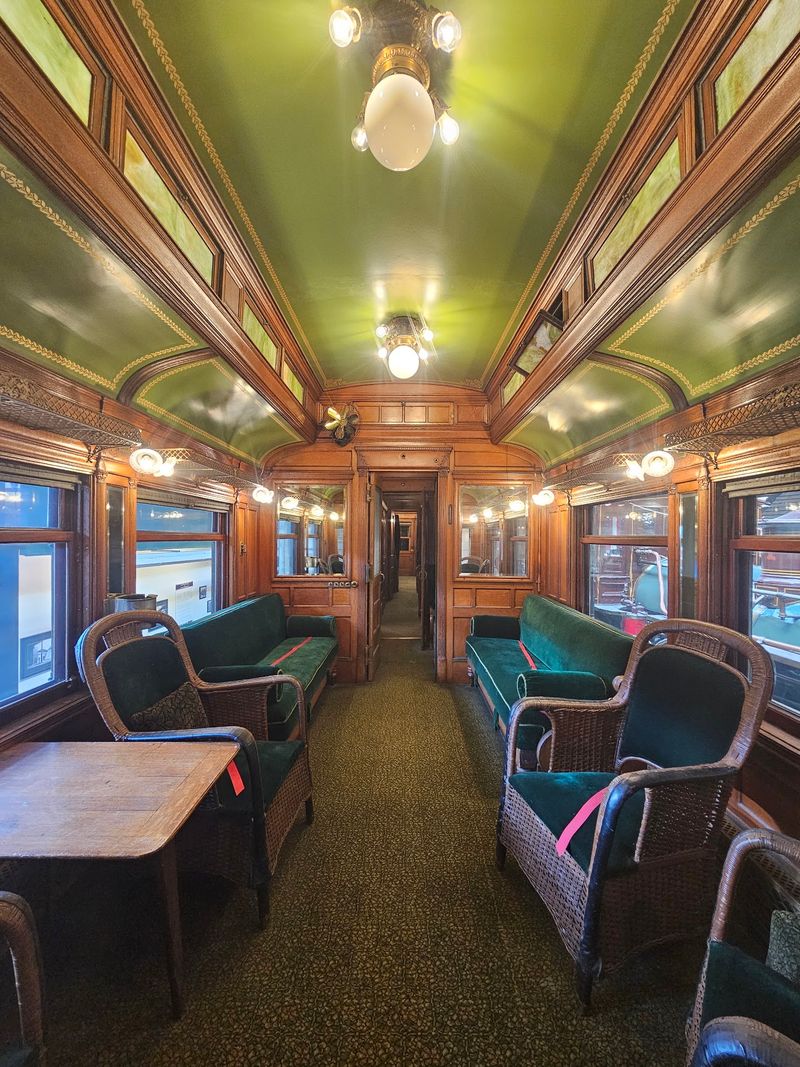
Most museums keep their best pieces behind a velvet rope. This one invites you up the steps and through the door.
Over half of the trains here can be walked through, which is rare for a rail museum. Passenger cars, engines, and specialty cars open up so you can see how people actually rode and worked.
The postal car is a quiet favorite. Mail once got sorted on the move, and the car shows how cleverly that space was used.
A dining car shows off its own corner of history too. Displays of railway china hint at how fancy train meals once looked.
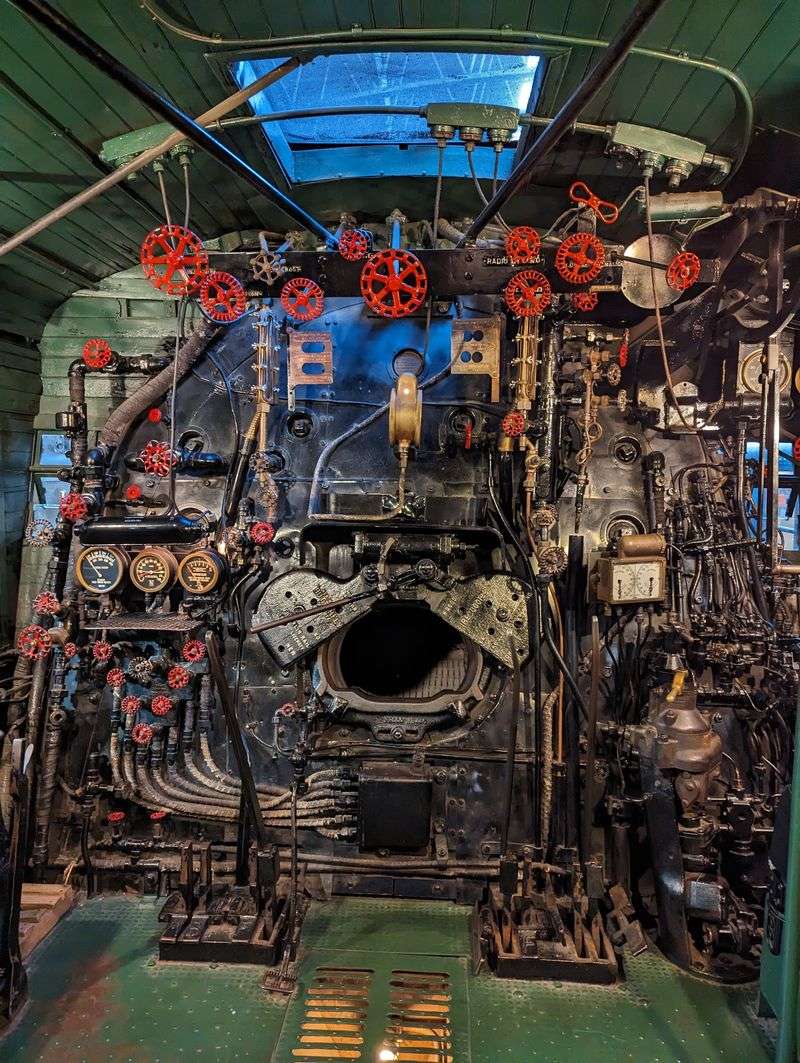
Climbing into cab after cab lets you see the inner workings up close. Gauges, levers, and controls sit right where engineers once used them.
Heads up for comfort, though. Some doorways and aisles are narrow, so certain spots may feel snug for larger visitors.
Wear shoes that handle steps easily. You’ll likely go up and down railcar stairs more times than you can count, and every car feels like a new little room to explore.
Buttons, Levers, And A Wheel That Really Turns
Push the button. Seriously, every sign that asks you to press something here is worth obeying.
Interactive exhibits are scattered throughout the floor. Some set locomotive wheels in motion, while others let train horns blast through the hall.
One engine even appears to operate in place. Watching those drive wheels move shows how all that metal actually turned into forward motion.
Videos and demonstrations add more layers for curious minds. They explain the machinery without drowning you in jargon.
Games keep restless legs busy too. A hobo sign game challenges kids to find and decode symbols once used by rail-riding travelers.
It’s a smart touch for families. Younger explorers get a mission, and parents get a few extra minutes to read the displays.
A model railroad setup and miniatures round things out nicely. Toddler-friendly train sets sit not far from full-size giants, so every age finds a favorite.
Hands-on learning beats a lecture any day. Here, the noise and motion do most of the teaching for you.
Lanterns, Photos, And The Small Stuff Worth Slowing Down For
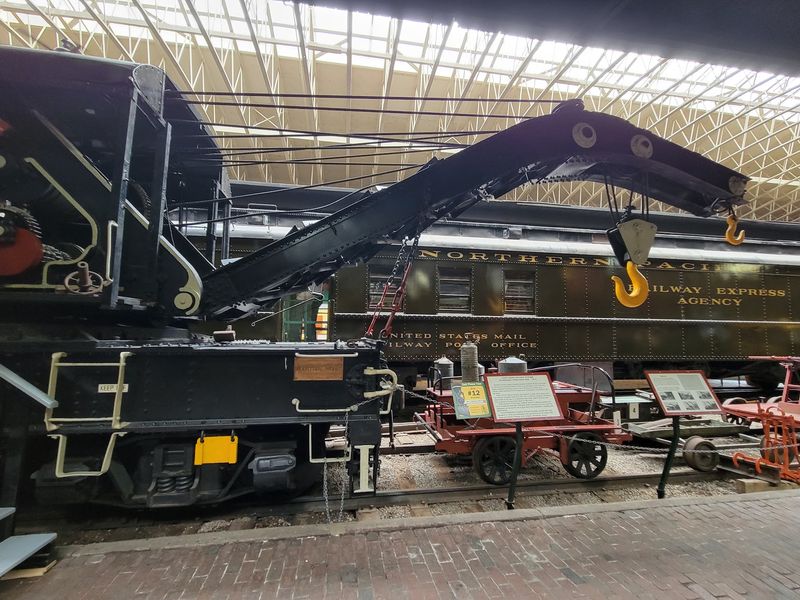
Giant engines get the headlines, but the details tell the stories. A lantern display glows with the tools crews once used to signal through dark nights.
Photography from the early 1900s fills in the human side. Workers, stations, and rail yards appear exactly as they were generations ago.
Odd pieces of equipment pop up everywhere. A hand car, a crane for lifting tipped carts, and a giant slag transport car all earn a closer look.
Each one hints at the hard, physical work behind the railroad. Northern Minnesota industry leaned heavily on rails, and these objects show how.
History lovers can read every panel and still find more. Casual browsers can simply wander and look, which works just as well.
The depot building holds other galleries worth exploring too. An exhibit on immigrants connects the trains to the families who arrived and built new lives in the region.
That mix keeps the visit from feeling one-note. You came for locomotives, but you’ll probably leave thinking about the people who kept them rolling.
A Bonus Rail Yard Waiting Just Outside
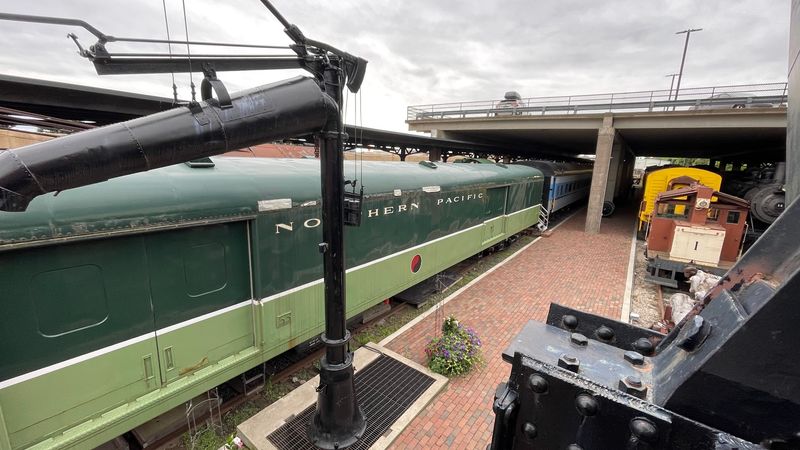
Just when the indoor tour seems finished, the doors open onto more trains. An outdoor yard holds an entire extra collection of railcars and equipment.
It’s a fun surprise after hours under the roof. Fresh air and big rolling stock make a pretty great combination.
Outdoor displays naturally shine in warmer months. Summer and early fall make lingering out there much more pleasant than a January afternoon.
Hungry or thirsty? A small snack shop offers coffee and soft drinks for a quick recharge.
Picnic tables outside give families a spot to sit and regroup. Packing a simple lunch may stretch the day nicely without much cost.
Time disappears quickly here. Two hours often isn’t enough to see everything, and some groups end up staying far longer.
Plan for a longer visit than you expect. Rushing through means missing half the fun, and the outdoor yard deserves more than a quick glance.
Between indoor halls and outdoor tracks, the space keeps unfolding. That’s real value for a single stop in Duluth.
Excursion Rides Along Lake Superior’s Shoreline
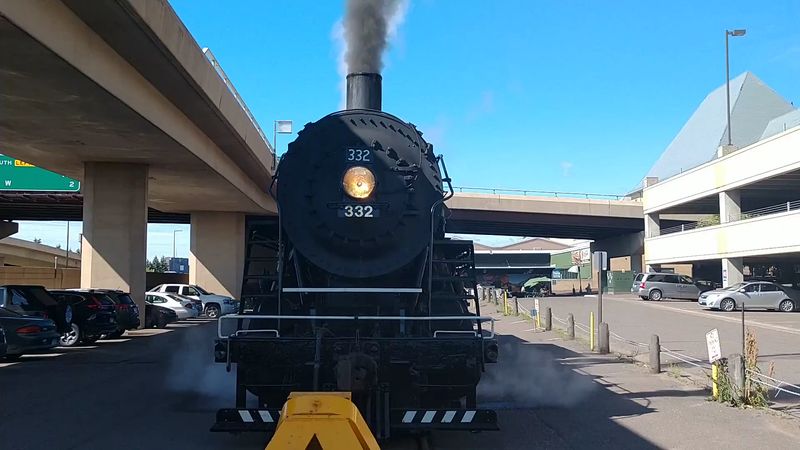
Looking at trains is great, but riding one is better. The museum also operates excursions that roll out along the North Shore of Lake Superior.
Scenic trips pass the lakewalk and local parks before heading up the shoreline. Recorded narration points out sights along the way.
Seat choice matters on these rides. Sitting on the lake side typically gives you the best views of the water.
A dome car offers an upgraded way to take in the scenery. Raised glass seating makes the shoreline feel even bigger.
Some excursions have featured special touches like live music or a pizza dinner. Offerings can change by season, so check current options before you go.
Fall rides tend to be especially popular. Autumn trips have sold out ahead of time before, so booking early is wise.
Combining a ride with the museum may also save money. Train ticket holders have often received discounted museum admission, though it’s worth confirming current deals.
A ride turns the visit into a full outing. Duluth simply looks different from a rolling window.
Daily Hours, Fair Admission, And A Smart Parking Plan
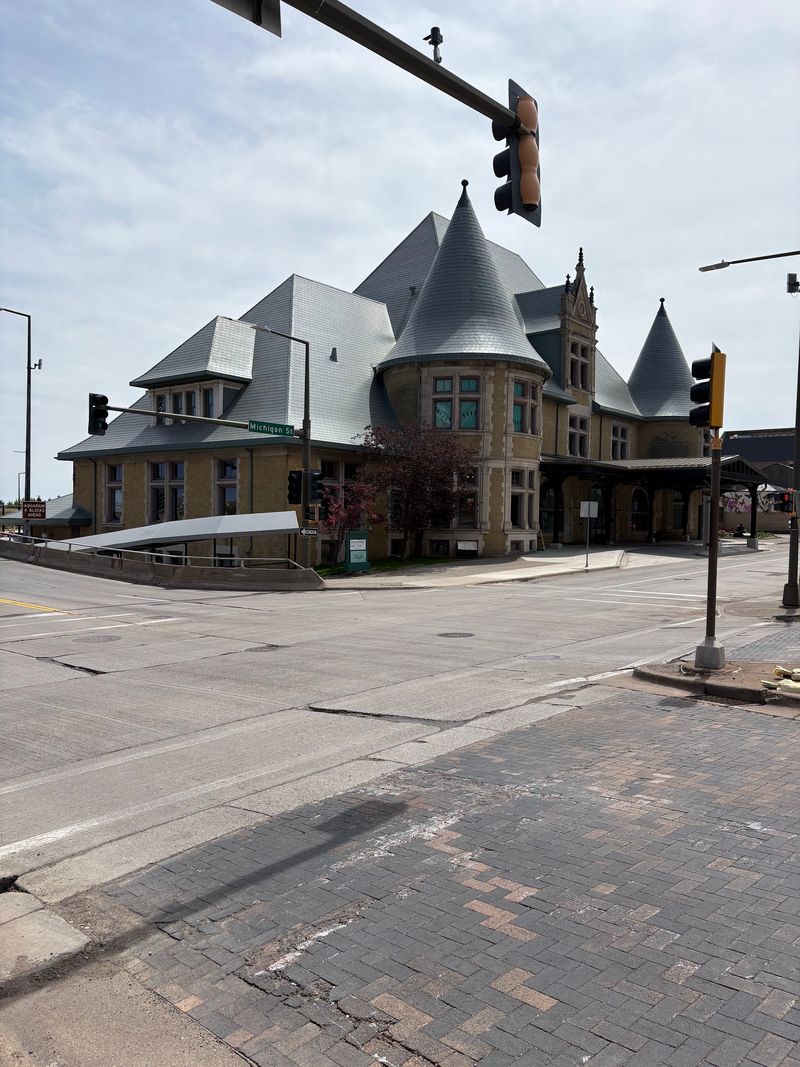
Good news for flexible planners: the museum opens every day of the week. Hours typically run from 10 am to 5 pm, Monday through Sunday.
You’ll find it at 506 W Michigan St, Duluth, MN 55802. It sits right in the downtown core, close to the waterfront and hotels.
Admission is a paid ticket rather than free entry. The price stays reasonable for a full day of climbing, exploring, and learning.
Parking takes a bit of planning. Lots and ramps around the depot belong to the City of Duluth, not the museum.
Some ramps carry height limits that won’t suit taller vehicles. Payment often runs through app or QR code systems, so have your phone ready.
Driving an RV or towing a trailer? The city typically directs oversized vehicles to the Duluth Entertainment Convention Center lots nearby.
Downtown streets can feel twisty for newcomers. Mapping your parking spot ahead of time saves a lot of circling.
Arrive near opening for a relaxed start. Then you’ll have the whole day to work through every staircase and railcar.
Why This Depot Deserves A Spot On Your Minnesota Road Trip
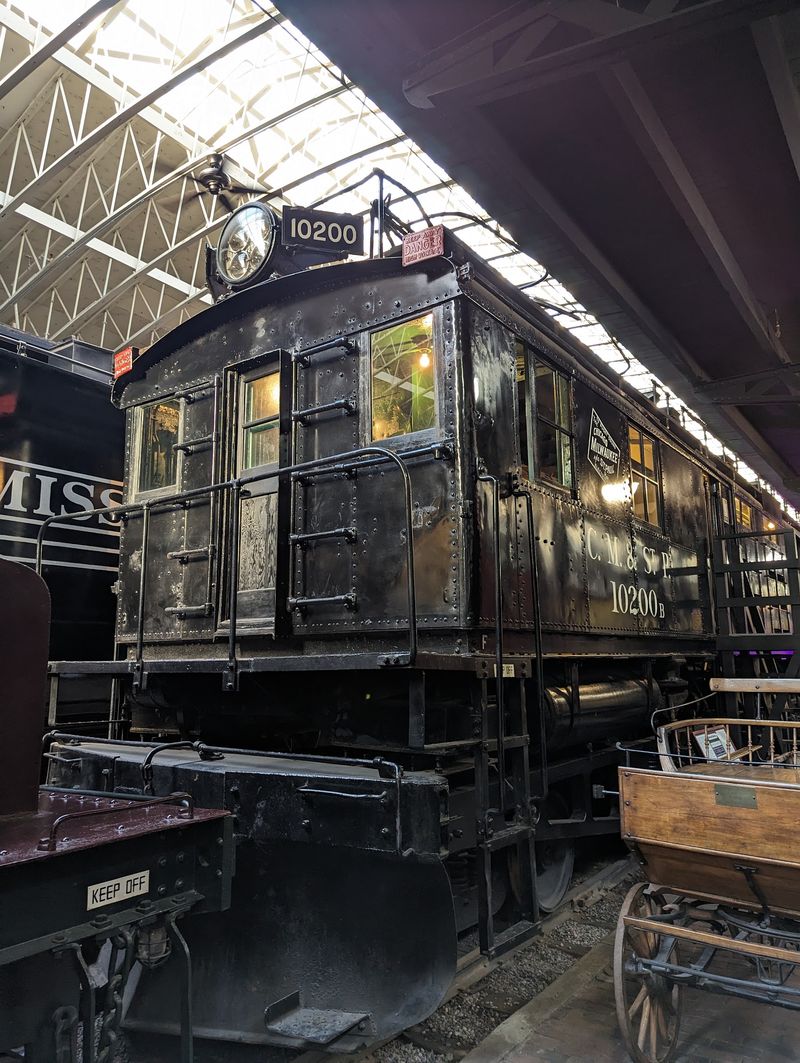
Big-city museums would be proud of a collection like this. Minnesota just happens to keep it under an old Duluth depot, three stairways down.
The Lake Superior Railroad Museum works for almost everyone. Train fans, curious kids, history buffs, and gearheads all find something to chase.
Families get real value from a single ticket. Hands-on exhibits keep younger kids moving, while grown-ups get deeper stories from the signs and videos.
Keep an eye on little ones, of course. Old railcars come with steep steps and plenty of historic pieces worth protecting.
Weather barely matters with so much indoors. Rainy summer days and chilly shoulder seasons both make a fine excuse to visit.
Pair it with a scenic excursion if timing allows. Seeing the trains and then riding one makes the whole day feel complete.
It’s a stop people remember from childhood and happily revisit as adults. That kind of staying power is hard to fake.
So tag the friend who still waves at passing trains. A drive up to Duluth sounds pretty good right about now.
Share this story