Somewhere in the farm country of New Jersey, park staff will drop dried corn into a historic gristmill and let you watch it turn into cornmeal. Belts spin, gears turn, and the whole room hums around you.
Admission costs exactly nothing.
That alone got my attention. Then I learned the property holds a 1700s family house, a quiet creek, and about ten buildings with exhibits to explore.
I like how unhurried it all sounds. Pack a lunch, grab a picnic table, and wander from the mill to the main house at your own pace.
Staff members here are known for sharing stories about the family who lived on this land for generations.
I can’t imagine a cheaper way to spend a curious afternoon in the Garden State. So why does a place this charming stay so quiet?
A Quaker Village Waiting in Monmouth County Farm Country
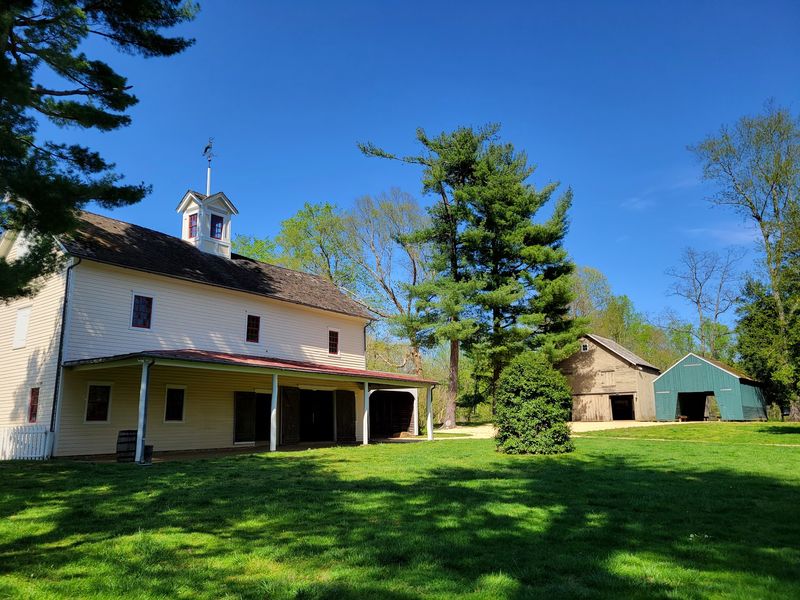
Down a winding country road in Upper Freehold Township sits Historic Walnford, a preserved village run by the Monmouth County Park System. It’s a historic site and museum rolled into one peaceful property.
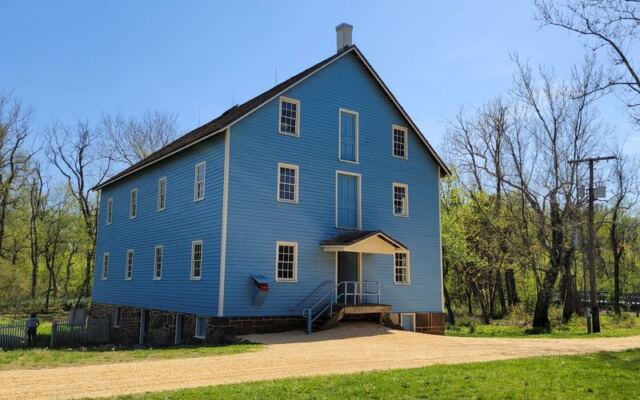
The heart of the place is a working gristmill, a family house dating to the 1700s, and a cluster of outbuildings. Together they tell the story of a farm community that once ran on muscle, water, and know-how.
You won’t find a gift shop or a flashy visitor center. What you get instead is a beautifully kept village with exhibits, walking paths, and staff ready to explain what you’re looking at.
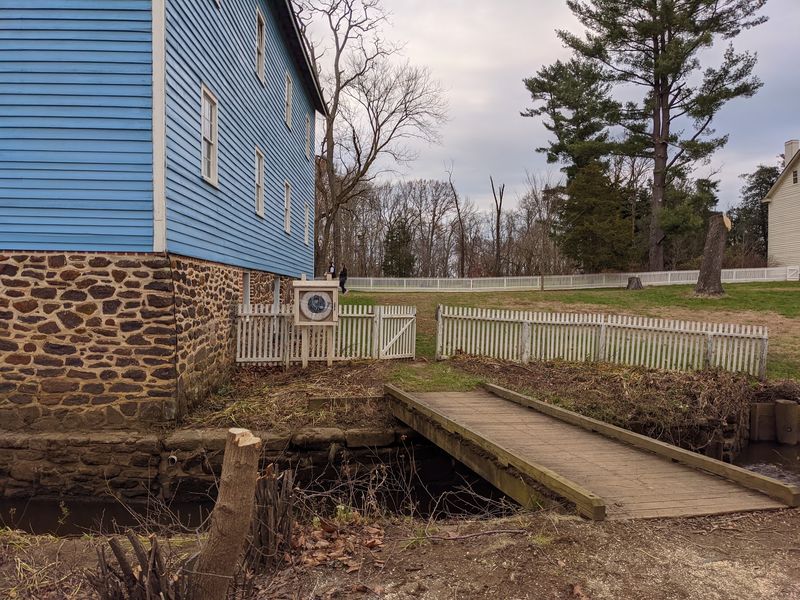
The setting does a lot of the heavy lifting. A creek winds past farm fields, and tall old trees shade the buildings and lawns.
It feels far from busy New Jersey highways, even though it’s easy to reach. That contrast is part of the fun.
Plenty of people living nearby admit they never knew this village existed. That makes it the kind of discovery worth bragging about at the next family gathering.
So consider this your official heads-up. The mill is waiting, and the gate is open.
Five Generations of One Family on the Same Land
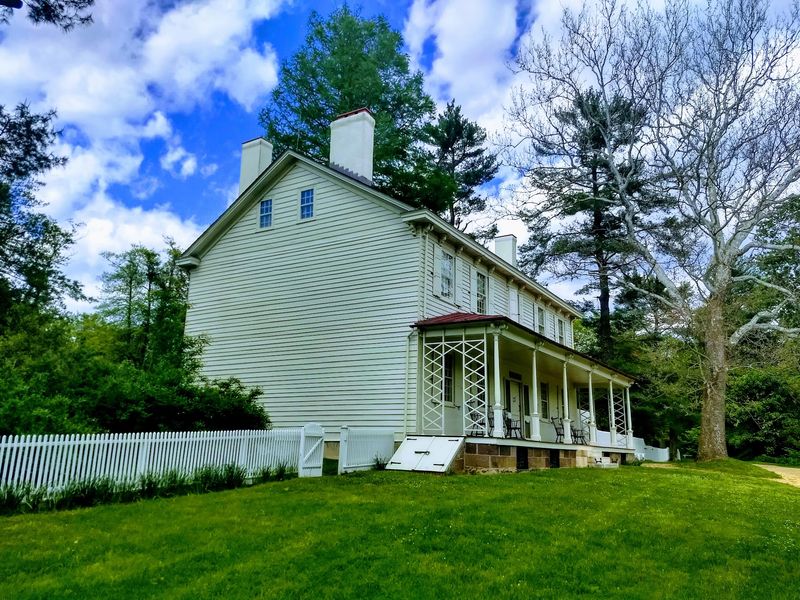
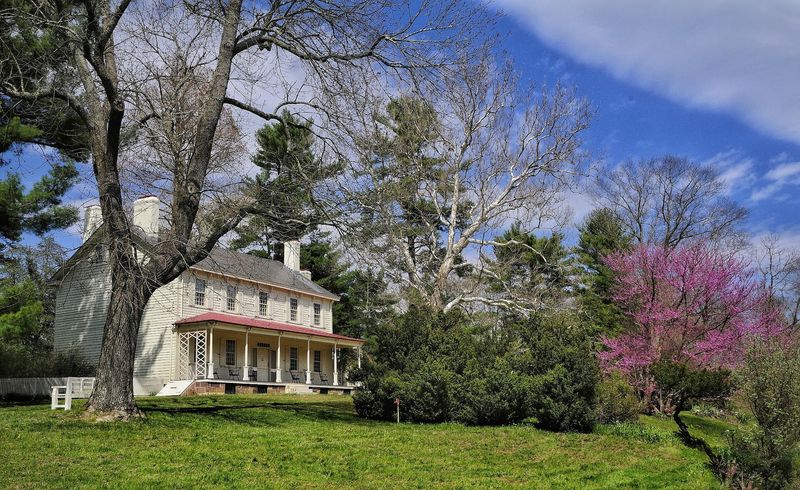
Few families stay put for two centuries, yet the Walns pulled it off. This Quaker family built their home here in the 1770s and kept the estate for generations.
Their story covers five generations of farming, milling, and daily life. Exhibits around the property bring those chapters to life with photos and clear signs.
One twist gets history fans talking. The family patriarch was a Loyalist during the American Revolution, yet he managed to keep his estate afterward.
That detail alone makes Walnford stand out among New Jersey historic sites. Most stories from that era end very differently for Loyalist landowners.
Later chapters include plenty of drama too, from inheritance disputes to changing fortunes. The site doesn’t oversell anything, which makes the real story more interesting.
What you mostly see is ordinary family life stretched across centuries. Meals, chores, harvests, and business decisions all happened right on these grounds.
Walking the property, you start to notice how much was made by hand. Tools, buildings, and food all came from hard work and local resources.
It’s humbling in the best way. Suddenly assembling flat-pack furniture doesn’t seem so tough.
The Gristmill That Steals the Whole Show
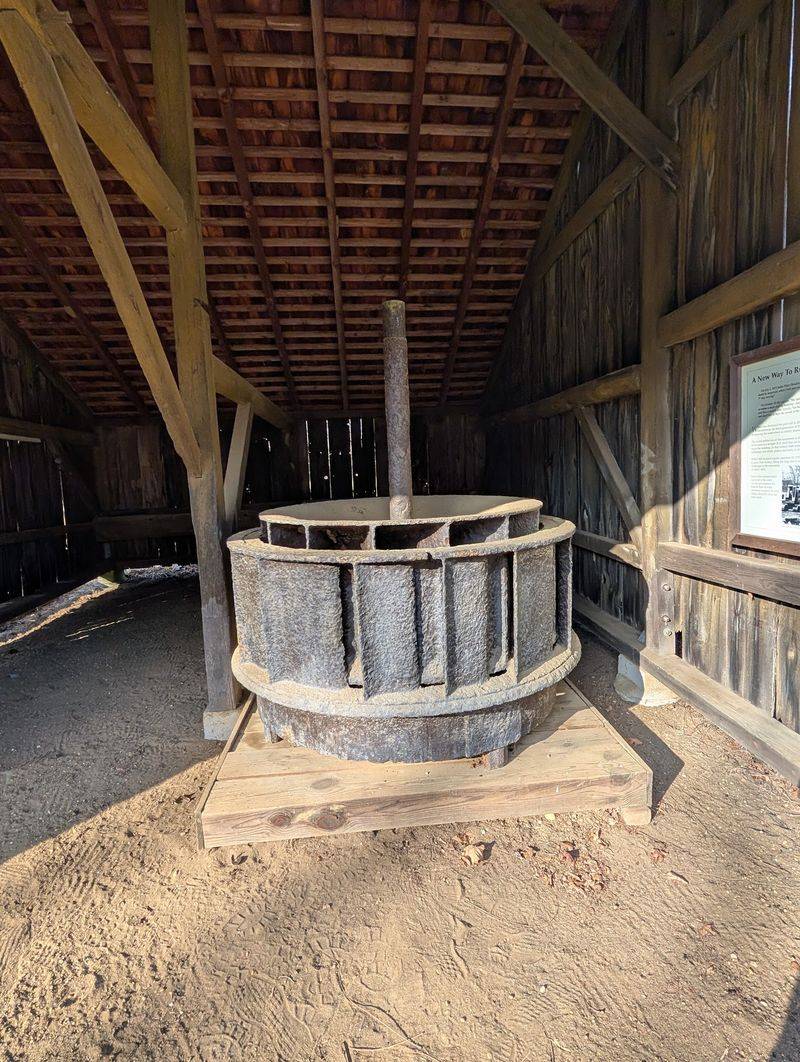
Gears the size of tabletops tend to get attention. Inside the gristmill at Historic Walnford, they’re the undisputed stars.
The mill once ground grain for local farmers using water power from the creek. It’s been fully restored, and its turbine-style water wheel fascinates nearly everyone who sees it.
Step inside and you can trace the whole system with your eyes. Shafts, belts, and wooden chutes connect floor to floor like a giant puzzle.
Exhibits explain how grain moved through the building. You’ll understand how a simple kernel became flour or cornmeal for a family’s table.
The craftsmanship is impressive up close. Every beam and pulley had a job, and none of it was decorative.
For kids, it’s basically a real-life machine diagram. For adults, it’s a reminder of how clever early engineers had to be.
Even when it’s quiet, the mill holds your attention. You can spend a good while simply figuring out which gear turns which.
Gristmill fans will find this one hard to leave. Casual visitors usually end up just as curious.
Weekend Demos Turn Corn into Cornmeal Before Your Eyes
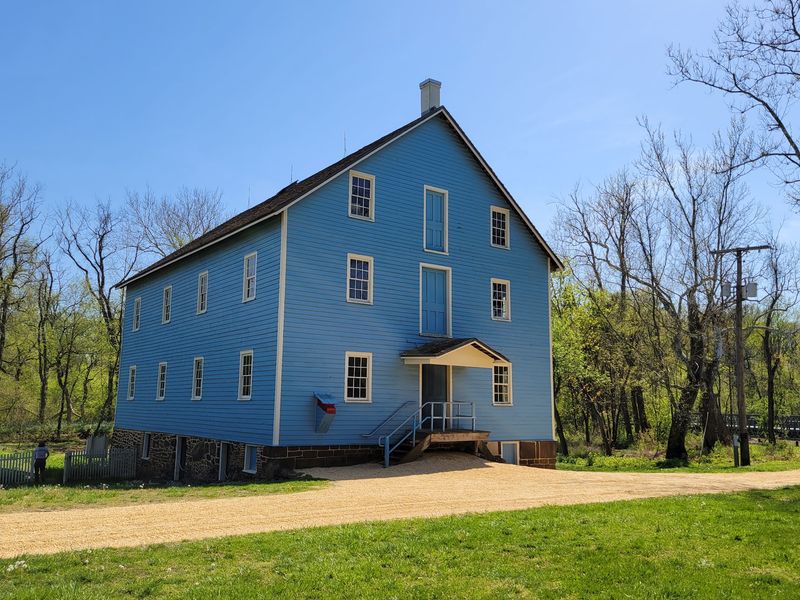
Timing matters if you want the full experience. The mill runs live demonstrations on weekends from April through November, plus during special events.
When it starts up, the building comes alive. Large belts and gears circle all around you while the operator feeds in dried corn.
Moments later, that corn becomes cornmeal. Seeing the whole process from start to finish is surprisingly satisfying.
Staff often explain each step as it happens. Questions are welcome, and the guides clearly enjoy sharing how everything works.
One honest note helps set expectations. Today the mill is powered by electricity rather than the water turbine, but the historic machinery does the grinding.
That doesn’t take away the wow factor. The movement, sound, and motion still feel straight out of another century.
Weekday visitors can still tour the mill building. Some have even had staff power it up for them, though that’s never guaranteed.
For the best chance at seeing it run, plan a weekend trip in season. Your camera, and probably your kids, will thank you.
Original Furniture Fills the Historic Main House
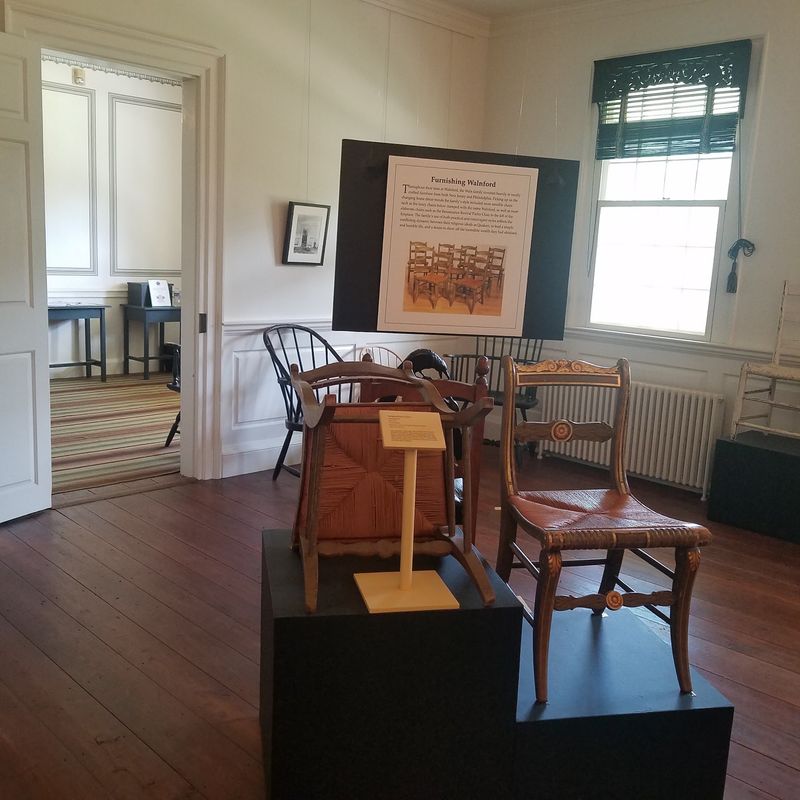
Chairs, portraits, and keepsakes from the actual family make the main house feel personal. Many furnishings and photos are original to the home.
That changes the whole mood. You’re not looking at random antiques but at objects the Walns really used and lived with.
House tours are available, and staff can walk you through the rooms. They’re happy to share stories about the people who once called it home.
The interior restoration earns plenty of praise from history lovers. Details inside and out reflect careful work over many years.
Past displays have included special exhibits on upper floors, such as a World War I collection. Exhibits can change, so it’s smart to ask what’s on view.
Rooms here help connect the dots between the mill and family life. Business, farming, and home were tightly woven together.
It’s easy to linger near family photographs. Faces from generations ago make the history feel close and real.
Save time for this stop after the mill. Plenty of first-time visitors leave wishing they’d budgeted longer for the house.
Ten Buildings Packed with Rural Life Exhibits
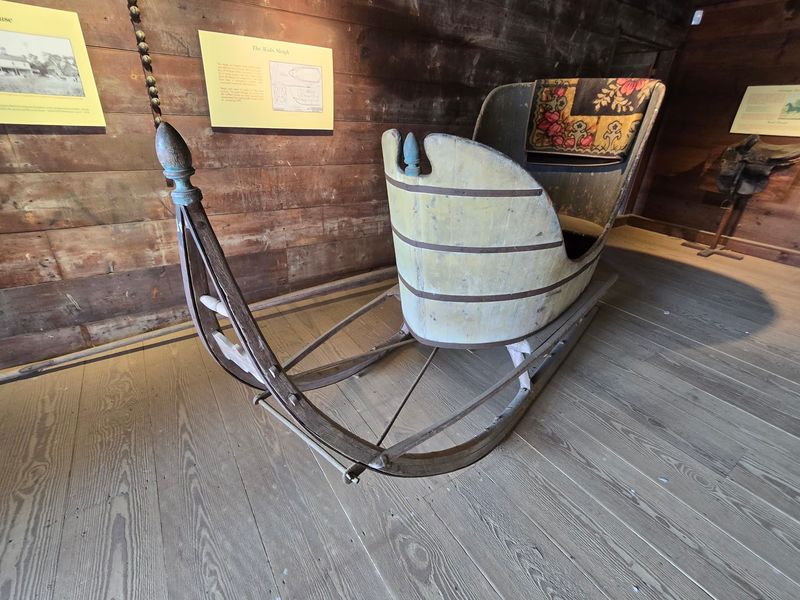
Beyond the mill and house, roughly ten buildings hold exhibits worth poking around. Each one adds a different piece of farm life to the story.
The outbuildings have been fully restored. Inside, you’ll find collections of period tools, equipment, and everyday objects.
Some displays include hands-on elements. That’s a big plus for younger visitors who learn best by touching and trying.
Signs throughout the grounds offer plenty of reading material. You can move at your own pace and absorb as much as you want.
Visitors often mention horse-drawn sleds and wagons as memorable sights. They show how people traveled before engines took over the roads.
Every building helps explain how a working estate actually functioned. Storage, transport, and craft all needed dedicated space.
Hopping from one structure to the next feels like a mini scavenger hunt. You never know which doorway hides your favorite exhibit.
Most people cover the whole park in one to three hours. History buffs who read every sign may need longer, and that’s perfectly fine.
Crosswicks Creek and the Quiet Charm of the Grounds
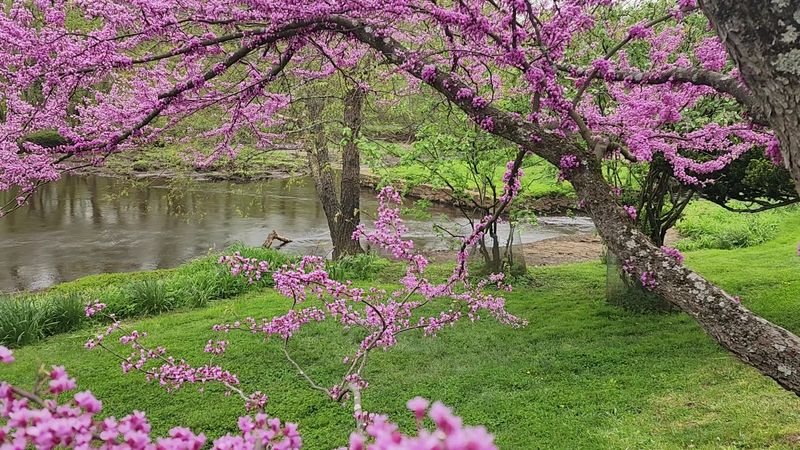
Water is the reason this village exists. The creek that once powered the mill still meanders through farm fields beside the buildings.
It’s a calming backdrop for a slow walk. Old trees, open lawns, and that gentle stream create a relaxed atmosphere.
Grounds staff keep everything immaculate. Mowed grass, tidy paths, and well-kept structures make the whole site look cared for.
Late spring through early fall shows the farm at its greenest. Winter can look bare, though fresh snow may create a pretty scene for photos.
Personal photography is welcome here. Commercial shoots require a permit, so wedding photographers should check ahead.
Dog owners appreciate the space too. Some visitors make the grounds a regular walking spot for their pups.
Bring a little patience for wandering. Half the pleasure comes from stopping by the water or under a big tree.
It’s a good reminder that New Jersey still holds stretches of real countryside. Few places pair them with this much history.
Rangers and Guides Who Love a Good Question
Knowledge might be the most valuable thing at Historic Walnford. Staff and volunteers consistently earn praise for being friendly and well informed.
Guides happily explain the mill, the house, and the families behind them. Ask a simple question and you might get a fascinating story in return.
That personal touch makes a small site feel bigger. Details you’d miss alone suddenly jump out once someone points them out.
Rangers also keep the grounds in excellent shape. Their care shows in every swept path and freshly painted building.
Families with curious kids benefit the most. Children tend to remember a story told in person far longer than a sign.
Homeschoolers and teachers can lean on this resource too. The site works nicely as a living history lesson.
Don’t be shy about striking up a conversation. The people working here seem genuinely glad you came.
Free admission plus expert guides is a rare combo. It’s one of the strongest reasons the place feels so welcoming.
Walnford Day Brings Crafts, Music, and Mule Rides
Special events turn the quiet village into a lively celebration. Walnford Day is the big one, packed with demonstrations across the grounds.
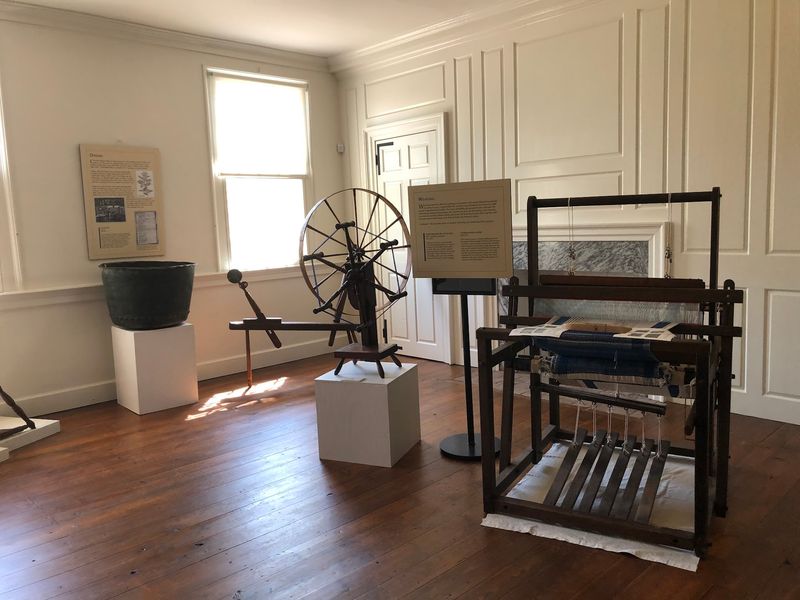
Past festivals have featured basket weaving, loom weaving, quilting, and blacksmithing. Experts are stationed around the property to show their skills.
Music plays both inside the house and outdoors. There’s even been line dancing to get feet moving.
Mule-drawn wagon rides add a classic farm touch. Kids and adults both seem to love that part.
Of course, the gristmill runs during these events too. It’s a great chance to catch it in action.
Other gatherings have included old-fashioned ice cream making. Guests get to sample the sweet results.
Event dates change each year, so check with the Monmouth County Park System before heading out. Planning ahead pays off here.
These days showcase the site at its most energetic. If crowds don’t bother you, they’re a fantastic introduction.
Picnic Tables, Paved Paths, and Easy Access for All
Lunch plans just got easier. Picnic tables sit around the grounds, ready for anyone who packs sandwiches and snacks.
No food is sold on site, so bringing your own is smart. A shaded table beside historic buildings beats a food court any day.
Accessibility gets solid marks here. Ramps lead into buildings, and paved walkways connect much of the property.
Accessible parking is available too. That makes the visit easier for strollers, wheelchairs, and anyone avoiding rough terrain.
Restrooms are clean and spacious. There’s also a water fountain for refilling bottles.
Parking is plentiful, which removes one common day-trip headache. You can focus on the mill instead of hunting for a spot.
Remember there’s no gift shop. Your souvenirs will be photos and maybe a few new facts.
All these practical touches add up. They help a short history stop turn into a relaxed half-day outing.
Hours, Free Admission, and Directions to 62 Walnford Road
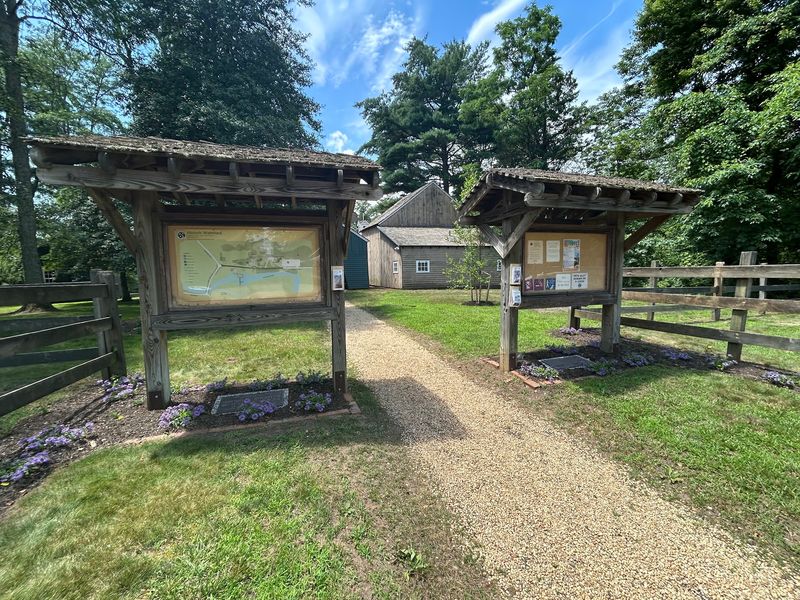
Good news first: admission is free. You can explore the grounds and exhibits without opening your wallet.
Historic Walnford sits at 62 Walnford Rd, Allentown, NJ 08501. The area is often described as Upper Freehold, near Cream Ridge.
Hours run from 9 AM to 4 PM, seven days a week. That schedule makes weekday or weekend trips easy to plan.
Weekdays tend to feel very quiet. Weekends offer the bonus of mill demonstrations from April through November.
The drive itself is pleasant. Country roads pass open land and trees on the way in.
GPS can occasionally send you on odd routes, especially if nearby roads or bridges are under repair. Double-check your directions before you leave.
Arrive with at least an hour or two to spare. Three hours lets you read signs and enjoy a picnic.
Since hours and events can change, confirming with the Monmouth County Park System is wise. A quick check saves a wasted trip.
Why This Free Village Earns a Spot on Your Weekend List
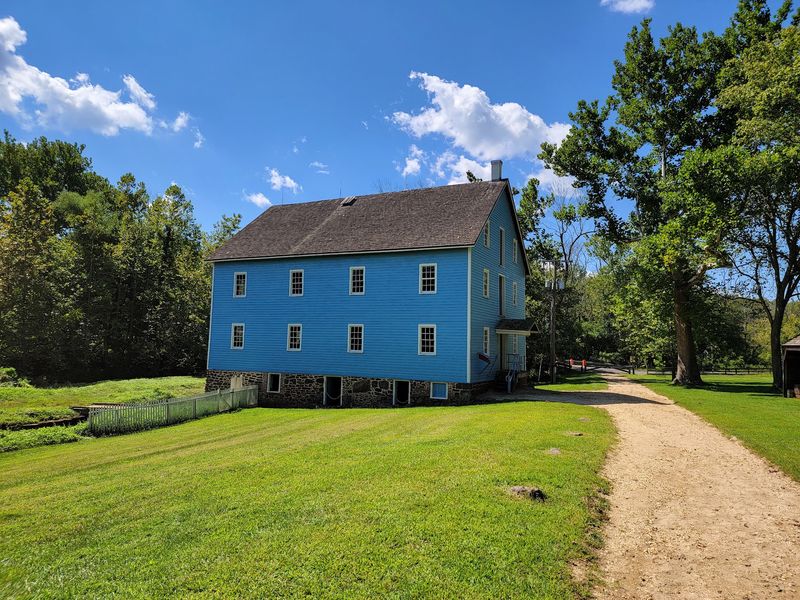
Spinning gears, a centuries-old family home, and a peaceful creek, all for free. That’s a hard deal to beat anywhere in New Jersey.
Historic Walnford isn’t huge, and it doesn’t try to be. Its charm comes from careful preservation and honest storytelling.
Families get hands-on exhibits and a working mill. History lovers get original furniture and a fascinating Loyalist story.
Dog walkers and picnic fans get open lawns and shady tables. Photographers get rustic buildings framed by fields and trees.
Planning around a weekend demo makes the trip even better. Watching corn become cornmeal sticks with you.
It also makes a great add-on to other Monmouth County outings. The village fits easily into a relaxed country drive.
Locals who’ve driven past for years might be surprised what’s down that road. Sometimes the best finds hide in plain sight.
So pack a lunch and bring your questions. The mill is ready whenever you are.
Share this story