In 1964, American radio changed almost overnight. A British band landed in New York in February, and within weeks the Billboard charts looked completely different.
Motown was turning out hit after hit from a small studio in Detroit, and teenagers were spending their allowance on 45 rpm singles that cost less than a dollar. Transistor radios had become cheap enough to fit in a pocket, so new songs traveled to beaches, school buses, and bedrooms faster than ever.
It was also a year of surprising variety. A jazz legend in his sixties beat out teenage idols.
A girl group from New Orleans sang about weddings, while a band from England turned an old folk song into a rock classic. Some of these records still play at weddings, ball games, and grocery stores.
Others were huge for a few weeks and then quietly faded from memory. Every song on this list reached No. 1 on the U.S.
Billboard Hot 100 during 1964. Along the way, you will learn who wrote them, how long they stayed on top, and a few behind-the-scenes facts that rarely get mentioned.
The real test is simple. How many can you still sing without looking up the lyrics?
1. Hello, Dolly! by Louis Armstrong
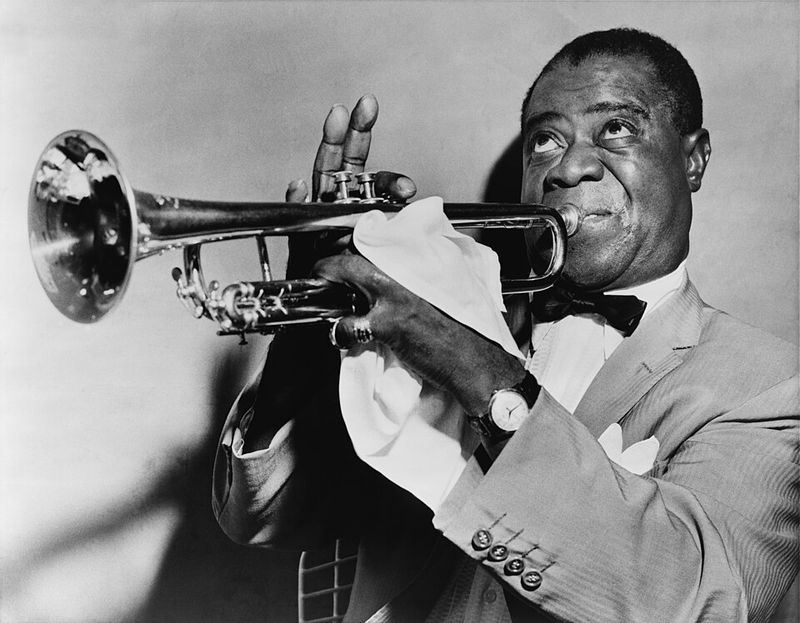
Sometimes the oldest guy in the room wins. Louis Armstrong was 62 when Hello, Dolly! knocked the Beatles out of the No. 1 spot in May 1964.
Their run at the top had lasted 14 weeks. Armstrong ended it with a show tune and a trumpet.
The song came from the Broadway musical Hello, Dolly!, which opened in January 1964. Armstrong recorded it quickly as a promotional favor, and nobody expected much.
Radio stations started playing it anyway. Listeners loved his raspy voice and cheerful style.
At the time, he became the oldest performer to reach No. 1 on the Hot 100. He had been making records since the 1920s, so this was a remarkable late-career highlight.
The song later won the Grammy for Song of the Year. Armstrong also took home the award for Best Vocal Performance, Male.
2. I Want to Hold Your Hand by The Beatles
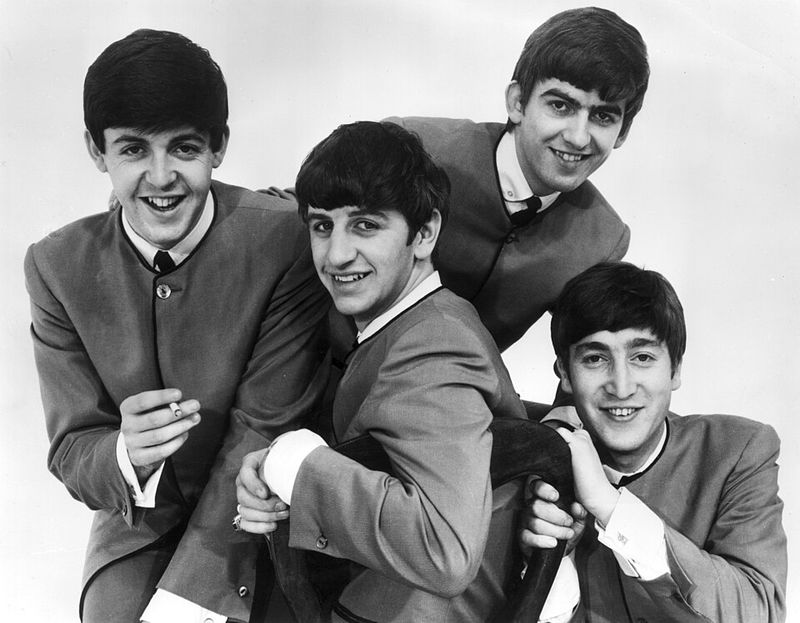
February 1, 1964, is the date many music historians treat as the start of the British Invasion. That week, I Want to Hold Your Hand climbed to No. 1 on the Billboard Hot 100.
It stayed there for seven straight weeks. No British act had ever owned the American chart so completely.
Eight days later, the Beatles appeared on The Ed Sullivan Show. About 73 million people tuned in, which was roughly a third of the country at the time.
Capitol Records had first hesitated to release Beatles music in the United States. Then the label rushed this single out in late December 1963 after radio stations started playing imported copies.
The gamble paid off quickly. The record sold over a million copies in about ten days.
For many teenagers, this 45 was the first record they ever bought with their own money.
3. My Guy by Mary Wells
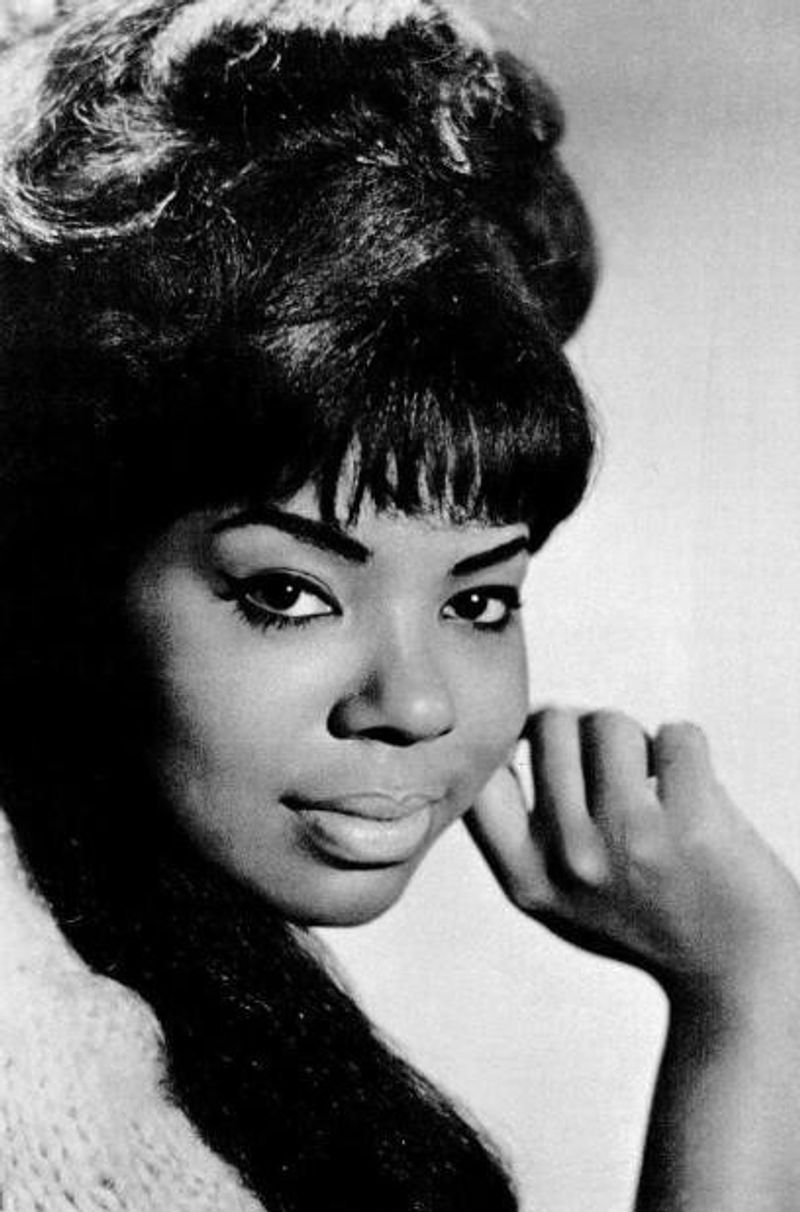
Loyalty never sounded so breezy. My Guy, sung by 21-year-old Mary Wells, reached No. 1 in May 1964 and became Motown’s biggest hit up to that point.
Smokey Robinson wrote and produced the song. He gave it a playful melody and lyrics about refusing to leave a sweetheart for anyone else.
Wells sang it with relaxed confidence. Fans of every background bought the record, which mattered a lot to Motown founder Berry Gordy.
His goal was music that crossed from rhythm and blues stations to mainstream pop radio. My Guy proved that plan could work on a national scale.
Wells left Motown later that year after a contract dispute. She signed with another label but never had another hit this large.
Even so, the song stayed in heavy rotation on oldies stations. The Beatles were fans too and invited her to tour with them in Britain.
4. Chapel of Love by The Dixie Cups
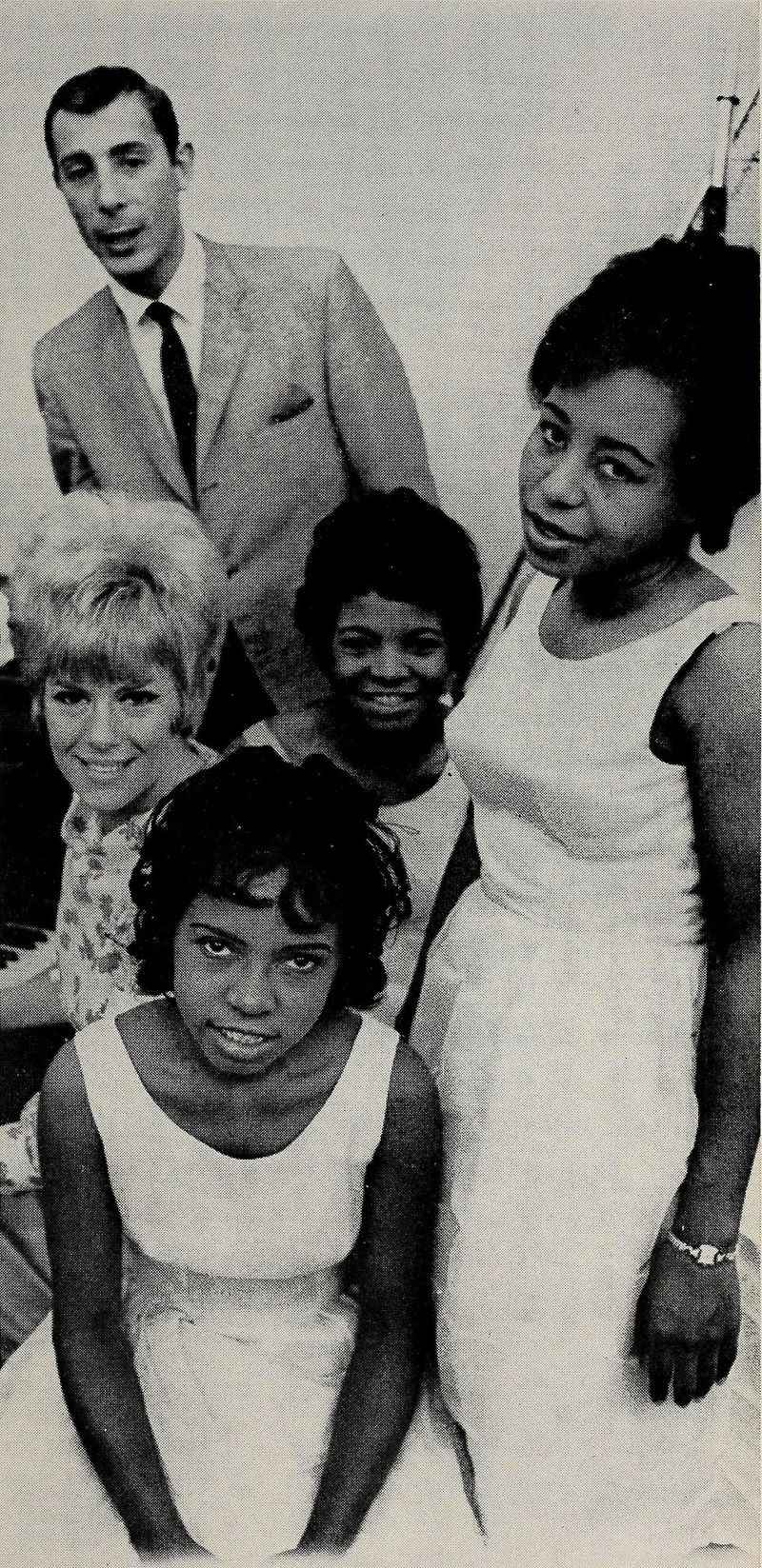
Wedding bells rang on the radio all through June 1964. Chapel of Love hit No. 1 on June 6 and stayed there for three weeks.
The Dixie Cups were a trio from New Orleans. Sisters Barbara Ann and Rosa Lee Hawkins sang with their cousin Joan Marie Johnson.
Remarkably, this was their very first single. It was also the first release on Red Bird Records, a brand-new label in New York.
Jeff Barry, Ellie Greenwich, and Phil Spector wrote the song. Barry and Greenwich were a married songwriting team, which adds a sweet detail to a song about getting married.
Handclaps and a simple beat make it easy to join in. That might explain why it still turns up at receptions today.
If you can hum the opening line, you probably know every word. It is that kind of tune.
5. A World Without Love by Peter and Gordon
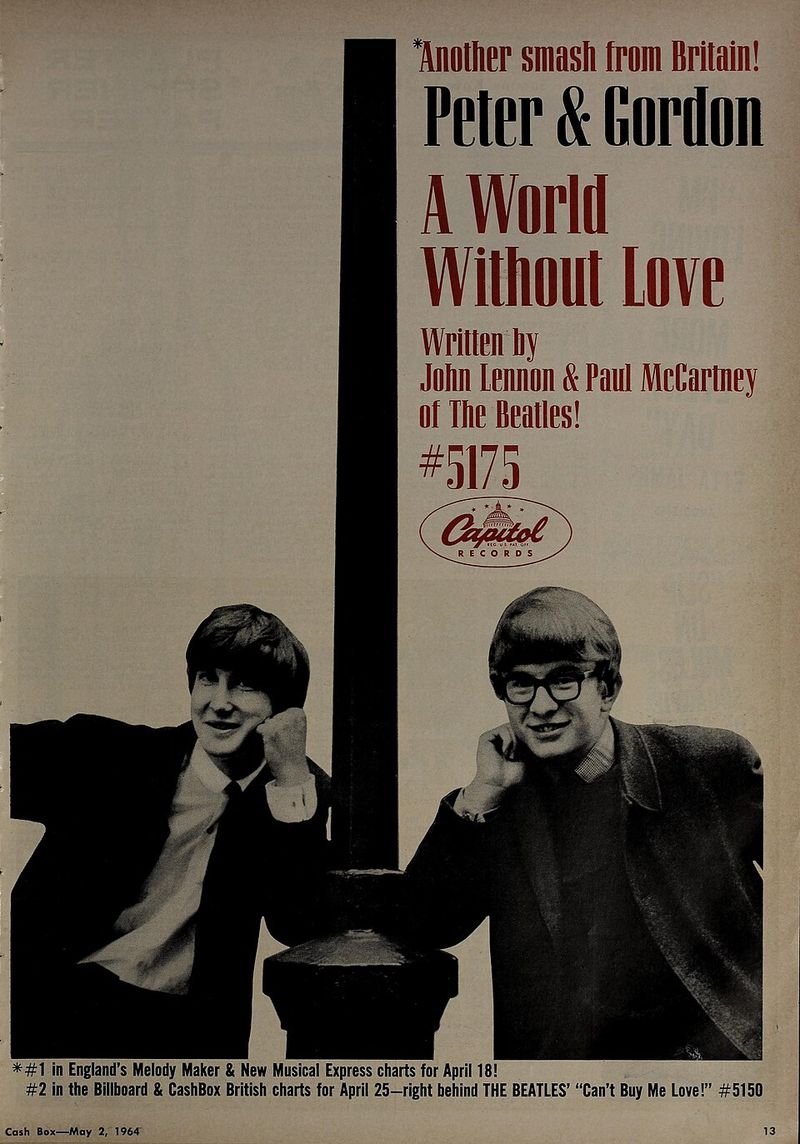
Having a famous friend can help. Peter Asher’s sister Jane was dating Paul McCartney, and McCartney handed the duo a song he had written as a teenager.
The Beatles never released their own version of A World Without Love. Lennon reportedly teased Paul about the opening line, so the band passed on it.
Peter and Gordon took it to No. 1 in Britain first. By June 1964, it topped the Billboard Hot 100 as well.
Their soft harmonies made it a calmer choice than the louder British records of that spring. Parents found it easier to tolerate too.
The duo had more hits, including I Go to Pieces. However, this remained their only American No. 1.
Peter Asher later became a major record producer. He worked with Linda Ronstadt and James Taylor and won Grammy Awards for his studio work.
6. She Loves You by The Beatles
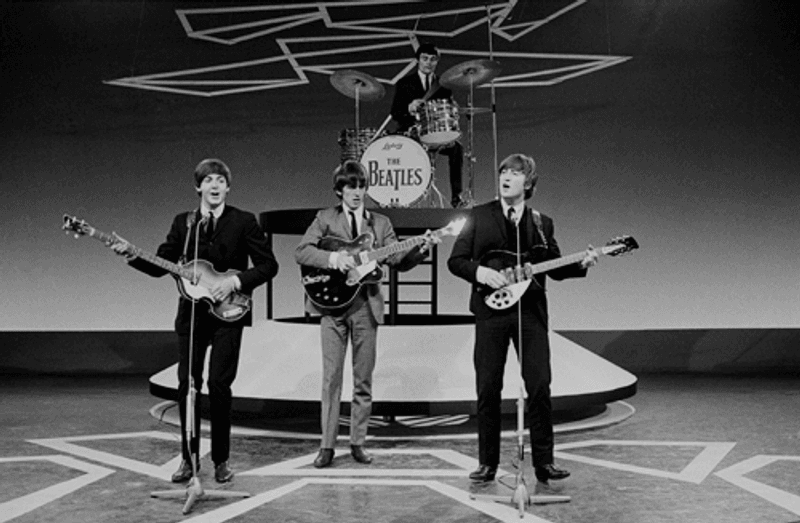
Three words did most of the heavy lifting here. Yeah, yeah, yeah became the most quoted lyric of 1964, and newspapers used it as shorthand for the whole Beatles craze.
She Loves You reached No. 1 in the United States in March 1964. It replaced I Want to Hold Your Hand, so the Beatles simply took over their own spot.
The song had a strange path to success. It was released in America in 1963 on a small label called Swan Records and barely sold at first.
Once Beatlemania arrived, the same record suddenly flew off shelves. Timing really is everything.
John Lennon and Paul McCartney wrote it in a hotel room. They chose an unusual angle, with the singer acting as a messenger telling a friend that his girlfriend still cares.
That clever twist set it apart from typical love songs of the day.
7. I Get Around by The Beach Boys
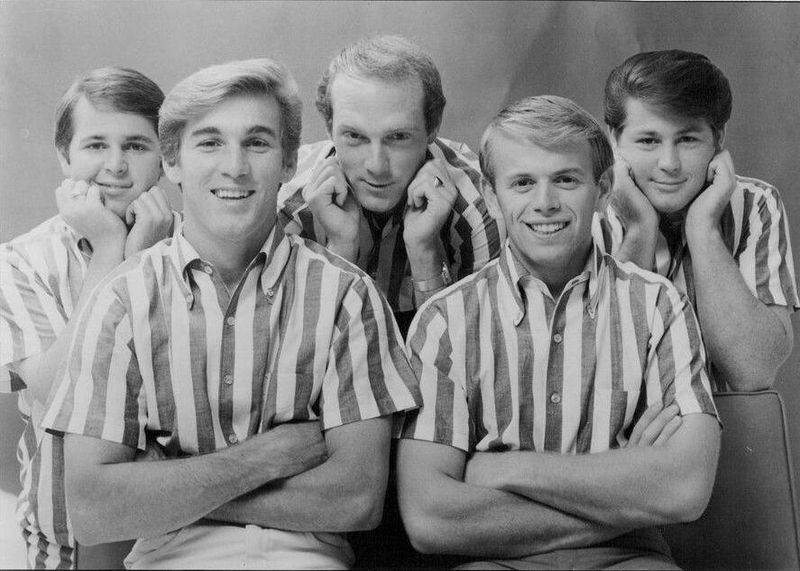
California got its first chart champion of the British Invasion era in July 1964. I Get Around became the Beach Boys’ first No. 1 single on the Hot 100.
The timing mattered. American bands were being pushed aside by British acts, and this hit proved a homegrown group could still win.
Brian Wilson wrote and produced it at just 21 years old. Mike Love wrote much of the lyrics, though he only received official credit after a court case in the 1990s.
The words celebrate cars, friends, and driving around town with nowhere special to go. That captured teenage life in Southern California perfectly.
Musically, it is trickier than it seems. The song opens with stacked voices, then shifts suddenly into a fast rock rhythm with sharp stops and starts.
Those choices hinted at the bold experiments Wilson would try on Pet Sounds two years later.
8. Everybody Loves Somebody by Dean Martin
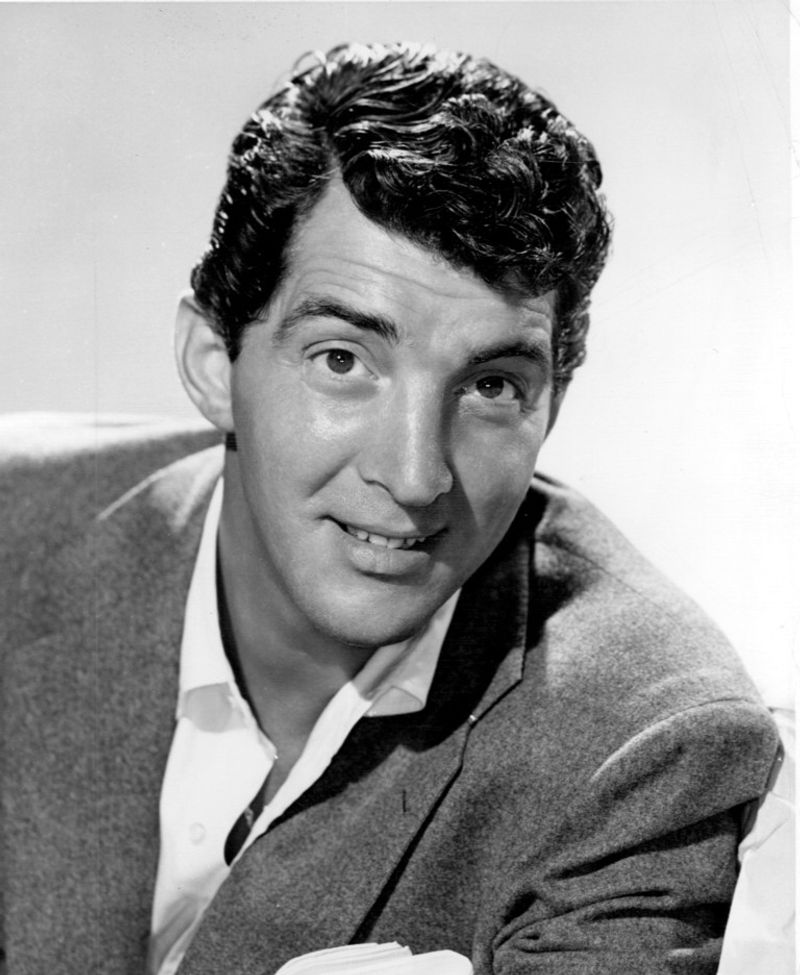
Dean Martin reportedly sent a short message to Elvis Presley after this song reached No. 1. The gist was simple: an older crooner could still beat the youngsters.
Everybody Loves Somebody topped the Hot 100 in August 1964. It knocked the Beatles’ A Hard Day’s Night out of first place.
Martin was 47 and already a star in movies, nightclubs, and on stage. Yet he had not had a major hit record in years.
The song itself was old. It was written in 1947, and Frank Sinatra had recorded it long before Martin did.
Martin’s version used a smooth arrangement with a full orchestra and backup singers. Adults who found rock too noisy finally had a hit of their own.
A year later, he launched The Dean Martin Show on NBC. This song became its theme, and it eventually appeared on his grave marker.
9. Can’t Buy Me Love by The Beatles
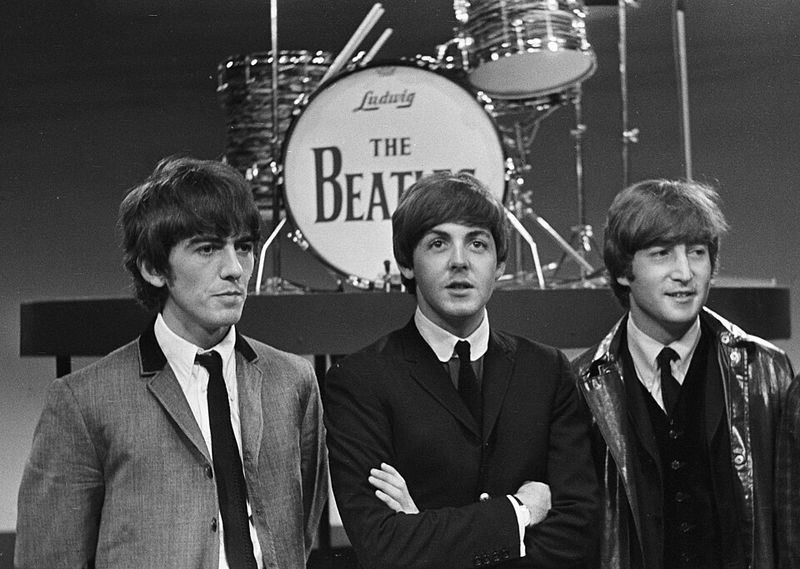
Picture a chart where the top five songs all belong to one band. On April 4, 1964, that actually happened.
The Beatles held positions one through five on the Billboard Hot 100. Can’t Buy Me Love sat at the very top, followed by Twist and Shout, She Loves You, I Want to Hold Your Hand, and Please Please Me.
No other act matched that feat for decades. Even today, it remains one of the most famous records in chart history.
Paul McCartney wrote most of the song while the band was in Paris. Its message is simple: money cannot purchase real affection.
Advance orders in the United States topped two million copies before release. That was a record at the time.
The song also showed up in the movie A Hard Day’s Night that summer. Fans watching the running scene often remember it as the film’s most joyful moment.
10. Where Did Our Love Go by The Supremes
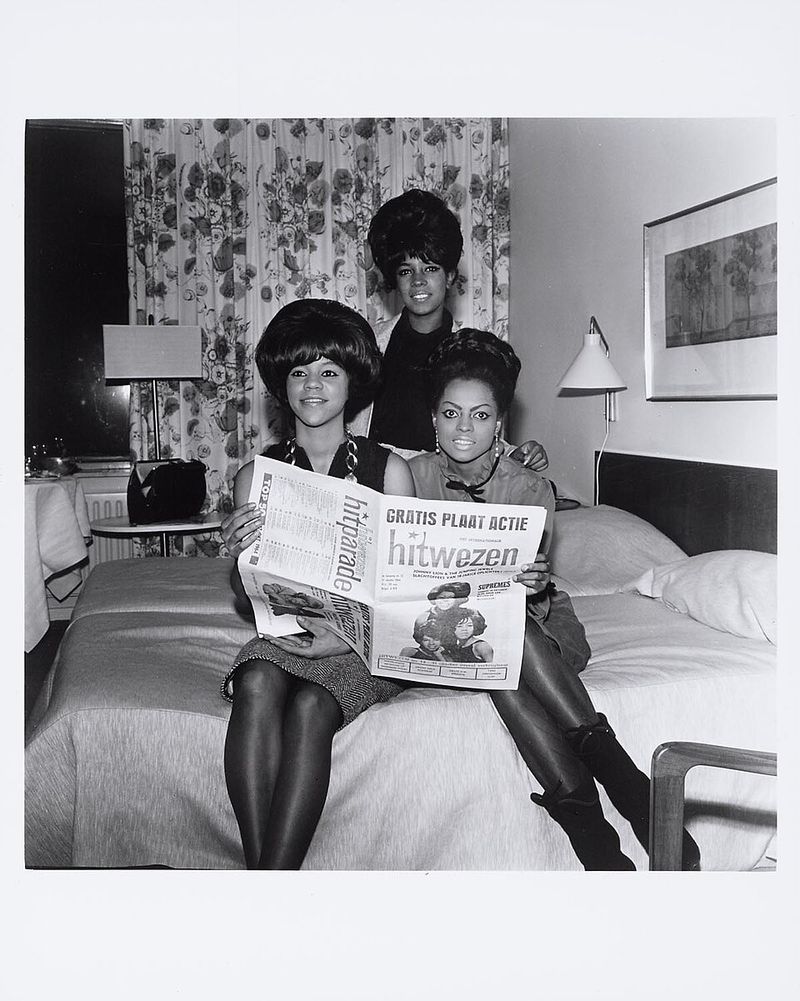
Before August 1964, the Supremes had a nickname around Motown. Some staff called them the no-hit Supremes, since their early singles kept missing the charts.
Where Did Our Love Go changed that for good. It reached No. 1 in August and held the spot for two weeks.
The songwriting team of Holland-Dozier-Holland wrote and produced it. They asked Diana Ross to sing in a lower, softer voice than usual, and the choice worked beautifully.
Listen closely and you will catch an unusual rhythm. The beat includes the sound of people stomping on boards in the studio.
This was the first of five straight No. 1 singles for the group. Only a handful of acts had ever done anything similar.
Fun fact: the song had been offered to the Marvelettes first. They turned it down, and the Supremes gladly took it.
11. The House of the Rising Sun by The Animals
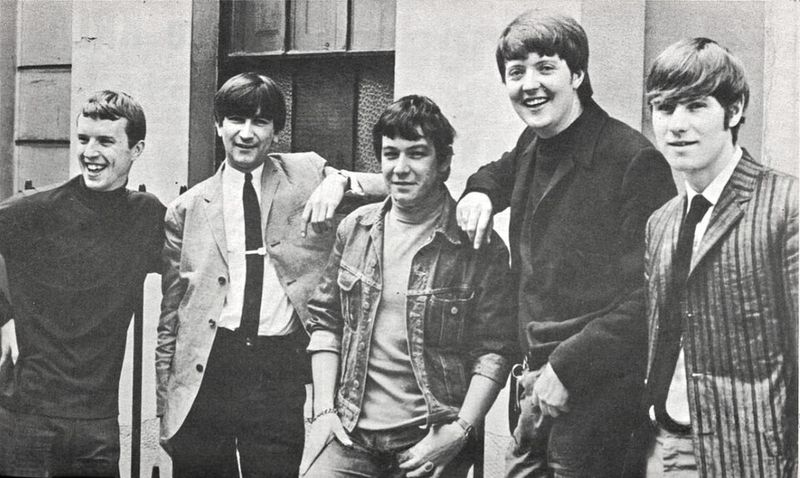
Recorded in about 15 minutes, this song cost almost nothing to make. It became one of the most famous rock records ever.
The Animals were from Newcastle, England. Their version of The House of the Rising Sun reached No. 1 in the United States in September 1964.
The song started as an American folk tune of unknown origin. Singers like Bob Dylan had recorded it, but usually with just an acoustic guitar.
The Animals added electric instruments and an organ part by Alan Price. Eric Burdon’s strong vocals completed the new sound.
At about four and a half minutes, it was long for a single. Many radio stations worried listeners would tune out, but the opposite happened.
Some critics call it the first folk-rock hit. Ask a beginning guitar student today, and there is a good chance they know that opening pattern.
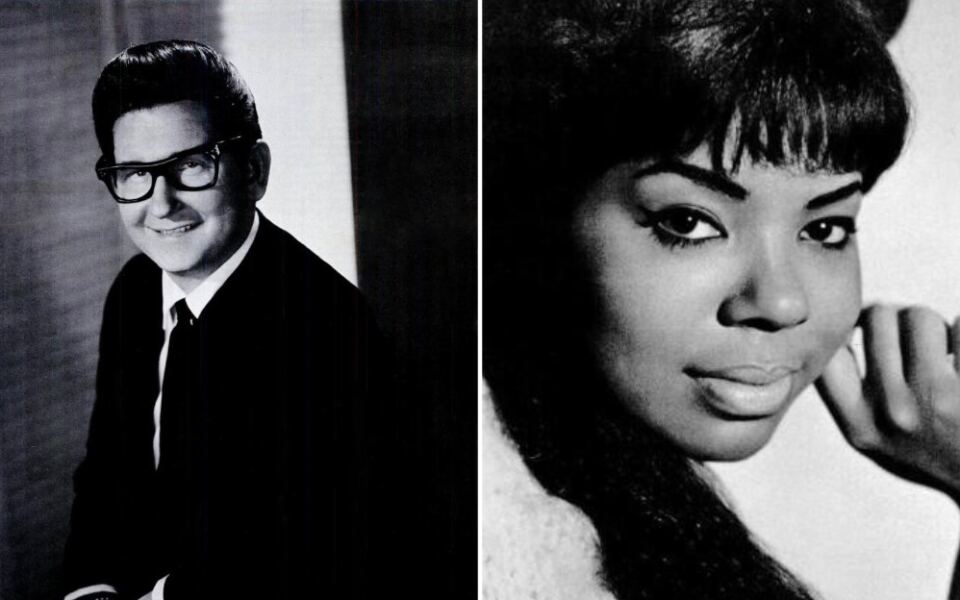
12. Oh, Pretty Woman by Roy Orbison
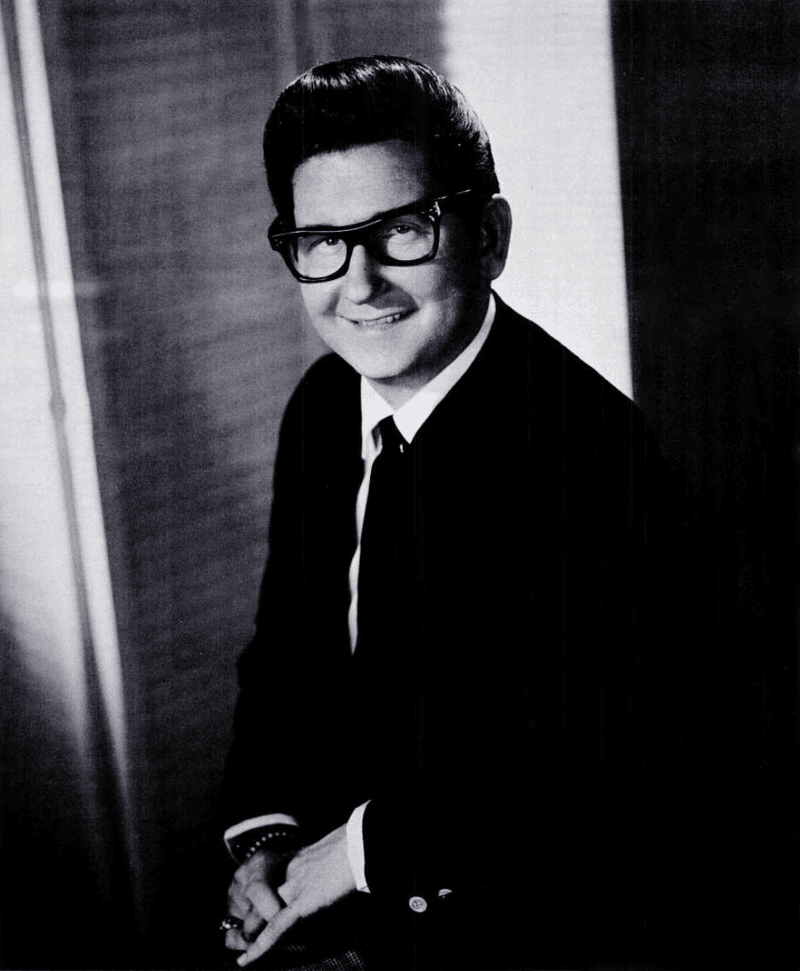
A trip to the bank inspired one of rock’s catchiest riffs. Roy Orbison’s wife, Claudette, said she was heading out, and Orbison asked if she needed cash.
Co-writer Bill Dees joked that a pretty woman never needs any money. Within hours, the two had written Oh, Pretty Woman.
The song hit No. 1 on September 26, 1964, and stayed for three weeks. It was a major success during the height of the British Invasion.
Session player Billy Sanford played that famous guitar line. Orbison’s playful growl in the middle became one of the song’s best-loved moments.
Orbison already had hits like Only the Lonely and Crying. This one outsold them all, reaching about seven million copies.
In 1990, the movie Pretty Woman borrowed its title. That brought the tune back to radio for an entirely new audience.
13. Baby Love by The Supremes
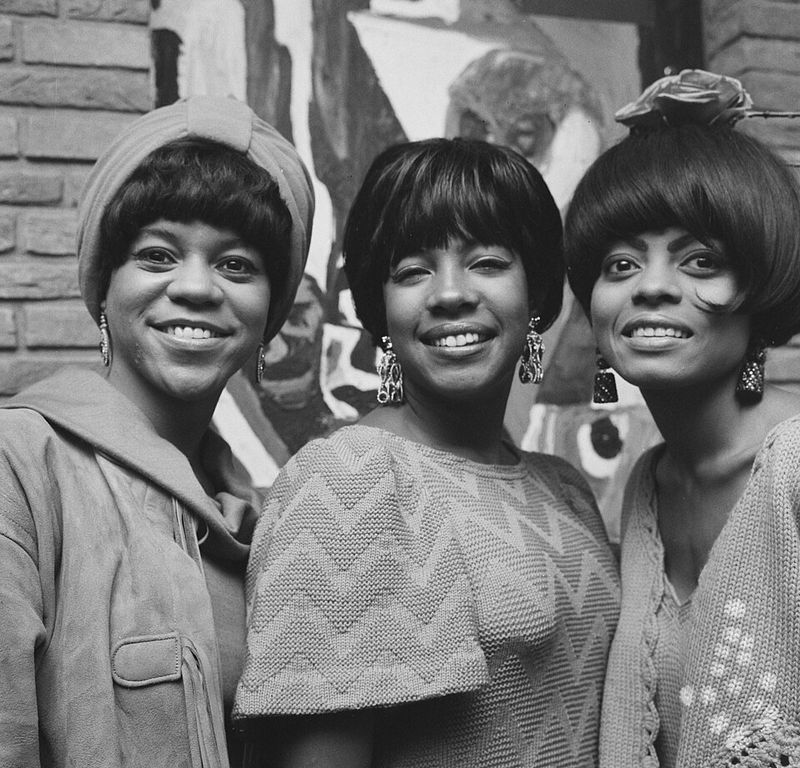
Lightning struck twice for the Supremes within three months. Baby Love reached No. 1 on October 31, 1964, and stayed there for four weeks.
Holland-Dozier-Holland built it from the same blueprint as Where Did Our Love Go. Familiar footstomps, sweet harmonies, and Diana Ross’s soft lead all returned.
The words are actually sad. Ross pleads with someone who has stopped caring, yet the music sounds upbeat.
That mix of happy sound and heartbroken lyrics became a Motown trademark. It made listeners want to dance even during a breakup song.
Baby Love also topped the British chart. That made the Supremes one of the first American groups to hit No. 1 in the UK during the British Invasion.
The song was nominated for a 1965 Grammy for Best Rhythm and Blues Recording. Its opening coos remain easy to imitate.
14. Leader of the Pack by The Shangri-Las
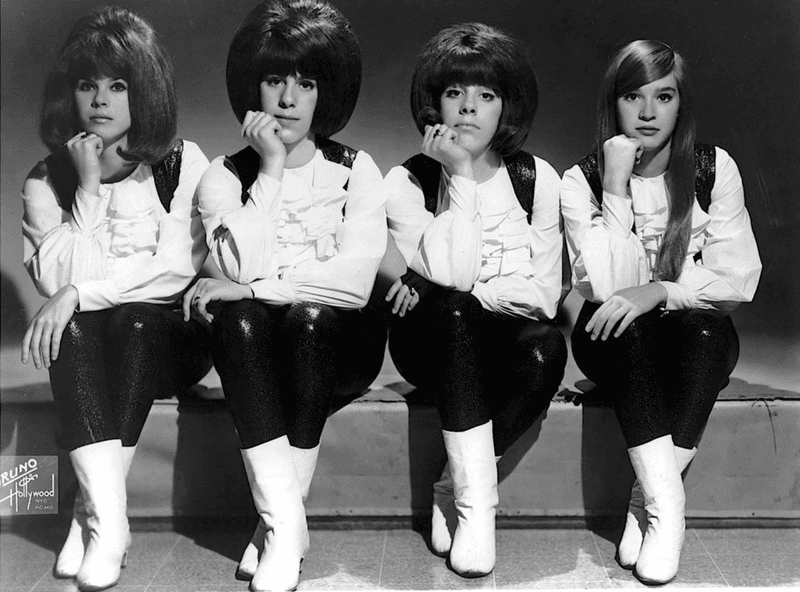
Here is a pop record with motorcycle engines revving in the background. Leader of the Pack sounded different from anything else on the radio in November 1964.
The Shangri-Las were teenagers from Queens, New York. Their single reached No. 1 that month and helped Red Bird Records score another big hit.
The song tells a story about a girl whose parents disapprove of her boyfriend. He rides a motorcycle and wears a leather jacket, which was a big deal for parents back then.
Spoken lines between the singers make it feel like a short radio drama. Sound effects add to the theater.
It belonged to a style later called teenage tragedy songs. These were sad story songs popular in the early 1960s.
Some radio stations in Britain refused to play it at first. Naturally, that only made teens more curious.
15. I Feel Fine by The Beatles
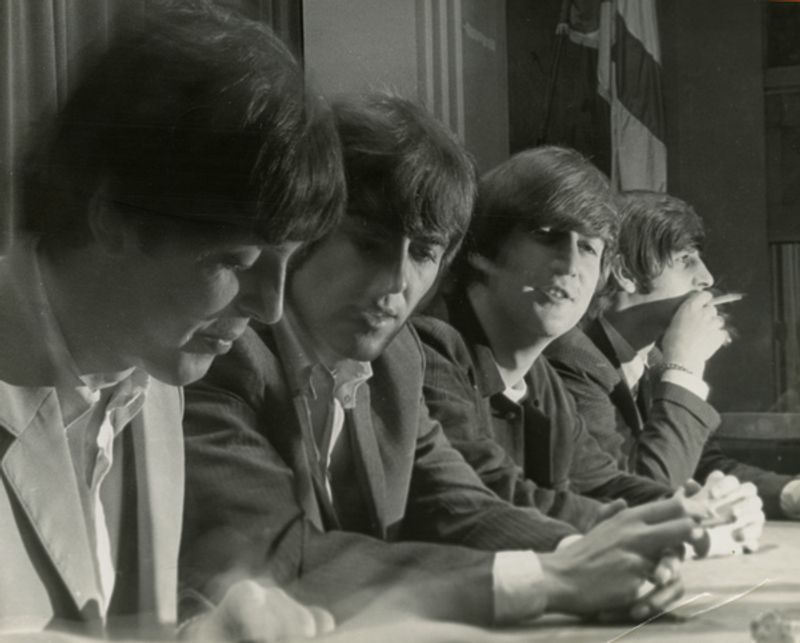
Mistakes can turn into history. In October 1964, John Lennon leaned his guitar against an amplifier, and a buzzing feedback tone came out.
Instead of tossing it, the band put the noise right at the start of I Feel Fine. Lennon later claimed it was the first deliberate use of feedback on a rock record.
The single reached No. 1 in late December 1964. It held on into January 1965, so the Beatles opened and closed the year at the top.
Lennon based the guitar riff partly on Watch Your Step, a 1961 song by Bobby Parker. Ringo Starr added a quick, bouncing drum beat.
By then, the band had six American No. 1 hits in one year. That remains an astonishing total.
Bigger studio experiments were coming soon. This record offered the first small taste of them.
Share this story