Some towns in Oregon start as quiet places where you can find a booth at the cafe and a parking spot on the main street any day of the week. Then word gets out, the visitors arrive, and the place slowly becomes something new.
The towns on this list still hold onto their roots, but each one was reshaped by the folks who came to see it. If you know when to go, you can still taste the old charm before the weekend rush rolls in.
1. Cannon Beach
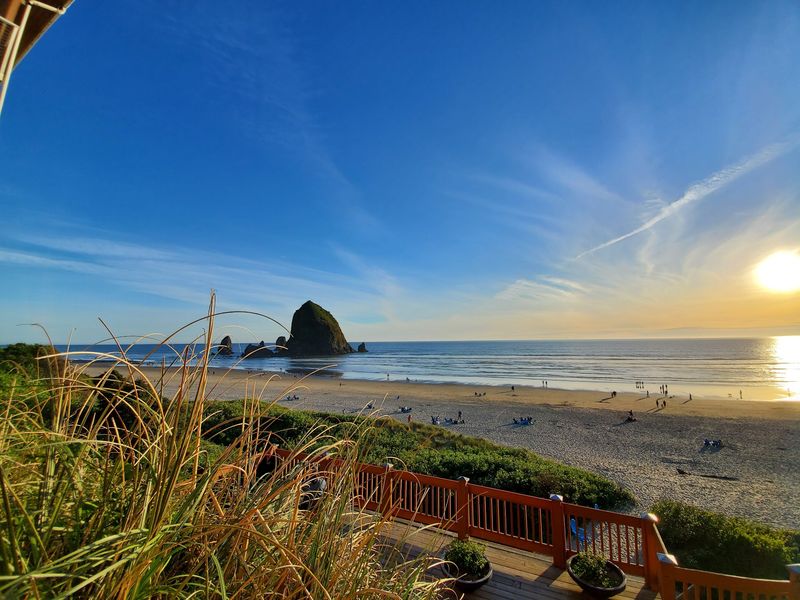
Picture a beach town of about 1,500 people that suddenly finds itself on postcards around the world. Haystack Rock did that to Cannon Beach, turning a sleepy coastal village into one of the most photographed spots on the Oregon coast.
The good news is that the town never lost its compact, walkable shape. Downtown is still a cozy grid of cedar-shingled shops, bakeries, and galleries you can cover on foot in an afternoon.
Sandy paths lead from the main street straight to the shoreline, so you are never far from the sound of waves.
Summer weekends get busy, no question. Locals know the secret, though: come in winter.
Storm-watching season brings dramatic surf, foggy mornings, and quiet sidewalks, and a warm chowder bowl tastes better when rain taps the window. Off-season Cannon Beach feels like the village it used to be, with the rock all to yourself.
2. Sisters
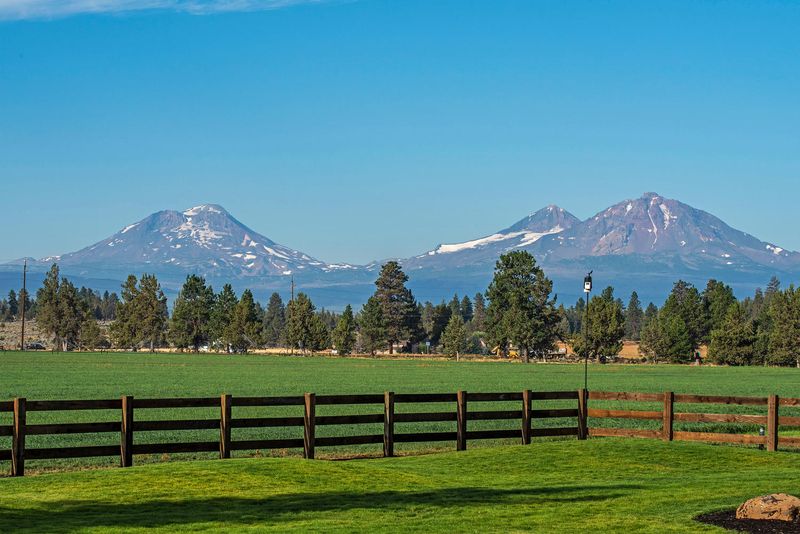
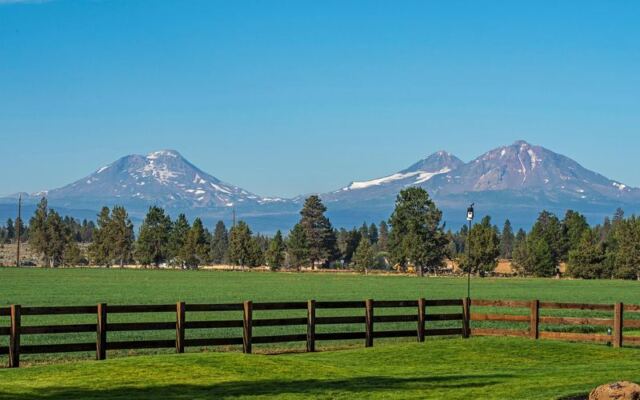
Cowboy boots and quilts might seem like an odd pair, yet in Sisters they fit together perfectly. Tucked into rural Deschutes County with roughly 3,000 residents, this town leaned into an 1880s Western look along Cascade Avenue, and travelers fell hard for it.
False-front buildings line the main drag, housing bakeries, outfitters, and craft shops. Behind them, the snowcapped Three Sisters peaks stand guard like a painted backdrop.
The air smells of ponderosa pine, especially on warm summer mornings.
Once a quiet ranching stop, Sisters became a gateway for hikers, campers, and road-trippers heading over the Cascades. That steady flow brought fresh energy without erasing the frontier feel.
Want the calm version? Visit in early fall, when the light turns golden, the crowds thin, and a cinnamon roll on a bench feels like a small reward for knowing better.
3. Jacksonville
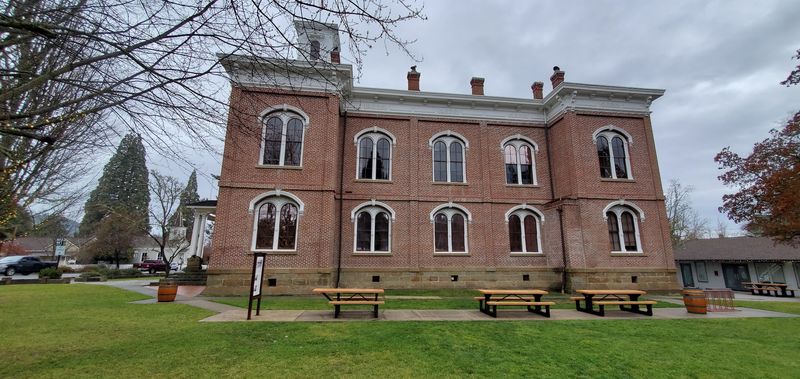
Gold built Jacksonville in the 1850s, and history keeps it shining today. Miners once rushed into this Rogue Valley town looking for fortune.
Now visitors rush in looking for the past.
The entire commercial district is preserved, with brick storefronts, wooden balconies, and old-time signs that make you feel like you stepped into a movie set. About 3,000 people live here, and many of them help keep those century-old buildings standing proud.
Fun fact: the town avoided much modern development partly because the railroad passed it by, which accidentally saved its historic look. That lucky break turned into its greatest draw.
Stroll the sidewalks in autumn, when the valley glows orange and the hillsides feel cozy. Grab a pastry, peek into antique shops, and let the slower pace of southern Oregon settle in.
4. Joseph
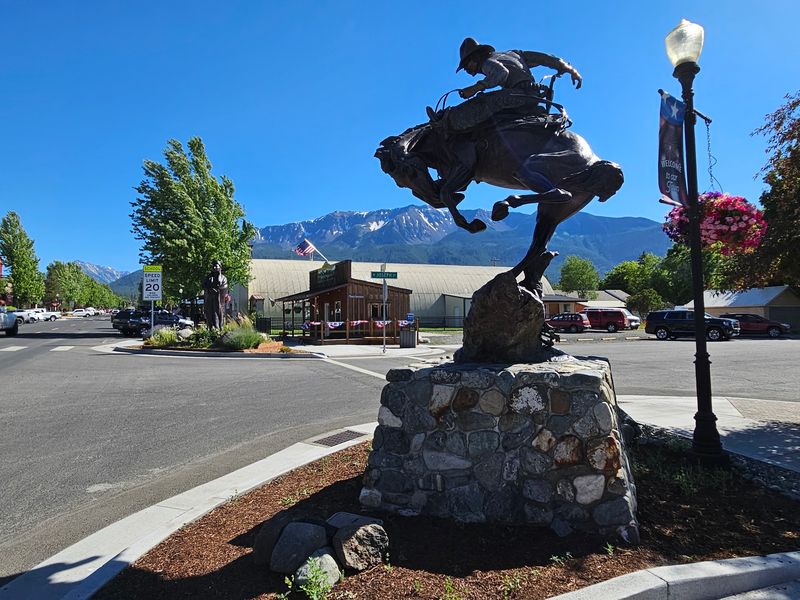
Bronze statues on a cattle-country sidewalk? Welcome to Joseph, a town of roughly 1,100 people sitting at the foot of the Wallowa Mountains in far northeast Oregon.
For years, Joseph was a remote ranching outpost. Then artists arrived, and bronze casting became part of local life.
Today, sculptures dot the compact main street, and galleries share space with outdoor gear shops and family diners. The mountains loom so close they almost seem to lean over town.
Getting here takes effort, and that keeps the mood relaxed. Nearby Wallowa Lake draws summer families, yet the streets rarely feel packed.
Spring brings wildflowers to the valley, while fall paints the slopes in gold. Honestly, it is one of those places where a long drive pays off with fresh mountain air and a downtown you can wander without bumping elbows.
5. Hood River
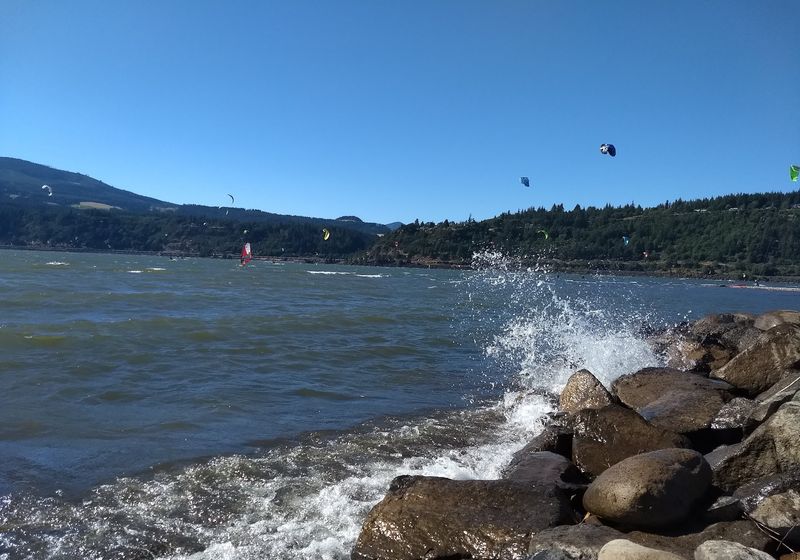
Wind changed everything for Hood River. Strong breezes funneling through the Columbia River Gorge turned this fruit-growing town into a playground for windsurfers and kiteboarders.
With around 8,300 residents, it is the largest town on this list, but it still feels small. The historic downtown climbs a steep hillside, with brick buildings stacked along streets that look out over the river.
On breezy days, bright sails dot the water like confetti.
Orchards still surround the area, and the Fruit Loop drive is a local favorite. Spring brings pear and apple blossoms, while fall means fresh cider-pressed apple treats and roadside fruit stands piled high with crisp harvest goodies.
Many longtime residents remember when the town was mostly packing houses. Now it blends farm roots with adventure energy, and weekday visits keep that combination easy to enjoy.
6. Yachats
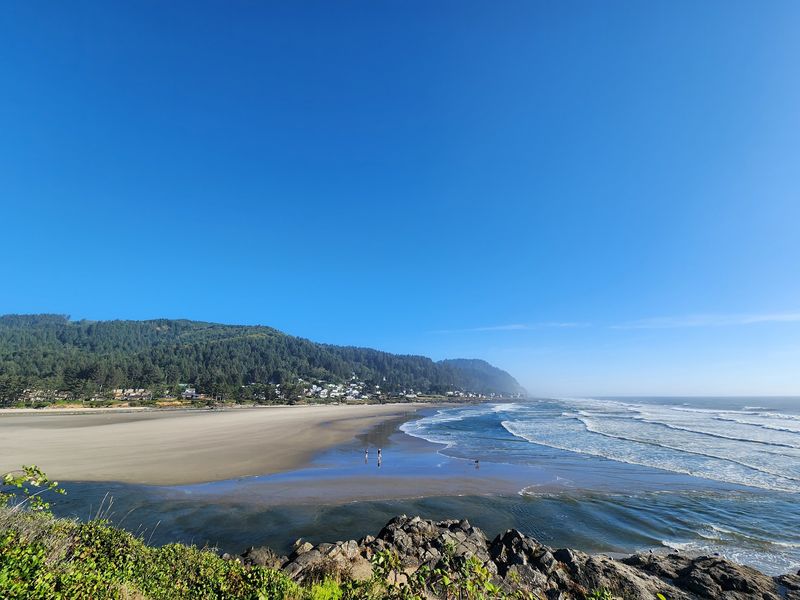
Say it right first: YAH-hots. Locals will appreciate the effort, and in a town of fewer than 1,050 people, word travels fast.
Yachats sits along Highway 101 where forested hills meet black volcanic rock. Waves slam into the shore here with real drama, shooting spray high into the air.
Spouting horns and tide pools make the coastline feel wild and a little secret.
Travelers who once zipped past on the highway started pulling over, and some never left. Small cafes, artsy shops, and cozy inns grew up to welcome them, yet the village still feels hushed.
Winter is prime time for watching storms roll in from the Pacific. Pack a rain jacket, find a spot on the rocks, and enjoy a coastline that seems to belong only to those who know how to say its name.
7. Silverton
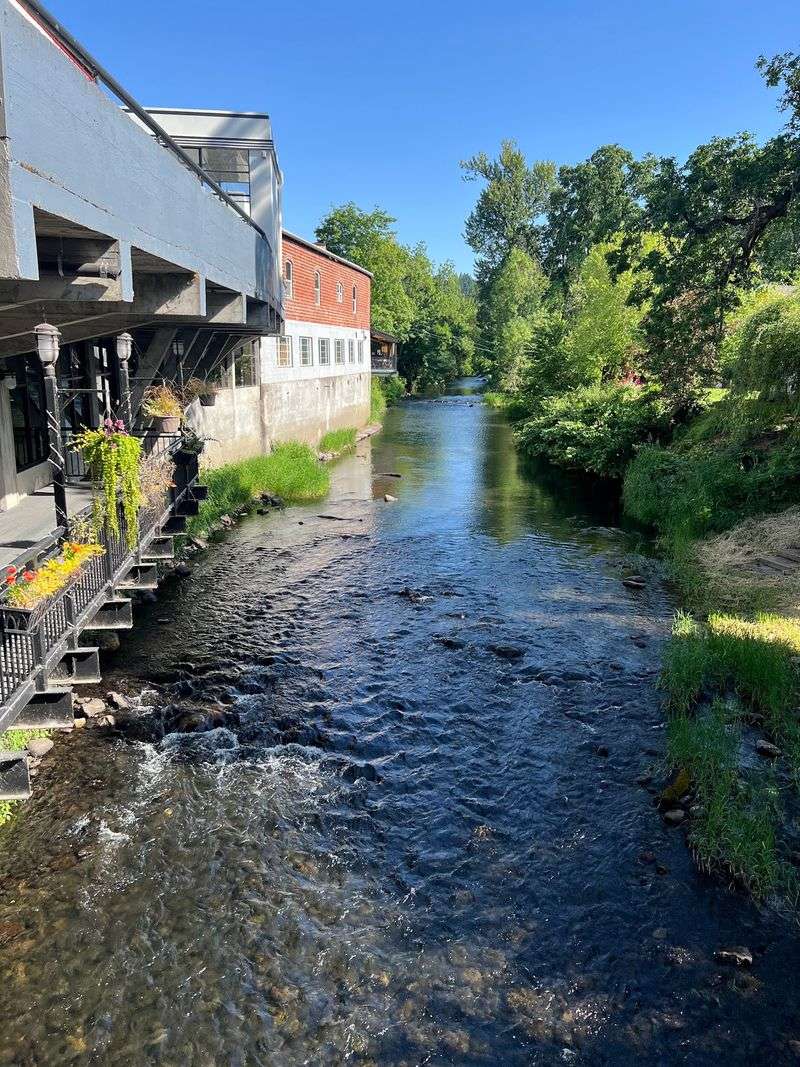
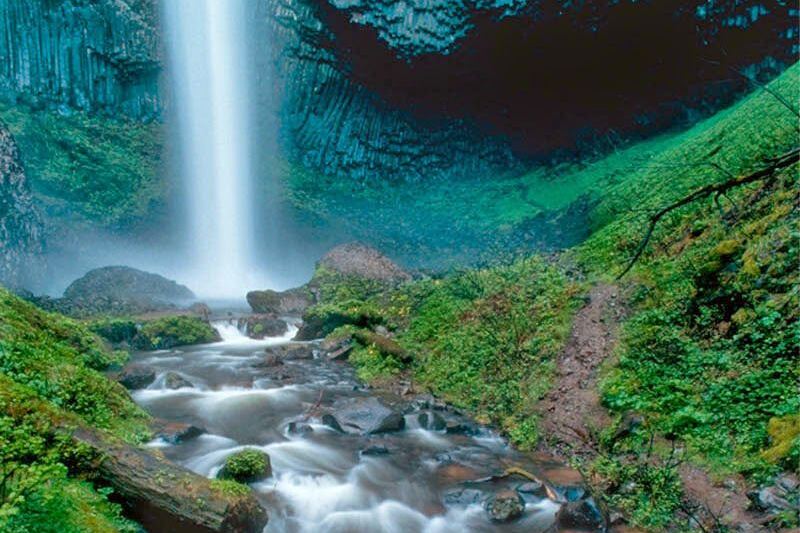
Waterfalls put Silverton on many travel maps. Silver Falls State Park, just a short drive away, brought hikers by the thousands, and plenty of them wandered into town afterward hungry and curious.
What they found was a riverfront main street with roughly 10,000 neighbors and deep farm roots. Brick buildings and colorful murals line the streets near Silver Creek.
Surrounding fields grow crops across the rich Willamette Valley soil.
Fun history bit: Silverton is famous for Bobbie the Wonder Dog, a pup who traveled thousands of miles to find his way home in the 1920s. A mural honors him downtown.
Visiting in spring means blooming gardens and roaring falls swollen with snowmelt. Pair a morning hike with a slow lunch in town, and you will see why this place feels both welcoming and refreshingly unhurried.
8. Carlton
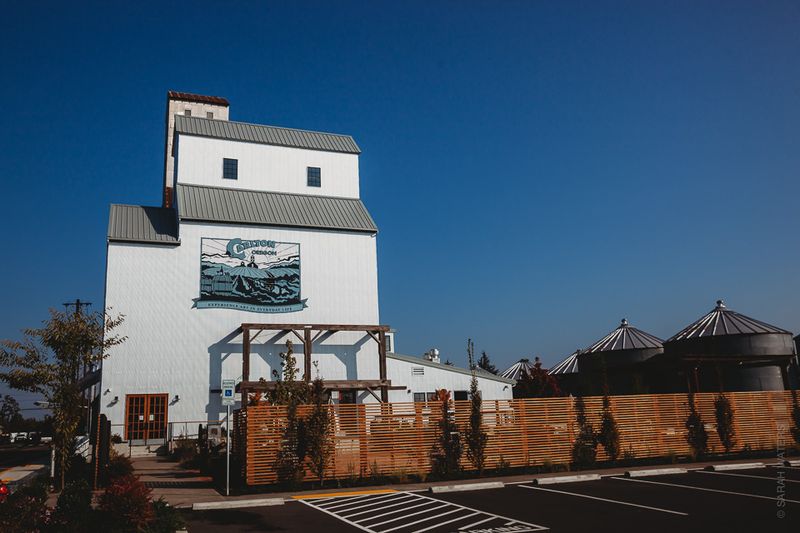
Two blocks. That is about all it takes to see Main Street in Carlton, and that is exactly the charm.
Around 2,200 people call this Yamhill County town home. Its farming roots run deep, and the old storefronts along Main Street once held feed stores and hardware shops.
Now many of them have been converted into tasting rooms for local farm goods, bakeries, and small eateries that draw day-trippers from Portland.
The change came gradually as visitors started exploring the rolling hills and farms around town. Instead of tearing down the old buildings, Carlton gave them fresh purpose.
Rural roads curve past orchards and fields in every direction. Fall harvest season is especially lovely, with crisp air and golden light.
Come midweek, and you might have the sidewalk mostly to yourself, enjoying a fresh-baked treat in peace.
9. Depoe Bay
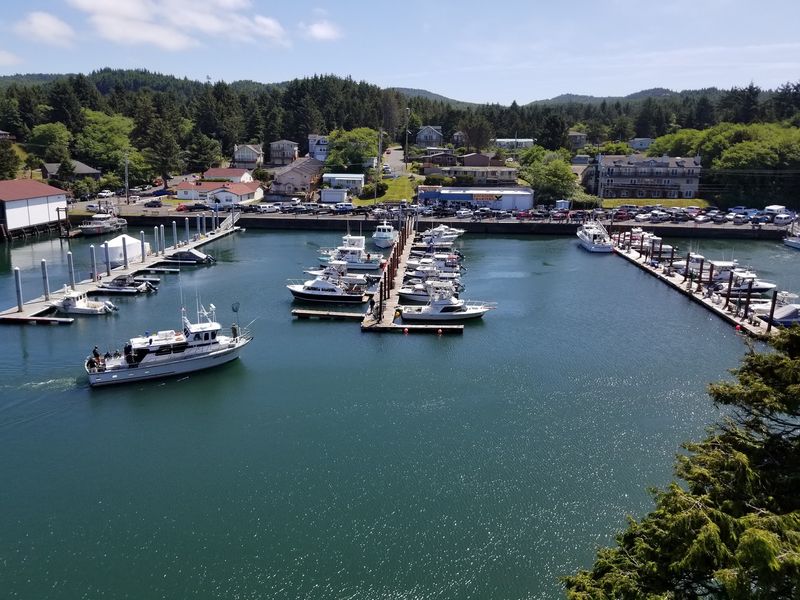
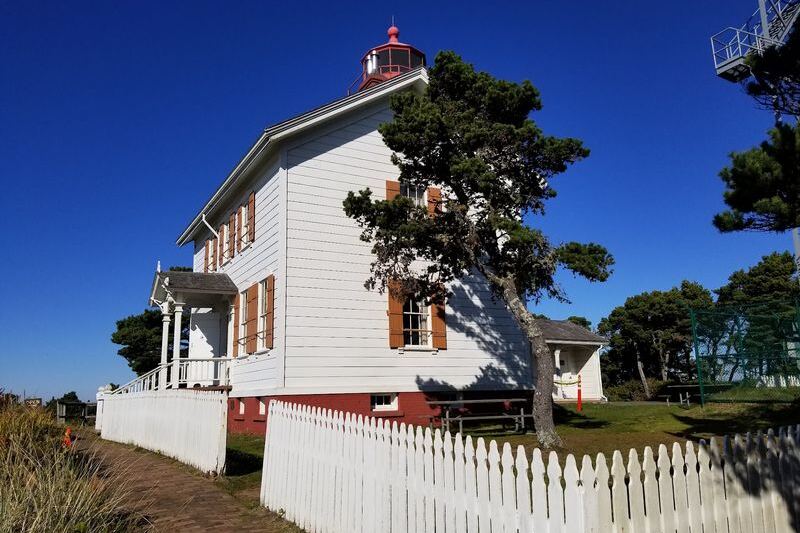
Bragging rights come easy here. Depoe Bay claims one of the smallest navigable harbors in the world, a tiny rock-walled channel where boats squeeze through to reach the open Pacific.
With about 1,500 residents, the town wraps around that harbor and a short oceanfront promenade. A seawall runs along Highway 101, giving everyone front-row seats to crashing surf and, often, spouting whales.
Gray whales hang around these waters for much of the year.
Once a fishing village, Depoe Bay found new life as whale watchers poured in. Charter boats, saltwater taffy shops, and seafood counters followed.
Even so, the town remains small enough to walk end to end in minutes. Visit during winter or spring whale migration, when spouts dot the horizon.
Bring binoculars, warm layers, and patience, because the ocean rewards those who linger.
10. Brownsville
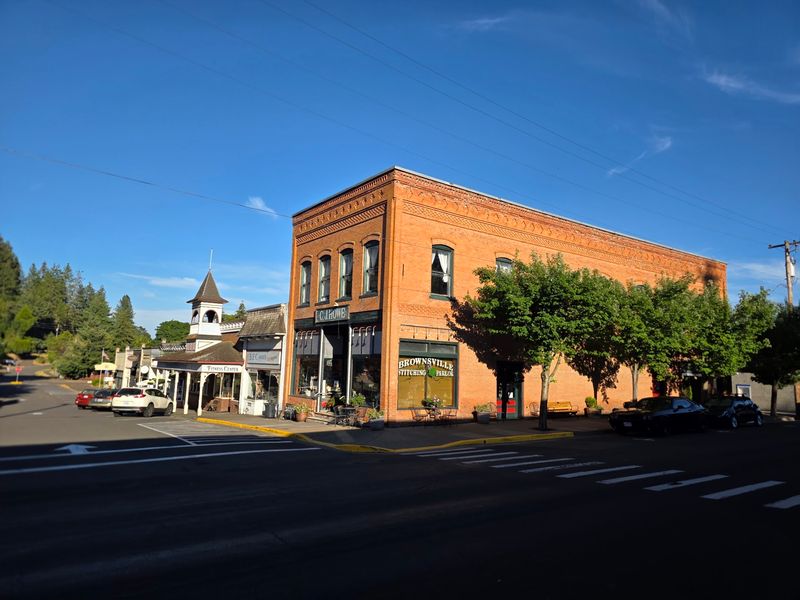
Movie fans might recognize this place before they even park. Brownsville served as a filming location for the classic film Stand By Me, and curious visitors have been tracking down its streets ever since.
Beyond the screen fame, Brownsville is a genuine Linn County farm town of about 1,800 people. Its brick main street dates back to the 1800s and looks remarkably intact.
Fields and barns spread out in every direction, giving the area a calm, open feel.
Unlike busier stops on this list, Brownsville changed gently. A few new shops and visitors brought fresh life, but the town still moves at a country pace.
It makes a perfect detour on a spring road trip through the Willamette Valley. Walk the old blocks, snap a few photos, and enjoy a slice of Oregon that still feels wonderfully overlooked.
Share this story