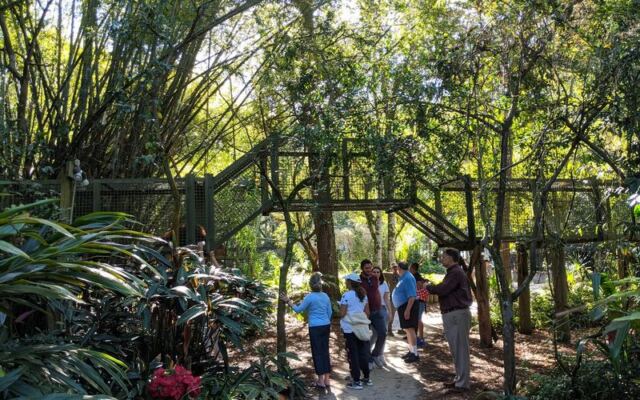
Bubbles, the chimpanzee once famous for living with Michael Jackson, now spends his days on a quiet piece of Florida farmland. He isn’t alone out there.
Orangutans and chimpanzees share the property with him, each one carrying a story from a very different past life.
Some of these apes once worked in movies. Others lived as pets, zoo residents, or research animals before finding a calmer home here.
I love that their second act happens among tropical greenery instead of under spotlights.
The catch is that you can’t just pull into the driveway and buy a ticket. Visits happen by membership, special events, and a few carefully planned tours.
That exclusivity makes the place feel even more intriguing to me.
So how do you get a glimpse of these famous apes, and what makes their new world so special?
A Retirement Home Built Just for Great Apes

Hollywood stars usually retire to beach houses, but some of the hairiest ones landed in rural Florida instead. The Center for Great Apes is a sanctuary for orangutans and chimpanzees who need lifetime care.
It operates as a nonprofit charity, not a zoo or theme park. That difference shapes everything about how the place runs and who gets to see it.
The residents arrived from all kinds of situations. Some were former zoo animals, while others lived as pets, worked as entertainers, or came from research settings.
Many needed a fresh start after hard early lives. Here, the goal is simple and big at the same time: comfort, space, and dignity for every single ape.
The sanctuary focuses on two species only. Chimpanzees and orangutans each get habitats, care routines, and enrichment suited to their very different personalities and needs.
I like that the mission stays so tightly focused. Instead of trying to be everything, the Center for Great Apes commits fully to giving these primates a peaceful, permanent home where their well-being comes before any audience.
Bubbles Has Traded Fame for Fresh Air
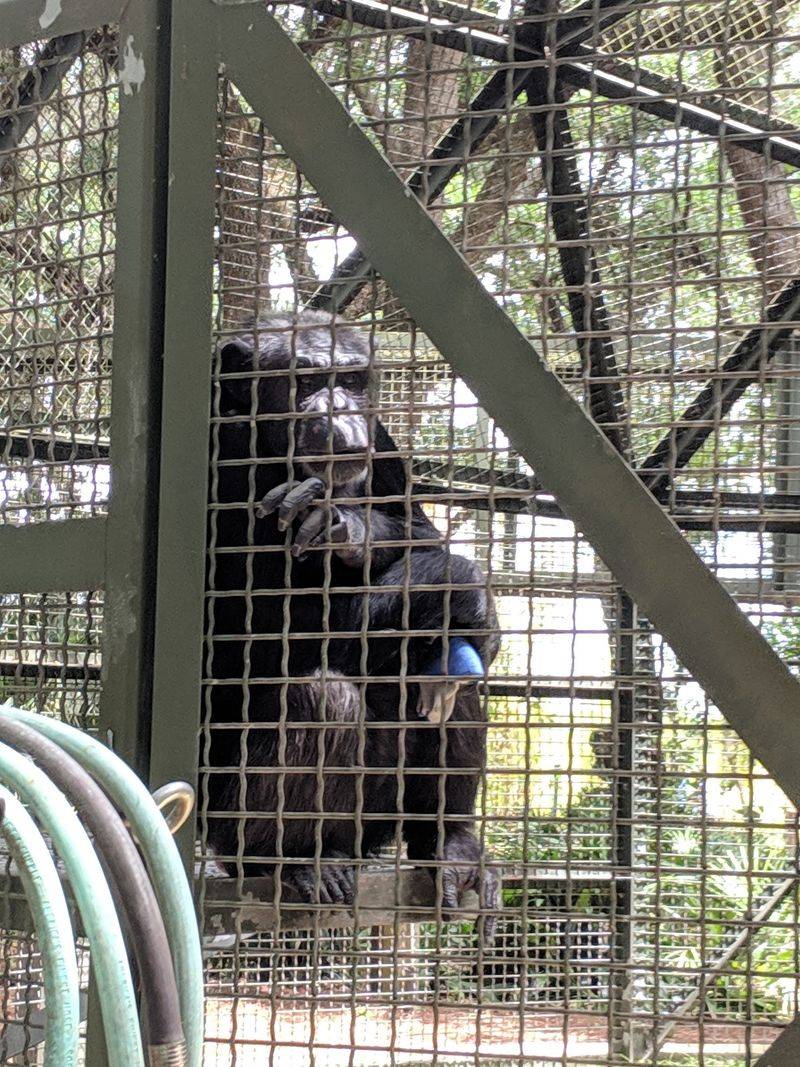
Yes, that Bubbles. The chimpanzee once known worldwide as Michael Jackson’s companion now lives at this Florida sanctuary.
His name pops up often when people talk about the place. It’s easy to see why, since few animals have a pop-culture resume quite like his.
Fame, however, isn’t the point of his life here anymore. He’s simply one resident among many, living alongside other apes with entertainment backgrounds.
That detail tells you a lot about the sanctuary’s priorities. A celebrity chimp gets the same thoughtful care as everyone else on the grounds.
Bubbles also helps spark curiosity about a bigger issue. Many great apes once performed in movies, ads, and shows, and later needed somewhere suitable to go.
Hearing his story often leads people to learn about the others. Each ape here has a background worth knowing, even without a famous former roommate.
So could you spot him on a visit? Possibly, if you’re there during a member event or tour.
Just remember he’s off the clock for good. Think of it as meeting a retired legend who finally gets to enjoy some quiet time.
Over 100 Acres of Tropical-Feeling Seclusion
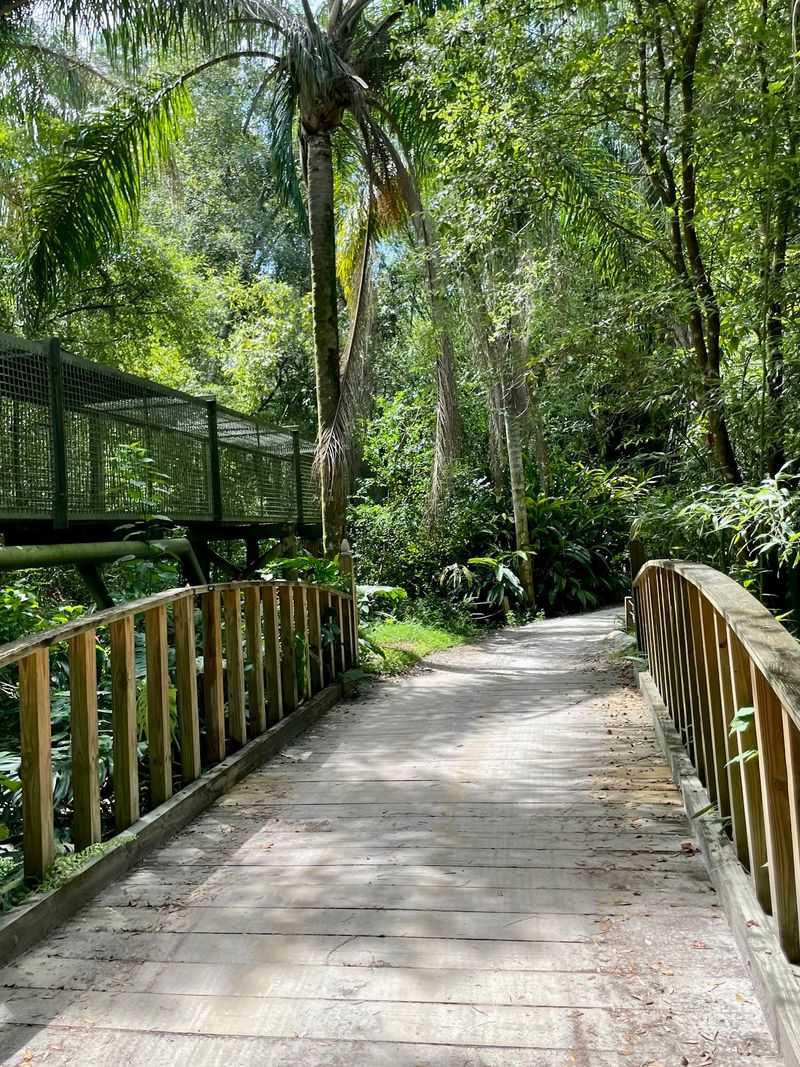
Space matters when your residents can climb, swing, and wander. The sanctuary sits on more than 100 acres, giving the apes plenty of room to roam.
The setting feels remarkably lush for central Florida. Thick greenery wraps around the habitats, creating a sense of seclusion that suits a calm retirement.
You’ll find the Center for Great Apes at 5843 Van Simmons Rd, Wauchula, FL 33873. That puts it in Hardee County, well away from the crowds of Florida’s busier tourist corridors.
The quiet location works in the apes’ favor. Fewer distractions mean a more relaxed environment for animals who once lived in noisy, stressful places.
Habitats here are designed to be beautiful as well as practical. They give the residents shade, climbing options, and natural surroundings rather than bare concrete.
Honestly, it sounds like the kind of place many humans would enjoy for a long weekend. The difference is that the apes get to stay forever, and they earned every leafy corner of it.
Tunnels That Let Apes Travel Like Explorers
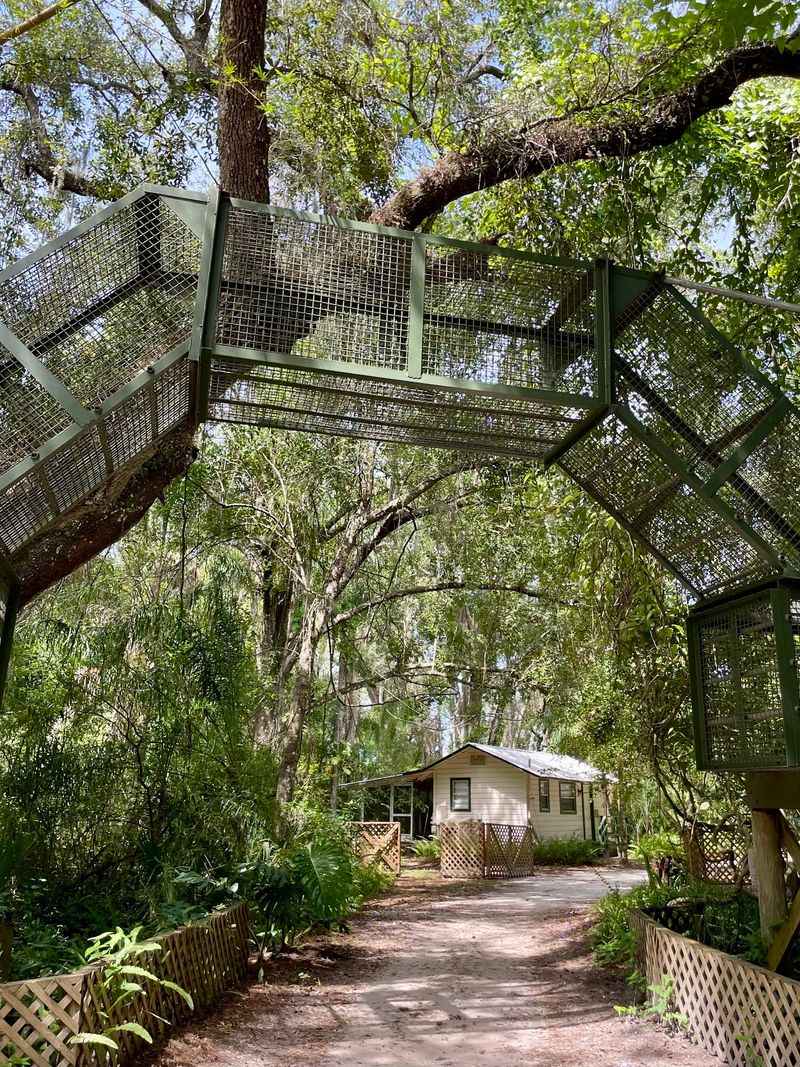
Most backyards have a fence or two. This one has an intricate tunnel system that lets chimpanzees and orangutans move around and explore more of their world.
Those passageways change the daily experience for the apes. Instead of staying in a single space, they can travel, investigate, and choose where to spend time.
Choice is a big deal for intelligent animals. Great apes are curious, and boredom can wear on them just as it wears on people.
The tunnels add variety without any human hand guiding every step. An ape can simply decide it’s time for a change of scenery and head off.
For anyone lucky enough to visit, these routes add some real excitement. Watching a primate cruise through a connecting tunnel nearby is the kind of moment that sticks.
It also shows thoughtful design at work. The Center for Great Apes clearly builds around how apes actually like to live, not around what looks best on a postcard.
Care Routines That Put Comfort First
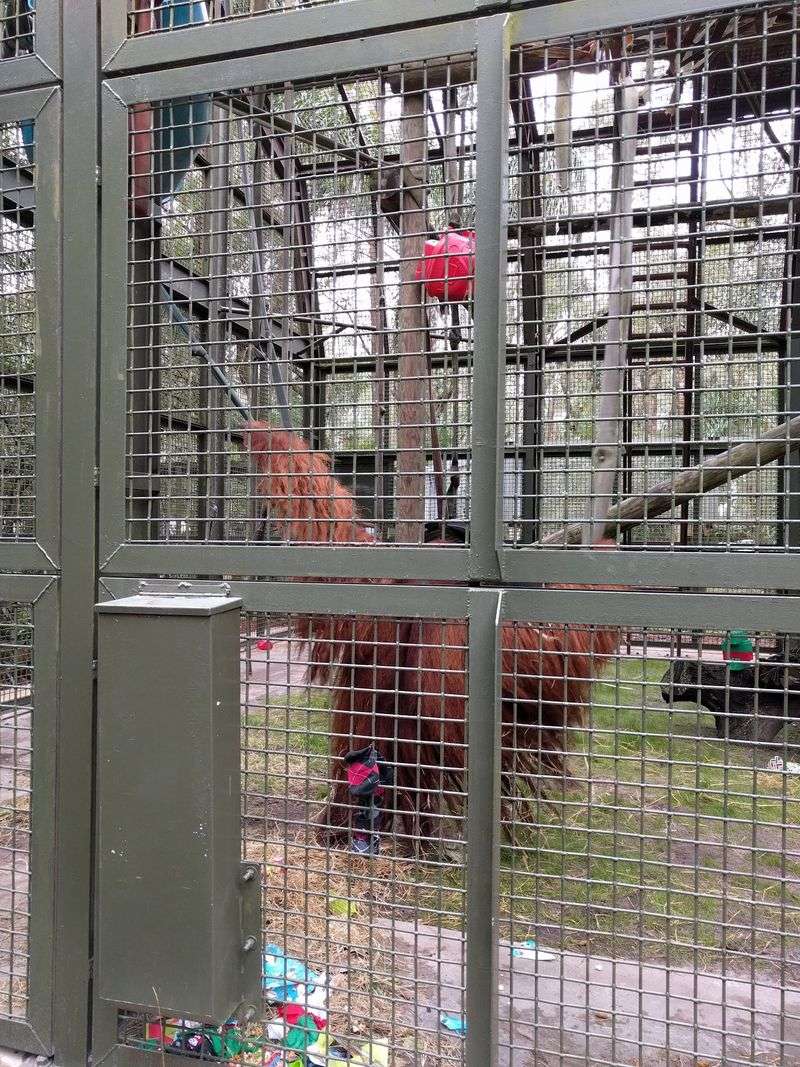
Behind every happy ape is a team that takes the job seriously. Caregivers here focus on comfort, health, and enrichment for each resident.
Enrichment means keeping minds busy and bodies active. Activities, toys, and puzzles help apes use the problem-solving skills they’re famous for.
Every ape is treated as an individual. Each one has a unique personality, history, and set of needs, and the care reflects that.
That approach takes time and patience. It also explains why staff members often know the residents as well as people know close friends.
The sanctuary also earns admiration from people who work with animals professionally. Its husbandry standards are often described as a model for primate sanctuaries.
Staff and volunteers are known for being friendly and eager to answer questions. They clearly enjoy sharing what they know about each ape.
Good care isn’t flashy, and that’s kind of the beauty of it. Clean habitats, steady routines, and fresh food add up to something meaningful for animals who once had very little control over their lives.
Why the Front Gate Usually Stays Closed
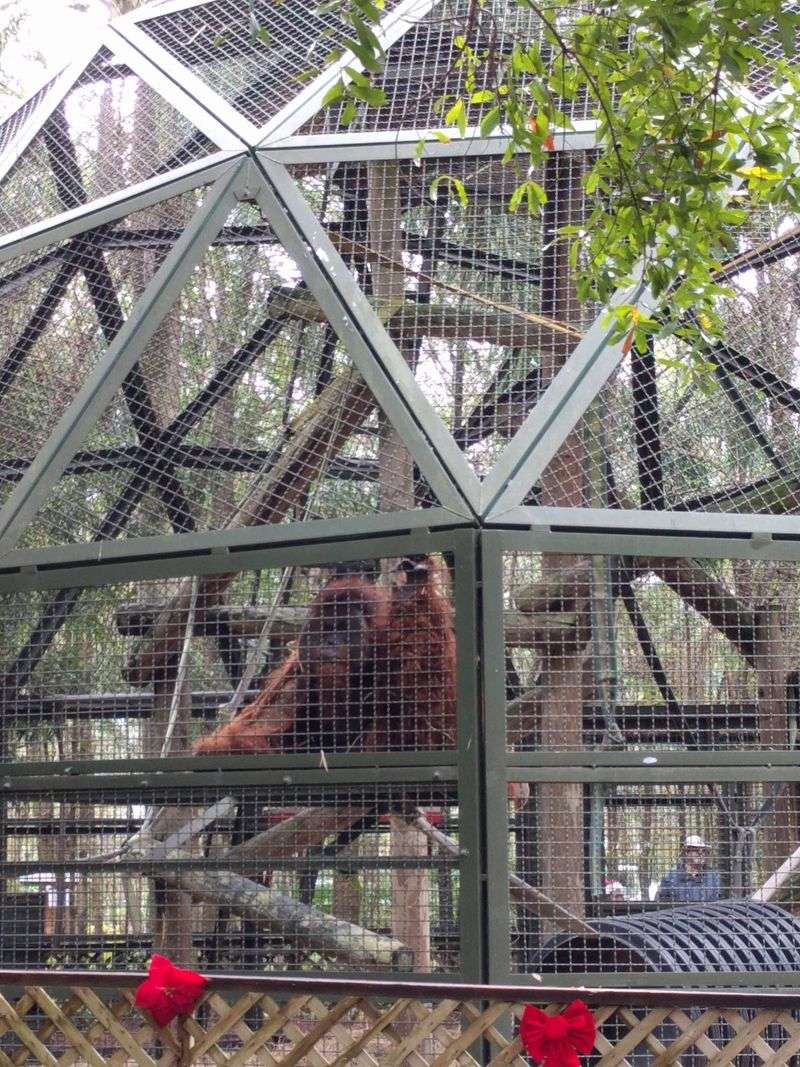
Here’s a fact worth knowing before you plug the address into your GPS. The Center for Great Apes is not open to the general public.
Showing up unannounced won’t get you inside. Some travelers have made long drives only to learn that visits require advance arrangements.
The reasoning is rooted in respect. Many of these apes spent years performing or living under constant human attention.
Retirement here means a break from being watched. Limiting visitors helps keep their environment calm and predictable.
It’s a smart choice, even if it tests your patience a little. A sanctuary exists for its residents first, and this one stays true to that idea.
So think of a visit as an invitation rather than an outing. Planning ahead turns a possible disappointment into something genuinely special.
The good news is that there are real ways in. Membership, special events, and certain group arrangements all open the door, and the next sections cover them.
Membership Is Your Ticket Through the Trees
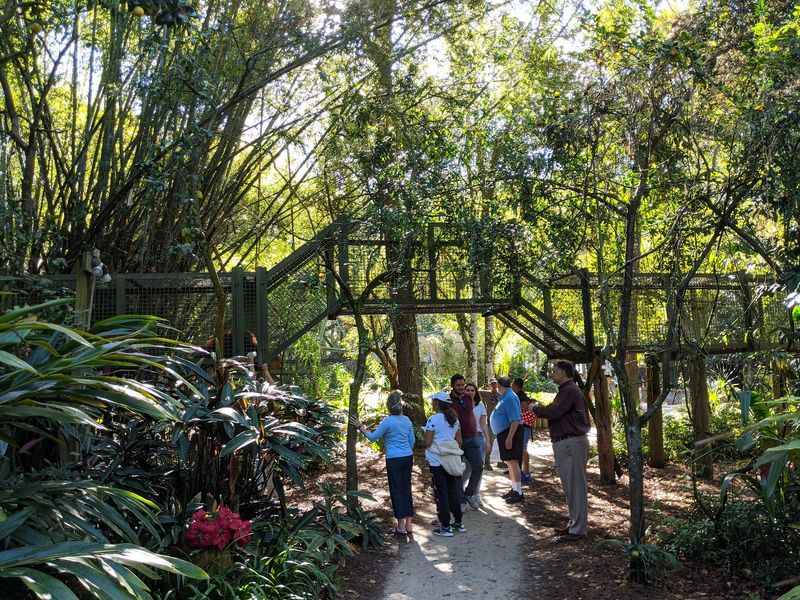
Supporters who become members gain special opportunities to visit. It’s the main path for anyone hoping to see the apes in person.
Higher membership levels unlock private guided tours. Guides share background on the sanctuary, its care practices, and the stories of individual residents.
Those tours tend to be well organized and packed with information. Guides are known for their warmth and genuine passion for the work.
Weather can shake things up in Florida, of course. Rain has cut tours short before, and the staff has rescheduled guests for another day.
Membership pulls double duty in a nice way. Your support helps fund ape care while giving you a closer look at where the money goes.
I appreciate that setup. It turns visiting into a partnership rather than a simple transaction at a ticket window.
Exact pricing and levels can change, so check directly with the sanctuary before planning. Reaching out ahead of time also helps you learn which tour options fit your schedule best.
Open Houses and Birthday Parties With Fruit Cake
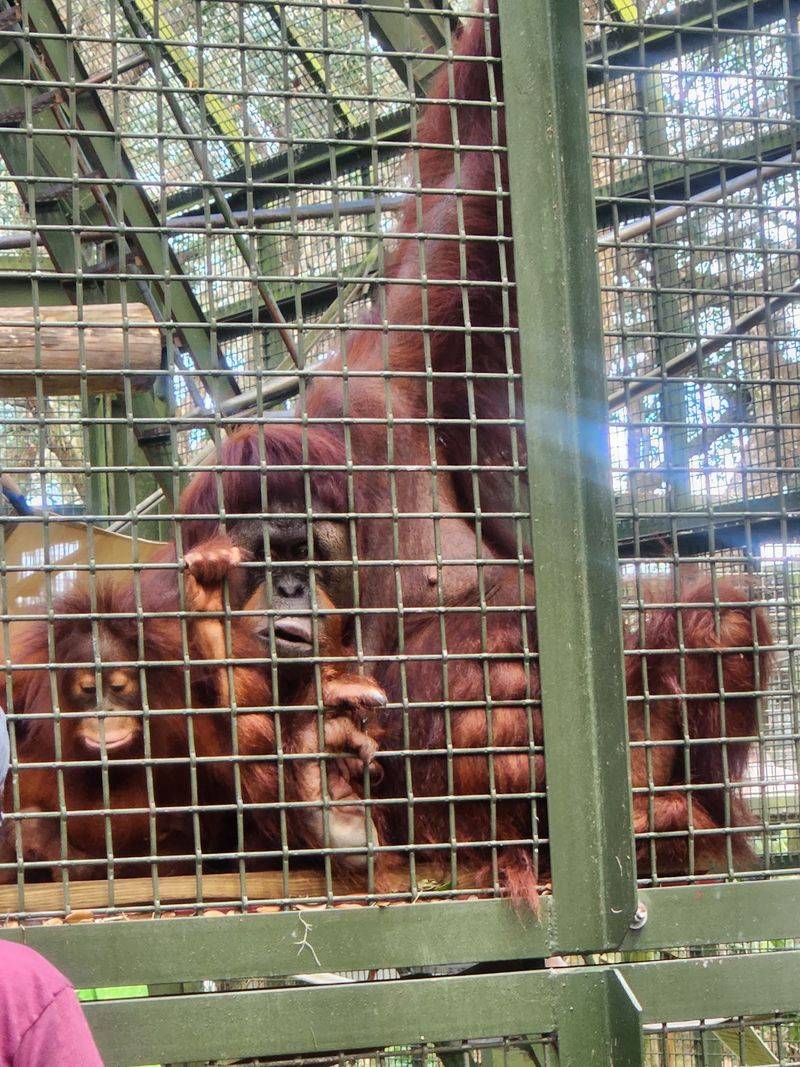
Few parties feature a cake made entirely of fresh fruit, served to orangutans. The sanctuary once celebrated a birthday for baby Cahaya exactly that way.
The little orangutan played with her parents and her auntie during the event. Caregivers also gave a presentation about her birth and development.
Humans got their own cake, so nobody felt left out. It’s hard to think of a sweeter way to spend an afternoon.
Beyond birthdays, the sanctuary holds open houses for members twice a year. These events offer a wider window for supporters to see the grounds and residents.
Holiday events have also welcomed visitors in the past. Since outside access is limited, these gatherings feel especially rare and exciting.
Timing matters if you want to catch one. Event dates aren’t fixed forever, so keep an eye on the sanctuary’s own announcements.
Planning around an open house could be the perfect first visit. You’d see the place at its most welcoming, with staff ready to share stories.
Ways to Help That Don’t Require a Visit
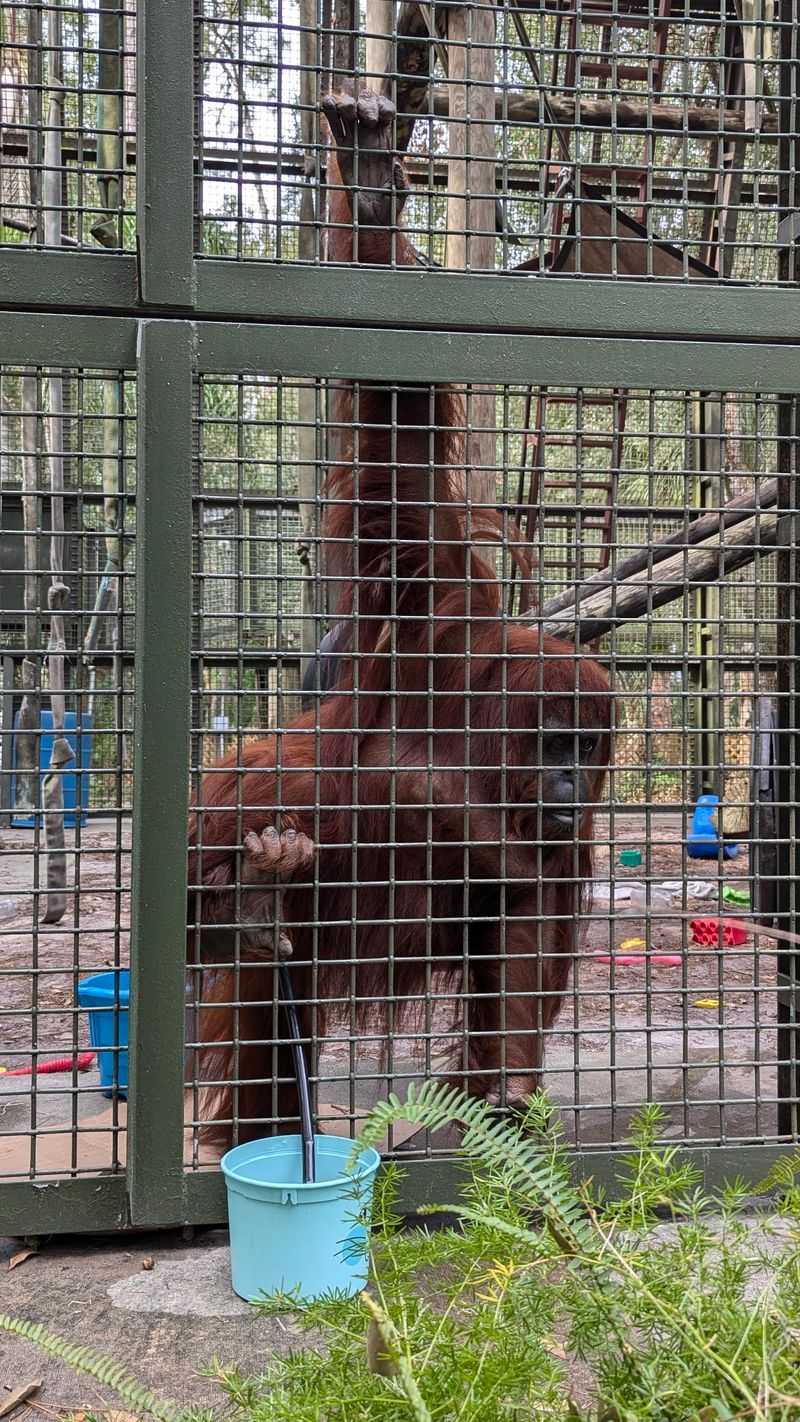
Can’t make the drive to Hardee County anytime soon? You can still play a part in these apes’ lives from home.
Sponsoring an individual ape is one popular option. Some sponsors receive photos and updates about their chosen chimpanzee or orangutan.
That personal connection makes support feel real. Following one ape’s progress turns a donation into an ongoing friendship of sorts.
Donations matter a great deal here. The sanctuary relies heavily on gifts and volunteers to rescue new apes and expand its habitats.
Volunteers keep a huge share of the daily work moving. Their dedication shows up in everything from habitat upkeep to the steady care each resident receives.
Groups can get involved too. The sanctuary accepts volunteer groups, and school field trips have brought students for a lesson in ape conservation.
I love that the help comes in so many sizes. A small gift, a group workday, or a long-term sponsorship all push the same mission forward for these remarkable animals.
Worth the Planning for Anyone Who Loves Apes
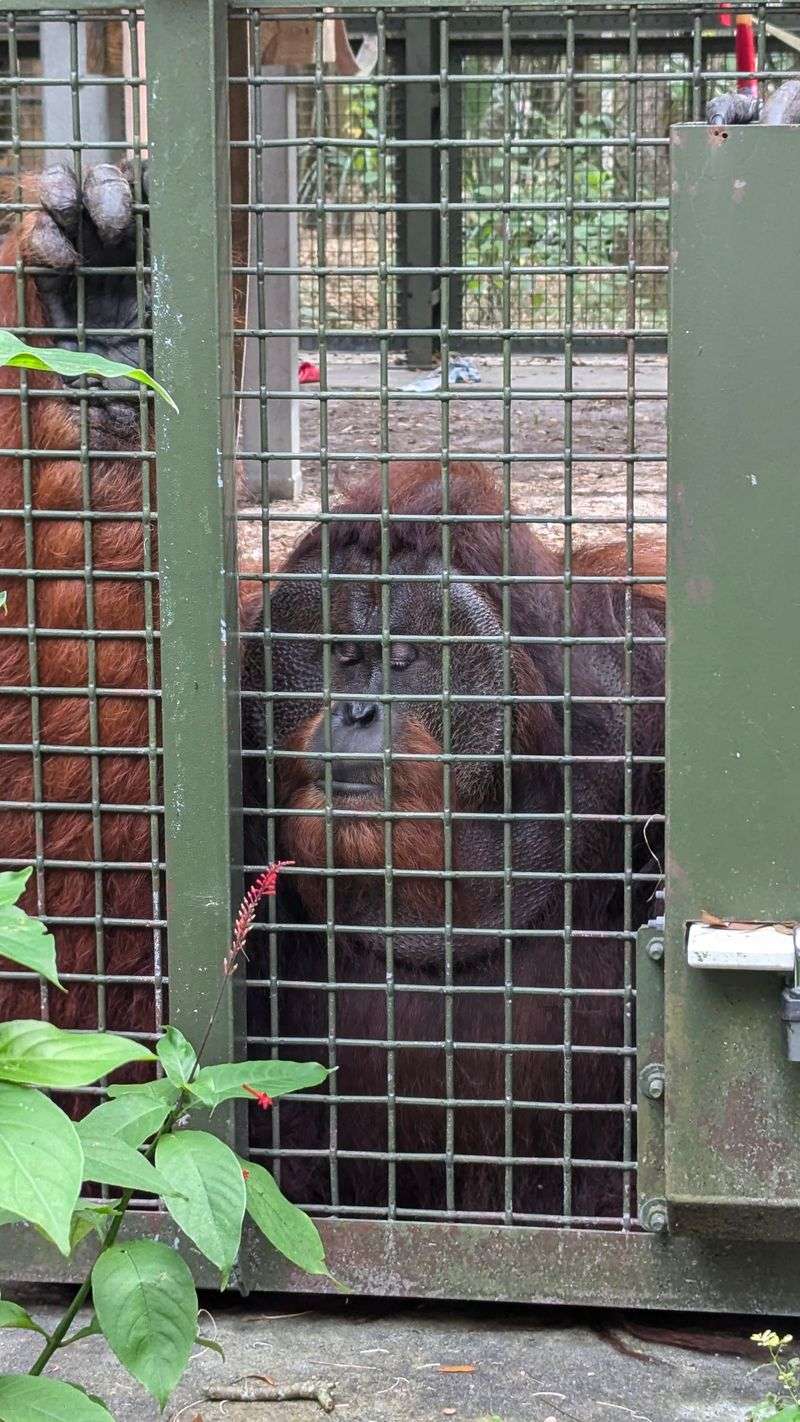
Spontaneous road-trippers might grumble a bit, and that’s fair. The Center for Great Apes rewards planners, not drop-in sightseers.
Animal lovers, families with curious kids, and anyone interested in conservation will find plenty to appreciate. The stories alone could fill an evening of conversation.
Patience is the real price of admission. Membership, an open house, or a volunteer group opportunity will get you through the gate.
Once you understand why the rules exist, they feel right. The apes come first, and visitors are guests in their home.
Florida has no shortage of roadside animal attractions, but this place plays by a gentler set of values. It offers rescued primates a lifetime of peace instead of a stage.
That alone makes it memorable, even before you meet anyone. Knowing a celebrity chimp is lounging quietly in Hardee County is just a fun bonus.
So start with a membership or a sponsorship and see where it leads. Sooner or later, an orangutan might swing past and make every bit of planning worth it.
Share this story