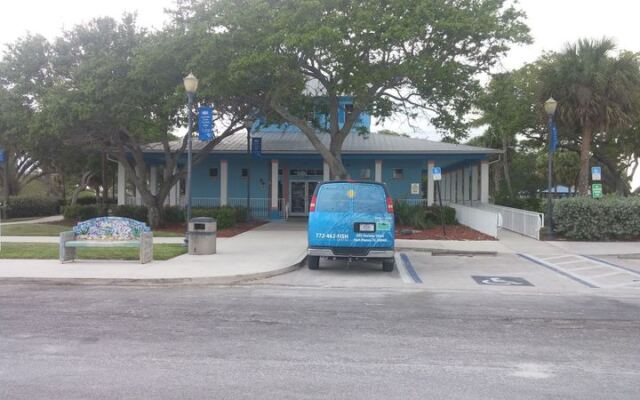
A small aquarium on the Treasure Coast carries one of the biggest names in American science. Yes, that Smithsonian.
And the best part involves rolling up your sleeves and reaching into the water.
I like how hands-on this place is. The touch tanks put real local sea life within arm’s reach.
Friendly guides stand nearby, ready to explain what you just touched and why it matters.
The focus stays close to home in Florida. Instead of exotic creatures from faraway reefs, the exhibits show off the waters right outside the door.
I believe that makes every tank feel personal.
It’s compact, family-friendly, and easy on the wallet. A beach sits right nearby too.
So how does a modest building pack this much ocean into one short visit?
A Smithsonian Name on the Treasure Coast
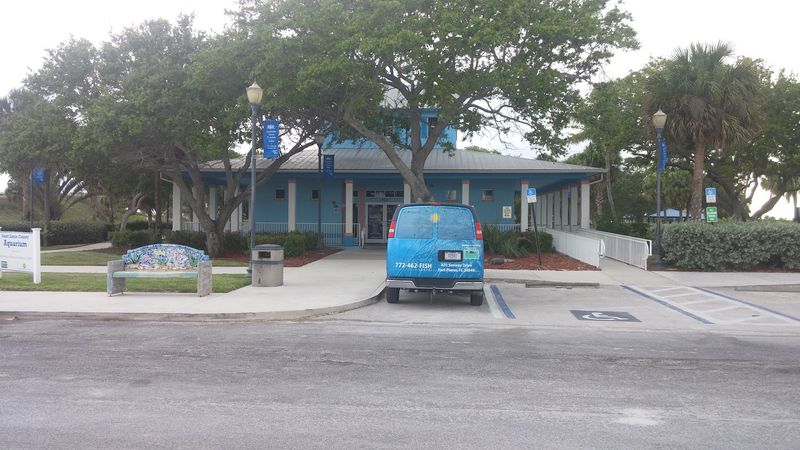
Few small Florida towns can say the Smithsonian has a home in their neighborhood. Fort Pierce can, and it sits on a breezy stretch of Seaway Drive near the water.
The Smithsonian Marine Ecosystems Exhibit is a hands-on aquarium built around learning. It mixes interactive displays, touch tanks, and exhibits that explain how ocean ecosystems actually work.
Don’t expect a sprawling theme park with giant shows and crowds of souvenir stands. Expect something closer to a friendly science classroom, only wetter and a lot more fun.
That difference is exactly the appeal. The building feels approachable, and the animals feel like neighbors rather than distant celebrities.
Families on the Treasure Coast have treated it as a reliable outing for years. Its reputation rests on knowledgeable people, honest exhibits, and the chance to get your hands near real sea creatures.
So yes, the name is famous. But the real draw is how local and personal everything feels once you arrive.
Think of it as a doorway into the waters surrounding St. Lucie County. Every tank tells a piece of that story, and it starts the moment you walk through the entrance.
A County Partnership Worth Bragging About
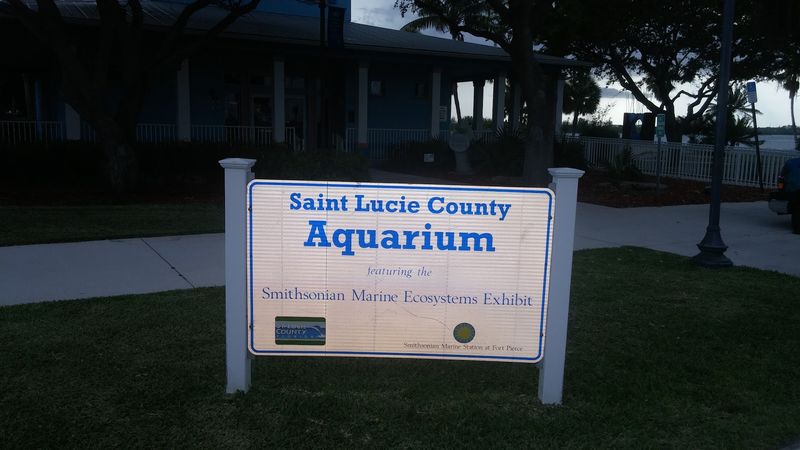
Here’s a fun detail for trivia night. The exhibit operates under the St. Lucie County Parks and Recreation Department, while still carrying that Smithsonian name.
That pairing tells you a lot about the mission. Public parks aim to serve the community, and science institutions aim to teach, so the two goals fit together neatly.
The result is an aquarium that feels like a public resource rather than a pricey attraction. It’s built for curious neighbors, school-age kids, and anyone wanting a smarter afternoon.
County ownership also explains the welcoming, no-frills vibe. Nothing here is trying to upsell you on flashy extras or overpriced add-ons.
Instead, the energy goes into the exhibits and the people who explain them. That focus shows in how much attention goes to teaching rather than entertaining for its own sake.
For Florida residents, that’s a point of pride. A world-famous scientific name working hand in hand with a local parks department is not something every county can claim.
It also means your visit supports a community-run space. That feels good, especially when the experience is this educational and this easy to enjoy.
The Indian River Lagoon Gets the Spotlight
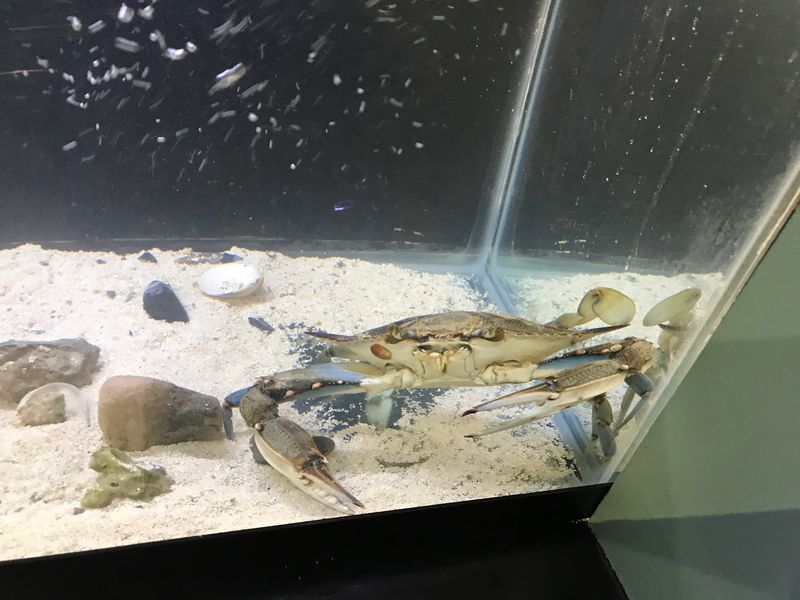
Forget clownfish from distant reefs. The stars here are the creatures living in the waters right around Fort Pierce.
The exhibits focus on local marine ecosystems, especially the coastal and intracoastal habitats that shape this part of Florida. It’s a celebration of home waters, told one tank at a time.
That approach makes the visit surprisingly meaningful. You leave knowing a little more about the lagoon, the inlet, and the ocean you might swim in later that day.
Seagrass, coastal fish, and other local residents show how these habitats connect. Each display helps explain why healthy water matters for everything living in it.
Big aquariums often feel like a world tour. Here, the story stays tight and regional, which honestly makes it easier to remember.
Kids especially benefit from that clarity. Seeing animals that live nearby turns a beach day into a science lesson without anyone noticing.
Adults get something out of it too. Learning what happens beneath the surface of familiar Florida waters changes how you look at the shoreline afterward, and that perspective sticks around long after you leave.
Touch Tanks That Invite You In
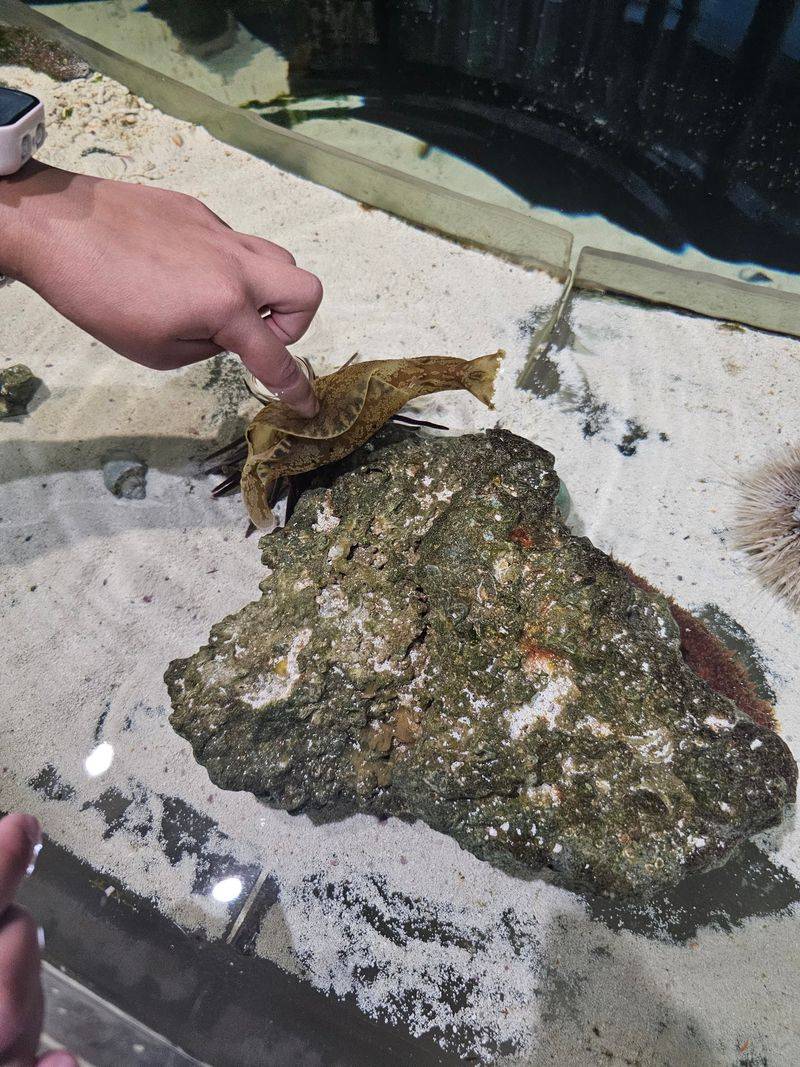
Most aquariums post signs begging you not to touch anything. This one practically hands you permission.
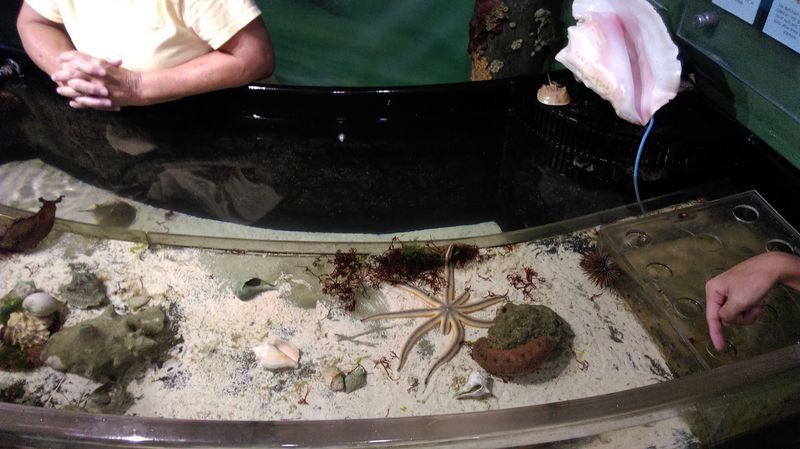
Aquatic touch tanks are a centerpiece of the visit. They let you reach into shallow water and gently meet sea life up close, under the watchful eye of staff.
That shift from looking to touching changes everything. Suddenly a creature behind glass becomes something real, textured, and memorable.
The touch tank area is staffed by people who clearly know their animals. They explain habitats, behaviors, and safe handling, so the experience stays respectful and informative.
Kids tend to light up at moments like this. Adults often do too, even if they pretend they’re only there for the children.
Gentleness is the golden rule. Two fingers, a light touch, and a little patience go a long way with these animals.
It’s easily one of the most talked-about parts of the exhibit. If you remember only one thing about the visit, it will probably be the feeling of cool water and a living creature right under your fingertips.
Stingrays and the Thrill of Getting Close
Stingrays have a strange magic. They glide like underwater kites, and somehow they make everyone lean in a little closer.
That close-up encounter is what makes a hands-on aquarium so appealing. At the Smithsonian Marine Ecosystems Exhibit, the interactive spirit puts sea life within reach instead of behind thick walls.
Animal programs can change over time, so it’s smart to ask staff what’s on the schedule. Feeding times and special activities may vary by day or season.
When an encounter is offered, follow every instruction carefully. Staff guidance keeps both the animals and the visitors comfortable and safe.
Part of the fun is simply watching how these graceful animals move. Their wide fins ripple in waves, and their calm pace feels oddly relaxing.
Kids often ask a hundred questions about rays. Good news: the people working here seem happy to answer every single one.
Getting close to an animal like this tends to spark real curiosity. It’s the kind of moment that can turn a casual visitor into someone who suddenly cares a lot about Florida’s coastal waters.
Guides Who Love Talking About Fish
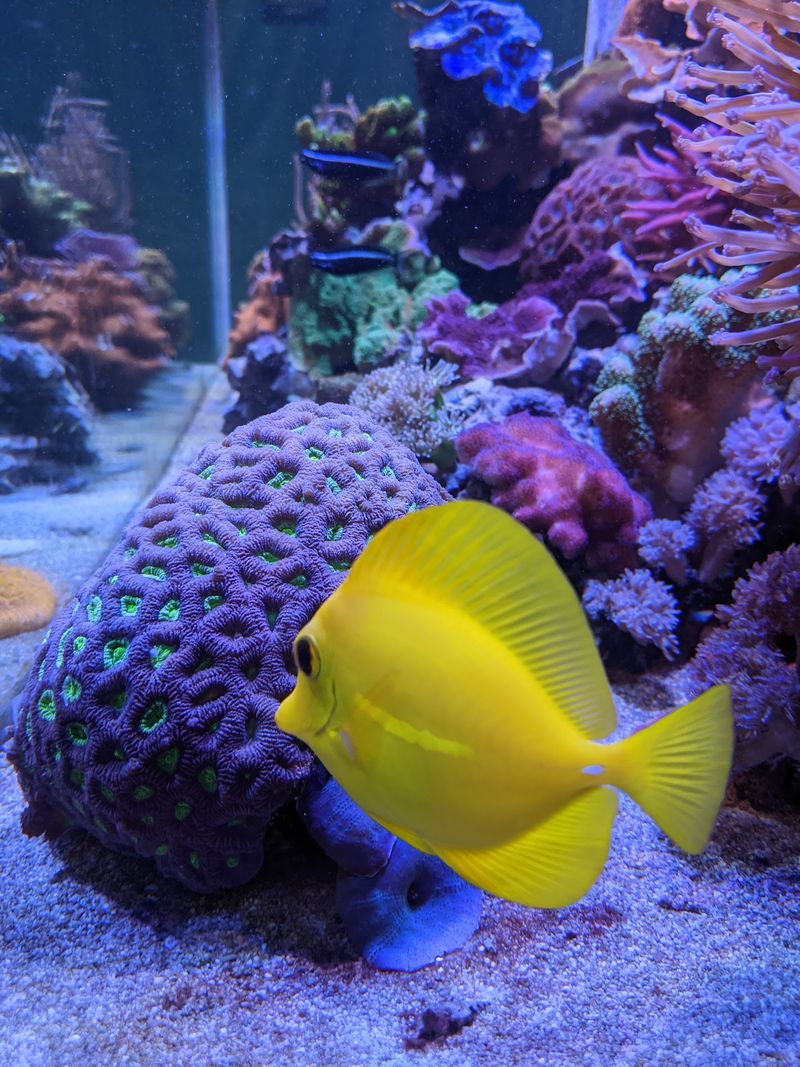
Enthusiasm is contagious, and the guides here seem to have plenty of it. They don’t just point at tanks, they actually teach.
Knowledgeable volunteers and staff explain each exhibit, sharing details about the animals and their habitats. The exhibit itself has publicly thanked its wonderful volunteers for that work.
Having a real person nearby makes a small aquarium feel much bigger. A good explanation can turn a quick glance into a ten-minute conversation.
Specific staff members have earned warm appreciation over the years for going above and beyond. Answering questions seems to be part of the job they genuinely enjoy.
That human touch is something giant attractions often lose. Here, it’s front and center.
Shy kids can benefit too. A patient guide can coax out questions a child might never ask a sign on the wall.
The exhibit has also been described as a good place to volunteer. For retirees or ocean lovers living nearby, that’s an interesting option, offering a chance to share knowledge and spend time around fascinating marine life on a regular basis.
Lessons That Don’t Feel Like Homework
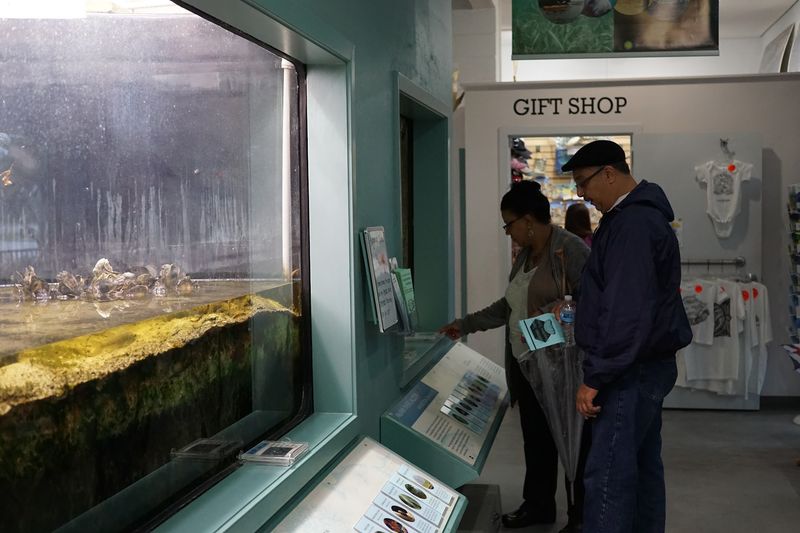
Learning sneaks up on you here. One minute you’re looking at a fish, the next you understand how a whole ecosystem fits together.
The interactive displays are designed to teach without lecturing. Hands-on elements keep young minds engaged, while clear explanations keep adults interested.
Education is the heart of the mission, and it shows. The word learn comes up again and again when people describe a visit.
Some families say kids pick up more here than in a classroom. That’s a high bar, but the combination of real animals and passionate guides makes it believable.
The exhibit works well for kids from kindergarten age and up. Teens and adults can still find plenty to chew on, especially with a guide nearby.
Homeschool families may find it particularly useful. A short trip delivers real-world science about Florida’s coast in a format that sticks.
Best of all, nobody gets quizzed at the exit. The knowledge just tags along naturally, ready to resurface the next time you spot a ray in the shallows or watch a heron fishing near the shore.
Small Size, Smart Pacing
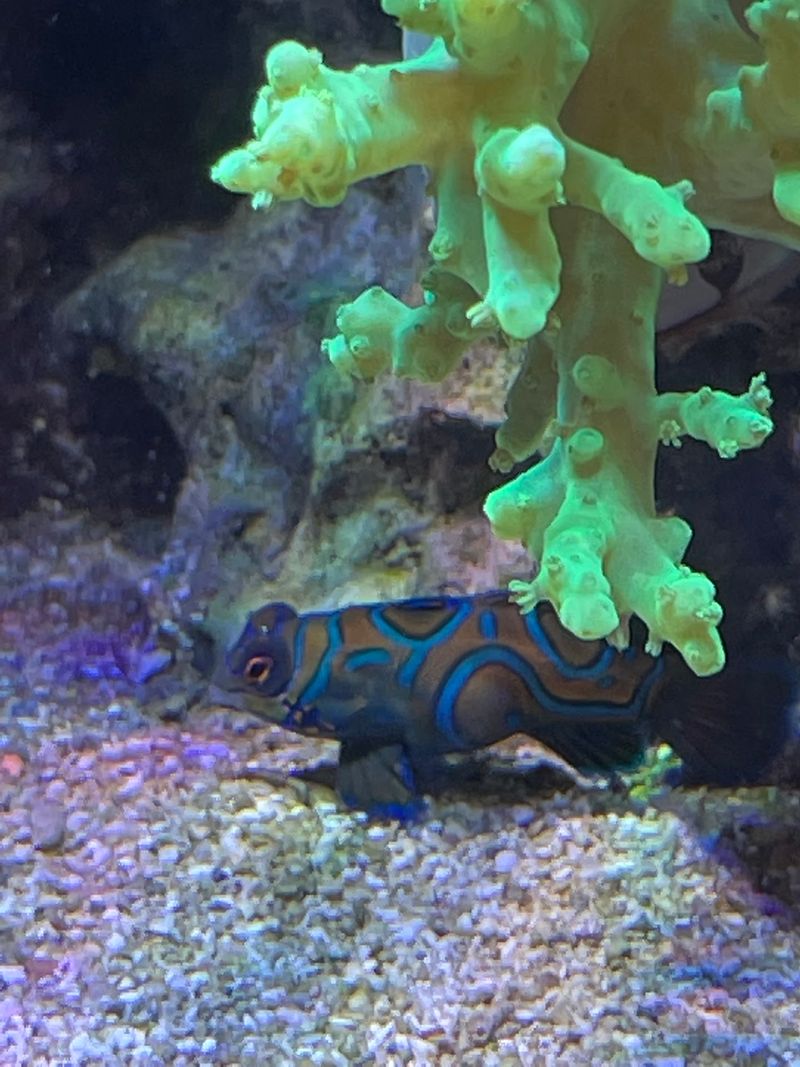
Bigger isn’t always better. Sometimes the perfect aquarium is the one you can finish before anyone gets cranky.
The Smithsonian Marine Ecosystems Exhibit is small, and it owns that fact. Most visits run somewhere between one and three hours, depending on how many questions you ask.
That size is a gift for parents of little ones. There’s plenty to see and learn, but the visit wraps up right around the time young attention spans start wandering.
No marathon walking, no maps, no aching feet. Just a manageable loop of exhibits that respects your time.
Small but well done is the general verdict. The space feels thoughtfully put together rather than stretched thin.
Compact also means you can linger without guilt. Spend extra time at a favorite tank, chat with a guide, or circle back to the touch area.
If you want an all-day indoor spectacle, this isn’t it. But for a focused, satisfying outing that leaves room for lunch or the beach afterward, the size works in your favor.
An Air-Conditioned Escape on a Scorching Day
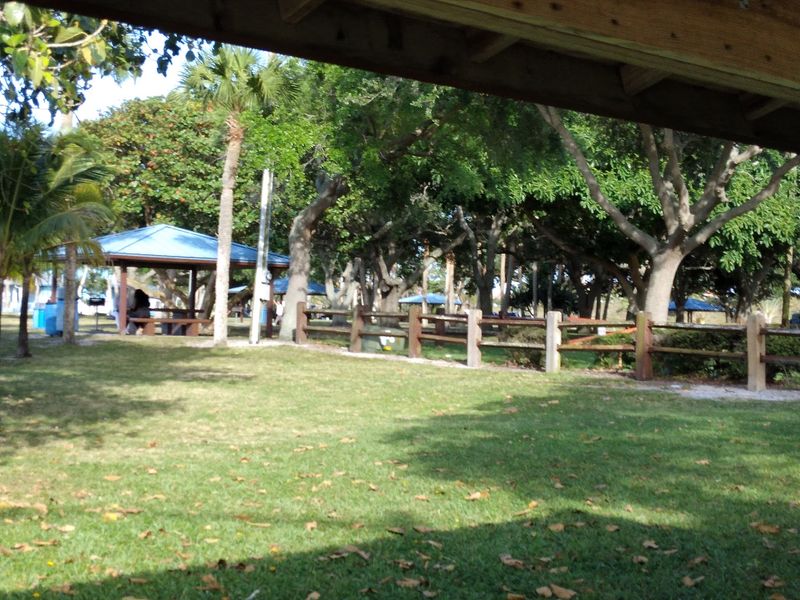
Florida summers don’t play around. When the afternoon heat turns sidewalks into griddles, an indoor ocean starts looking very attractive.
The exhibit makes an ideal retreat on sweltering days. Families have long treated it as a go-to when it’s too hot to do much else outdoors.
Truthfully, though, it works any time of year. Winter visitors and snowbirds can enjoy it just as much as summer crowds hiding from the sun.
Rainy afternoons count too. A sudden Treasure Coast downpour won’t ruin plans when the main attraction is already under a roof.
Season passes have been praised by locals who return often. Each visit can feel different, which keeps repeat trips fresh.
That variety matters for families who need a dependable outing. Having one reliable spot close to home takes pressure off busy weekends.
So keep it in your back pocket. Whether it’s a heat wave in July or a breezy January morning, this little aquarium offers a cool, calm, and curious way to spend part of your day in Fort Pierce.
Pack the Beach Bag Too
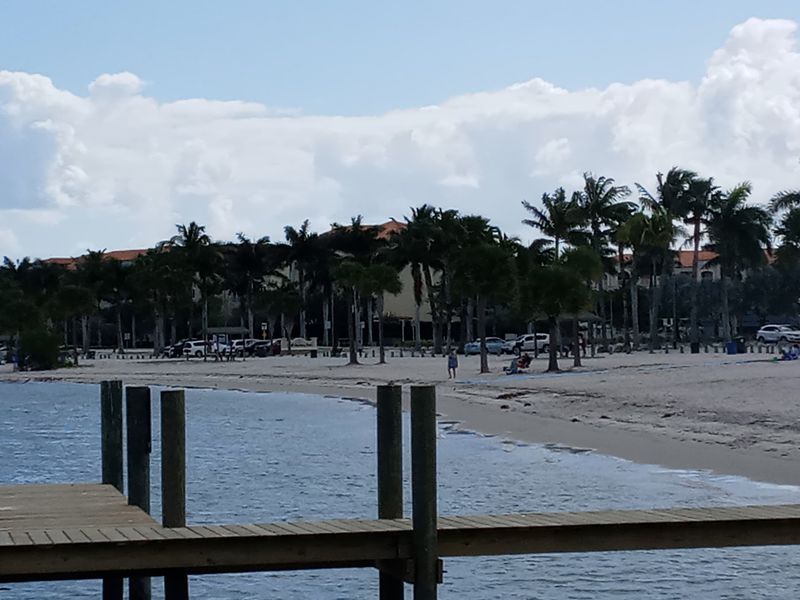
Here’s a bonus that feels almost unfair. There’s a beach right in the same area, so the ocean lesson can continue in real life.
Bring towels, sunscreen, and sand toys along with your curiosity. After seeing local sea life up close, wading into nearby waters feels like stepping into the exhibit itself.
Seaway Drive runs near the Fort Pierce Inlet, a scenic slice of the Treasure Coast. Water views are part of the drive, which builds anticipation nicely.
Pairing the aquarium with beach time makes for a full, budget-friendly day. Morning indoors, afternoon outdoors, and everyone heads home happily tired.
Kids may start spotting things they just learned about. That connection between exhibit and shoreline is exactly what makes the visit stick.
Remember to rinse off sand before heading back inside anywhere. Nobody wants a beach souvenir in their car seats for weeks.
It’s classic Old Florida simplicity. A little science, a little sunshine, and a lot of salty air add up to a day that doesn’t need to cost much to feel special.
Admission That Leaves Room in the Budget
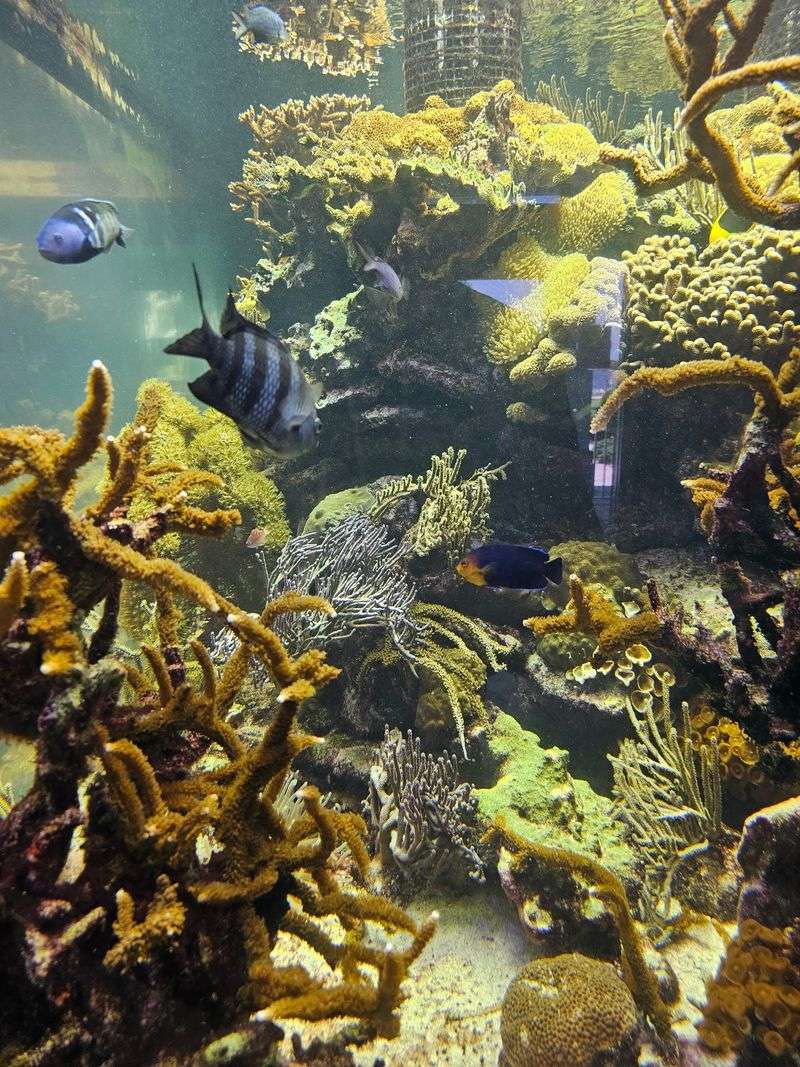
Good news for anyone watching their wallet. Admission here is consistently described as reasonable, even cheap, compared to bigger aquariums.
Families have called it well worth the price of admission. Value is one of the most common themes in how people talk about the place.
Recent visits have even included access to the nearby history museum with the aquarium ticket. Ask at the desk to confirm current combination options before you go.
That kind of pairing doubles the outing without doubling the cost. Two museums in one trip is a pretty sweet deal for a family.
Local residents might want to look into a season pass. Frequent visitors have praised passes as totally worth it for repeat trips.
Prices can change, so check with St. Lucie County before planning. Either way, this remains one of the friendlier price tags around for marine education.
For retirees on fixed incomes, grandparents hosting grandkids, or young families, that matters. A memorable day near the water shouldn’t require a giant budget, and here it simply doesn’t.
When the Doors Are Open
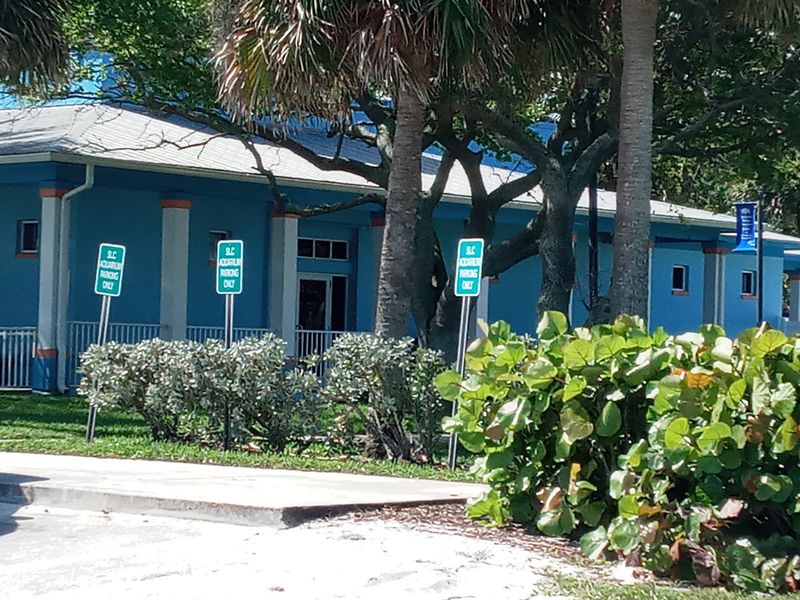
Timing your trip is easy once you know the rhythm. The schedule is simple, though one day of the week will catch you off guard.
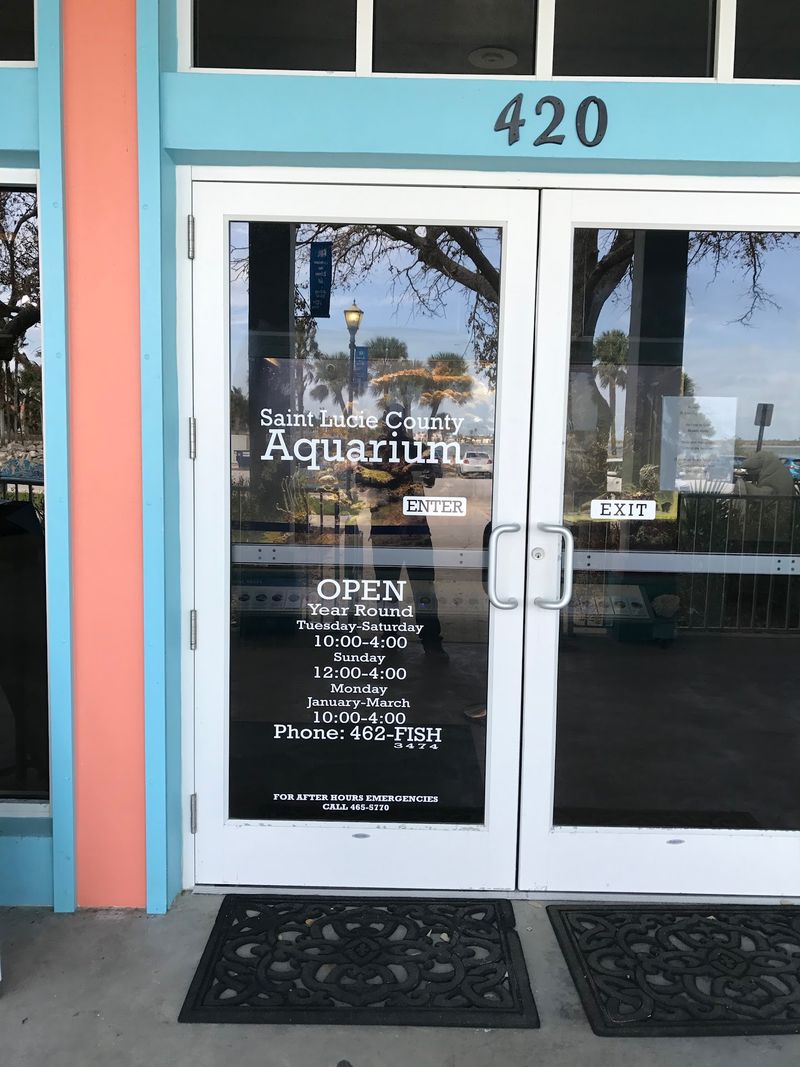
Tuesday through Saturday, the exhibit opens from 10 AM to 4 PM. Sunday hours run shorter, from noon until 4 PM.
Mondays are closed. Plenty of visitors have probably learned that lesson in the parking lot, so plan around it.
Arriving near opening time gives you a relaxed start. You’ll have plenty of hours to explore the touch tanks and chat with guides.
Since a visit usually takes one to three hours, mornings work beautifully. That leaves the afternoon open for the beach or lunch nearby.
Sunday afternoons suit families coming from church or a slow brunch. Just keep in mind the shorter window means less time to linger.
Holiday hours may differ, so a quick check with the county is wise before heading out. A tiny bit of planning keeps the day smooth, letting you focus on fins, shells, and fascinating Florida sea life instead of locked doors.
Finding Your Way to Seaway Drive
Getting there is half the charm. The route leads toward the water, and the coastal scenery sets the mood before you even park.
You’ll find the Smithsonian Marine Ecosystems Exhibit at 420 Seaway Dr, Fort Pierce, FL 34949. It sits in St. Lucie County on Florida’s Treasure Coast.
Fort Pierce is an easy drive for many Florida residents. Folks from Port St. Lucie, Vero Beach, and Stuart can make it a quick day trip.
Travelers coming from farther away might fold it into a longer coastal weekend. The area offers beaches, waterfront views, and a slower pace that feels refreshingly unhurried.
Seaway Drive’s location near the inlet adds to the experience. Water is all around, which fits an aquarium about local ecosystems perfectly.
Plug the address into your navigation and enjoy the ride. The approach gives you a preview of the very habitats waiting inside.
Since the beach is nearby, consider arriving with everything you need for both stops. One trip, two adventures, and almost no extra driving required.
Why This Little Aquarium Earns a Spot on Your List
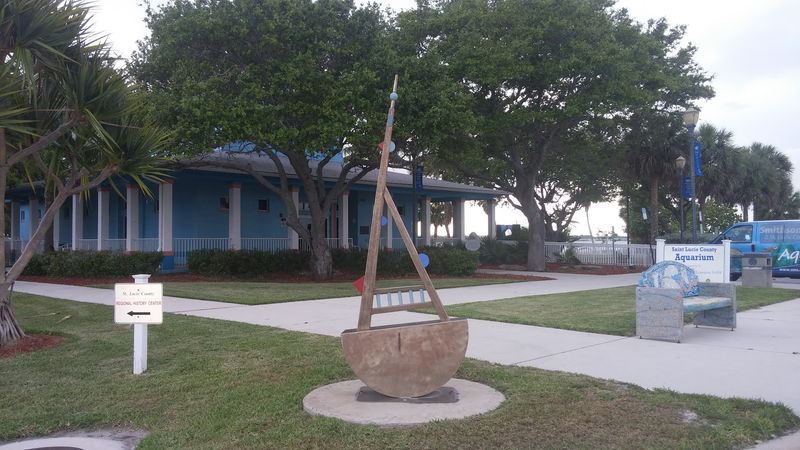
Not every great day needs a giant ticket price or a three-hour drive. Sometimes the best outing is small, smart, and right on the coast.
The Smithsonian Marine Ecosystems Exhibit delivers exactly that. Touch tanks, local sea life, and devoted guides create something far more personal than its size suggests.
It suits families with young kids, curious grandparents, and anyone who loves Florida’s waters. Homeschoolers and lifelong learners will feel right at home too.
Big-aquarium seekers may want something larger. But for a meaningful, affordable glimpse into Treasure Coast ecosystems, this place hits the mark.
The value is easy to love. Reasonable admission, a nearby beach, and possible museum pairings stretch your day without stretching your budget.
Above all, the people make it memorable. Their enthusiasm turns a quick visit into genuine learning.
So the next time you’re near Fort Pierce, give it an hour or three. You might leave with sandy feet, a head full of fish facts, and a new appreciation for the wild waters shaping this corner of Florida.
Share this story