Some of the best Illinois day trips start with a quiet country road and a sign you almost drive past. I expected a few old barns and a quick look around, and instead I found a working farm that still runs on the rhythms of the 1840s.
Oxen, period clothing, an old inn, and prairie paths made the afternoon feel like a page from a history book I could actually walk through. If you are curious about how Illinois families lived before tractors and highways, this little-known spot is ready to surprise you.
A 366-Acre Farmstead West of the Fox River
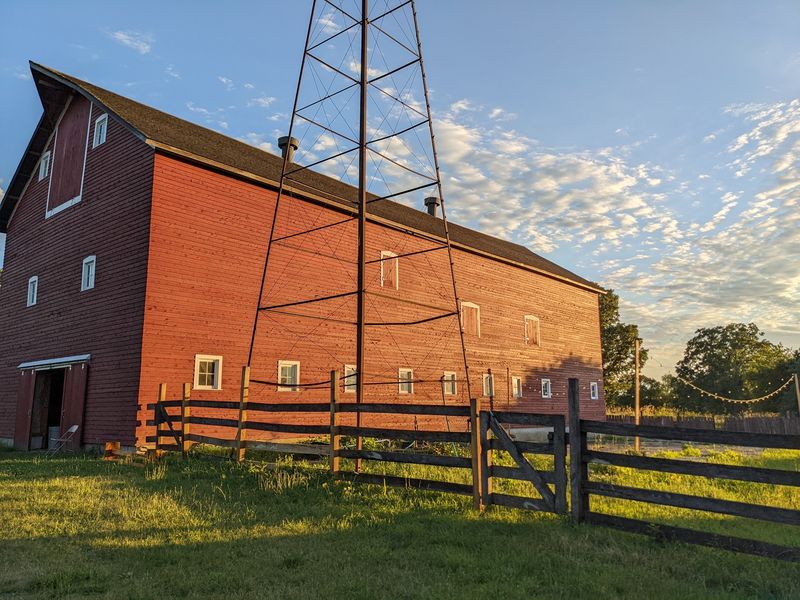
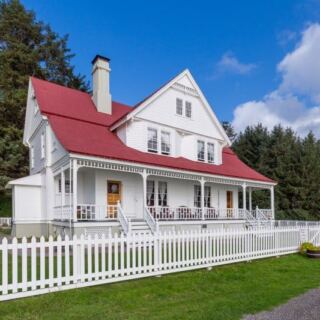
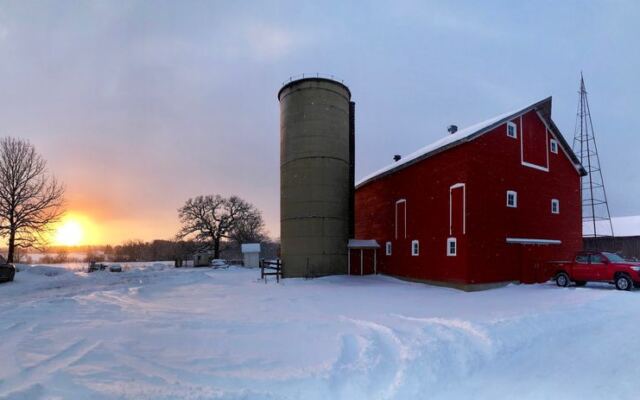
Tucked along Garfield Road in La Fox, out in the countryside of Kane County, sits a place many Illinois drivers never notice. Garfield Farm Museum covers 366 acres of 19th-century farmstead, preserved to show how a prairie family lived and worked in the 1840s.
Calling it a museum is accurate, yet it barely tells the story. Instead of glass cases and velvet ropes, you get barns, fields, an old inn, and grounds that still function as a farm.
Visitors often say they had no idea the site existed until they stumbled onto it, and they leave glad they did.
The setting is calm and wide open, with sky stretching in every direction. Nothing about the entrance shouts for attention.
That modest first impression is part of the charm, because the real treasures here reveal themselves slowly, one building and one story at a time, as you wander deeper in.
One Family’s Farm, One Region’s Story
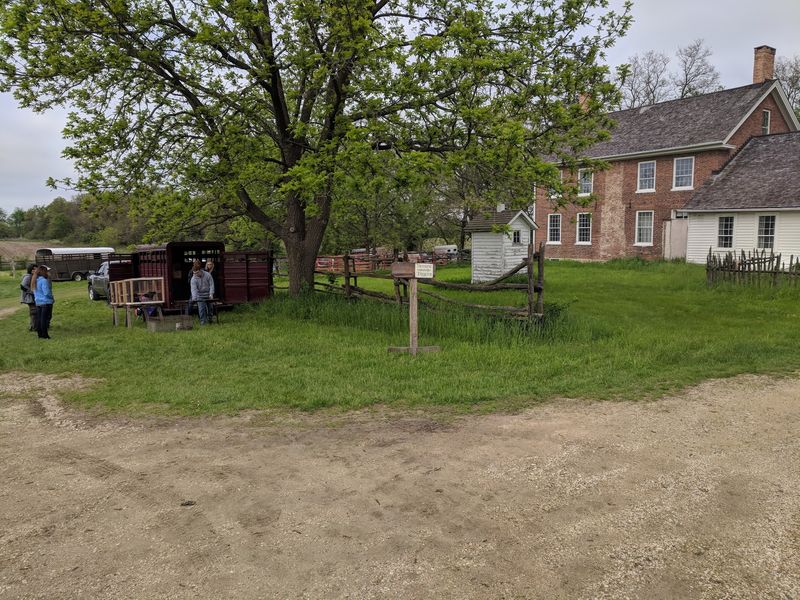
Picture northern Illinois when settlers were still breaking prairie sod by hand. Garfield Farm captures that moment, a site nearly 200 years old that shows how pioneers turned grassland into working farmland.
Guests frequently mention how the tour explains the growth of the whole area through the lens of a single family’s farm. Rather than broad textbook dates, you hear about daily choices, chores, and challenges faced by real people on this exact ground.
It makes history feel close and personal.
Guides take pride in the farm’s specific era, too. The staff is careful about accuracy and gently points out the difference between the 1840s and later decades, which shows how seriously they treat their mission.
For anyone who grew up in Kane County or nearby towns, hearing how the local landscape came to be can spark a real sense of hometown pride.
Oxen, Plows, and Period Clothing
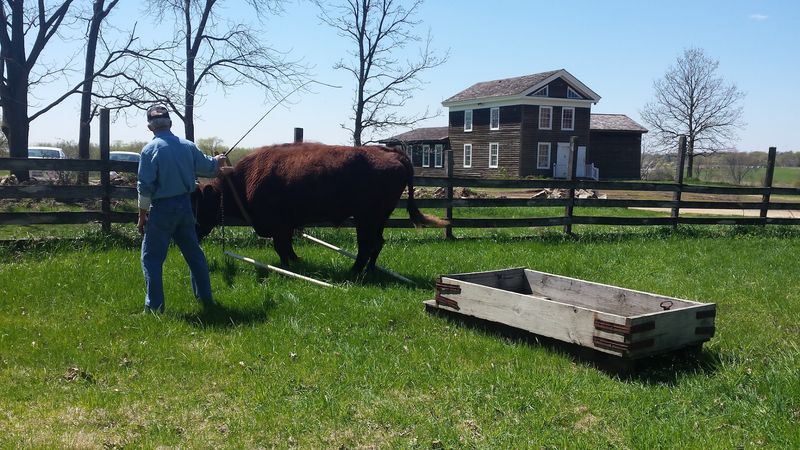
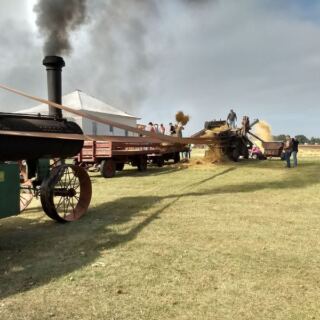
Forget diesel engines. On this farm, oxen pull the plow, just as they would have in the 1840s, and repairs are made with tools from the period.
Staff and volunteers dress in period costume, which instantly pulls families into another century. One parent noted that her kids especially loved spotting people in old-fashioned clothing and exploring the old barns.
Seeing work done the slow, muscle-powered way helps children grasp just how much effort a single harvest required.
Longtime fans describe the place as functioning history rather than a static display. One visitor has been coming back on and off for over three decades and still enjoys every trip.
Living history days happen on select occasions, so checking the schedule before you go may help you catch the farm at its most active and lively.
The Old Inn and Tavern Building
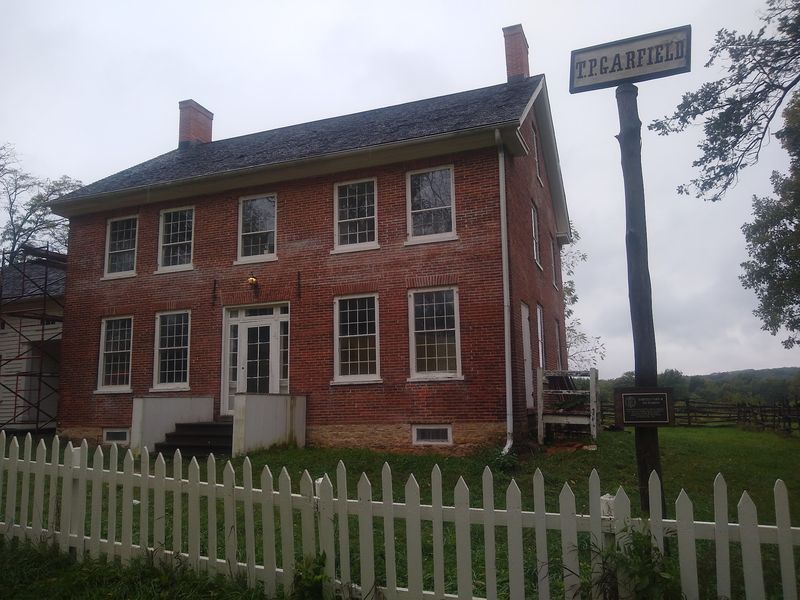
Travelers once stopped here for a meal and a bed, long before motels lined Illinois roads. The farm’s historic inn, sometimes called the old tavern, is one of the most talked-about stops on any visit.
Guests describe the inn as intriguing, with rooms that reveal how people rested and gathered during long journeys across the prairie. Upstairs spaces have even hosted classes, including dulcimer music lessons, which adds a sweet layer of sound to the old walls.
Tours can be tailored to your group. Some families keep things simple with the animals, while others head inside the inn for a deeper look at frontier hospitality.
If you end up being the only visitors that day, you might score what feels like a private tour, with plenty of time to ask every question bubbling up in your head.
Rare Breeds, Prairie Walks, and Seasonal Gatherings
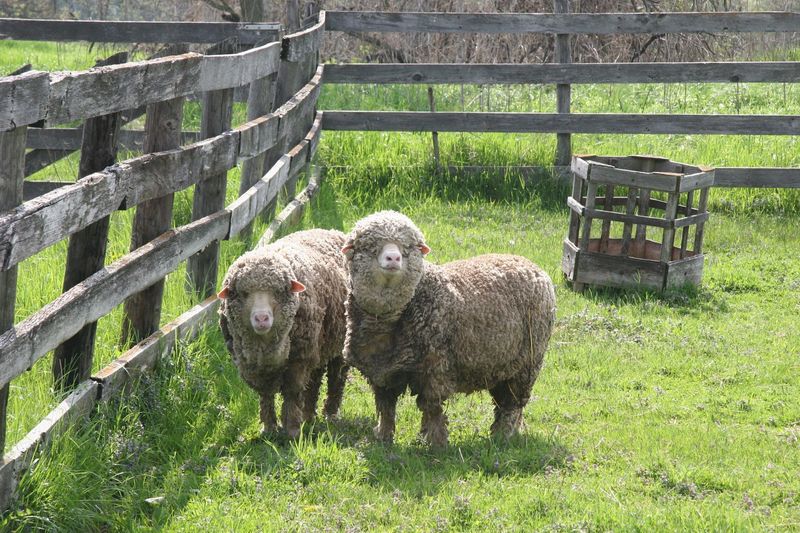
Ever seen a chicken breed your great-great-grandparents might have raised? The yearly Rare Breeds show is a crowd favorite, and repeat visitors call it a fun tradition worth planning around.
Nature lovers get their turn too. Prairie and wildflower walks are offered on scheduled dates, and even guests who admit they are not into history say the wildflower walk was a highlight.
Some folks head home with flower seeds as a little souvenir.
Classes add even more variety. Past sessions have included making homemade ginger ale and learning dulcimer music.
Christmas brings its own magic, with the 1840s farm dressed for the season, and some guests hope to return for a dance. The website lists upcoming events, so a quick look before your drive can help match a visit to your interests.
Guides Who Love Every Question
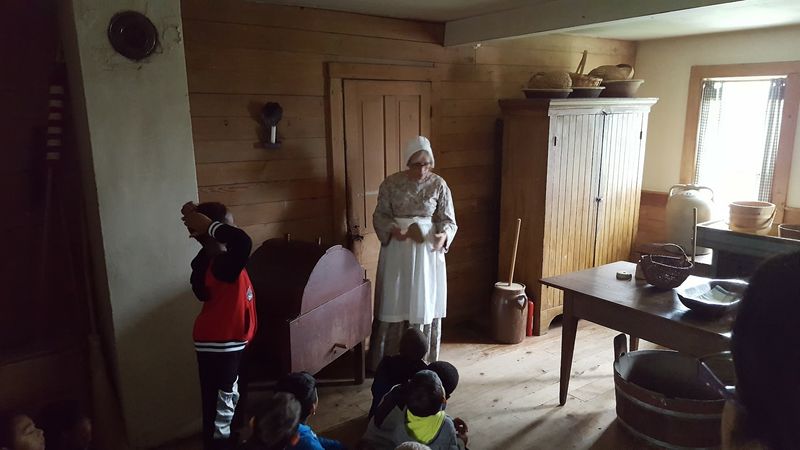
Knowledge walks the grounds here, usually wearing a friendly smile. Visitors repeatedly praise the volunteers and staff for being deeply informed and eager to share stories about the farm’s past and mission.
One guest described a guide who taught them so much that the afternoon flew by, adding that the place is worth seeing even if you know little about farming or agricultural history. Another noted that while there may not seem like much to see at first glance, the guides turn every corner into something memorable.
Small groups benefit most. A couple once enjoyed an informative two-person tour, and families appreciate how the staff adjusts explanations for kids.
Caretakers are described as warm and welcoming for all ages. The result feels less like a lecture and more like chatting with a neighbor who happens to know everything about 1840s Illinois.
Planning Your Drive to La Fox
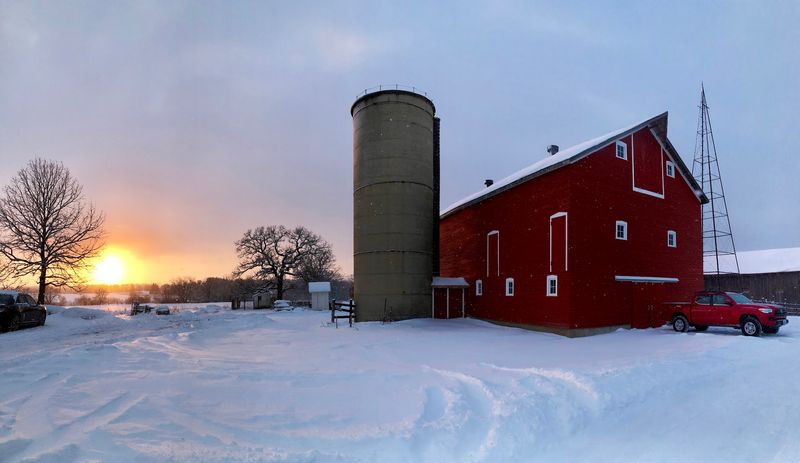
Timing matters, so here is the rundown. Garfield Farm Museum on Garfield Road in La Fox, IL 60147, keeps hours of 8 am to 5 pm on Monday, Tuesday, Thursday, Friday, and Saturday.
Wednesday and Sunday hours are shorter, running from 1 to 4 pm.
Special events, prairie walks, and living history days follow their own schedule, so checking garfieldfarm.org ahead of time is smart. You can also call the farm at 630-584-8485 with questions or to arrange a group tour.
Costs have historically been modest, with one past visitor mentioning a small contribution of just a few dollars, though it may help to confirm current pricing before you arrive. Wear comfortable shoes for barns and grassy paths.
A quick stop works fine, yet an unhurried afternoon lets you soak in far more of the stories.
A Prairie Secret Worth Keeping Close
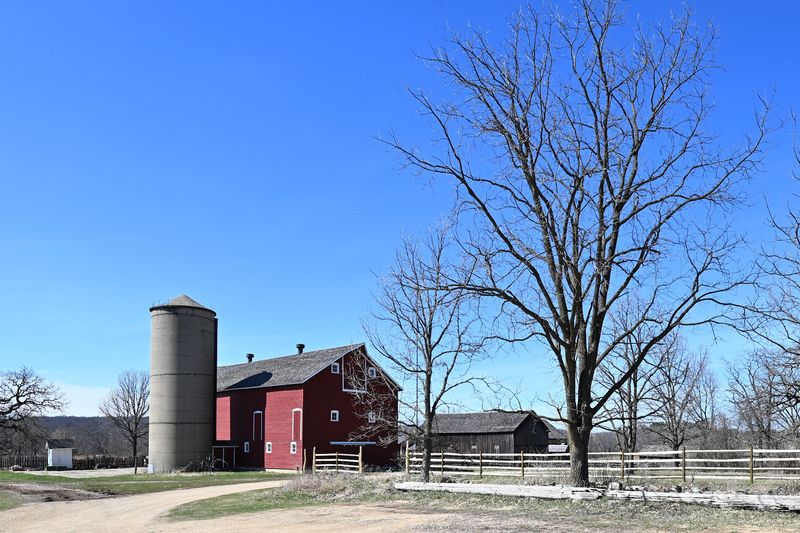
Quiet places rarely brag, and this one certainly does not. Yet after an afternoon among oxen, old barns, and storytelling guides, Garfield Farm Museum tends to linger in your memory long after the drive home.
Families looking for a relaxed outing that teaches without feeling like school will find plenty to enjoy. History buffs get authenticity, nature fans get prairie walks, and curious kids get animals and costumed farmers.
Even guests who claim little interest in the past often leave pleasantly surprised.
For Illinois locals, it feels like a hometown treasure you want to share with only your closest friends. Preserving early farms like this one matters, and every visit helps keep these stories alive.
Pack the car, check the event calendar, and give yourself the chance to step back nearly two centuries, all without leaving Kane County.
Share this story