Many well-known American brands were shaped by the faith of the people who built them. Some founders printed Bible verses on packaging, while others closed stores on Sundays or wrote their beliefs into company values.
Looking at these stories helps explain why certain businesses run the way they do. Here are fifteen companies where faith played a real part in the story.
1. Marriott International
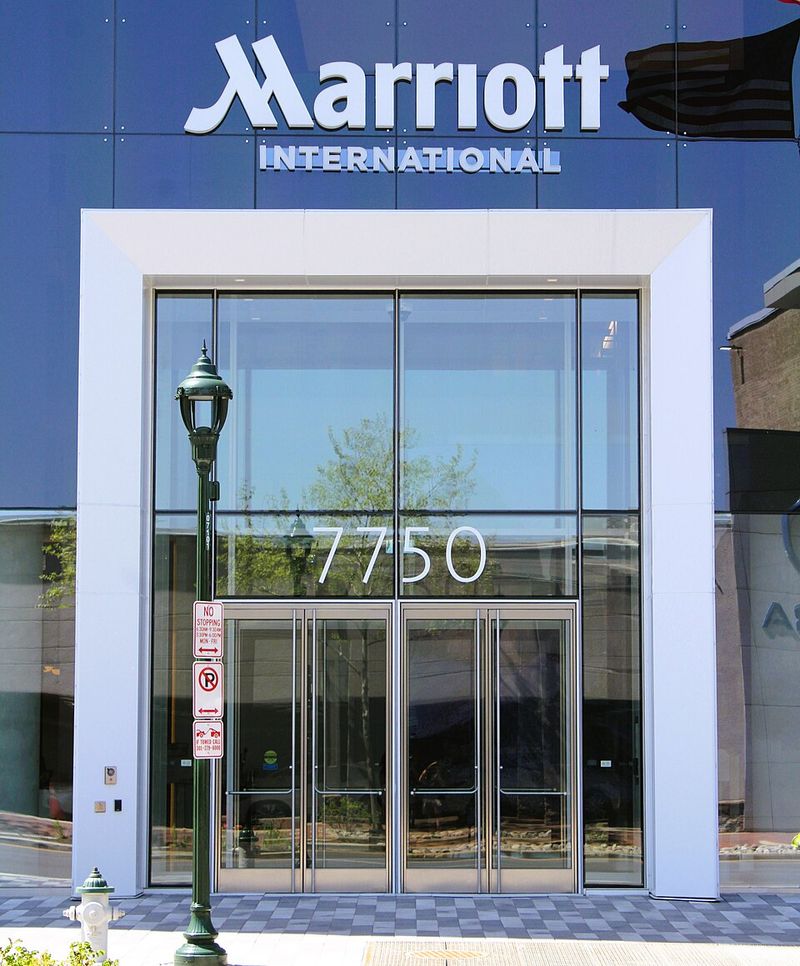
A single root beer stand in Washington, D.C., started it all in 1927. J.
Willard Marriott opened it with his wife Alice, and the business grew into one of the largest hotel companies on Earth.
Marriott was a devoted member of The Church of Jesus Christ of Latter-day Saints. His faith shaped how he thought about work, honesty, and treating people well.
He often spoke about taking care of employees so they could take care of guests.
That idea became a company habit. Marriott believed that happy workers create happy customers, and he wrote about it in his own books and talks.
Today, the company runs thousands of hotels in many countries. Its focus on service and employee care still echoes the values Marriott held from his early days as a young entrepreneur in Utah and Washington.
2. In-N-Out Burger
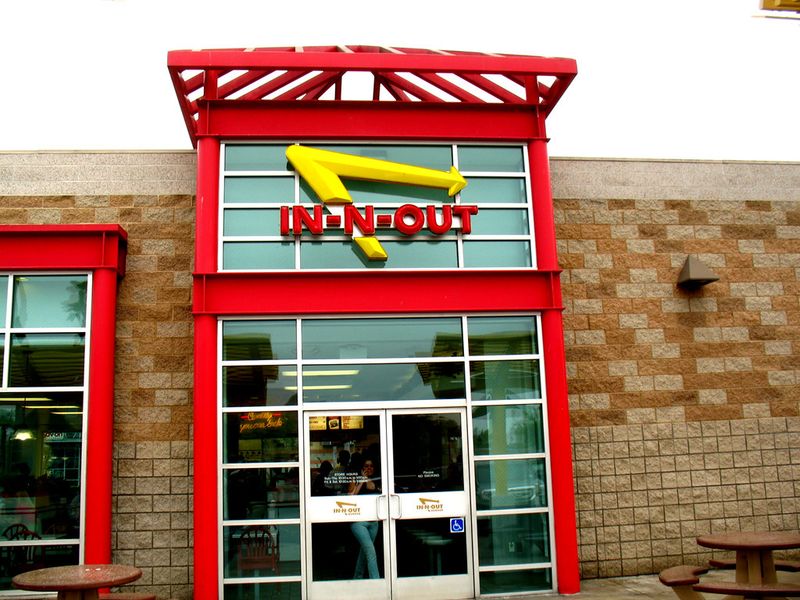
Flip over your milkshake cup at In-N-Out and you may spot a tiny line of text. It looks like a code, but it is a Bible verse reference, such as John 3:16.
The chain was founded in 1948 by Harry and Esther Snyder in Baldwin Park, California. The Snyders were Christians, and the company has long kept a family-run, values-focused style.
The verse references began appearing in the 1980s under Rich Snyder, the founders’ son, who led the company then. They are printed discreetly on cups, wrappers, and other packaging.
Many customers never notice them at all. Others make a game of hunting for them.
Either way, the small print has become one of the most talked-about details of this beloved West Coast burger brand.
3. Chick-fil-A
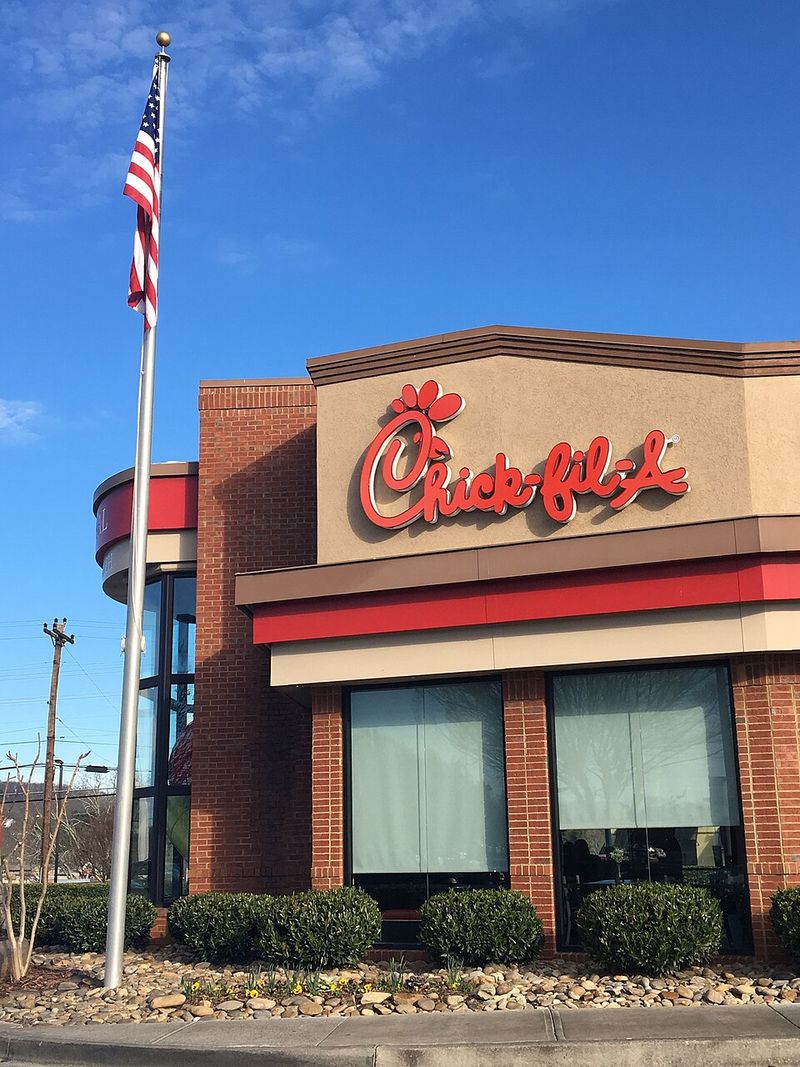
Drive past a Chick-fil-A on a Sunday and you will find the lights off and the lot empty. That choice has been part of the company since its very first restaurant.
S. Truett Cathy opened the Dwarf Grill in Hapeville, Georgia, in 1946.
He was a committed Christian who taught Sunday school for decades. He wanted employees to have a day for rest, family, and worship.
The company later wrote its purpose into a corporate statement: to glorify God by being a faithful steward of what it has been given.
Cathy also started programs to help young people, including scholarships for restaurant workers. Closing on Sundays remains a clear sign of how his beliefs shaped the business and its public image.
4. Hobby Lobby
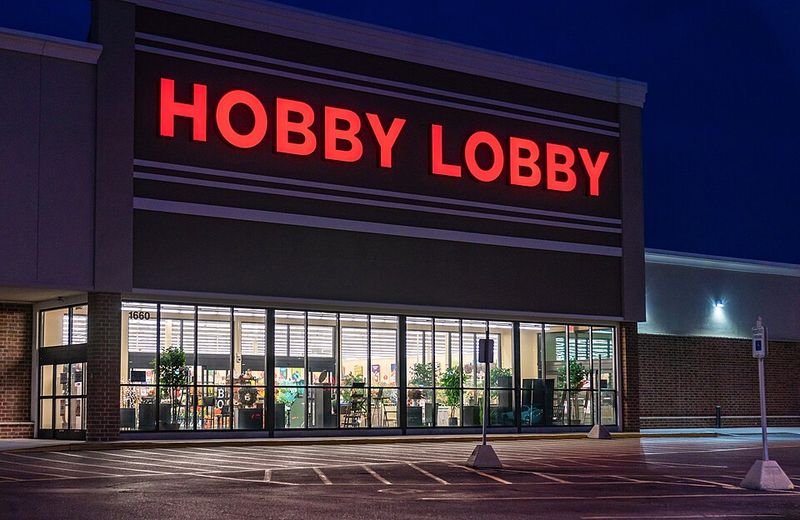
Few store owners speak about faith as openly as David Green. He started Hobby Lobby in 1970 with a loan of 600 dollars and a small workshop that made miniature picture frames in his garage.
Green has said that he runs the company on biblical principles. Stores close on Sundays, and the company has long shared Christian messages in newspaper ads around holidays.
His faith also shaped giving. The Green family has supported ministries and Christian causes, and they helped fund the Museum of the Bible in Washington, D.C., which opened in 2017.
The company grew from that tiny frame business into a chain with hundreds of stores across the country. Its religious identity has even reached the Supreme Court in a well-known 2014 case.
5. Forever 21
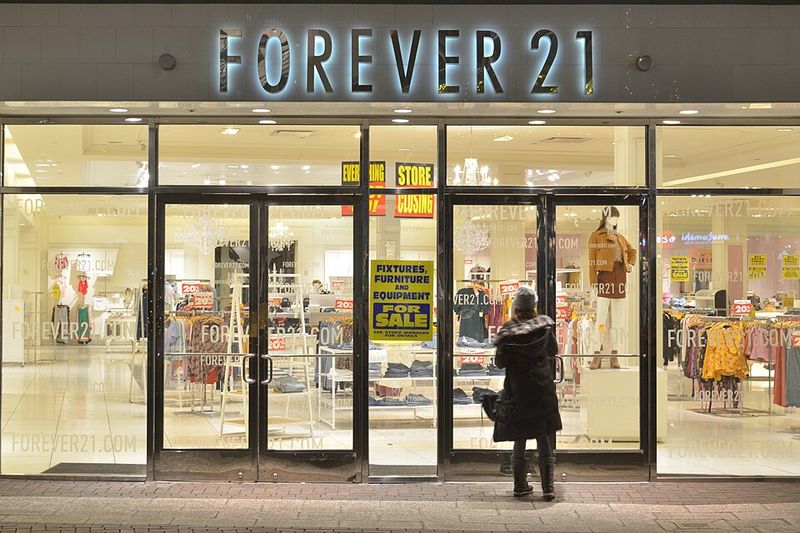
Look at the bottom of a classic yellow Forever 21 shopping bag and you will see something unexpected: the words John 3:16. For years, it was a quiet signature on the brand’s packaging.
The fast-fashion company was founded in 1984 in Los Angeles by Do Won Chang and Jin Sook Chang, a Korean American couple. They are Christians, and they chose to place the Bible reference on their bags.
The retailer began as a small store called Fashion 21 and grew into a global chain with hundreds of locations.
While its business model focused on trendy, low-priced clothing, the verse stayed as a small nod to the founders’ beliefs. Shoppers who noticed it often wondered where it came from, and now you know.
6. JCPenney
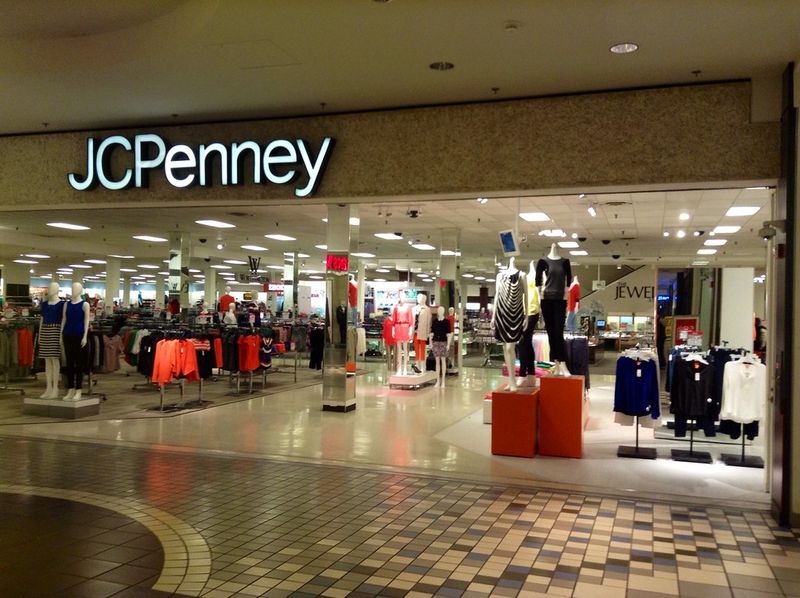
When James Cash Penney opened his first store in Kemmerer, Wyoming, in 1902, he called it the Golden Rule Store. The name said everything about how he wanted to treat people.
Penney grew up in a strict Baptist home in Missouri, and his Christian upbringing stayed with him. He believed in treating customers and employees the way he would want to be treated himself.
That belief shaped his partnership model, in which store managers could earn a share of the business. It also guided his reputation for fair prices and honest dealing.
The chain eventually dropped the Golden Rule name, but Penney kept writing and speaking about the idea for decades. It remained the backbone of his business philosophy until the end of his long life.
7. ServiceMaster

Some company mission statements read like a sermon. ServiceMaster’s did, and that was on purpose.
Its first objective was to honor God in all it did.
The roots of the business go back to the 1920s, when Marion Wade began a moth-proofing service in Chicago. Wade was a committed Christian, and the company later grew into cleaning and home service work.
Over the years, leaders kept the focus on service, dignity of work, and developing people. Employees were encouraged to see their jobs as meaningful, even jobs that others might overlook.
The company expanded into brands that many families know, including Terminix and Merry Maids. Its early statement of faith made it one of the more openly Christian large corporations in American business history.
8. Mary Kay

Priorities in order: God first, family second, career third. That was the simple formula Mary Kay Ash gave to her sales team, and she repeated it often.
Ash started her cosmetics company in Dallas in 1963 with her savings and the help of her son. She had spent years in direct sales, where she saw women passed over for promotion, and she wanted to build something different.
Her Christian faith shaped the company culture. She promoted the Golden Rule and encouraged praise for every consultant, no matter how small the win.
The famous pink Cadillac became a symbol of success for top sellers. Today, Mary Kay is a global brand, and its founder is still remembered for combining business goals with personal faith.
9. Tyson Foods
Behind the plant gates at Tyson Foods, there is a surprising team: chaplains. The company has offered workplace chaplains to employees for many years.
Tyson began in the 1930s when John W. Tyson hauled chickens from Arkansas to markets in other states.
His son Don Tyson later turned the family business into one of the world’s largest food companies.
Members of the founding family were influenced by Christian beliefs. In the 2000s, the company expanded its chaplaincy program, with hundreds of volunteer chaplains available at its facilities.
The idea was to give workers someone to talk with about personal struggles, illness, or loss. The company has said that the service is open to employees of any background, and it remains a notable part of Tyson’s workplace culture.
10. Carl’s Jr.
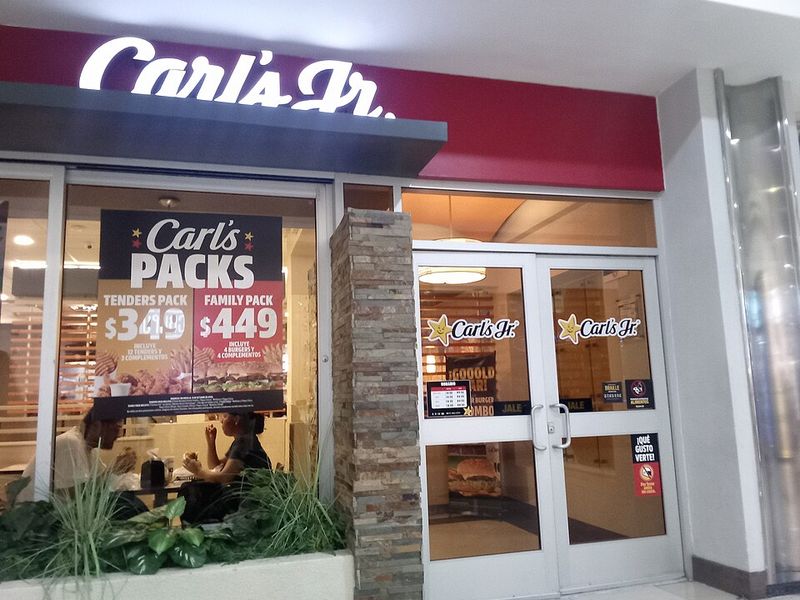
It all began with a hot dog cart. In 1941, Carl Karcher bought one in Los Angeles with a borrowed 311 dollars, and the little cart soon became a restaurant empire.
Karcher was a lifelong Catholic who attended Mass often and spoke about his faith in interviews. He believed it guided how he treated workers and neighbors.
He also gave generously to Catholic causes, schools, and charities over the years. Those gifts earned him recognition from church groups and community leaders in Southern California.
The first Carl’s Jr. restaurant opened in Anaheim in 1956. From there, the chain grew across the western United States and beyond.
Karcher’s personal values remained part of the founder story long after the company expanded.
11. Interstate Batteries

Few corporate leaders have been as open about faith as Norm Miller. As longtime chairman of Interstate Batteries, he spoke often about Christian principles in business.
The company was founded in Dallas in 1952 and became one of the biggest battery distributors in North America. Miller joined as a young man and later led it for decades.
He wrote a book about his approach, and the company mission includes serving customers with integrity. Employees were also offered the chance to take part in optional chaplain services.
Interstate has also been a visible sponsor in sports, including racing. Through those efforts and his public talks, Miller helped make faith a recognizable part of the brand’s culture without being a requirement for customers or staff.
12. JetBlue

Airline founders do not usually serve snacks to passengers, but David Neeleman did. He was known for pitching in on flights, handing out drinks and chatting with travelers.
Neeleman founded JetBlue in 1998 with a focus on low fares and friendly service. He is a member of The Church of Jesus Christ of Latter-day Saints and once served a two-year mission in Brazil.
That experience shaped his outlook. He has talked about learning humility, listening, and treating people with respect.
Those ideas fed into JetBlue’s early customer approach, which included leather seats and live television at every seat. Neeleman left the company in 2007, but his leadership style is still part of the airline’s origin story.
13. Curves
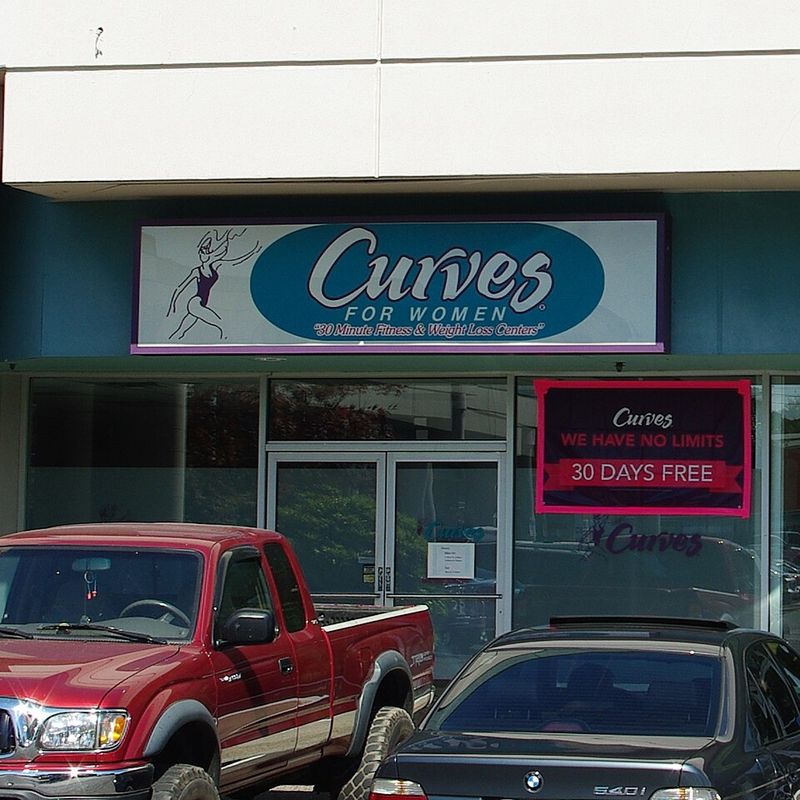
Walk into a Curves gym and you will see a circuit of machines with women moving from station to station. The idea was simple: a short, friendly workout without the pressure of a big gym.
Gary Heavin opened the first Curves in Harlingen, Texas, in 1992. The company grew fast and became one of the largest fitness franchises in the world.
Heavin has spoken publicly about his Christian faith and how it shaped his thinking about business. He has said that he sees his work as a way to help women feel stronger and more confident.
He has also written about his journey, from early struggles to major success. His story has made him one of the better-known business owners to connect faith and entrepreneurship.
14. H-E-B

In a small Texas town in 1905, Florence Butt opened a grocery shop in the front of her home. She needed to support her family after her husband became ill, and she had only a modest loan.
The Butt family’s Christian beliefs influenced the early years of the business and a tradition of giving back. Florence’s grandson, Howard Butt Jr., later became known as a lay Christian leader.
H-E-B grew from that tiny shop into one of the biggest grocery chains in Texas. The company is still privately held and is known for its disaster relief work after storms and floods.
Its history of community support reflects a long family tradition of charity, which has remained part of the brand across generations.
15. Target

The bullseye logo may be modern, but the story behind Target starts in 1902 in Minneapolis. That year, George Draper Dayton opened a department store called Dayton Dry Goods Company.
Dayton was a devout Presbyterian and an active church member. His faith influenced how he ran the store, including a focus on honest dealing and a commitment to community giving.
The company later set aside a portion of its profits for charity, a practice that continued for generations. Even today, Target is known for donating a share of its income to local causes.
The first Target store opened in 1962, created by the Dayton Company. That makes the retailer a direct descendant of a store built on the values of a thoughtful Minnesota businessman.
Share this story