Some places in Oklahoma look quiet from the road, and then they surprise you the moment you step out of the car. I went looking for a quick history stop and found old log walls, weathered stone buildings, and a story that seemed to hang in the air.
Locals have long passed along tales of footsteps and flickers in the old halls, and you can feel why once you walk the grounds. Curious minds, history fans, and anyone who loves a good spooky legend will want to hear what waits here.
An Old Frontier Post in Eastern Oklahoma
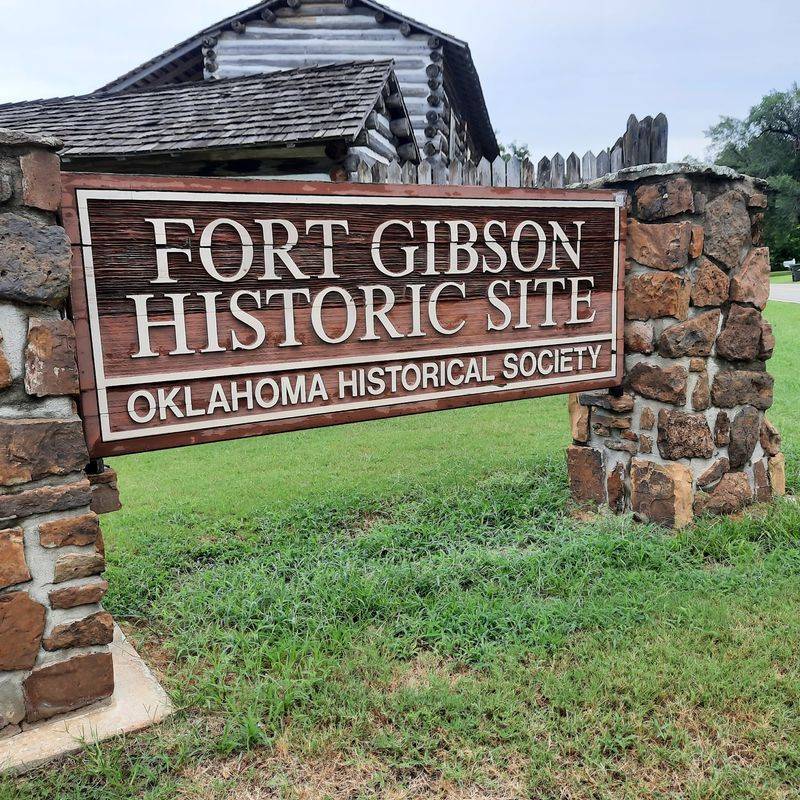
Tucked along North Garrison Avenue in the town of Fort Gibson, the Fort Gibson Historic Site sits in the eastern part of Oklahoma, close enough to lakes and campgrounds that many visitors stumble on it by accident. One recent guest admitted they simply happened upon it and walked away genuinely shocked by how much was there.
The site is run as a state historic property, and it covers more than 80 acres of history. That is a lot of ground for a place that looks modest from the street.
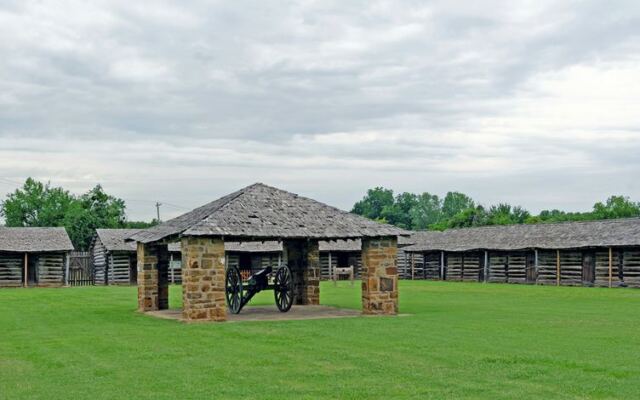
You get a reconstructed log fort, a cluster of original stone buildings, a museum area, and grounds dotted with artifacts.
What makes the visit special is the mix of the real and the rebuilt. The wooden stockade helps you picture daily life on the early frontier, while the stone structures up the hill carry the weight of actual age.
Walking between them feels like moving through chapters of a book.
For travelers chasing Oklahoma’s stranger side, the setting matters too. Old forts collect stories over the decades, and this one has gathered its share of local lore about restless sounds and shadowy corners.
Whether you believe them or not, the atmosphere does a fine job of setting the stage.
Gateway to the Frontier
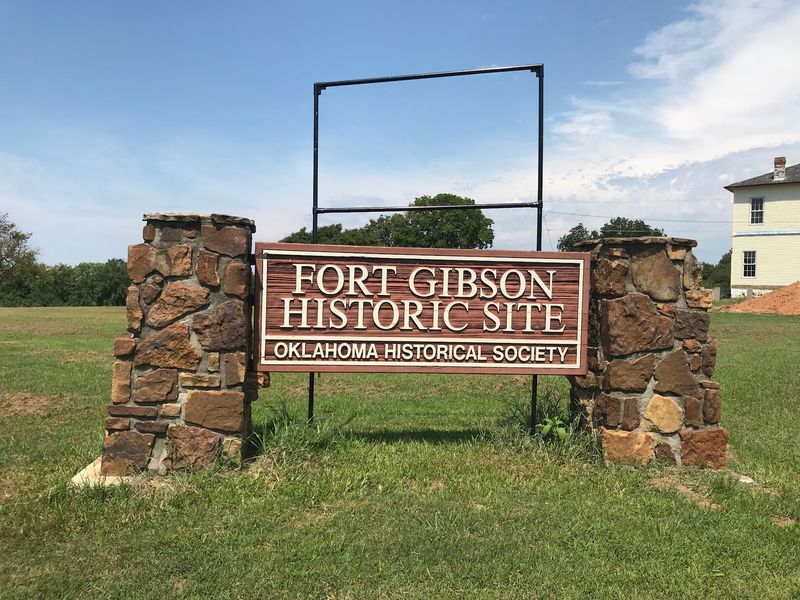
Long before Oklahoma became a state, this post stood at the edge of what many people called the frontier. Visitors who know their history describe it as an important site not only for Oklahoma’s story but also for Native American history across the country.
One guest summed it up well, calling the fort a door to the frontier and an early step in national policies toward Native nations. That connection to the Trail of Tears era gives the grounds a serious, thoughtful tone.
It is not just a place of soldiers and drills, but a place where many lives and journeys crossed.
Plenty of people mention learning about state history here, and that makes sense. The exhibits and buildings help explain how this corner of the land shifted over the 1800s.
Families come away with a clearer picture of how Oklahoma took shape.
Here is something to keep in mind as you walk. Weighty history often explains why ghost stories cling to a place.
Local legends about the fort are best treated as lore passed down over generations, yet they grow naturally from a site where so many important moments unfolded.
Take a slow pace and let the story settle in.
The Lower Fort and Its Log Barracks
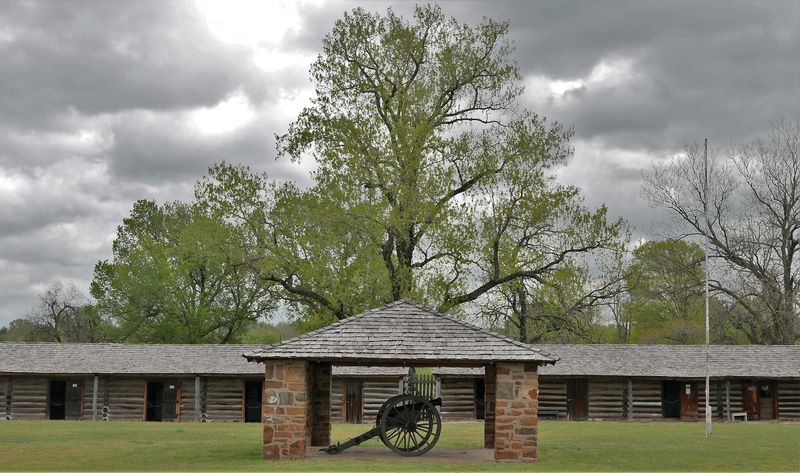
Picture a square of rough-hewn logs closing around a quiet yard, and you have the lower fort. Guests describe it as the main post, with barracks, a brig, the commander’s quarters, and more arranged around the quadrangle.
According to visitors familiar with the layout, this lower section represents roughly the 1830s through the 1850s. It is the reconstructed part of the site, built to show what everyday army life might have looked like in those early years.
You can wander room to room at your own speed.
Signs tell a little about what each room was used for. A few guests wish more of the deeper history were posted, so it helps to chat with staff if you want extra detail.
Still, the spaces themselves do a lot of the talking.
Ghost-story fans tend to linger here. The brig, with its cramped feel, and the barracks, with their rows of simple bunks, are the kinds of rooms where folks swear the air feels heavier.
Those tales live in local lore rather than official records, but standing alone in a dim log room makes them easy to imagine.
Bring a camera. The textures of old wood and shadow photograph beautifully.
Stone Buildings on the Hill
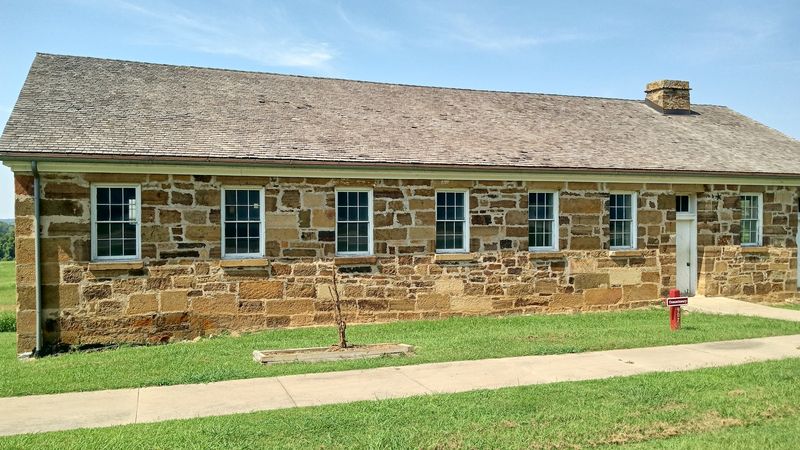
Stone remembers. That thought kept coming back while walking the upper section, where about five original stone buildings still stand.
Visitors say this upper area represents the 1860s through the 1890s, a later chapter in the fort’s long life.
One January visitor enjoyed comparing the reconstructed log fort with these newer stone structures. They found the history so compelling that they could almost imagine life back then.
Being the only people on the grounds that day probably added to the effect.
Walls like these are the heart of the article’s title. Old stone halls hold echoes, cool drafts, and creaks that spark imaginations.
Local storytellers have spun tales about figures in windows and footsteps on empty floors. Treat them as fun folklore, part of the fort’s character rather than proven fact.
Nearby, guests point out a building in ruins and a couple of lonely chimneys standing in the grass. Those skeletal remains make a striking sight, especially near closing time when the sun drops low.
Wear good shoes. The upper area sits roughly a mile from the main fort parking, so plan to drive or enjoy a pleasant walk between the two sections.
Bread From an Old Bakery
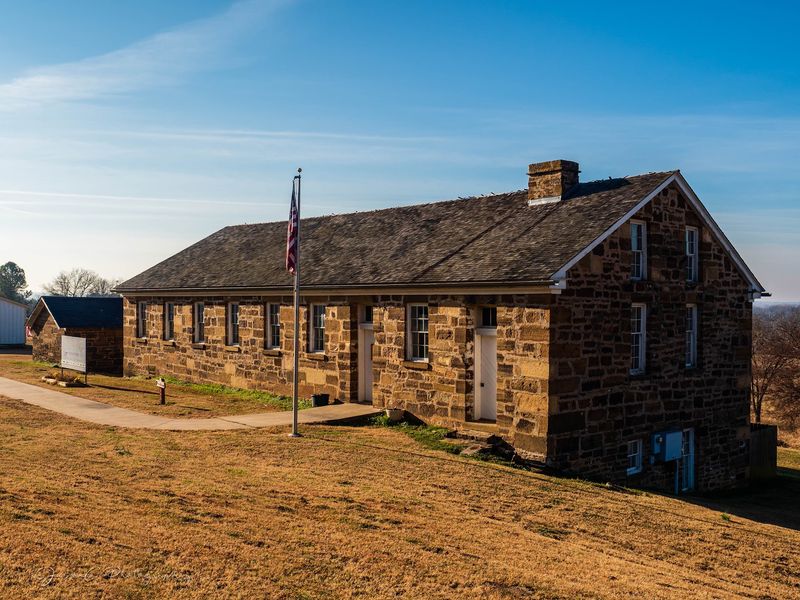
Few historic sites let you smell the past, but this one sometimes does. Guests report that the old bakery still turns out fresh bread on certain days, and they call the building itself amazing.
The bakery sits up near the museum area along with other buildings, according to visitors who explored both sections. It is one of those details that makes the grounds feel lived in rather than frozen behind glass.
Hungry travelers will want to time their trip well.
Since baking only happens on specific days, call ahead at 918-478-4088 to check. Nothing beats the surprise of warm loaves after a chilly walk past old chimneys and stone walls.
Fun fact for the curious: a frontier post needed a steady bread supply to feed its soldiers, so a bakery was a practical necessity. Seeing that kind of everyday work brings the past down to earth in a way battle stories cannot.
There is something cozy about it, too. Amid all the ghostly tales, the bakery is the warm, friendly corner of the fort.
Think of it as the place where the spooky mood softens and you remember real people once laughed, worked, and shared meals here.
Museum Corner and the First School for the Blind
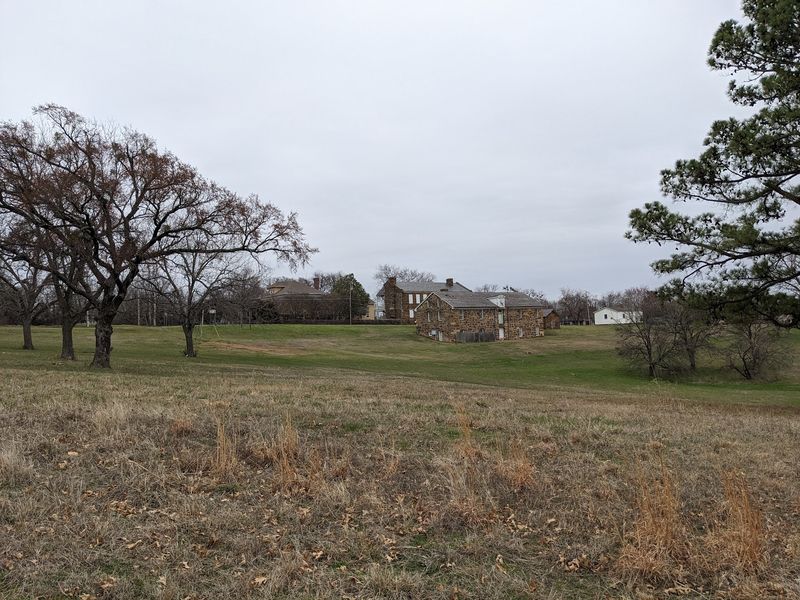
Up the road from the main fort, the museum area adds another layer to the visit. Guests describe a museum along with several buildings, including what they call the first school for the blind in Oklahoma.
That detail surprises many people. It shows the site was more than a military post, holding stories of education and community too.
It is a reminder that history here stretches across many decades and purposes.
Displays are thoughtfully balanced. One fan of frontier forts said there are enough exhibits to stay engaged without feeling overwhelming.
Various artifacts also sit around the grounds, so keep your eyes open as you stroll.
A gift shop rounds things out, handy for picking up a souvenir or a book about the region. Kids especially like having something to bring home after a day of exploring.
One guest who visited in the slow season joked about getting lots of attention from the ladies in the museum. Quiet days mean more time for conversation, and that personal touch is part of the charm.
If ghost stories interest you, the museum is a good spot to ask what tales locals tell, since staff often know the lore as well as the facts.
Friendly Guides With Plenty of Stories
Ask anyone what they loved most, and the staff comes up again and again. Knowledgeable staff is the most mentioned topic among visitors, far outpacing anything else.
One family raved about a young woman who helped them, calling her an absolute blast. She shared plenty of history and patiently answered every question, and the family promised to come back.
Another group fondly remembered a guide named Mr. Reed from an earlier trip.
Others describe the team as both knowledgeable and kind. That combination matters at a site where signs only cover so much.
A good guide fills in the gaps and turns a walk past old walls into a real story.
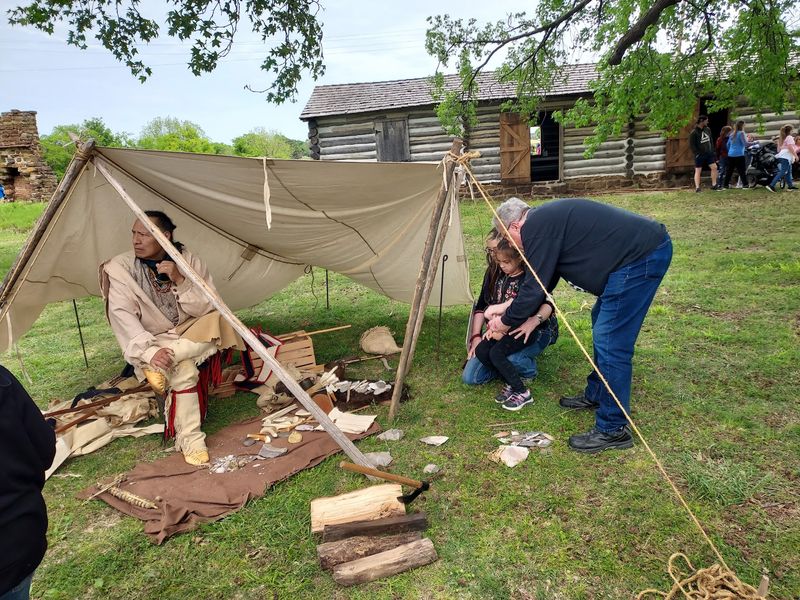
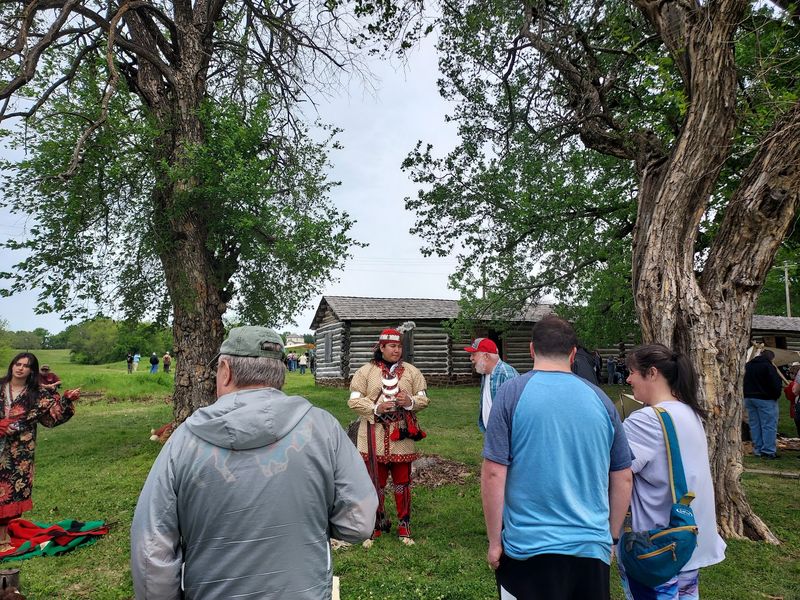
Reenactments add more life when they are happening. One visitor noted the costumed crew happened to be on lunch during their stop, so it pays to ask about timing.
Want the spooky side? Staff members at older sites often hear the local legends firsthand from neighbors and longtime volunteers.
Asking politely about ghost stories can lead to fun conversation, just remember these tales are shared as lore. The real treasure is how warmly the people here welcome curious travelers.
Candlelight, Reenactments, and Family Visits
Imagine log walls glowing with candles on a cold December night. Visitors call the Christmas Candle-Light Tour so much fun, and it may be the best way to feel the fort’s eerie beauty.
Flickering light and long shadows make any old building feel mysterious. For ghost-story lovers, it is the perfect mood, though the event itself is festive and welcoming.
Check the website for dates, since events run throughout the year.
Families are a big part of the crowd. Family friendly is one of the most common themes in visitor feedback, and one grandparent said their 11-year-old grandson really enjoyed the informative history.
Reenactments also pop up and bring the barracks to life. Seeing people in period clothing demonstrate frontier routines helps younger visitors connect with the past.
Self-guided tours make it easy for families to set their own pace. Kids can run ahead to peek in the brig, then circle back to the bakery or museum without anyone feeling rushed.
Fall and winter visits pair especially well with the fort’s legends. Cooler air, quieter grounds, and early dusk add that delicious shiver everyone secretly hopes for.
Hours, Contact, and Nearby Stops
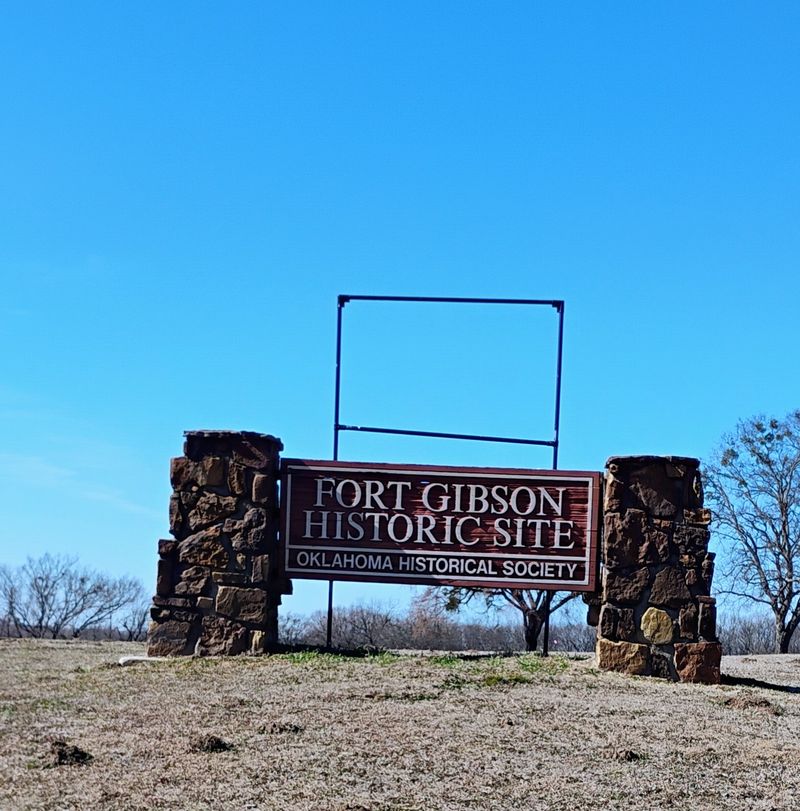
Plan carefully, because timing trips people up. The site is open Tuesday through Saturday from 10 am to 4:30 pm, and it is closed Sunday and Monday.
One visitor years ago arrived on a Monday expecting it to be open, and could only walk the outside grounds. They still got lovely photos but missed the interiors.
Another guest found nobody around yet the grounds open, and left cash in a donation box. Calling 918-478-4088 or checking okhistory.org/sites/fortgibson before you go saves headaches.
The address is 803 N Garrison Ave, Fort Gibson, OK 74434. Parking sits at the main fort area, and the museum section is about a mile up the road.
Make a day of it. Guests recommend the old downtown, the former road bridge beside the train trestle, and the dam a few miles away.
Campers at Greenleaf State Park have swung by too, and one recent visitor praised the top-notch work completed ahead of a grand reopening.
Nearby, the Fort Gibson National Cemetery offers a quiet, respectful place to honor those who served. Several visitors described their time there as deeply moving.
A Haunting Little Treasure Worth the Drive
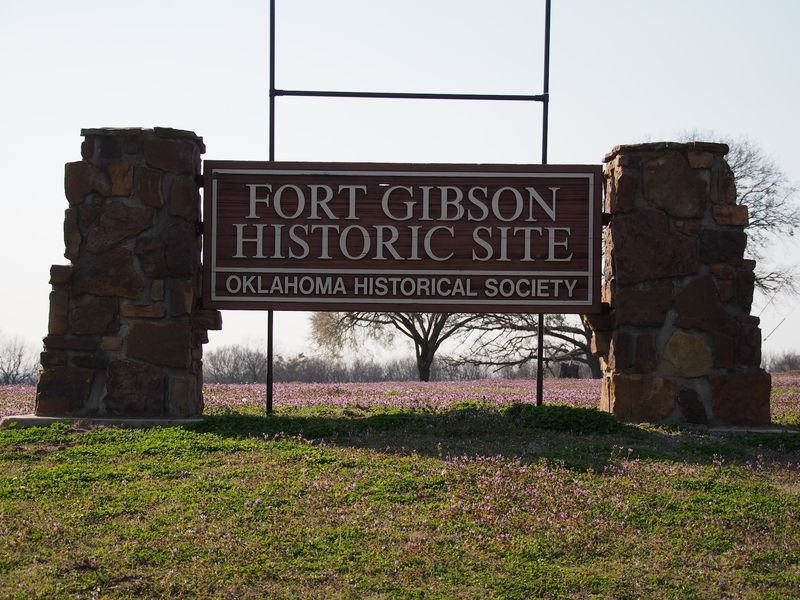
So, is it worth the detour? For anyone who loves frontier history, quiet walks, or a sprinkle of spooky folklore, the answer leans strongly toward yes.
One fan of historic forts said this one deserves a pin on your map. Others called it amazing, well cared for, and a true piece of history that still carries the feel of life some 150 years ago.
That sense of stepping back in time is what lingers.
It is not flawless. Some guests wish every building were open, and a few wanted more interpretive signs.
Arriving on a weekday when staff are around makes a big difference, since the guides fill in so much.
The ghost stories are the cherry on top. Whether you hear footsteps in the stone halls or simply feel a chill near the old chimneys, those tales are part of local lore that keeps people talking.
They add flavor without needing proof.
Pack a jacket, bring your curiosity, and give yourself a few unhurried hours. Fort Gibson rewards slow wanderers, and you may leave with a new favorite Oklahoma story to tell around the next campfire.
Share this story