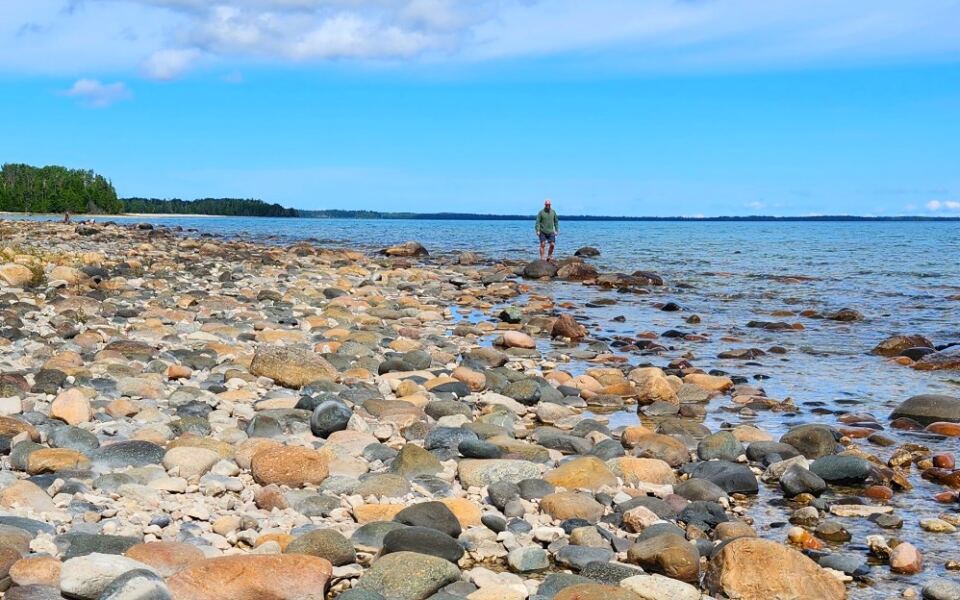
Not every great beach needs soft sand. Some shorelines across the United States swap the sand for polished pebbles, ancient fossils, colorful agates, and boulders so round they look like someone lined them up on purpose.
One Great Lakes beach hides coral that grew in a tropical sea about 350 million years ago. A Pacific shoreline shows off giant stone spheres, but only when the tide steps aside.
Another beach in Maine is famous for the noise its rocks make when the waves roll back. These places attract rock hunters, photographers, families, and anyone who likes a good mystery under their shoes.
Some let you take a few stones home, while others will fine you for pocketing even one. Keep reading to learn where each beach is, what makes its rocks special, the best times to visit, and the rules worth knowing before you go.
Bring sturdy shoes, check the tide chart, and get ready to spend more time looking down than you ever expected on a beach trip.
1. Schoolhouse Beach, Washington Island, Wisconsin
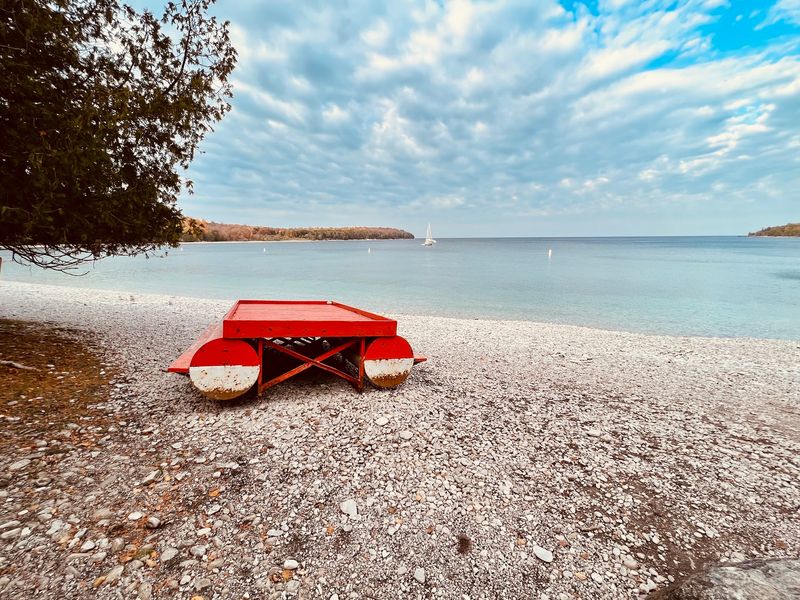
Leave the sand shovel at home, because there is no sand to dig. Schoolhouse Beach is covered in smooth, pale limestone stones on the shore of Lake Michigan.
Only about five limestone pebble beaches exist in the whole world, and this is one of them. The stones are dolomitic limestone that broke off nearby Boyer Bluff, part of the huge Niagara Escarpment.
Glaciers and waves then spent thousands of years rounding every edge. The result is a nearly white shoreline next to clear, blue-green water.
Swimming is popular here, and there is even a diving raft offshore. Picnic tables make it easy to spend a whole afternoon.
Here is the big rule. Every stone is protected by local law, and taking even one can lead to a fine.
Souvenir hunters once carried away so many rocks that the beach started shrinking. Snap photos instead of pebbles.
Fun history bit: the beach got its name from a one-room wooden schoolhouse that once stood nearby. Class was clearly in session on geology.
2. Bowling Ball Beach, Point Arena, California
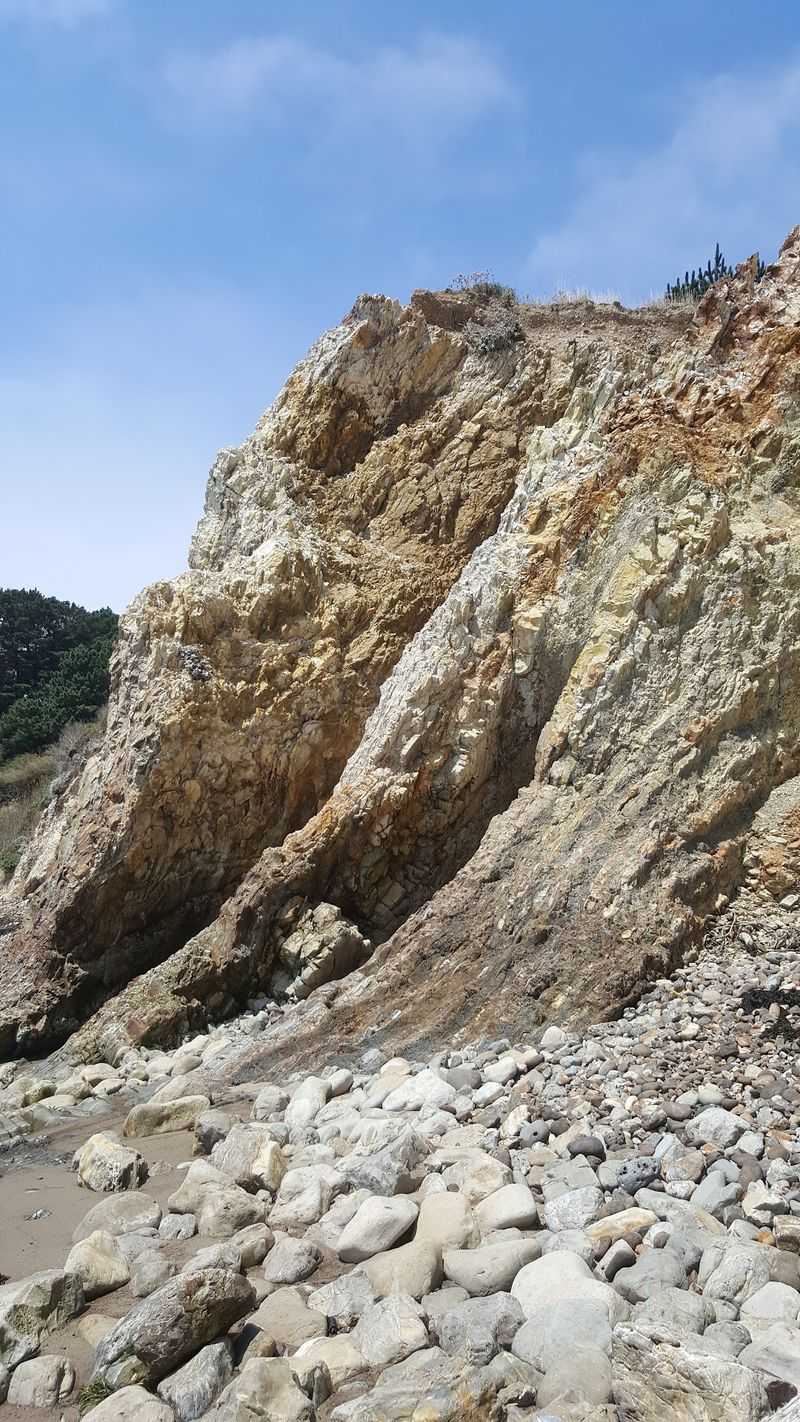
Strike one goes to nature. At low tide, rows of huge round stones appear along this Mendocino County shore, lined up like bowling balls waiting at the return rack.
Most measure between 2 and 5 feet across. They are not random boulders but concretions, formed millions of years ago when minerals glued sediment together around shells or leaves.
The softer mudstone cliffs around them wore away over time. The harder spheres stayed behind, sitting in neat lines on a grooved rock platform.
Timing is everything here. The stones hide underwater at high tide, so plan your trip around a low tide, ideally a minus tide.
The beach sits within Schooner Gulch State Beach. Reaching it means a short hike and some stairs that can be steep and slippery, so wear shoes with good grip.
Bring a camera and explore the tide pools, but skip the swim. Waves here are powerful and unpredictable.
Few places on Earth have formations like these. Nobody has ever bowled a perfect game here, though.
3. Jasper Beach, Machiasport, Maine
Plenty of beaches are named after what they have. Jasper Beach is named after what it mostly does not have.
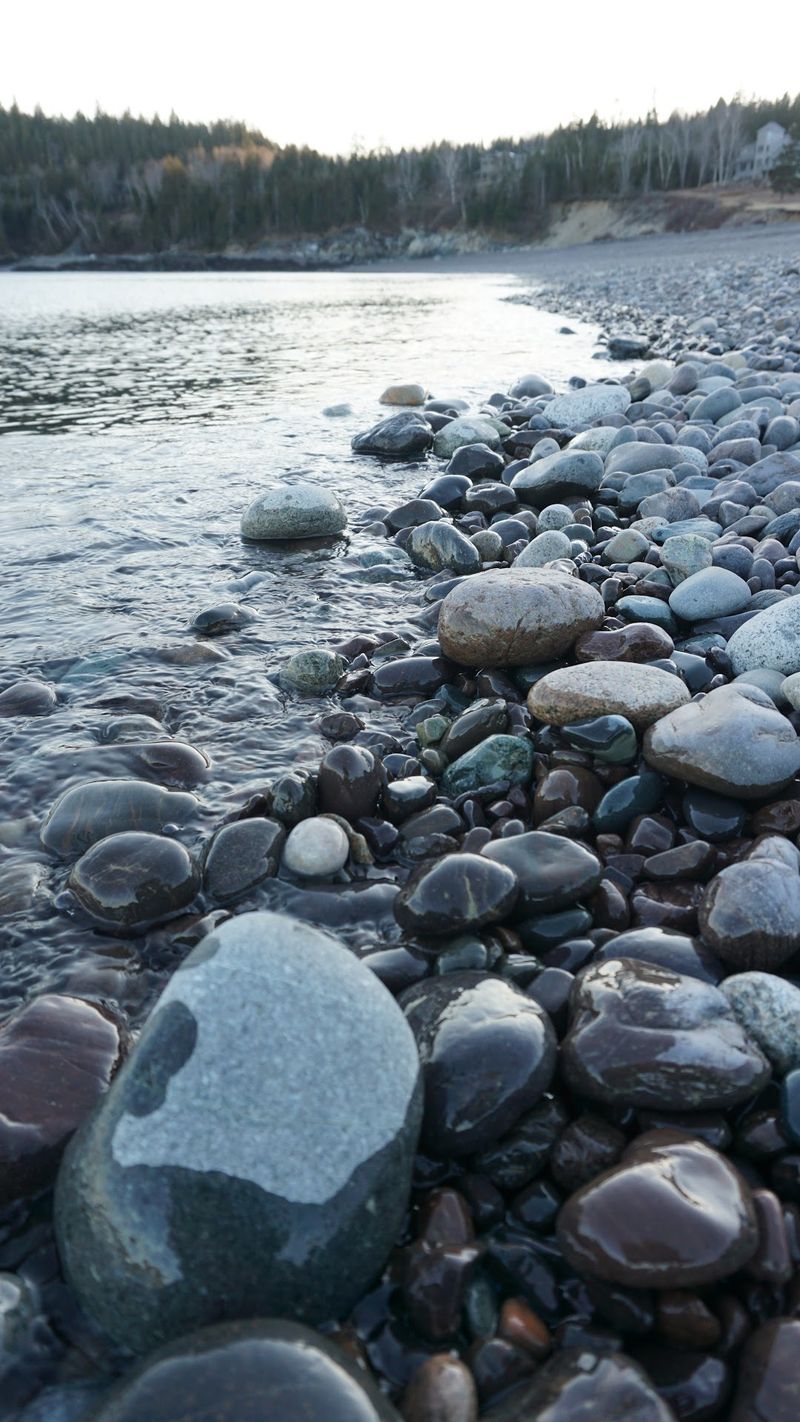
Geologists say most of the reddish stones here are rhyolite, a fine-grained volcanic rock, mixed with quartz and granite. Real jasper makes only a small appearance, but nobody seems to mind.
The stones come in red, green, gray, and brown, worn smooth by constant wave action. An eroding bluff of glacial material keeps adding new rocks to the pile.
Visitors come for a famous reason. As waves pull back, thousands of pebbles tumble down the slope and create a loud, rattling chorus that locals call the beach singing.
The beach sits in Howard Cove in quiet Downeast Maine. Sea caves at the eastern end are worth a look for curious explorers.
Dogs are welcome, which makes it a good stop for pet owners. Swimming is allowed, but the Atlantic stays cold all year.
Please leave the stones behind. Rock removal has been a problem, and the music needs every band member.
4. Moonstone Beach, Cambria, California
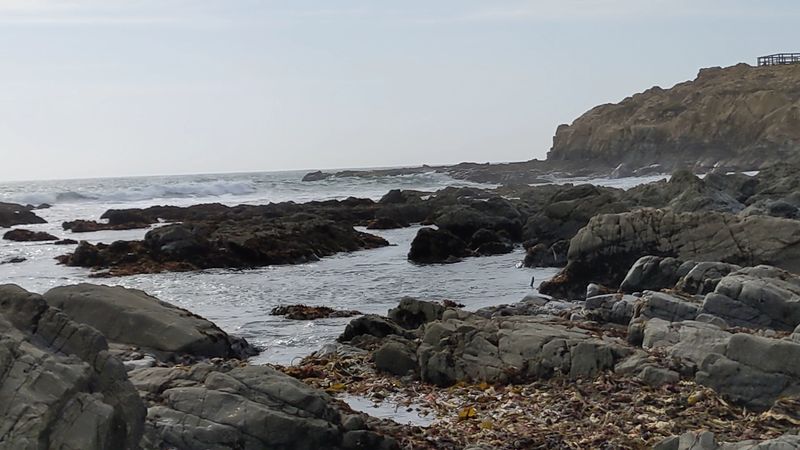
Call it a case of mistaken identity. The famous moonstones of Cambria are mostly chalcedony, a type of quartz, not true moonstone at all.
Nobody is filing complaints, though. The translucent pebbles look milky and pretty when wet, and beachcombers also find jade, jasper, agates, and bits of sea glass.
A wooden boardwalk runs about a mile along the bluffs. It works well for wheelchairs and strollers, and benches and stairways connect it to the sand below.
The best stone hunting happens at low tide, especially after winter storms toss fresh pebbles onto the shore. Go slowly and look for stones that let light pass through.
Wildlife fans get bonus points here. Sea otters, harbor seals, dolphins, and migrating gray whales often show up offshore.
Tide pools reveal sea stars, anemones, crabs, and urchins when the water drops. A short drive north brings you to the elephant seals at Piedras Blancas.
Leave the swimsuit in the car. The water is chilly and the currents can be strong.
5. Petoskey State Park Beach, Petoskey, Michigan
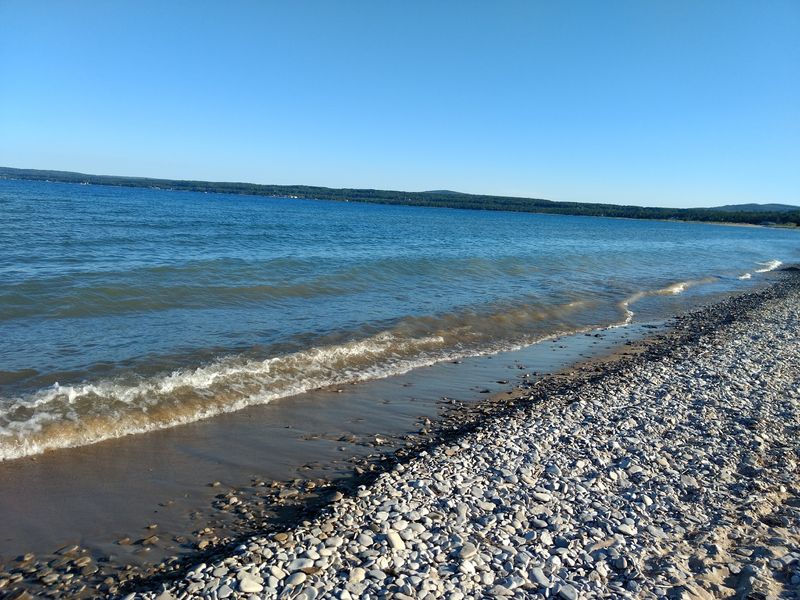
About 350 million years ago, Michigan was underwater in a warm, shallow sea. Coral lived there, and pieces of it now wash up on this beach as Petoskey stones.
The fossils come from a coral called Hexagonaria percarinata. When dry, the stones look like plain gray rocks.
Dip one in the lake and six-sided patterns pop into view. That trick is the number one tip for hunters here, so keep a water bottle handy.
Michigan named the Petoskey stone its official state stone in 1965. Ice Age glaciers scraped them from bedrock and scattered them across the region.
The best hunting happens in early spring after the ice melts, or after windy days stir up new stones. Collecting is allowed, with a statewide limit of 25 pounds per person per year.
The park also offers a mile of sandy beach, dunes, and wooded trails along Little Traverse Bay. Swimming and picnicking are popular in summer.
Bikers can hop onto the Little Traverse Wheelway nearby. Just do not let your rock bag outweigh your bike.
6. Black Sands Beach, Shelter Cove, California
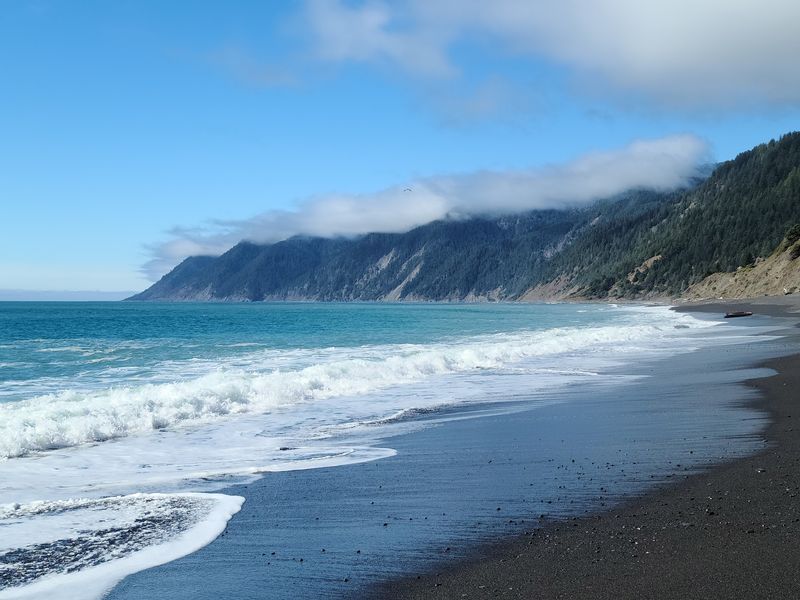
Highway 1 gave up on this stretch of California. The mountains were too steep, so the area became known as the Lost Coast, and Black Sands Beach is one of its standouts.
The shoreline is covered in dark pebbles and gravel. That charcoal color comes from eroded greywacke, sandstone, serpentine, and volcanic rocks from the King Range above.
Those rocks exist thanks to tectonic plates meeting offshore. Geology class never looked this moody.
The beach is the southern trailhead for the northern Lost Coast Trail. Hikers must study tide charts, since some sections become impassable when the water rises.
Day visitors can beachcomb, take photos, and explore tide pools at low tide. Seals, sea lions, and migrating gray whales often appear offshore.
One rule matters more than any other here. Stay out of the water.
The beach has strong rip currents, a steep underwater drop-off, and powerful shore-break waves. Enjoy the view from dry ground and keep an eye on the surf at all times.
7. Pebble Beach, Crescent City, California
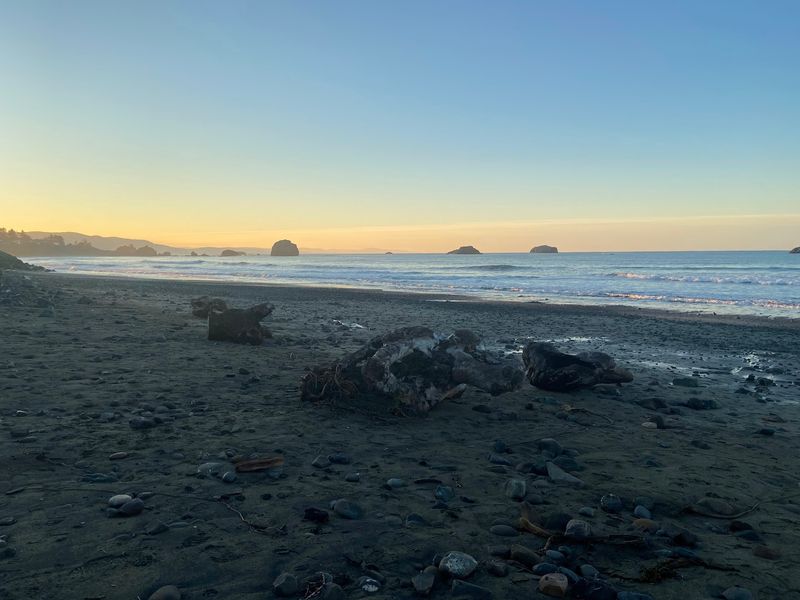
Golfers, this is not the Pebble Beach you are thinking of. The Crescent City version trades fairways for agates, jasper, and quartz.
The shoreline is a chain of connected coves. Some spots are sandy, others are packed with pebbles, and a few are rocky enough for tidepooling.
Winter storms are a rock hunter’s best friend here. Rough weather churns the beach and exposes new stones at low tide.
Local collectors share a handy trick. Walk toward the sun and scan wet stones, since agates let light shine through.
Offshore, sea stacks rise from the water, including Castle Rock. That island is part of a national wildlife refuge used by seabirds and sea lions.
Geologists have spotted curving grooves on the rock platform. Some think a tsunami may have carved them long ago.
Pebble Beach Drive runs along the coast with overlooks and plenty of access points. Visitors also fish, surf, kayak, and picnic, so non-rockhounds stay busy too.
8. Rockport State Recreation Area, Alpena, Michigan
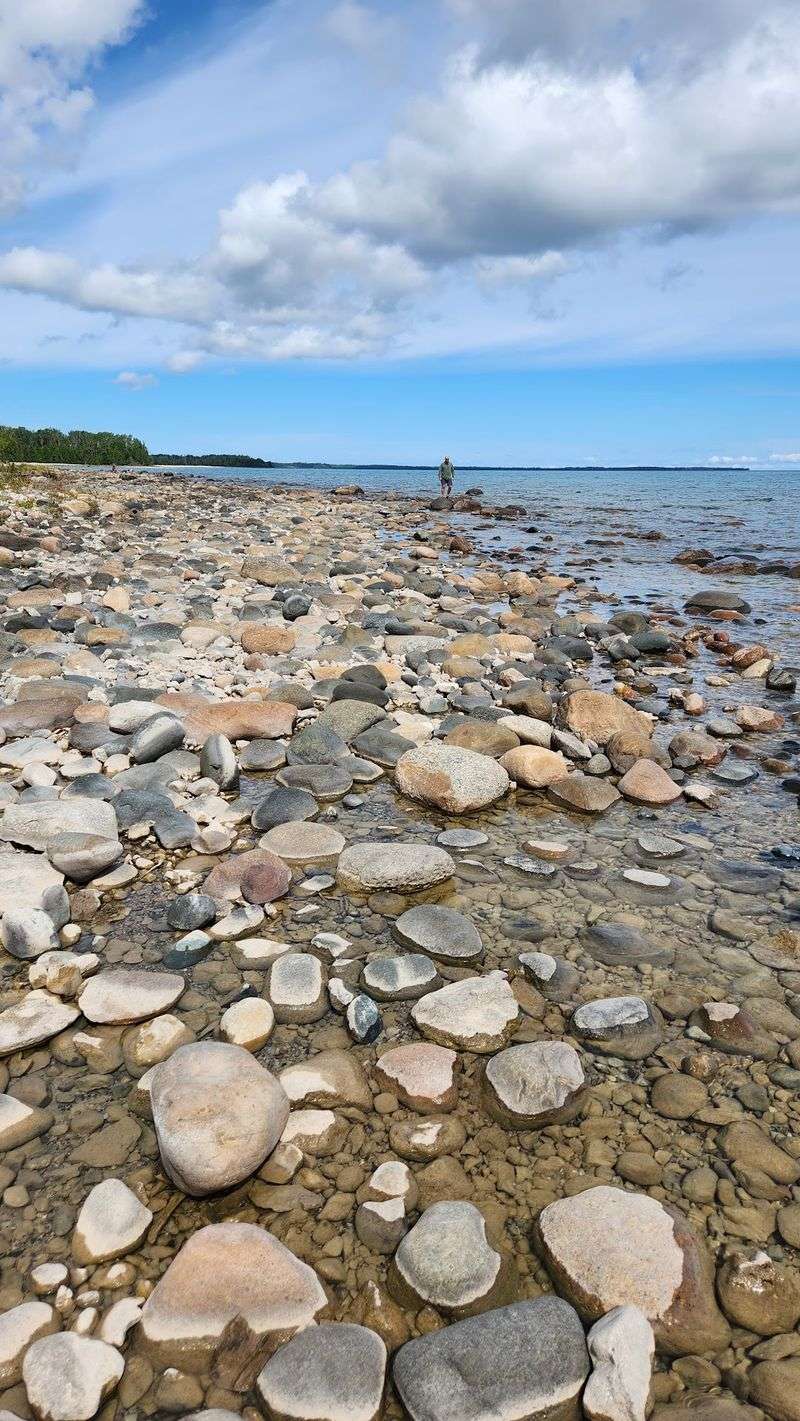
Most parks ask you to take nothing but pictures. Rockport lets you take fossils home, up to 25 pounds per person per year.
The site was once a 300-acre limestone quarry on Lake Huron. Today the quarry floor is scattered with Devonian fossils between 350 and 400 million years old.
Hunters find honeycomb coral, Petoskey stones, ancient snails, brachiopods, crinoids, and bryozoans. Rare trilobites turn up now and then, and finding one earns serious bragging rights.
The park became Michigan’s 100th state park in 2012. It covers over 4,200 acres, so the fossils are only the beginning.
Thirteen sinkholes dot the land, and one is over 100 feet deep. Trails welcome hikers, mountain bikers, and horseback riders.
Rockport is also a dark sky preserve, which makes it great for stargazing. History fans can look for the ghost town of Bell and a shipwreck visible offshore.
Old conveyor tunnels now shelter hibernating bats. Give them space and stick to the fossils.
9. Brighton Beach, Duluth, Minnesota
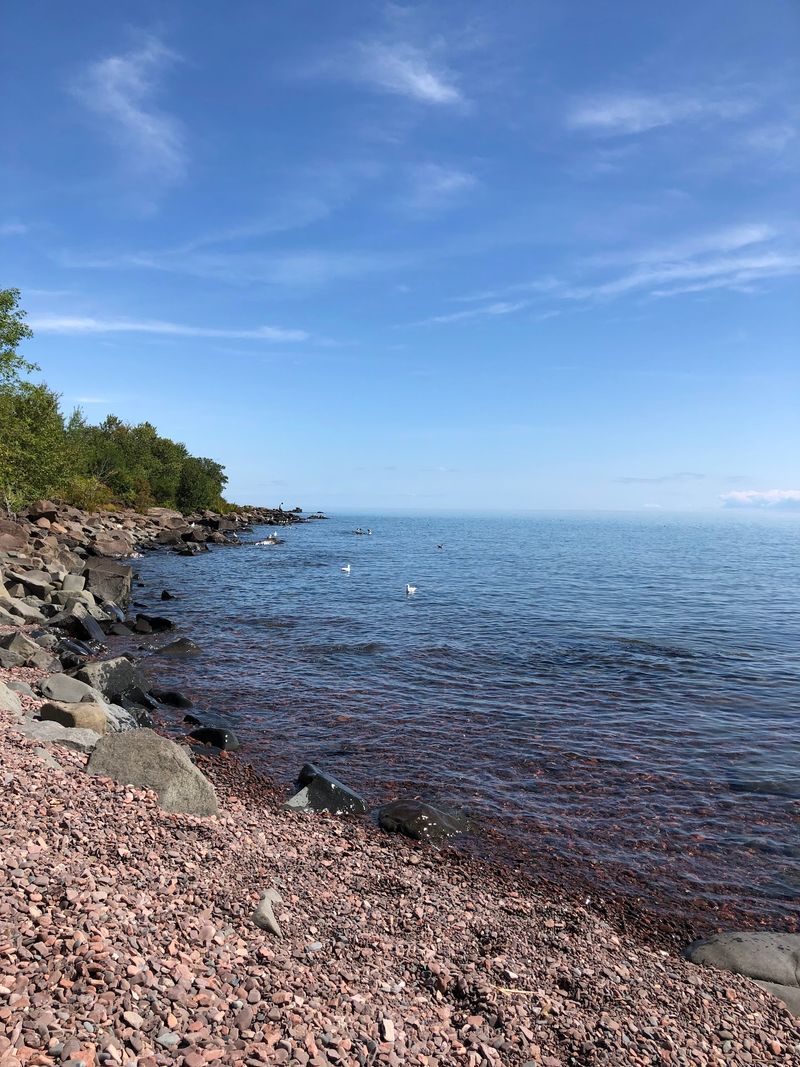
Minnesota’s state gemstone hides in plain sight along this shore. Brighton Beach is a top spot for hunting Lake Superior agates.
The beach sits at the eastern end of Duluth’s Lakewalk. Instead of sand, it is covered in rounded stones of every size and color.
Lake Superior polishes these rocks with constant wave action. Agates stand out with wavy bands and red, orange, or yellow coloring, while quartz and greenstone fill in the rest.
Serious hunters go after storms or windy days. Fresh rocks wash in, and wet stones show their patterns more clearly.
The beach is officially part of Kitchi Gammi Park. Picnic tables, grills, and a pavilion make it easy to plan a family lunch.
Photographers love sunrise here, and storm days draw a crowd too. Birdwatching and paddling are popular as well.
Swimming is possible, though the lake stays cold. Skipping stones might be the most popular sport of all, and practice material is never in short supply.
10. Moolack Beach, Newport, Oregon
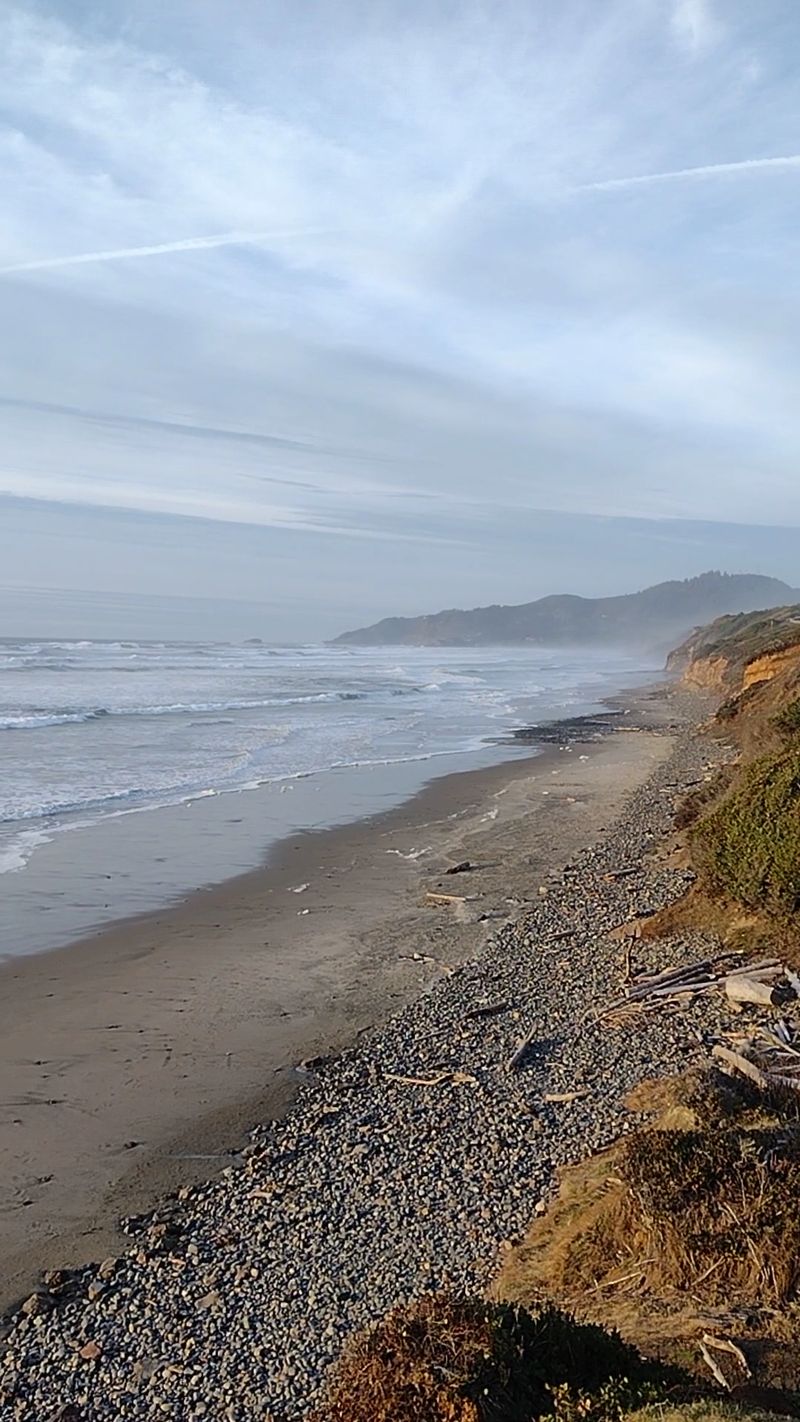
Winter storms send many visitors home. At Moolack Beach, they send rockhounds running toward the shore.
Strong tides and storms scour away sand and expose fresh gravel beds. That is when carnelian agates, jasper, fossil shells, and petrified wood appear.
Some petrified wood here is Teredo wood, marked with holes bored by ancient clams. Lucky visitors sometimes spot old rooted stumps.
The bedrock below is the Astoria Formation, about 15 to 18 million years old. It peeks out when the sand shifts away.
Moolack sits just north of Newport, with views of Yaquina Head and its historic lighthouse. The beach is undeveloped, so expect quiet stretches instead of snack stands.
The tidal range reaches nearly ten feet. That means the beach can look completely different from morning to afternoon.
Plan visits for winter low tides. Watch for rip currents and sneaker waves, and never turn your back on the ocean while hunting for treasure.
11. Rialto Beach, Forks, Washington
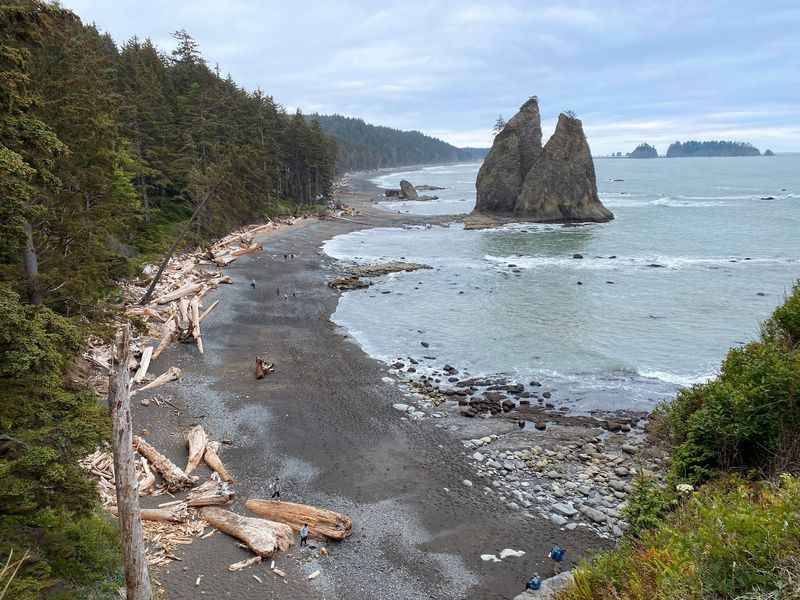
Driftwood logs over 100 feet long rest on this beach like giant toothpicks tossed aside. Rialto Beach is one of the wildest shorelines in the Pacific Northwest.
Dark cobbles and pebbles cover much of the shore, mixed with sand. Sharp eyes can spot agates, volcanic rock, and orbicular jasper.
The beach lies within Olympic National Park near Forks. Sea stacks rise offshore, and the driftwood piles are so large that some call them the Tree Graveyard.
The big prize is Hole-in-the-Wall, a sea arch carved into a basalt cliff. It sits about 1.5 to 2 miles north along the beach.
Getting there safely requires a tide table. Aim for a low tide under 2 to 3 feet, or rising water may cut off your path.
Tide pools near the arch are packed with life. Eagles, sea lions, sea otters, and whales also appear.
Collecting rocks or driftwood is not allowed in the park. Swimming is not recommended because sneaker waves are a real danger.
12. Whitefish Point Beach, Paradise, Michigan
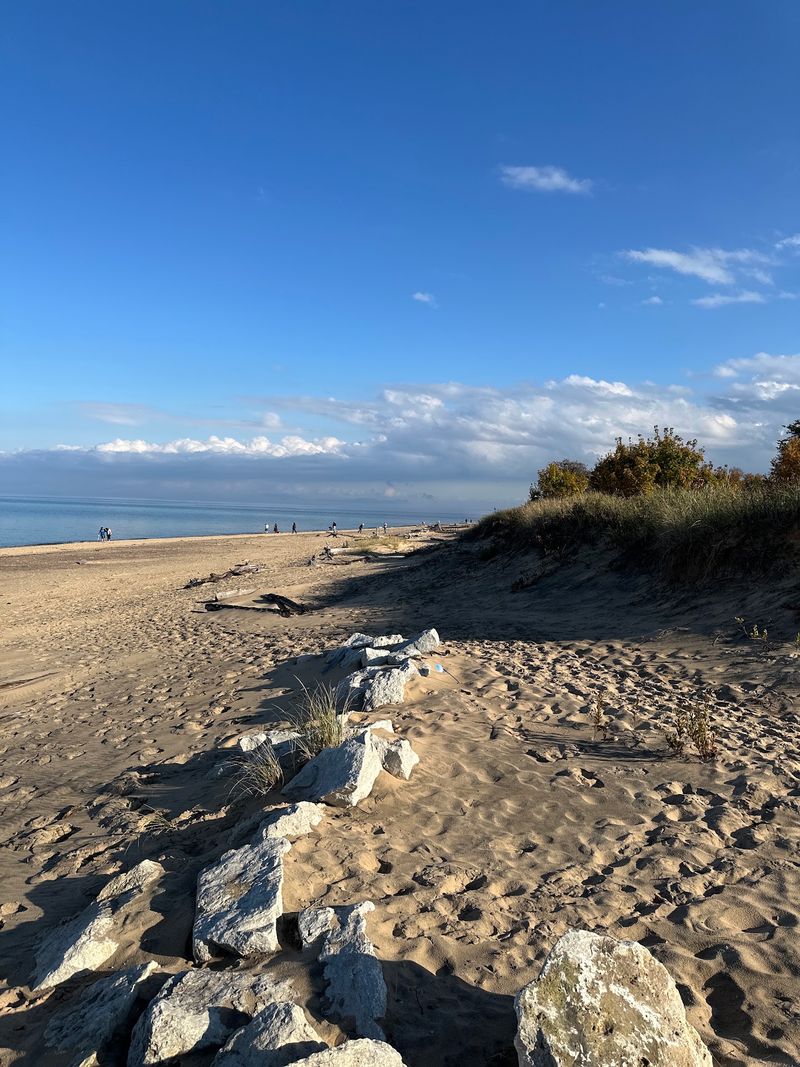
Nearly 200 ships went down in the waters off this point, earning the area the nickname Shipwreck Coast. Today, the beach is better known for rocks, birds, and history.
Whitefish Point sits at the northeastern tip of Michigan’s Upper Peninsula. Lake Superior’s clear water makes colorful stones easy to spot below the surface.
Collectors look for unakite, a green and pink rock, along with epidote, jasper, magnetite, and pale agates. Granite and basalt are everywhere.
The Whitefish Point Lighthouse is the oldest active lighthouse on Lake Superior. Next door, the Great Lakes Shipwreck Museum displays the bell from the Edmund Fitzgerald.
Bird lovers mark their calendars for spring and fall. Thousands of loons, cranes, owls, and songbirds pass through this migration corridor.
Visitors also enjoy watching freighters glide by and picnicking on the beach. Collecting rules vary here.
Part of the point is a National Wildlife Refuge where collecting is prohibited. Check signs before your pockets get heavy.
Share this story