A small Chinese restaurant in Harrisville, West Virginia, has earned a loyal following with generous portions, familiar favorites, and friendly service. Peking Restaurant keeps things simple, serving made-to-order dishes instead of running a buffet.
General Tso’s Chicken, Kung Pao Chicken, lo mein, and crab rangoons are among the menu options. Customers also mention an unusual little touch: wonton chips and duck sauce brought to the table before the meal.
The restaurant doesn’t rely on fancy decor or elaborate presentation. Its reputation comes from the food, the portions, and the people who keep returning.
Even travelers visiting nearby North Bend State Park have discovered why this modest spot gets so much attention.
A Small Building on East Main Street
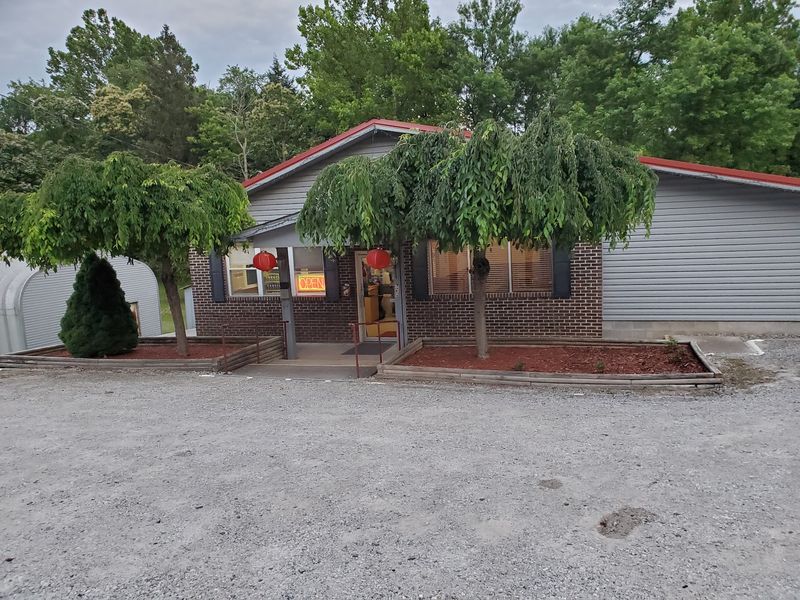
Peking Restaurant sits at 920 E Main St, Harrisville, WV 26362, in the United States. Harrisville is the county seat of Ritchie County, a rural corner of north-central West Virginia.
The restaurant is easy to miss if you’re driving fast. It’s a small building, and it doesn’t try to grab attention with flashy decor or a giant sign.
That modest look is part of the story. A small-town Chinese restaurant has to win people over one meal at a time, since there’s no tourist crowd to keep things afloat.
Peking seems to have done exactly that. With a 4.6-star rating across about 248 Google reviews, it has built a reputation that most small restaurants would be happy to have.
I find that number interesting because it comes from a place where word travels quickly. In a town like Harrisville, people talk, and a kitchen can’t hide a bad day for long.
So what keeps folks coming back? The answer starts before your food even arrives, with something sitting right on the table.
Wonton Chips Waiting at Every Table
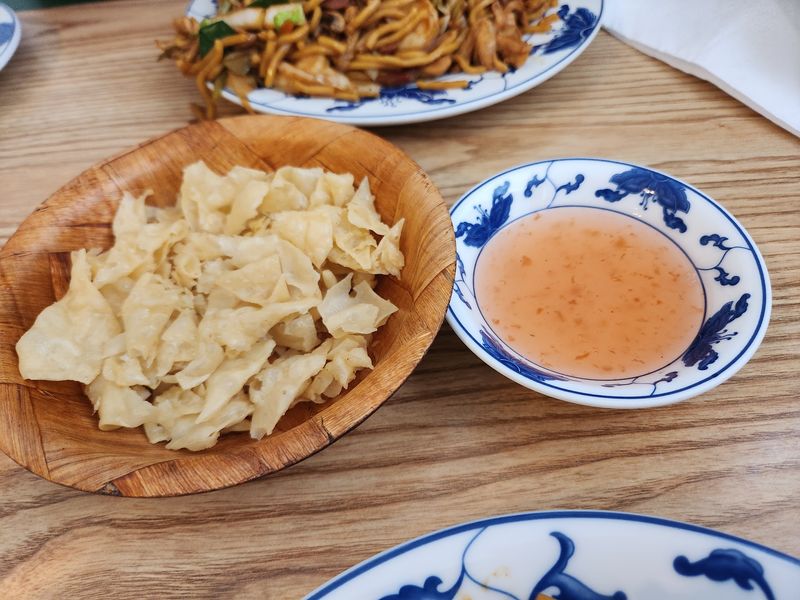
Crispy wonton chips and duck sauce greet you at the table here. It’s a little snack that shows up before you’ve even picked your entree.
Plenty of Chinese restaurants across the country bring out a basket of fried noodles or nothing at all. At Peking, the wonton chips paired with sweet duck sauce have become a detail people remember.
One visitor even mentioned never seeing that setup at a restaurant before. I can understand why it sticks with folks, since it’s an easy way to make a first visit feel welcoming.
Duck sauce, for anyone new to it, is a sweet and tangy orange sauce. It’s usually made with fruit like apricot or plum, and it pairs well with anything fried and crunchy.
My advice is simple. Pace yourself with the chips, because what comes next tends to fill the plate.
That small table snack also hints at a bigger idea. This restaurant cares about the moments between ordering and eating, and that care carries right into how the kitchen handles every single dish.
No Buffet, Just Food Cooked to Order
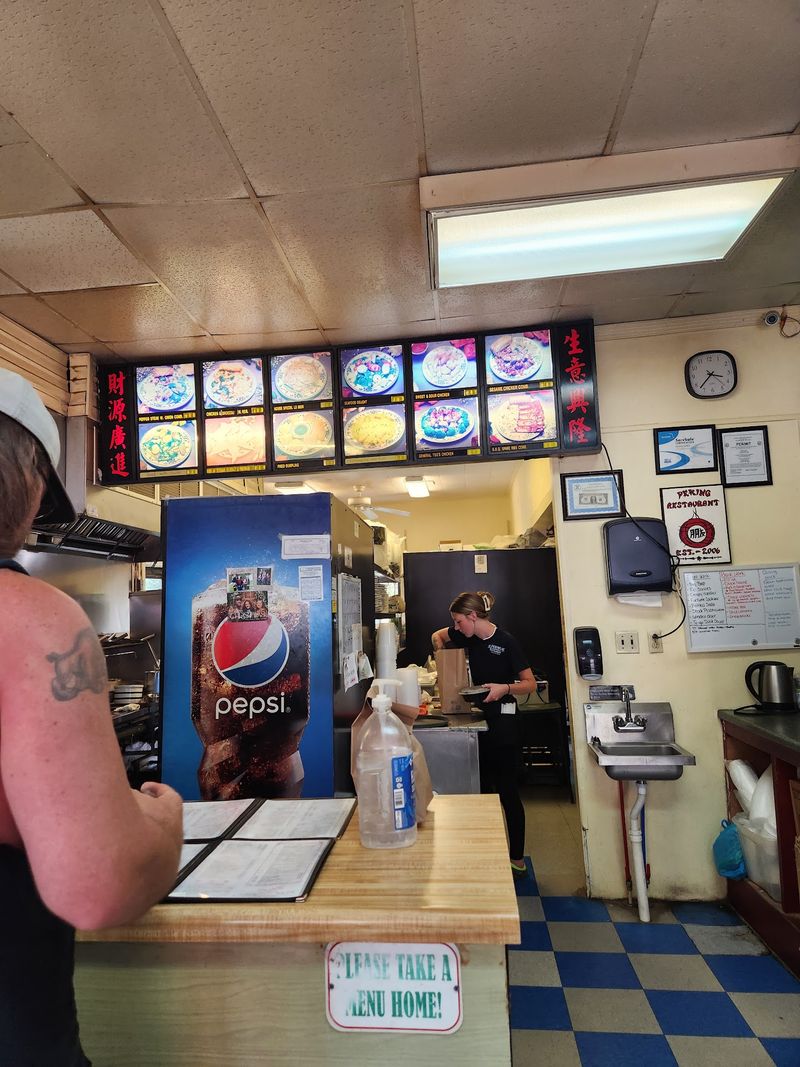
Here’s something worth knowing before you go: Peking is not a buffet. Your meal is cooked when you order it.
Many small-town Chinese spots lean on steam tables and trays that sit out for hours. That setup can be handy, but it rarely gives you food straight from the wok.
At Peking, the cooked-to-order approach has been part of the experience for years. A family who said they ate there about once a month pointed this out nearly a decade ago, and it still holds true today.
Freshness comes up again and again when people describe their meals. That makes sense when nothing has been waiting under a heat lamp.
Cooking to order does take a few minutes. Still, service here is known for being quick and friendly, so the wait rarely feels long.
I’d much rather wait a few extra minutes for a hot plate than grab something lukewarm from a tray. If you agree, you’ll appreciate how this kitchen works.
And when food is made fresh, one dish in particular gets a lot of attention: the General Tso’s.
General Tso’s, With a Tofu Option Too
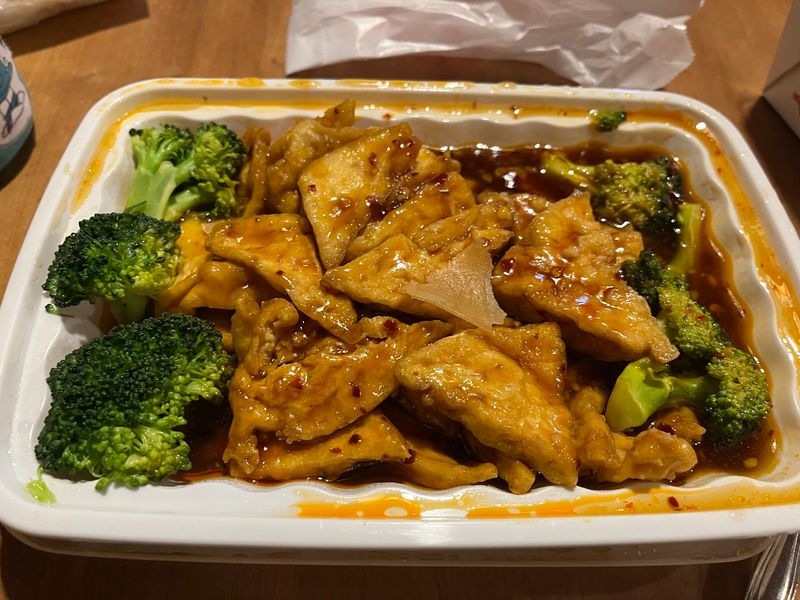
Crispy coating and a glossy sauce make General Tso’s one of the dishes most closely tied to Peking’s name. Ask around Harrisville, and it’s likely the first thing someone suggests.
The dish is an American Chinese classic. Pieces of battered chicken are fried and tossed in a sweet, slightly tangy sauce with a little heat.
What I like about Peking’s version is that it isn’t limited to chicken. The kitchen also offers General Tso’s Tofu, which is good news for vegetarians or anyone eating lighter.
A traveler who ordered the tofu version paired it with a spring roll. That’s a solid combination if you want a full meal without meat.
Fun fact: the dish is named after Zuo Zongtang, a Qing dynasty general from Hunan province. The recipe as most Americans know it took shape much later, in Taiwan and then New York.
So when you order it in a small West Virginia town, you’re eating a dish with a surprisingly long road behind it.
If you prefer more spice, though, there’s another chicken dish here that deserves your attention.
Kung Pao Chicken for the Heat Seekers
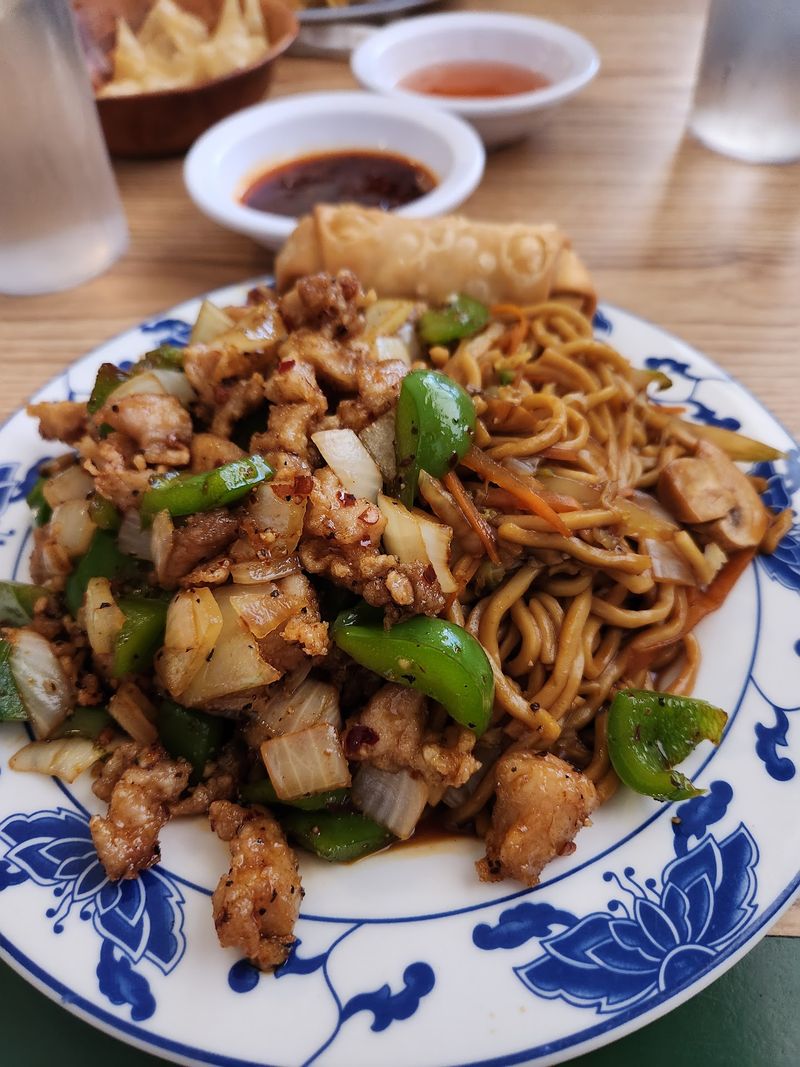
Spice lovers, take note. Kung Pao Chicken at Peking has earned praise for actually bringing the heat.
That matters more than you might expect. Plenty of restaurants tone down spicy dishes so much that the name is the only fiery thing left.
One recent diner said this was the only place so far where they could truly enjoy the heat and flavor of the spice. That’s a strong statement, and it gives me a good reason to try it.
Kung Pao Chicken traditionally comes from Sichuan cooking. It usually combines diced chicken, peanuts, dried chili peppers, and a savory sauce with a bit of tang.
American versions often add vegetables like bell peppers, celery, or zucchini. Each restaurant puts its own spin on the mix.
If you’re unsure about your spice tolerance, ask the staff when you order. Since every plate is cooked fresh, it’s a reasonable question to bring up.
I’d start with this dish on a cool evening. Then I’d balance it out with something crunchy and mild from the appetizer side of the menu.
Crab Rangoons, Egg Rolls, and Spring Rolls
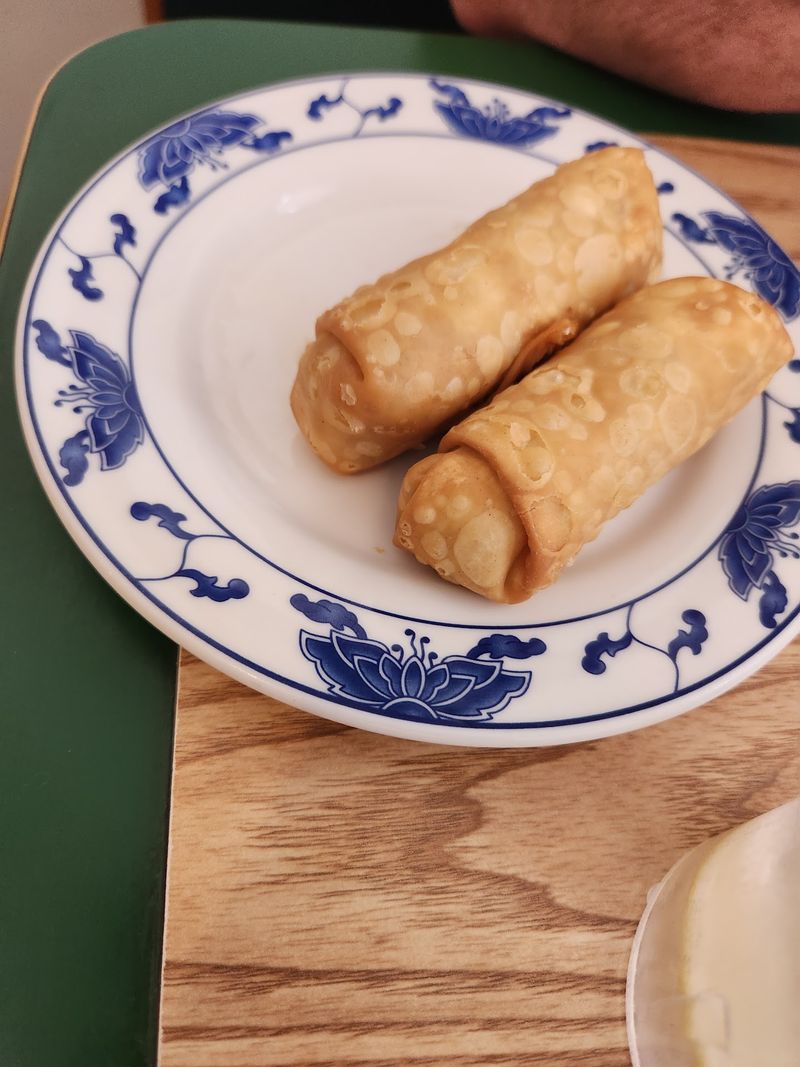
Appetizers might be the easiest way to judge an American Chinese kitchen. At Peking, crab rangoons, egg rolls, and spring rolls all show up on the menu.
Crab rangoons are crispy wonton wrappers filled with a creamy crab and cream cheese mixture. They’re folded, fried until golden, and usually served with a sweet dipping sauce.
These little bites aren’t found in traditional Chinese cooking at all. They’re widely linked to American tiki-style restaurants of the mid-1900s, which makes them a true American invention.
Egg rolls and spring rolls are different, too. Egg rolls have a thicker, bubbly wrapper, while spring rolls are thinner and lighter when fried.
A quick tip: if you have a strong preference between the two, say so clearly when ordering. The egg rolls here have traditionally been made with pork, so ask if you need a meat-free choice.
I’d order a mix and share them around the table. With wonton chips already out, though, you might want to save room for the noodles and rice that round out the menu.
Lo Mein, Fried Rice, and Moo Shu Pork
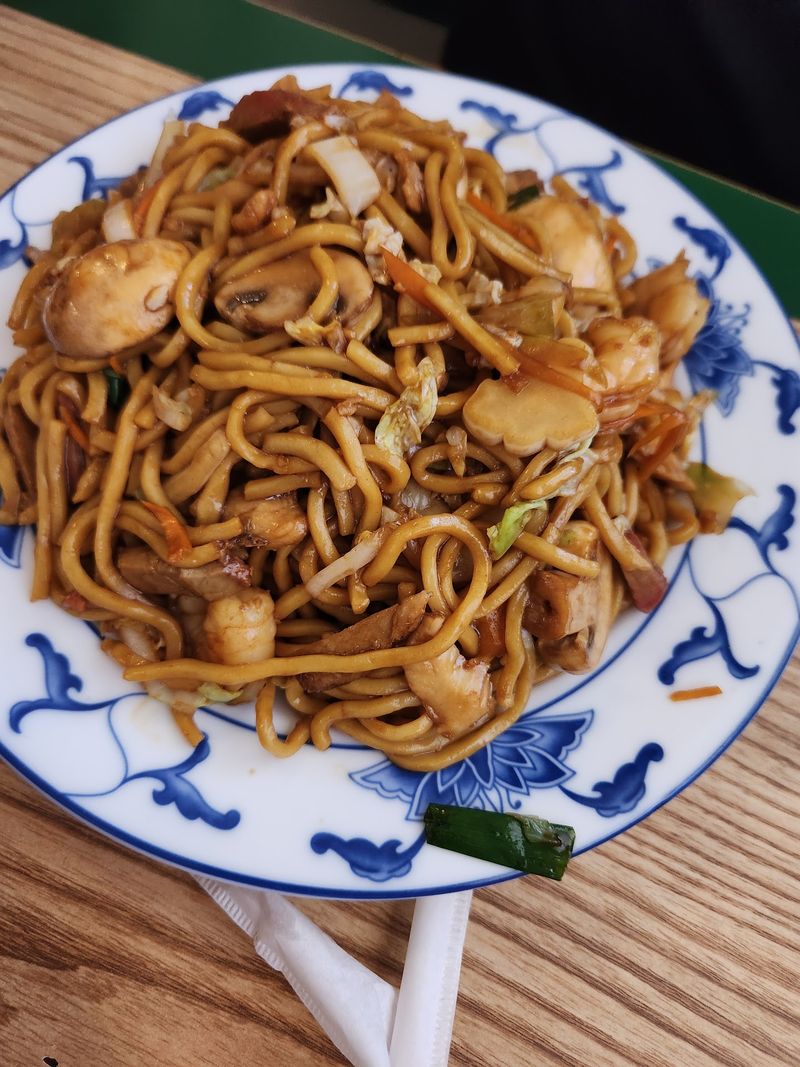
Variety is a big reason Peking works for families. The menu goes well beyond one or two famous dishes.
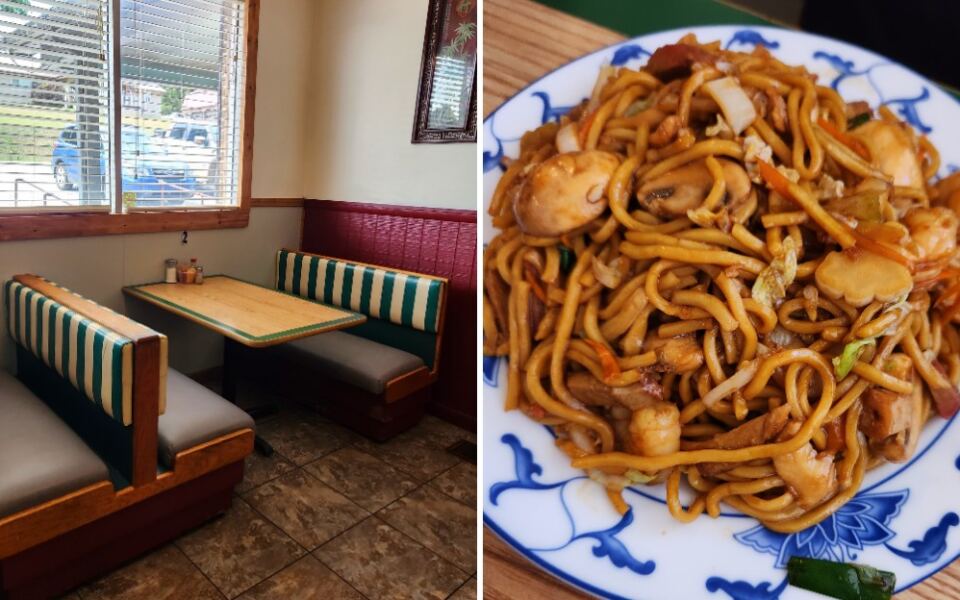
Lo mein is a steady favorite, with soft egg noodles tossed in a savory sauce. It pairs well with almost anything, especially sesame chicken.
House fried rice is another option worth adding to a group order. A house version typically includes a mix of meats, though it’s smart to ask what goes into it here.
Then there’s moo shu pork, which feels a little less common in small towns. It’s usually stir-fried pork with cabbage and egg, eaten wrapped in thin pancakes with hoisin sauce.
Pepper steak also appears on the menu. It’s a simple stir-fry of beef with green peppers and onions in a brown sauce.
One group of three once ordered crab rangoon, sesame chicken with lo mein, house fried rice, and moo shu pork together. Honestly, that’s a pretty great game plan for a shared dinner.
Of course, ordering that much brings up an important question. How much food actually lands on each plate?
Generous Plates and Friendly Faces
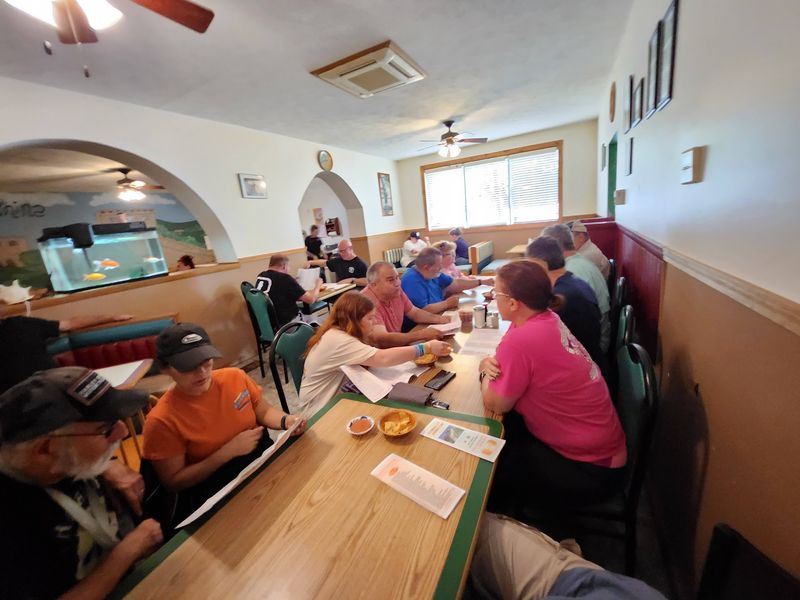
Leftovers are a real possibility here. Portion size is one of the things people mention most often about Peking.
One visitor described the meal as a mountain of food for the price. Others simply call the portions generous, which is a nice word to hear in a small town.
I like that kind of value, especially for families. A single order can sometimes stretch into tomorrow’s lunch.
The service side gets plenty of attention, too. The women who work there are often described as nice and pleasant, and the owners have been called courteous and kind.
Cleanliness also comes up regularly. One longtime customer described the restaurant as immaculately clean, which is reassuring for any place serving fresh food.
Another person said they’d been going for almost eight years. That kind of loyalty doesn’t happen by accident.
It’s also a good reminder of who keeps a small restaurant running. Regular neighbors matter most, but travelers passing through the area play a part as well, especially with a popular state park just down the road.
A Handy Stop Near North Bend State Park
North Bend State Park sits roughly 15 minutes from Peking Restaurant. That short drive makes it a practical dinner option for park visitors.
The park is known for hiking, fishing, camping, and the North Bend Rail Trail. After a day outside, a hot plate of lo mein starts to sound pretty good.
One traveler staying at the park ordered takeout twice in the same week. They even drove past the lodge restaurant to get it.
Another group stumbled onto Peking when the park restaurant was booked. They ended up glad it worked out that way.
Softball families have found it, too. Harrisville hosts games, and at least one traveling team parent added Peking to their regular route toward Parkersburg.
Takeout is a smart move if you’re heading back to a cabin or campsite. Call ahead, grab your bag, and you’ll have dinner ready before the sun goes down.
Still, the staff makes it clear the restaurant stands on its own. Its reputation was built on good food, and that matters when you plan your trip around its schedule.
Plan Around Mondays and Short Sundays
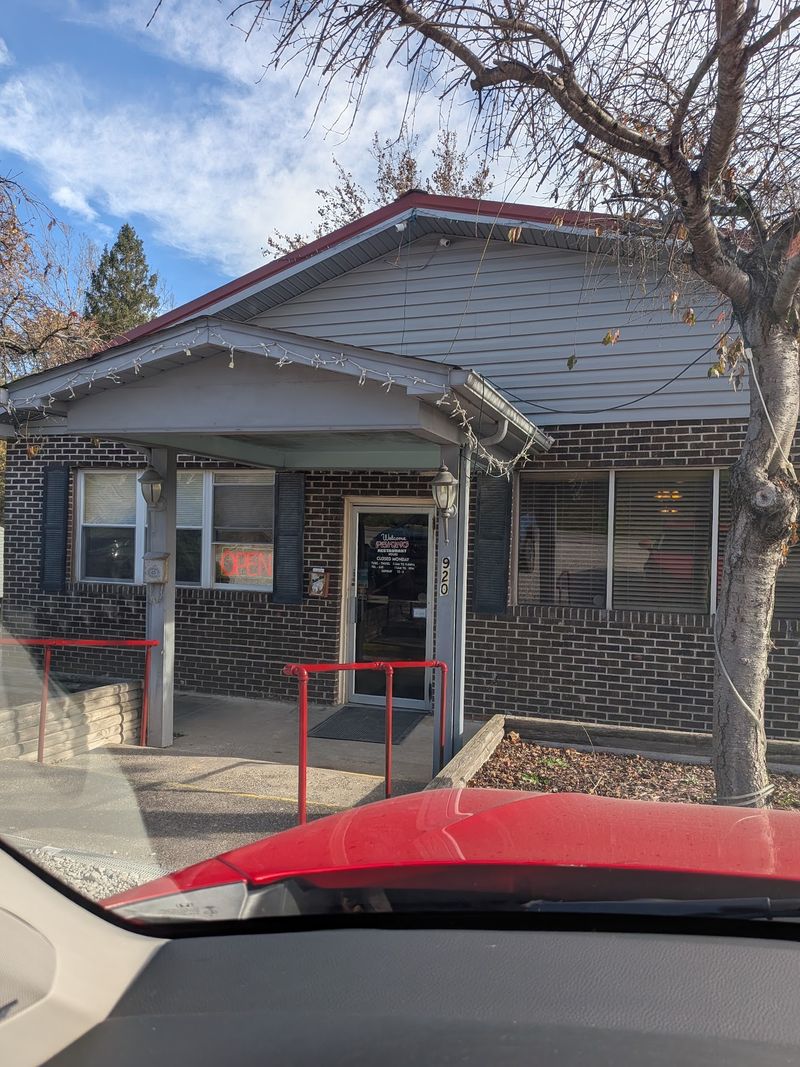
Mondays are a no-go. Peking Restaurant closes that day, so plan your craving for another time.
From Tuesday through Saturday, the restaurant generally opens at 11 a.m. and stays open until 9 p.m. That gives you plenty of room for lunch or dinner.
Sundays are shorter, running from noon until 6 p.m. If you’re heading home from a weekend trip, aim for an early dinner.
Hours can change, especially around holidays. The restaurant keeps a Facebook page, which is a good place to check for updates before you drive over.
Here’s one more practical note. Dine-in meals are served on disposable dishes, so don’t expect fancy plates or table settings.
I don’t see that as a problem. It fits the casual, no-fuss style of a small-town spot focused on fresh food and friendly service.
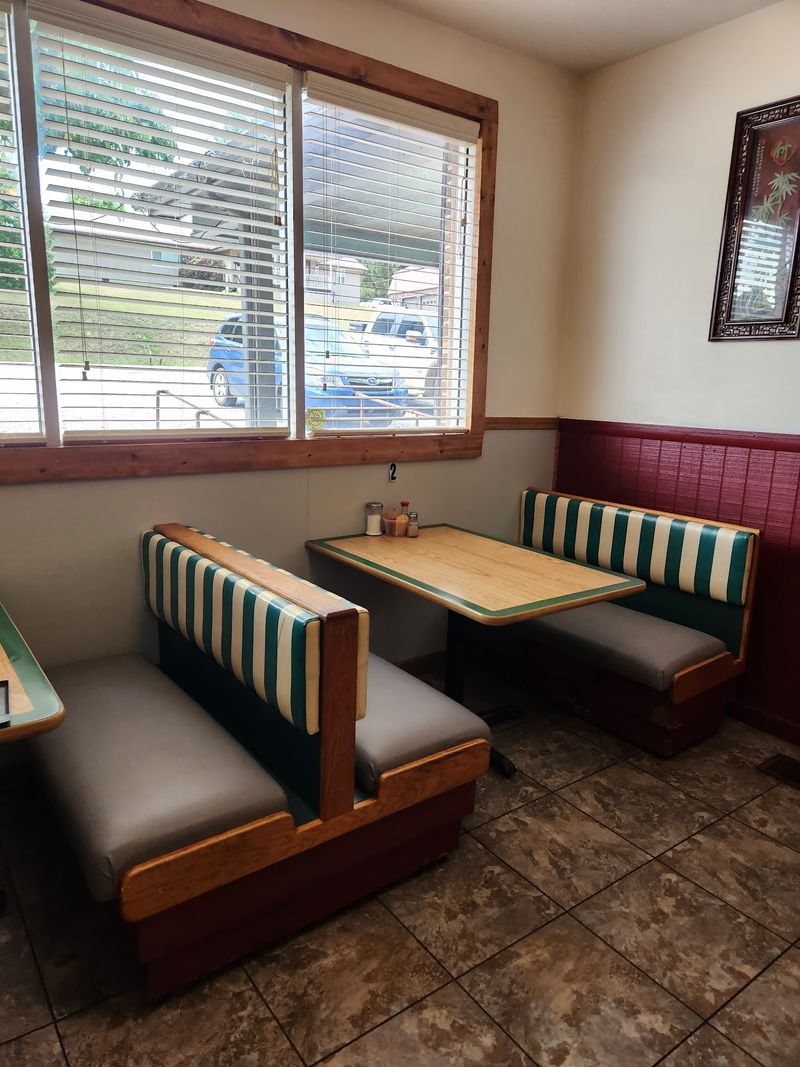
The dining room itself has been called quaint and comfortable. It’s a relaxed setting for families, travelers, or anyone who wants a filling meal without dressing up.
Just remember to grab your fortune cookie on the way out.
Share this story