I went looking for a quiet walk by a creek in Illinois and ended up standing beside a giant old millstone, breathing in the warm smell of freshly ground corn. The building looked plain from the trail, just stone walls and a big wooden wheel.
Inside, though, I found a story that stretched back more than 170 years, with secret history and friendly guides at every turn. If you love places that surprise you, this one is worth the drive.
A Stone Gristmill Hiding in Fullersburg Woods
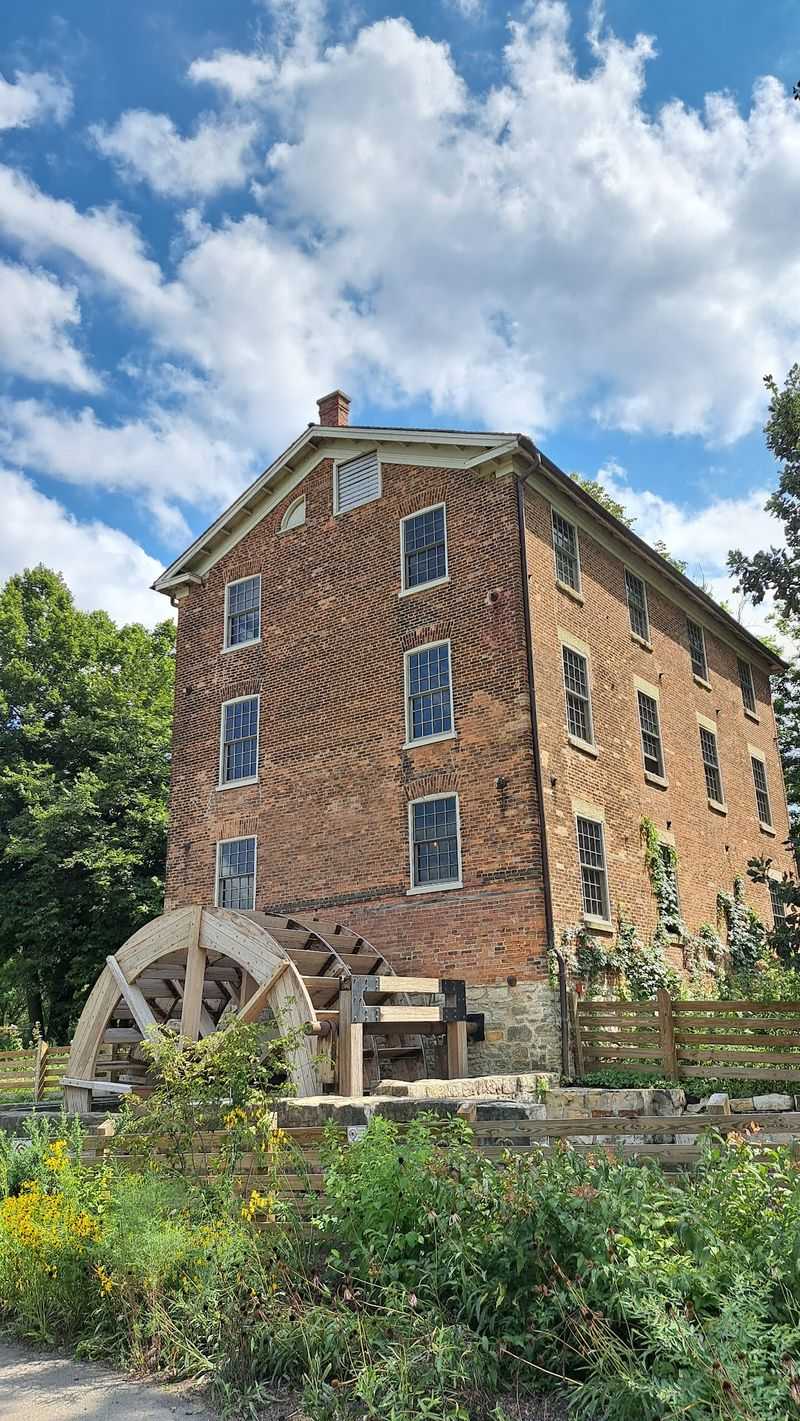
Picture a busy suburban road, then picture a 19th-century mill sitting right beside it, calm as can be. That is the first surprise at Graue Mill & Museum, found at 3800 York Road in Oak Brook, a western suburb of Chicago in DuPage County.
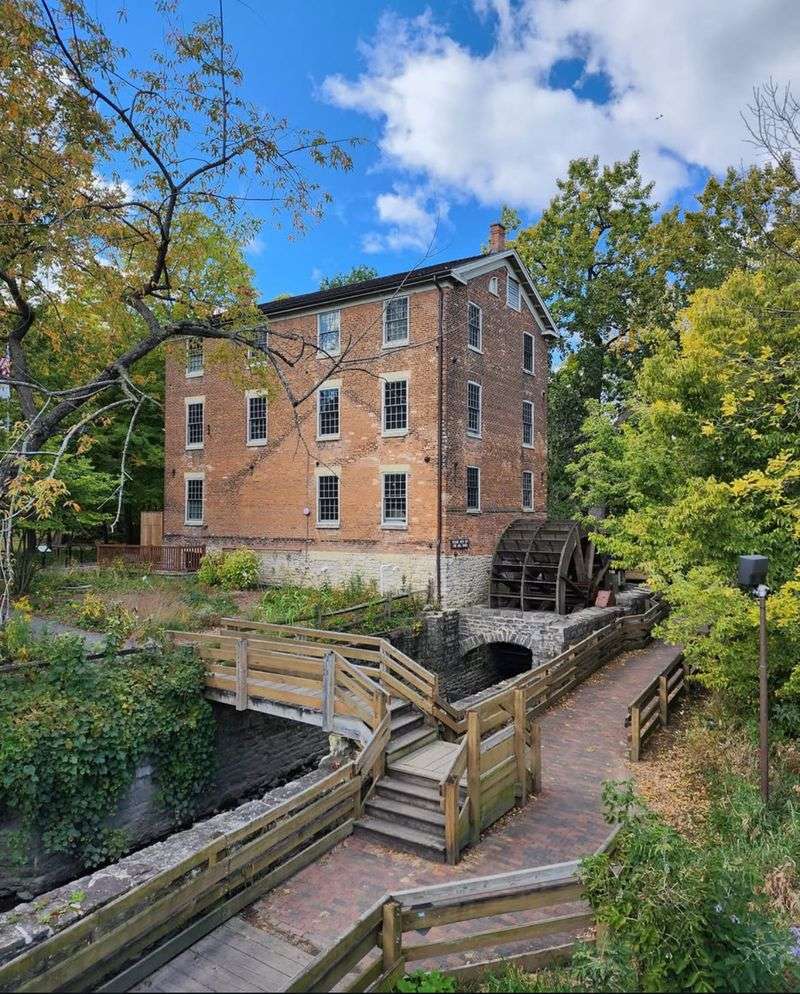
The mill sits inside Fullersburg Woods Forest Preserve, right on the banks of Salt Creek. It is run by the Forest Preserve District of DuPage County, and it works as both a historic gristmill and a museum.
Visitors describe the building as a sweet, intimate place rather than a sprawling attraction.
A gristmill, if you are wondering, is simply a mill that grinds grain into meal or flour. Here, that work still happens in front of guests.
Many people call it the only operating gristmill in Illinois, which makes it a true local treasure. Folks around Chicagoland often admit they half want to keep it to themselves.
Limestone, Oak Timbers, and Mid-1800s Roots
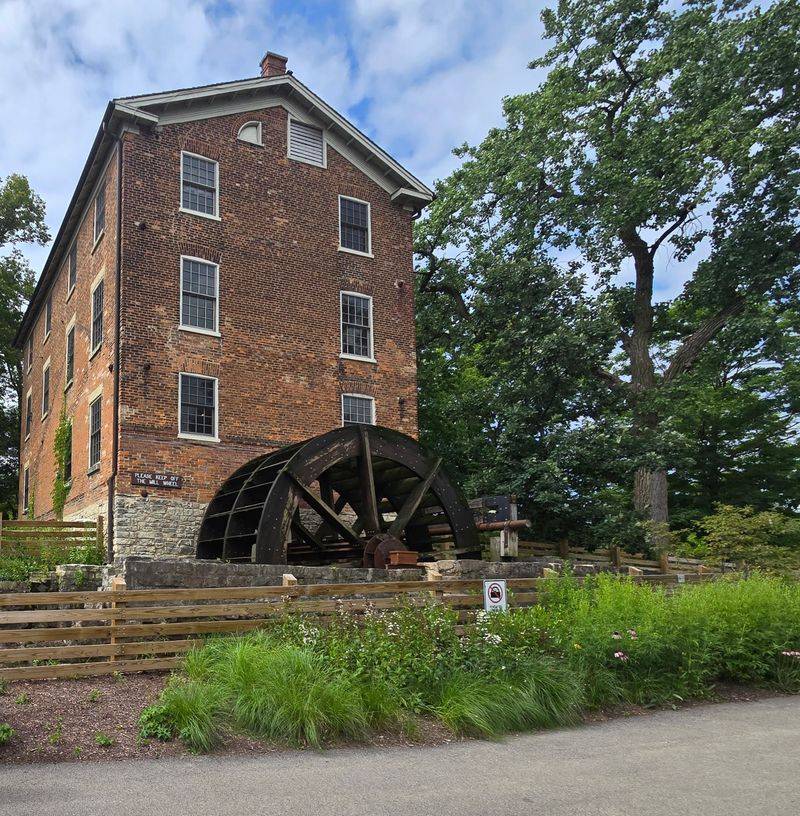
Long before shopping centers rose nearby, settlers needed somewhere to turn their harvest into food. Frederick Graue answered that need around the middle of the 1800s, and visitors often cite dates near 1849 to 1852 for the mill’s beginnings.
Look closely at the building and you start to see the craftsmanship. Local limestone forms the walls, while sturdy white oak timbers hold up the inside.
Signs point out handmade bricks and old glass too, small details that most people would walk right past.
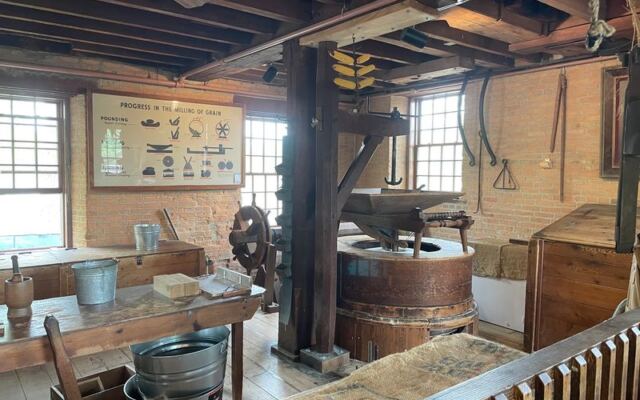
French millstones were brought in to do the heavy grinding, a sign of how serious this operation was. Staff members enjoy sharing the story of the founder and how milling changed as technology improved over the years.
One longtime visitor, who has been coming since the late 1960s, still calls the wooden mill gear amazing. Some things clearly never lose their charm, no matter how many times you see them.
An Underground Railroad Stop on Salt Creek
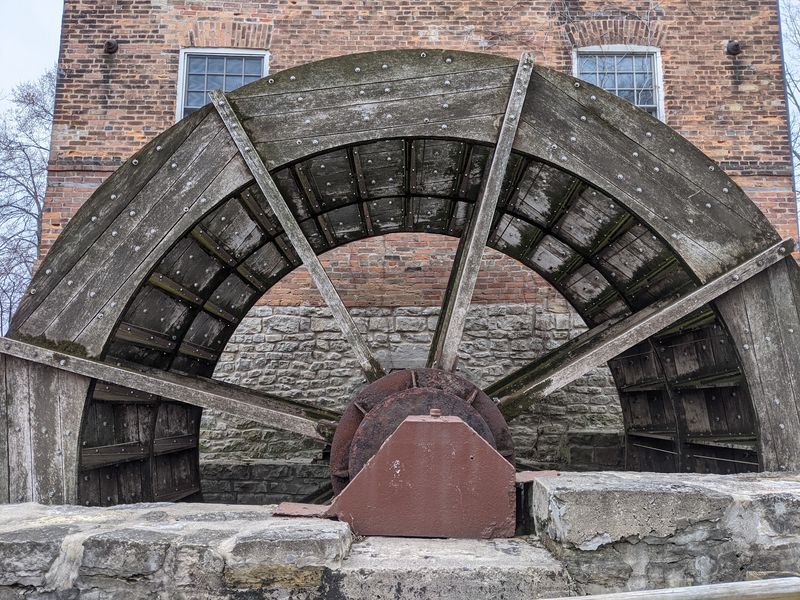
Here is the part of the story that gives many guests chills. Graue Mill is recognized as a certified Underground Railroad site, a place where freedom seekers could rest and eat before continuing north.
Staff and volunteers explain this chapter with care, and visitors say they do a great job connecting the property’s working life with its brave role in history. One hiker who never even stepped inside still left amazed after learning about it from the grounds.
Inside, the basement has held Underground Railroad artifacts and timepieces from the 1850s, though one group noted it was closed to the public during their visit. Guides also share a tale about President Lincoln visiting the mill, which adds another layer to an already rich past.
It is a powerful reminder that ordinary buildings in small Illinois communities sometimes played huge parts in the nation’s story. Bring your questions, because the guides love answering them.
Watching Corn Turn Into Meal
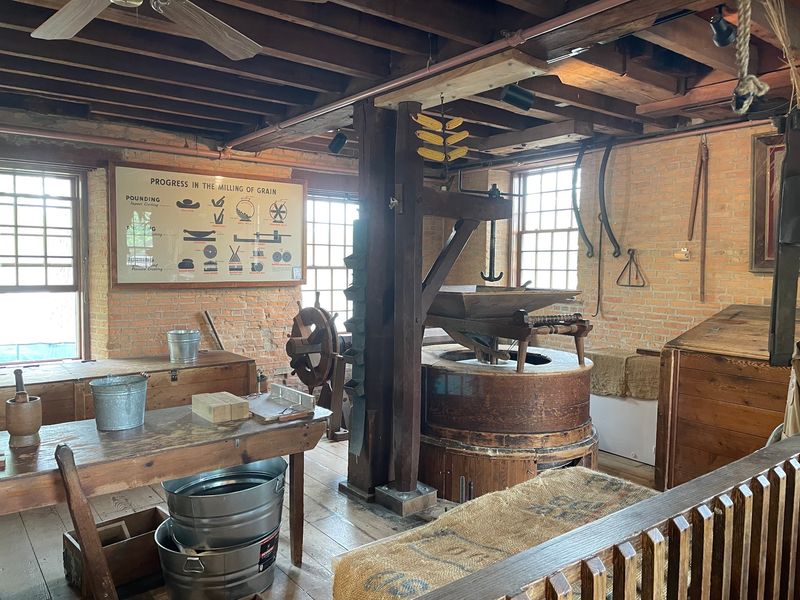
Few things beat the smell of grain being ground right in front of you. One visitor who comes from a long line of millers said the scent brought back a flood of family memories.
Demonstrations happen on the first floor, and guests report they run about every hour. You can watch grain get milled by hand, by hand crank, and finally by the big millstone.
Guides cover corn, wheat, flax, and more, so it feels like a mini lesson in where food comes from.
A quick heads up for cornmeal lovers: one longtime guest mentioned the mill no longer sells its meal. Instead, it is donated to Klein Creek Farm.
Also, a visitor noticed that a motor now turns the wheel, while staff control the water beneath it for the classic look. Even so, seeing those old gears in motion feels like stepping into another century.
Upstairs Rooms Frozen in the 1850s
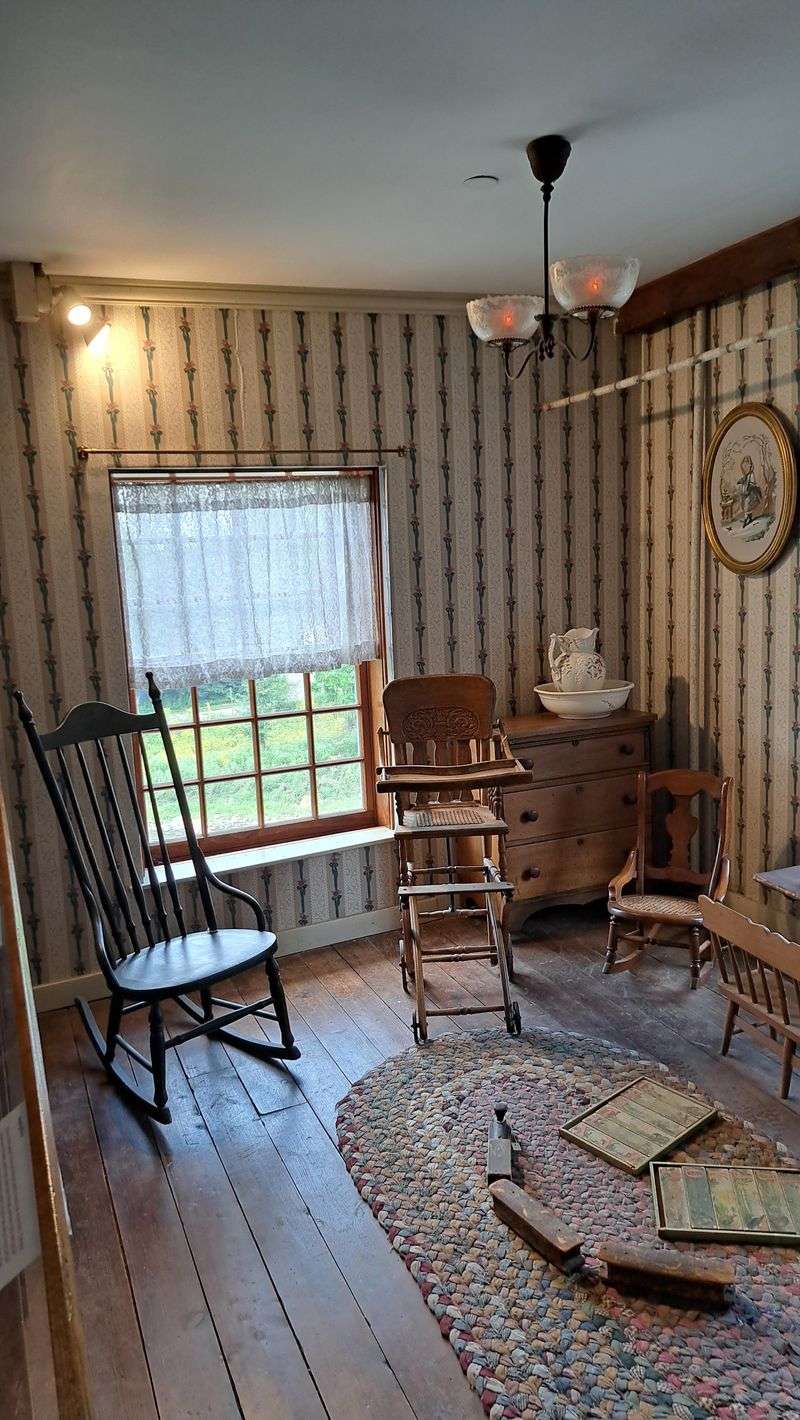
Climb the stairs and the mill turns into a time machine. The upper floors show what everyday life looked like more than 100 years ago, and guests love wandering from one scene to the next.
On the third floor, you can peek into a general store, a child’s bedroom, a kitchen, and a family living space from the 1850s. Other exhibits highlight transportation, a blacksmith shop, and even a post office.
Plenty of signs explain the artifacts, and some displays include audio playback.
Fair warning: the floors are not huge. One scout leader noted things can feel a bit tight when a big group shows up at once.
Arriving at a calmer time helps you linger and actually read the labels. Kids tend to treat each room like a puzzle, pointing out old tools and guessing how they worked.
Grown-ups usually end up just as curious, maybe even more.
Looms, Spinning Wheels, and Handmade Thread
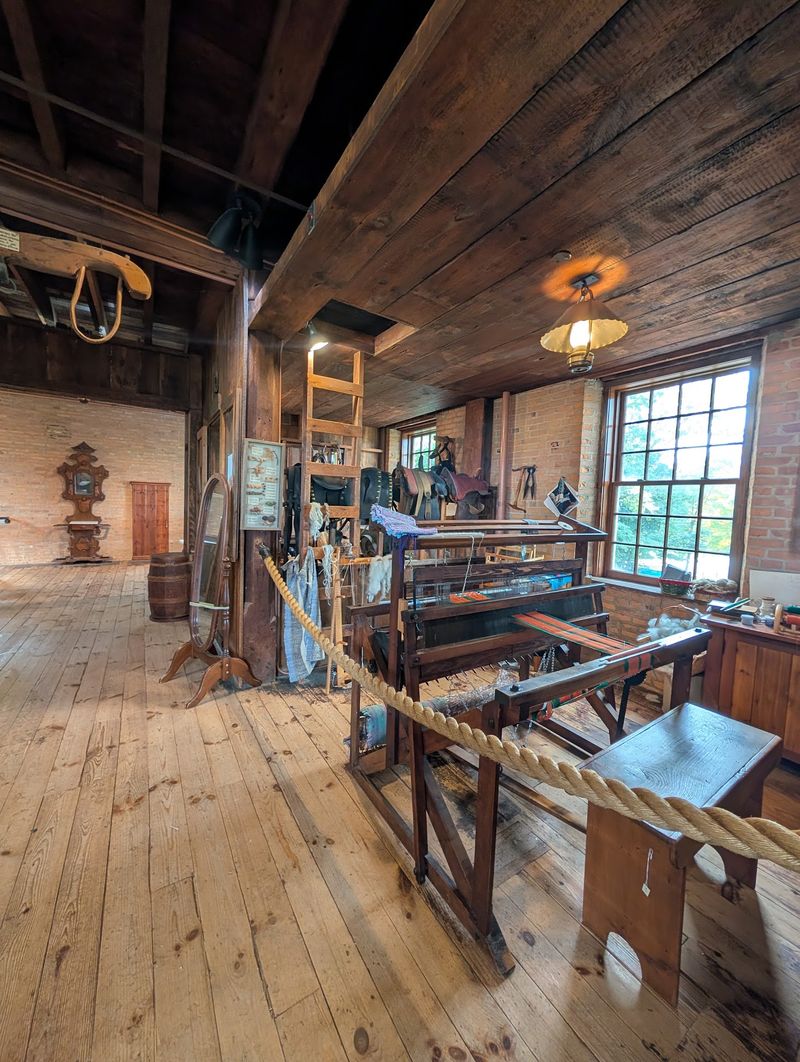
Ever wonder how a pile of wool became a warm shirt? The second floor answers that with a working loom operated by both hand and foot.
Visitors describe live weaving demonstrations where guides show exactly how thread turns into cloth. Nearby, you can learn how wool was spun into thread, a slow and patient job that families once did at home.
Kids especially seem amazed that clothing used to start this way.
Watching the shuttle fly back and forth has a strange, soothing rhythm. It also makes you appreciate how much effort went into ordinary life in the 1800s.
Combined with the grinding demonstrations downstairs, these crafts paint a full picture of how pioneer families fed and clothed themselves. Ask questions while you are there, since the guides clearly enjoy sharing tips and tricks.
You might leave with a new respect for the shirt on your back.
Creekside Trails and a Little Waterfall
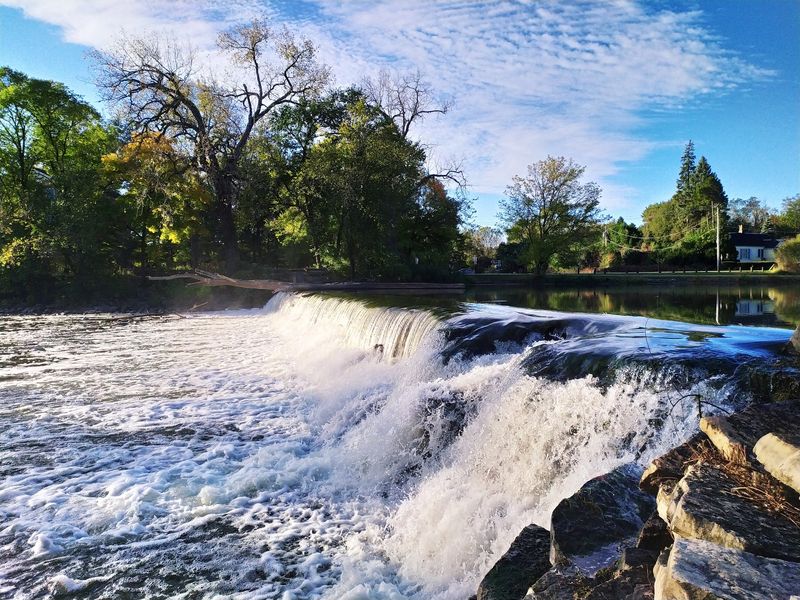
Trails come up more than anything else when people talk about this spot, and it is easy to see why. A shaded path follows Salt Creek under a canopy of trees, with water flowing and birds chirping all around.
Many walkers make a loop from the mill, crossing a flat bridge and following the other side of the creek. The paths connect with the rest of Fullersburg Woods Forest Preserve, so you can stretch your outing as long as you like.
Biking, running, and even kayaking the creek are all options.
Then there is the small waterfall near the mill, a favorite place to sit and recalibrate. Regulars say autumn is the showstopper season, when the leaves glow in reds and golds.
The park is picnic and dog friendly too, though one visitor noted trash cans are scarce, so pack out what you bring.
Scavenger Hunts and Crayfish Spotting for Kids
One parent admitted they basically had to drag their kids away. The little ones had spent the afternoon by the waterfall hunting for crayfish, frogs, and fish, and they were not ready to leave.
Inside, children get to explore four levels of history, and a scavenger hunt sheet turns the visit into a game. A helpful volunteer even pitched in when one family got stuck finding a few items.
Scout troops visit too, and guides know how to keep young attention spans engaged.
For generations around Chicagoland, this mill has been a classic school field trip. Now, many of those former students bring their own children back, which says a lot.
One local who grew up visiting proudly shared that their son loves it just as much. It is the kind of family outing that feels educational without ever feeling like homework.
Friendly Volunteers With Plenty of Stories
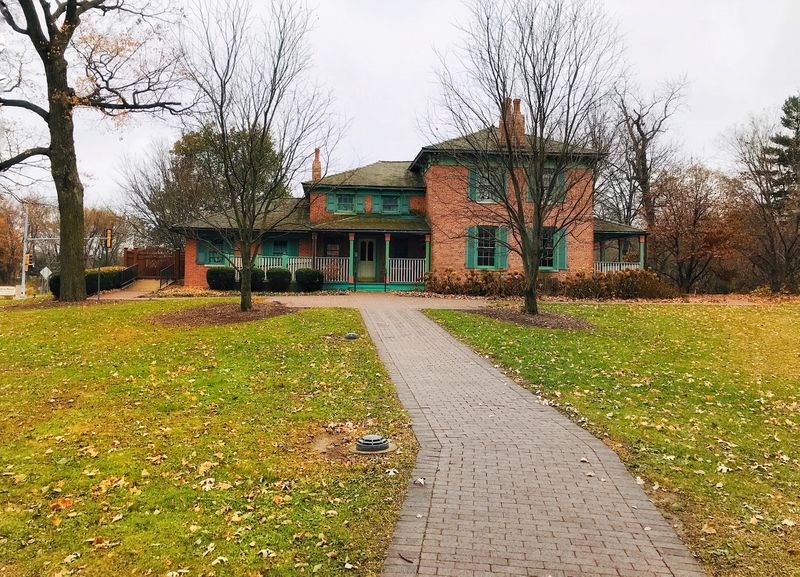
Great buildings need great storytellers, and this place has them. Visitors repeatedly mention being warmly welcomed the moment they walk in.
Forest preserve staff and volunteers share the history of the mill, its founder, and the Underground Railroad with real enthusiasm. Guests call them friendly, knowledgeable, and patient with questions from both kids and adults.
One guide earned praise for keeping a whole group of scouts focused and involved during a demonstration.
What stands out is how personal it feels. Instead of a rushed script, you often get a conversation, with guides pointing out details you would otherwise miss, like the oak beams overhead or the old French millstones.
That human touch is a big reason people describe the museum as intimate and welcoming. If you have a curious child, or you are a curious grown-up, these folks will happily go deeper.
Their passion is honestly contagious.
Hours, Admission, and Parking Tips
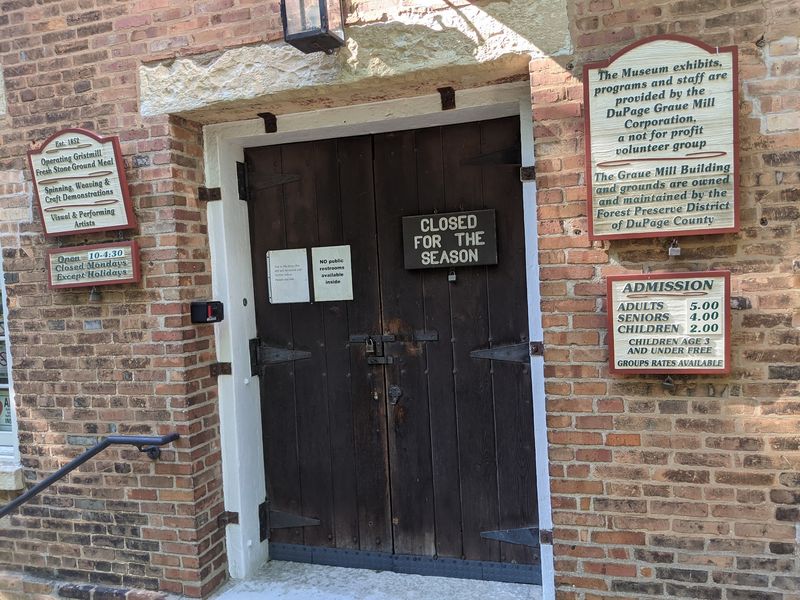
Planning ahead keeps this trip easy. The mill is open Wednesday through Sunday from 10 a.m. to 4 p.m., and it is closed on Mondays and Tuesdays.
Better yet, visitors report free admission and free parking. You can park on Spring Road or use the lot on the east side of the mill across the street, then stroll along the creek and under the road to reach the building.
Weekends get busy, so mornings tend to feel more relaxed.
A few practical notes help too. Guests mention there is no indoor washroom, just portable toilets outside and near the parking area.
The space is compact, so large groups may feel crowded. Parts of the grounds have seen renovation work in recent years, so checking the DuPage Forest Preserve website or calling 630-451-3430 before you go is smart.
A sunny day makes the whole experience shine.
A Local Treasure Worth the Drive
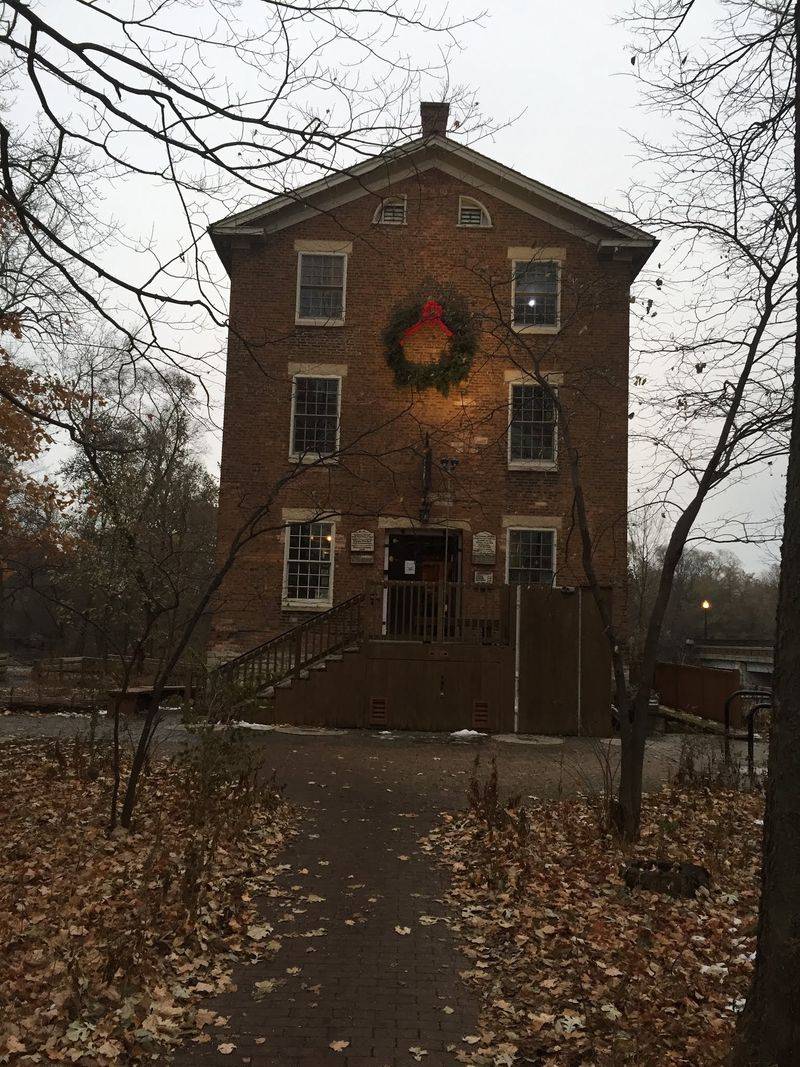
Some places impress you with size. Graue Mill wins you over with heart, history, and the soft sound of creek water.
In one visit, you can watch grain being milled the old way, learn about a brave chapter of the Underground Railroad, see a loom in action, and finish with a peaceful walk under the trees. Families, history fans, nature lovers, and anyone needing a calm break will find something here.
It also costs nothing to get in, which feels almost too good to be true.
Yes, the floors are snug and you can no longer take cornmeal home. Still, people keep returning for decades, first as kids on field trips and later as parents.
That loyalty says everything. Plan a weekend morning, pack comfy shoes, and let this quiet corner of DuPage County remind you how much history hides in plain sight.
Share this story