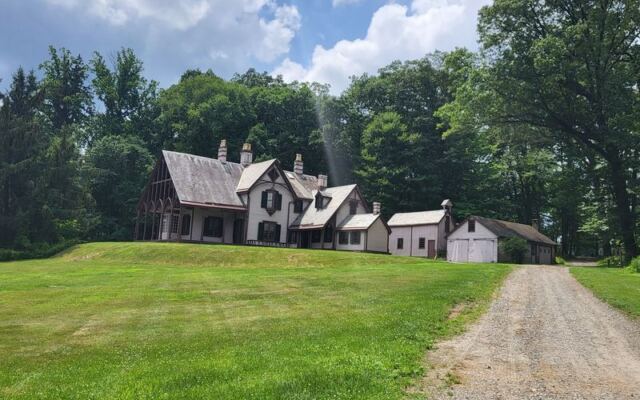
A working farm in New Jersey still does its chores the way people did them around 1900. The tools are old-fashioned, the animals are very real, and the cows will happily accept a good brushing.
Kids can feed chickens, walk goats, and meet the horses that wander over to the fence. There’s even a 1915 farmhouse and a vintage car collection waiting a short stroll away.
I like how the whole place treats history as something you do, not something you stare at behind museum glass. Honestly, I can’t imagine a better cure for a screen-heavy weekend.
So how does a quiet patch of farmland keep the early 1900s humming every single week? Pack comfortable shoes, because the answer involves pastures, a pond, a wooded trail, and plenty of curious animals.
A Morris County Farm Where 1900 Never Clocked Out
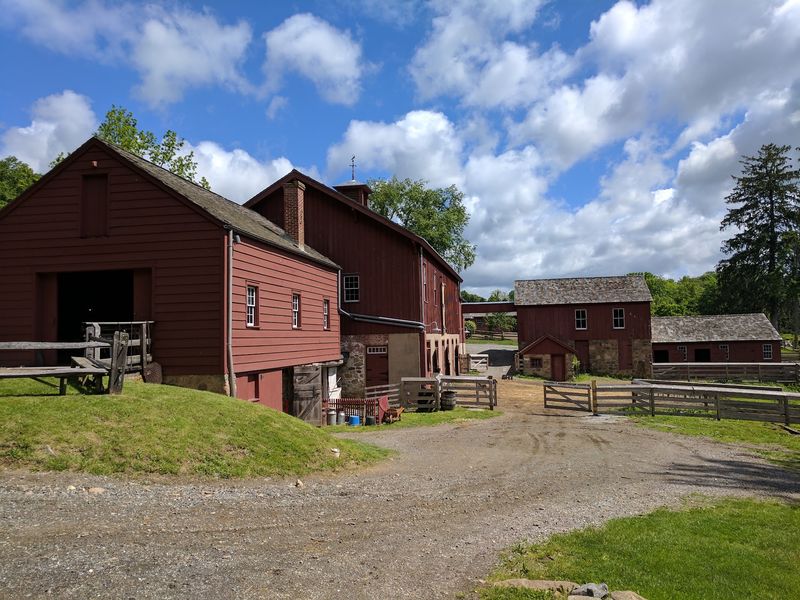
Fosterfields Living Historical Farm sits in Morristown, and it runs like a farm from the early 1900s. Visitors explore a working property that still leans on turn-of-the-century tools and techniques.
That detail matters more than it sounds. Plenty of historic sites freeze their buildings in place, but here the chores keep happening.
Animals need feeding, pastures need tending, and staff move around the grounds doing real work. You get to watch history as a daily routine instead of a dusty display.
The farm operates as a park, which explains the wide fields and open green spaces. It feels less like a museum lobby and more like a countryside stroll with lessons sprinkled along the way.
Families come for the animals, while history fans come for the old buildings and stories. Both crowds will find plenty to keep them busy.
New Jersey has many historic stops, yet few let you brush a cow before lunch. That hands-on twist is what makes this place stand apart.
Call it a time machine with a barn door. The rest of this story walks through what waits on the other side.
Old Buildings That Still Swing Their Doors Open
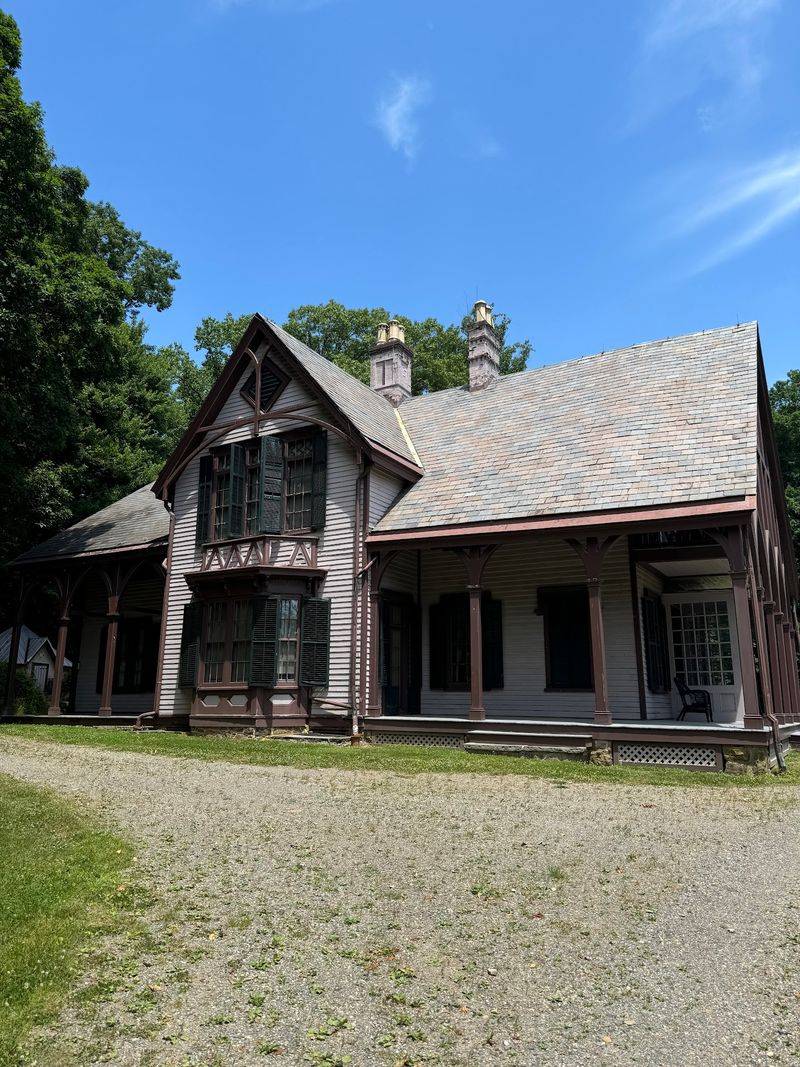
Nearly every building on the property is open for visitors to walk through. That’s a rare kind of generosity for a historic site.
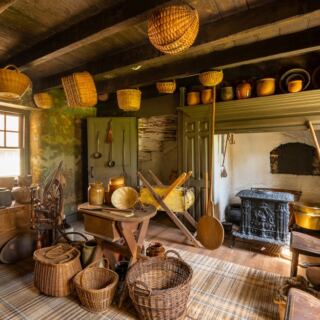
The 1915 farmhouse is a standout stop. It offers a close look at how a farm family might have lived just over a century ago.
A small museum fills in the backstory of the property itself. You can trace the history of the land and see how daily life used to look here.
There’s also a cottage, along with other rustic structures scattered around the grounds. Each one adds another piece to the farm’s long story.
Then there’s the mansion. Tours of the main house have been a highlight, though it has spent time closed for renovation, so check its status before you go.
The buildings are rustic and well kept, which suits the setting perfectly. Nothing feels overly polished or staged for a photo shoot.
I like that the architecture does the teaching quietly. You move from room to room, and the past starts feeling surprisingly close.
History lovers could spend a good chunk of time in these rooms alone. The animals, though, will soon be calling your name.
The Barnyard Crew Has More Members Than You’d Guess
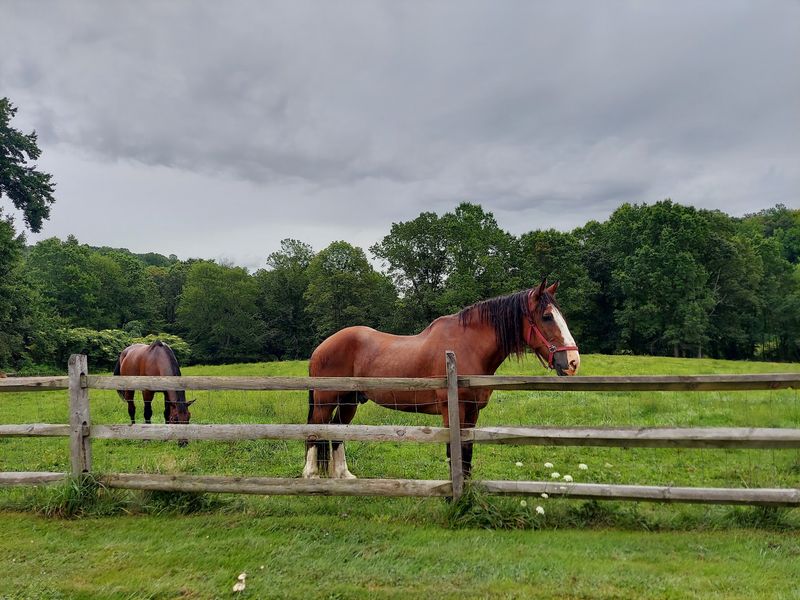
Chickens, geese, ducks, sheep, lambs, goats, cows, and horses all call the farm home. That’s a full storybook cast, minus the talking pig.
Animals are spread throughout the grounds rather than packed into one pen. You’ll keep bumping into new faces as you wander between buildings.
The horses deserve a special mention. They’re known to walk right up to the fence to greet visitors, which can light up young faces fast.
Sheep and lambs add a softer, fluffier note to the pastures. Goats bring the personality, as goats always seem to do.
Staff members around the farm can answer detailed questions about the animals. Ask about feeding routines or barn life, and you’ll likely get a thoughtful reply.
Nobody here treats the animals like petting-zoo props. They’re part of a working farm, so their care follows a real daily rhythm.
For kids who’ve only seen cows in picture books, the scale alone can be thrilling. Adults might be equally charmed by a waddling line of ducks.
Bring patience and a camera. The barnyard sets its own schedule, and it rarely checks with anyone first.
Your To-Do List Includes Brushing Cows And Walking Goats
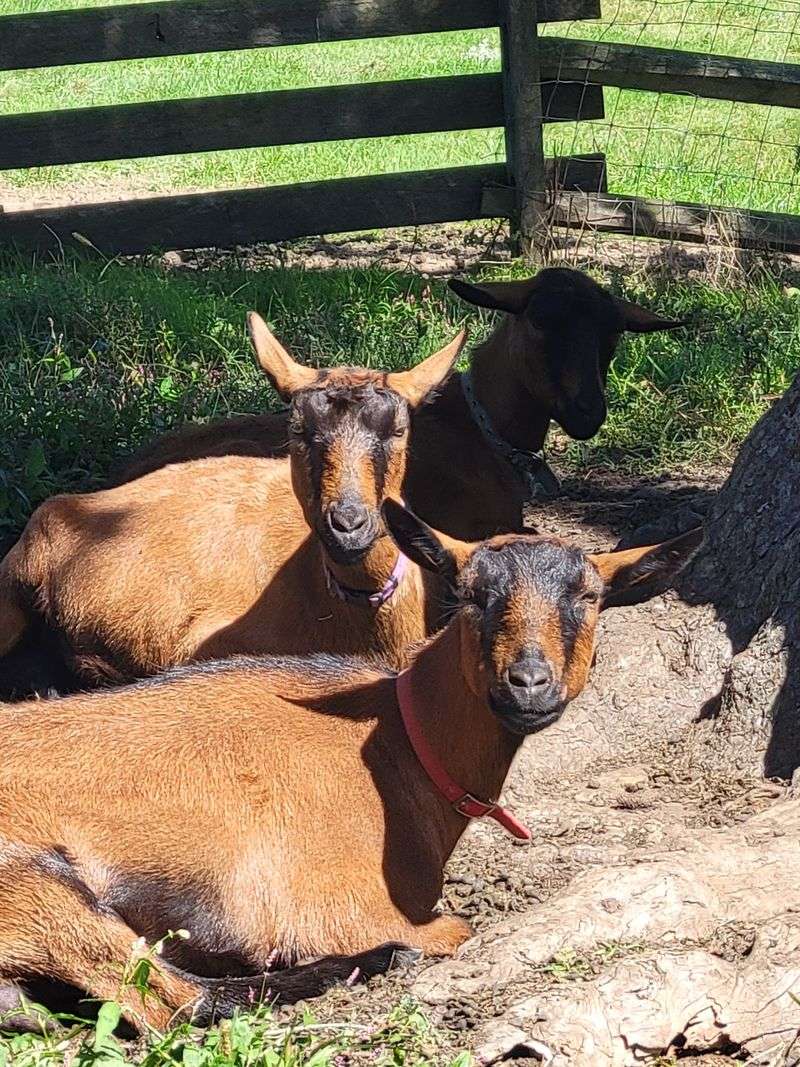
Feeding chickens counts as a perfectly good afternoon plan here. So does brushing a cow or taking a goat for a stroll.
Fosterfields lets visitors pitch in with simple tasks that once filled every farm day. It’s a clever way to show how much work kept a 1900s farm running.
Brushing cows is a quiet, almost calming job. You get close enough to appreciate just how big these animals really are.
Goat walking is a different story. Goats have opinions, and the walk may go wherever the goat decides.
Chicken feeding is the easiest win for little ones. Toddlers can join in without needing much instruction at all.
Seasonal programs have widened the options over the years. Past fall activities have included spinning yarn, pressing cider, and picking pumpkins.
Not every activity runs every day, and animals aren’t always nearby for petting. Checking ahead keeps expectations realistic and the trip smooth.
Honestly, I believe a few minutes of farm chores teaches more than an hour of reading. Kids remember the cow they brushed, not the paragraph they skimmed.
A Model T Parked Among The Pastures
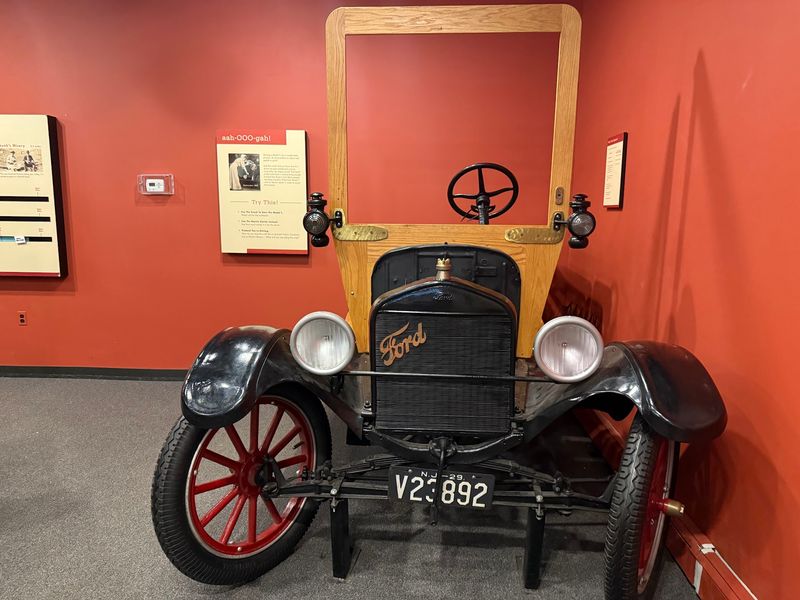
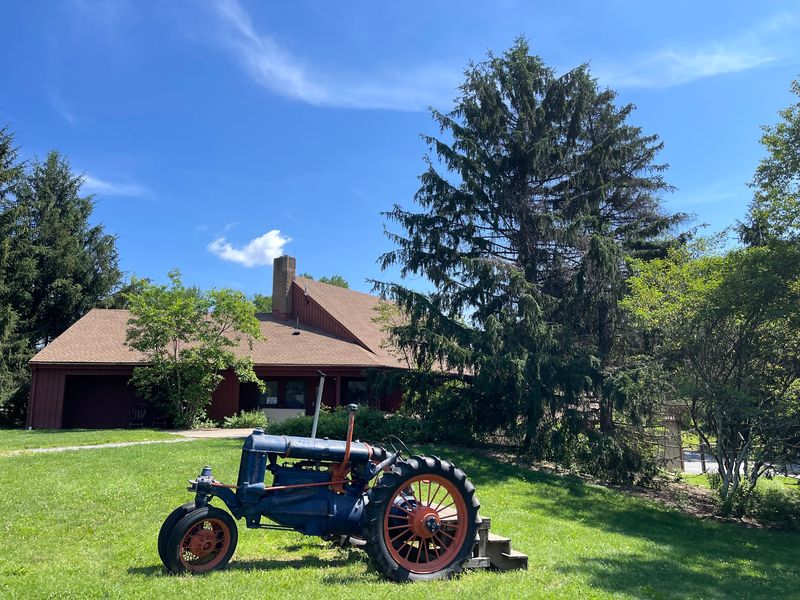
Horses once did most of the hauling around here, so a transportation collection fits right in. The family transportation museum shows how getting around changed over time.
The star for many is the Model T Ford. Seeing one up close makes the early automobile age feel wonderfully real.
It’s a fun contrast with the barnyard outside. One minute you’re near a hay-munching horse, and the next you’re eyeing the machine that eventually replaced it.
The transportation section works well for car fans who might be lukewarm on livestock. Every group seems to have one, and now they have a reason to smile too.
Kids get a quick lesson in how families traveled before minivans. Grandparents may enjoy sharing stories they heard growing up.
The museum isn’t huge, which is part of its charm. You can take it in without losing an entire afternoon or your patience.
Pair it with the farmhouse for a fuller picture of early twentieth-century life. Home, work, and travel all start to connect.
In New Jersey, where commutes are a whole topic of conversation, this collection lands with a wink. Turns out folks have always cared about getting from here to there.
Green Fields, A Pond, And A Blue-Blazed Path Through The Woods
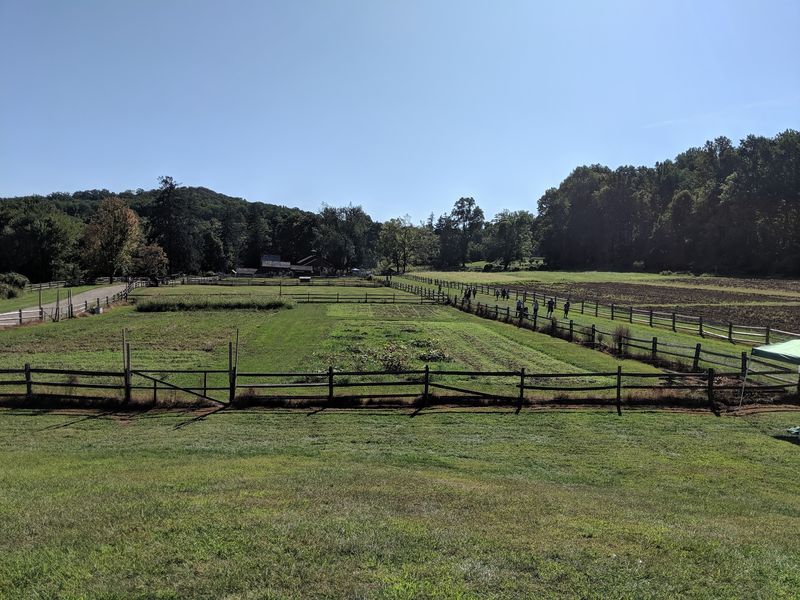
Some of the best moments happen between the barns. The farm mixes working buildings with wide fields and open green space.
A short trail marked in blue winds from the pond area through the woods. It ends at the arched entrance of the mansion’s road, which makes a lovely finish.
The walk is short enough for most families. Still, there’s plenty of walking across the whole property, so comfy shoes are a smart call.
Little legs can handle the grounds well. The layout is walkable, even for toddlers who like to set their own pace.
Fall brings special appeal to a property like this. Changing leaves over pastures and woods make a strong case for an autumn visit.
Spring and summer offer their own perks, with greener fields for exploring. Just remember the farm closes in midafternoon.
A large picnic area has long been available for lunch before or after touring. Check current food rules, since eating has traditionally stayed off the farm itself.
Pack snacks, a blanket, and a little extra time. The grounds reward anyone who isn’t in a rush.
Vintage Baseball And Other Throwback Days Worth Circling
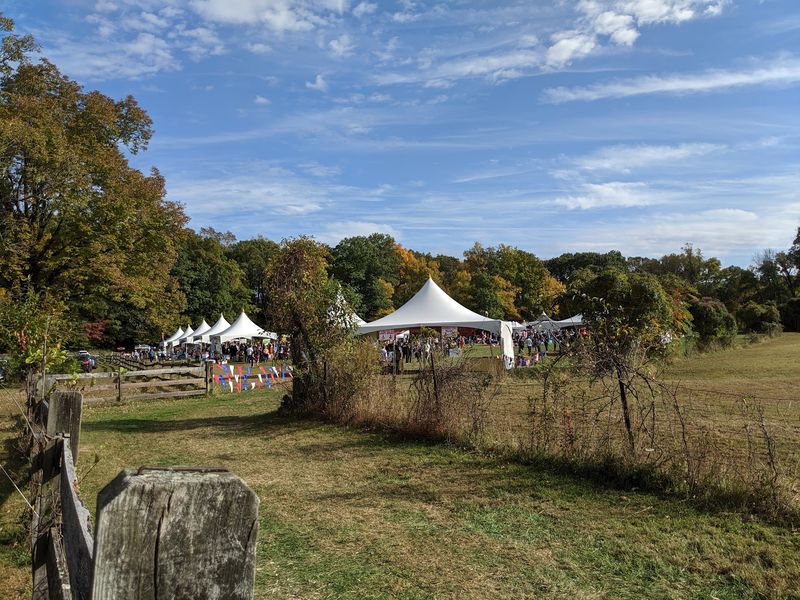
Old-time baseball on a historic farm sounds like something out of a movie. At Fosterfields, vintage baseball has been part of the event lineup.
The farm hosts a range of historical events and festival-style activities on its grounds. They add extra energy to an already lively setting.
Demonstrations bring old skills back to life. Staff in period clothing have helped set the scene, making it easier to picture the era.
Hands-on activities often pop up during these special days. Kids get more to do, and adults get more to learn.
The calendar shifts throughout the year. Checking the park’s event listings before your visit is the best way to catch something special.
Some events may call for advance planning. Buying admission online ahead of time is a smart habit for any visit.
Events also give repeat visitors a reason to return. A farm you explored in spring can feel brand new during a themed weekend.
I like that the history here never sits still. A bat, a ball, and an old uniform can teach as much as any exhibit sign.
Toddlers, Grandparents, And History Buffs All Fit Right In
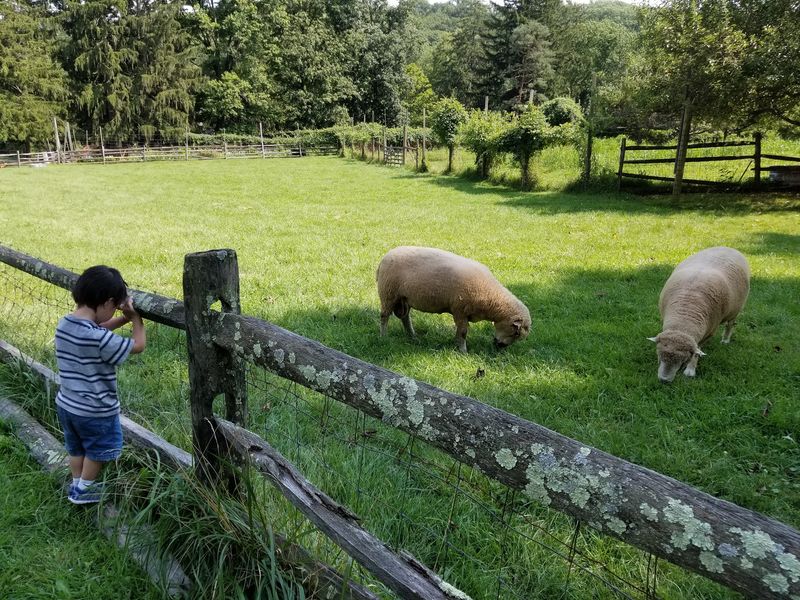
Families with toddlers will appreciate how walkable the farm feels. Even kids around one or two years old can enjoy the animals at their own speed.
School-age kids get the hands-on stuff they crave. Feeding, brushing, and walking animals beats any worksheet about farming.
Grandparents can enjoy the slower pace and the old buildings. It’s an easy outing to share across three generations.
Solo visitors fit in nicely too. A quiet afternoon of wandering and visiting animals is a perfectly fine plan on its own.
The atmosphere leans calm and friendly. Staff take pride in the site and clearly enjoy sharing it.
History buffs can go deep with the farmhouse, museum, and transportation exhibits. Curious beginners can skim and still leave knowing more than they did.
Bring water and snacks for the picnic area, especially with little ones. Hungry kids make even the cutest goat less interesting.
Curiosity matters more than speed here. Anyone willing to ask questions will get the most out of the day.
Plan A Wednesday-To-Sunday Visit And Leave Happy
Timing matters most. Fosterfields Living Historical Farm opens Wednesday through Sunday from 10 a.m. to 3 p.m., and it closes Mondays and Tuesdays.
Set your GPS for 73 Kahdena Rd, Morristown, NJ 07960. The farm sits within easy reach for much of northern New Jersey.
Admission is modestly priced, and the money supports the work done on site. Buying tickets online ahead of time is a smart move.
Arriving right at opening gives you the full five hours. That window goes quickly once the animals and buildings start pulling you in.
Wear good walking shoes and dress for the weather. Much of the experience happens outdoors, across fields and farm paths.
Plan on a few hours for a relaxed visit. Families with small children might want to pace things with a picnic break.
So, is it worth the trip? I believe so, especially for anyone craving a slower, hands-on day.
Few places make history feel this friendly, muddy, and lively. Bring curiosity, and the farm will happily keep you busy until closing.
Share this story