More than 80,000 works of art, from ancient Mediterranean pieces to Andy Warhol’s Blue Marilyn, sit inside one museum that charges nothing at the door. That fact alone made me stop scrolling.
The building is brand new, too. Architect David Adjaye designed it, and light pours through central atriums onto Monet’s Water Lilies, Roman-era mosaics, and Chinese calligraphy.
I like how this place sits on a college campus in New Jersey yet covers practically the whole history of world art. You could spend two hours here, or five, and still miss a gallery or two.
I can’t imagine a better rainy-day plan, or a better excuse to wander past ivy-covered stone buildings afterward. So how does a free museum pack in this much of the world?
A World-Class Collection Waiting On A College Campus
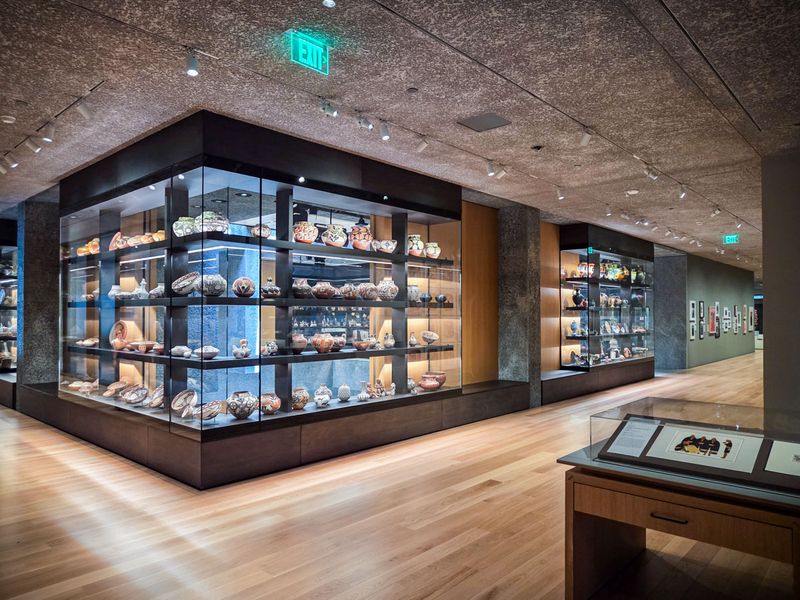
Free admission and more than 80,000 objects make the Princeton University Art Museum one of the most generous stops in New Jersey. It belongs to Princeton University, and it stays open to the public.
The collection runs from ancient works to contemporary pieces. Think classical Greek sculpture, pre-Columbian objects, Renaissance paintings, and modern American art, all under one roof.
So what kind of place is it, exactly? It’s a teaching museum, which means the galleries are built for learning as much as looking.
Labels and layouts invite you to compare cultures, eras, and styles side by side.
That approach gives the visit a curious, open-ended feel. You don’t need an art history degree to enjoy it.
You just need a bit of time and a willingness to wander.
The museum also suits casual visitors surprisingly well. Its scale lets you see a lot without feeling buried in endless hallways.
Better yet, you can build a whole afternoon around it. The surrounding campus and the town’s walkable streets sit right outside, ready for a stroll once the galleries are done.
The Fresh Building That Opened A New Chapter
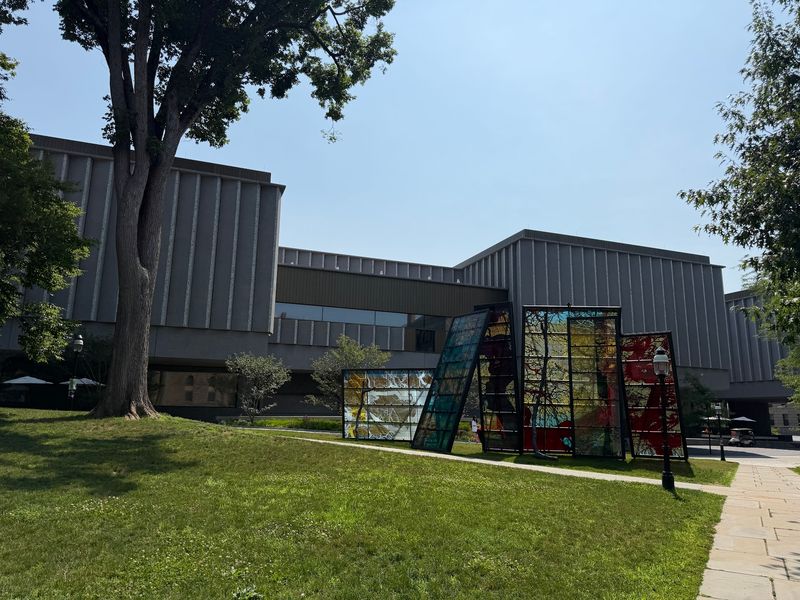
October 2025 marked a big moment for art lovers in the region. That’s when the rebuilt Princeton University Art Museum opened its doors after a long renovation and rebuild.
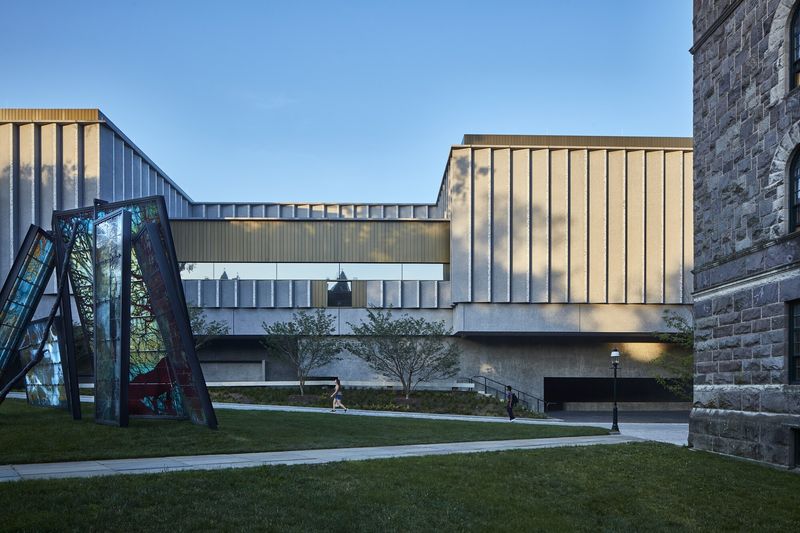
The new home was designed by architect David Adjaye. Inside, light-colored wood ceilings pair with exposed concrete and stone surfaces.
Central atriums are the real stars of the design. Sunlight moves across the displays throughout the day, so the same gallery can feel different in the morning and the late afternoon.
Not everyone falls for the look right away. Some find the concrete a little heavy, while others see the building as a work of art in itself.
Either way, it sparks conversation. The architecture invites you to notice how a space guides your eyes and your steps.
From outside, the structure stays fairly neutral beside the historic campus around it. It doesn’t shout over the old stone buildings nearby.
Inner courtyards and an outdoor sculpture terrace add breathing room between galleries. Those pauses make a big building feel calm and easy to move through, even on a busy afternoon.
Monet’s Water Lilies Steal A Lot Of Attention
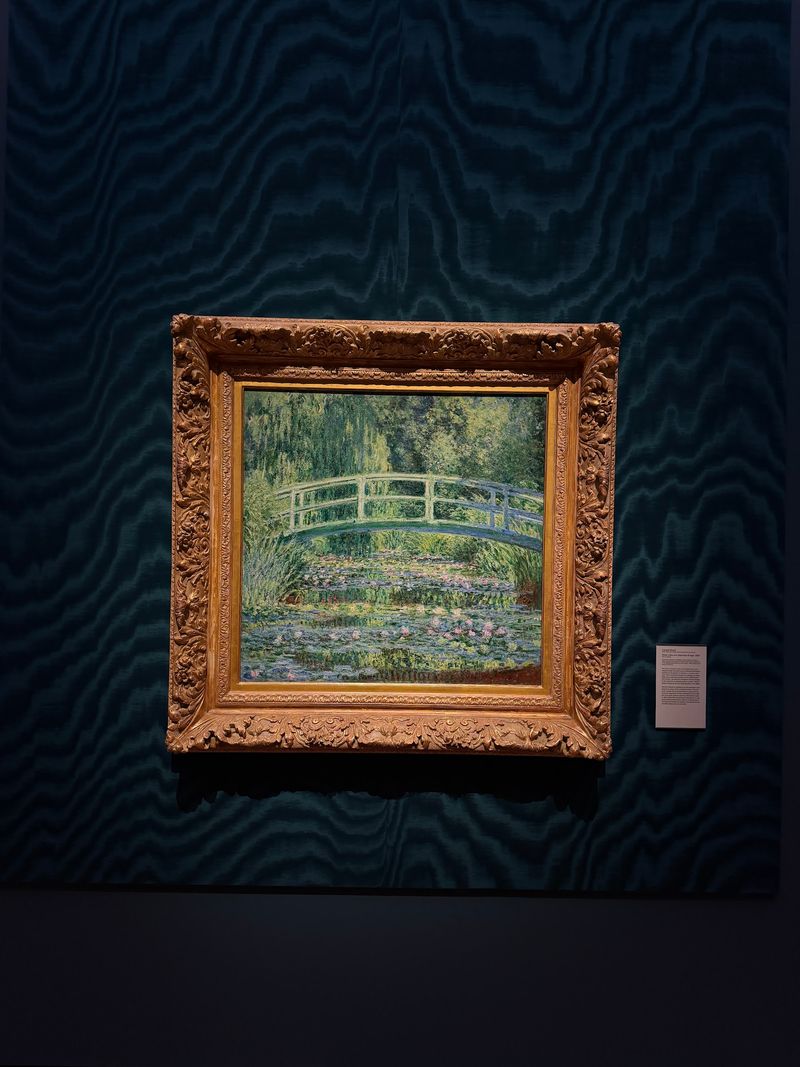
Two famous words pull plenty of people through the doors: Claude Monet. His Water Lilies and Japanese Footbridge hangs in the European galleries here.
Seeing it in person is a different experience from seeing it in a textbook. The brushwork and soft colors invite you to step back, then lean in again.
The European paintings section isn’t enormous. Still, it packs serious names, including Eugene Boudin and Flemish masters.
Other big names appear across the museum as well. Mary Cassatt, John Singer Sargent, Peter Paul Rubens, Lucas Cranach the Elder, and Dante Gabriel Rossetti are among them.
Here’s a fun detail for curious minds. A special display has spotlighted the backs of picture frames used by famous painters, a peek behind the canvas that few museums show.
That mix of headliners and quirky surprises keeps the galleries lively. One minute you’re admiring a famous pond, and the next you’re studying how a painting was hung.
Plan a little extra time for this wing. It tends to slow people down in the best way, and the benches nearby help.
Ancient Treasures From The Mediterranean And Beyond
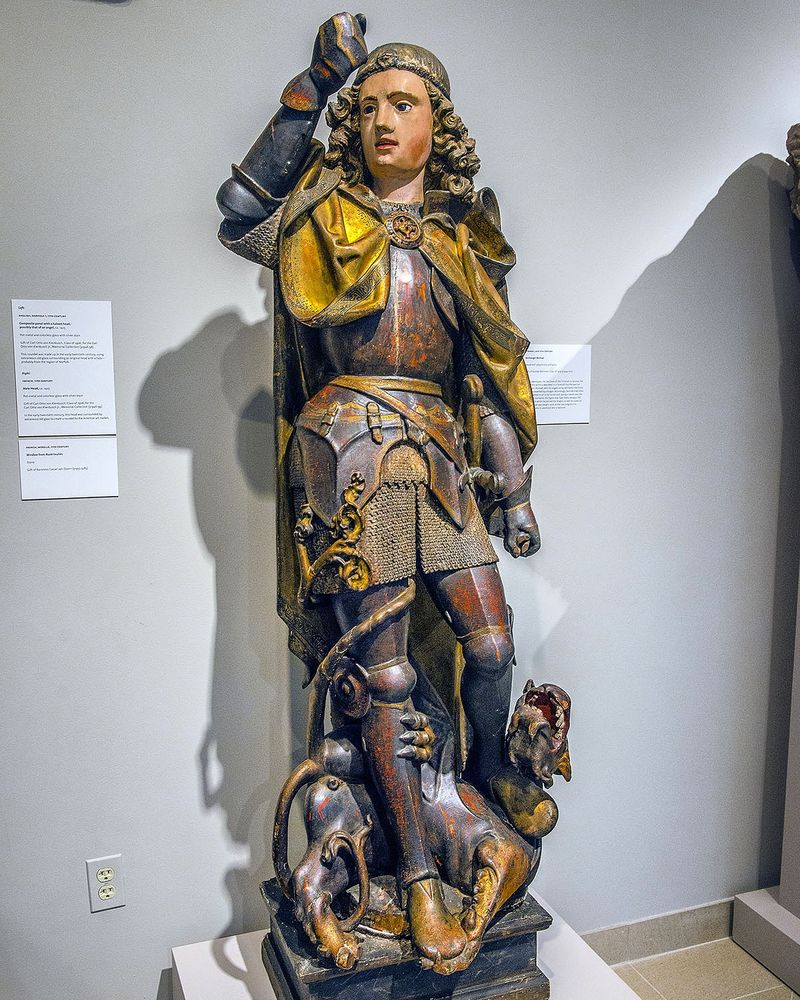
Some objects in these galleries date back to around 30 BC. That’s more than two thousand years of history sitting a short walk from Nassau Street.
Ancient Mediterranean art is especially well represented at the Princeton University Art Museum. Greek statues, Roman mosaics, and carved artifacts fill this part of the building.
Large mosaic murals also decorate the walls. Their tiny tiles add up to bold scenes that are fun to study up close.
The antiquities galleries reward slow looking. Many visitors spend most of a day in the European and ancient sections alone.
One small tip helps here. Not every object in the classical galleries carries a number, so matching labels to artifacts can take a little patience.
Treat it like a puzzle, and it becomes part of the fun. Ask at the front desk if you’d like help finding something specific.
Fans of history will find plenty to love. Kids who enjoy myths, gods, and ancient heroes might, too, especially once they spot a marble face that seems almost lifelike.
Asian Art Galleries That Hold Their Own
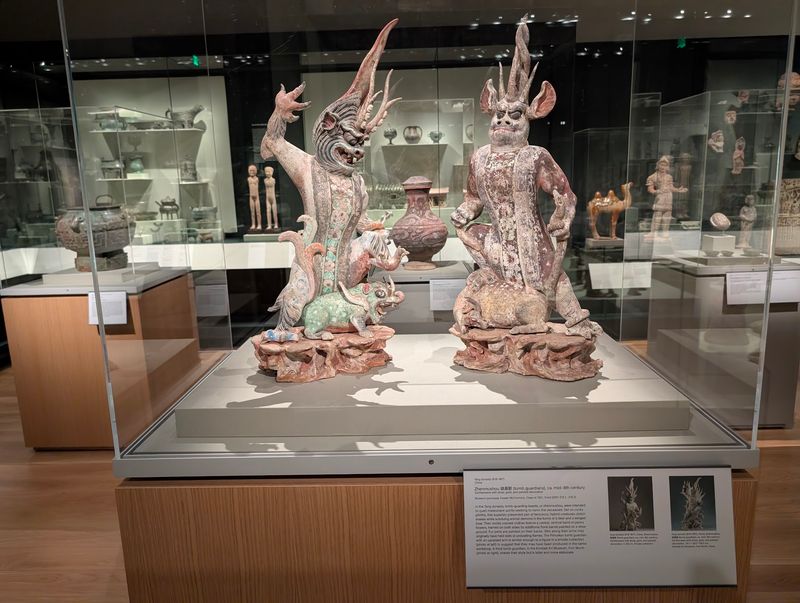
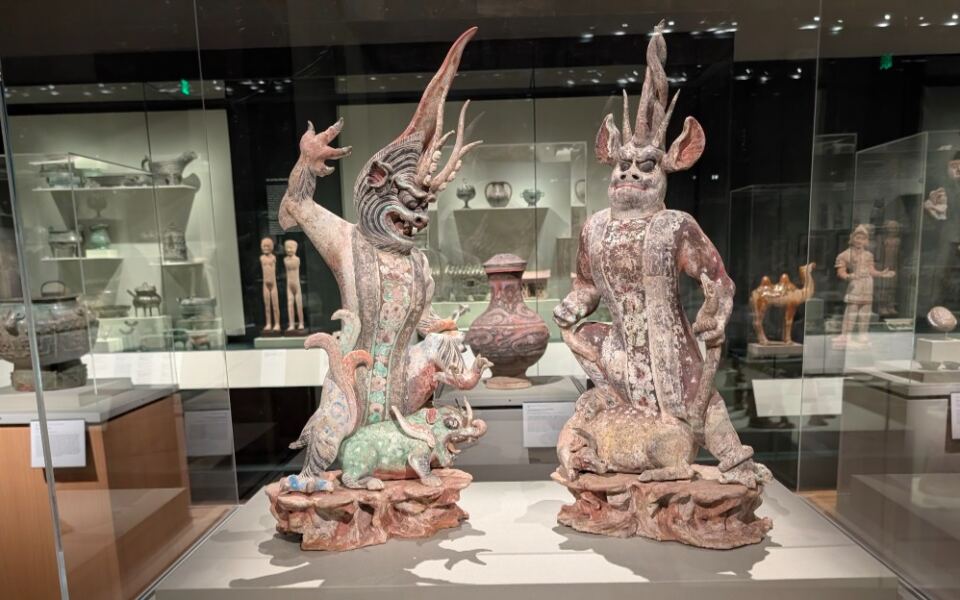
Chinese calligraphy, stone sculptures from India, and ancient Chinese objects all share space in one standout wing. The Asian art collection ranks among the most captivating parts of the museum.
Calligraphy turns writing into art. Each stroke shows rhythm, pressure, and personality, even if you can’t read a single character.
The Indian stone sculptures bring a very different energy. Carved figures and detailed surfaces show remarkable skill with hard material.
Asian art also appears in conversation with other cultures throughout the building. That’s part of the teaching approach, which encourages comparisons across regions and centuries.
This section is a strong reason to slow down. Many people come for Monet and leave talking about a scroll or a carved figure they never expected to notice.
Families can turn it into a gentle game. Try spotting animals, patterns, or tiny details in the artwork, then compare them with pieces from other galleries.
It’s an easy way to show kids that art history isn’t only European. The world is bigger and more colorful than any one gallery wall.
Warhol, Basquiat, And Plenty Of Modern Surprises
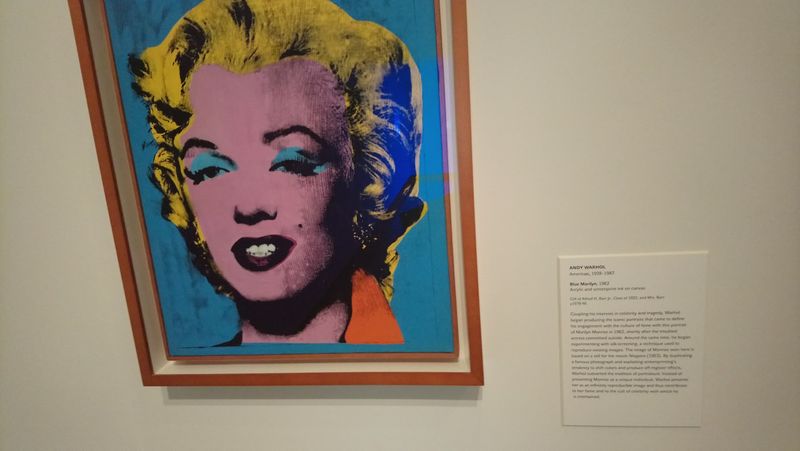
Andy Warhol’s Blue Marilyn might be the most recognizable face in the building. It hangs among a lively group of modern and contemporary works.
Pop art fans will also spot Roy Lichtenstein. Jean-Michel Basquiat, Alexander Calder, Man Ray, Josef Albers, and Georgia O’Keeffe join the lineup too.
The modern collection keeps going from there. Works by Max Beckmann, Frank Stella, Joan Mitchell, and Gerhard Richter add bold color and big ideas.
Contemporary Native American, African, and Asian art also appears in the collection. Together, these pieces show how artists today keep stretching old traditions in new directions.
Louis Comfort Tiffany shows up as well. His work reminds visitors that design and decorative art deserve a spot beside paintings.
A modern wing is a smart stop for teens. Bright colors and famous faces tend to grab attention faster than ancient pottery, at least at first.
Then the fun begins. Once someone connects with Warhol, it’s a short hop to curiosity about the older works nearby, and the museum’s layout makes that hop easy.
Galleries Built For Unexpected Pairings
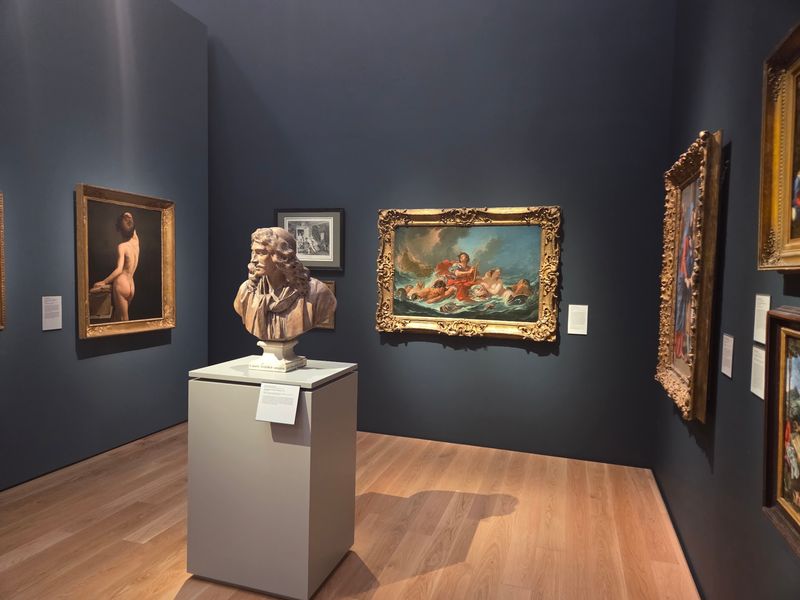
A Modigliani drawing next to a Greek statue sounds like a mistake. Here, it’s on purpose.
The Princeton University Art Museum loves juxtapositions. Works from different periods, regions, and styles often sit side by side, nudging you to spot connections.
That approach fits the museum’s teaching mission. Instead of marching through history in a straight line, you get small surprises around corners.
The layout supports the idea. You can move in multiple directions, and nearly every route leads to more artwork worth a look.
Most exhibits sit on the second floor. That makes the core collection easier to explore without endless stairs or confusing wings.
Special exhibitions add another layer. Recent shows have spotlighted individual artists, including Willem de Kooning, plus lesser-known corners of art making.
Since exhibitions change, it pays to check what’s on before you go. A new show can give even repeat visitors a fresh reason to return.
The overall effect feels relaxed rather than overwhelming. You can follow your curiosity, double back, and still feel like you saw something meaningful in a single afternoon.
Thursday And Friday Evenings Are The Sneaky Smart Move
Late nights make a big difference for busy schedules. On Thursdays and Fridays, the museum stays open from 10 AM to 8 PM.
Those evening hours open up after-work and after-school visits. Seeing the building lit up against the night sky adds its own appeal.
The rest of the week is simple. Monday through Wednesday and Saturday run from 10 AM to 5 PM, while Sunday hours are noon to 5 PM.
Admission is free, every day. The museum is a nonprofit, so donations are welcome but never required.
Time is the real cost here. Plan on about two hours for highlights, though plenty of people spend three to five hours and still miss sections.
Arriving near opening gives you the most breathing room. That’s especially helpful if you tend to read every label.
Holidays can shift the schedule. Double-check before heading out, especially during university breaks.
Guided tours with docents are also part of the experience. They’re a great option for anyone who wants stories and background along with the art.
Getting There Through Ivy And Old Stone
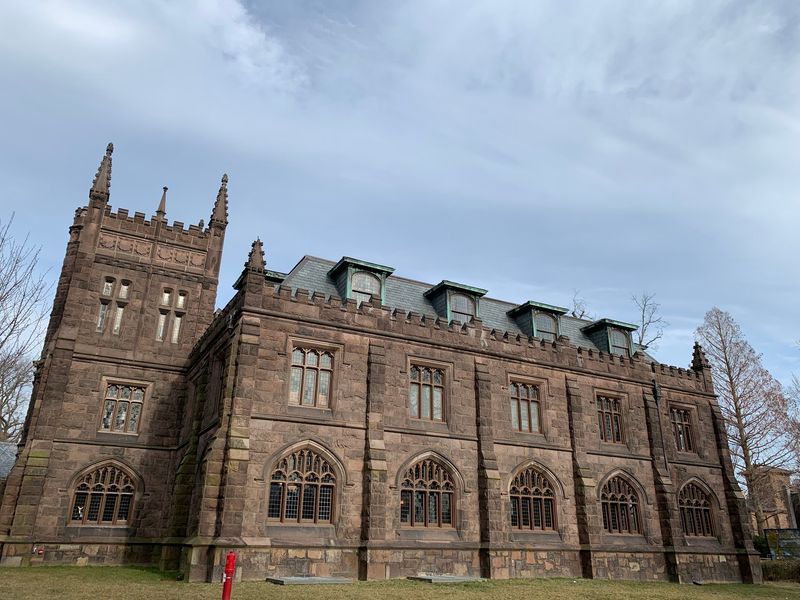
Your route to the art begins with a campus stroll. The museum sits at 45 Elm Dr, Princeton, NJ 08544, in the heart of Princeton University.
Walking in means passing historic dormitories with stained glass and ivy-covered stonework. It’s a scenic warm-up before the galleries.
Parking takes a bit of planning. Street spots across from the entrance are handy but limited, and public lots sit about a block off Nassau Street.
Accessibility deserves a heads-up. The walk from parking can be long for anyone with mobility challenges, and some areas outside include stairs.
Inside, elevators connect the floors. Limited accessible parking exists both on the street and in nearby lots.
Families with small children may want a stroller. The campus walk adds up quickly for little legs.
Once you arrive, a front desk offers free maps. Staff and security are there to answer questions and point you in the right direction.
Sunny days make the walk especially pleasant. Rainy days work beautifully too, since the museum becomes a cozy, art-filled refuge.
Turn A Museum Stop Into A Full New Jersey Day
Art is only part of the plan. Princeton’s walkable downtown sits close by, with coffee shops, restaurants, and an artisan ice cream shop to explore.
That makes the Princeton University Art Museum an easy anchor for a day trip. Pair the galleries with a slow campus walk and a treat in town.
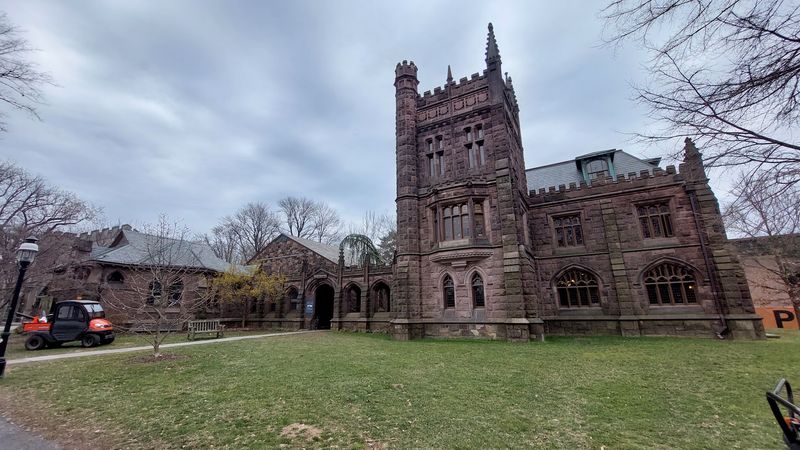
The campus itself adds plenty of eye candy. Old stone buildings and leafy paths make the stroll feel like a bonus exhibit.
University Chapel nearby sometimes hosts free concerts. Gardens around campus offer another peaceful stop between activities.
Community programs also bring life to the museum. A tai chi class has met here, moving indoors when the weather turned chilly.
Seasonal timing can shape your plans. Spring and fall make campus walks lovely, while winter and rainy days point straight to the warm galleries.
New Jersey residents get a real perk here. World-class art sits within an easy drive for much of the state, with no ticket to buy.
Day-trippers from nearby states will find the same welcome. Free doors make spontaneous visits easy.
Why This Free Ticket Feels Like A Steal
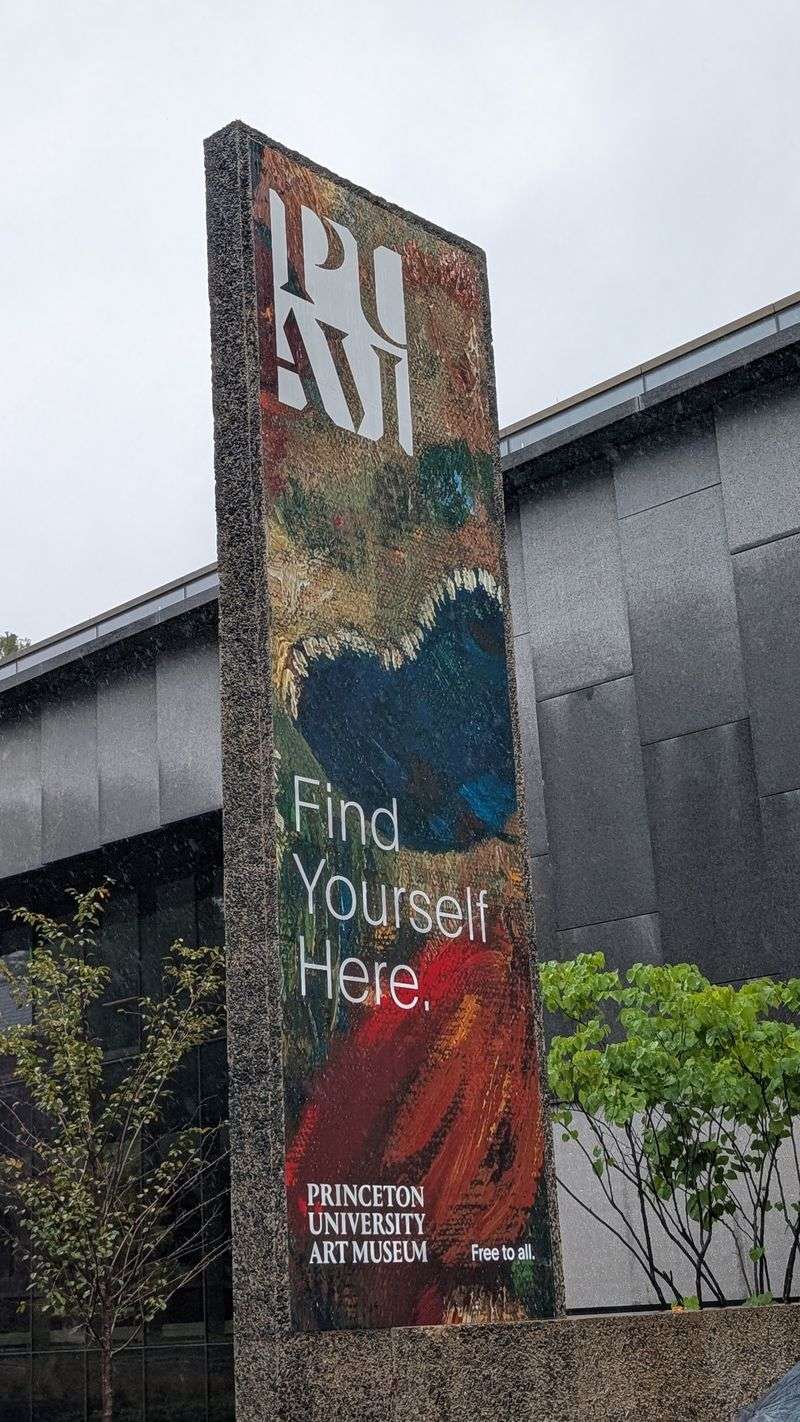
Free rarely looks this impressive. The Princeton University Art Museum offers a global tour of art history without charging a cent at the door.
Monet, Warhol, Roman mosaics, Chinese calligraphy, and Indian sculpture all share one building. That range is hard to beat anywhere in New Jersey.
The new design adds to the appeal. Light-filled atriums and flexible galleries make exploring feel natural and unhurried.
It works for many kinds of visitors. Art fans can spend a full day here, while casual guests can enjoy a focused two-hour visit.
Families, students, couples, and solo wanderers all fit right in. The calm setting and helpful staff make it welcoming for first-timers.
Practical perks seal the deal. Late hours on Thursdays and Fridays, a third-floor cafe, lockers, and a gift shop keep things easy.
Would one visit be enough? Probably not, and that’s the fun part.
Changing exhibitions and a huge collection give you reasons to return. Each trip can focus on a new corner of the world, all without leaving New Jersey.
Share this story