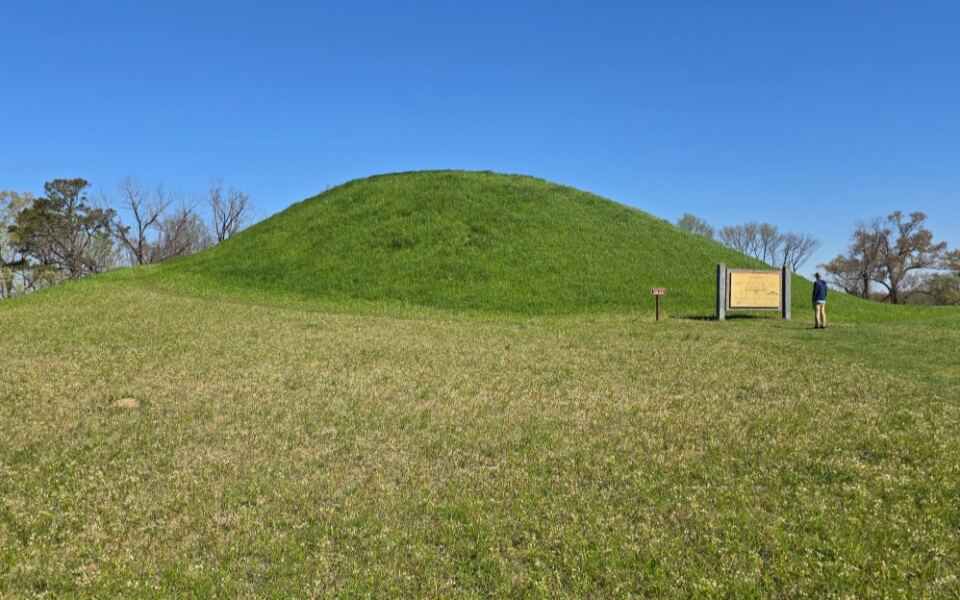
A man-made hill in Mississippi covers about eight acres. People built it by hand, one basket of earth at a time.
The work stretched across generations, starting around the 1300s. The flat top still holds two smaller mounds, and the whole thing ranks as the second-largest of its kind in the country.
I like that it sits quietly off a famous scenic road. Entry is free, and the gates open at 8 AM.
I can’t imagine hauling that much soil without a single wheelbarrow. So what does a giant earthen platform look like up close?
A Mountain Of Soil Built By Hand
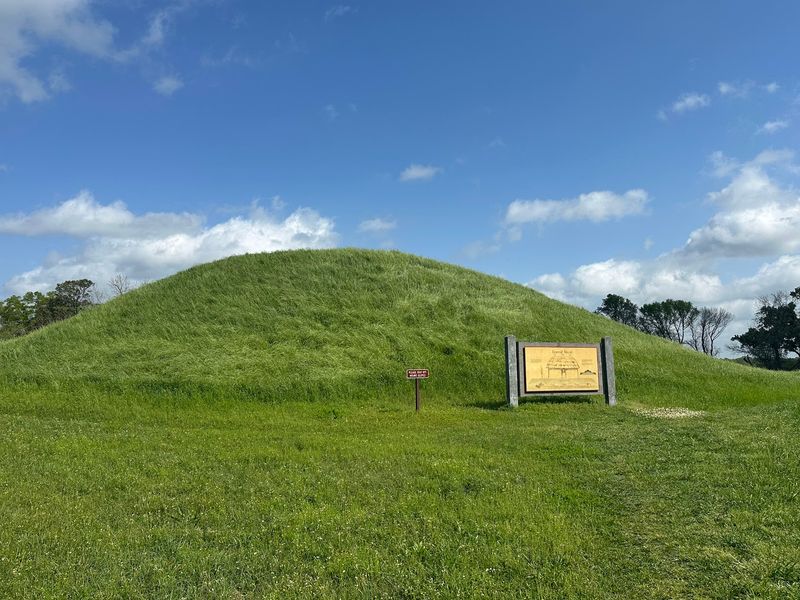
Eight acres. That is the footprint of Emerald Mound, and every bit of it was shaped by human hands.
The people who built it carried soil in baskets, long before machines could do the heavy lifting.
The mound sits near Natchez, Mississippi, and the National Park Service looks after it as part of the Natchez Trace Parkway. It ranks as the second-largest ceremonial mound in the United States.
Only Monks Mound in Illinois is bigger.
Think about the numbers for a moment. A site this size did not rise in a single summer.
It grew over generations, with each group adding to the work of the group before.
That teamwork is what makes the hill feel different from a regular grassy slope. Someone planned it, and many people finished it.
When you stand beside it, the scale sinks in fast, and you start doing quiet math about how many baskets that took. It is a humbling number, and it is the best reason to make the stop.
Where Emerald Mound Sits Near The Trace
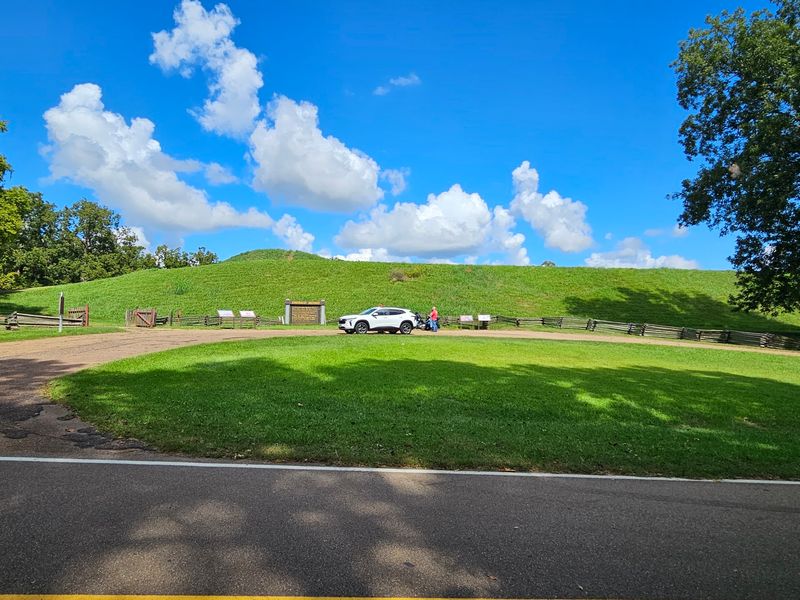
Finding Emerald Mound is easier than you might expect. It sits just off the Natchez Trace Parkway, a short drive from the main road.
The address is Emerald Mound Rd, Natchez, MS 39120.
The Trace is a long, slow, tree-lined road with no commercial traffic, so the detour feels relaxed. Watch for the turn, because it can sneak up on you.
Some travelers have said the road to the site could use a better sign and smoother pavement.
The site is open daily from 8 AM to 5 PM. Entry is free, which makes it an easy add to a road trip.
Daylight is your friend here, since the view and the signs are the whole point.
Natchez is close, so you can pair the mound with a day of exploring the area. Plan a stop of about half an hour to an hour.
That is enough time to read, climb, and look around without rushing.
Built Over Generations Around The 1300s
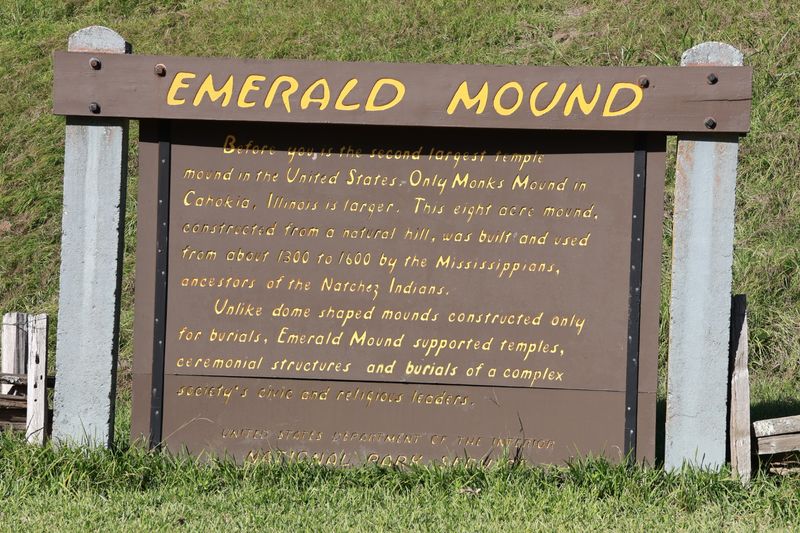
Here is a fun way to measure time. Work on Emerald Mound took place roughly between 1200 and 1730, and the main building happened around the 1300s.
That is many lifetimes of effort.
The people involved were part of what archaeologists call the Mississippian culture. They shaped earth into platforms for important buildings and gatherings.
Their design skills still hold up today.
The mound was not the work of one leader or one season. Communities returned to it again and again, adding new layers.
That long timeline is part of what makes it special.
When you read the signs on site, take your time with the dates. They help turn a quiet field into a story with a beginning and a long middle.
A little context goes a long way when the hill is the main attraction.
Why They Called It A Ceremonial Site
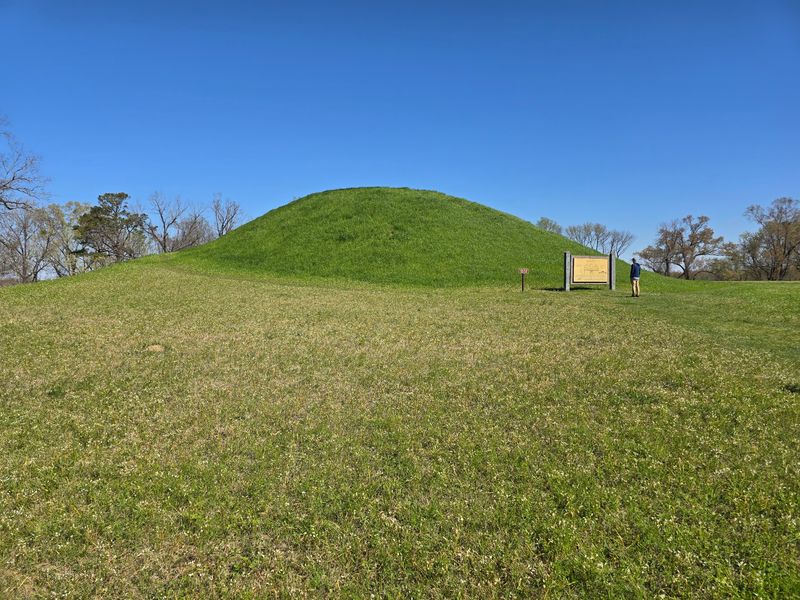
A mound like this was never just a big pile. It served as a ceremonial center, a place where people gathered for important events.
The flat top gave the community a raised stage.
Emerald Mound was a main gathering place for the ancestors of the Natchez people. Platform mounds like this one often held special structures on top.
That placement set sacred spaces above the everyday world.
Standing there today, you can picture how a crowd might have looked up toward the summit. Don’t worry if you can’t see it right away.
The signs on site help fill in the picture.
One visitor described the site as a place to appreciate a community that worked together. That feels right to me.
The building project itself was part of the meaning.
Two Smaller Mounds Sit On Top
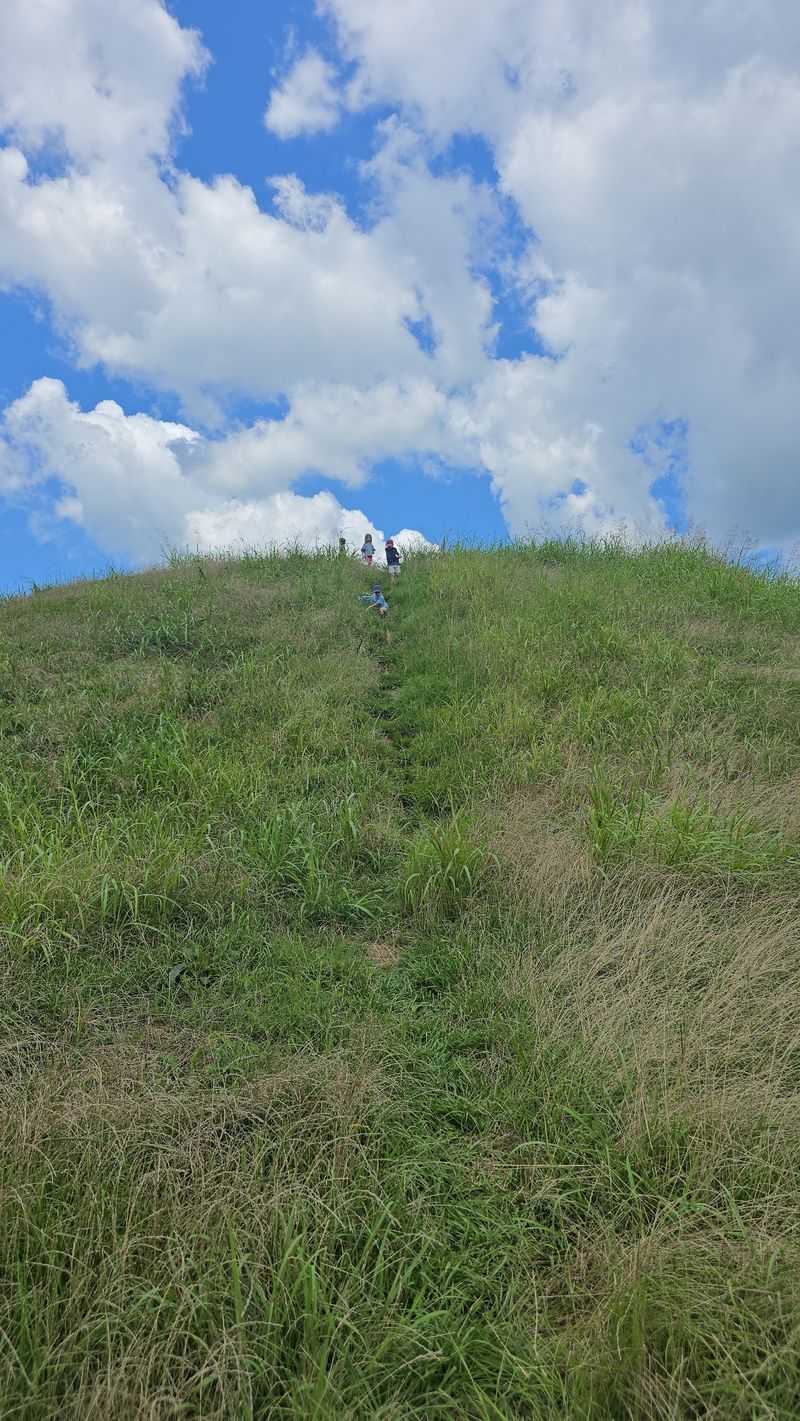
Climb up, and you will find a surprise. The big platform carries two smaller mounds on its flat top.
A mound on top of a mound is quite the architecture trick.
The large mound is about eight acres, and the extra mounds rise from its surface. They give the summit a layered look.
That is the part many photos miss.
The walk up is gentle enough for most visitors, though the path is grassy. Older wooden stairs are no longer part of the climb, so take it slowly.
Good shoes help.
Once you reach the top, the view opens up across the grounds. It is a calm spot to catch your breath.
Take a lap and notice how much open space the builders created.
Signs That Tell The Story
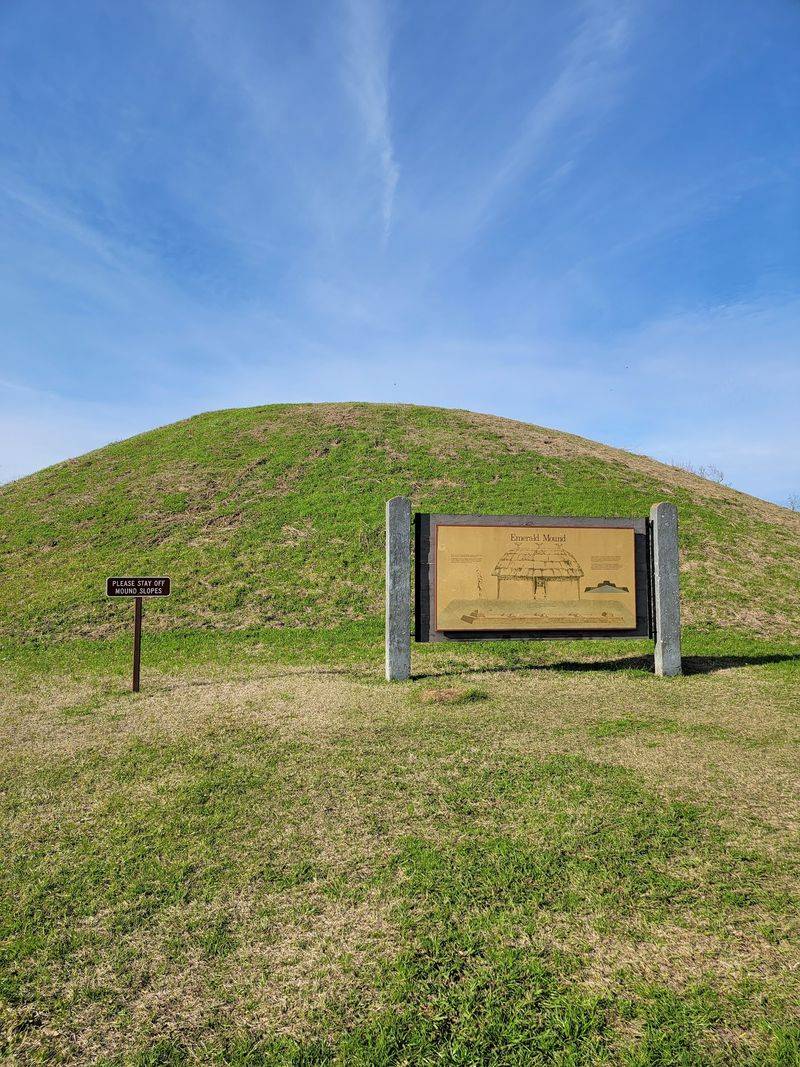
Before the climb, there is reading to do. Interpretive signs stand near the entrance and explain how the mound was built and used.
They are worth a few minutes.
Visitors have noted that the newer signs add helpful details. They explain the layout and the people tied to the site.
A quick read makes the grassy hill feel much bigger.
The National Park Service manages the site as part of the Natchez Trace Parkway. That means the information comes from a trusted source.
It also means no ticket booth and no crowds at the gate.
Bring a little curiosity and let the signs do the heavy lifting. History does not always arrive with fireworks.
Sometimes it arrives with a good paragraph and a wide-open field.
A Quiet Walk With Room To Roam
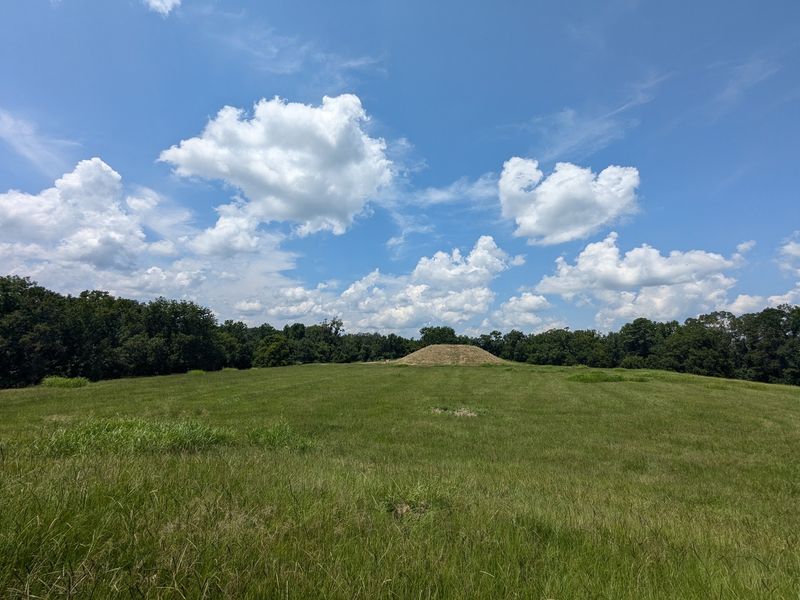
Quiet is the big feature here. The grounds are open and peaceful, with lots of space to wander.
Many stops on a road trip feel rushed, but this one invites a slower pace.
Families can let kids stretch their legs on the wide lawns. Some visitors mention children enjoying the grassy slopes.
It is a good place to burn off a little car-ride energy.
The grass can grow tall, so watch your step. Long pants and sturdy shoes make the walk more comfortable.
Take your time on the path.
Going in the daytime is the smart move. You get the best view and the clearest signs.
A stop of 15 to 30 minutes works for a quick visit, and longer suits anyone who likes to linger.
Part Of The Mississippi Mound Trail
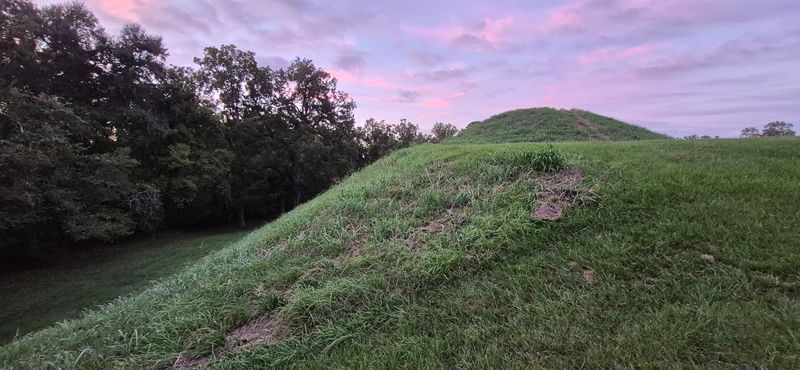
Emerald Mound is one stop on a bigger story. It is part of the Mississippi Mound Trail, a collection of ancient Native American sites across the state.
Fans of earthworks often chase several in one trip.
Along the Natchez Trace Parkway, other mound sites are also open to visitors. Each one shows a different part of the region’s past.
Emerald Mound is the largest of the group.
That makes it a smart starting point or a grand finale. Pair it with another stop and you will see how varied the mound builders’ work could be.
It is a tidy way to turn a drive into a history lesson.
Travelers who love Mississippi history will find plenty of reasons to keep going. Check the park service information before you set out.
A little planning saves time on the road.
Still Meaningful To Native Communities Today
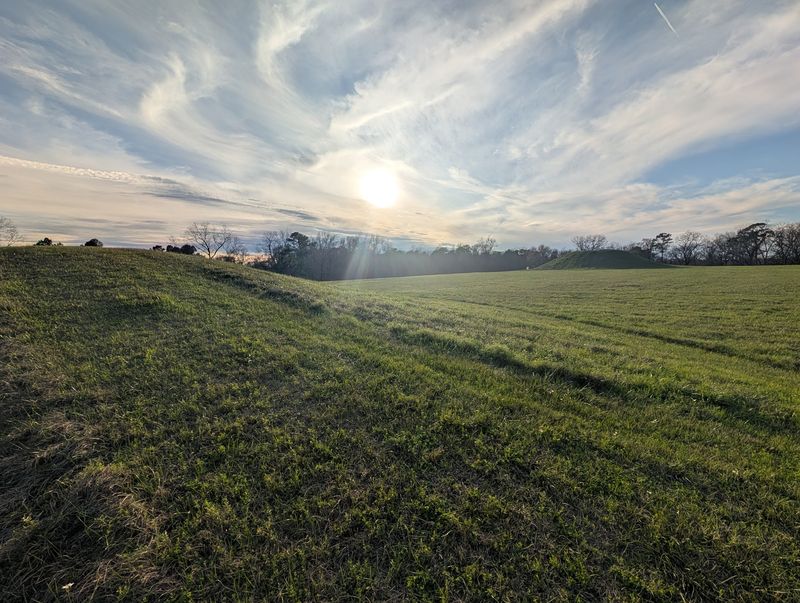
This place is not frozen in the past. Native American communities still connect with the site today.
That living link gives the mound extra weight.
Respect goes a long way here. Stay on the paths and leave the grounds as you found them.
Treat the mound as the special place it is.
Many visitors describe a calm, reflective mood. The wide views and soft breeze make it easy to slow down.
It is a good spot for a quiet moment.
When you head back toward the Trace, you may find yourself thinking about those baskets of soil. That is the real magic of Emerald Mound in Natchez, Mississippi.
A grassy hill turns into a story you’ll want to share.
Share this story