Some voices need only one note to give themselves away. In classic R&B, that note often floated high above the band, light and clear, and stuck in listeners’ heads for decades.
Falsetto helped turn love songs into dance floor hits and quiet ballads into lasting favorites. This list brings together seven singers whose high voices shaped soul, Motown, Philadelphia soul, and disco.
Some are famous for one unforgettable record, while others used falsetto as one tool among many. Press play on a few of these songs and you will probably spot the voice within seconds.
Eddie Kendricks
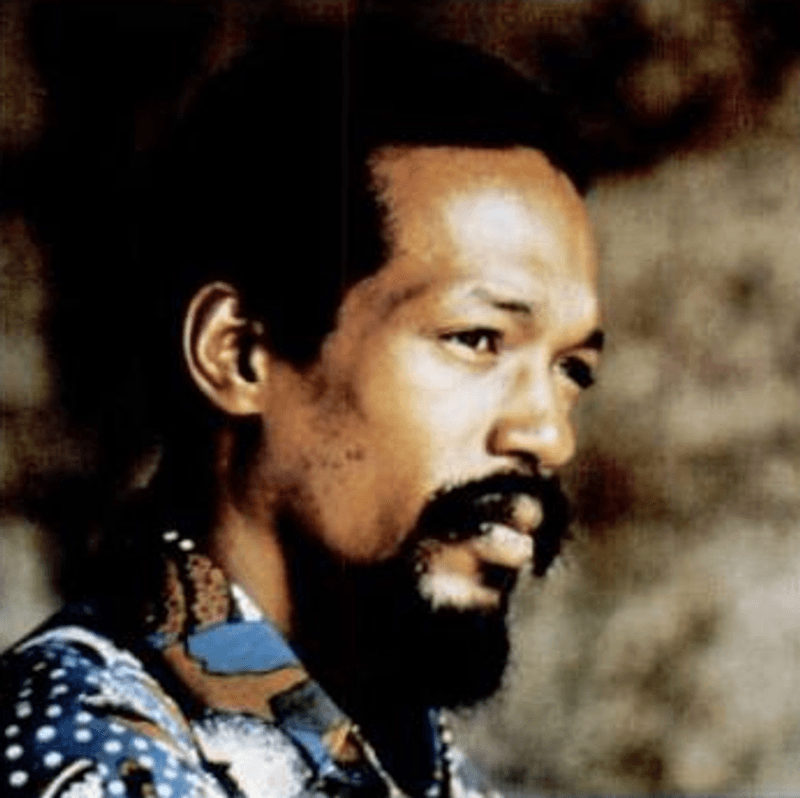
Few falsettos are as closely tied to Motown as the one Eddie Kendricks used. As one of the lead singers of the Temptations, he gave the group a light, soaring sound that listeners could pick out right away.
His voice carried hits such as “The Way You Do the Things You Do,” “Get Ready,” and “Just My Imagination.” Accounts from the time described his tenor as able to slide into a feathery falsetto without any visible effort.
That ease is the main reason his records still stand out. Where other singers pushed for volume, Kendricks let the high notes drift over the melody, and the arrangements left room for them.
If you want a quick lesson in how falsetto can lead a group, start with “Just My Imagination.” The verses stay relaxed, and his upper voice does the emotional work. Then go back to “Get Ready” to hear the same gift working on a faster, brighter groove.
Between those two songs, you get a good picture of his range as a lead singer.
Philip Bailey
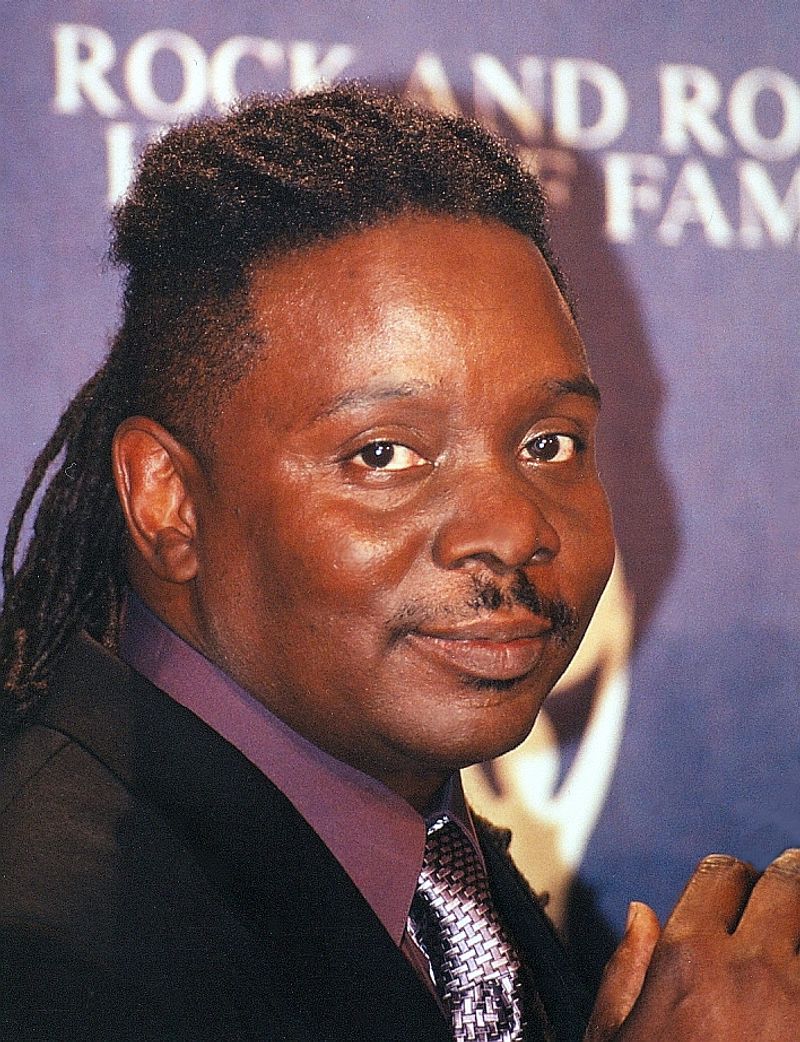
Falsetto is often described as delicate, but Philip Bailey flipped that idea around. In Earth, Wind & Fire, he sent his upper register out with real force and steady control.
His voice became one of the band’s defining elements on songs such as “Fantasy,” “Devotion,” and “September.” Those tracks have big horn parts and busy rhythm sections, and his high lead still cuts through all of it.
Maurice White recalled Bailey’s ability to sing high while keeping exceptional strength and control. That combination is hard to pull off night after night, and it explains why the group leaned on him so often.
When you listen, try following only the lead vocal on “Fantasy.” Notice how he holds the long, high lines without thinning out. It is a good example of falsetto being used as a power tool instead of a soft touch, and it shows why his sound is so easy to recognize.
Russell Thompkins Jr.
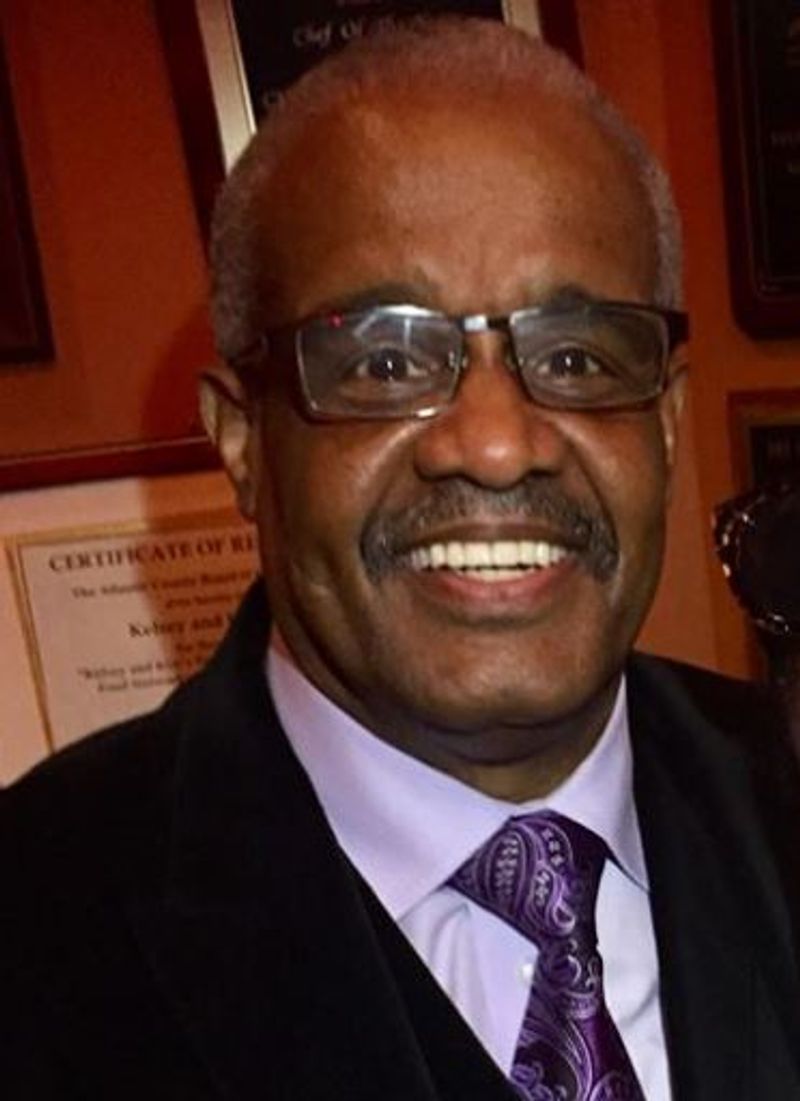
Try imagining the Stylistics without that voice at the front. It does not work, and that tells you how much Russell Thompkins Jr. shaped the group’s sound.
His smooth falsetto floated above Thom Bell’s orchestral arrangements on songs such as “Betcha by Golly, Wow,” “You Are Everything,” and “I’m Stone in Love with You.” The strings and soft rhythms gave him plenty of space to glide.
Those records became a central part of 1970s Philadelphia soul, a style known for polished production and romantic lyrics. Thompkins gave that style a human face with a voice that felt calm and sweet from the first line.
For a good starting point, play “You Are Everything” and listen to how his lead sits right on top of the arrangement. Nothing sounds rushed.
Each phrase has room to breathe, and the high notes arrive as if they were the most natural thing in the world.
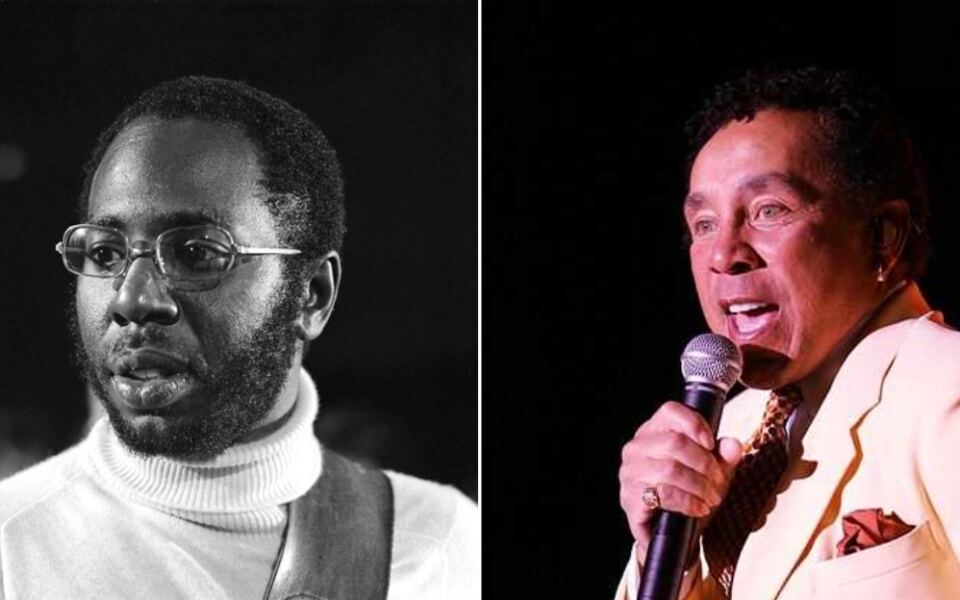
Curtis Mayfield
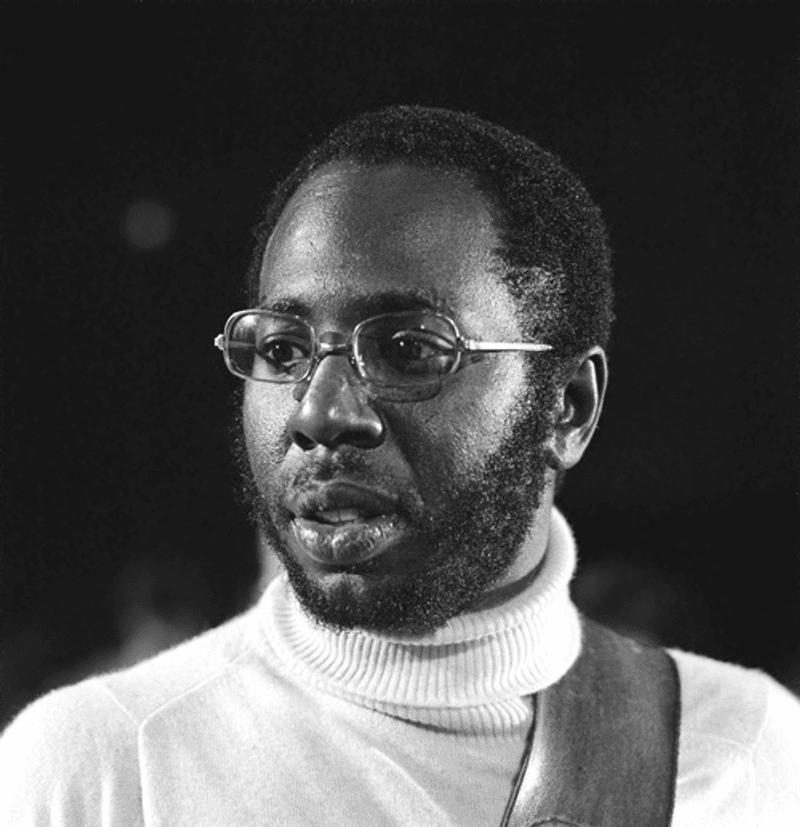
For Curtis Mayfield, the high voice was never just a trick. It was part of who he was as a musician.
During his years with the Impressions and later as a solo artist, he developed a distinctive high tenor that blended naturally into falsetto. The result was a floating sound that people could identify within a line or two.
He used that voice for many kinds of songs. Some were romantic ballads, while others carried messages about social justice, and the gentle delivery gave those messages a thoughtful tone.
That range makes his catalog fun to explore. You can move from a tender love song to a socially minded record and still hear the same recognizable voice guiding you.
He was also a guitarist and songwriter, so the singing always sat inside a bigger musical vision. If you like falsetto with meaning behind it, Mayfield is a great place to spend an afternoon of listening.
Smokey Robinson
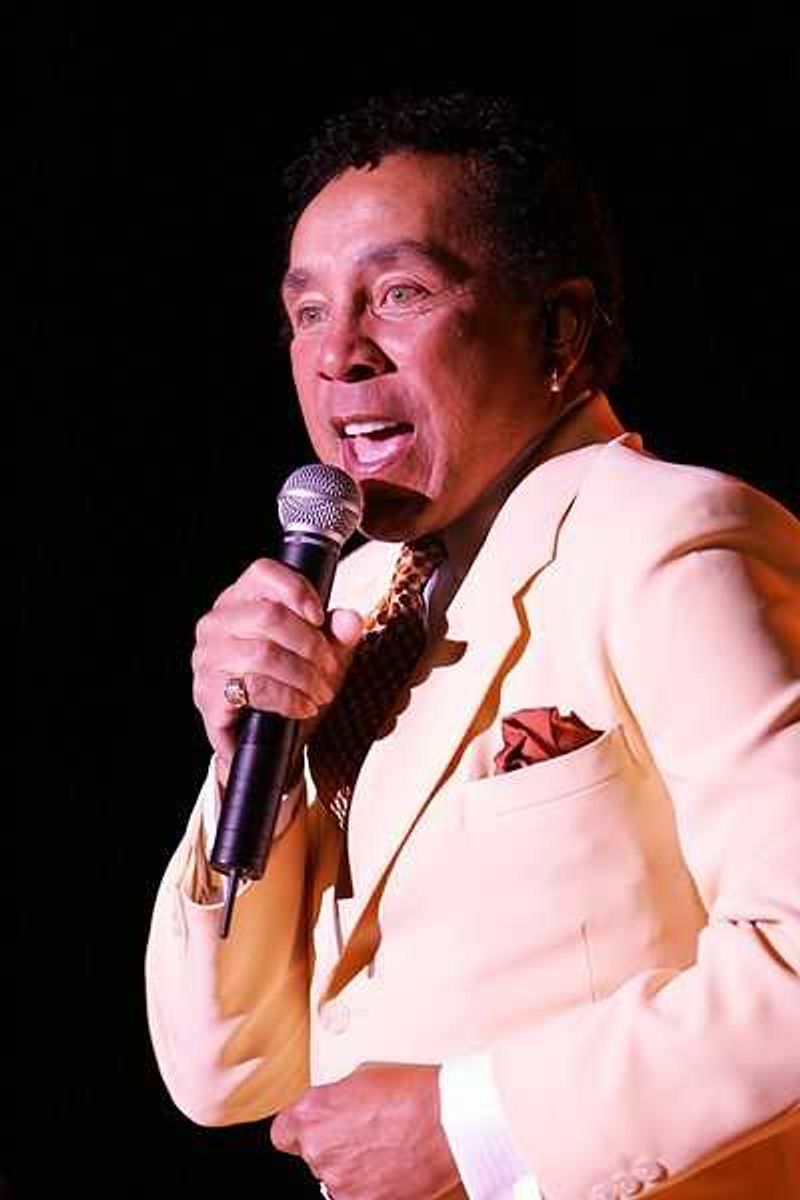
Smokey Robinson never needed brute force to command attention. His flexible tenor rose into falsetto so easily that listeners hardly noticed the shift.
That ease gave Miracles recordings such as “Ooo Baby Baby” and “The Tracks of My Tears” an intimate emotional character. The songs sound like someone sharing a secret instead of performing for a crowd.
His talents went well beyond singing. Robinson also wrote and produced, and those skills helped establish the early Motown sound that many people still love today.
A good listening tip is to follow his phrasing on “Ooo Baby Baby.” The high notes arrive softly, almost like sighs, and each one adds a little more feeling to the line. Songwriters often point to his lyrics as models, but his voice deserves just as much attention.
Together they make a combination that few artists have matched in soul music.
Al Green
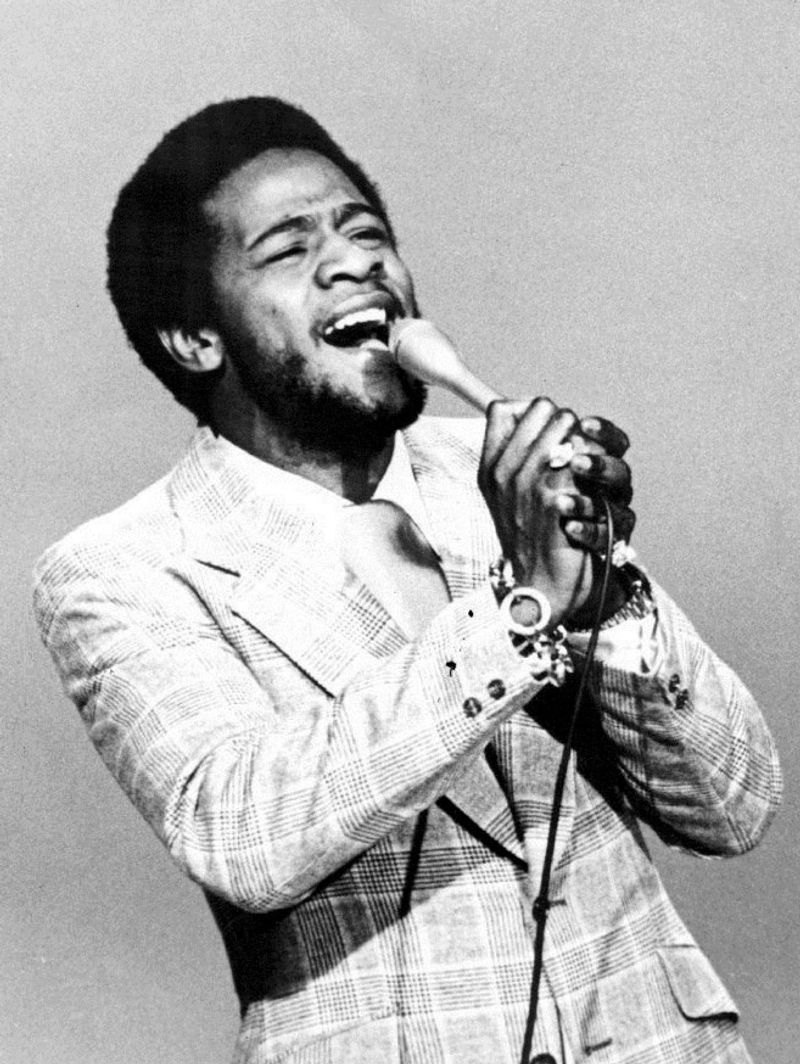
A whisper, a cry, and then a sudden float into falsetto. That is the Al Green recipe, and nobody has mixed it quite the same way.
This flexibility became a hallmark of his early-1970s Memphis soul recordings with producer Willie Mitchell. The band stayed relaxed and tight, which left plenty of room for his voice to roam.
Songs including “Let’s Stay Together,” “I’m Still in Love with You,” and “Call Me” showcased a singer who could sound both effortless and intensely emotional. The high notes never feel like show-off moments.
They feel like part of the story.
If you are new to his music, “Let’s Stay Together” is a friendly entry point. Listen to how he drops into a low, soft tone and then lifts into the upper register in the same phrase.
That quick change is what makes his records so easy to recognize and so hard to copy.
Marvin Gaye
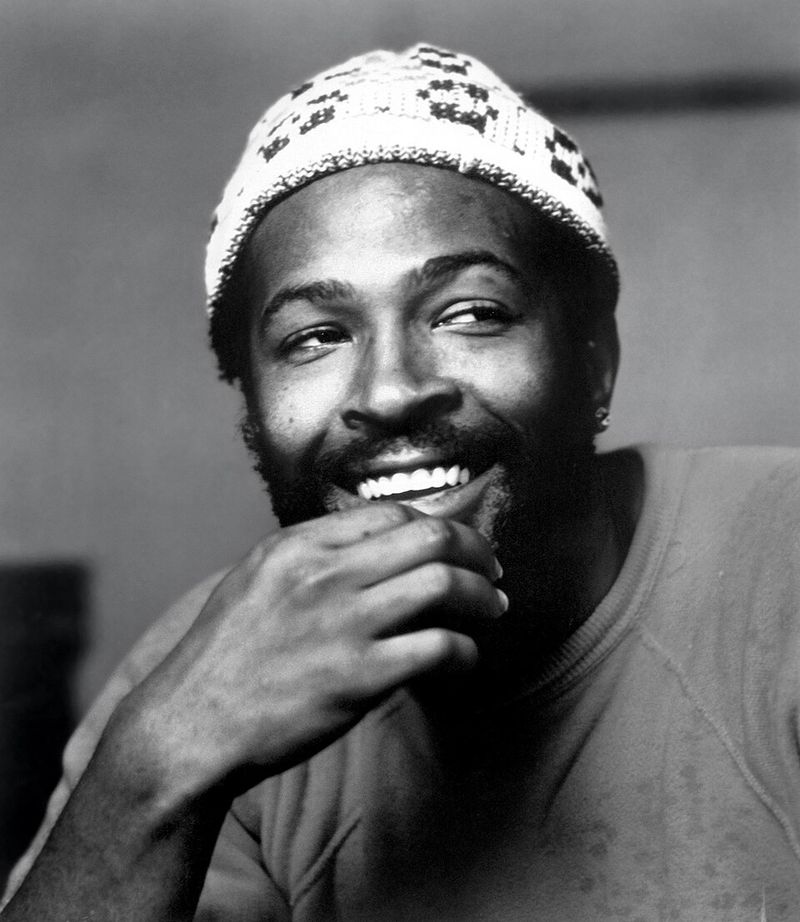
Calling Marvin Gaye only a falsetto singer would sell him short. He was too versatile for that label.
He could move between a smooth tenor, a rougher gospel-inspired voice, and an airy upper register. Each one had its own mood, and he picked the right one for each line.
By the 1970s, he frequently layered different parts of his voice within the same recording. That made falsetto an important part of the sophisticated vocal arrangements heard throughout his later Motown work.
This layering is the fun part for careful listeners. Put on a pair of headphones and try to pick out the separate vocal lines.
You may notice a high part floating over a warmer lead, almost like a second singer. It was all Gaye, and it shows how a falsetto can be one color on a much larger palette.
Share this story