A bacon-stuffed burger so tall it barely fit in your mouth once came out of a weathered wooden building at a lonely crossroads. Cattle drivers and traders stopped at this same spot back in the 1800s.
That’s a long run for one roadside kitchen.
The menu was tiny. A chalkboard listed a burger, a BLT, a crunchy fish sandwich, and fried green tomatoes.
Hand-cut fries piled up beside almost everything.
I love that this place lived in the middle of nowhere in central Florida and still pulled people off the highway. The building looked like a frontier saloon from a western movie.
Inside, a guitarist sometimes played country songs and told stories about the area.
So what happened to it, and is there any chance of tasting that history again? The answer is more complicated than you might hope.
A Frontier Crossroads Stop Where the Highway Meets the Cattle Country
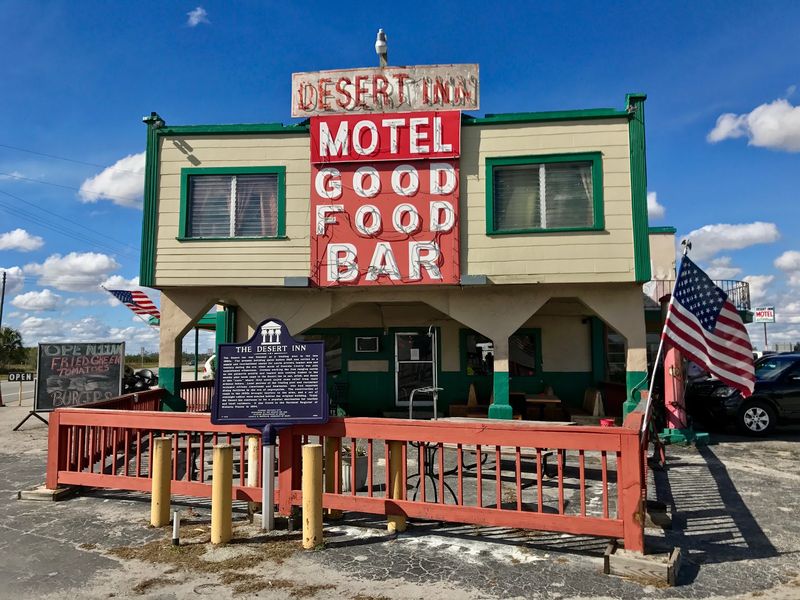
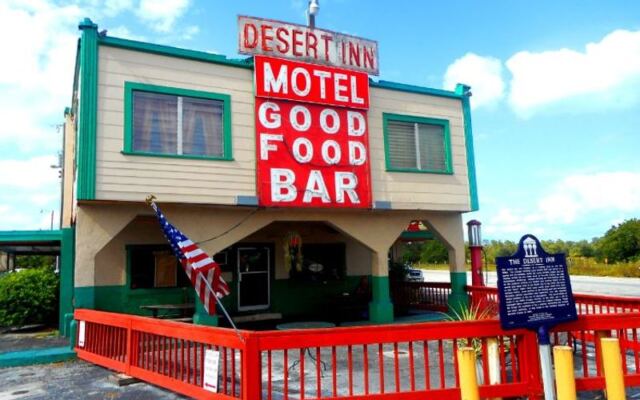
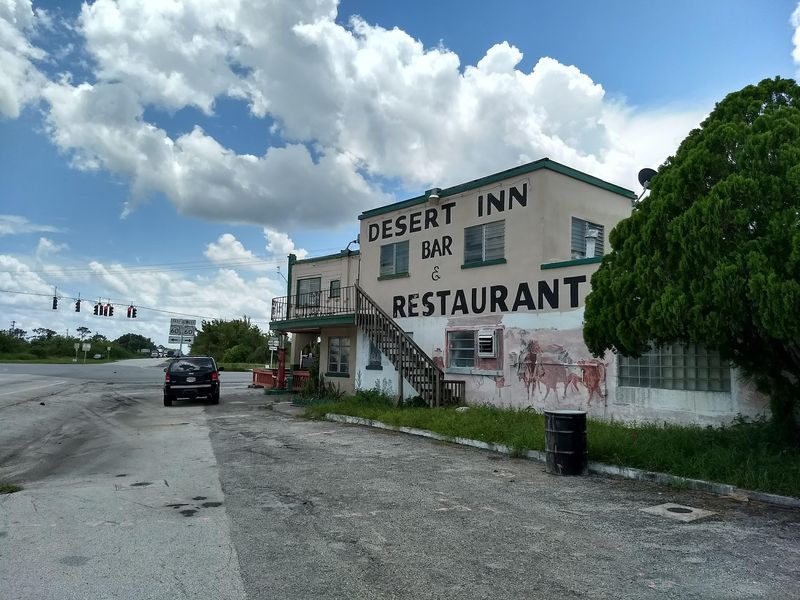
Out where US 441 crosses State Road 60, the Desert Inn Motel spent generations as the best-known stop in rural Osceola County. Folks driving the Florida Turnpike knew the nearby exit, but plenty never pulled off to look.
The Desert Inn Motel was a restaurant, a small motel, and a piece of living history under one tin roof. It sat in the heart of central Florida ranch land, far from beaches and theme parks.
That remote setting was part of the charm. Wide pastures, cabbage palms, and long empty roads surrounded the building in every direction.
Here’s the honest part, though. In December 2019, a tractor-trailer crashed into the historic building, and the restaurant closed after the damage.
So this article is part celebration and part memory. Before you plan a drive, check current Osceola County news for the latest on the property and any revival plans.
Still, the story deserves telling. Few roadside kitchens in Florida carried this much history alongside a plate of fries.
Cowmen, Traders, and More Than a Century of Stories
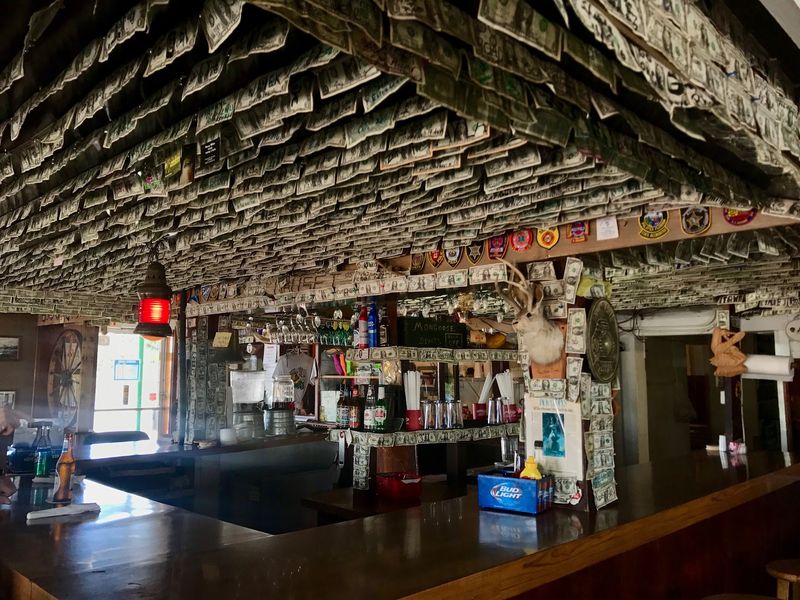
Long before anyone ordered fries here, the spot served cattle drivers, traders, and travelers crossing the Florida frontier. Its roots reach back to the late 1800s as a trading post.
Florida cracker cowmen drove herds through this flat, open country. A rest stop with supplies and a meal was a welcome sight after long days on horseback.
Over the decades, the building grew into a restaurant and motel. Cars replaced horses, but the crossroads kept doing the same job of feeding hungry people passing through.
The Desert Inn earned a listing on the National Register of Historic Places. That status recognized how rare it was for a frontier stop like this to survive so long.
Historic protection also limited big changes to the structure. That’s why the place always looked a bit rough around the edges, and honestly, that was the point.
Fun fact for trivia night. The quirky town name, Yeehaw Junction, comes from the area’s rowdy cattle-country past, and it still makes road-trippers grin.
The Bacon-Stuffed Burger That Made People Exit the Turnpike
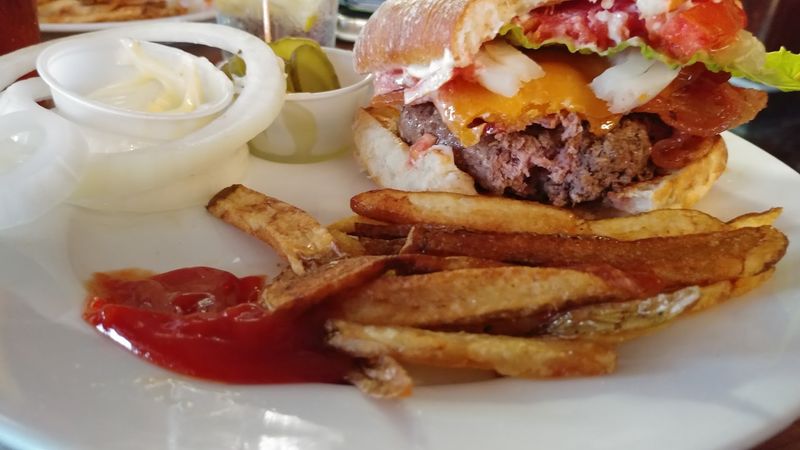
Burgers were the headline act, and the bacon-stuffed version became the dish everyone talked about. Bacon went inside the patty, not just on top.
Descriptions of this burger lean toward the dramatic. It was big, tall, and stacked like a Dagwood sandwich, often too thick to bite comfortably.
Hand-cut fries came alongside. Some diners wished for a bigger pile of them, though the burger usually filled any gap on the plate.
What made it special was the setting as much as the patty. A burger this hearty, served in a frontier building surrounded by cow pastures, felt like a reward for the drive.
Not every plate landed perfectly, of course. Like any small kitchen, results could vary from one day to the next.
Still, the bacon-stuffed burger became the kind of dish people planned road trips around. I can’t think of many better reasons to leave a busy highway than a sandwich with this much personality.
Crunchy Fish and Fried Green Tomatoes Stole Some Spotlight
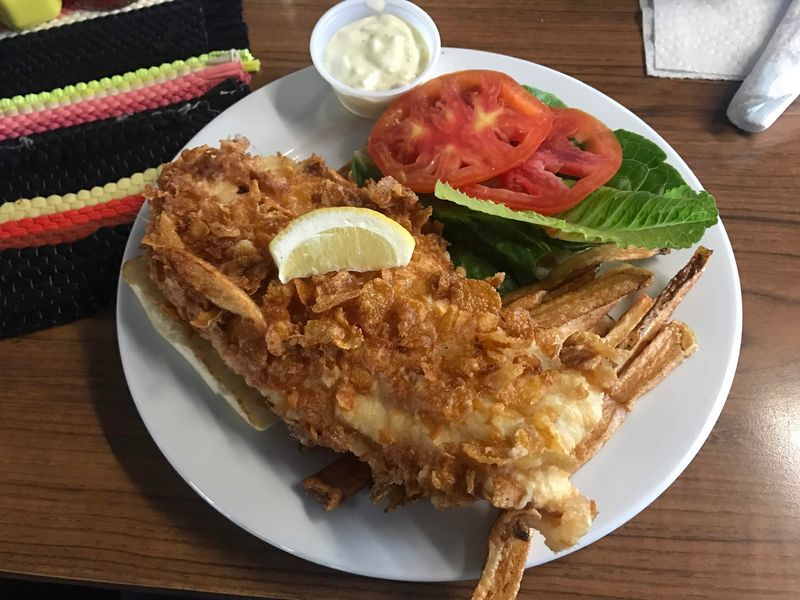
Burgers got the fame, yet the fish quietly built a fan club of its own. The Big Crunchy Fish Sandwich was a favorite for anyone skipping beef.
Fish and chips also showed up on the chalkboard. The batter was known for a serious crunch, the kind you hear before you taste.
Then came the fried green tomatoes. Crispy rather than soggy, they worked as a shared starter or practically a meal by themselves.
That dish fits the region perfectly. Fried green tomatoes are classic Southern comfort food, and they felt right at home in Florida cattle country.
Sweet tea often kept glasses full. Canned sodas were also on hand, which some folks oddly preferred to fountain drinks.
For dessert, a triple layer chocolate cake made an appearance. It was a sweet finish after a mostly fried feast.
Nobody came here for light, fancy plates. They came for honest country cooking, done simply, at a crossroads with almost nothing else around.
One Chalkboard, a Handful of Choices, Zero Confusion
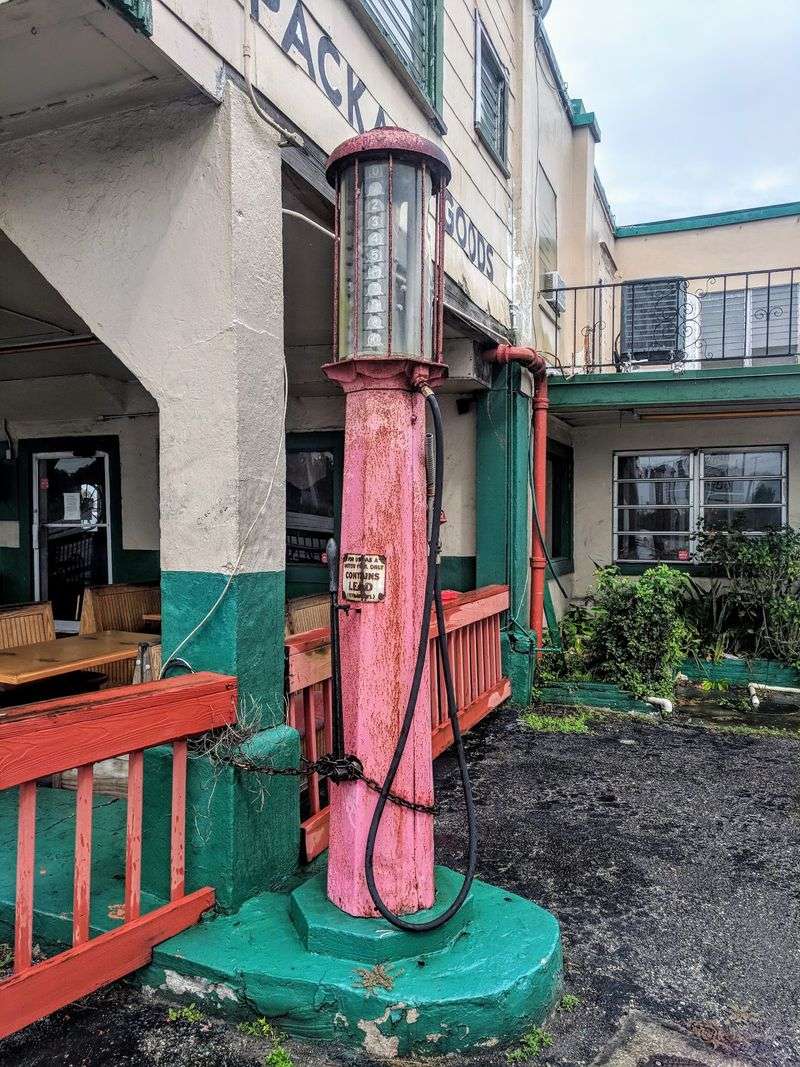
Forget thick laminated menus with twelve pages. At the Desert Inn Motel, the whole lineup fit on a movable chalkboard.
The choices were short and focused. Burgers, a BLT, the fish sandwich, fish and chips, and fried green tomatoes covered most of it.
Some first-timers worried about the small selection. Then the food arrived, and the worry usually faded fast.
A short menu has real perks. The kitchen could focus on doing a few things well instead of juggling dozens of dishes.
Not everyone loved the format. A few people wished for more variety, or a printed menu sharing the building’s history.
Fair enough, but that simplicity matched the place. A frontier stop in the middle of Florida ranch land was never meant to feel like a chain restaurant.
The BLT deserves a quick shout too. Plenty of folks paired it with fries and called it a perfect lunch on a long drive across the state.
Western Ghost-Town Looks With Live Country Tunes Inside
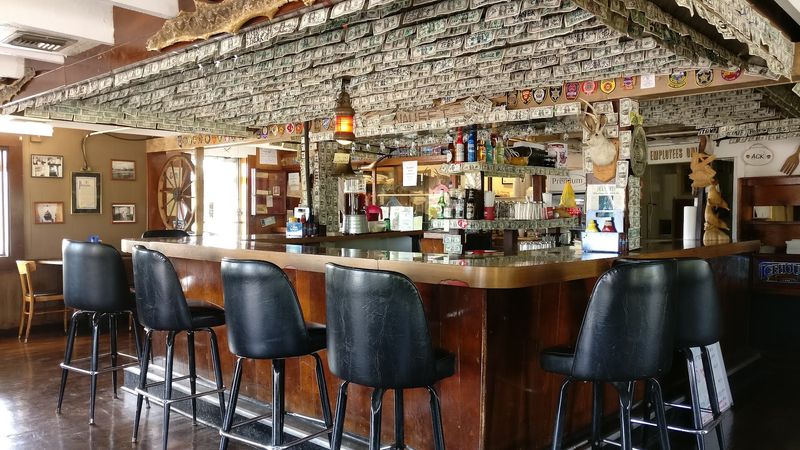
From the road, the building resembled an abandoned saloon from a western ghost town. Plenty of people almost drove past because of it.
Inside, the decor was rustic, a little dated, and packed with character. Walking through felt like touring a quirky museum about old Florida.
Live music added another layer on some weekends. A local guitarist played everything from early country tunes to classic rock ballads.
Between songs, he sometimes shared bits of the building’s history and the surrounding area. Dinner with a side of storytelling is hard to beat.
The owners were known for being friendly and funny. They often waited tables themselves and chatted about how they came to run the place.
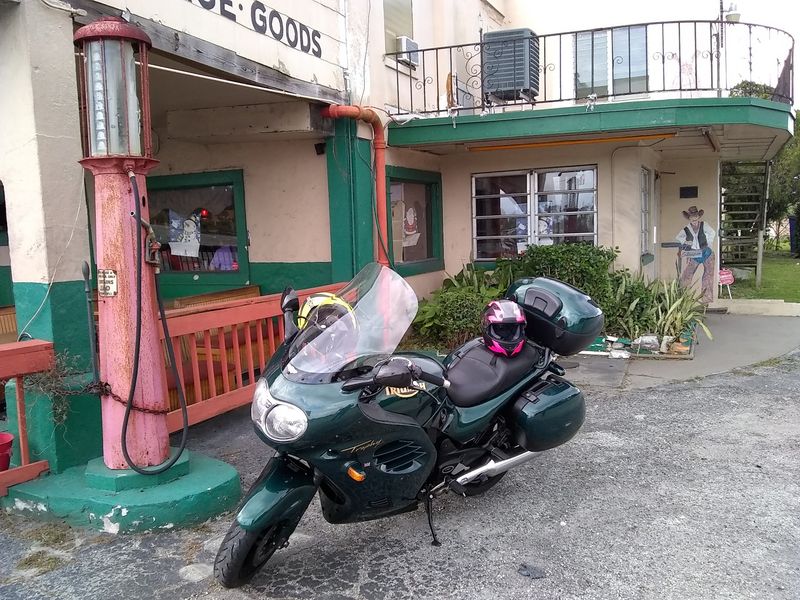
It was also biker friendly. Motorcycle riders crossing State Road 60 made it a natural stop, which added to the open-road feel.
Nothing about it was polished. That was exactly why people kept coming back, chasing a slice of Florida that rarely survives anymore.
Who Felt Right at Home at This Crossroads Table
Road-trippers made up a big slice of the crowd. Anyone crossing Florida on State Road 60 or exiting the Turnpike had an easy reason to stop.
Motorcycle riders loved it too. The open highways and frontier mood felt made for a ride with a lunch break in the middle.
History buffs found plenty to enjoy. Eating inside a building listed on the National Register of Historic Places is a rare treat.
Families and friends used it as a meeting point. Its central spot between the coasts made it handy for splitting the drive.
Who might not have loved it? Travelers expecting sleek decor or a giant menu sometimes felt out of place.
The building wore its age openly. Anyone hoping for modern polish would have been better off at a highway chain.
For everyone else, it delivered something special. Good comfort food, friendly faces, and a story you could tell your neighbors back home in Broward, Tampa, or Jacksonville.
Getting There and Checking the Latest Before You Go
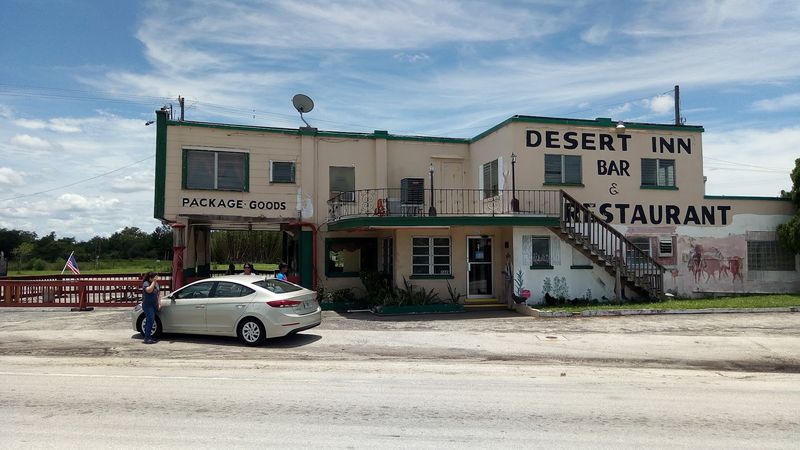
Finding it was simple, even if it felt remote. The address is 5570 S Kenansville Rd, Yeehaw Junction, FL 34972, near the US 441 and State Road 60 intersection.
The Florida Turnpike has an exit close by. That made the spot an easy detour for drivers heading between South Florida and Orlando.
Now for the practical reality. After the December 2019 truck crash, the restaurant stopped serving, and the original setup is no longer operating.
Preservation supporters have discussed saving or rebuilding parts of the historic site. Plans can change, so check recent local news before making the trip.
The motel side also offered rooms in its operating years. Small, simple, and old-fashioned, they suited travelers wanting a night in a true piece of history.
Bring patience for the empty miles. Services are limited around Yeehaw Junction, so fill up and grab snacks along the way.
Even without a meal, the crossroads still carries plenty of old Florida spirit.
A Slice of Old Florida Worth Remembering and Rooting For
Some restaurants feed you, and a rare few feed a whole region’s memory. The Desert Inn Motel did both for a very long time.
It carried the cracker cowman story from the 1800s into the age of the Turnpike. That’s an impressive stretch for one modest building at a lonely crossroads.
The food was never fancy. A stuffed burger, crunchy fish, and fried green tomatoes simply tasted right in that setting.
Losing the working restaurant hurt many Florida travelers. Yet the attention after the crash also reminded people how much these old places matter.
I believe stops like this deserve our support while they last. Small, family-run spots with real history are getting harder to find every year.
So keep an eye on preservation news from Osceola County. If the historic site returns in some form, it’ll be worth the drive.
Until then, let it inspire your next road trip. Somewhere down a quiet Florida highway, another unassuming kitchen is waiting for you to stop.
Share this story