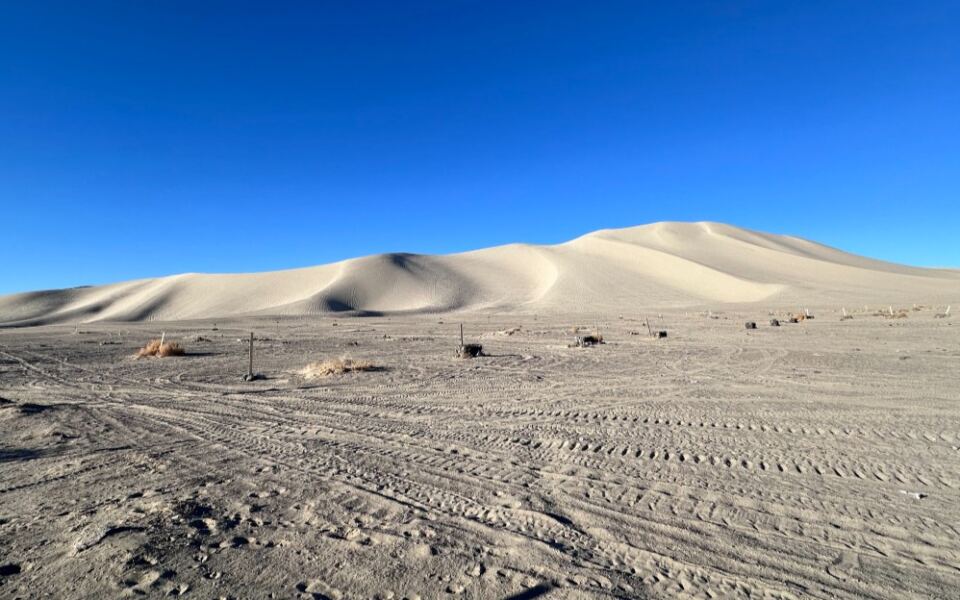
A sand dune that hums, booms, and sings is waiting in the Nevada desert. It sits in a place where ancient rock art is carved into stone too.
I love that one small town can offer both. Sound and stone make a pretty unusual pair.
The area also has wildlife marshes, a reservoir, and a famous naval aviation base nearby. I can’t imagine a more surprising mix for a quiet Nevada stop.
So where is this place, and what makes the sand sing? Let’s find out.
Fallon, NV Sits In The Lahontan Valley
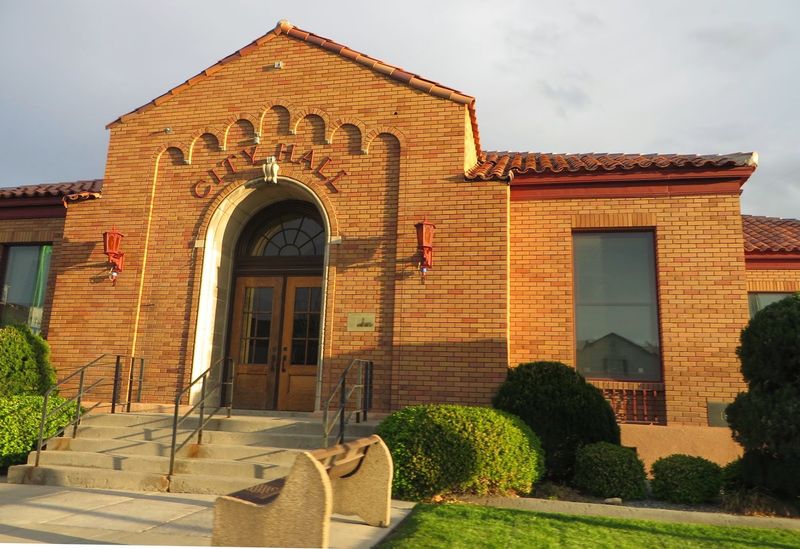
Fallon, NV is the county seat of Churchill County. It sits in the Lahontan Valley in western Nevada.
The 2020 census counted 9,327 people, so it is small enough to feel friendly.
The city’s address is Fallon, Nevada 89406. That puts it roughly an hour’s drive east of Reno, which makes it a handy side trip.
Plan for a full day if you want to see the rock art, the dunes, and the wetlands.
The valley is a desert setting with a surprising amount of green. Farms and canals shape the landscape around town.
That mix of dry hills and watered fields gives the area a look all its own.
Think of Fallon as your base camp. Most of the big sights are a short drive away.
Gas up, grab snacks in town, and bring a full water bottle for each person.
Fallon also has a well-known neighbor. Naval Air Station Fallon lies southeast of the city.
It is a major training site for naval aviation, so jets are part of the local story.
Rock Art Carved Long Before Highways
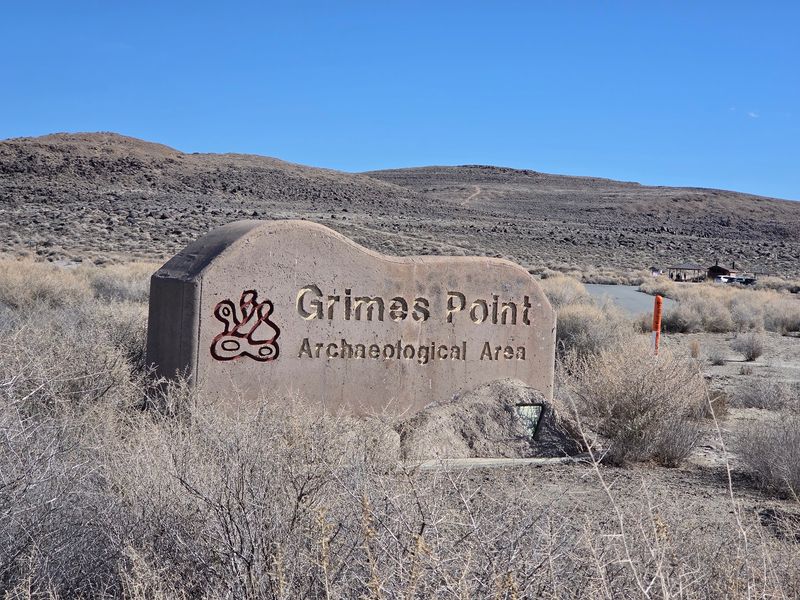
Grimes Point Archaeological Area holds some of the oldest rock art in the region. Boulders here are covered in carved shapes.
You will spot spirals, circles, and lines pressed into dark rock.
The site is managed by the Bureau of Land Management. It is east of Fallon along U.S.
Highway 50. A short trail loops among the boulders so you can look closely.
These carvings are called petroglyphs. Artists made them by chipping or pecking the rock surface.
Many are thought to be thousands of years old, and experts still debate what they mean.
Here is a simple rule for visitors. Look with your eyes and take photos, but never touch the carvings.
Oils from skin can harm the rock over time.
Go early or late in the day. Low sun makes the carved lines stand out better.
Wear sturdy shoes, because the path is rocky.
Caves, Basins, And A Very Old Lake
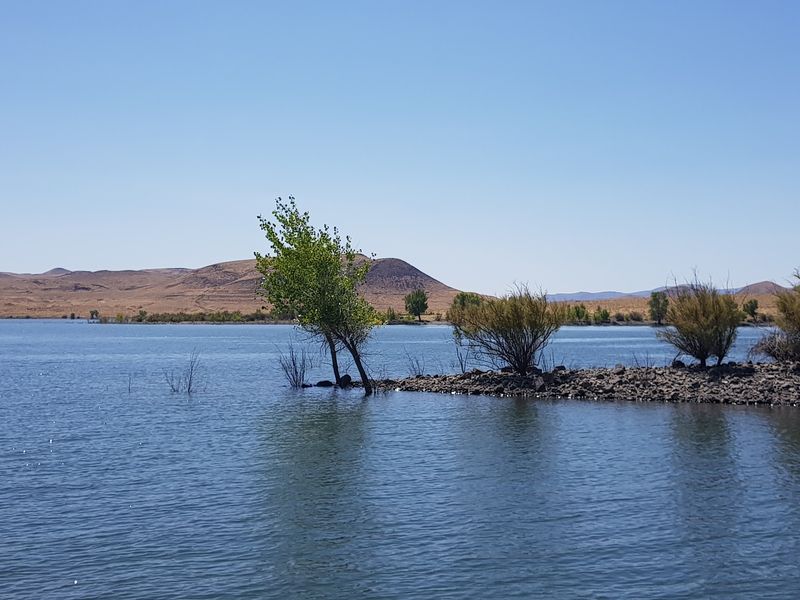
Here is a twist: this dry desert once sat beside a huge lake. Ancient Lake Lahontan covered much of northern Nevada.
The rocks at Grimes Point once looked out over its shores.
That water is a big reason people lived here long ago. Lakes and marshes brought fish, birds, and plants.
Archaeologists study the area for signs of those early residents.
Nearby Hidden Cave is another famous spot. It is tied to research about early Great Basin life.
Access is limited, so check with the Bureau of Land Management before you plan a visit.
Back at the trail, take a moment to look out over the basin. Try to picture the water lapping at the hillside.
It makes the carvings feel more connected to a real place.
Pack a hat and sunscreen. Shade is scarce out here.
Spring and fall are comfortable seasons for walking.
Sand Mountain Is The Dune That Sings
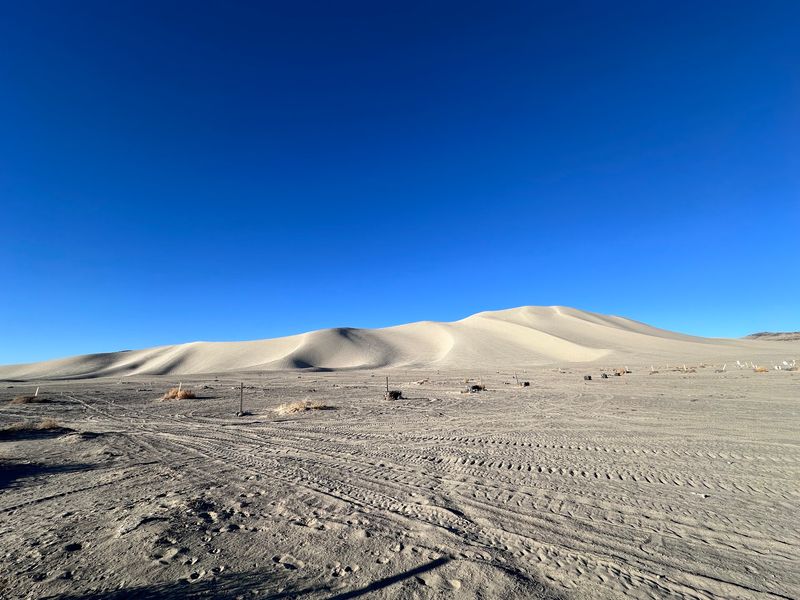
Sand Mountain Recreation Area is the star of the show. This huge dune rises from flat desert east of Fallon.
It stretches about two miles long and rises roughly 600 feet.
The mountain is known as a singing dune. Under the right conditions, moving sand can make a low booming or humming sound.
Dry weather and a sliding slope help the effect.
Walking up takes effort. Sand slips under every step, so expect to work for it.
The view from the top is worth the sweat.
Then comes the fun part. Slide down the slope and listen.
Some visitors hear a rumble, while others hear nothing at all.
The area is managed by the Bureau of Land Management. Bring water, since there is little shade.
A windy day can mean stinging sand, so sunglasses help.
Why The Sand Makes Noise
Sand that sings sounds like a tall tale. Yet it is real science.
Scientists have studied booming dunes around the world.
The basic idea involves sand grains moving together. When a layer slides down a slope, the grains vibrate as one.
That motion can create a low, humming tone.
Dryness matters a lot. Damp sand tends to stay quiet.
Clean, well-rounded grains also seem to help.
Local lore adds a story to the sound. Native peoples of the region, including the Northern Paiute, have long known this landscape.
If you visit, treat the area with respect.
Try a simple test. Scoop a handful of dry sand and let it pour slowly.
Then slide down the slope and compare the sounds.
Do not expect a concert every time. Think of it as a rare treat.
When it happens, you will remember it.
Off-Road Fun On The Dunes
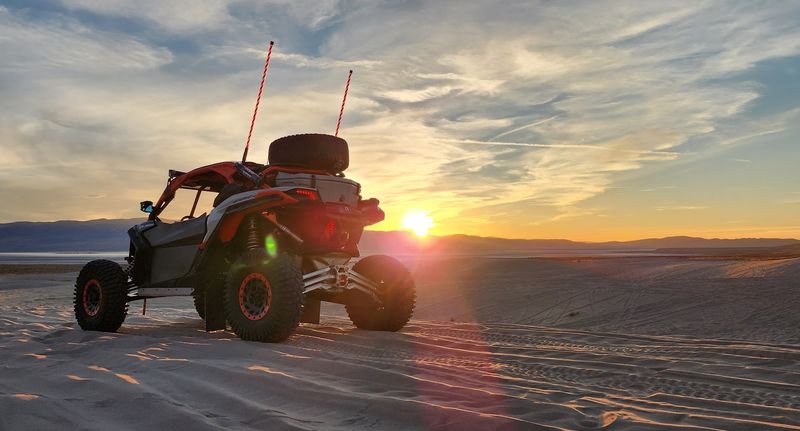
Sand Mountain is a playground for off-highway vehicles. Riders come to climb the slopes on dune buggies, quads, and sand rails.
Flags on tall poles help others see them over the crests.
Safety rules are important here. A flag is required for vehicles because the dunes have blind hills.
Check current rules with the Bureau of Land Management before you go.
Not into engines? You can hike the dune on foot.
Many visitors simply climb for the view and the slide down.
The recreation area has camping nearby. Facilities are basic, so plan to bring what you need.
Pack trash bags, and leave the place cleaner than you found it.
Visit on a weekday if you like calm. Weekends in cooler months can bring more activity.
Either way, bring layers, because desert temperatures can swing a lot.
Stillwater Refuge Brings Birds To The Desert
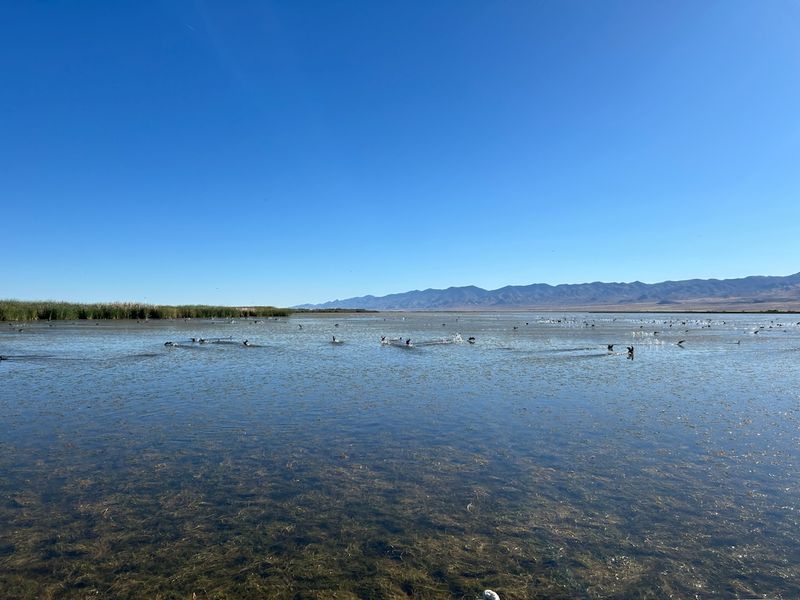
Water in the desert draws a crowd of feathers. Stillwater National Wildlife Refuge lies northeast of Fallon.
Its marshes are a stop for migrating waterbirds.
The refuge is part of the Lahontan Valley wetlands. These wetlands matter for birds traveling along the Pacific Flyway.
Spring and fall are popular times for birdwatching.
Bring binoculars if you have them. Early mornings are often the best time to see activity.
Move slowly and keep your voice low.
Roads in the refuge can be unpaved. Check conditions before you head out.
A full tank of gas and extra water are smart ideas.
Even if you are not a bird expert, the setting is peaceful. Reeds, open sky, and mountain views make a calm contrast to the dunes.
It is a nice way to slow down between adventures.
Lahontan Reservoir For Water Days
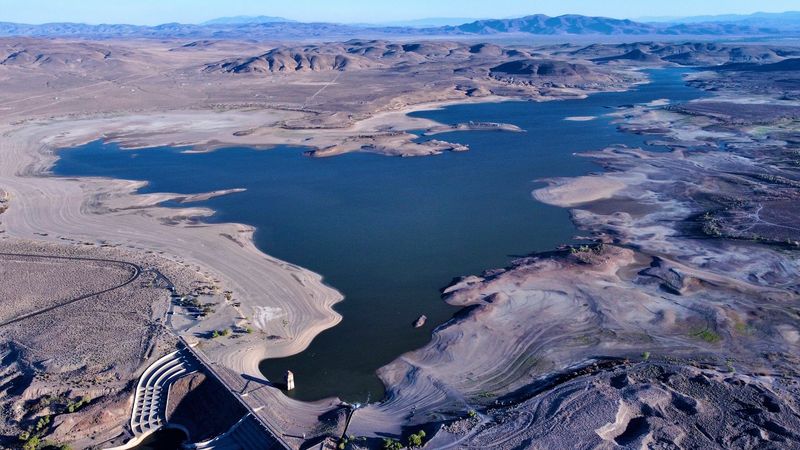
Need some water after all that sand? Lahontan State Recreation Area is west of Fallon.
The park centers on Lahontan Reservoir, a big lake on the Carson River.
Visitors come for boating, fishing, and camping. The shoreline has several areas to explore.
Rules and conditions can change, so check with Nevada State Parks first.
Water levels can vary from year to year. That affects boat ramps and beaches.
A quick look at current park updates saves you a wasted trip.
Picnics are easy here. Find a shady spot if you can, and watch the light change on the hills.
Sunsets over the water are a good reason to linger.
Pair the reservoir with your other stops. A morning at the dunes and an afternoon by the lake make a fun day.
Pack towels and a change of shoes.
Jets, Cantaloupes, And Small-Town Charm
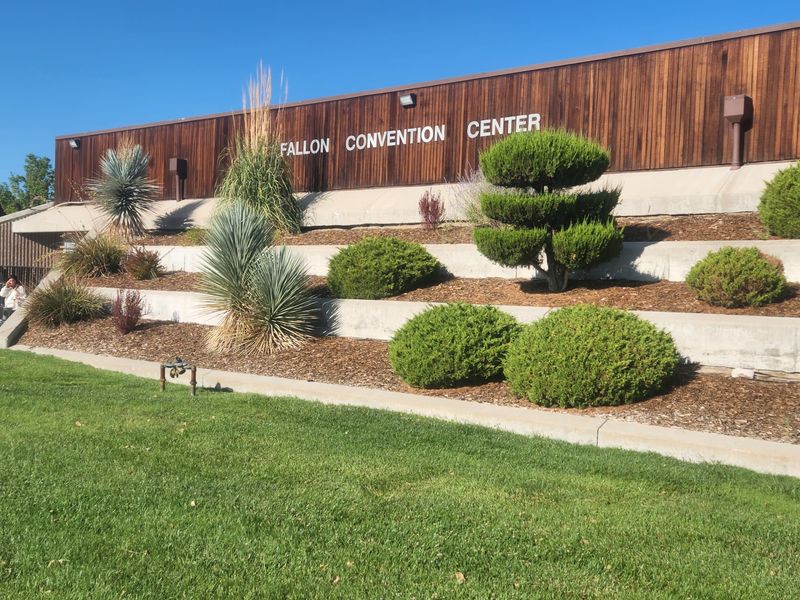
Fallon is famous for more than rocks and sand. Naval Air Station Fallon sits southeast of the city.
The base is a training center for naval aviation, so you may hear jets overhead.
The town also has farm roots. The area is widely known for Hearts of Gold cantaloupes.
Melon season brings celebrations and a lot of local pride.
Downtown Fallon is easy to stroll. The city’s official site is a handy place to look up current events.
Check it before your trip for seasonal happenings.
Stop in town for supplies before heading out to the dunes. Fill your water jugs and grab snacks.
Small-town stores can close earlier than you expect, so plan ahead.
That is the charm of Fallon, NV. Ancient art, a humming dune, wetlands, and melons all share one county.
Few small towns can match that list.
Share this story