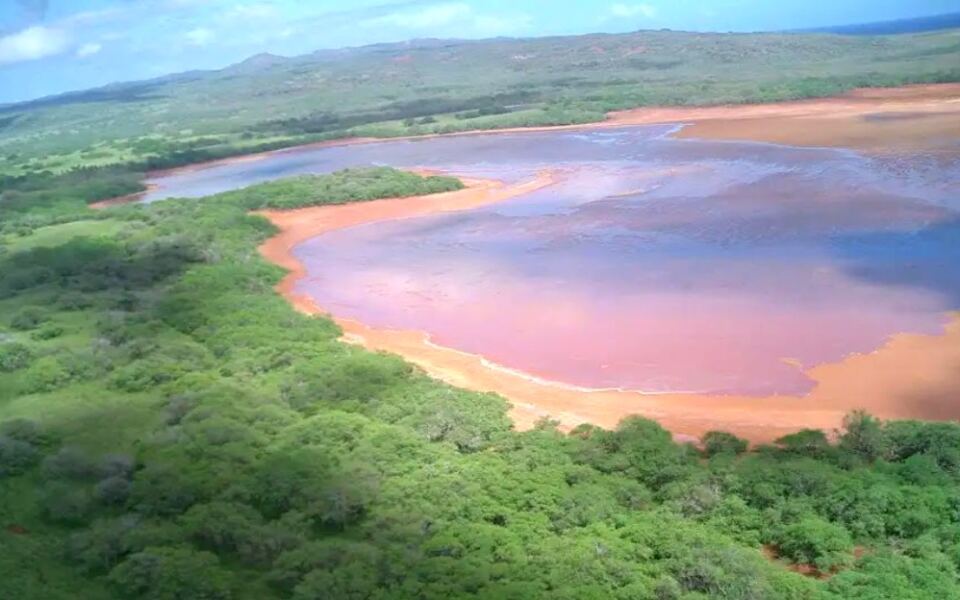
A lake that can vanish and then come back is real, and it sits in Hawaii. In wet times, it holds the title of largest natural lake in the entire island chain.
In dry times, it can shrink down to a flat, empty basin.
I love how this water body plays by its own rules. It lives on an island better known for beaches and waterfalls.
Few people ever think about a lake there at all.
I can’t imagine a stranger neighbor for a coastline. Birds know it well, and maps mark it, yet access is limited.
So what makes this lake so special, and why can’t you just walk up?
A Lake That Plays Hide And Seek
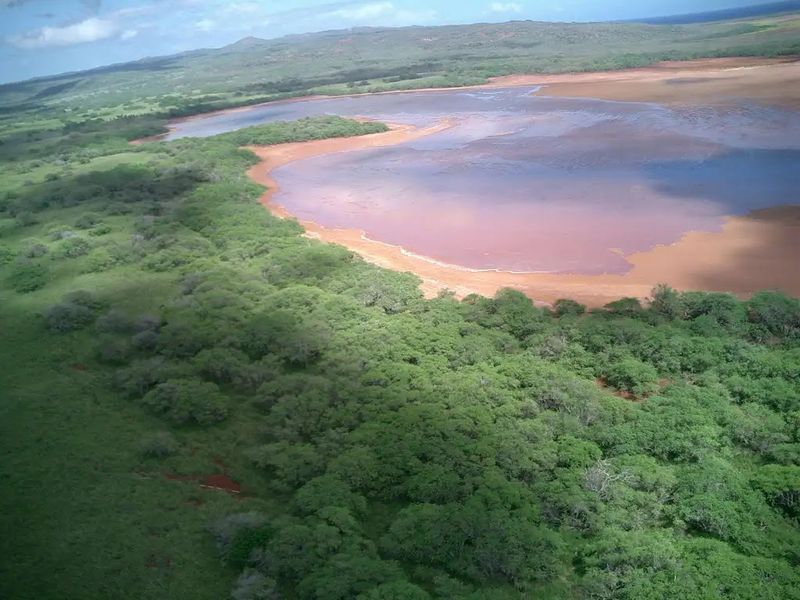
Halali’i Lake is a seasonal lake on the island of Niihau, Hawaii. Seasonal means it changes with the weather, and the changes are big.
When rain is plentiful, the basin fills and the lake becomes the largest in the Hawaiian islands.
When the dry season arrives, the water can shrink a lot. In some stretches the lake can nearly vanish, leaving a wide, low basin behind.
That is how it earned its reputation as a vanishing act.
This disappearing trick is simple to understand. Rain feeds the lake, and sun and wind take the water away.
If rain slows down, the lake slowly loses the contest.
Think of it like a giant bathtub with no faucet except the sky. Some years it fills up generously.
Other years it hardly fills at all, which keeps the scenery changing from season to season.
That is why a single photo never tells the whole story. Every picture catches the lake in just one mood, and the next mood might look completely different.
Meet The Biggest Natural Lake In Hawaii
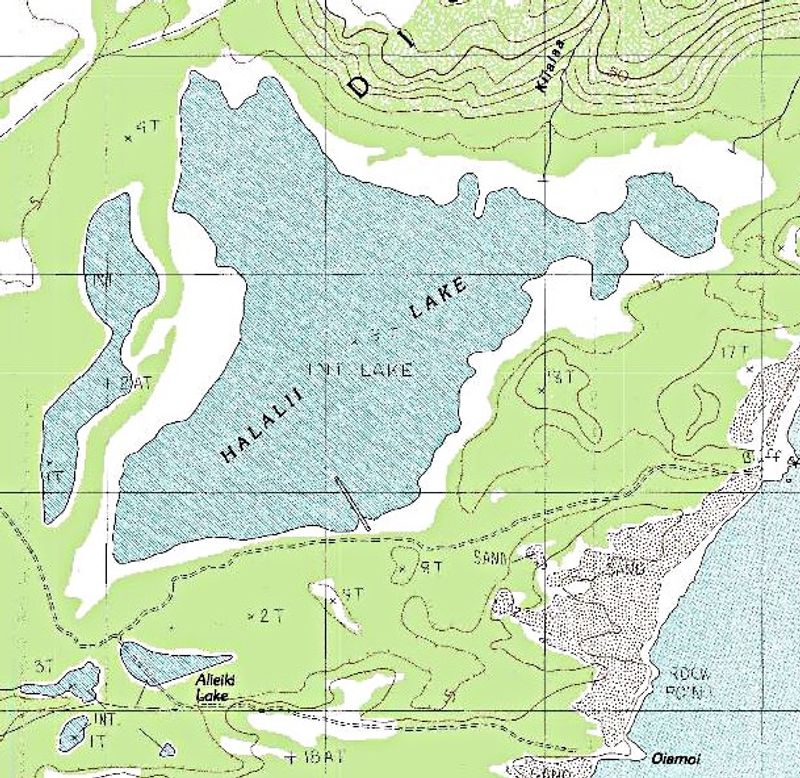
Here is a fun title to hold: the largest natural lake in the Hawaiian archipelago. Halali’i Lake earns that claim during the rainy season, when it reaches its widest size.
Hawaii has few natural lakes, so the record is not crowded with rivals.
Most island water comes in the form of streams, reservoirs, fishponds, and ocean. True natural lakes are rare.
That makes this one stand out on any list of Hawaii’s water features.
The lake is shallow, so it spreads out wide instead of going deep. Shallow water warms quickly and also dries quickly, which helps explain the seasonal swings.
It sits on Niihau, a small island west of Kauai. The island has a very different feel from the busy tourist spots most people know.
So when someone says Hawaii is all beaches and volcanoes, you can share this fact. A big lake is hiding in plain sight, tucked away from the usual postcard views.
Where On Earth Is This Thing?
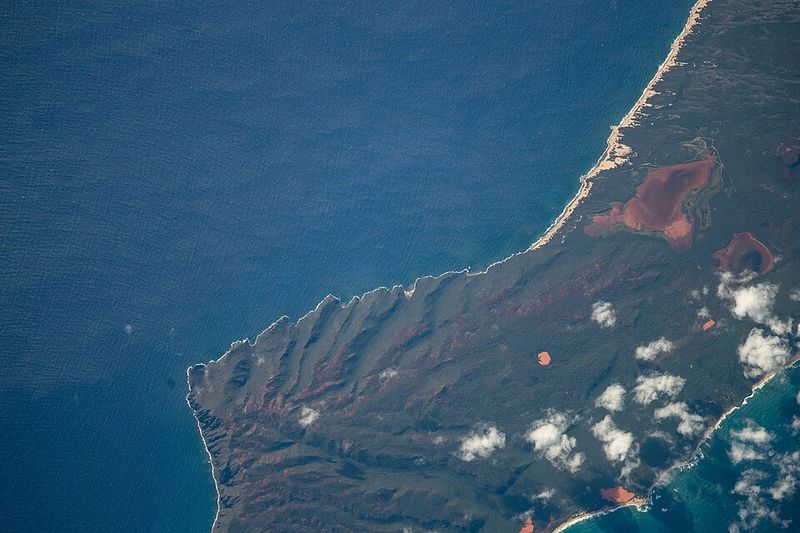
Finding the lake takes a quick lesson in Hawaii geography. Halali’i Lake lies on Niihau, the westernmost of the main inhabited Hawaiian islands.
Kauai sits to its northeast across a channel of open ocean.
The map pin points to roughly 21.86 degrees north and 160.18 degrees west. That puts the lake inside the island, not far from the western side.
The postal area listed for it is Hawaii 96769.
Niihau is small, and its land is mostly dry and low. That helps explain why the lake depends so heavily on rainfall.
Less rain means less water, plain and simple.
The island is nicknamed the Forbidden Island. That nickname comes from the limits placed on visitors, which we will get to soon.
For now, just picture a lake in the middle of a quiet, windy island. It is far from resorts, far from crowds, and far from most travel itineraries.
Rain Decides Everything
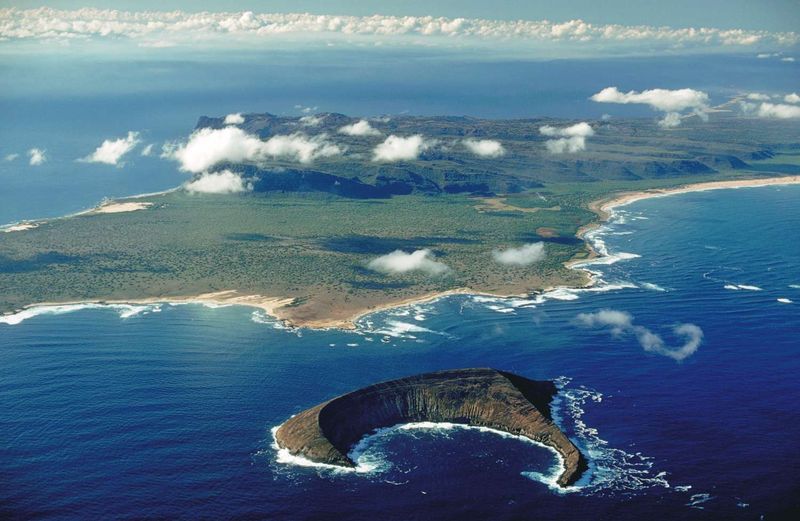
Weather runs the show at Halali’i Lake. Rainy months fill the basin, and the lake swells to its biggest.
Dry months bring the opposite result.
Niihau sits in the rain shadow of Kauai, which means it gets less rain than many other Hawaiian islands. Droughts can last a long time there.
That is why the lake can shrink so dramatically when skies stay clear.
Evaporation also does heavy work. Warm air and steady wind pull moisture upward.
A shallow lake loses water fast under those conditions.
Even so, the basin remembers its job. When rain returns, water collects again in the low ground.
The lake can rebuild itself like nothing happened.
That cycle is the heart of the story. A lake that rises and falls with the seasons is more like a living thing than a fixed spot on a map.
Birds Love A Wetland Like This
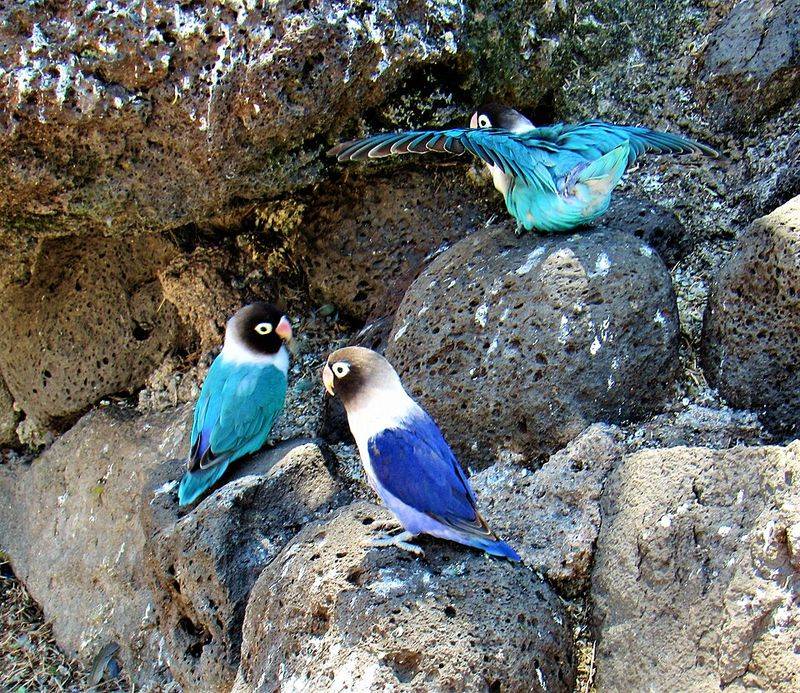
Wildlife gives the lake a second claim to fame. When water is present, it becomes a wetland habitat for native Hawaiian birds.
Three well-known names are the alae keokeo, the koloa maoli, and the aeo.
The alae keokeo is the Hawaiian coot. The koloa maoli is the Hawaiian duck.
The aeo is the Hawaiian stilt, a long-legged wader that looks elegant in shallow water.
These birds are endemic, meaning they are found naturally in Hawaii. Wetlands are tough to find on dry islands, so every one matters.
A seasonal lake can still offer an important place to feed and rest.
Shallow water suits wading birds especially well. They can walk, hunt, and nest near the edges without needing deep water.
So the lake is not just a geography trivia answer. It is also a seasonal home for some of Hawaii’s special birds.
Why You Can’t Just Drive Up
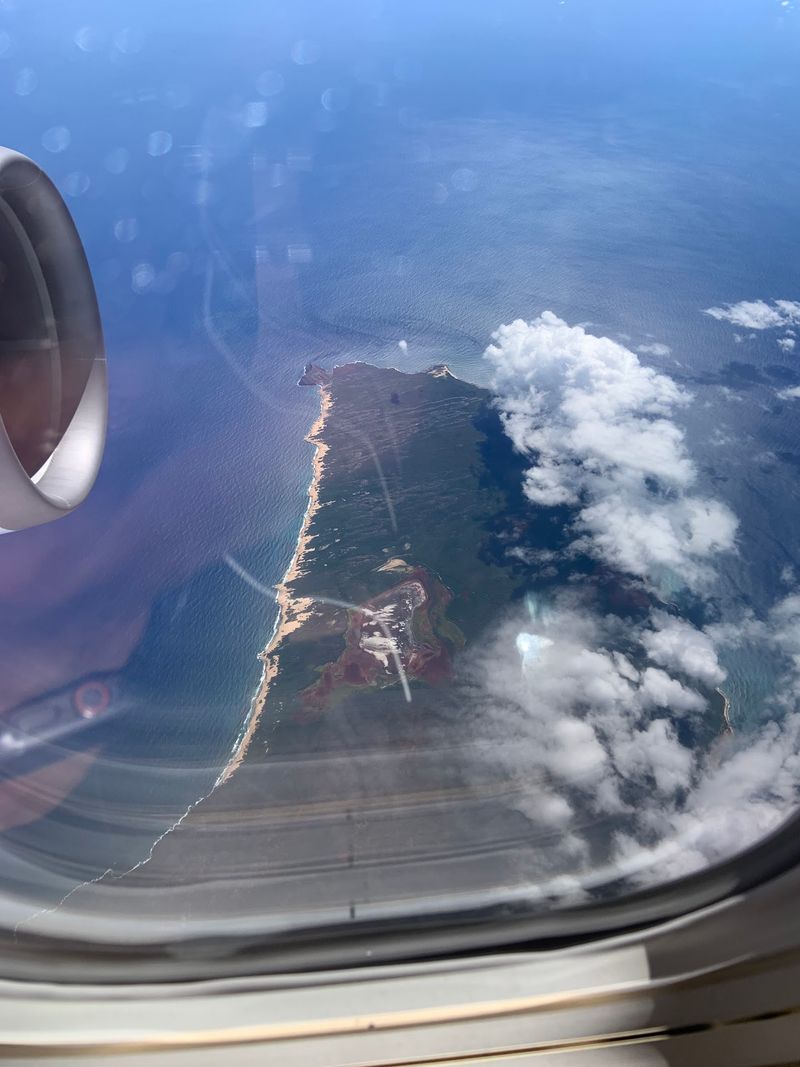
Here is the catch. Niihau is privately owned, and public access is very limited.
The Robinson family has owned the island since the 1860s.
Visitors cannot simply show up and wander. Entry is controlled, and the island is closed to general tourism.
That is a big reason the lake stays so quiet.
One review of the lake sums it up with a sad note that you cannot go there. That is accurate for most travelers.
Planning a casual lake picnic is not an option.
Some limited tours exist through the owners, but these focus on other parts of the island and its waters. They are not a promise of seeing the lake.
The upside is that the area stays peaceful and protected. Fewer footsteps usually means calmer wildlife and fewer disturbances for the birds.
A Quick Peek At Niihau’s Story
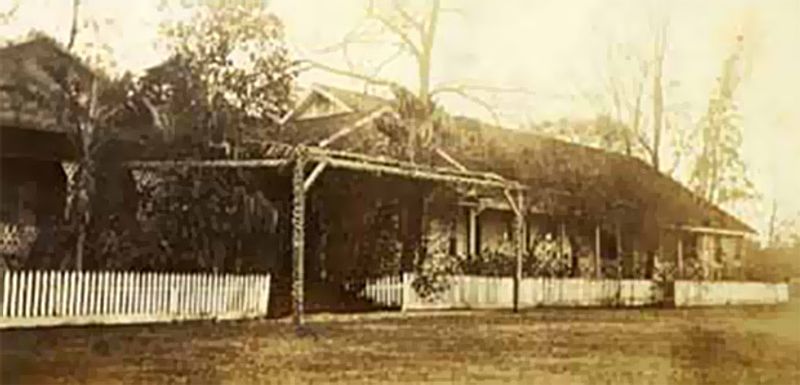
Niihau has a story worth knowing. In 1864, Elizabeth Sinclair bought the island from the Kingdom of Hawaii.
Her descendants, the Robinson family, still own it.
The island is home to a small community. Many residents speak Hawaiian as their first language.
That makes Niihau a special place for keeping the language alive.
Life there is simple by design. The island is known for traditional ways, and its people are famous for fine shell lei.
Those delicate necklaces are treasured across Hawaii.
The lake sits inside this larger picture. It is part of the land where a distinct culture has continued for generations.
Knowing the backstory helps explain the privacy rules. They protect a community and its way of life, not just a pretty landscape.
Fun Ways To Appreciate It From Afar
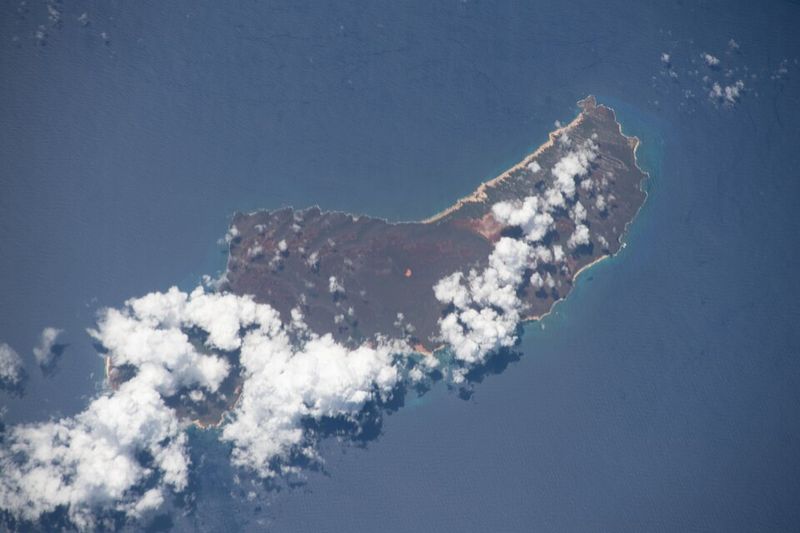
You may not reach the shore, but you can still enjoy the lake. Online satellite maps let you zoom into Niihau and spot the basin.
Compare views across seasons and you might see how the water changes.
Library books and educational sites are another good path. Look for material on Hawaiian wetlands and native birds.
You will learn why these places matter so much.
Kauai is a nice stop for curious travelers. From certain spots, Niihau can be seen across the water on a clear day.
It gives a real sense of how close and yet how remote the island feels.
You can also support Hawaiian bird conservation groups. Protecting wetlands across the islands helps species that depend on them.
Every habitat counts.
The lake may be out of reach, but its story is easy to share. It is a seasonal wonder that proves Hawaii still has surprises left.
Share this story