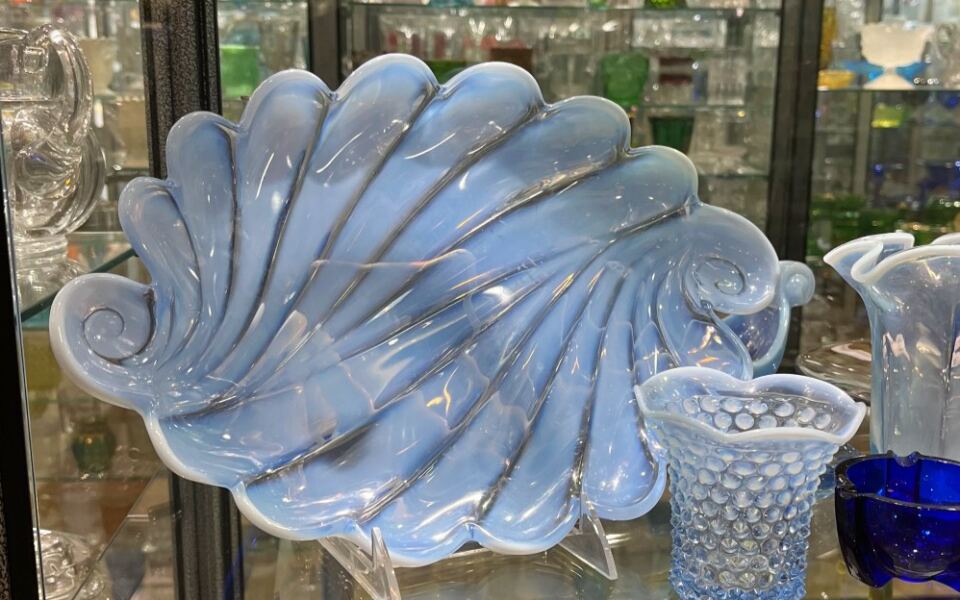
A free museum in Weston, West Virginia, houses more than 20,000 pieces of American glass, including vintage household dishes, rare collectibles, and a remarkable 13-room stained-glass dollhouse.
The Museum of American Glass preserves the history of an industry that once employed thousands of workers across West Virginia and neighboring states. Its collection includes familiar kitchen glassware, decorative pieces, and historic objects from American manufacturers.
Visitors can also explore the National Marble Museum collection and learn about the companies that produced glass found in homes across the country. With free admission and thousands of objects to discover, this small-town museum offers much more than its modest exterior suggests.
A Free Glass Museum on Main Avenue
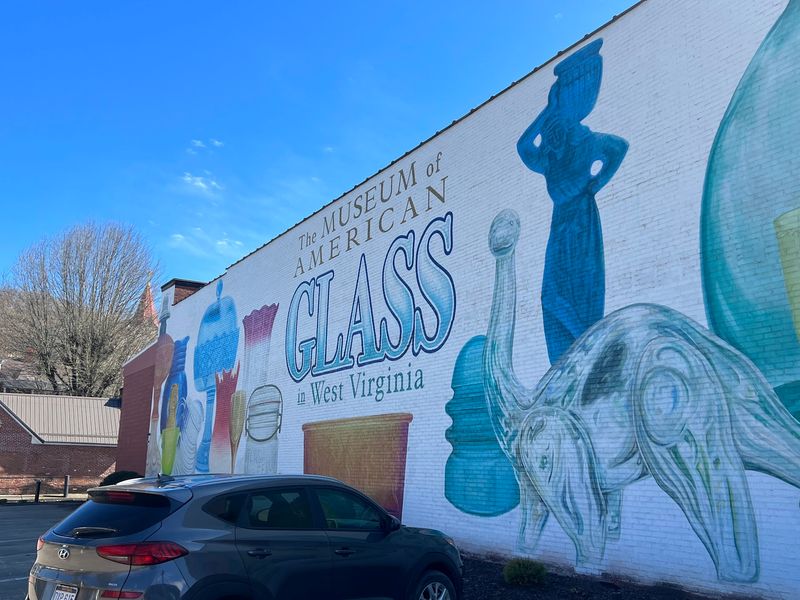
Admission costs nothing, and that surprises a lot of first-time visitors. The Museum of American Glass in West Virginia sits at 230 Main Avenue in Weston, West Virginia, right in the heart of this small town.
Its focus is simple to explain. The museum tells the story of America’s glass industry through the actual objects that factories produced and families used.
You’ll see pieces made by more than 150 different companies, all gathered under one roof.
West Virginia earned its place in that story for good reason. The state and its neighbors were once home to many busy glass factories, and their products filled kitchens and living rooms across the country.
The museum runs on donations and the help of dedicated volunteers. Much of the collection came from people who gave their own pieces so others could enjoy them.
Visitors can drop a gift in the donation box on the way out, and many choose to do so.
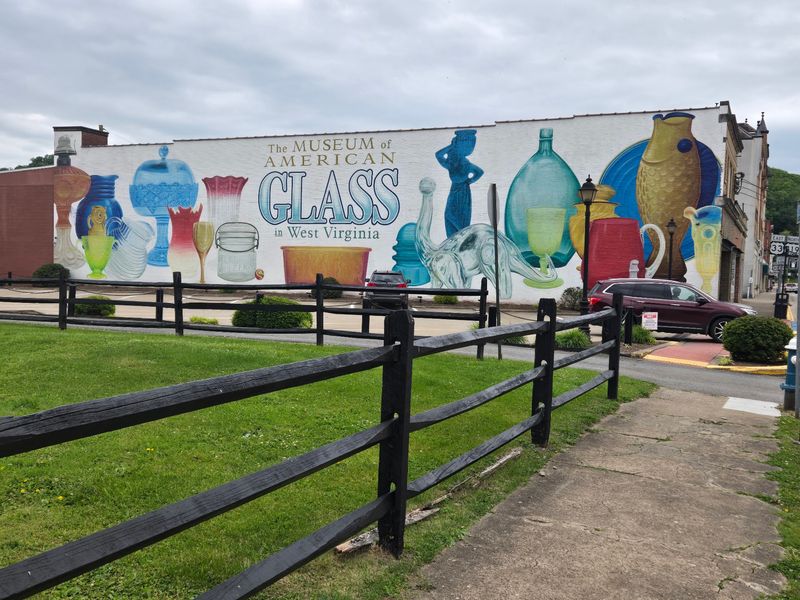
Look for the bright mural painted on the side of the building as you arrive. It makes a handy landmark, and it hints at the color waiting inside those front doors.
Furniture So Small It Fits on a Fingertip
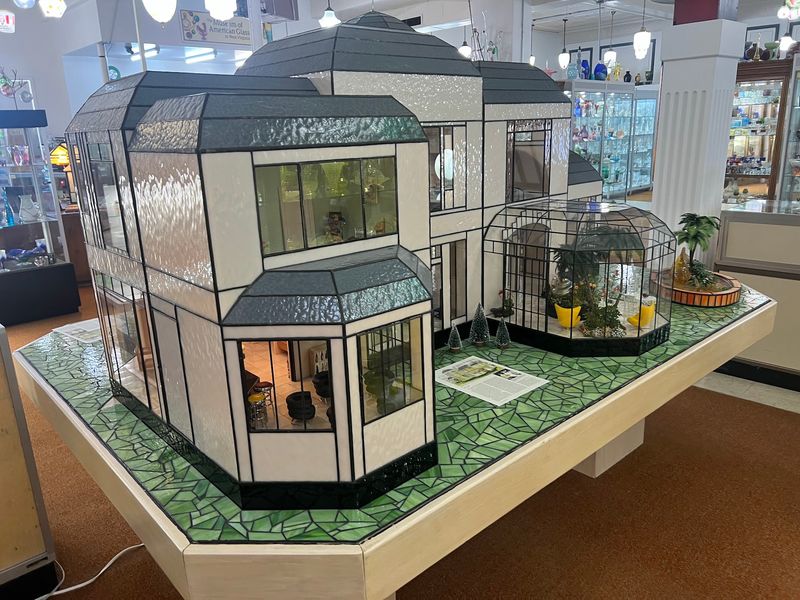
Tiny chairs, tables, and household pieces made of glass fill one of the most talked-about displays here. The glass dollhouse draws people of every age, and kids often want to press their noses right up to the case.
Each miniature piece shows how much skill glassmakers needed for small work. Shaping something that delicate takes patience and steady hands.
Seeing dozens of these little objects together gives you a real sense of the craft behind them.
I find this display a smart place to start with younger visitors. It turns a museum of glassware into something playful, almost like a toy shop you can’t touch.
Once children are curious, the rest of the collection feels more exciting to them.
Take your time studying the details. Some pieces are so small that you’ll spot new ones every time you look from a different angle.
Bending down to a child’s eye level can change what you notice, too.
A friendly reminder for families: hands stay off the cases. Glass may last for generations, but fingerprints show up instantly, and volunteers work hard to keep everything sparkling clean.
Rolling Through Rows of Colorful Marbles
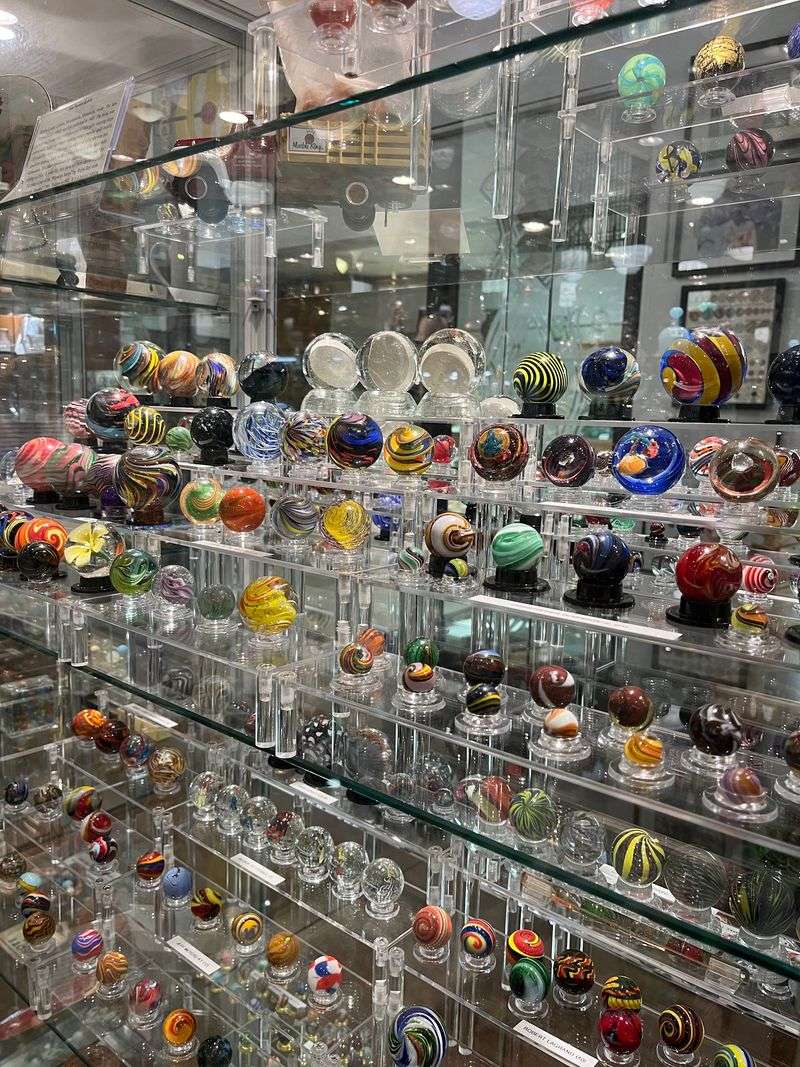
Remember playing marbles at recess? That small pocket of childhood gets serious attention at this museum, where a whole section is devoted to glass marbles.
Marbles might seem like simple toys, but they have deep roots in this region. West Virginia became well known for marble making, and several companies in the area produced them in huge numbers.
Looking at a case full of swirls, stripes, and bold colors shows how creative those makers could be.
Collectors take marbles very seriously. Small differences in color patterns or manufacturing methods can help identify which company made a particular piece.
The display gives everyday visitors a quick lesson in what those collectors look for.
This section works well for grandparents and grandkids exploring together. Older visitors often recognize styles from their own childhood games.
Younger ones may be surprised that these little glass spheres were once a favorite way to spend an afternoon.
I’d make a point of comparing the older marbles with the newer ones. The changes in color and design tell their own story about how glassmaking methods shifted over the years, a theme that runs through the entire museum.
A Wall That Maps America in Glass
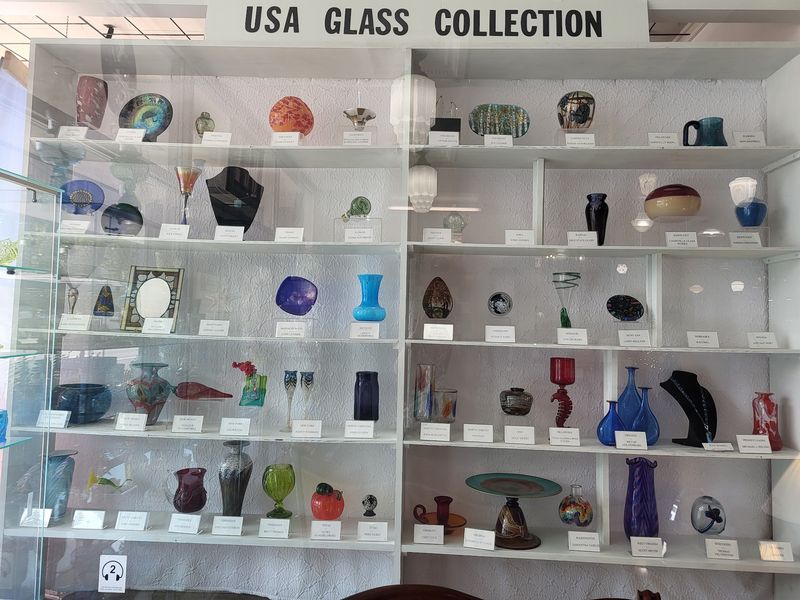
Fifty states, one wall, and a few empty spots still waiting to be filled. The state glass display is one of the most interesting features in the building because it is still a work in progress.
The idea is straightforward. Each section holds glass connected to a different state, showing that glassmaking happened all over the country, not just in one region.
It’s a reminder that American glass has a broad national story.
Some states have plenty of examples to choose from. Others are harder to represent, which is why certain spaces remain open.
That gap gives the wall a sense of ongoing effort that most museum displays lack.
Visitors who own glass from an underrepresented state might be able to help. If you have a piece tied to one of those missing places, it could be worth asking the staff whether they need it.
Your family keepsake might end up as part of the map.
I like hunting for my home state first. Most people seem to do the same, which turns the wall into a fun little game of finding where you belong in the collection.
Spotting Grandma’s Candy Dish Behind the Glass
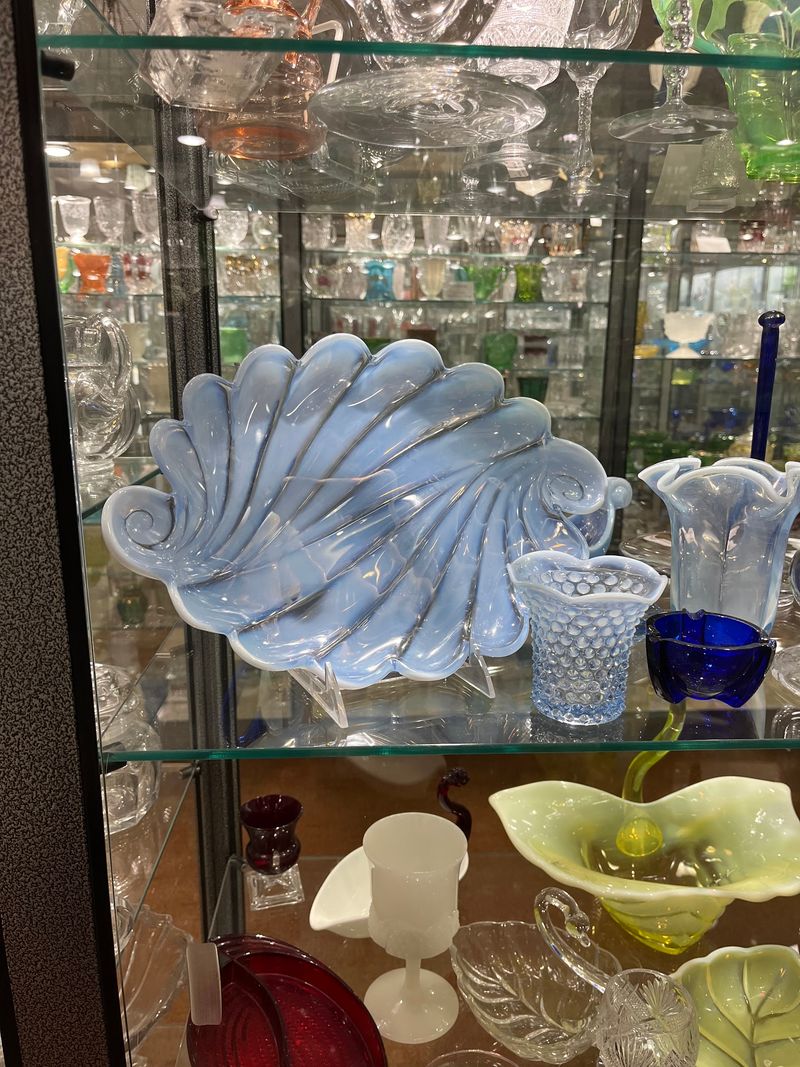
Plenty of visitors stop in their tracks when they recognize a bowl, pitcher, or candy dish from a relative’s kitchen. That moment of recognition is part of what makes this collection feel personal.
Much of what you’ll see is manufactured glassware that families actually bought and used. Pressed glass, colorful dishes, lamps, and decorative pieces line the cases.
These objects once sat on dinner tables and shelves in ordinary homes.
That focus on everyday glass sets the tone. Instead of only showing rare art pieces, the museum treats the dishes people grew up with as worth preserving.
Familiar items become history lessons right in front of you.
Bring your phone if you have family glass at home. Snapping a photo of a matching piece and its label can help you learn which company made your own treasure.
It’s a simple way to connect your kitchen cabinet to a much bigger story.
The displays also include rare and older pieces for serious collectors. Glass from the 1800s and early 1900s appears alongside more familiar items, so you can see how styles and techniques developed across many decades of American production.
Tools and Techniques Behind the Shine
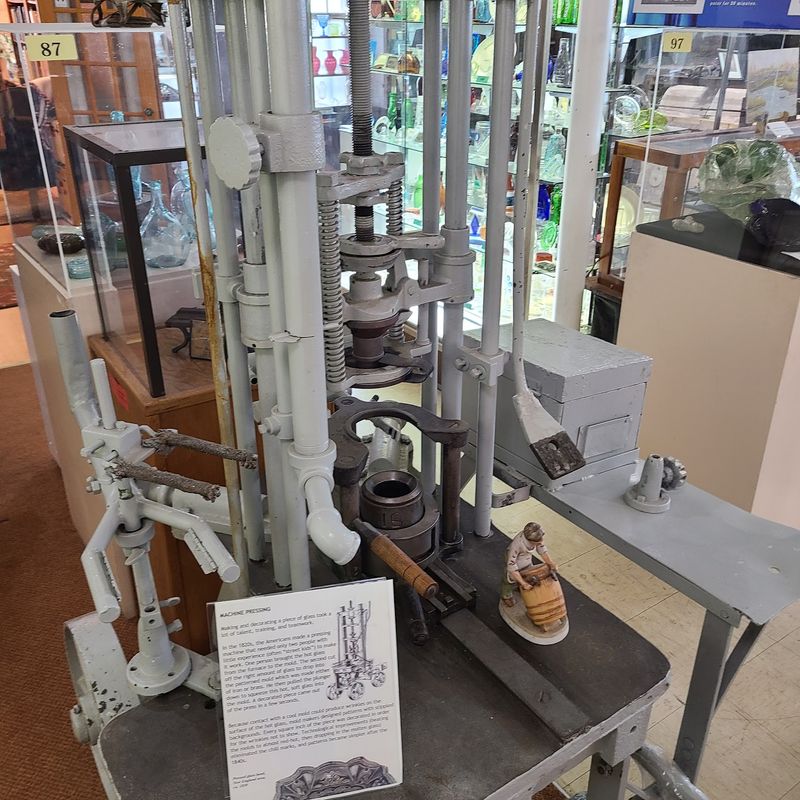
Finished glass gets most of the attention, but the tools that shaped it deserve a closer look. The museum includes glassmaking tools along with information about the methods workers used.
Understanding the process changes how you see everything else in the building. Once you know how pressed glass differs from blown glass, the pieces in the cases start to make more sense.
You begin noticing seams, shapes, and details you might have skipped earlier.
Glass factories were once a major source of jobs in West Virginia and nearby states. Skilled workers spent long careers learning their trade.
The tools on display represent the hands that turned raw materials into products sold across America.
I would visit this area early in a trip through the museum. A little background on technique makes the rest of the collection more rewarding.
It’s like getting the answer key before taking the test, minus the stress.
Don’t hesitate to ask questions here. Volunteers and staff often know a great deal about how specific pieces were made, and they can point out details that are easy to miss when you’re walking through on your own.
Volunteers Who Know Their Stuff
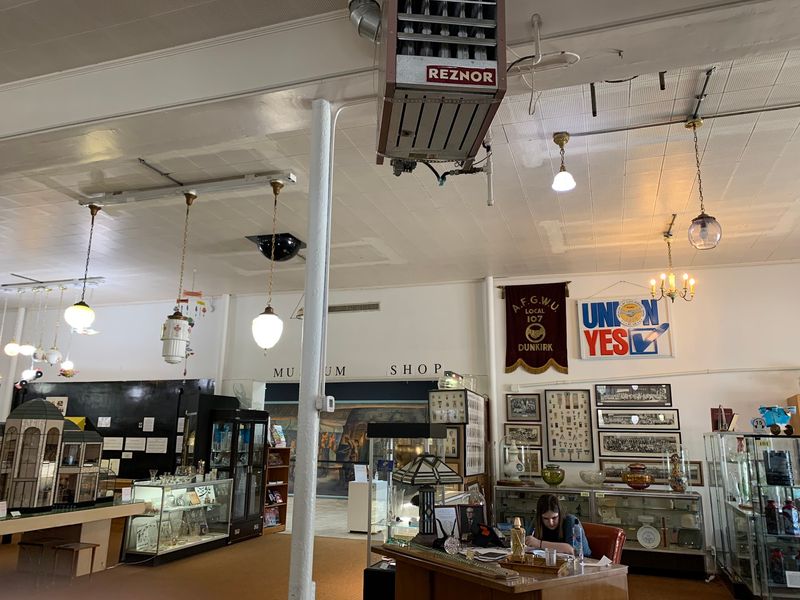
Behind every spotless case stands a team of people who care deeply about glass. Volunteers help keep this museum running, from cleaning displays to greeting guests at the door.
Their knowledge can turn a quick stop into a much richer visit. Some have spent many years studying glass history and can share stories about particular companies or pieces.
If something catches your eye, asking about it is often the best move you can make.
The tour itself is self-guided, so you can wander at whatever pace suits you. Still, staff members are usually happy to point out historical pieces or suggest areas based on your interests.
That mix of freedom and friendly help works well for both beginners and experts.
Keeping thousands of glass objects clean is no small job. Dust and fingerprints show up quickly on glass, yet the cases here are known for being remarkably clear.
A simple thank-you goes a long way with volunteer staff. So does a donation, since the museum relies on support from visitors.
Those small gestures help make sure the next guest has the same welcoming experience you did.
A Research Library for Curious Collectors
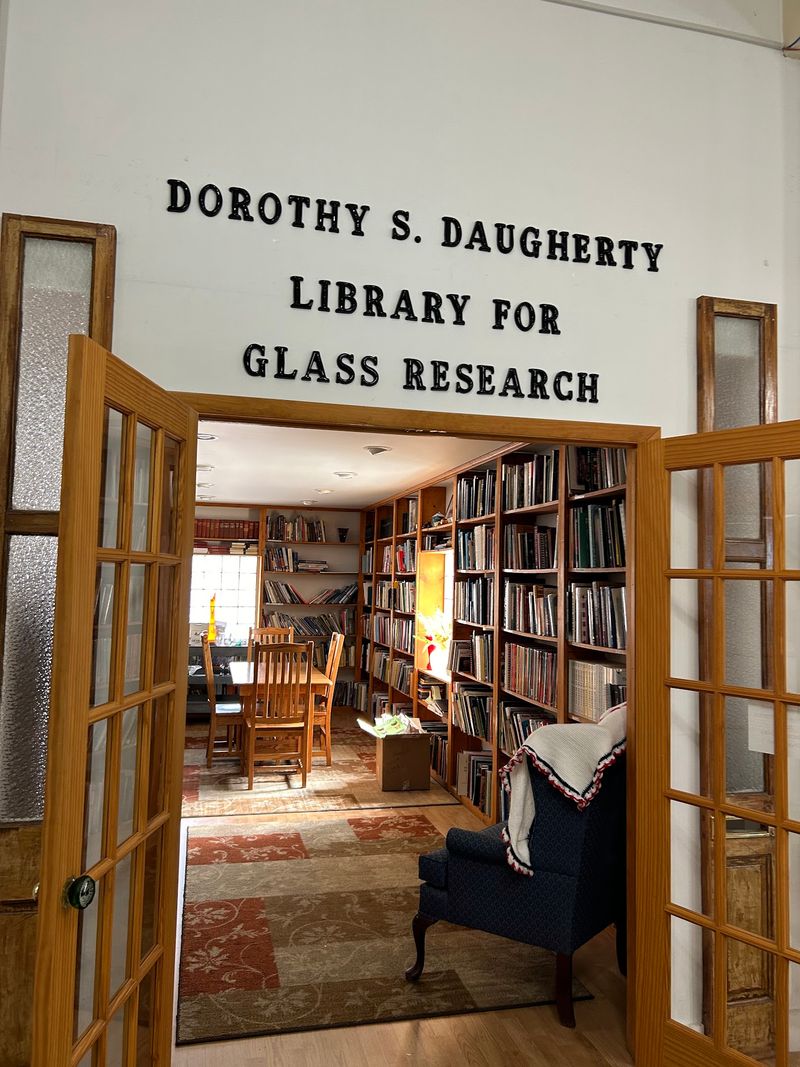
Shelves full of books about glass might sound quiet, but for collectors, this room is a treasure chest. The museum offers a research library packed with reference material on American glass.
Identifying old glassware can be tricky. Many pieces look similar, and small details often reveal the maker or the time period.
Books, catalogs, and other references help people figure out exactly what they own.
The library serves more than serious researchers. Casual visitors can flip through books about glass and the creation of different pieces.
Even a short browse can teach you something new about the items sitting in your own cabinet.
Reference materials are also available for purchase. That’s handy if you want to keep learning after you head home.
A good guidebook can make garage sales and antique shops far more interesting.
I’d suggest coming with a specific question if you’re a collector. Knowing what you want to research helps you make the most of the resources.
Staff can often point you toward the right shelf, saving you from wandering through stacks without a plan.
Taking a Piece of Glass History Home
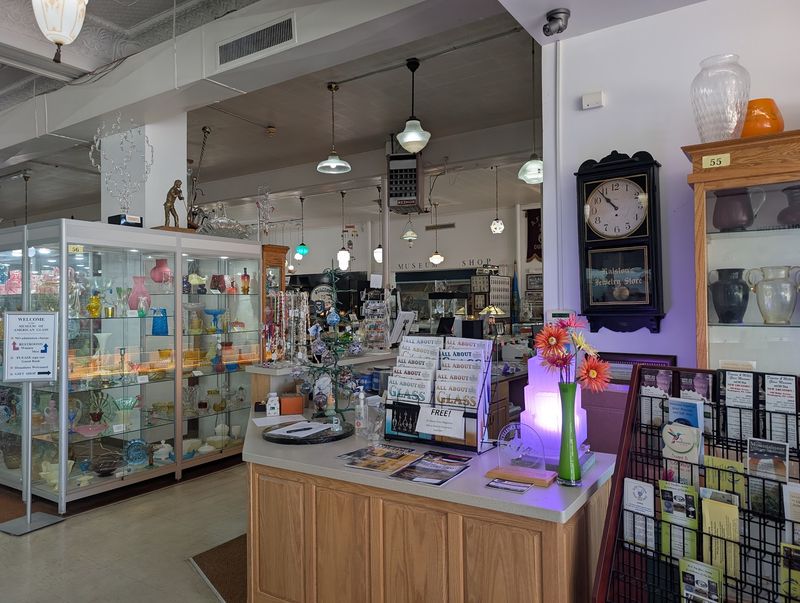
Leaving empty-handed can be hard once you’ve spent time admiring all that glass. Luckily, the museum shop gives visitors a chance to bring a little of the experience home.
The shop carries glass pieces and books. Some items are vintage, and some are consignment pieces, so the selection can change over time.
That rotating mix makes browsing feel a bit like a treasure hunt.
Shoppers looking for a gift or souvenir have plenty to consider. A colorful vintage dish makes a thoughtful present for someone who loves antiques.
A book on glass history works well for curious readers who want to learn more.
Purchases also support the museum’s work. Since admission is free, the shop and donations help keep the lights on and the cases full.
Buying something here feels good on more than one level.
Pack carefully if you’re traveling. Bringing a sturdy bag or some soft cloth for wrapping can protect fragile purchases on the drive home.
Glass survived generations in someone’s cupboard, so it would be a shame to lose it on a bumpy road.
Smart Tips Before You Head to Weston
Timing matters a little when planning a stop here. The museum is open every day, with weekday and Saturday hours starting in the morning and shorter Sunday afternoon hours, so checking before you go is wise.
Parking takes some thought. Street parking is available near a park just before you reach the museum.
Some nearby spaces are marked for permit parking only, so read signs carefully when you arrive.
Plan for at least an hour to see the main displays. Collectors and glass lovers may easily stay longer.
Families with restless kids might move faster, which is fine since the tour is self-guided.
The museum has plenty more in storage than it can show at once. Plans to expand into the building next door could mean even more glass on display in the future.
That makes return trips appealing for anyone who enjoys watching a collection grow.
Donations of glass help shape the museum too. If your family owns pieces nobody wants to keep, consider asking whether the museum could use them.
Your old dishes might find a new life where thousands of people can appreciate them.
Share this story